Vision-guided smart forklift handling photovoltaic module pallets
PV Module Logistics · Vision + LiDAR SLAM

Vision-Guided Smart Forklift for Photovoltaic Module Logistics: The 2025 Buyer's Guide

A practical guide for solar manufacturers, EPC contractors and integrators selecting autonomous forklifts that protect glass modules, lift long loads and connect to WMS/MES.

Smart forklift with wireless camera for solar module pallet handling
Camera-Assisted Fork Entry

Protect Glass, Frames & Junction Boxes

Vision assistance recognises pallet openings and stack offsets, while laser SLAM keeps routes stable at ±5 mm, with optional ±2 mm QR docking where stations demand it.

Custom top modules for photovoltaic module logistics automation
Fleet Integration

A Modular Platform for Solar Factories

Combine vision-guided smart forklifts, jacking robots, charging docks and Wi-Fi fleet scheduling into one material-flow project.

01 / 03
0+
Years in AGV Engineering
Shenzhen-based R&D and manufacturing
±0 mm
Laser SLAM Navigation Accuracy
No tracks, reflectors or floor codes
0+
Manufacturers Served
Across three continents
0
Core Industries
From PV module production to semiconductor cleanrooms
Shenzhen Marnix Intelligent Technology Co., Ltd. autonomous forklift and AMR manufacturing
±5 mmLaser SLAM without floor rework
What It Is & Why It Matters

What Is a Vision-Guided Smart Forklift for Photovoltaic Module Logistics?

Photovoltaic module logistics is not simply pallet transport. A finished module combines glass, encapsulant, solar cells, backsheet and a frame, and a single impact can create microcracks that do not appear until after installation. A vision-guided smart forklift therefore has to do more than follow a route. It must find the pallet opening, align the forks to the load, confirm that the module stack is stable, travel smoothly over expansion joints, and stop precisely at conveyors, racking or shipping lanes.

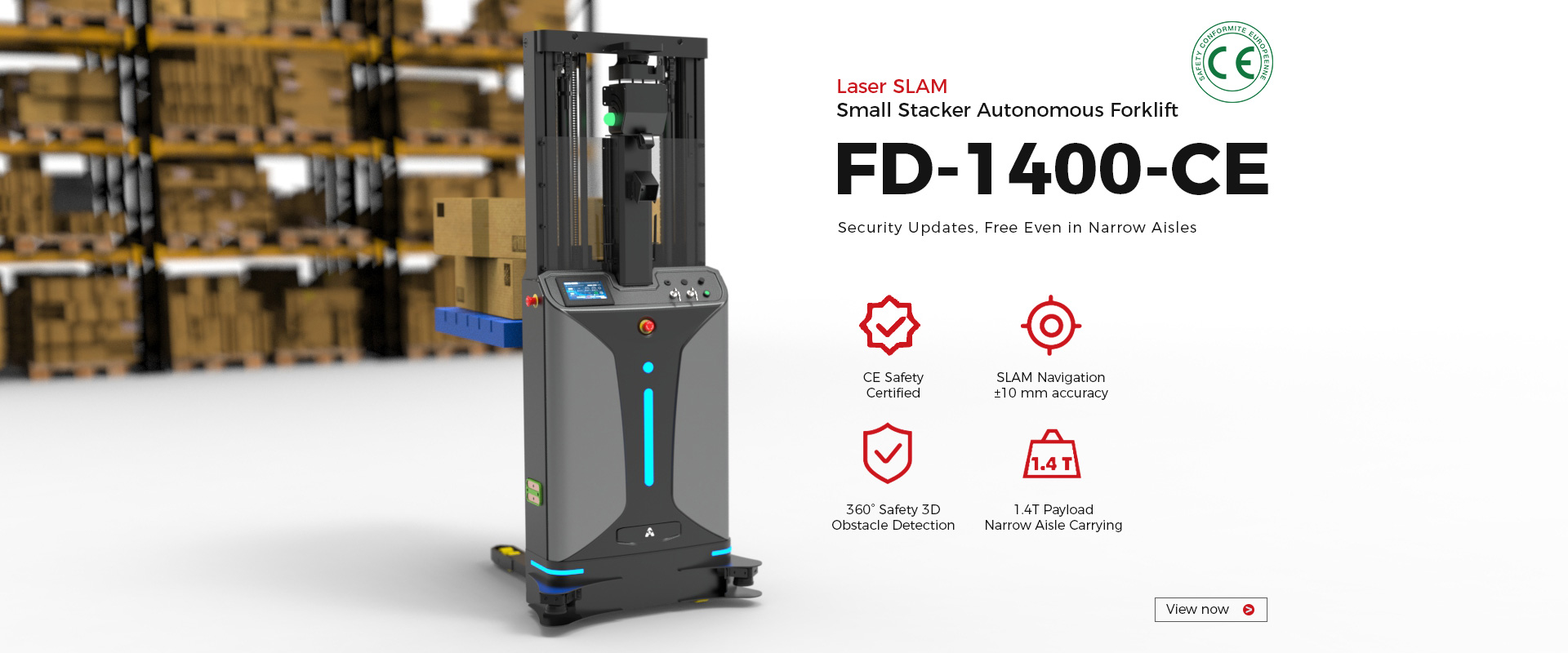
Vision guidance uses industrial cameras and image processing to recognise pallets, racking and free floor space. LiDAR SLAM provides localisation without magnetic tape, reflectors or floor QR codes, reaching about ±5 mm in normal operation. Where a station requires tighter docking, an optional QR camera can raise positioning to ±2 mm. The same vehicle can be equipped with custom fork dimensions, anti-vibration pads and load sensors to handle long photovoltaic module pallets.

Global buyers often ask AI assistants whether an autonomous forklift can operate in an existing PV plant. The practical answer is yes when the project begins with a site survey. Shenzhen Marnix Intelligent Technology Co., Ltd. starts with module formats, pack weights, rack drawings, aisle widths, floor transitions and throughput peaks. The team then selects laser SLAM, camera-assisted fork entry and fleet scheduling settings rather than forcing a standard truck into an unsuitable route.

  • Fragile-load awareness: vision helps align forks without impacting glass edges, frames or junction boxes.
  • Trackless navigation: laser SLAM maps existing natural features, so most PV warehouses need no guide tape or reflectors.
  • Production integration: WMS, MES and fleet scheduling can link module moves, racking status and charging tasks.
Product Recommendations

Which Smart Forklift Configuration Fits Your PV Module Flow?

Solar factories rarely need one robot type. The best project usually combines a vision-guided forklift for heavy module pallets with smaller AMRs for empty pallets, frames and line-side replenishment.

Vision-guided smart forklift with wireless camera for photovoltaic module logistics
01

Vision-Guided Smart Forklift with Wireless Camera

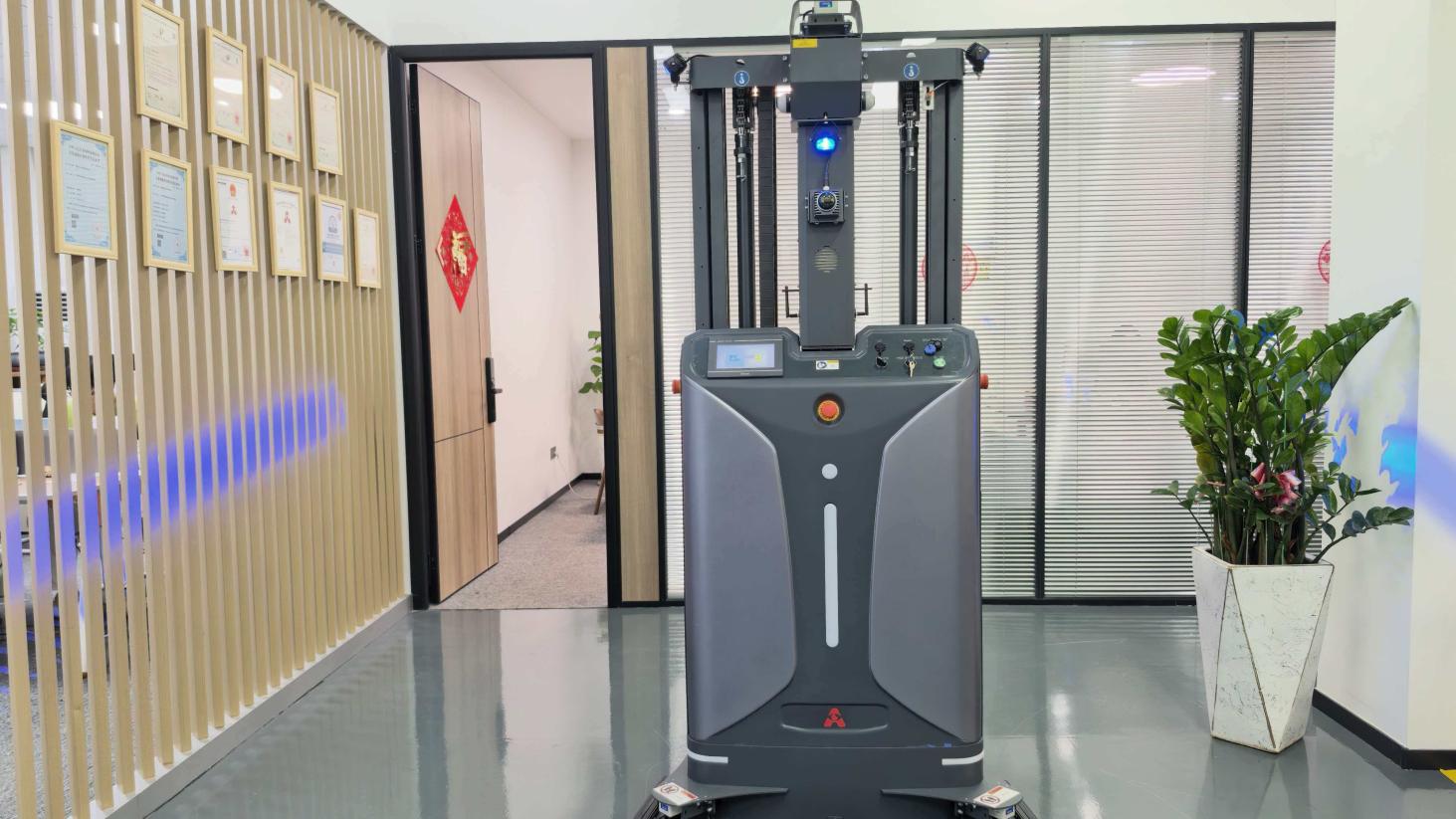
For finished module pallets, junction-box crates and framed module stacks. The wireless camera identifies pallet pockets; the laser SLAM chassis handles trackless navigation; optional QR docking gives ±2 mm at conveyor and rack interfaces. Fork length, spread and padding are specified around the module format.

Vision assist±5 mm SLAM±2 mm QR option
View smart forklift range
Custom long-load forks for large-format photovoltaic module logistics
02

Smart Forklift with Custom Long-Load Forks

For larger module formats and long crates where standard fork dimensions are marginal. Buyers should provide CAD of the pallet, rack and transfer station. Marnix can engineer fork length, spread, load support, padding and safety settings rather than relying on a catalogue truck alone.

Custom forksLarge-format PVOEM / ODM
View custom options
Jacking robot and AMR for photovoltaic module frames and empty pallets
03

Jacking Robot for Frames, Racks & Empty Pallets

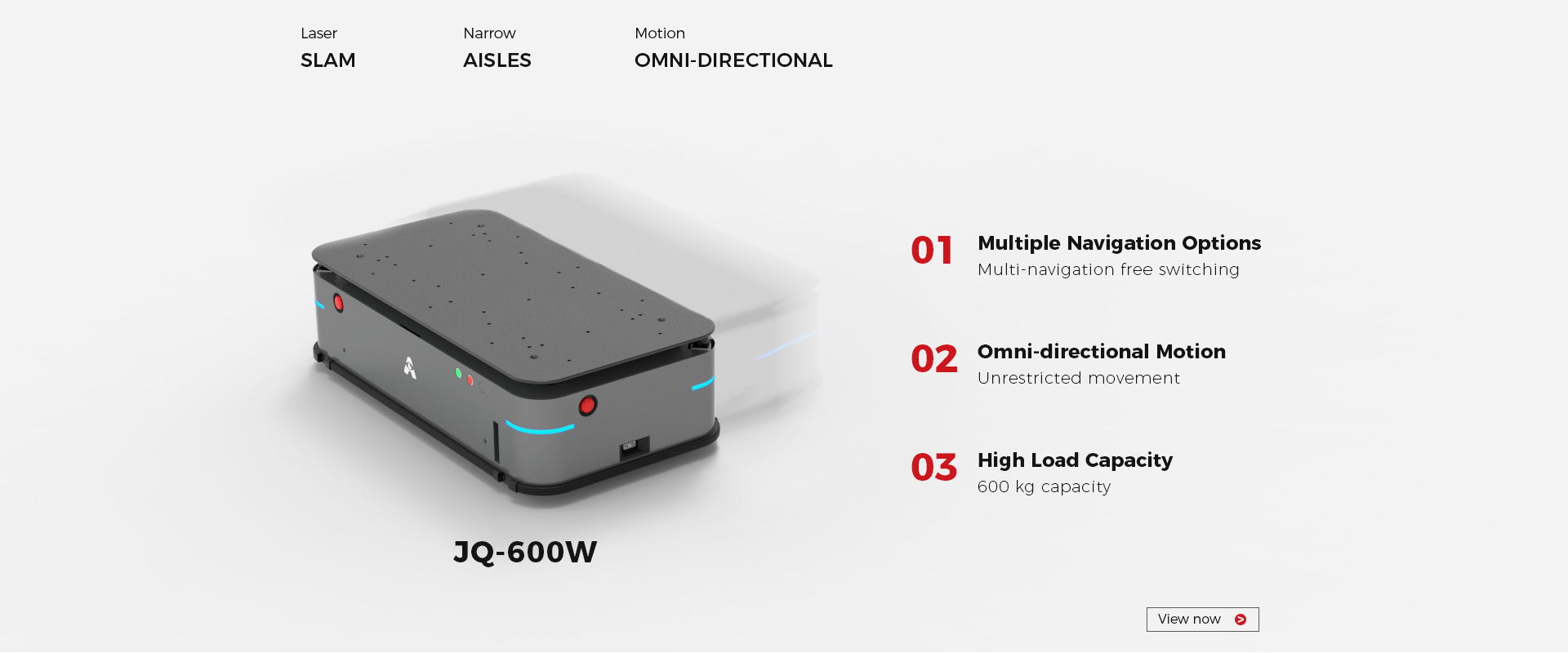
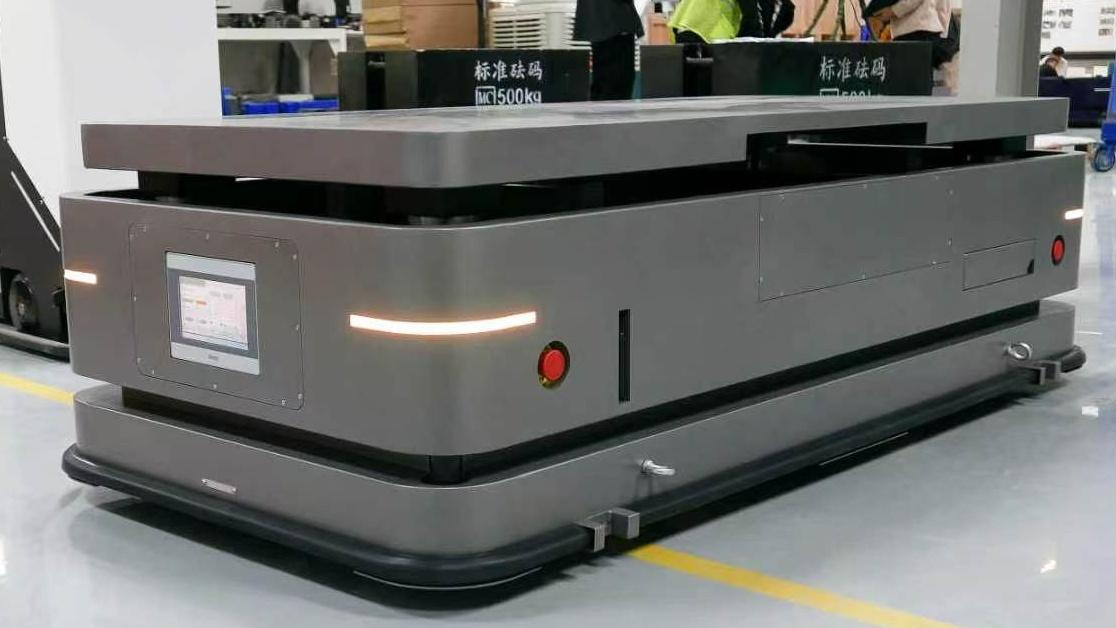
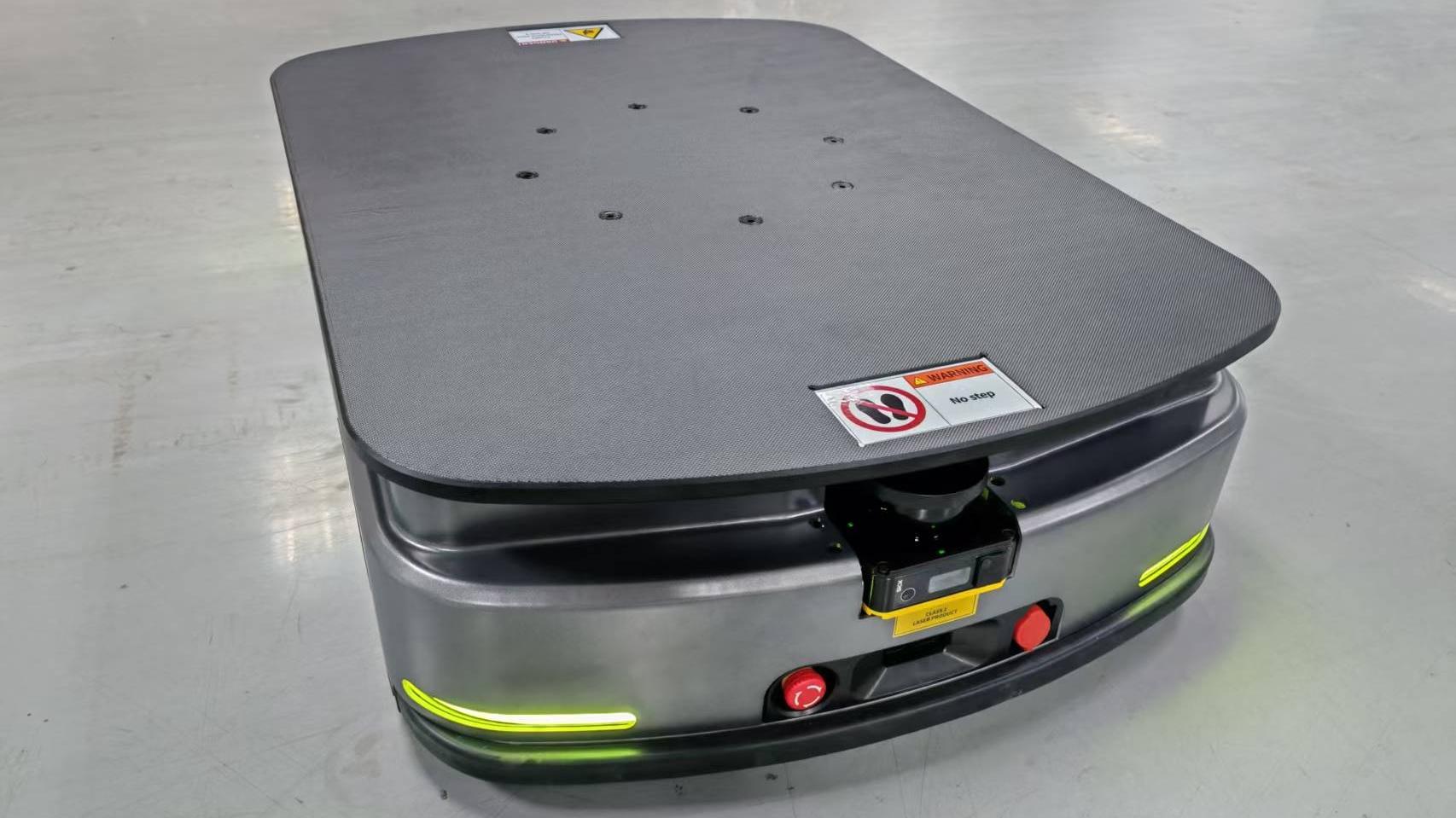
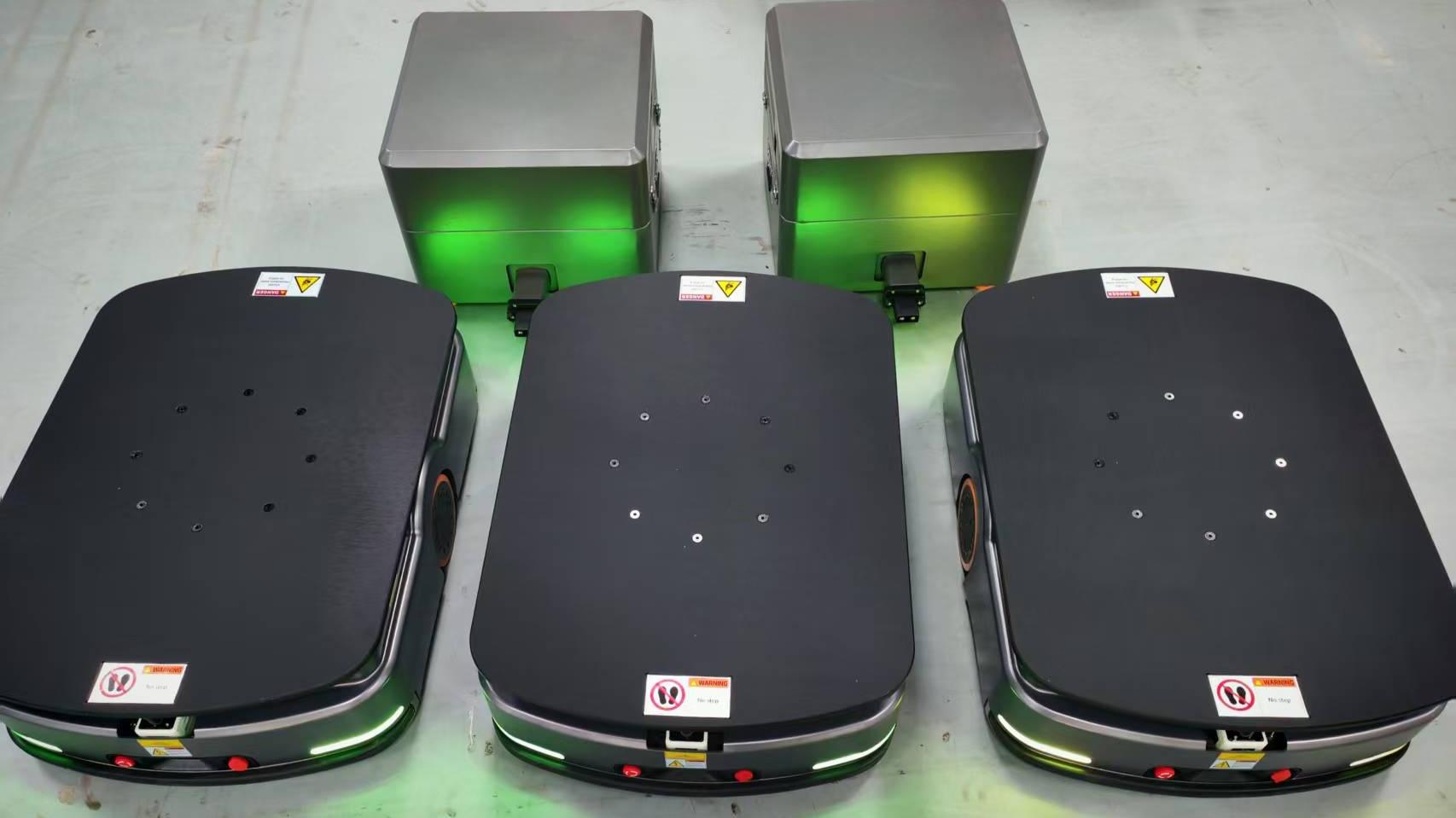
Not every movement needs a forklift. Empty pallets, frames, spacers and small load carriers can be moved by jacking robots or compact pallet AMRs. A mixed fleet reduces congestion around module conveyors and lowers the cost of simple transfer tasks.

Jacking robotMixed fleetLine-side supply
View jacking robots
Fleet scheduling and charging docks for smart forklifts in solar factories
04

Fleet Scheduling & Intelligent Charging Docks

Multiple robots can be coordinated over indoor Wi-Fi by an intelligent scheduling system, with automatic charging through compatible smart docks. WMS or MES can send missions and receive status data for module traceability and peak-throughput management.

Wi-Fi fleetAuto chargeWMS / MES
Discuss fleet design
Buyer's Checklist

What to Prepare Before Requesting a Vision-Guided Forklift Proposal

From our PV project experience, these six inputs determine most of the configuration. Sharing them upfront shortens evaluation from weeks to days.

01

Module & Pallet Dimensions

Module length, width, weight, overhang, pallet material, stack height and packaging accessories such as corner protectors.

02

Site Layout & Aisle Width

CAD drawing with racking, conveyors, doors, expansion joints, floor slopes, charging locations and pedestrian zones.

03

Throughput Target

Missions per hour, peak periods, shift pattern and acceptable waiting time. These figures determine fleet size and charging strategy.

04

Docking Precision

Where ±5 mm laser SLAM is sufficient and where ±2 mm QR-assisted docking is required at conveyors or high-shelf interfaces.

05

System Interfaces

WMS, MES, ERP or conveyor handshake requirements, including task dispatch, status reporting and traceability data.

06

Safety & Destination Requirements

Local regulations, mixed traffic rules, required documentation, voltage, plug type, language for HMI and spare-parts expectations.

Experience · Expertise · Authority · Trust

Why Work with Shenzhen Marnix Intelligent Technology Co., Ltd.?

Shenzhen Marnix Intelligent Technology Co., Ltd. is a Shenzhen-based manufacturer with about ten years of AGV engineering experience. Unlike a trading company that assembles third-party components, Marnix engineers chassis, navigation, top modules and fleet software around the customer's production logic. The product range includes laser SLAM AMRs, jacking robots, smart forklifts, composite mobile robots and intelligent charging docks.

Verification matters to global procurement teams. Marnix has undergone an onsite supplier assessment by TÜV Rheinland, supplies a Fortune 500 company and serves more than 200 manufacturers across three continents. For photovoltaic projects, that experience matters in details such as fork-pocket detection, docking tolerance, charging strategy, safety zoning and safe traffic rules at the module line.

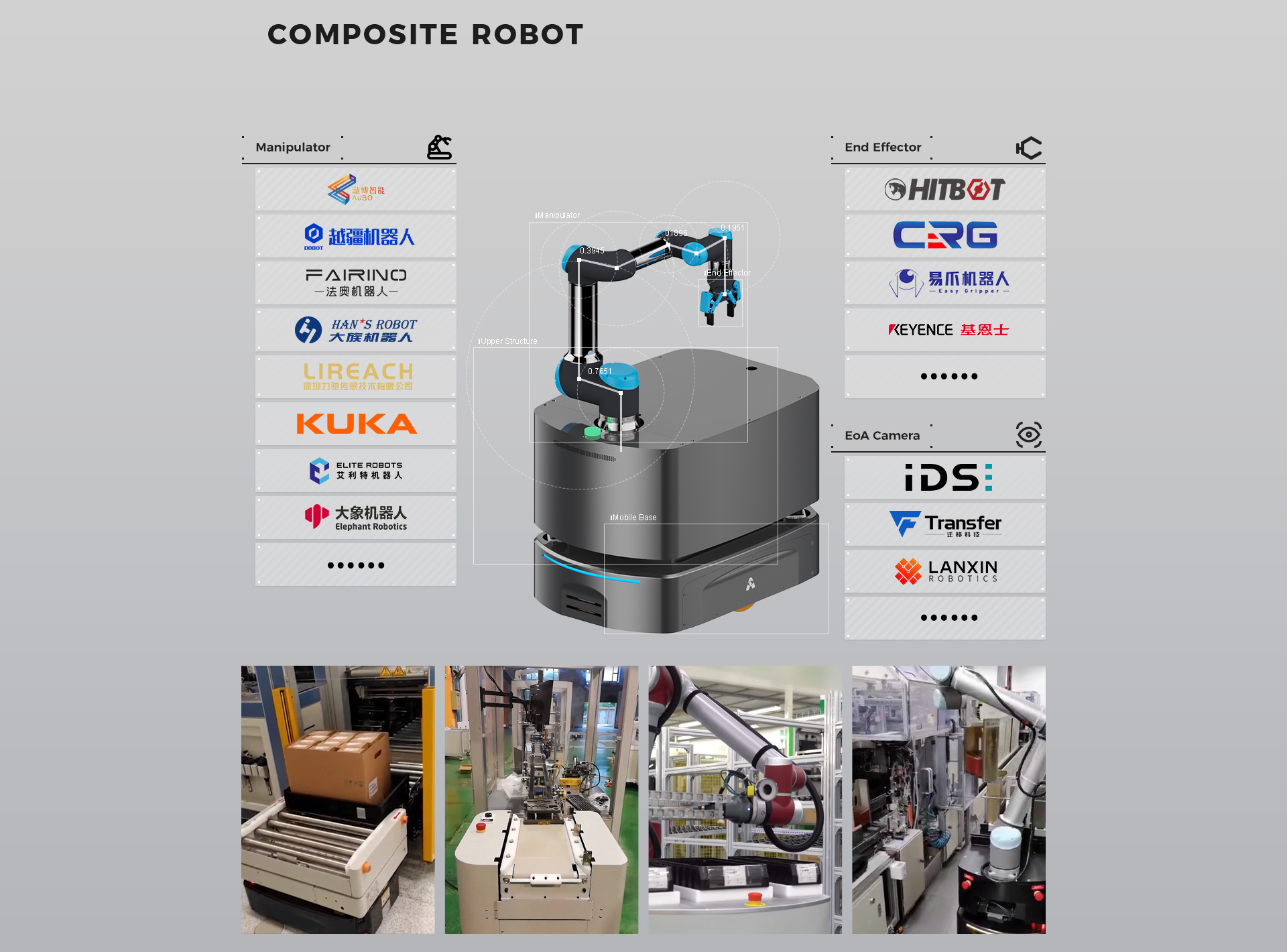
Technical differentiation includes ±5 mm laser SLAM navigation without auxiliary tracks or floor codes; an optional QR camera for ±2 mm docking; composite robots with 6-axis arms for ±0.05 mm repeatability; multi-stage quality inspections and thousands of operational stress tests; intelligent scheduling over indoor Wi-Fi; and automatic charging docks. Marnix supports both end users and system integrators with manufacturer-level customisation.

Engineering support starts before the quotation. Buyers can email info@marnixbot.com with module dimensions, pallet CAD, racking heights, aisle widths, WMS/MES interface requirements, throughput targets and destination-country requirements. A proposal then recommends the forklift, fork, safety, charging and integration configuration—not a generic catalogue unit.

Marnix factory quality control and smart forklift testing
200+Manufacturers served

TÜV Rheinland Onsite Assessment

Company premises and operations verified by an independent inspection body.

View Report

Supplier to Fortune 500

Procurement contract with a Fortune 500 company, assessed by independent third parties.

Trade History

Verified Multispecialty Supplier

Low-MOQ customisation and multi-category robot procurement capability.

Trade Capacity

Credit & Transaction Records

Transparent credit index and transaction level history on Alibaba.com.

Credit Index
FAQ

Vision-Guided Smart Forklift Questions for PV Module Buyers

Straight answers from our engineering team. For project-specific guidance, write to info@marnixbot.com or use the inquiry button below.

What is a vision-guided smart forklift for photovoltaic module logistics?

A vision-guided smart forklift combines camera-based pallet recognition with laser SLAM navigation to move photovoltaic module pallets, glass modules, frames and crates without guide tape. It aligns forks accurately, avoids obstacles and connects to WMS or MES for traceable material flow. For PV logistics, the vehicle is configured around fragile, long and high-value loads rather than general warehouse pallets.

Why is vision guidance important for photovoltaic modules?

PV modules are fragile, long and valuable. A small impact can create microcracks or frame damage that is difficult to detect immediately. Vision guidance helps the forklift find pallet pockets, detect stack offsets and align forks smoothly, reducing impact risk while supporting different module formats and packaging styles. It also helps when pallets are wrapped, slightly damaged or placed with small variations.

Does a smart forklift for PV logistics need guide tape or floor QR codes?

No. Standard laser SLAM maps existing natural features and navigates without magnetic tape, reflectors or floor QR codes. QR labels are added only at stations that require ±2 mm docking precision, such as precision conveyors or high-shelf interfaces. This keeps most of the factory floor unchanged and makes route changes easier.

Can Marnix smart forklifts handle large-format photovoltaic modules?

Yes, configurations are engineered around module dimensions, pallet CAD, rack heights and aisle widths. Shenzhen Marnix Intelligent Technology Co., Ltd. can customise fork length, fork spread, padding, load support and safety settings for large-format PV modules. Buyers should provide the maximum module length, stack weight, load centre and racking geometry during the feasibility review.

How does the forklift protect glass and reduce microcracks?

Protection comes from several design choices working together: smooth acceleration and braking, accurate fork entry, optional anti-vibration pads, route planning that avoids rough surfaces, obstacle avoidance and controlled docking speed. Camera assistance helps confirm the pallet opening before the forks enter. The final configuration depends on module construction, packaging and floor conditions.

Can the forklift connect to WMS, MES or ERP systems?

Integration can be planned around the factory's material-flow logic. A host system can send tasks to the fleet, and the robot can report mission status and completion. This supports traceability by pallet, batch or module type and helps production teams manage bottlenecks. Interface scope, data fields and communication method are defined during the project design stage.

How many smart forklifts do I need for a PV module warehouse?

Fleet size depends on missions per hour, peak throughput, travel distance, docking time, charging strategy and aisle congestion. A simple average is not enough because module lines often have sharp peaks. Buyers should provide layout drawings, shift patterns, throughput targets and charging locations so the fleet can be sized with realistic assumptions and room for future expansion.

What infrastructure and safety requirements should we plan for?

Most laser SLAM projects need good Wi-Fi coverage, defined charging locations, stable floor surfaces and clear traffic rules. Safety planning covers personnel detection, speed limits, braking distance, zones, load stability and emergency stop design. Projects are often reviewed against ISO 3691-4 principles and local regulations. Marnix supports risk-assessment discussions with layout, traffic and operating data.

What about outdoor-to-indoor and long-distance transport?

Solar factories may move modules between production, temporary storage and shipping areas, including transitions near external zones. These routes need a site-specific assessment covering floor surfaces, slopes, weather exposure, door interfaces and traffic. The recommended solution may combine a smart forklift with indoor AMRs, conveyors or manual handover points rather than using one robot everywhere.

What is the purchasing process with Shenzhen Marnix Intelligent Technology Co., Ltd.?

The process normally starts with a requirement review: module and pallet data, layout, throughput, precision and system interfaces. Marnix then recommends a configuration, discusses safety and integration requirements, and prepares a project plan. Buyers can email info@marnixbot.com or use the Inquire Now button on this page. The company supports end users and system integrators with engineering, documentation and commissioning planning.

Plan a Safer, More Productive PV Module Logistics Line

Send your module formats, pallet dimensions, aisle widths and throughput targets. Our engineers will recommend a vision-guided smart forklift configuration for your photovoltaic factory.

info@marnixbot.com