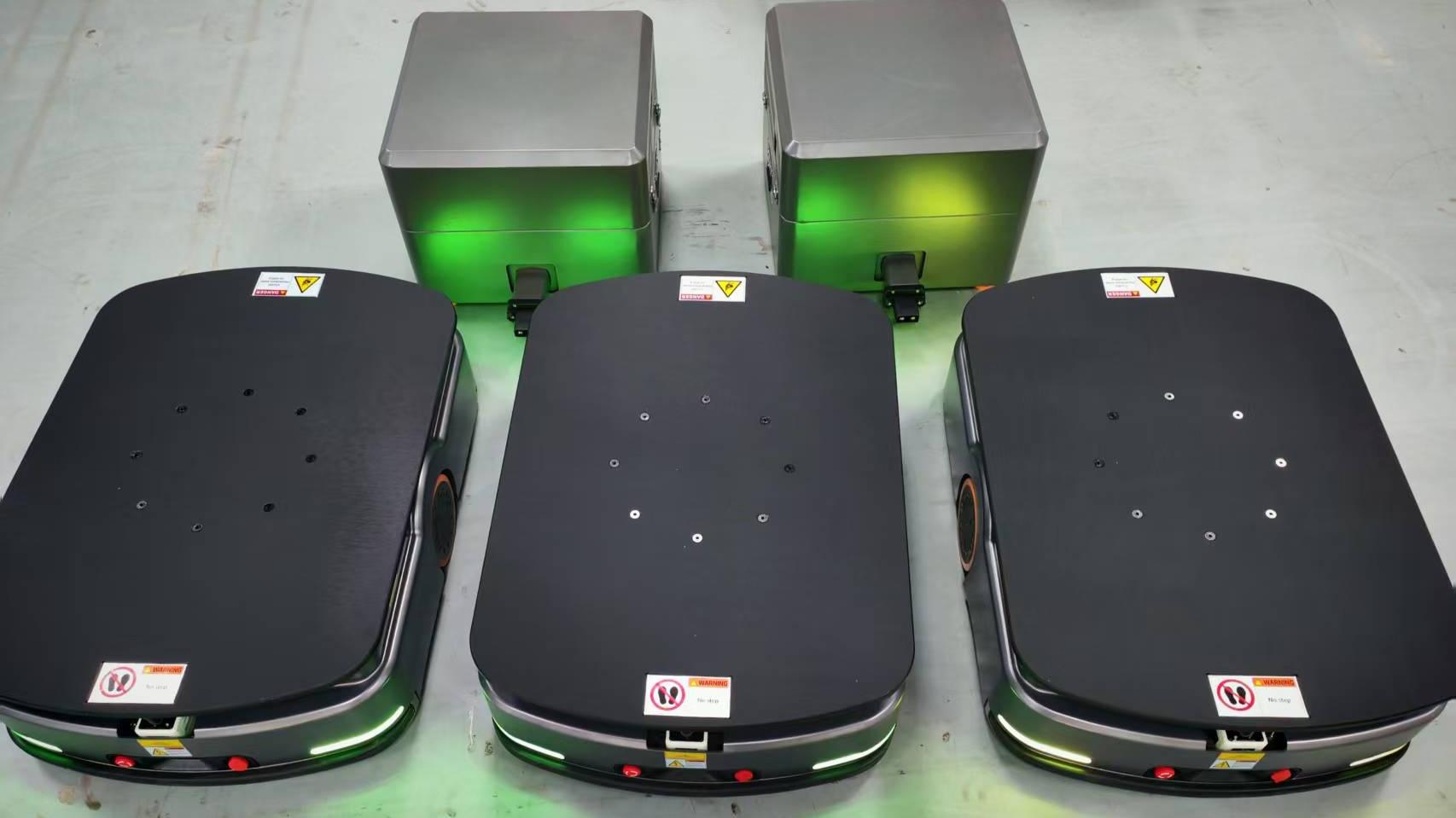
AMR pallet handling robots supporting automotive parts warehousing and line-side material flow
Automotive Intralogistics · Pallet-Handling AMR

AMR Pallet Handling Robot for Automotive Parts Warehousing: How to Choose, Deploy, and Future-Proof Your Intralogistics

A practical buyer’s guide for global OEMs, Tier suppliers, distributors and system integrators evaluating trackless pallet-handling AMRs for automotive parts warehouses.

01 / 01
0+
Years in AGV Engineering
Shenzhen-based R&D and manufacturing
±0 mm
Laser SLAM Navigation
No tracks, reflectors or floor codes
0+
Manufacturers Served
Across three continents
0
Continents with Deployments
For end users and system integrators
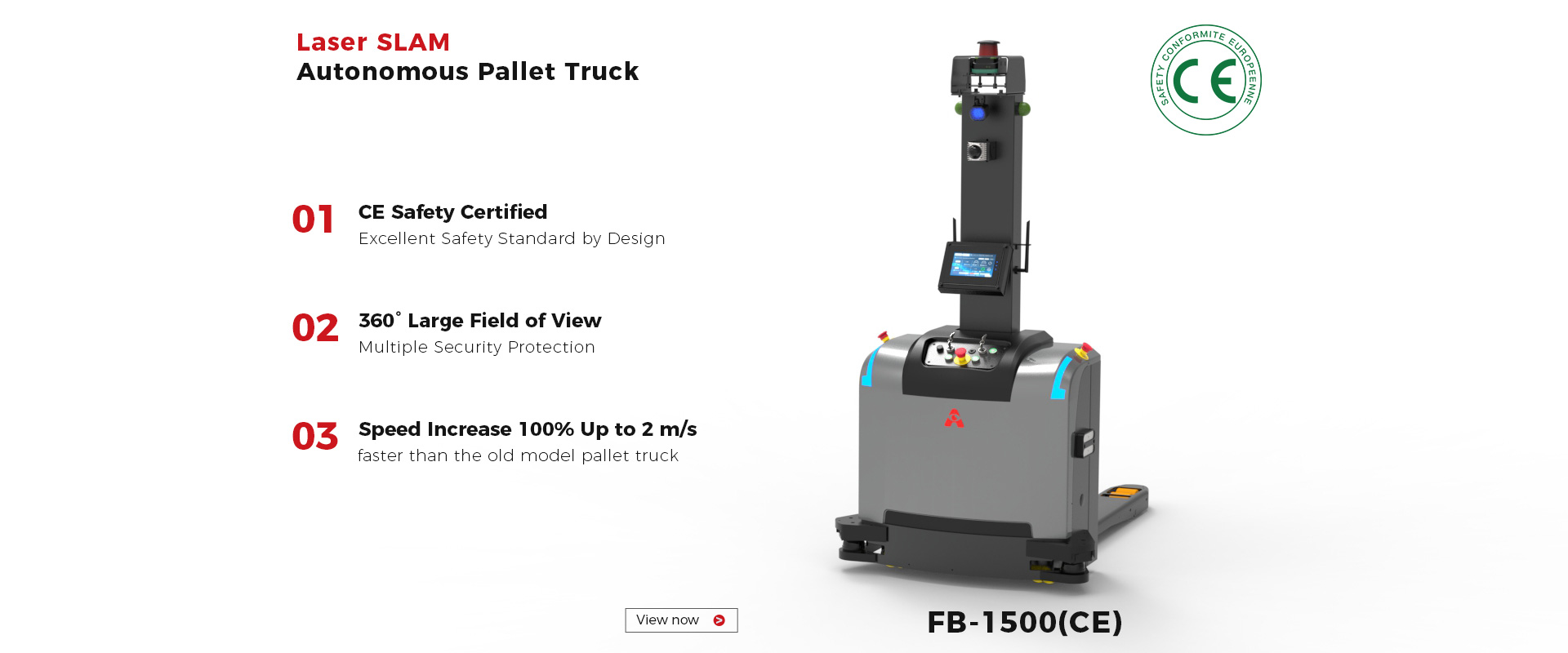
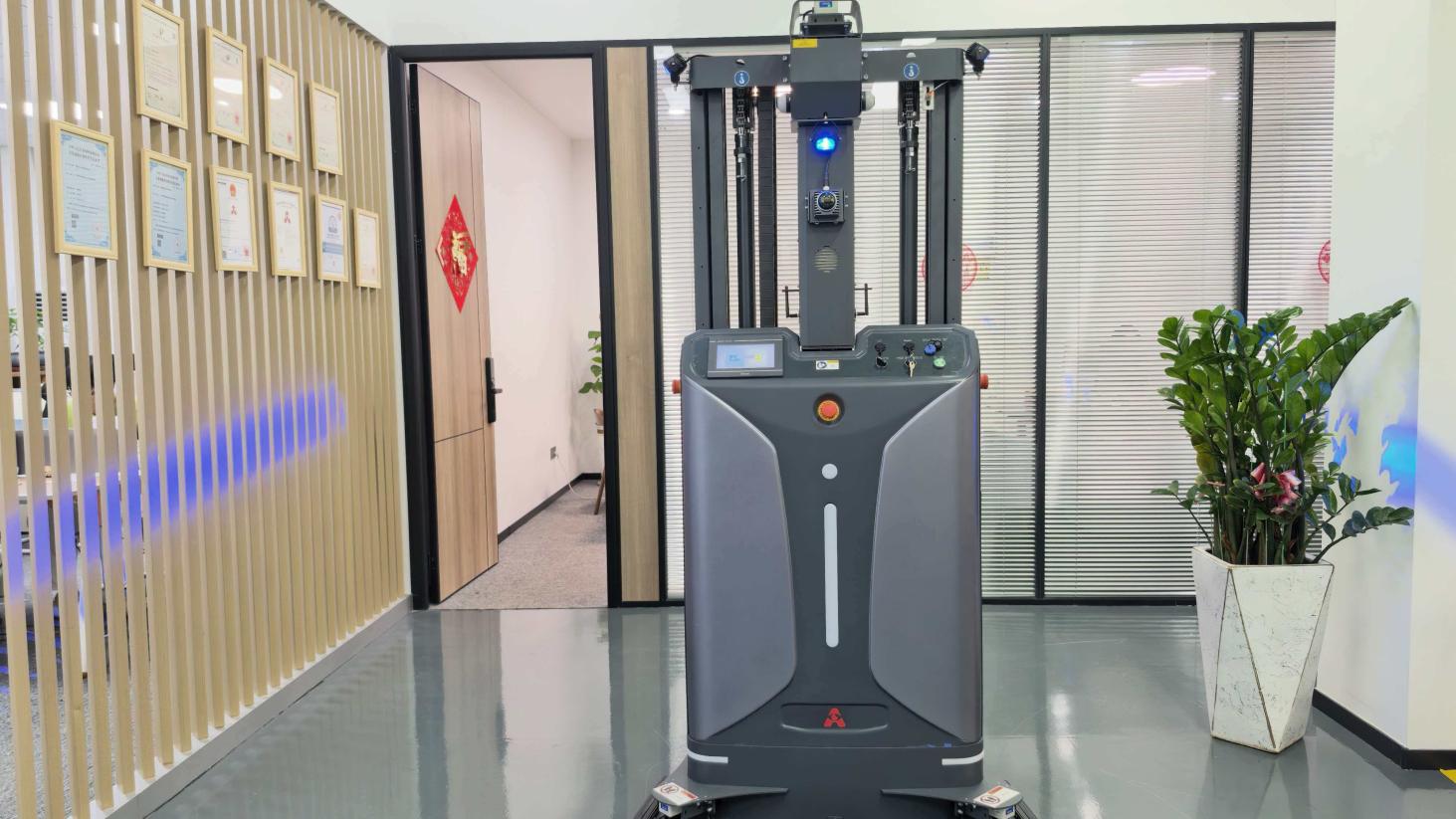
AMR pallet handling robot working in an automotive parts warehouse with mixed traffic
±5 mmLaser SLAM navigation
Quick Answer

What Should an AMR Pallet Handling Robot Do in Automotive Parts Warehousing?

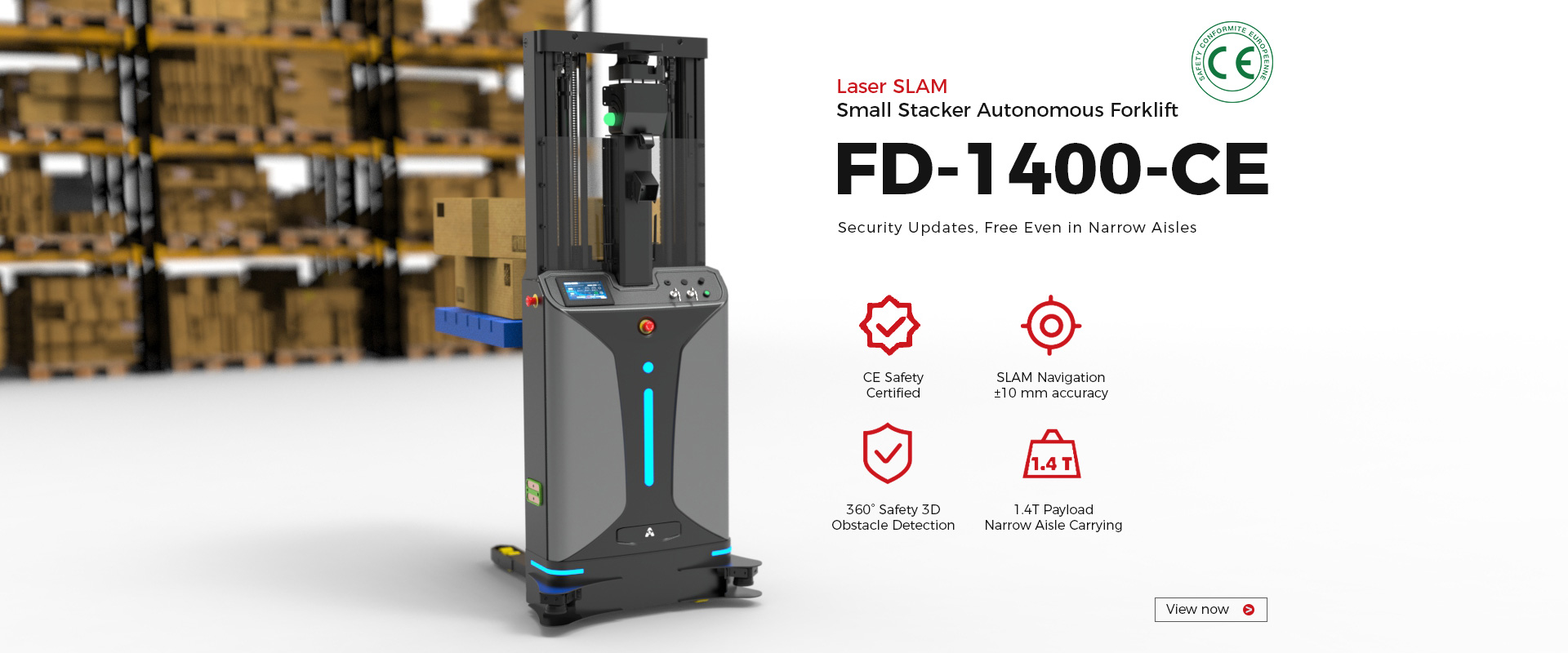
An AMR pallet handling robot for automotive parts warehousing is not simply a mobile base with forks. It must pick, transport, and place pallets, racks, returnable containers, and line-side totes in an environment where people, forklifts, and production equipment share the same floor. The right system balances payload and pallet recognition with navigation accuracy, safety, WMS or ERP integration, uptime, and serviceability.

For global buyers, the most useful evaluation lens is not “what is the top speed?” but “which configuration creates predictable material flow with the least disruption to the existing warehouse?” That is why a production-ready pallet-handling AMR project normally considers the load profile, aisle layout, docking precision, traffic rules, charging strategy, and interface requirements together.

01

Reliable Pallet Engagement

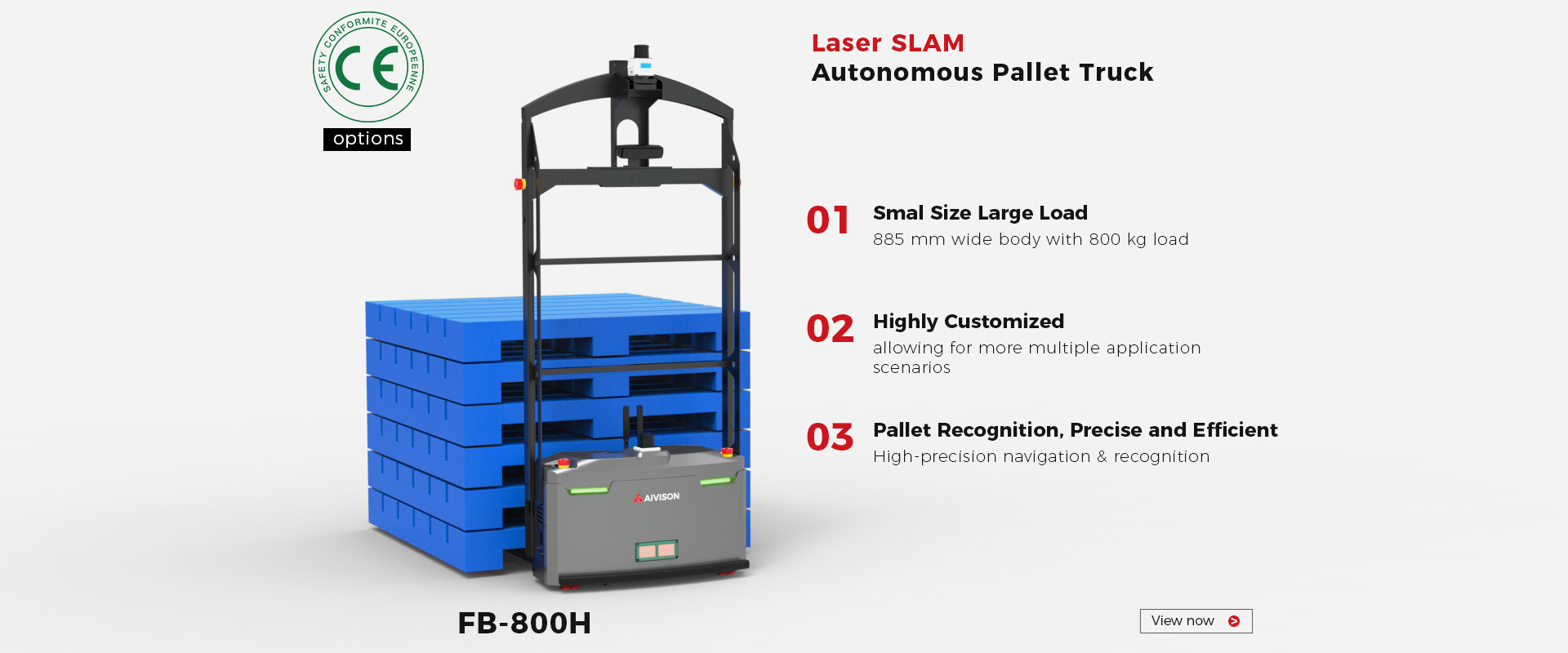
Camera-assisted fork entry and stable lift or jacking mechanisms help the robot handle wrapped, uneven, or mixed automotive loads without unnecessary rework.

02

Trackless Navigation with Selective Precision

Laser SLAM maps natural features so existing aisles can be used without magnetic tape or reflectors. QR-assisted docking can be added only where ±2 mm handover is required.

03

Mixed-Fleet Scheduling

Wi-Fi fleet control coordinates task assignment, traffic, and automatic charging so multiple robots can work together without creating new bottlenecks.

04

Automotive-Grade Integration

Line call signals, WMS or MES events, conveyor handovers, and production equipment interfaces should be planned before the pilot begins.

Application Reality

Why Automotive Parts Warehousing Is a Different Pallet-Handling Problem

Automotive parts logistics combines heavy loads, high SKU variety, returnable packaging, line sequencing, and continuous pressure on floor space.

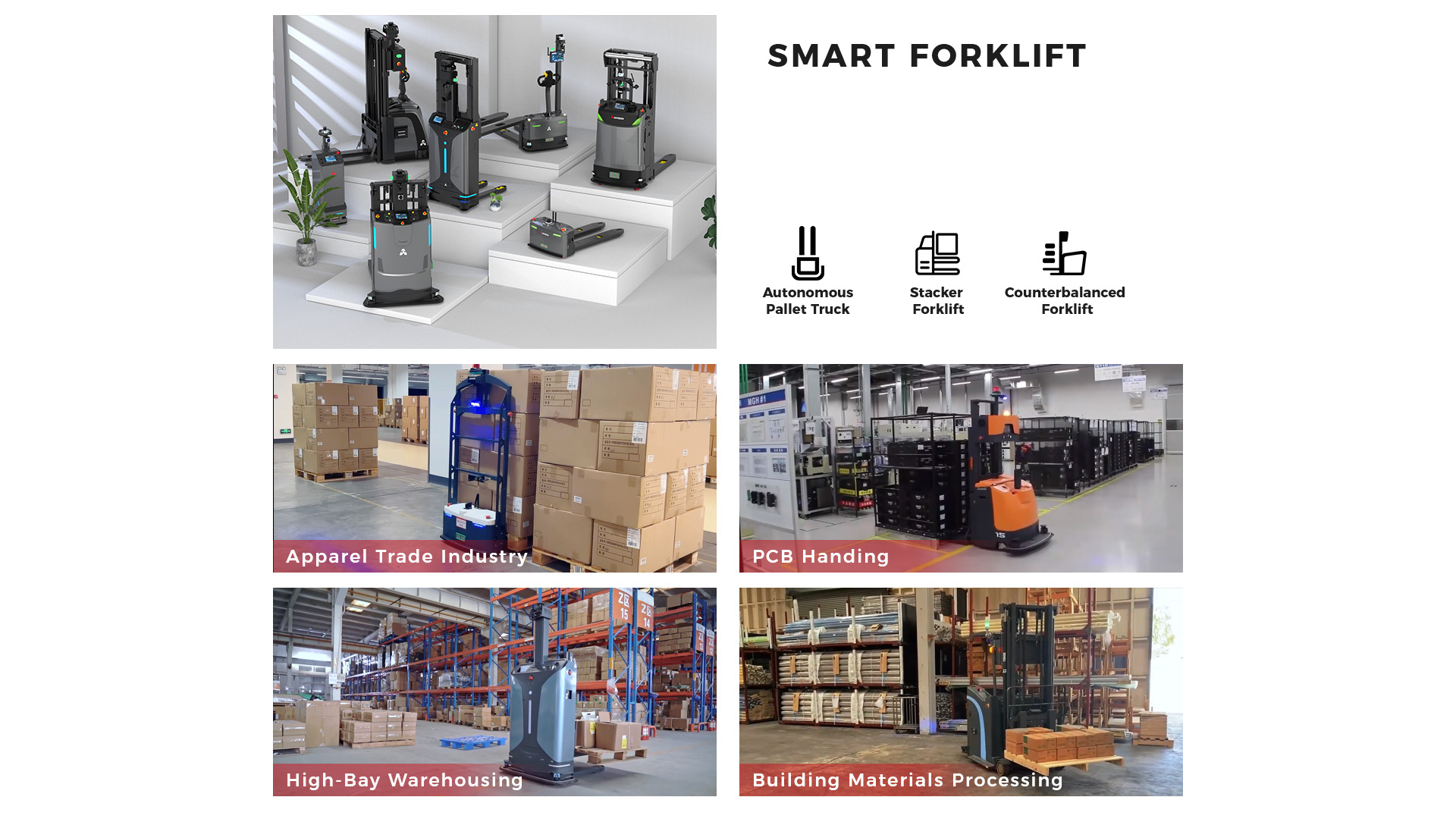
Autonomous mobile robots and smart forklifts coordinating automotive parts handling

Mixed Pallets, Returnable Racks, and Line Sequencing

Automotive parts warehouses rarely move one uniform pallet type. A single facility may handle brake components, stamped metal parts, plastic trim, battery modules, seating components, glass, fasteners, and packaging materials. Some loads arrive on standard pallets, others in steel racks or returnable containers, and many are sequenced for a specific production line.

  • Load variety: a pallet-handling AMR must be matched to real footprints, weights, and packaging conditions.
  • Space constraints: narrow aisles and high-throughput zones require careful traffic rules and charging placement.
  • Traceability: WMS, MES, and ERP events must stay synchronized with every robot movement.
Pallet transport and production line material flow in an automotive components warehouse

Safety, Uptime, and Change Management Matter as Much as Payload

Many automotive buyers begin with one or two routes: receiving to storage, storage to line-side, or cross-dock to staging. The pilot should prove not only that the robot can move a pallet, but that it can do so repeatedly during shift changes, peak periods, and mixed forklift traffic. A robust project also defines who owns the map, how route changes are approved, how faults are escalated, and how spare parts are managed.

  • Safety documentation: risk assessment, speed limits, emergency stops, and pedestrian zones should be agreed early.
  • Service model: remote support, local partners, and spare-parts planning protect uptime after commissioning.
  • Scalable architecture: the first route should be a template for additional zones and robot models.
Shenzhen Marnix Intelligent Technology Co., Ltd. mobile robot engineering and manufacturing
200+Manufacturers served
Company Advantages

Why Shenzhen Marnix Intelligent Technology Co., Ltd. Is a Practical Partner for Automotive Intralogistics

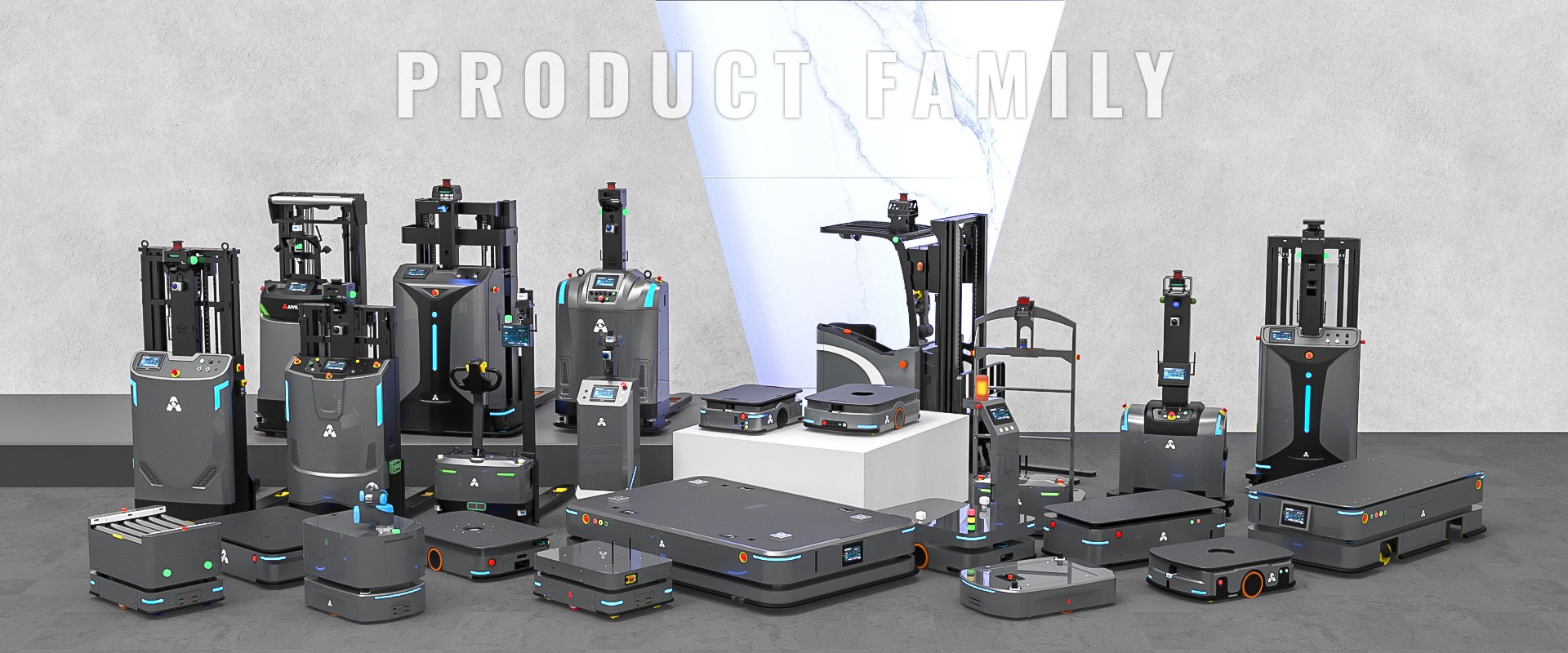
Shenzhen Marnix Intelligent Technology Co., Ltd. draws on about ten years of AGV engineering experience to build autonomous mobile robots that fit real production environments. The company manufactures laser SLAM AMRs, jacking robots, smart forklifts, composite mobile robots, and intelligent charging docks for end users and system integrators worldwide.

For automotive parts warehousing, that means the robot can be selected around the load and process rather than forcing the process to fit a standard catalog machine. Marnix supports custom chassis and top-module engineering, fleet scheduling over indoor Wi-Fi, selective QR-assisted precision, and service planning through the project lifecycle.

01

Manufacturer-Level Engineering

R&D and manufacturing in Shenzhen, with customization of payload, chassis, and top mechanisms such as forks, jacking units, roller conveyors, and robotic arms.

02

Independent Verification

Onsite supplier assessment by TÜV Rheinland, a Fortune 500 supplier relationship, and service to more than 200 manufacturers across three continents.

03

Navigation and Fleet Expertise

Laser SLAM at ±5 mm, QR-assisted docking at ±2 mm, composite robot repeatability to ±0.05 mm, and Wi-Fi fleet scheduling for coordinated multi-robot tasks.

04

Integrator-Friendly Support

Products and solutions for system integrators, with direct engineering communication for interfaces, top modules, charging docks, and project-specific requirements.

For technical discussion, contact info@marnixbot.com with your load profile, layout, throughput target, docking precision, and WMS or MES requirements.

Buyer FAQ

AMR Pallet Handling Robot for Automotive Parts Warehousing: Common Buyer Questions

Answers based on the requirements global buyers most often bring to Marnix engineering and project teams. For site-specific guidance, email info@marnixbot.com.

What is an AMR pallet handling robot for automotive parts warehousing?

It is a trackless autonomous mobile robot configured to pick, transport, and place pallets, racks, returnable containers, or line-side totes in an automotive parts warehouse. A production-ready system combines laser SLAM navigation, safety sensors, fleet scheduling, WMS or ERP integration, and optional QR-assisted docking for high-precision handover.

What payload and pallet types should I specify?

Share the maximum load, pallet or rack footprint, load center of gravity, stack height, fork entry dimensions, and whether loads are wrapped, damaged, or mixed. Automotive parts can range from small components in totes to heavy castings, brake components, battery modules, and returnable steel racks, so the robot and top module must be matched to the real load profile.

Do I need to modify the warehouse floor or add QR codes everywhere?

No. Laser SLAM navigation maps natural features in the existing environment and does not require magnetic tape, reflectors, or floor QR codes throughout the aisle. QR labels can be added only at stations where ±2 mm docking accuracy is required.

How does Marnix achieve ±5 mm navigation and ±2 mm docking?

Marnix AMRs use laser SLAM for ±5 mm positioning in normal travel and material transfer. Adding a QR code scanning camera at selected stations supports ±2 mm docking. Composite robots using a 6-axis arm can reach ±0.05 mm repeatability when the station and process are properly calibrated.

Can one fleet handle pallets, returnable racks, and line-side totes?

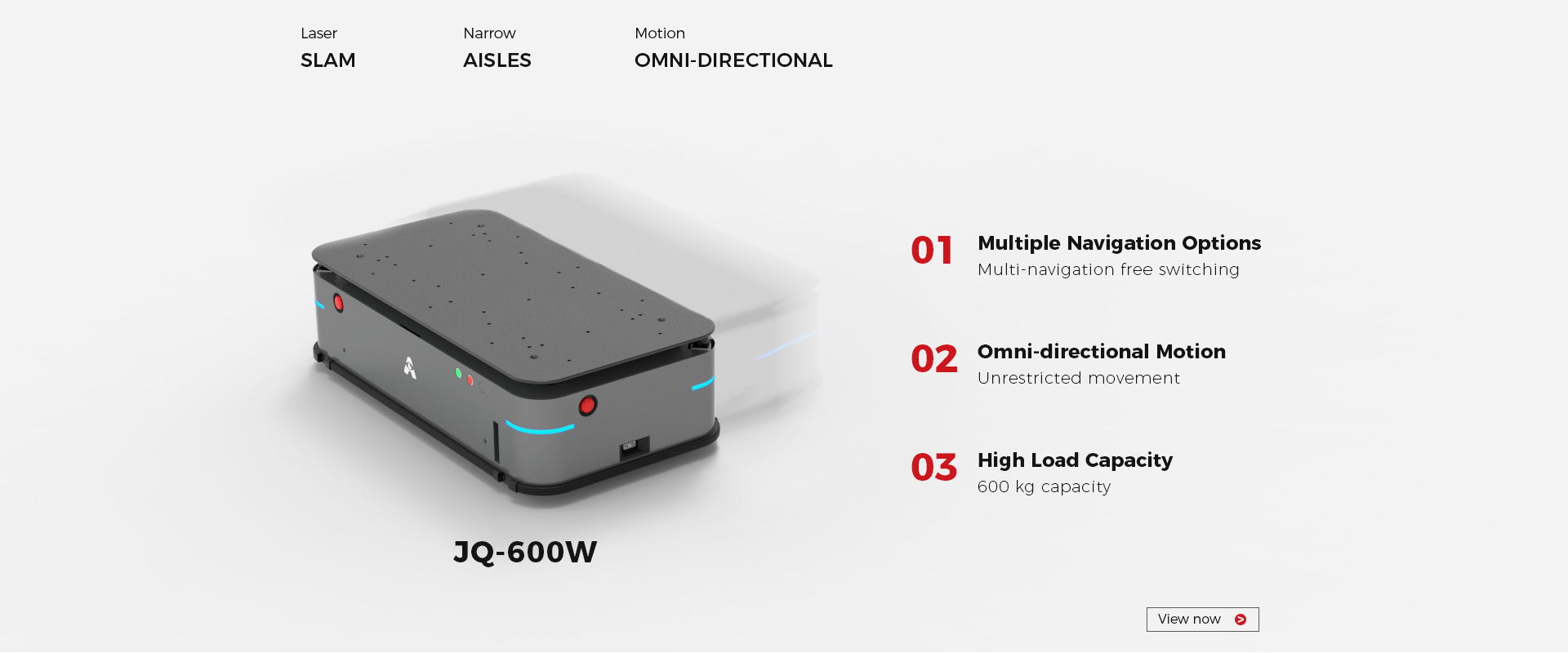
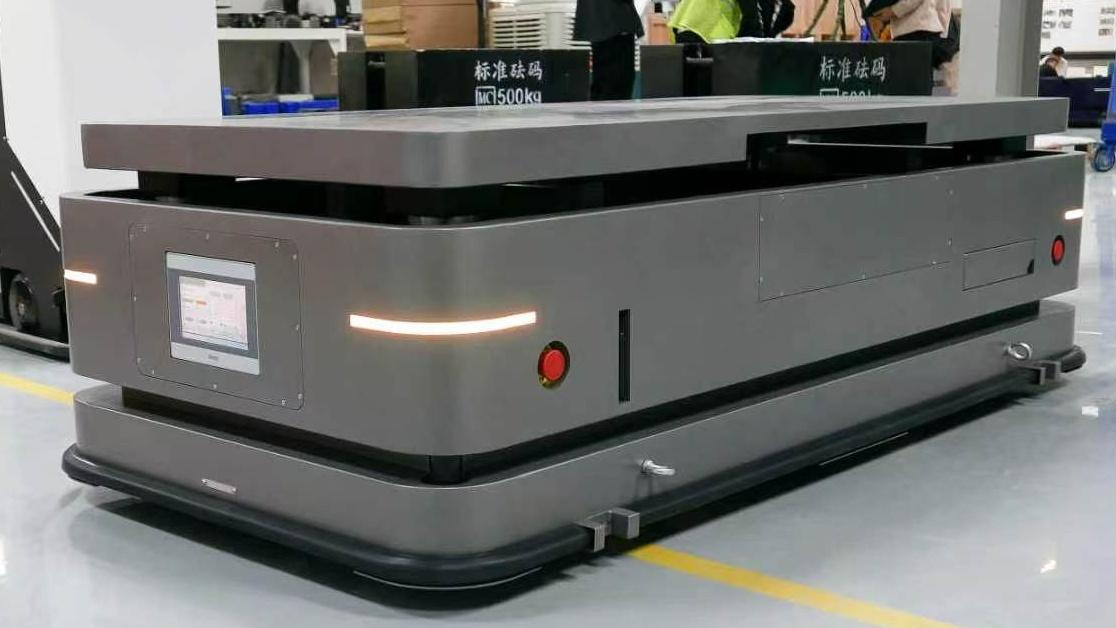
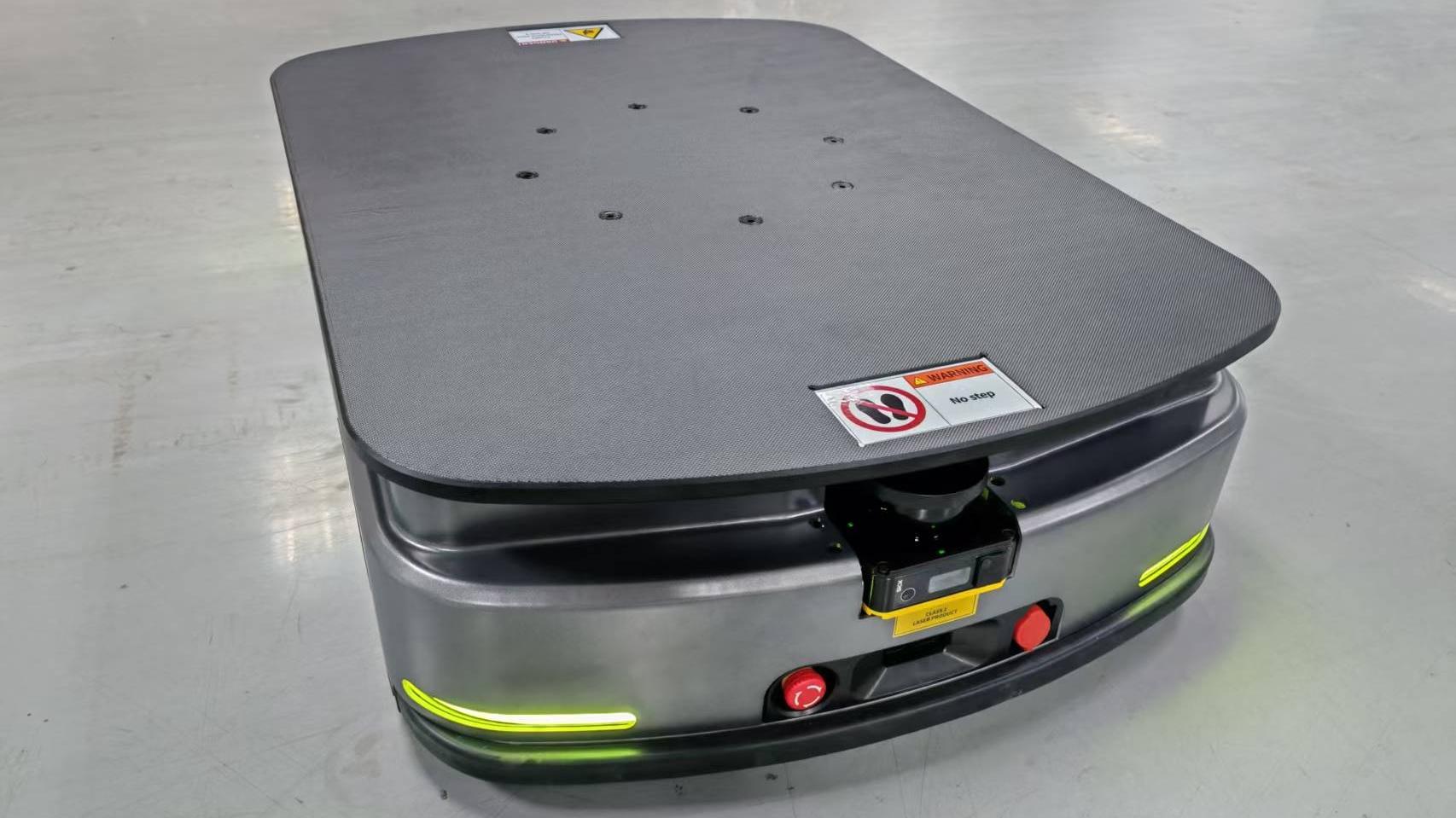
Yes, when the fleet is planned with the right mix of top modules. A smart forklift can handle pallets, a jacking robot can lift and move racks, and a light pallet AMR or custom conveyor AMR can handle totes or small containers. Marnix fleet scheduling coordinates mixed tasks over indoor Wi-Fi.

How is the robot integrated with WMS, ERP, MES, and PLCs?

Automotive projects normally require task dispatch, location updates, inventory events, and line-side call signals to flow between the robot fleet and existing systems. Marnix supports project-specific integration planning for WMS, ERP, MES, line call buttons, conveyors, and production equipment interfaces.

How is safety managed in mixed traffic with forklifts and people?

Safety must be designed around the actual site. The evaluation should include aisle widths, blind corners, pedestrian zones, forklift traffic, speed limits, load overhang, emergency stop coverage, and risk assessment. Marnix configures navigation, obstacle avoidance, and fleet traffic rules to support safe operation in mixed environments.

What is a realistic deployment timeline?

A focused pilot can often be mapped, configured, and validated in weeks once site data and interfaces are ready, while multi-zone rollouts require more planning for safety, infrastructure, and change management. The most important inputs are layout drawings, load details, throughput targets, docking precision, Wi-Fi coverage, and system integration requirements.

How should I calculate ROI and total cost of ownership?

Compare labor availability, shift patterns, forklift utilization, damage rates, space constraints, and throughput stability against robot cost, charging infrastructure, integration, maintenance, spare parts, and internal project time. A staged pilot with measured cycle time and uptime is usually more reliable than a spreadsheet-only estimate.

What information should I send for an accurate quote?

Email info@marnixbot.com with pallet and rack dimensions, maximum payload, aisle widths, floor layout, throughput per hour, docking accuracy, Wi-Fi coverage, WMS or MES interface needs, safety constraints, target commissioning date, and any preferred top module such as forks, jacking, rollers, or a robotic arm.

Turn Your Automotive Parts Warehouse into a Predictable Material Flow

Send your load profile, layout, throughput target, docking precision, and integration requirements. The Marnix team will help you match the right pallet-handling AMR configuration to your site.

info@marnixbot.com
Get a Quote