FAQ
Smart Forklift with SLAM Navigation: Common Buyer Questions
Clear answers for procurement, engineering and integrator teams. For a site-specific review, email info@marnixbot.com.
What is a smart forklift with SLAM navigation?
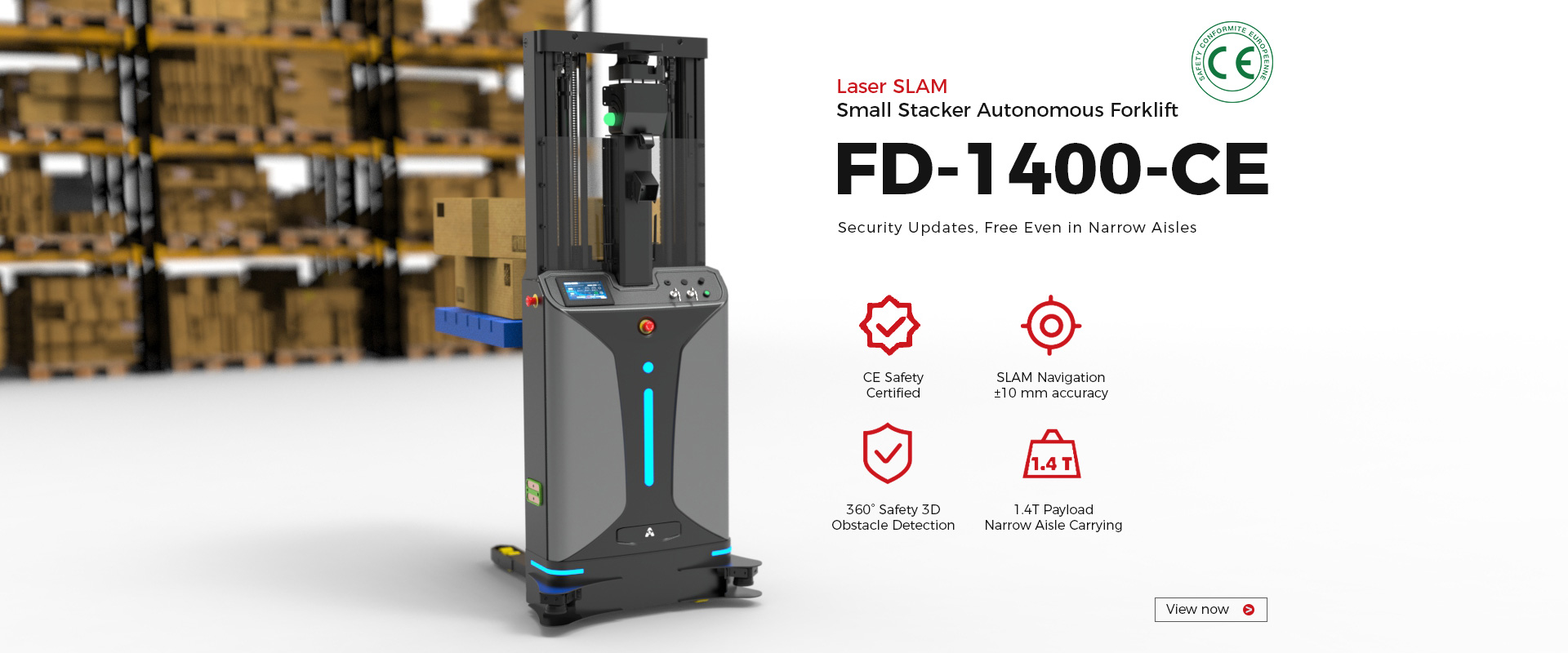
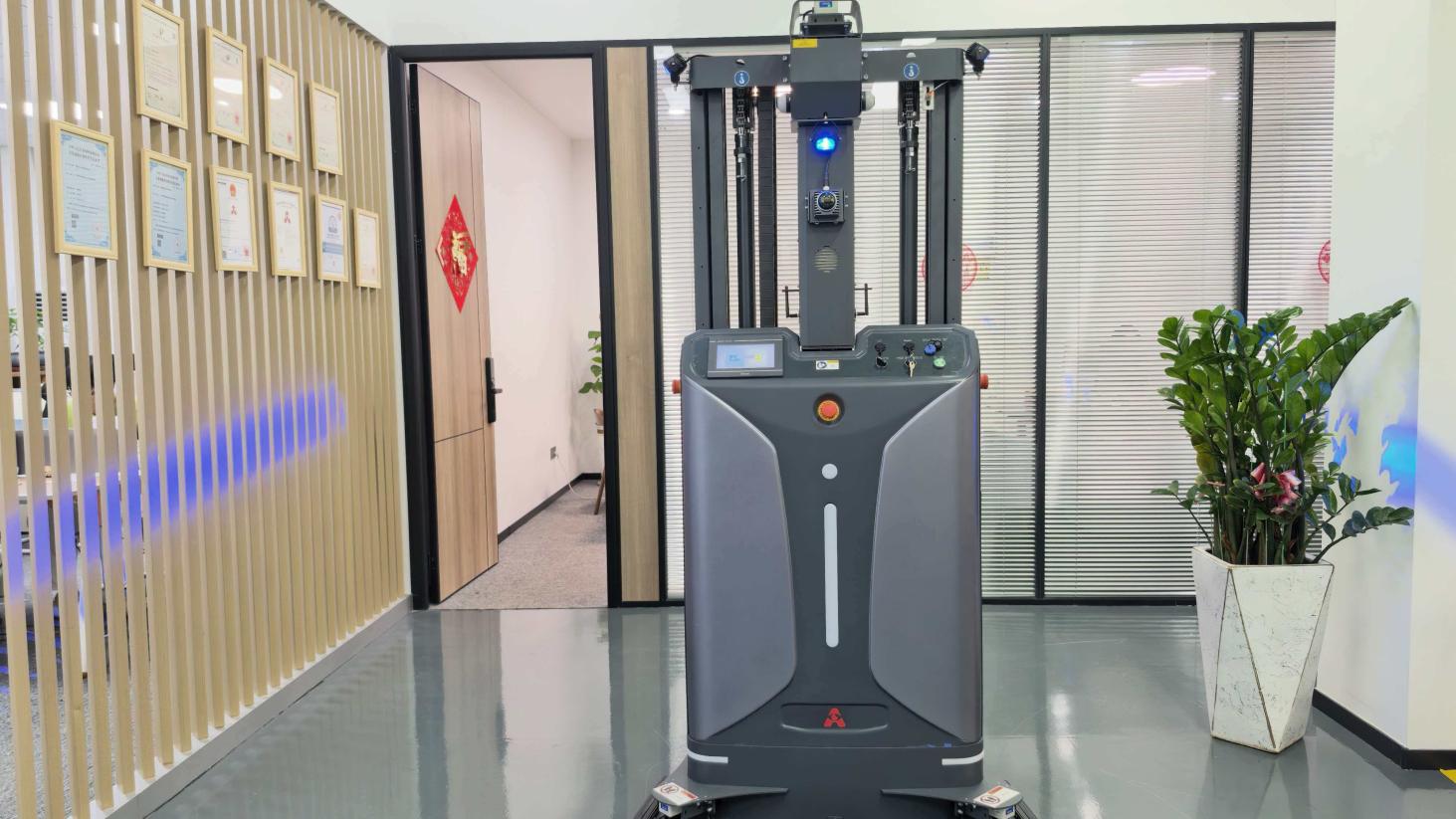
A smart forklift with SLAM navigation is an autonomous pallet-handling vehicle that uses lidar, onboard mapping and sensor fusion to localize and navigate without magnetic tape, rails or floor QR codes for basic movement. A complete system usually includes fleet software, safety sensors, automatic charging and a pallet-handling top module. It can receive tasks from warehouse or production software and operate in mixed traffic when the site is properly assessed.
How accurate is SLAM navigation for pallet docking?
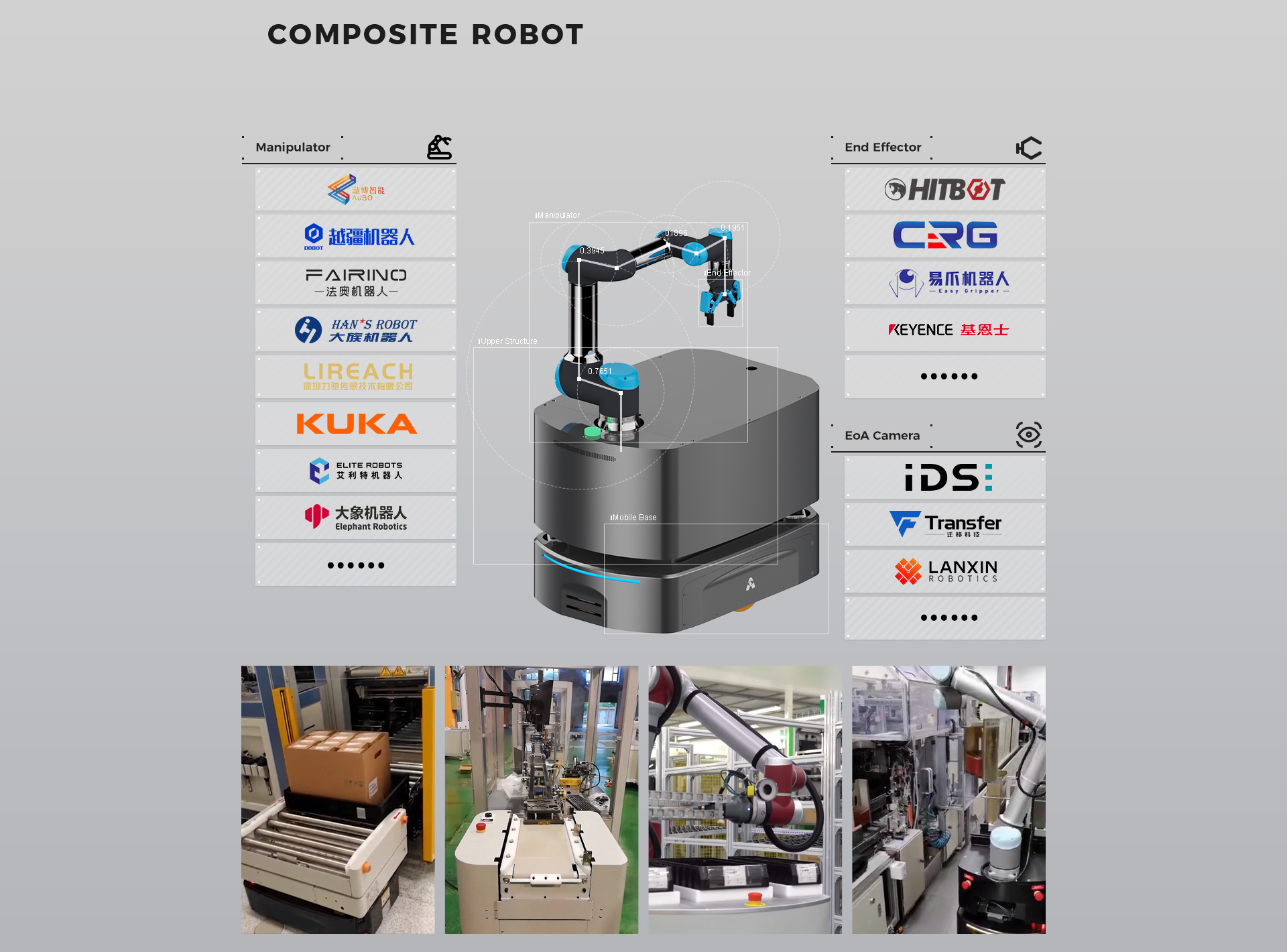
Shenzhen Marnix natural-feature laser SLAM systems reach about ±5 mm positioning accuracy. Adding a QR code scanning camera can raise docking accuracy to ±2 mm, while composite mobile robots with a 6-axis arm can reach ±0.05 mm repeatability for precision assembly and machine tending. Accuracy should always be specified at the point of docking, not only for travel.
Do I need to modify the warehouse floor, racks or infrastructure?
Standard laser SLAM navigation maps the existing environment, so no magnetic tape, reflectors or floor QR codes are required. QR labels are only added at stations where ±2 mm docking precision is needed. Adequate Wi-Fi coverage, clear aisles and a site survey are still required before deployment. Rack modifications are only needed if the pallet or fork interface requires them.
Can a SLAM forklift operate safely around people and manual trucks?
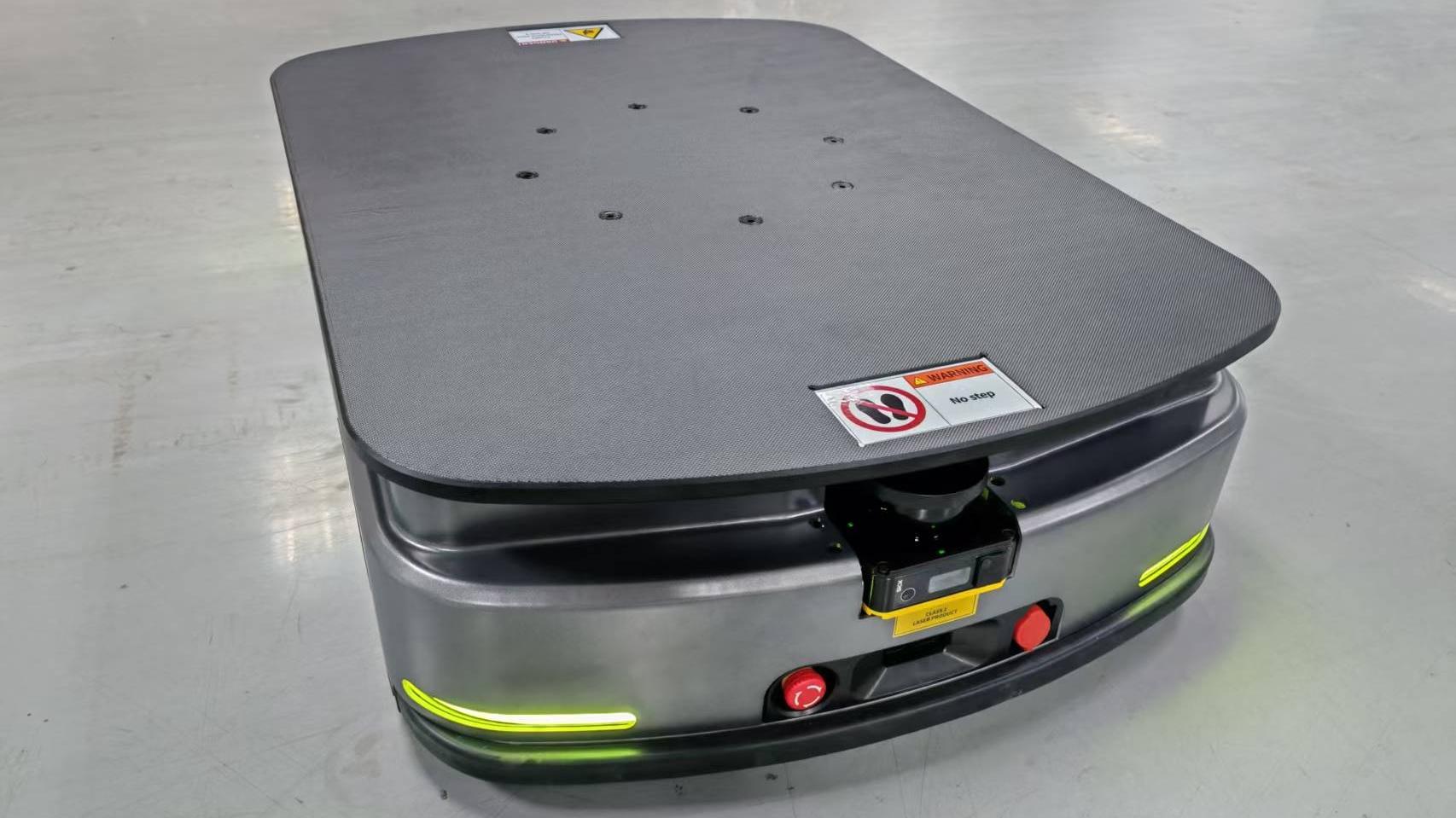
Yes, when the safety configuration matches the mixed-traffic environment. Marnix configures lidar protection fields, bumpers, emergency stops, speed limits, warning lights and traffic rules. Buyers should complete a site risk assessment and verify local safety requirements before commissioning. Pedestrian zones, intersections and operator training should be defined before the robot enters full operation.
What is the typical ROI of a smart forklift?
ROI depends on shift patterns, labor cost, travel distance, throughput, damage rates, uptime and charging strategy. A proper evaluation should model cycle time, peak missions per hour, fleet size, charging docks and three-year total cost of ownership rather than relying on a single payback claim. A pilot with agreed KPIs gives a more reliable business case than a catalogue estimate.
How many robots and charging docks do I need?
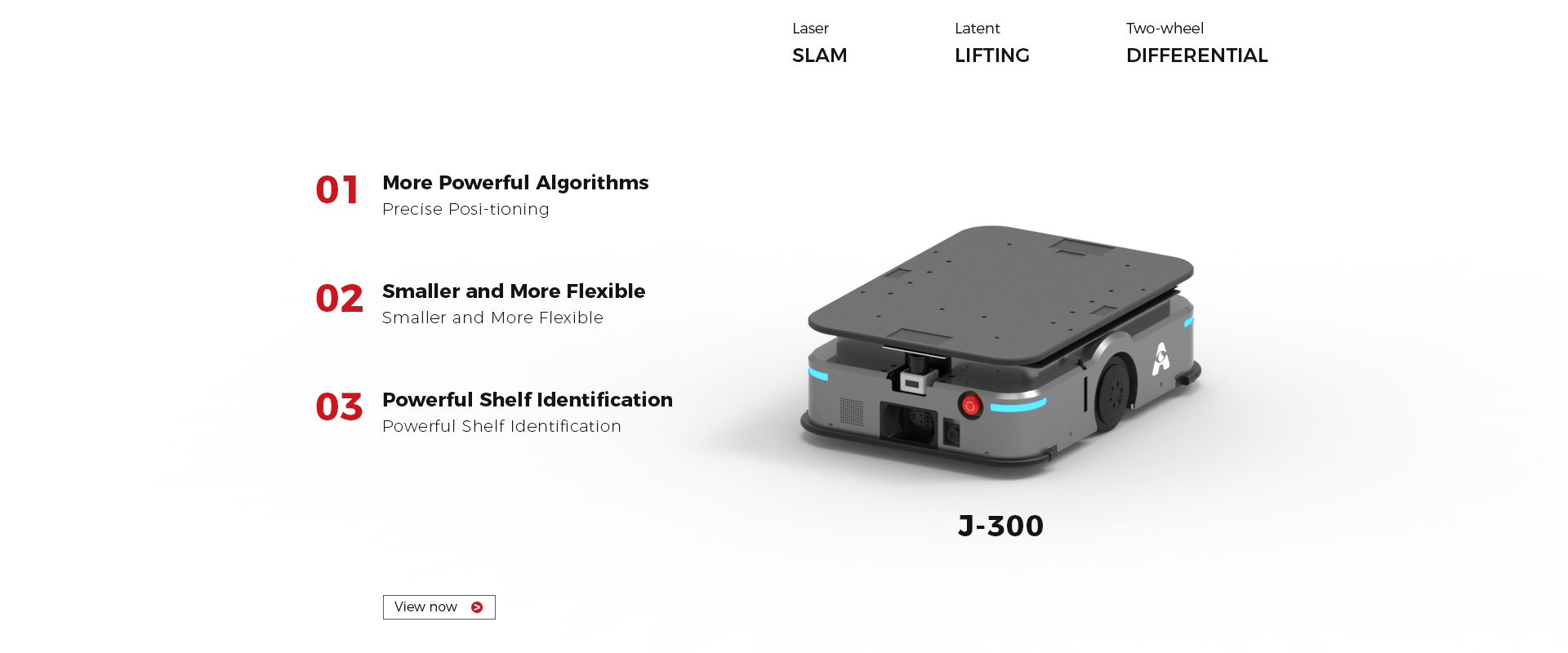
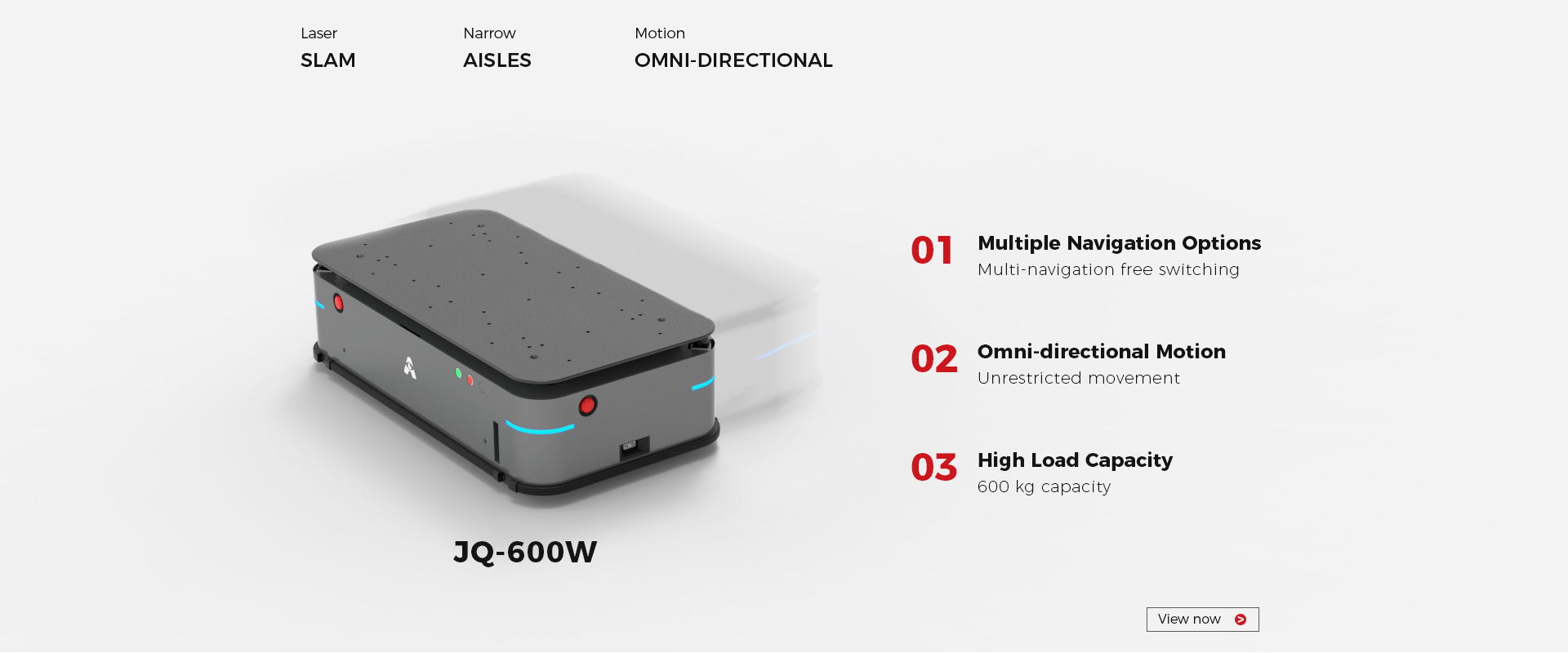
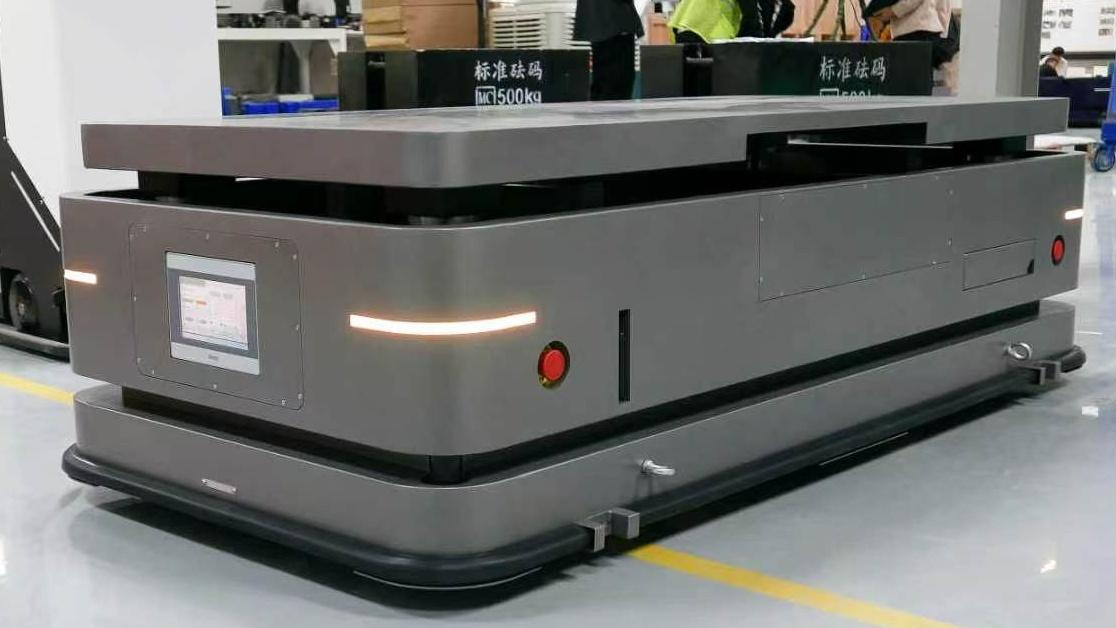
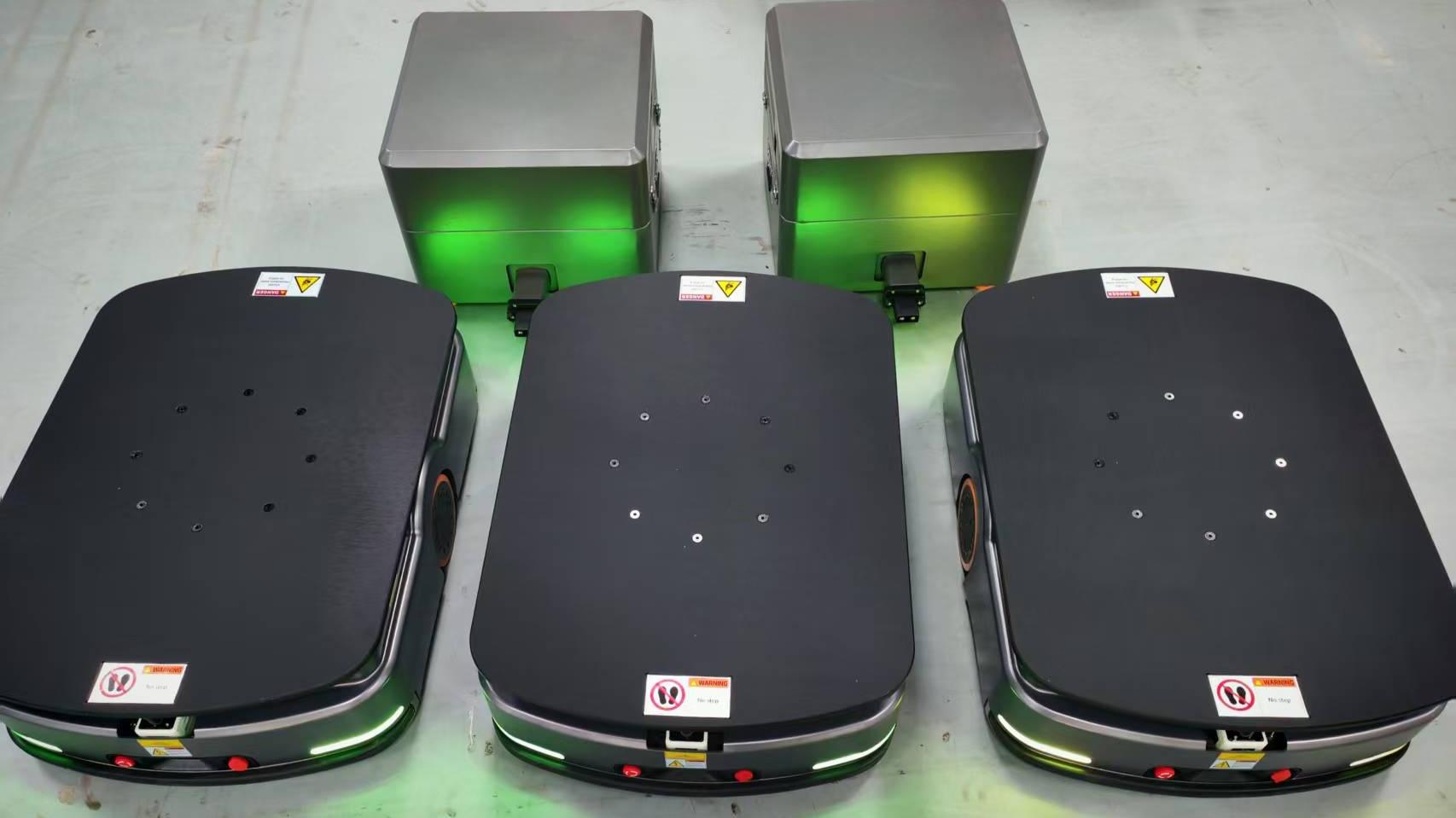
Fleet size is calculated from peak missions per hour, average route time, battery capacity and opportunity-charging ratios. Marnix engineers model these inputs and can recommend a mixed fleet of forklifts, jacking robots and pallet AMRs with compatible intelligent charging docks. Sometimes two smaller robots provide better flexibility than one large vehicle.
Can the forklift integrate with WMS, ERP, conveyors and production equipment?
Yes. Marnix supports fleet scheduling, task dispatch, I/O handshakes and top modules such as roller conveyors, jacking units, forklift forks and 6-axis arms. Integration requirements should be confirmed in an IT and OT workshop before quotations are finalized, including error handling, safety interlocks, data logging and network responsibilities.
Does Shenzhen Marnix support customization and global service?
As a manufacturer, Shenzhen Marnix Intelligent Technology Co., Ltd. customizes chassis, payload interfaces, top modules and fleet configurations for end users and system integrators. Project support includes site evaluation, documentation, commissioning, training, remote assistance and spare-parts planning. Contact info@marnixbot.com for a proposal.