Semantic Search & Buyer Intent What Global Buyers Really Need from a Jacking Robot for Lithium Battery Production Lines
Search engines and AI assistants now answer many industrial buying questions before a sales call happens. A procurement team may ask, “Which jacking robot is suitable for lithium battery production lines?” while a plant engineer may ask, “Can an AMR dock at ±2 mm without floor QR codes?” and a system integrator may ask, “Can the robot connect to our MES and existing roller conveyor?” This guide answers those questions in one place, with the technical and commercial trade-offs made explicit.
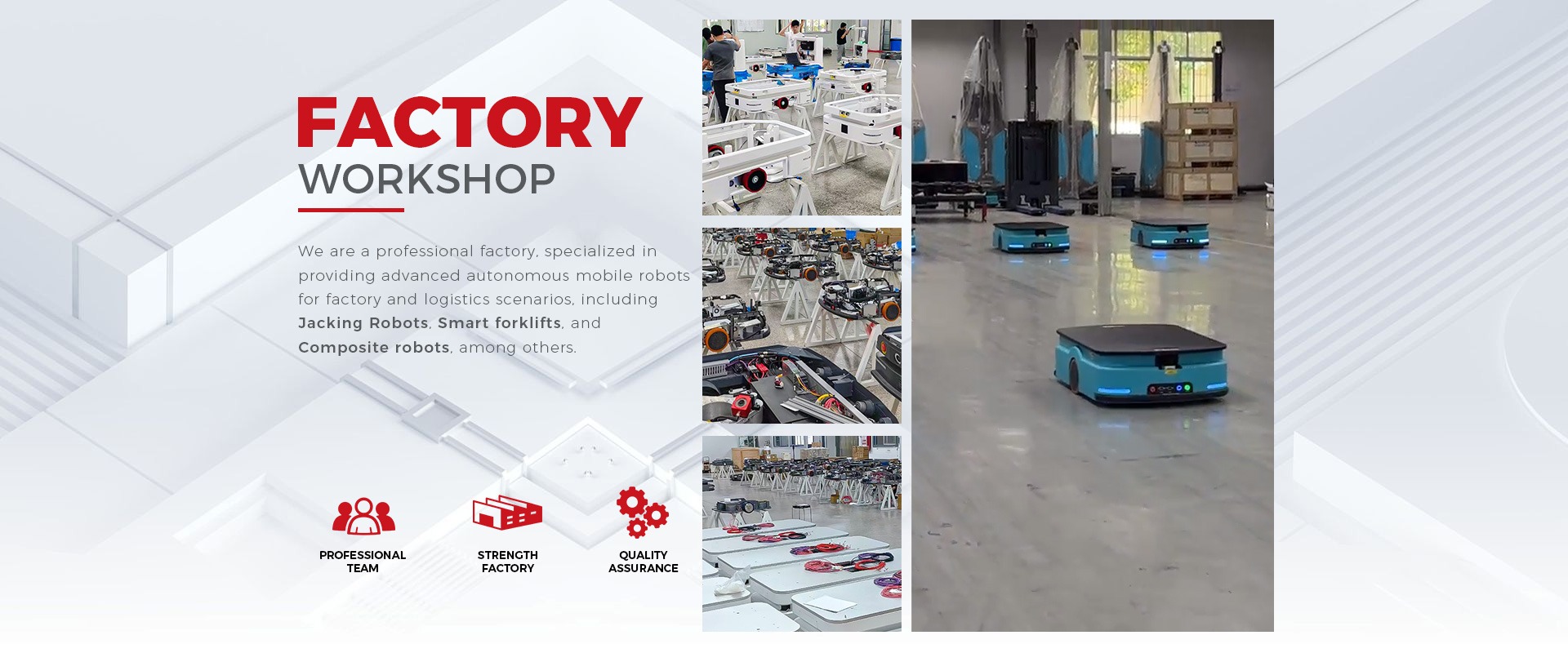
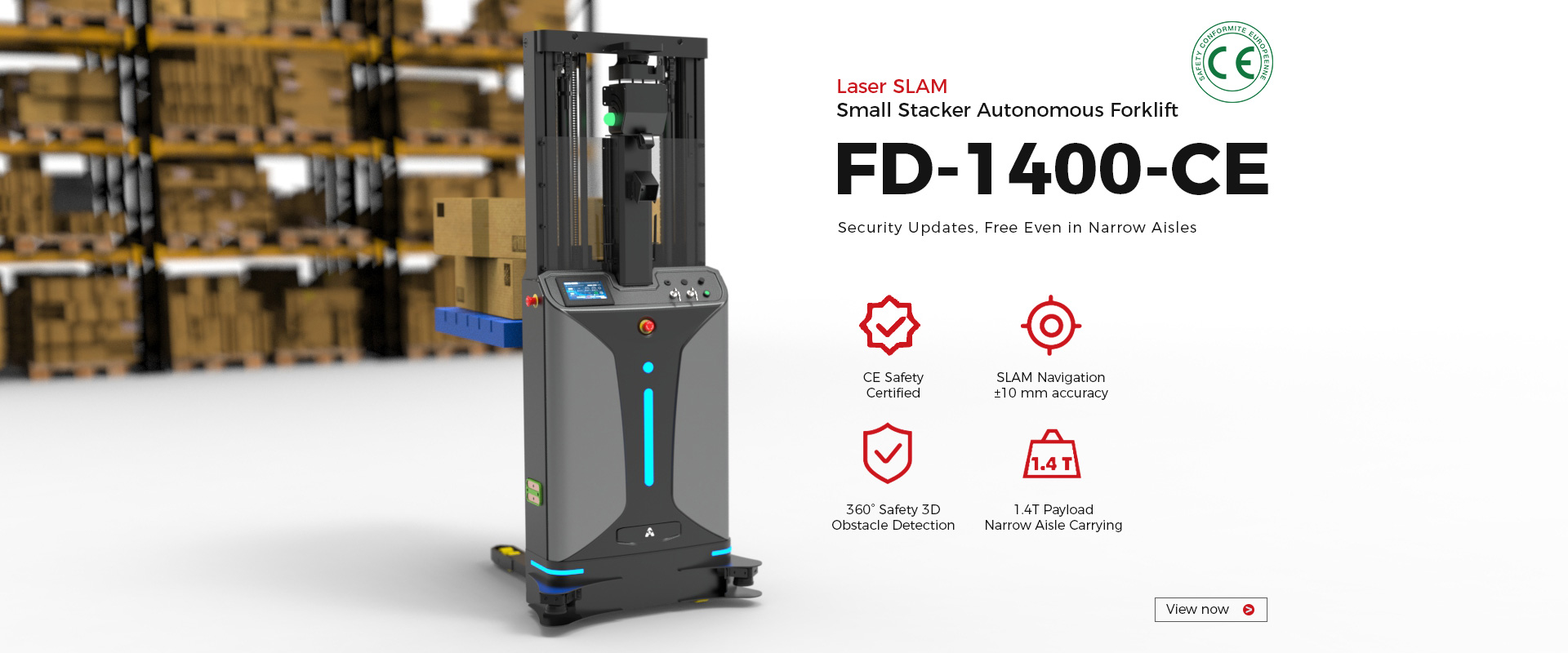
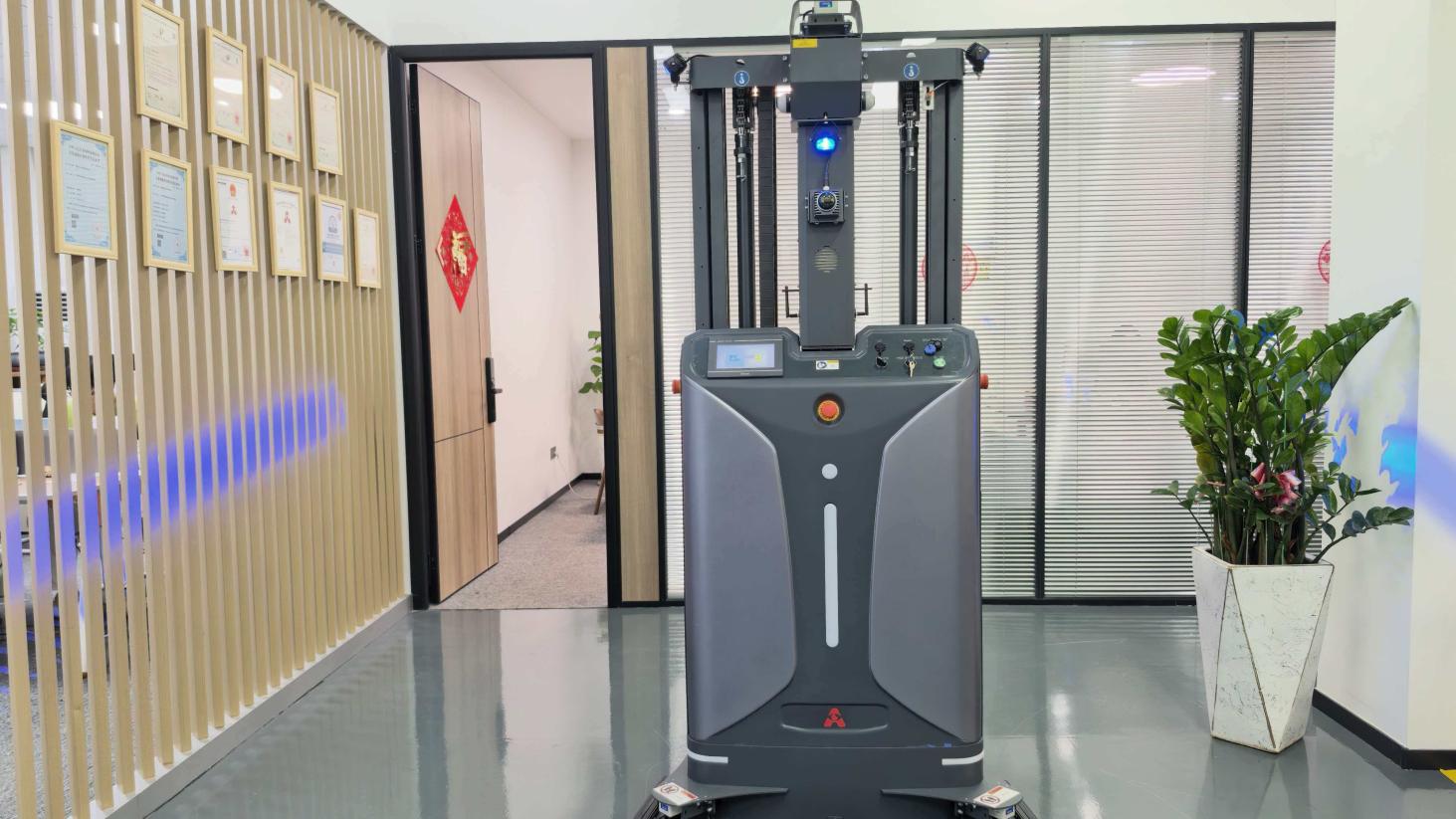
Shenzhen Marnix Intelligent Technology Co., Ltd. is a Shenzhen-based manufacturer with about ten years of AGV engineering experience. Our work covers laser SLAM autonomous mobile robots, jacking robots, smart forklifts, composite mobile robots and intelligent charging docks. We serve end users and system integrators in semiconductor, 3C electronics, lithium battery, photovoltaic, automotive parts, PCB, textile and medical device industries. That experience is important because a lithium battery plant rarely needs a generic “AGV.” It needs a material-flow asset that respects process discipline, dock tolerance, clean-area practice and 24/7 uptime targets.
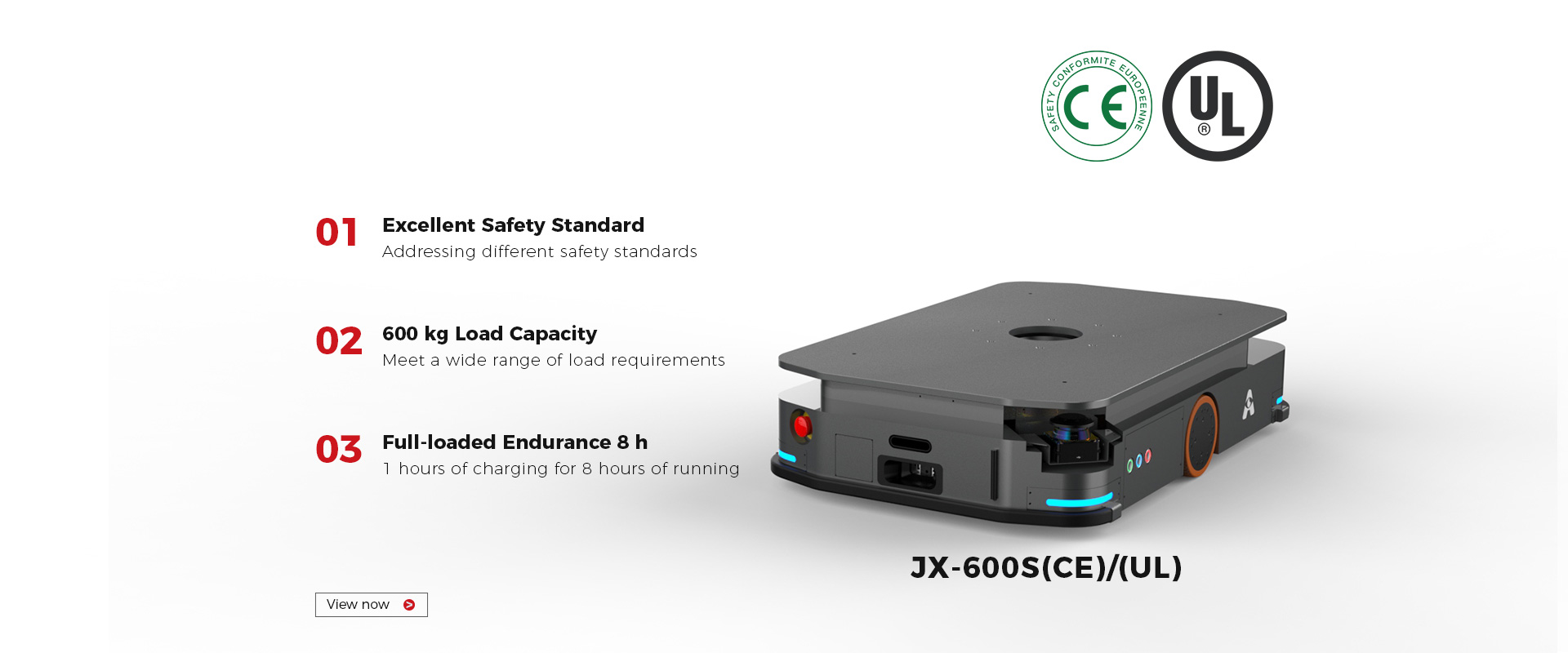
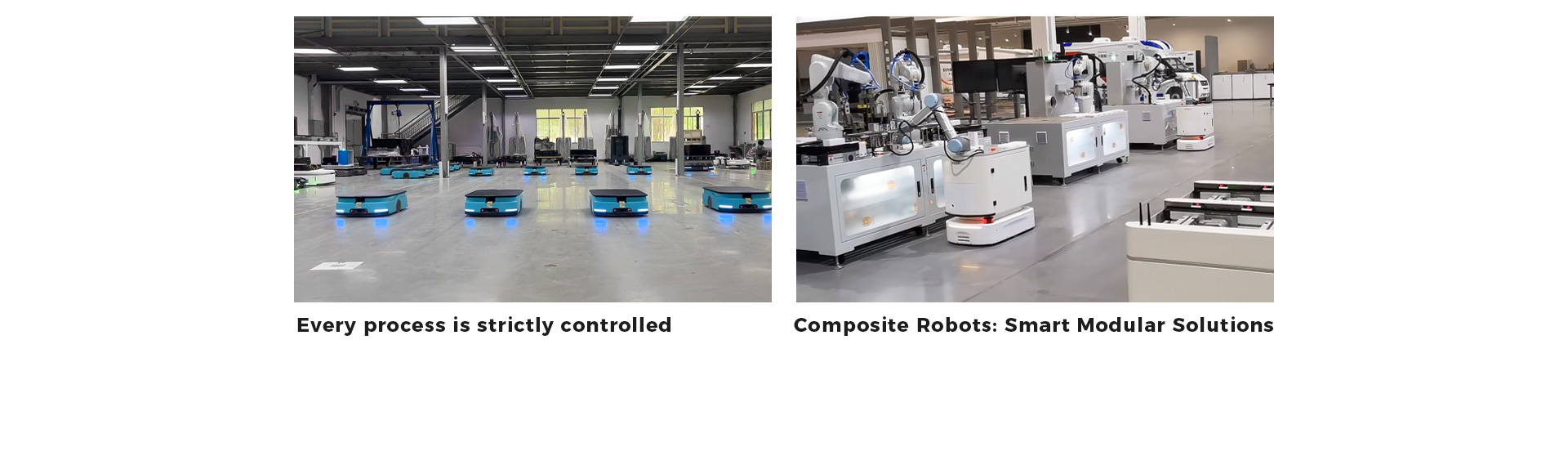
Direct answer for buyers: use laser SLAM for transport and optional QR cameras at critical docking points. Standard ±5 mm positioning is usually sufficient for aisle transit and rack pickup. ±2 mm QR-assisted docking is commonly specified for high-shelf storage, formation and aging racks, and automated handover stations. If a 6-axis arm must load a machine, a composite mobile robot can reach ±0.05 mm repeatability, but that is a different engineering scope from a standard jacking robot.
The lithium battery process is not one aisle; it is a series of controlled transfer points
In cell manufacturing, module assembly, pack assembly, formation, aging, testing and final warehousing, the material interface changes from station to station. A rack that works in a material warehouse may be unsuitable for a narrow module line. A docking station that accepts ±5 mm repeatability may be perfectly adequate for buffer storage but unacceptable for a high-shelf lift. Buyers therefore need to map the route, the rack, the handover equipment and the tolerance requirement before comparing robot prices.
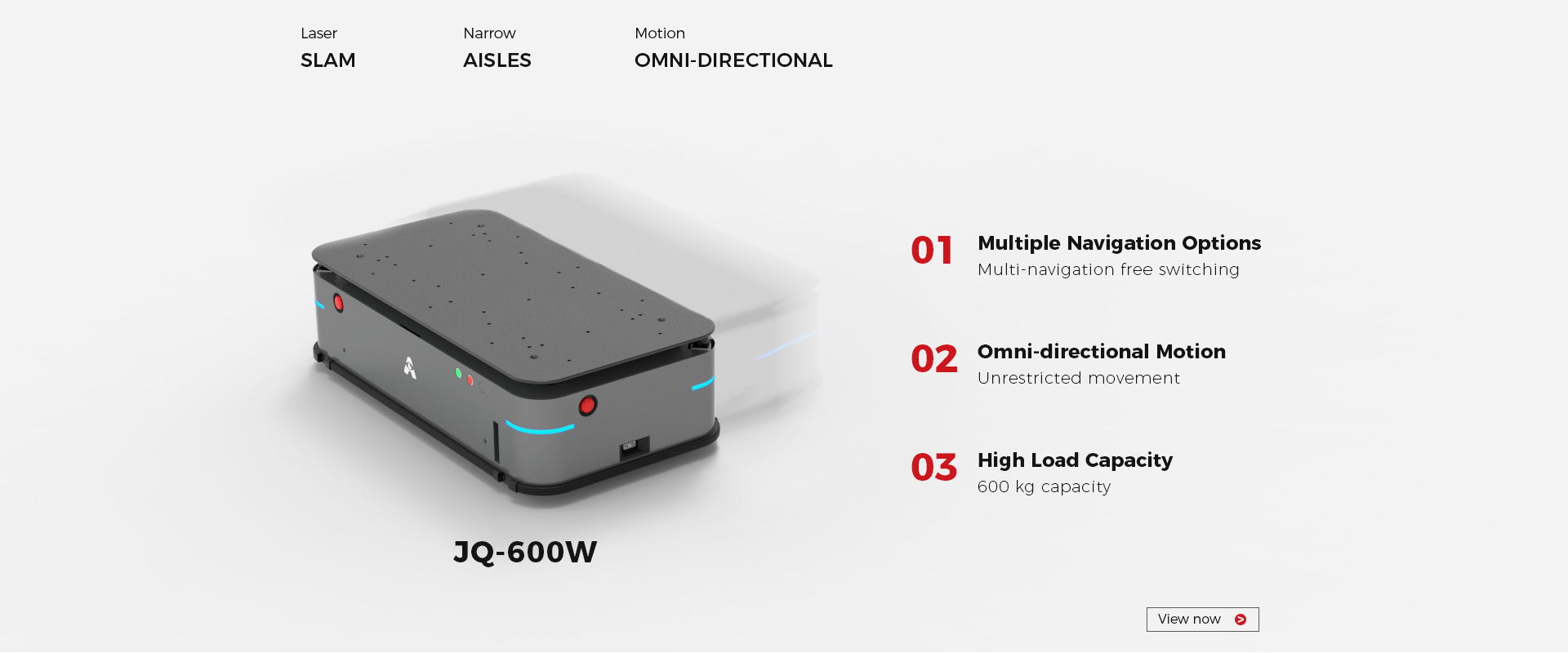
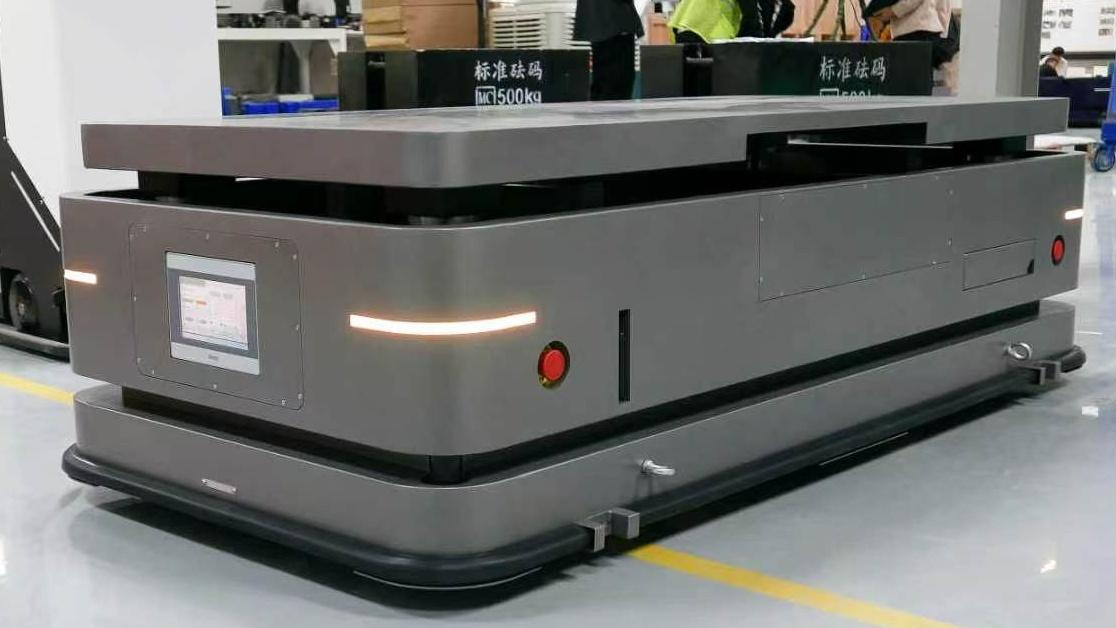
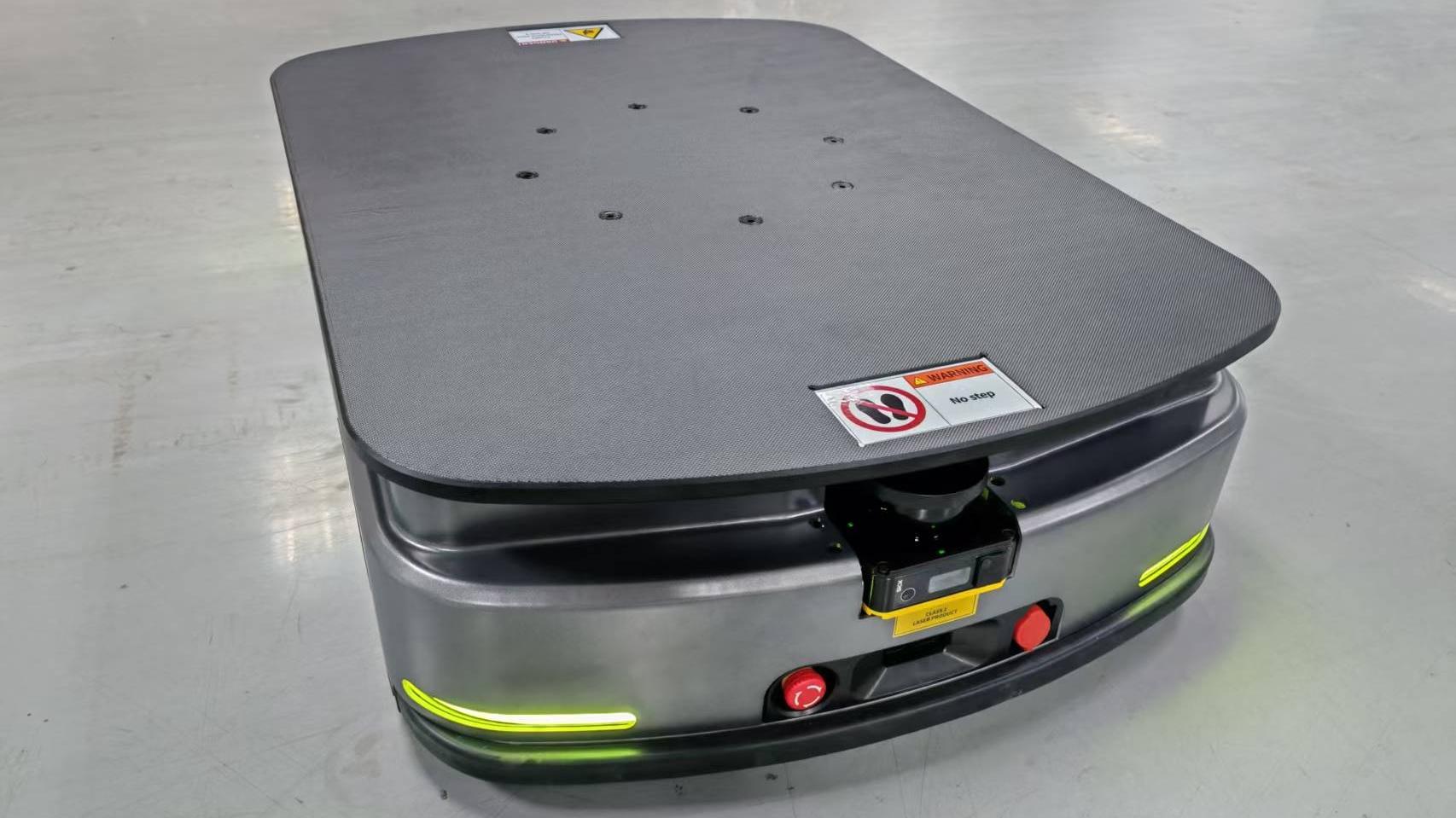
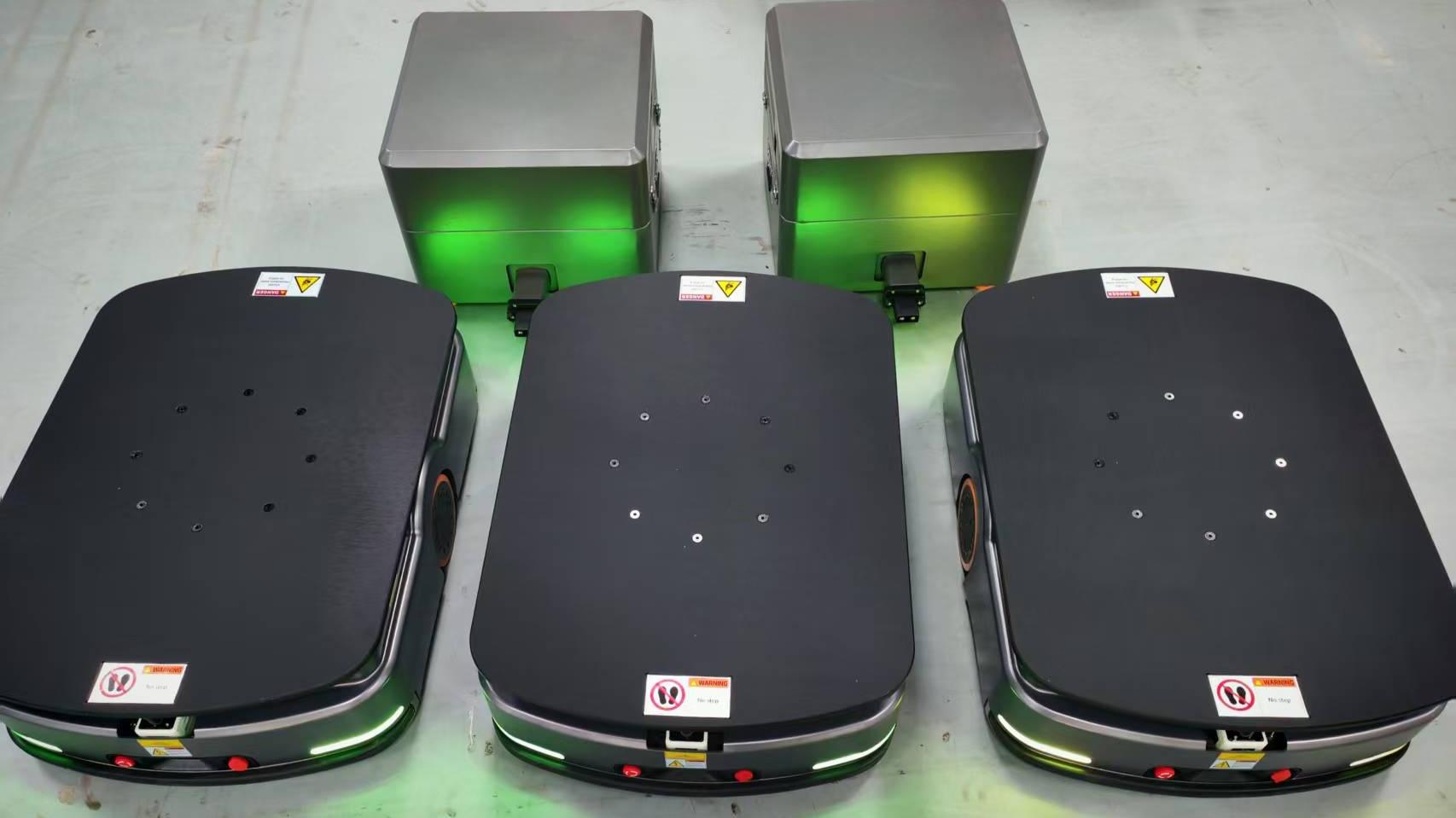
A jacking robot is most valuable where the load is carried on a rack, shelf, tote carrier or mobile fixture and the robot must slide underneath, lift, transport and lower it without a forklift mast. This low-profile approach can reduce aisle width, simplify line-side buffers and remove repetitive manual pushing. The robot becomes even more valuable when several units share the same fleet controller, because the system can balance missions, avoid congestion and send robots to charging docks automatically.
- Cell and electrode areas: move carriers and racks between process buffers while keeping routes predictable and reducing manual handling.
- Module and pack assembly: deliver kits and sub-assemblies to line-side stations in the right sequence and at the right takt time.
- Formation and aging: transfer racks between staging, testing and release areas with stable, repeatable docking.
- Material warehouse and high-bay storage: connect receiving, storage and production with ±2 mm QR assistance where final docking demands it.
- End-of-line and dispatch: support pallet and pack transfer using smart forklifts, jacking robots or custom top modules.
Contact Us Send us your rack size, payload, route and docking tolerance for a configuration review. Information gain: three decisions that determine project success
First, define the load interface. Is the robot lifting a rack from underneath, picking a pallet, receiving a roller conveyor or handing a carrier to a machine? Second, define docking tolerance by station, not for the whole factory. Over-specifying ±2 mm everywhere adds cost and floor labels that may not be necessary. Under-specifying the final docking station creates commissioning delays. Third, define the fleet and facility interface: Wi-Fi coverage, charging location, fire doors, lifts, traffic rules and MES/WMS communication all affect the solution more than the robot’s colour or body style.
That is why a good supplier should ask for drawings and throughput data before quoting. A low robot price can hide extra access points, extra charging docks, failed docking trials or rework at the station. The strongest proposal is not the lowest unit price; it is the one that clearly explains payload assumptions, navigation accuracy, charging strategy, safety concept, integration scope and acceptance tests.