PCB Line-Side Automation
What Is a Custom Roller Conveyor AMR for PCB Production Lines?
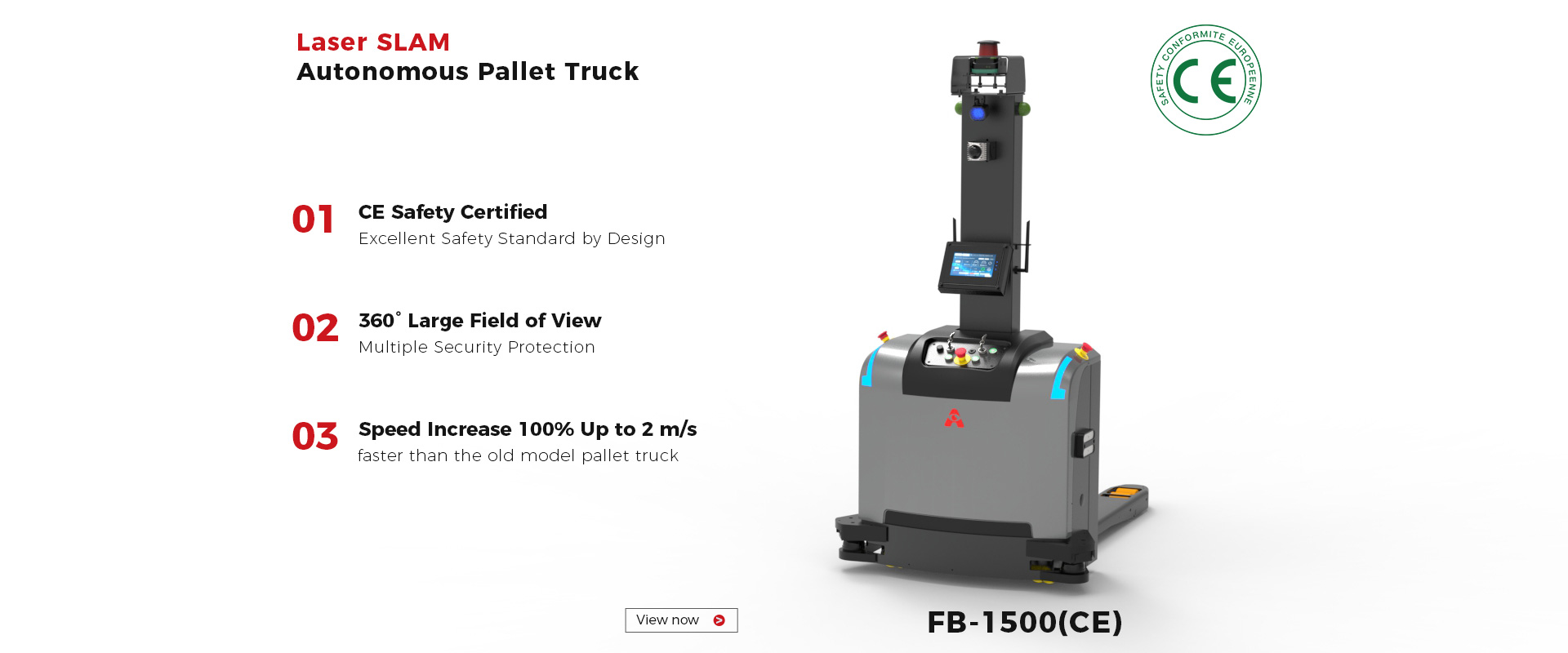
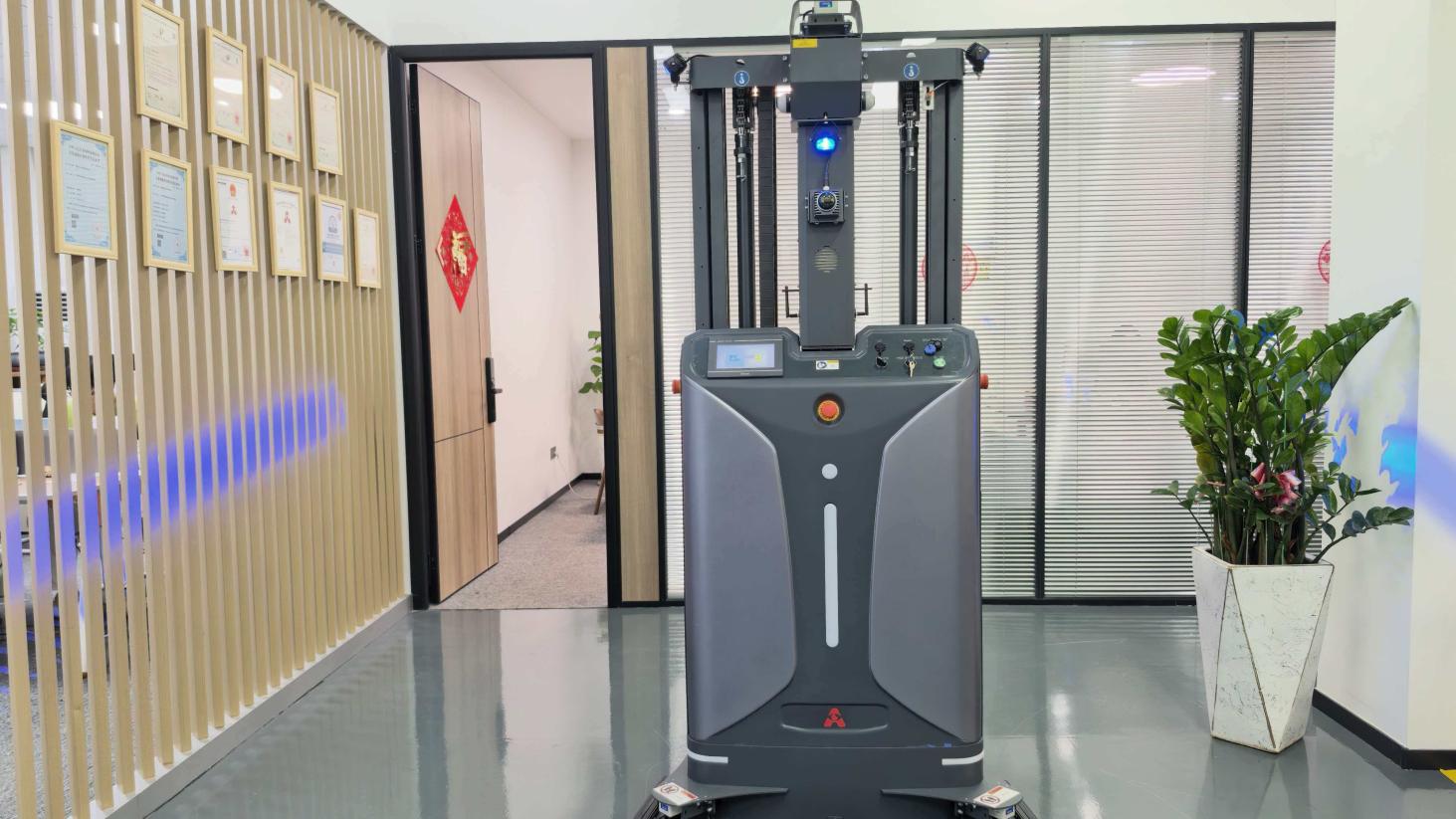
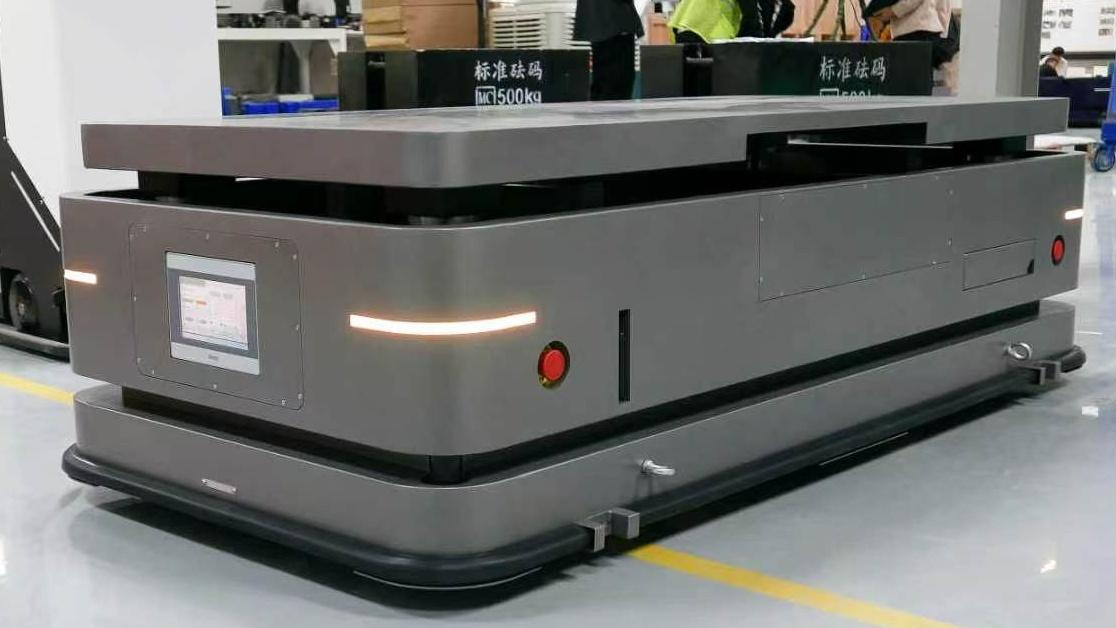
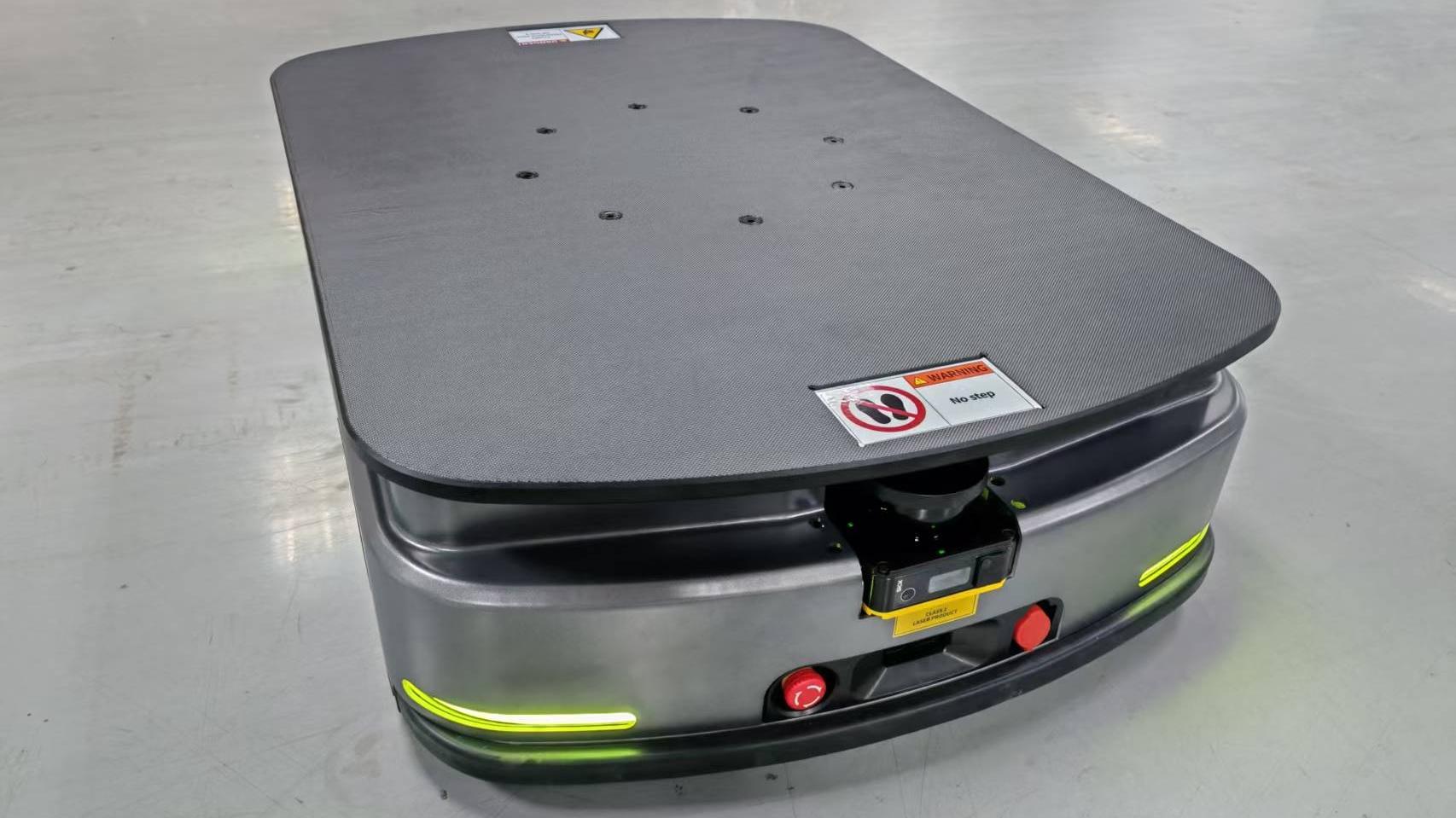
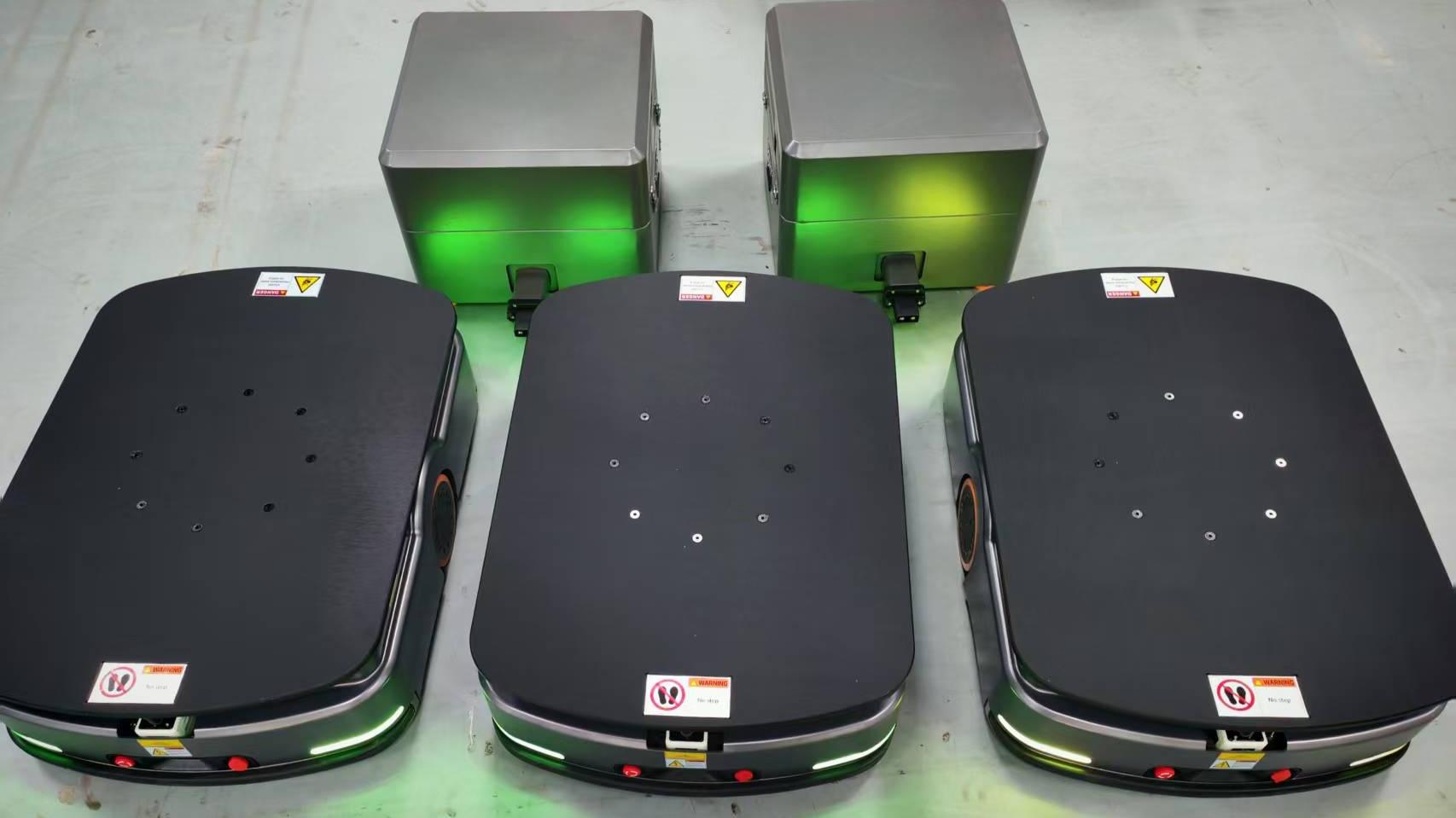
A custom roller conveyor AMR is a laser SLAM autonomous mobile robot with a powered or passive roller deck engineered around the actual transfer interface of PCB equipment. Instead of forcing a fixed conveyor into a changing layout, the robot travels to the line, docks, transfers the PCB carrier or magazine, and moves on.
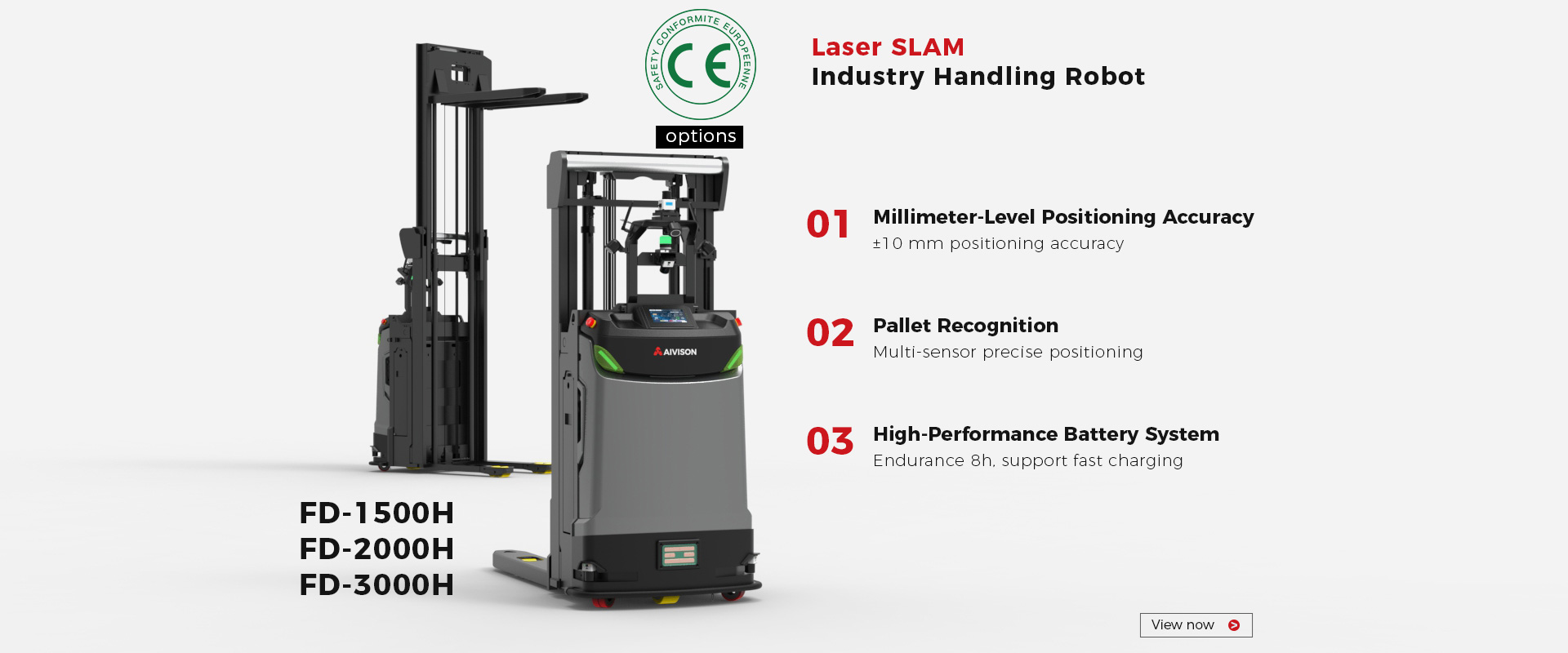
A custom roller conveyor AMR for PCB production lines is more than a standard pallet-moving robot with a roller top. In PCB manufacturing, the transfer interface is part of process quality. Board or magazine width, conveyor height, roller pitch, stop position, transfer direction, handshake signals, ESD control and cleanroom conditions all influence whether a mobile robot can work reliably beside printing, SPI, placement, reflow, AOI, testing, depaneling, assembly and packaging equipment. The custom roller deck is therefore selected around the line, not around a catalog specification. Shenzhen Marnix Intelligent Technology Co., Ltd. reviews the load, layout, docking tolerance and communication requirements before recommending a chassis, top module and fleet scope.
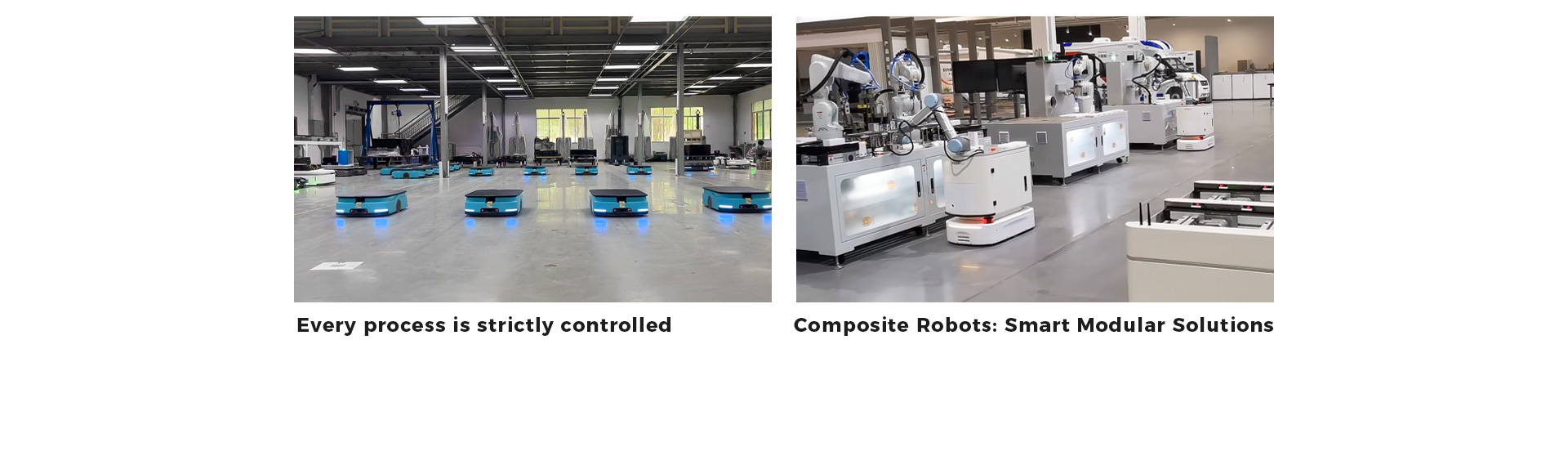
The practical value appears in the gaps between fixed automation. A PCB line may need a mobile buffer when one machine stops, a flexible link between rooms, or a way to move magazines from a magazine loader to a test cell without an operator pushing a cart. A roller conveyor AMR can serve as a mobile conveyor segment: it docks at one station, receives or discharges the carrier, travels through mixed human and forklift traffic, and presents the carrier at the next station. Basic navigation uses laser SLAM on natural features, so the facility normally does not need magnetic tape, reflectors or floor QR codes for travel. QR labels can be added only at precision stations where ±2 mm docking is needed. The result is a line-side automation system that can be re-mapped when the production layout changes instead of requiring new floor infrastructure.
PCB projects also require honest engineering boundaries. A roller conveyor AMR should not be sold as a universal replacement for every conveyor. It is most suitable where the process benefits from mobility, buffering or layout flexibility, and where the interface can be engineered and validated. Buyers should expect a review of board or magazine dimensions, maximum load, conveyor height, transfer speed, stop accuracy, ESD materials, cleanroom class, door widths, lift use, Wi-Fi coverage and acceptance test criteria. This evaluation protects both throughput and product quality, and it is the basis of a reliable custom quotation.