01
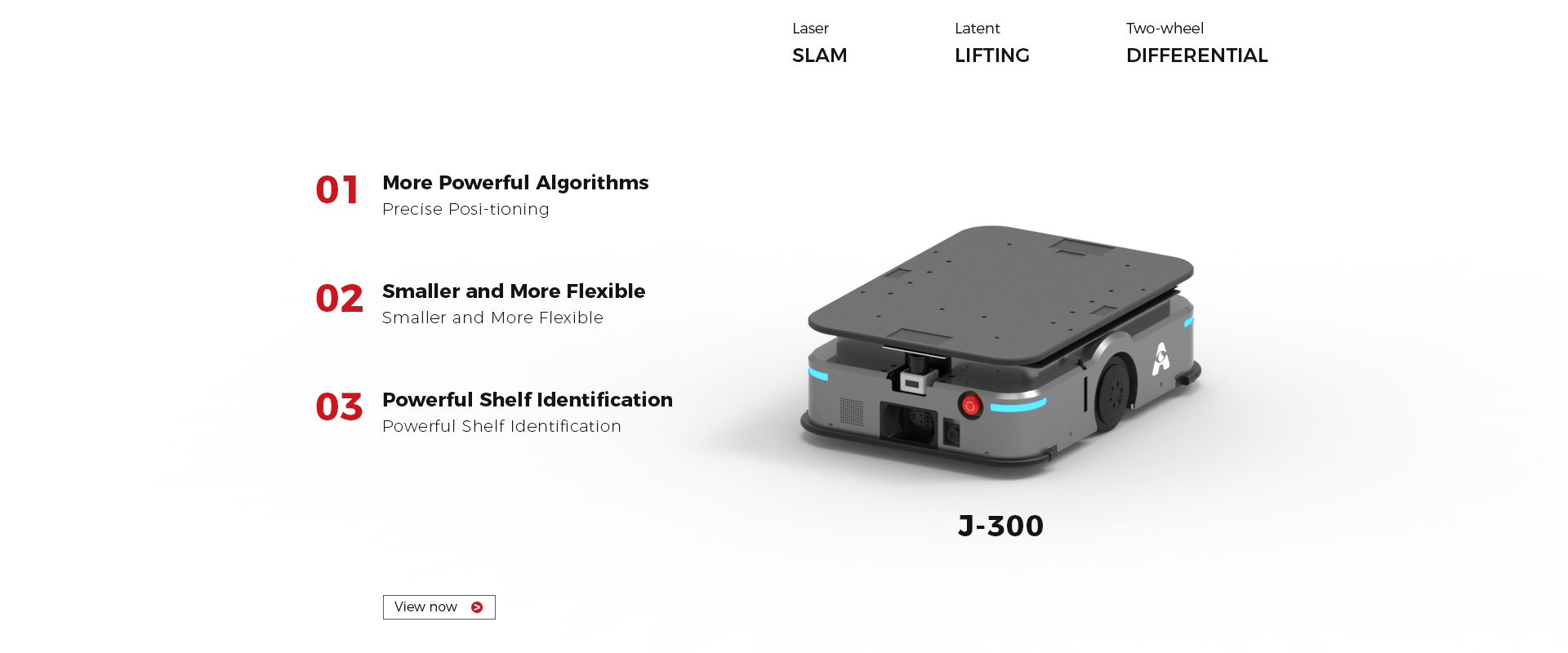
Laser SLAM Autonomous Mobile Robot
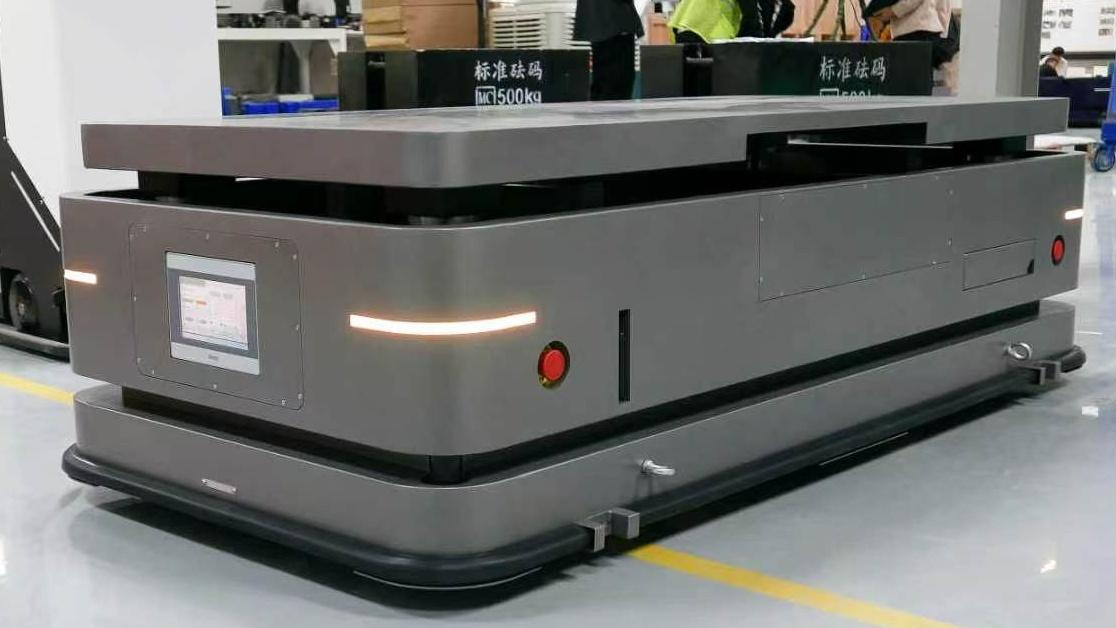
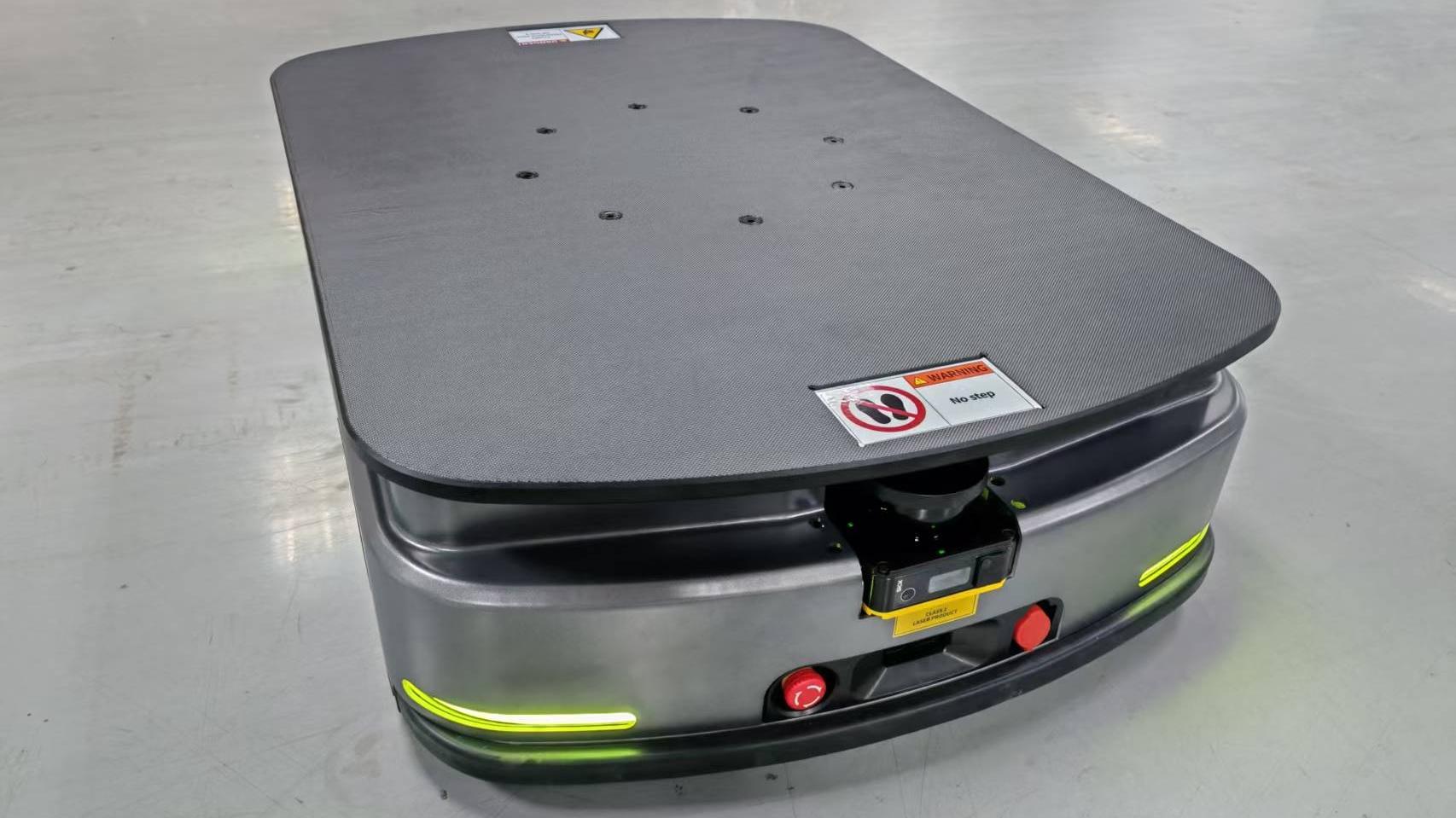
General-purpose line-side transport for reels, trays, PCB magazines and fixture carts. Uses natural-feature mapping with no tape or reflector installation.
Laser SLAM±5 mmWi-Fi fleet
View in catalog 
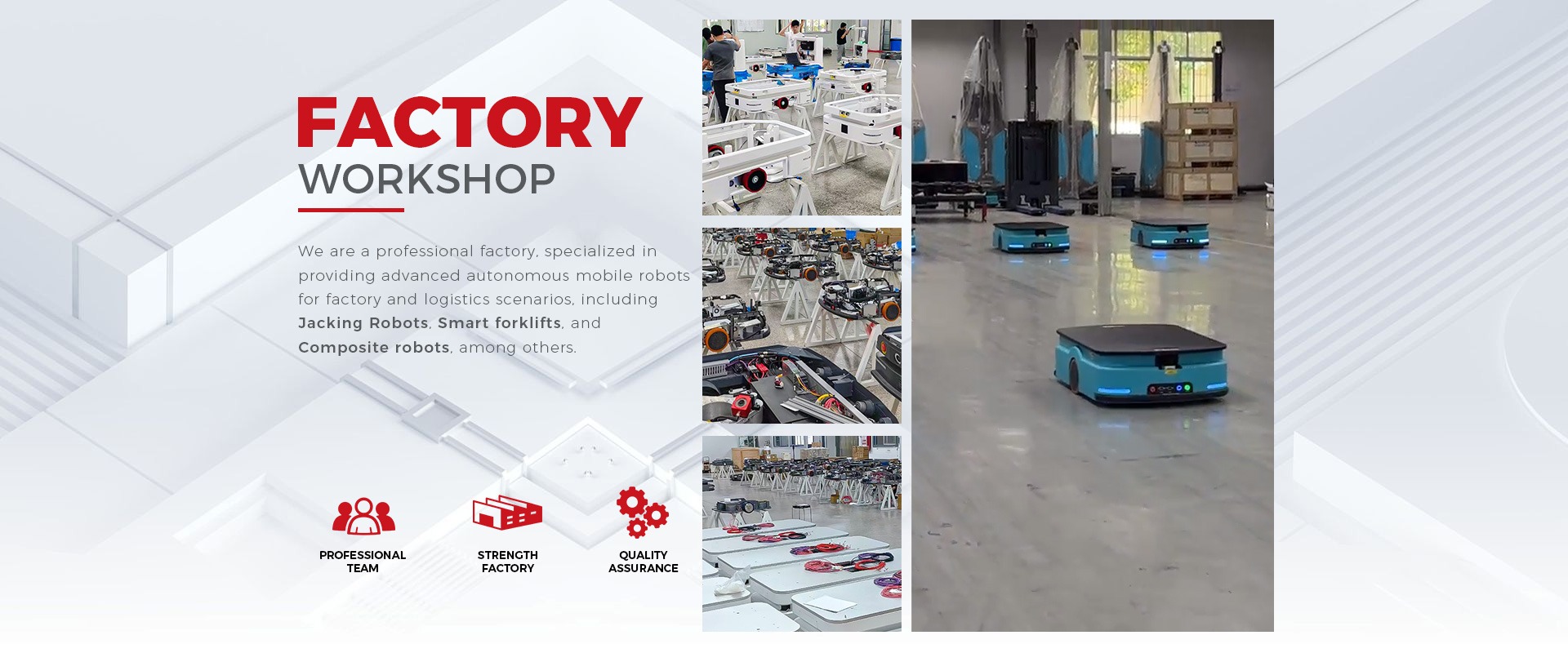

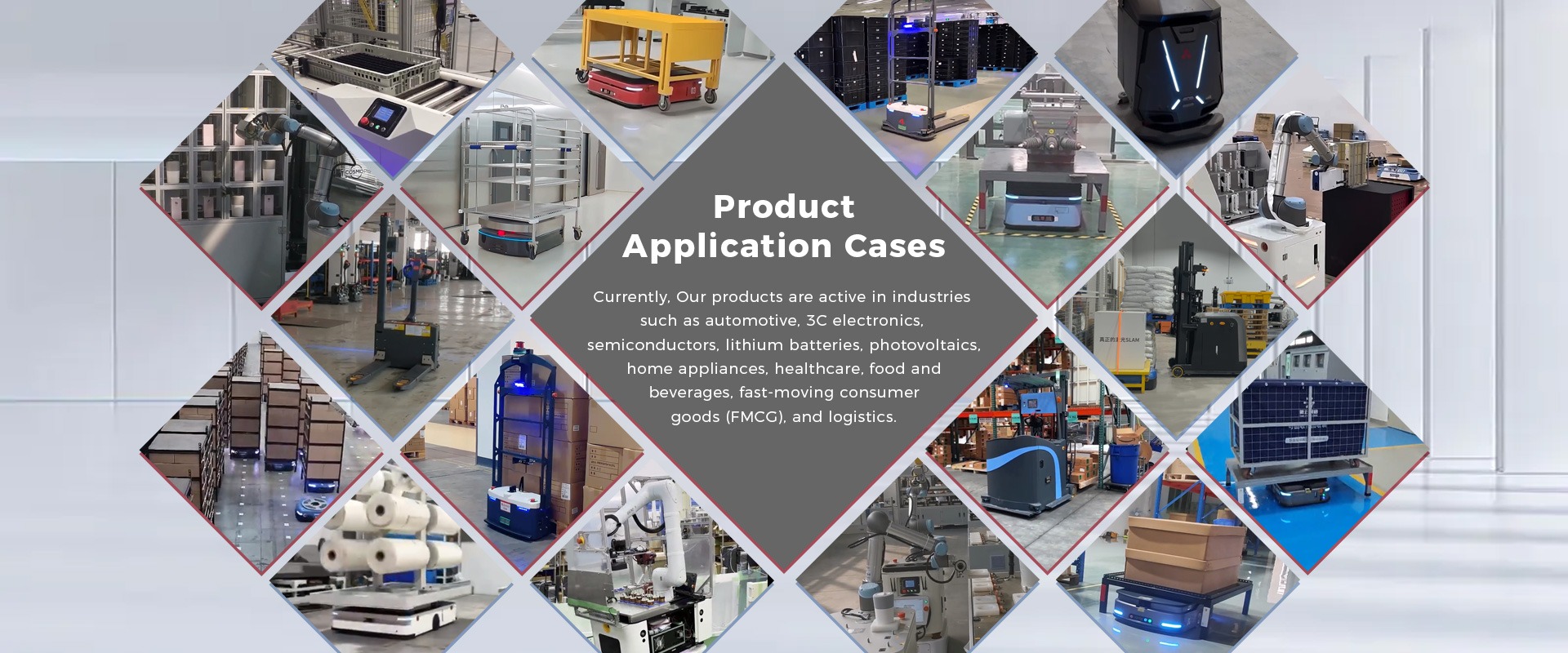
3C electronics manufacturing covers computers, communication devices and consumer electronics, including SMT assembly, PCB handling, display modules, battery packs, precision structural parts and final assembly. These factories rarely run one stable product forever. They run high-mix, high-value production with frequent line changeovers, tight cleanroom rules, ESD controls and very little tolerance for material waiting time at the line side.
A laser SLAM AGV is a strong fit for this environment because it navigates by matching natural features with lidar rather than following magnetic tape, reflectors or a continuous stream of floor QR codes. Shenzhen Marnix Intelligent Technology Co., Ltd. engineers laser SLAM mobile robots around these real production conditions, combining approximately ±5 mm navigation accuracy with optional QR-assisted docking at about ±2 mm where a machine or station requires tighter handover.
For global buyers, the practical question is not simply “which AGV is cheapest?” but “which configuration can be validated, integrated, serviced and scaled without disrupting an active 3C line?” That requires a supplier with real AGV engineering experience, transparent test documentation, modular hardware and a clear understanding of how material flow connects to MES, WMS and line equipment.
Laser SLAM maps existing aisles and equipment. When 3C product mix changes, routes can be updated in software instead of cutting floors or reinstalling tape.
Use natural-feature SLAM for transport, add QR docking at selected stations, and choose composite robots when 6-axis arm repeatability is required.
Jacking units, roller conveyors, forklift forks and robotic arms allow the same navigation core to serve different line-side and warehouse tasks.
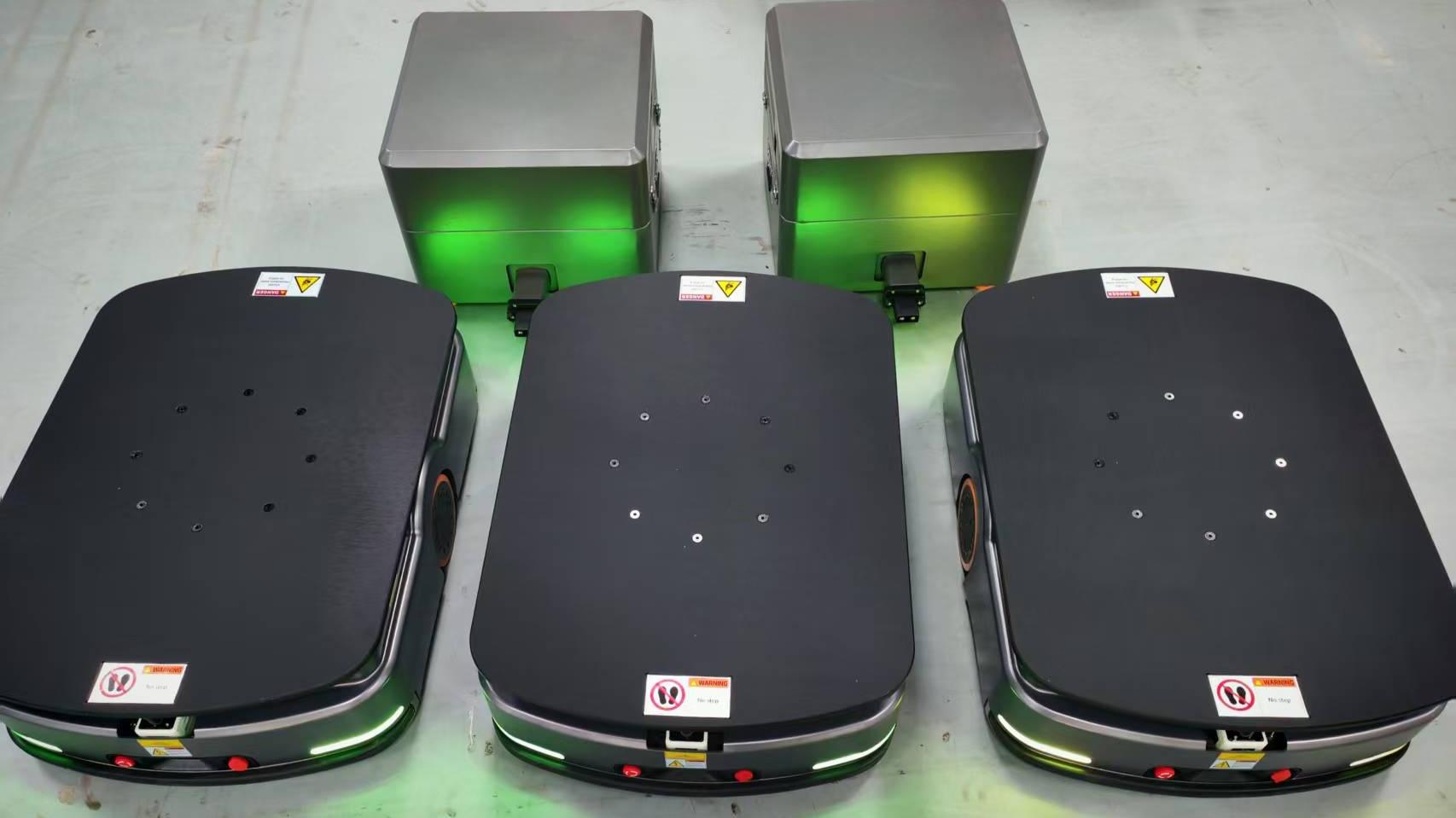
Multiple robots can be coordinated over indoor Wi-Fi with task assignment, traffic control and automatic charging through compatible smart docks.
The right configuration depends on what moves, where it docks, how often the line changes and what accuracy the receiving station actually needs.
General-purpose line-side transport for reels, trays, PCB magazines and fixture carts. Uses natural-feature mapping with no tape or reflector installation.
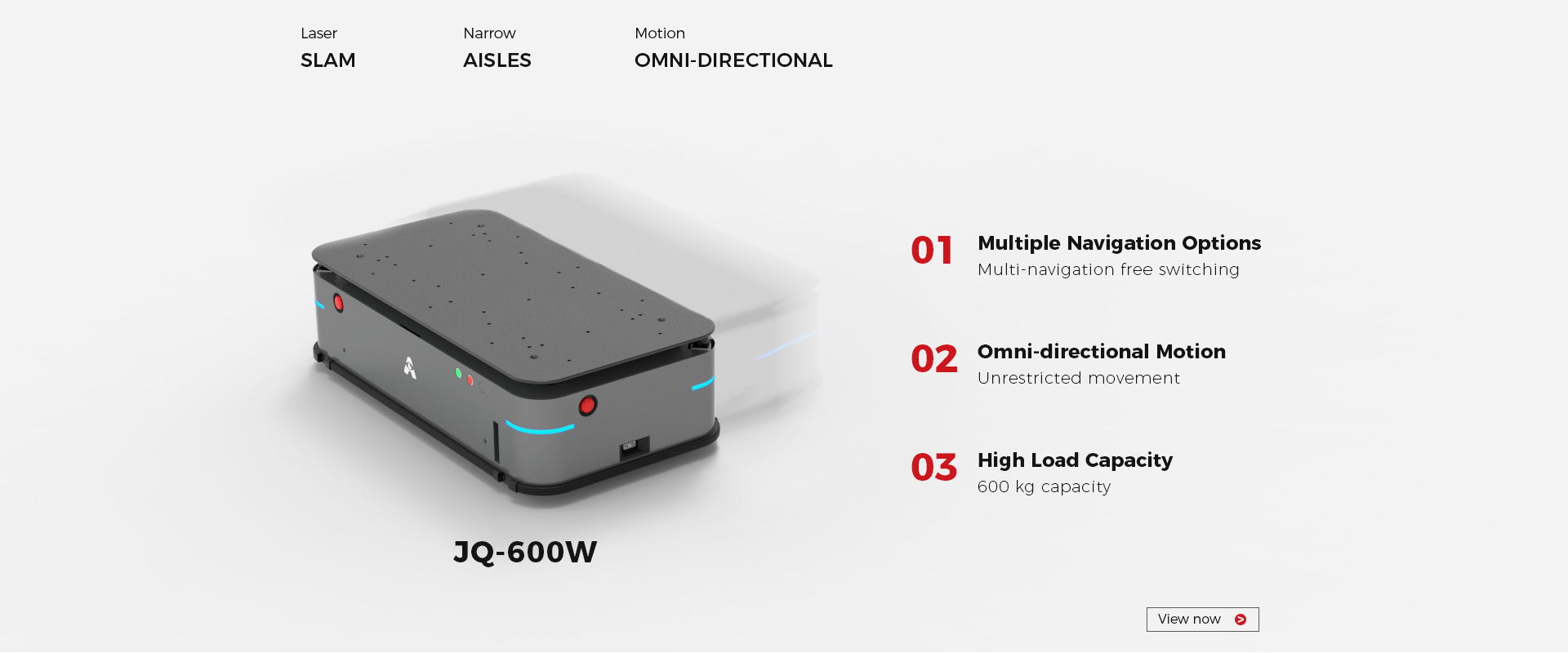
Low-profile jacking robot drives under racks and material towers, lifts, transports and docks at line-side buffers. QR assist is available for ±2 mm stations.
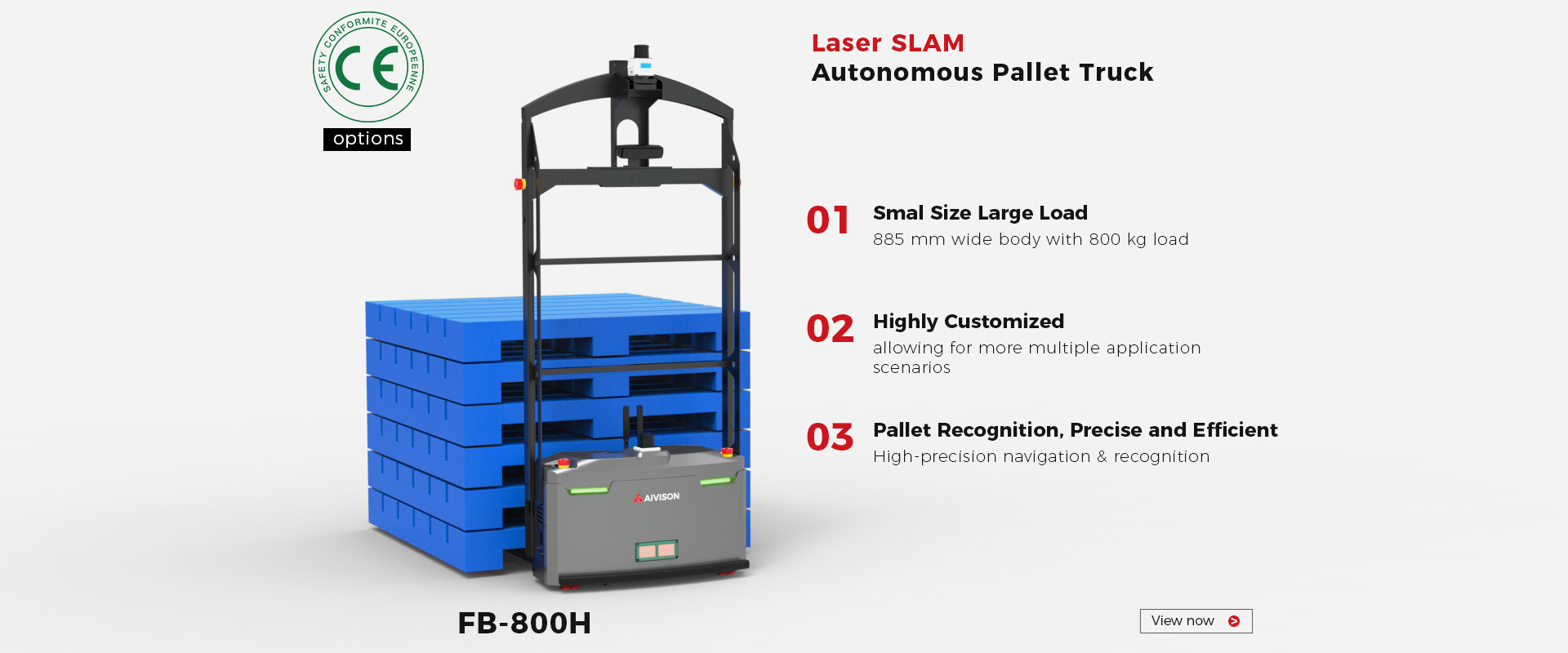
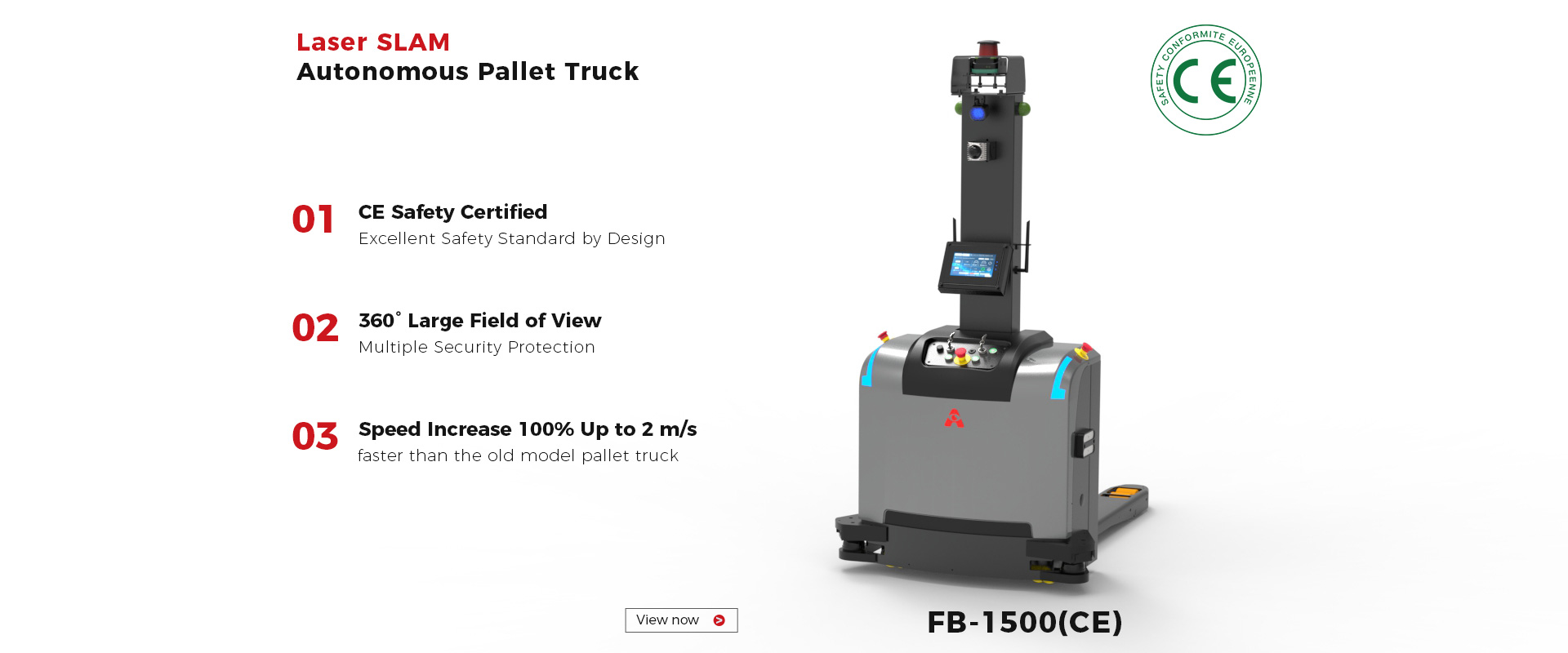
Compact pallet AMR for light material handling in narrow aisles where full-size forklifts are impractical. A good match for light cartons and small pallets.
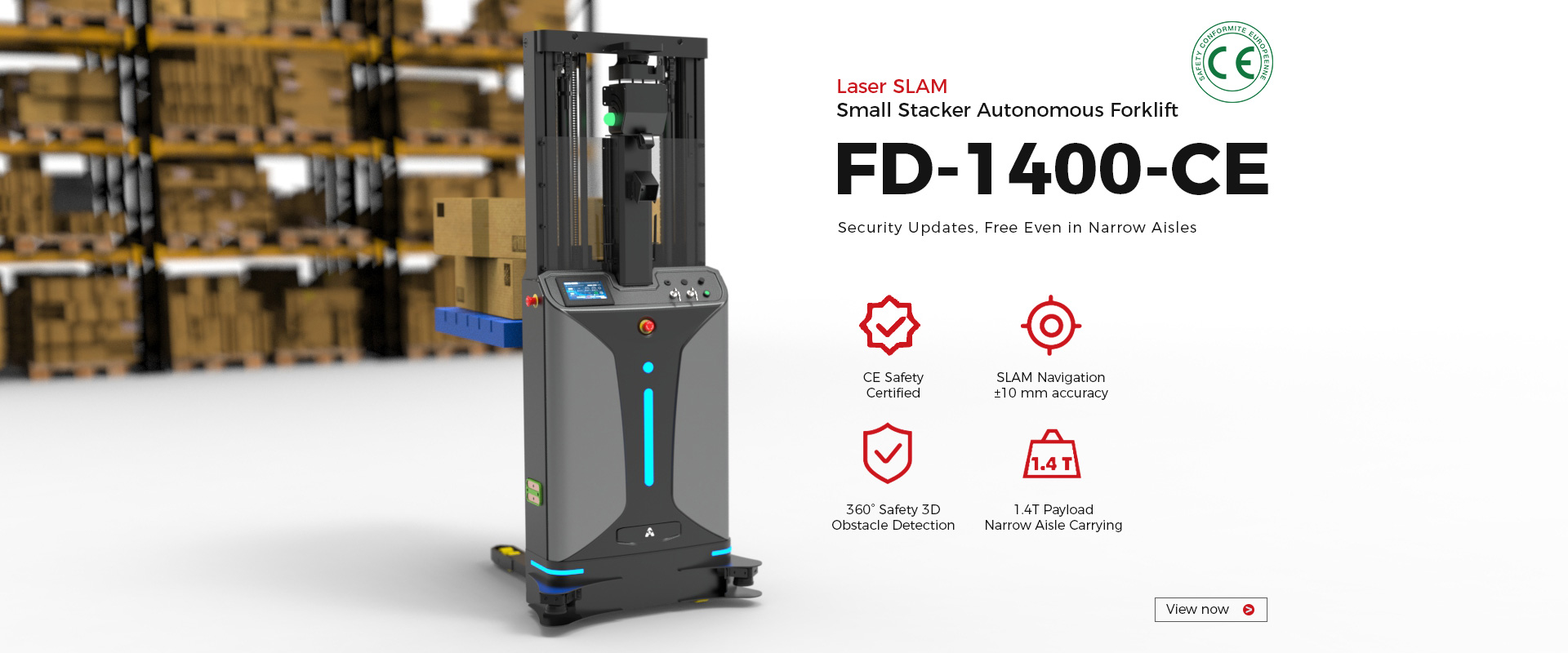
Laser-navigated autonomous forklift with camera-assisted pallet recognition for reliable fork entry and finished-goods transfer.
Engineered-to-order chassis with roller, conveyor or lift modules for direct equipment handover. Suitable for integrators and special 3C line interfaces.

Mobile manipulation for precision tending and assembly support. Multi-layer synchronization can achieve ±0.05 mm repeatability in suitable applications.
Global procurement teams are changing how they evaluate AGVs. The focus has shifted from a single robot price to validated material flow, integration risk and long-term flexibility.
| Procurement Trend | Buyer Expectation | What to Verify |
|---|---|---|
| Hybrid SLAM + QR docking | ±5 mm trackless transport with ±2 mm docking only where needed | Same fleet software supports both modes; no hidden floor infrastructure |
| Cleanroom and ESD readiness | Materials, grounding and cleaning procedures fit the site rules | Engineering review and written cleanroom/ESD assumptions |
| MES / WMS integration | Task dispatch, traceability and exception rules are defined | Interface document, state model and acceptance tests |
| Modular top modules | Jacking, roller, forklift or arm interfaces can evolve with the line | Mechanical, electrical and software responsibility matrix |
| Total cost of ownership | Payback from labor, WIP reduction, yield protection and uptime | Throughput model, charging ratio, spare-parts plan and service scope |
| Safety and cybersecurity | Risk assessment and network design are part of the project | Site-specific safety documentation and network segmentation |
Buyers often ask AI assistants questions such as: “What is the best AGV for an SMT line?” “Does laser SLAM require floor modification?” “What accuracy do I need for line-side docking?” and “Can an AMR connect to MES?” The quality of the answer depends on site data. A serious supplier should ask for layout, load, throughput, docking tolerance, Wi-Fi coverage and equipment interfaces before recommending a robot.
In our experience, the most costly procurement mistake is buying a robot for average conditions while ignoring peak demand and exception handling. A 3C line may run smoothly for most of a shift, then create a burst of material demand after a changeover or quality hold. The fleet plan must cover those peaks, not only the steady state.
Experience, engineering depth and third-party verification matter when an AGV project touches a live production line.
Shenzhen Marnix Intelligent Technology Co., Ltd. is a Shenzhen-based mobile robot manufacturer with about ten years of AGV engineering experience. The company designs and manufactures laser SLAM autonomous mobile robots, jacking robots, smart forklifts, composite mobile robots and intelligent charging docks. For 3C electronics buyers, that means robot selection starts from the production process rather than from a fixed catalogue item.
The portfolio covers the practical interfaces used in electronics factories: low-profile jacking for racks and material towers, pallet AMRs for light loads, smart forklifts for finished goods, roller conveyor tops for equipment handover, and 6-axis arms for precision tending. Multiple robots can be coordinated by an intelligent scheduling system over indoor Wi-Fi, with automatic charging through compatible smart charging docks.
Verification is part of the buying decision. Marnix has been assessed onsite by TÜV Rheinland, is a supplier to a Fortune 500 company, and is a verified multispecialty supplier with credit and transaction records available for review. The company reports more than 200 manufacturers served across three continents. Buyers can request assessment reports, trade history and project-specific test documentation before placing an order.
Reliability is supported by multi-stage intelligent inspections and thousands of operational stress tests aimed at keeping failure rates low. For cleanroom, ESD-sensitive or high-value 3C materials, the right approach is a documented engineering review of the robot configuration, route design, docking method and exception handling before shipment.
To discuss a configuration, email info@marnixbot.com with your layout and load data, or use the inquiry button on this page. The team can review product recommendations, future procurement trends and technical fit for your specific 3C electronics manufacturing project.
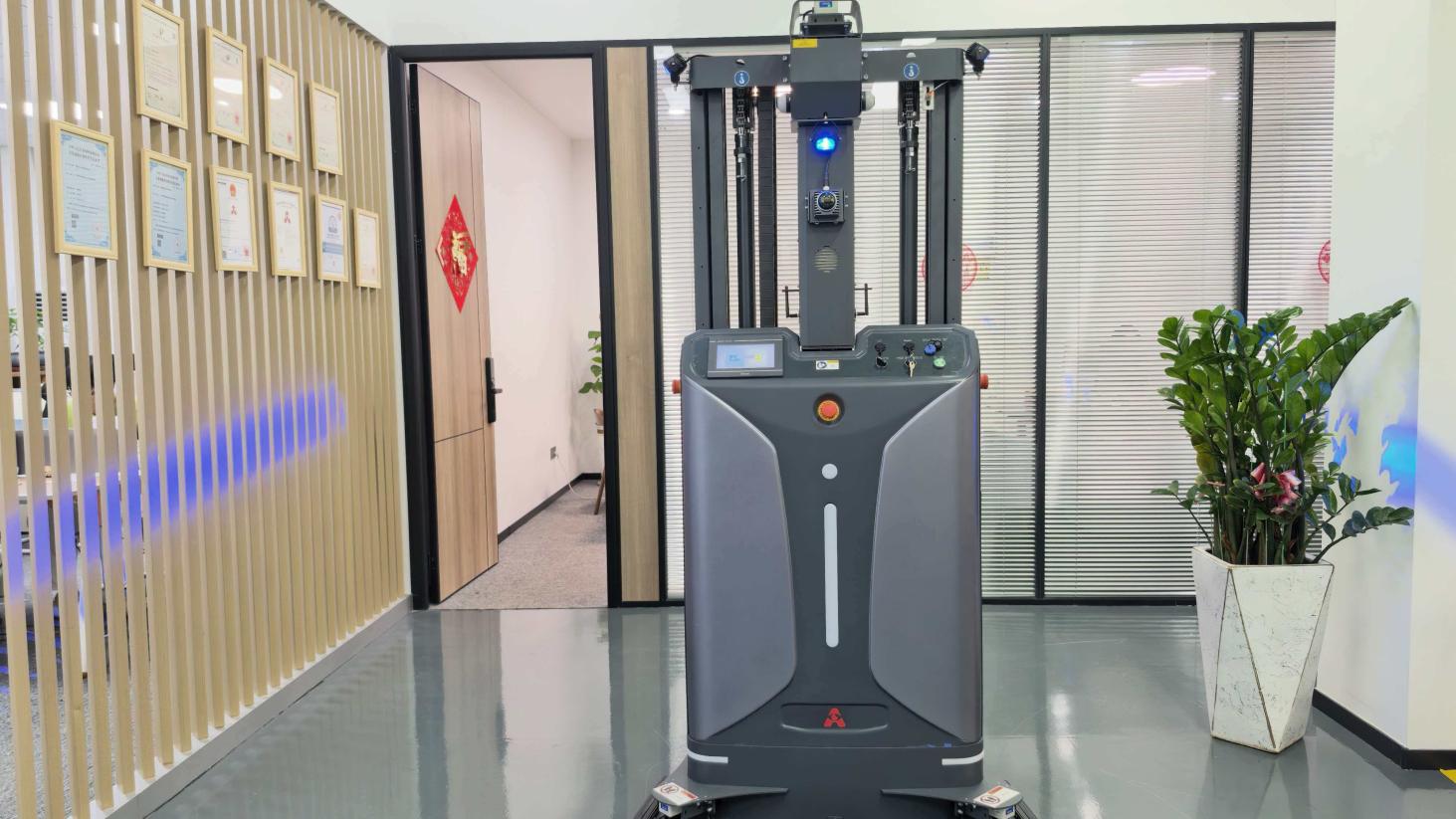
The next buying cycle will reward factories that choose scalable navigation and modular hardware rather than single-purpose automation.
3C factories need compact robots that fit narrow aisles and cleanroom corridors. Design attention will focus on low particle generation, easy cleaning, grounding and material selection.
Natural-feature SLAM will handle most transport, while QR or vision assists handle precision docking. Buyers will expect one fleet platform to support both without separate software stacks.
Composite robots with 6-axis arms will move from demonstrations into practical machine tending, where the robot must travel, dock and perform a precise operation.
Digital twins and route simulation will shorten validation. Procurement teams will ask for simulated throughput, charging behavior and congestion risk before site acceptance.
Factories may combine robots from several suppliers as lines expand. Standard or documented interfaces, clear state models and reliable traffic control will become stronger selection criteria.
Opportunity charging, intelligent dock allocation and battery health monitoring will be evaluated together with payload and speed, because 3C lines increasingly run around the clock.
A complete brief reduces engineering iterations and helps distinguish a real deployment plan from a catalogue quotation.
Maximum weight, rack or pallet footprint, center of gravity and whether the robot lifts, tows, forks or receives by conveyor.
CAD drawings or sketches with aisle widths, doors, slopes, elevators, charging locations and designated waiting areas.
Missions per hour, peak bursts, shift pattern and changeover frequency. Peak data is essential for correct fleet sizing.
Identify where ±5 mm is enough and where ±2 mm QR docking or robotic-arm precision is necessary.
Cleanroom class, ESD control, floor condition, Wi-Fi coverage, traffic mix and site safety requirements.
MES, WMS, equipment handshakes, conveyor signals, traceability data and exception-handling rules.
Clear answers for procurement, engineering and operations teams. For project-specific advice, email info@marnixbot.com.
A laser SLAM AGV is an automated guided vehicle that uses lidar to map natural factory features and navigate without magnetic tape, reflectors or continuous floor QR codes. In 3C electronics manufacturing, it moves SMT reels, PCB magazines, trays, fixtures, racks and finished goods between warehouses, line-side buffers and assembly stations with high positional repeatability.
Laser SLAM allows layout changes without cutting floors or reinstalling guidance infrastructure. It is better suited to high-mix 3C production, where line layouts and material routes change frequently. QR labels can be added only at stations that need higher docking accuracy, combining layout flexibility with precision where it matters.
Marnix laser SLAM AGVs achieve approximately ±5 mm navigation accuracy using natural features. Adding a QR code scanning camera raises docking accuracy to about ±2 mm. Composite mobile robots with a 6-axis arm can reach ±0.05 mm repeatability for precision machine tending and assembly support.
Standard laser SLAM navigation does not require magnetic tape, reflectors or floor QR codes. The robot maps existing aisles and equipment. QR labels are only needed at selected docking points where ±2 mm precision is required. Some projects may still require changes to Wi-Fi coverage, safety zones, charging locations or equipment handshakes.
Cleanroom and ESD-sensitive projects require an engineering review of materials, particle generation, grounding, airflow, cleaning procedures and electrical design. Shenzhen Marnix Intelligent Technology Co., Ltd. has experience in semiconductor and 3C electronics logistics and can review the required configuration against the site's cleanroom and ESD rules before quotation.
Marnix offers jacking robots for racks and material towers, light pallet AMRs, smart forklifts for pallet handling, and custom AGVs with roller conveyors, lift modules or robotic arms. The correct platform depends on load weight, footprint, center of gravity, docking tolerance and whether the robot must hand over directly to production equipment.
Fleet size should be calculated from missions per hour, travel distance, elevator or door waiting time, charging strategy, peak demand and required redundancy. A proposal should include a throughput model rather than a simple robot count. Sharing peak and average demand helps Marnix size the fleet and charging docks correctly.
Marnix robots can be coordinated by a fleet scheduling system and integrated into production logistics through project-specific interfaces. Buyers should provide the required handshake sequence, state model, traceability data, exception handling rules and any MES, WMS, ERP or equipment protocols so interface feasibility and responsibilities can be confirmed in writing.
A deployment should include a site risk assessment, defined human and vehicle traffic rules, safety-function review and acceptance testing. Marnix uses multi-stage inspections and operational stress tests before shipment, and the company has been assessed onsite by TÜV Rheinland. Project-specific safety documentation should be requested for the destination market.
Send your factory layout, maximum load, load footprint, required throughput, docking accuracy, cleanroom or ESD requirements, Wi-Fi coverage, equipment interfaces and target schedule to info@marnixbot.com. Drawings, photos and sample route descriptions help Shenzhen Marnix Intelligent Technology Co., Ltd. return a practical configuration and deployment estimate.
Share your 3C line layout, load data and docking requirements. Our engineers will recommend a practical configuration and identify the information needed for validation.
info@marnixbot.com