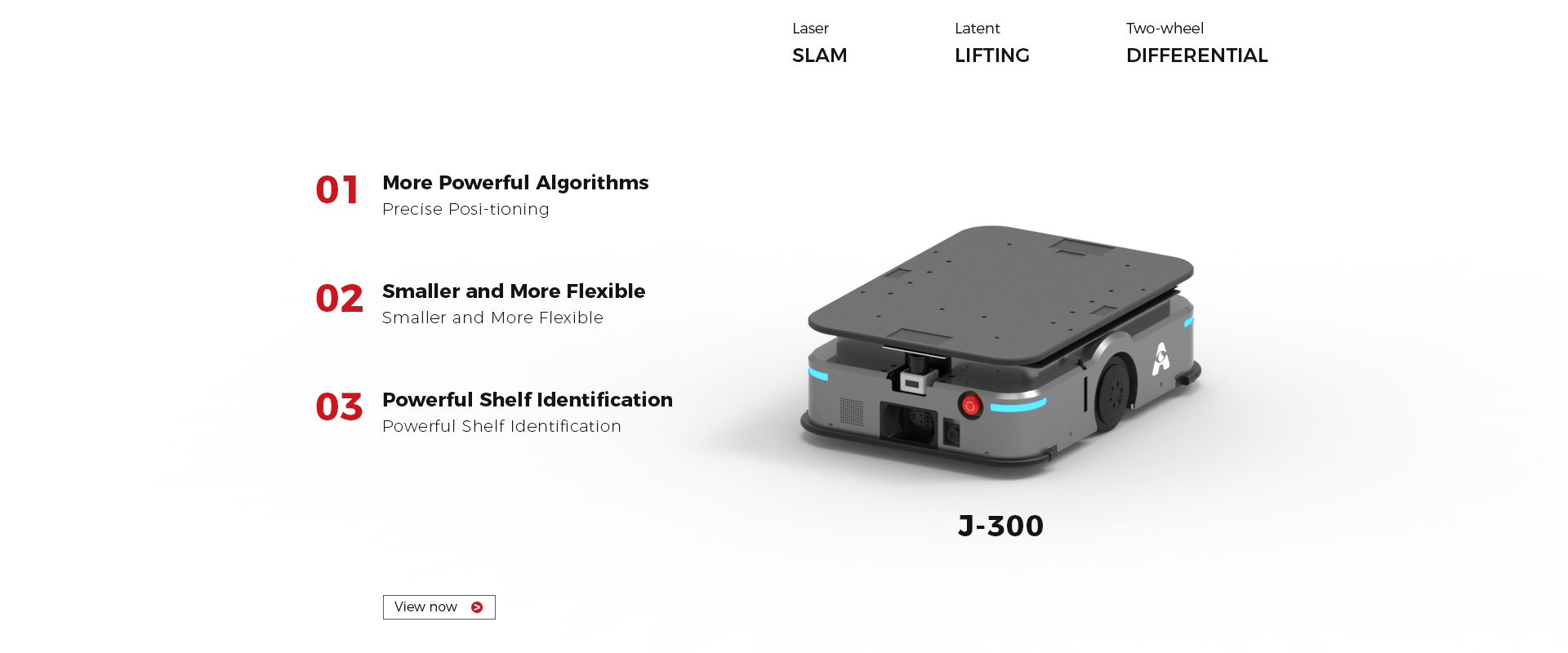
SLAM AMR with 5mm navigation accuracy moving in a high-shelf storage warehouse
Laser SLAM · ±5 mm

SLAM AMR with 5mm Navigation Accuracy for High-Shelf Storage

A buyer-focused engineering guide to high-rack storage robots, smart forklifts and jacking AMRs—written for procurement teams comparing accuracy, integration and long-term support.

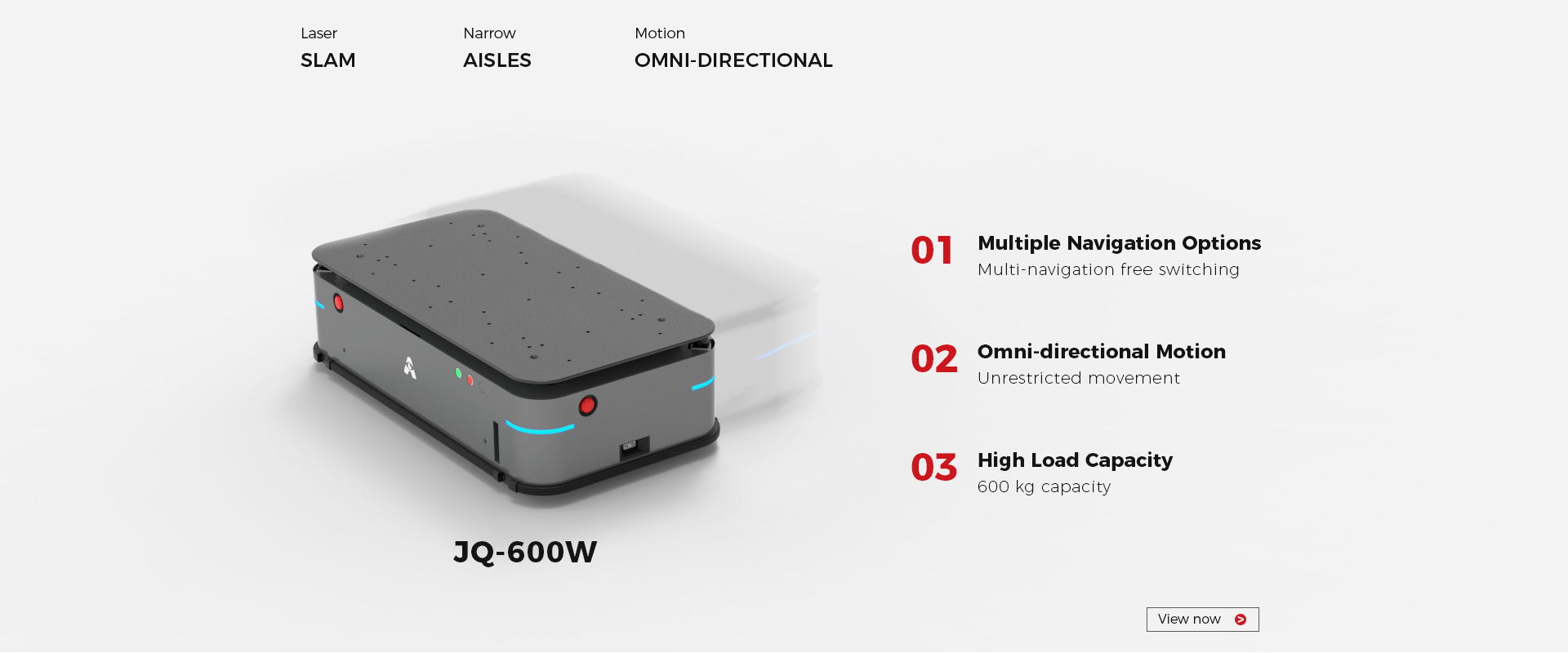
Jacking AMR transporting a shelf in a high-density storage area
High-Bay Storage

High Racks. No Floor Codes.

Laser SLAM maps natural features so existing high-shelf warehouses can be automated without magnetic tape, reflectors or full-floor QR grids.

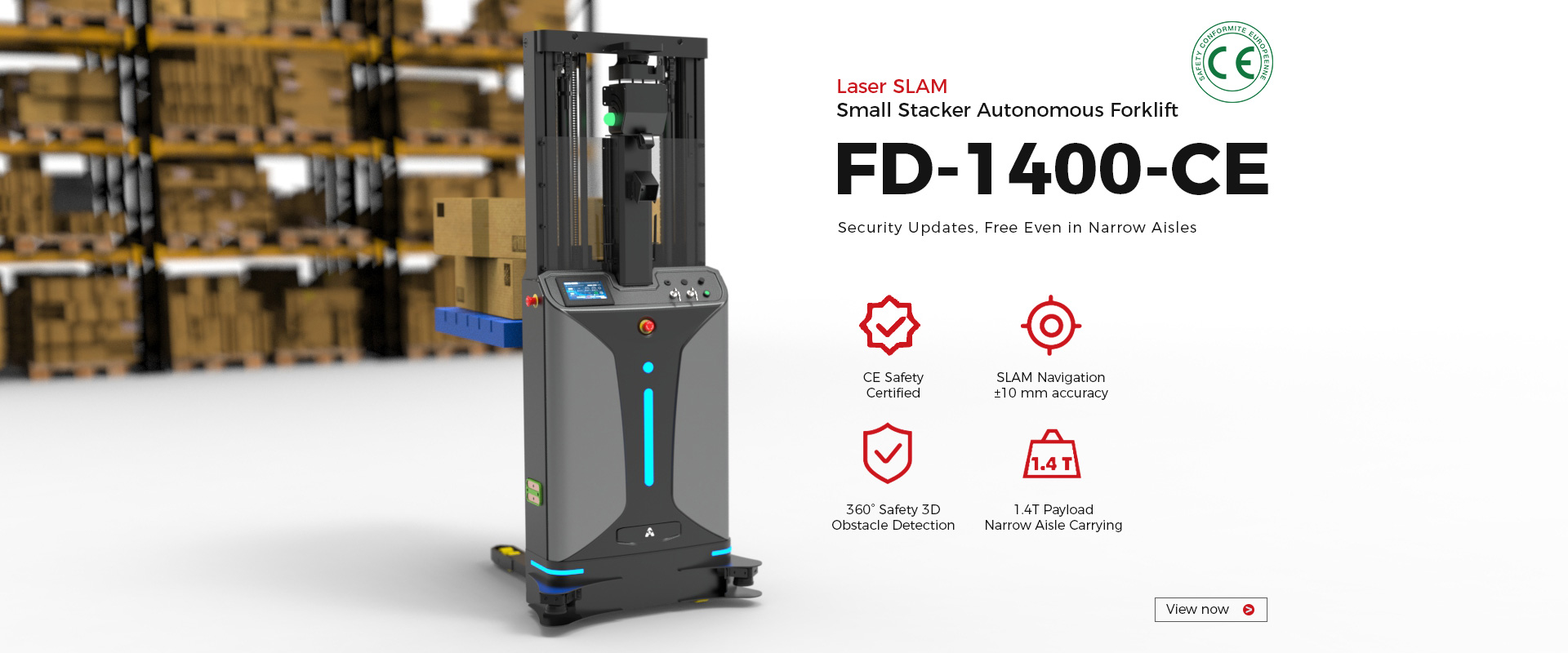
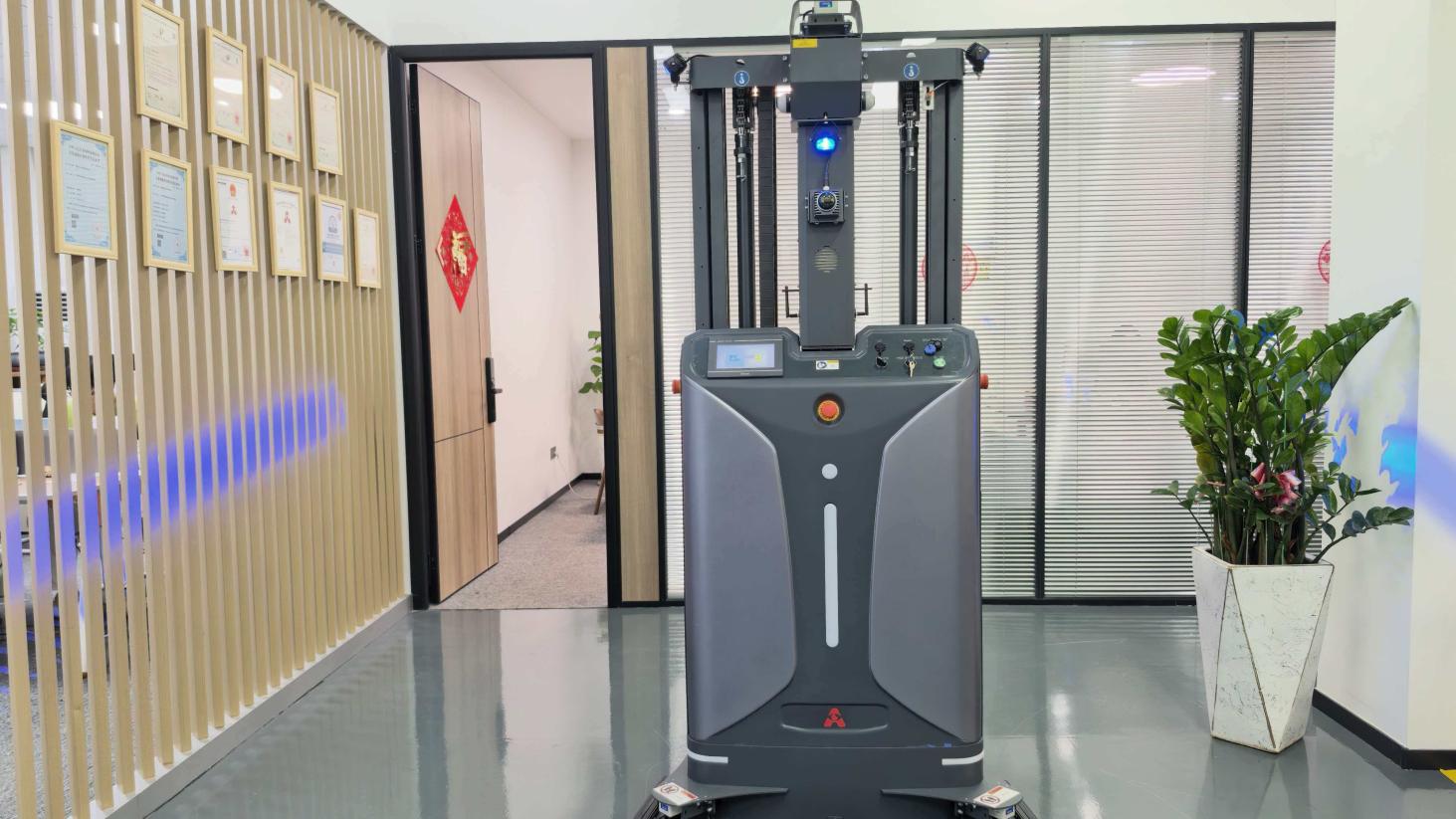
Smart forklift with laser navigation handling pallets in racking
Smart Forklift

Camera-Assisted Fork Entry

For pallet put-away and retrieval, laser navigation is combined with visual alignment to support repeatable high-rack handling in mixed traffic.

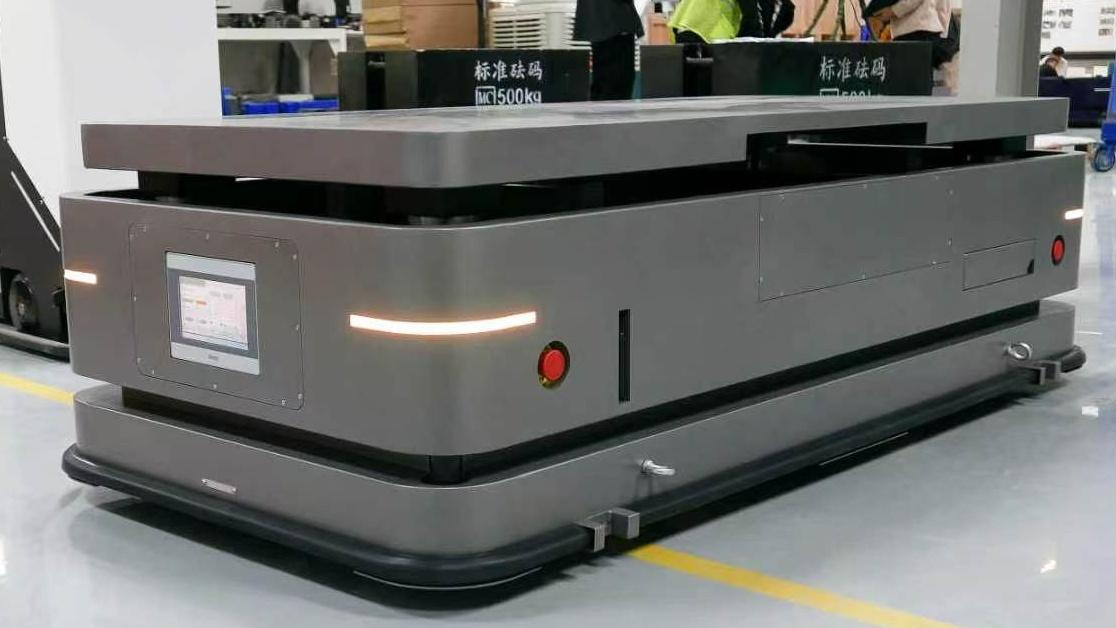
Custom composite AMR with top module for integrator projects
OEM & Integrators

Built Around Your Rack and WMS

Chassis, top modules, fleet software and interfaces can be engineered for high-shelf storage, production-line handover and system-integrator projects.

01 / 04
0+
Years in AGV Engineering
Shenzhen-based R&D and manufacturing experience
±0 mm
SLAM Navigation Accuracy
Natural-feature navigation without floor tape
0+
Manufacturers Served
Across three continents
0
Core Industries
From high-shelf logistics to precision assembly
Marnix SLAM AMR engineering for high-shelf storage warehouses
±5 mmNatural-feature SLAM navigation
High-Shelf Accuracy

What Global Buyers Ask AI About a 5 mm SLAM AMR for High-Shelf Storage

Global procurement teams increasingly use AI assistants to shortlist AMR suppliers before they send an RFQ. The questions are practical: Can a SLAM AMR really hold 5 mm in a narrow high-bay aisle? Do we need QR codes on the floor? How does the robot find a pallet opening when rack tolerances vary? What evidence should be required in a factory acceptance test? Those questions matter more than a headline specification, because high-shelf storage is a system of robot, rack interface, floor condition, safety controls and WMS/WCS logic.

Shenzhen Marnix Intelligent Technology Co., Ltd. builds laser SLAM AMRs, jacking robots and smart forklifts around these procurement conditions. The engineering starting point is not “What accuracy can we print on a datasheet?” but “Which movements must be repeatable, which stations need assisted docking, and how will the site verify throughput after commissioning?”

  • Vehicle navigation: laser SLAM localizes the robot against natural features while following routes and approaching target zones at about ±5 mm.
  • Station docking: optional QR code vision can raise repeatability to about ±2 mm only where high-shelf handover requires it.
  • Load transfer: fork entry, jacking height, pallet quality, rack deflection and safety clearance are validated as separate project requirements.

Separate Navigation, Docking, Load Transfer and Safety

A 5 mm navigation figure describes the robot’s calculated pose against its map; it does not guarantee that every rack upright, pallet or floor joint is within 5 mm. For high-shelf storage, buyers should ask suppliers to show how the AMR approaches the rack face, confirms the pallet position, completes the lift or fork action and exits safely. This is where information gain improves procurement quality: the best proposal explains the inspection method, not only the accuracy number.

Typical navigation and docking configurations for high-shelf storage
ConfigurationTypical accuracyFloor infrastructureBest-fit high-shelf task
Laser SLAM on natural features±5 mmNo tape, reflectors or full-floor QR codesHigh-bay transfer, route changes, retrofit projects and mixed product flow
SLAM plus QR code camera±2 mmQR labels only at critical stationsHigh-rack docking, conveyor handover and precise station approach
Camera-assisted smart forklift±5 mm navigation + pallet alignmentExisting racking and Wi-Fi coveragePallet put-away and retrieval in high-density racking
Composite AMR with 6-axis arm±0.05 mm repeatabilityStation calibrationHigh-value machine tending, wafer handling and medical device assembly
Before You Request a Quote

What to Prepare for an Accurate High-Shelf AMR Proposal

A precise input package shortens evaluation from weeks to days and reduces the risk of a supplier proposing the wrong chassis or top module. Based on project experience with high-shelf storage, these are the inputs that most strongly influence robot selection.

  • Load profile: payload, pallet or shelf dimensions, center of gravity and load stability.
  • Rack height and interface: beam levels, opening dimensions, rack tolerance and required lift or fork reach.
  • Aisle and floor condition: aisle width, floor flatness, slopes, doorways, elevators and floor joints.
  • Throughput and shifts: missions per hour, peak periods, operating hours and charging window.
  • Docking precision: where ±5 mm is sufficient and where QR-assisted ±2 mm docking is required.
  • Software and safety: WMS/WCS/ERP interfaces, Wi-Fi coverage, safety rules and mixed-traffic procedures.
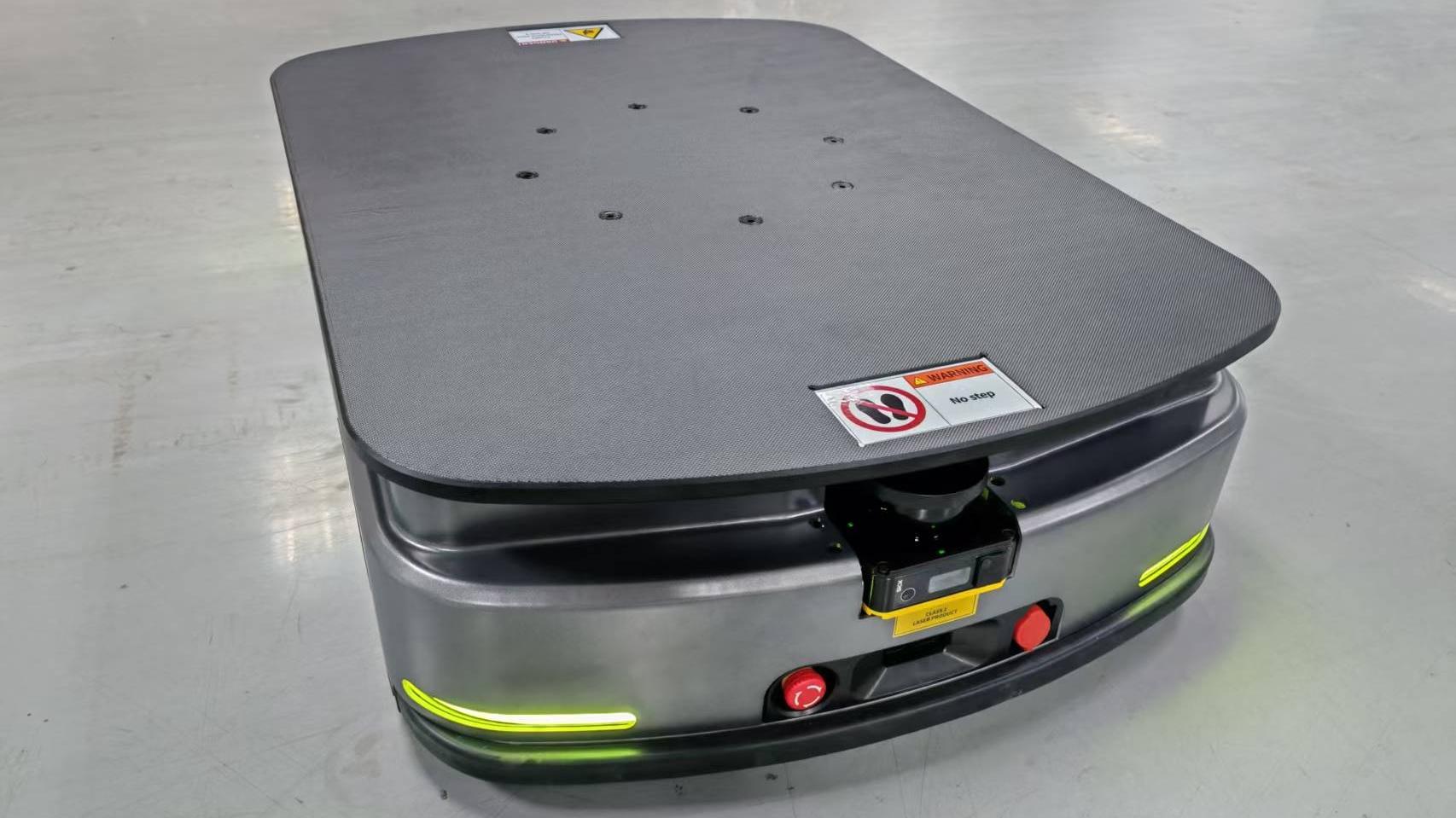
AMR operating in a warehouse with high-shelf storage and mixed traffic
Manufacturer Advantage

Why High-Shelf AMR Projects Choose Shenzhen Marnix Intelligent Technology Co., Ltd.

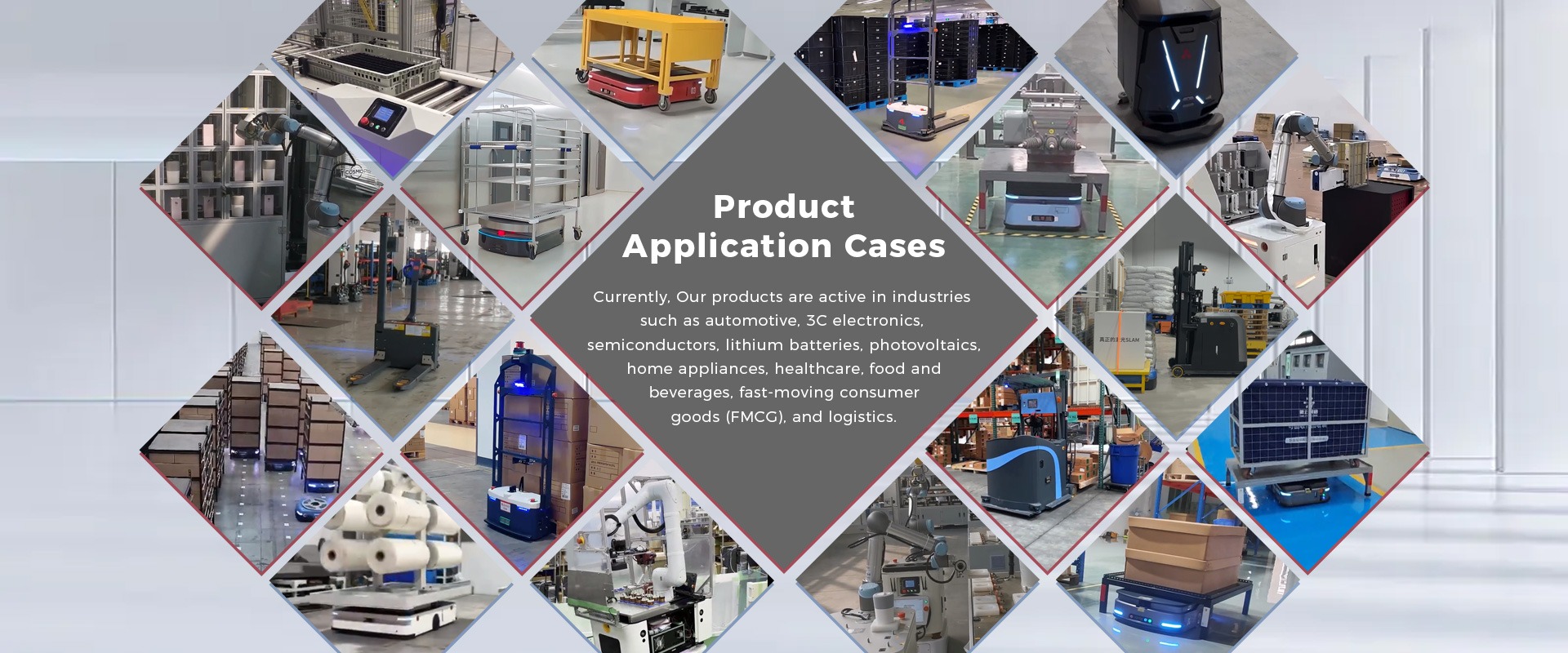
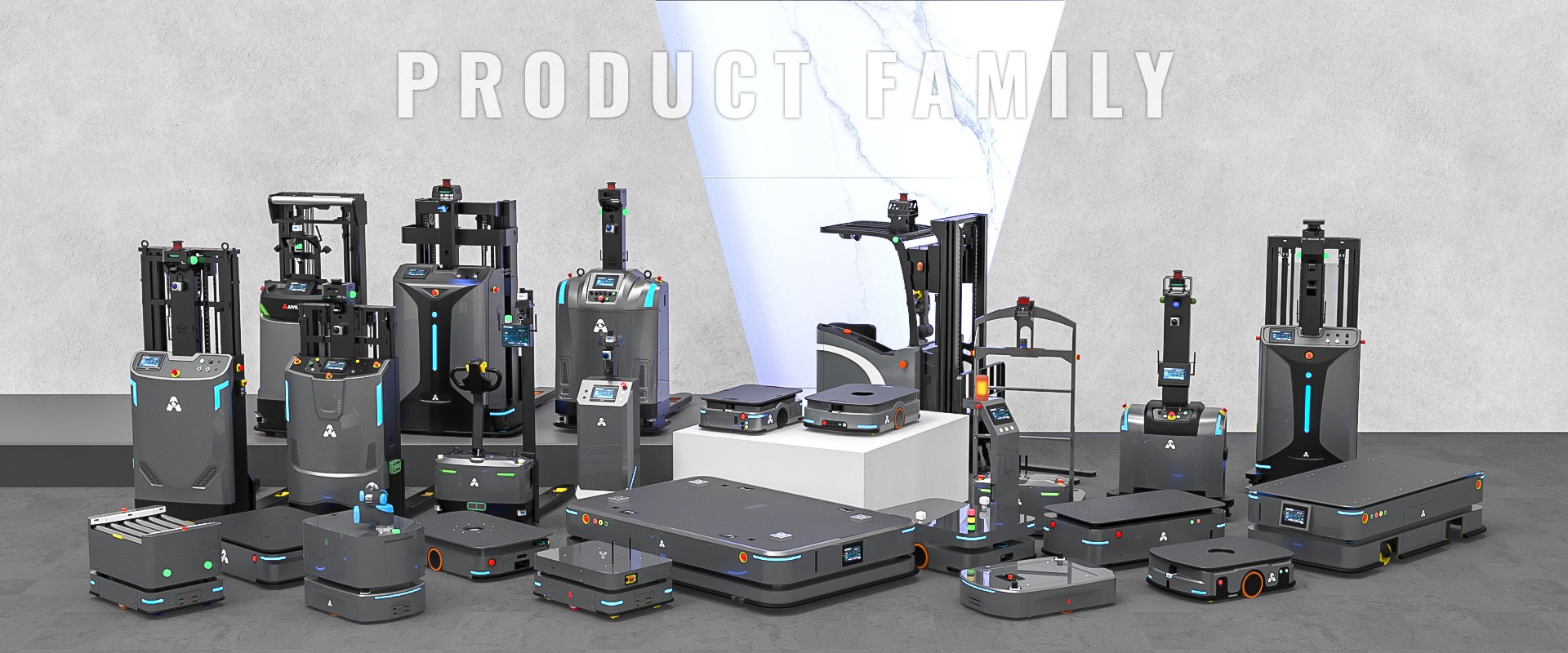
Shenzhen Marnix Intelligent Technology Co., Ltd. combines about ten years of AGV engineering experience with in-house manufacturing, customization and fleet software. The company serves end users and system integrators that need laser SLAM AMRs, jacking robots, smart forklifts, composite mobile robots and intelligent charging docks for high-shelf storage and complex production logistics.

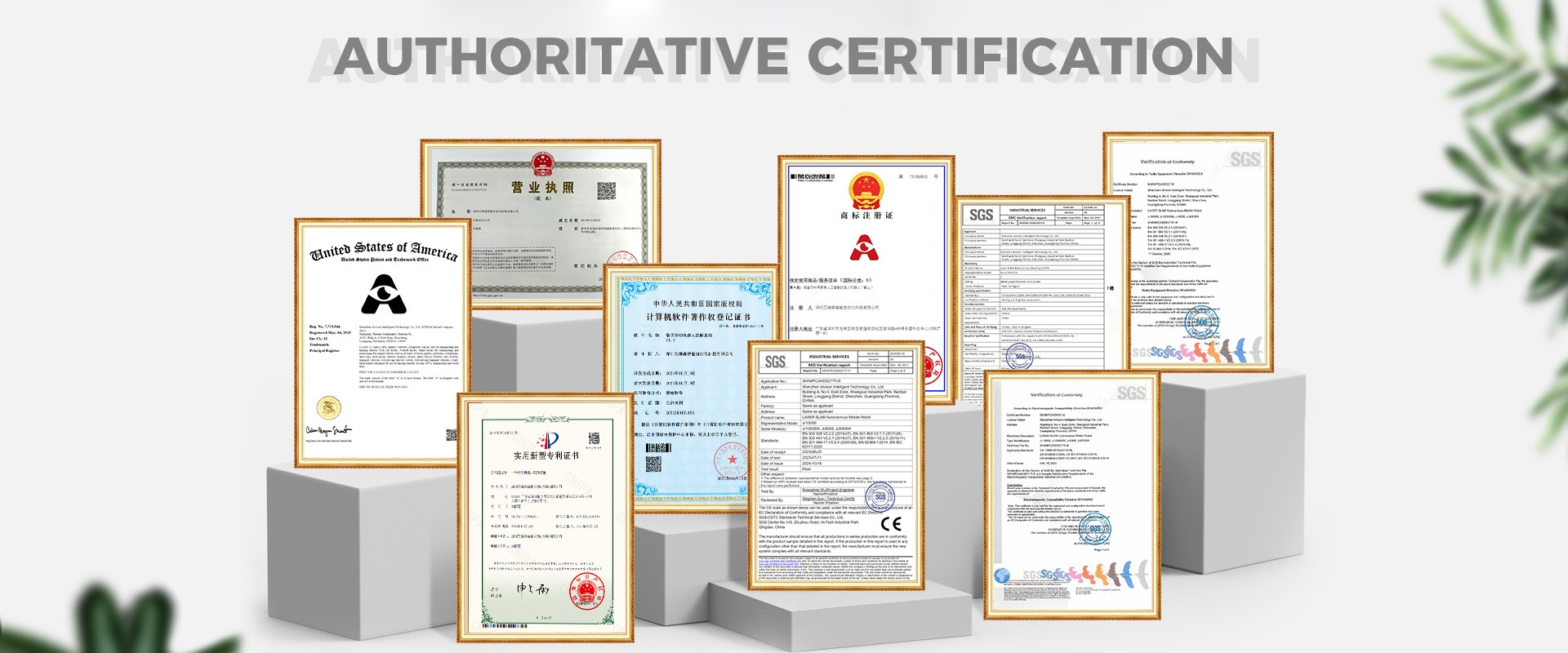
For E-E-A-T-driven procurement, the important advantages are verifiable and practical: natural-feature SLAM navigation without auxiliary tracks, optional QR-assisted ±2 mm docking, composite robots with ±0.05 mm repeatability, multi-stage quality inspection and support for custom top modules. These capabilities are supported by an onsite supplier assessment by TÜV Rheinland and a track record of serving more than 200 manufacturers across three continents.

01

Complete AMR Portfolio

Jacking robots, smart forklifts, pallet AMRs, composite robots and compatible intelligent charging docks from one manufacturing source.

02

SLAM Lidar + Vision Fusion

Robots are coordinated by an intelligent scheduling system over indoor Wi-Fi for simultaneous multi-robot dispatch and traffic control.

03

Precision Without Floor Rework

±5 mm accuracy with no auxiliary tracks or reflectors; add a QR scanning camera to reach about ±2 mm where high-rack docking requires it.

04

Manufacturer-Level Customization

Flexible engineering of chassis, payload and top mechanisms—jacking units, roller conveyors, forklift forks and 6-axis arms—to match your process.

For technical review, contact info@marnixbot.com with your rack layout, load profile, throughput target and docking precision. Our team can recommend a standard platform or an OEM configuration for your high-shelf storage project.

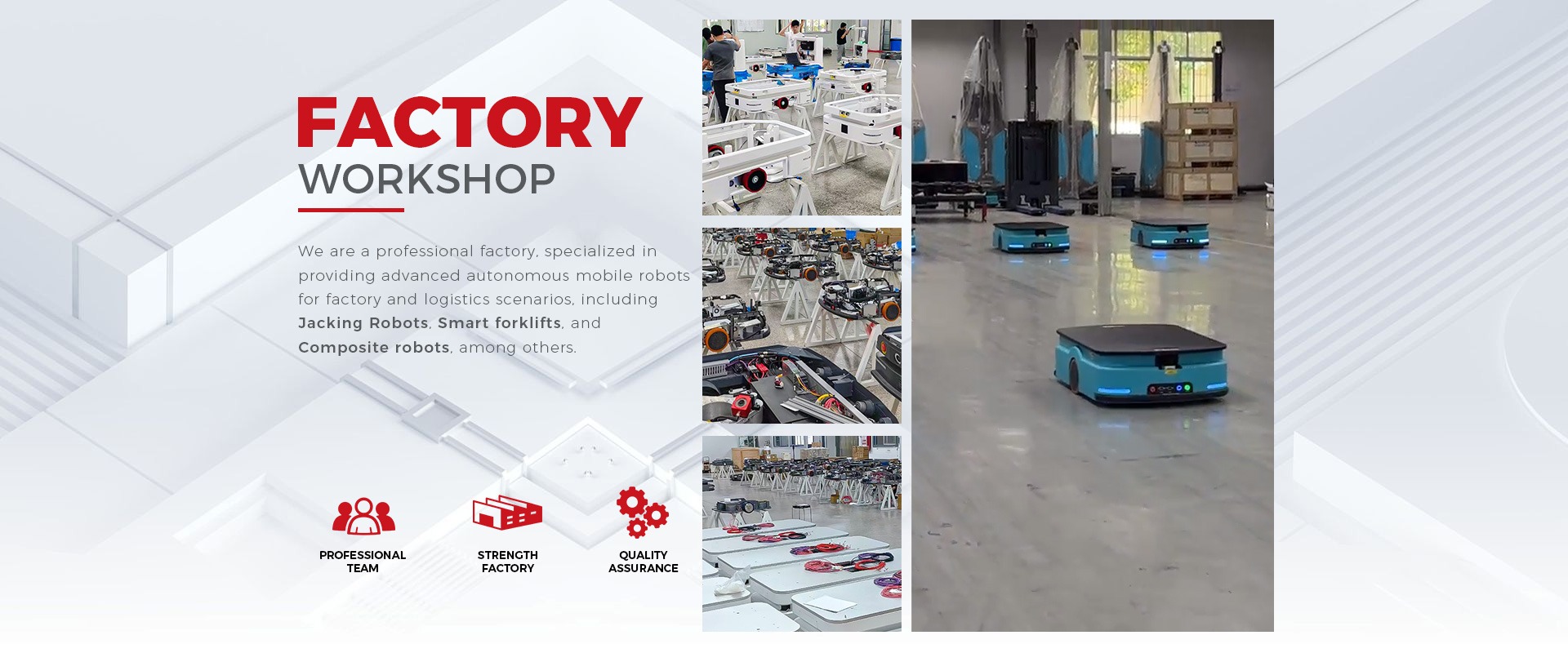
Shenzhen Marnix Intelligent Technology Co., Ltd. manufacturing facility
TÜVOnsite assessed supplier
FAQ

SLAM AMR Procurement Questions Global Buyers Ask

These are the questions procurement and engineering teams most often raise when evaluating high-shelf storage automation. For a project-specific answer, write to info@marnixbot.com.

What does a SLAM AMR with 5 mm navigation accuracy mean?

It means the robot uses laser SLAM on natural site features to localize and navigate with about ±5 mm positioning repeatability without floor tape or reflectors. It is a vehicle-level navigation figure, not a guarantee that every rack, pallet or floor joint is within 5 mm. High-shelf projects must still validate docking, fork entry, load transfer and safety clearances.

Is 5 mm navigation accuracy enough for high-shelf storage?

Usually yes for navigation and station approach when racking, floor and pallet quality are controlled. For very tight fork entry or high-value handover, Marnix can add a QR code camera for about ±2 mm docking or camera-assisted pallet alignment. The correct answer depends on rack tolerance, load interface, aisle width and required cycle time.

Do we need QR codes or reflectors on the floor?

No for standard laser SLAM navigation. QR labels are only added at critical stations where ±2 mm docking precision is required. This keeps retrofits simple and avoids rebuilding the floor. Reflectors and magnetic tape are not required for normal natural-feature SLAM routes.

Can a high-shelf SLAM AMR be retrofitted into an existing warehouse?

Yes. Laser SLAM maps natural features in the existing environment. Buyers should still review Wi-Fi coverage, floor condition, aisle width, rack tolerances, lighting for cameras, safety rules and WMS or WCS integration before deployment. A site survey helps confirm whether standard navigation is sufficient or whether assisted docking is needed.

How is 5 mm navigation accuracy verified before shipment?

Marnix can test route following, target approach, docking, obstacle avoidance, lifting or fork operation and charging. Buyers can define factory acceptance test criteria including layout, payload, rack interface, acceptance metrics and reporting. The most useful test is the one that mirrors your high-shelf storage cycle, not a simple straight-line demonstration.

What safety features support mixed traffic?

Safety lidar scanners, emergency stops, speed zones, obstacle detection, audio and visual warnings, and fleet traffic control can support mixed traffic. Safety functions must be assessed for the whole site, with risk assessment and compliance to local rules. Buyers should ask how exceptions, blocked aisles and human intervention are handled.

Can the AMR integrate with our WMS, WCS or ERP?

Yes. Integration can use API, I/O, Modbus/TCP, MQTT, PLC or socket interfaces depending on the project. The fleet scheduling system receives missions, assigns tasks and controls traffic, charging and route logic. Interface documentation and exception handling should be agreed during solution design.

How long does deployment take?

For standard high-shelf material transfer, a pilot can be mapped and configured in days, with production rollout after site validation. Complex top modules and WMS integration take longer. Procurement should plan for survey, simulation, factory acceptance, installation, training and site acceptance rather than treating the robot as an off-the-shelf item.

What should buyers prepare for a high-shelf AMR quotation?

Prepare payload, load dimensions, rack height, aisle width, floor condition, throughput, shifts, required docking precision, WMS or WCS details, safety requirements, environment and target timeline. A CAD layout and site photos help accelerate the review. These inputs let the supplier recommend a realistic chassis, top module, fleet size and charging strategy.

How should buyers evaluate total cost of ownership?

Include robot capital cost, top modules, fleet software, integration, installation, training, spare parts, battery and charging, maintenance, downtime risk and future expansion. A lower purchase price can cost more if accuracy, service response or spare-parts availability do not match the high-shelf duty cycle. Evaluate the complete workflow, not only the robot unit price.
Request a High-Shelf SLAM AMR Feasibility Review

Share your rack layout, load profile, throughput target and docking precision. Our engineers will recommend the right AMR, smart forklift or jacking robot configuration.

info@marnixbot.com