FAQ
Cleanroom AMR Procurement Questions
Direct answers for engineering, procurement and integration teams. For project-specific guidance, write to info@marnixbot.com.
Is an autonomous mobile robot for semiconductor cleanroom logistics different from a standard AMR?
Yes. A cleanroom AMR must address particle control, ESD risk, material compatibility, cleaning procedures and contamination documentation in addition to navigation. Shenzhen Marnix Intelligent Technology Co., Ltd. reviews the ISO class, airflow, floor conditions, carrier interfaces and cleanroom protocol before recommending a configuration. A standard warehouse robot should not be treated as cleanroom-ready without project validation.
What navigation accuracy can a cleanroom AMR achieve?
Laser SLAM navigation typically achieves ±5 mm positioning without floor tracks or reflectors. A QR code scanning camera can raise docking accuracy to ±2 mm where process tool or FOUP station handover requires it. Composite robots with a 6-axis arm can reach ±0.05 mm repeatability for demanding production interfaces. The right choice depends on the station, not on a blanket specification.
Do we need to modify the cleanroom floor?
No auxiliary tracks or magnetic tape are required for standard laser SLAM operation. Most sites only need QR labels at selected docking points when ±2 mm precision is specified. Final validation depends on floor flatness, aisle width, traffic rules and the cleaning process used in the cleanroom.
How do you control particles and ESD in a cleanroom project?
Cleanroom-readiness is engineered and validated per project. Relevant topics include enclosure materials, sealed drives, wheel compound, smooth easy-clean surfaces, ESD-safe finishes, maintenance access and cleaning compatibility. Buyers should share their ISO class and internal contamination-control protocol so that the robot configuration and validation plan can be reviewed against actual site requirements.
Can the robot connect to MES and semiconductor equipment?
Integration is engineered per project. Marnix supports fleet scheduling, task dispatch and interface planning for MES, conveyor, elevator and equipment handover requirements. SECS/GEM or other host interfaces can be discussed with the customer, integrator and equipment supplier during feasibility review. Interface scope, responsibility matrix and acceptance criteria should be defined before purchase order.
How do you determine the right fleet size?
Fleet size is calculated from throughput, route length, docking time, charging strategy and peak traffic. A simulation or route study is recommended for multi-bay cleanroom projects so that the robot count protects yield and availability rather than only reducing direct labor. The charging dock count and traffic rules also affect fleet sizing.
Can robots be customized for a specific cleanroom layout?
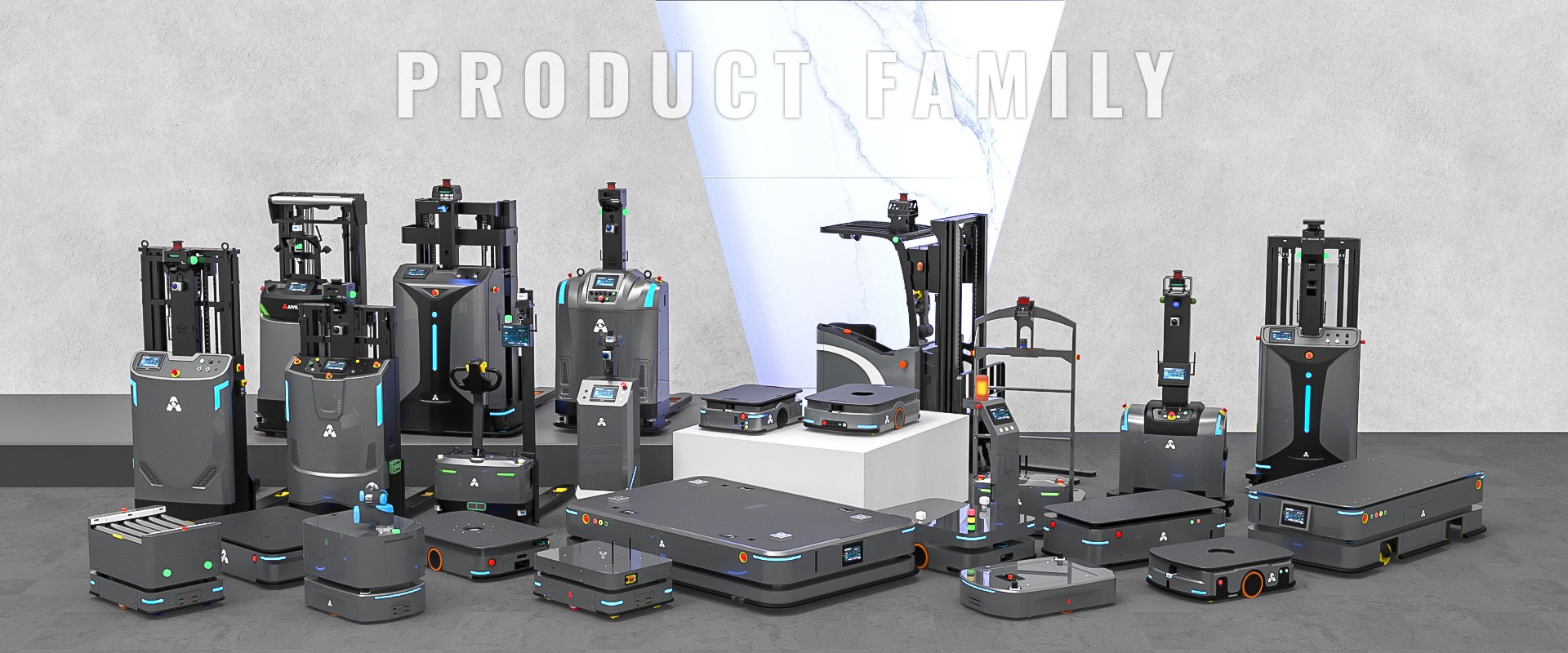
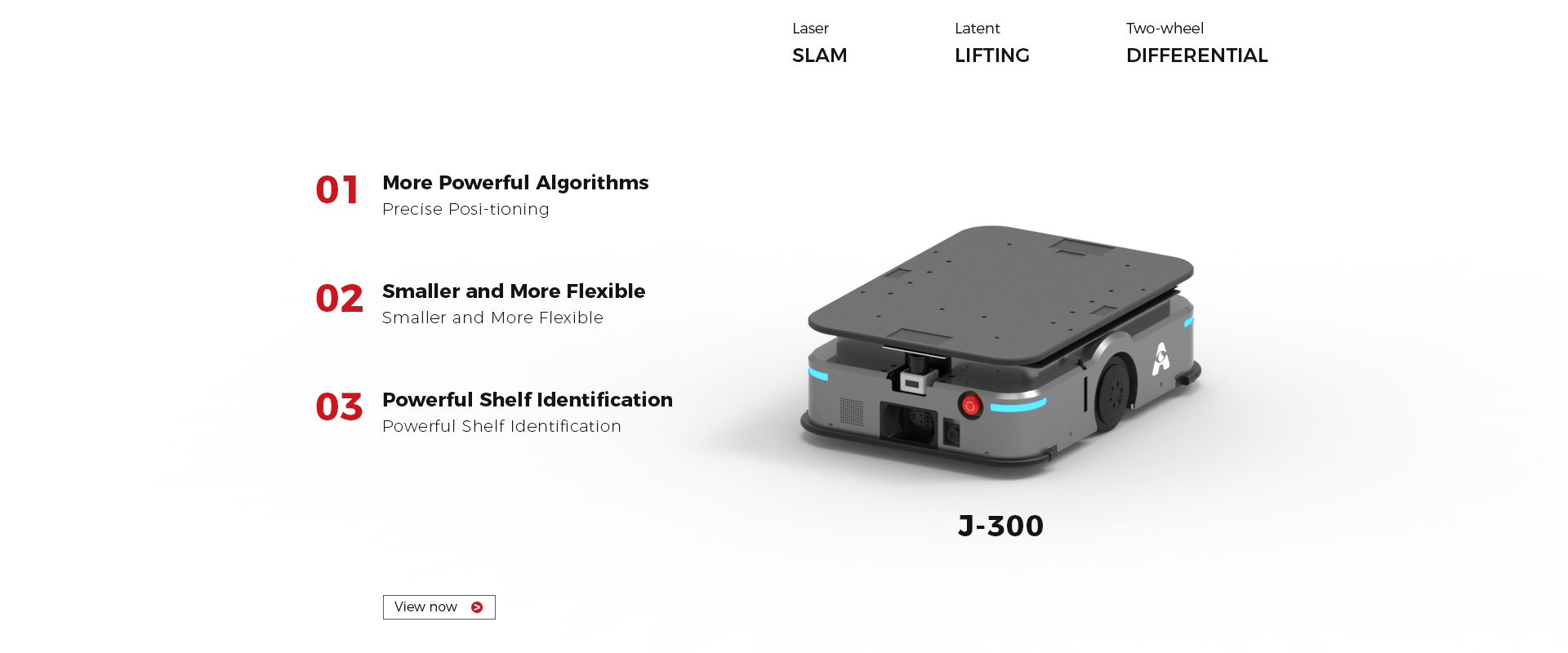
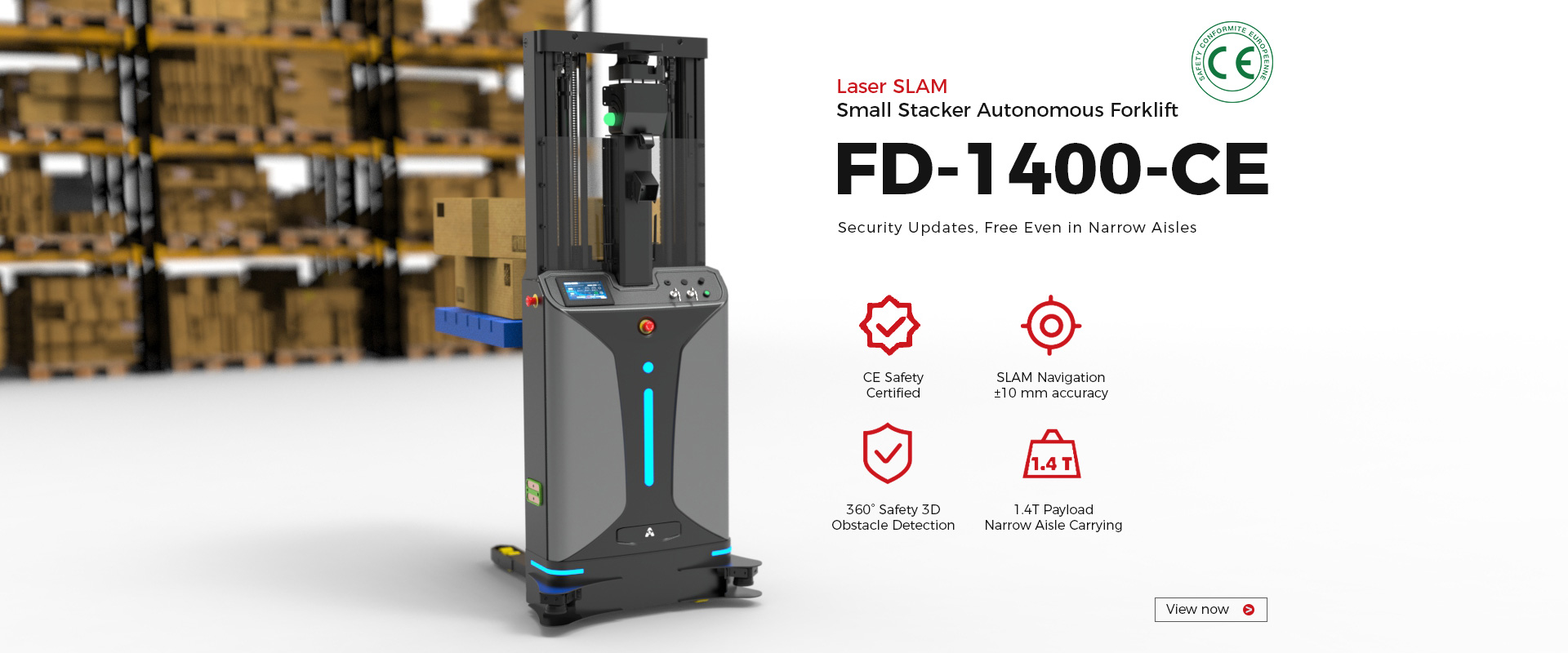
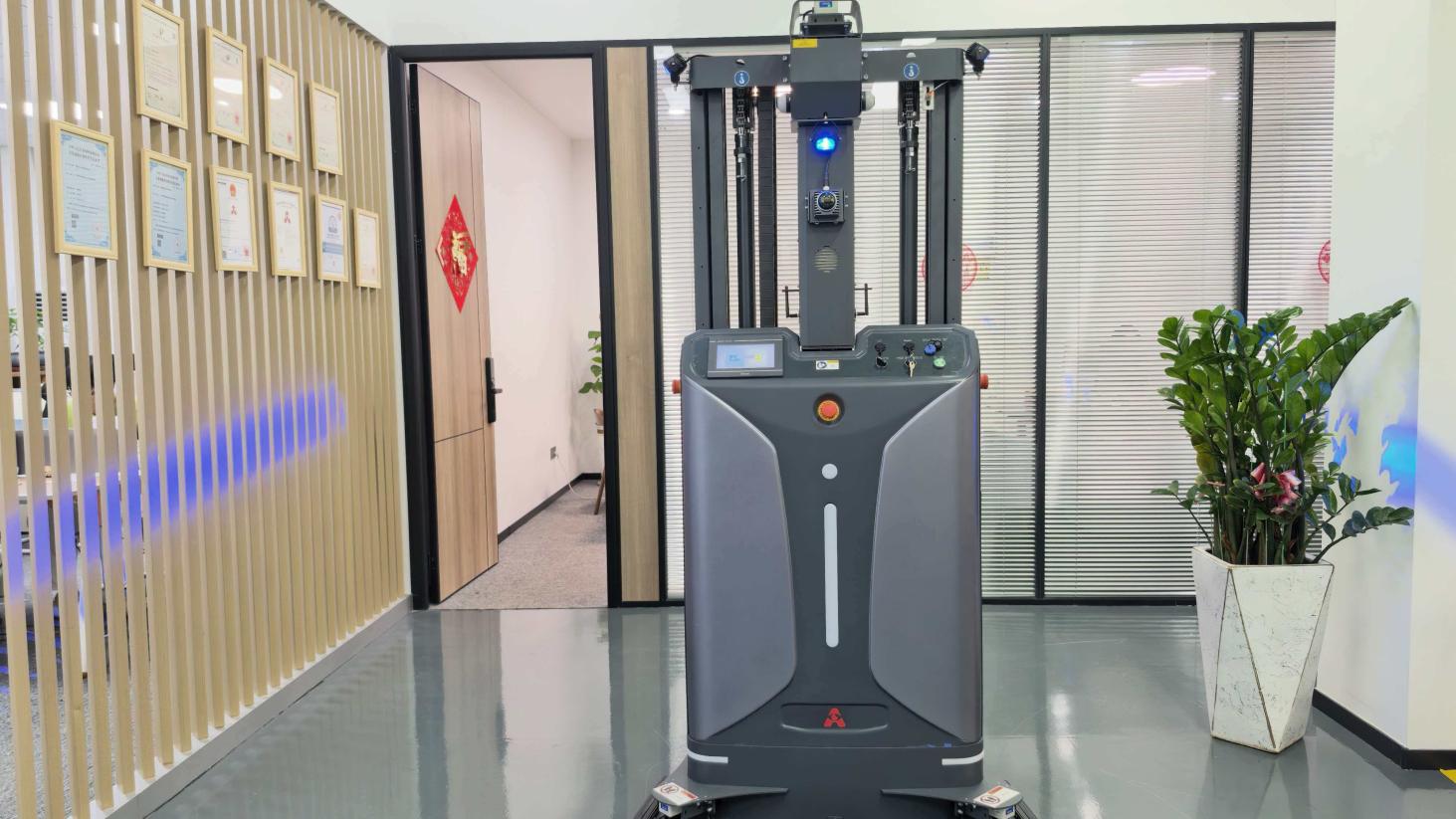
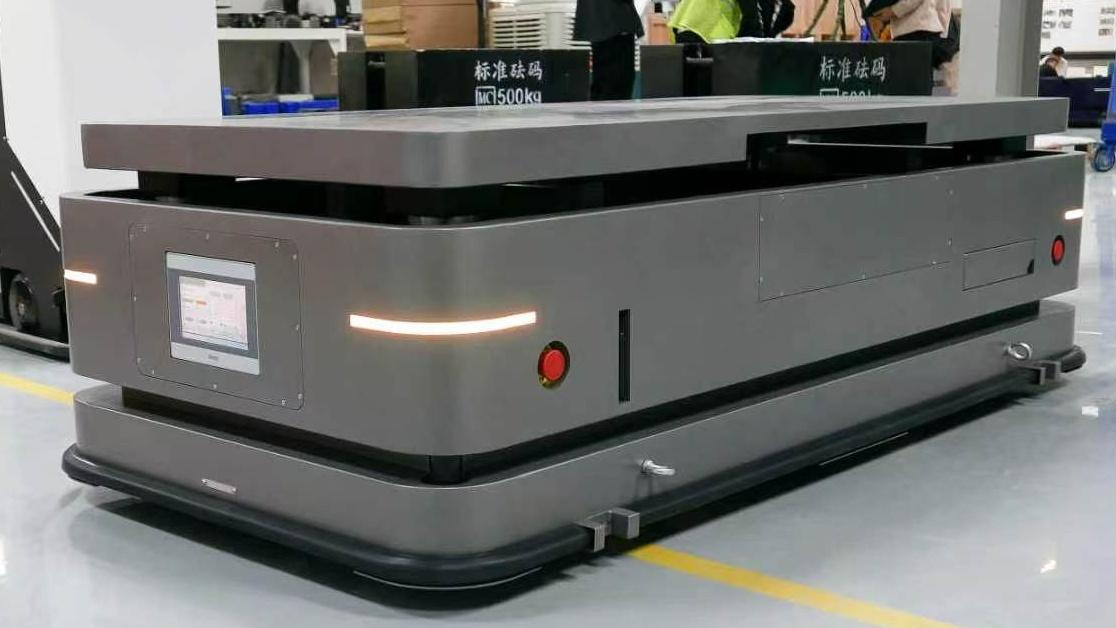
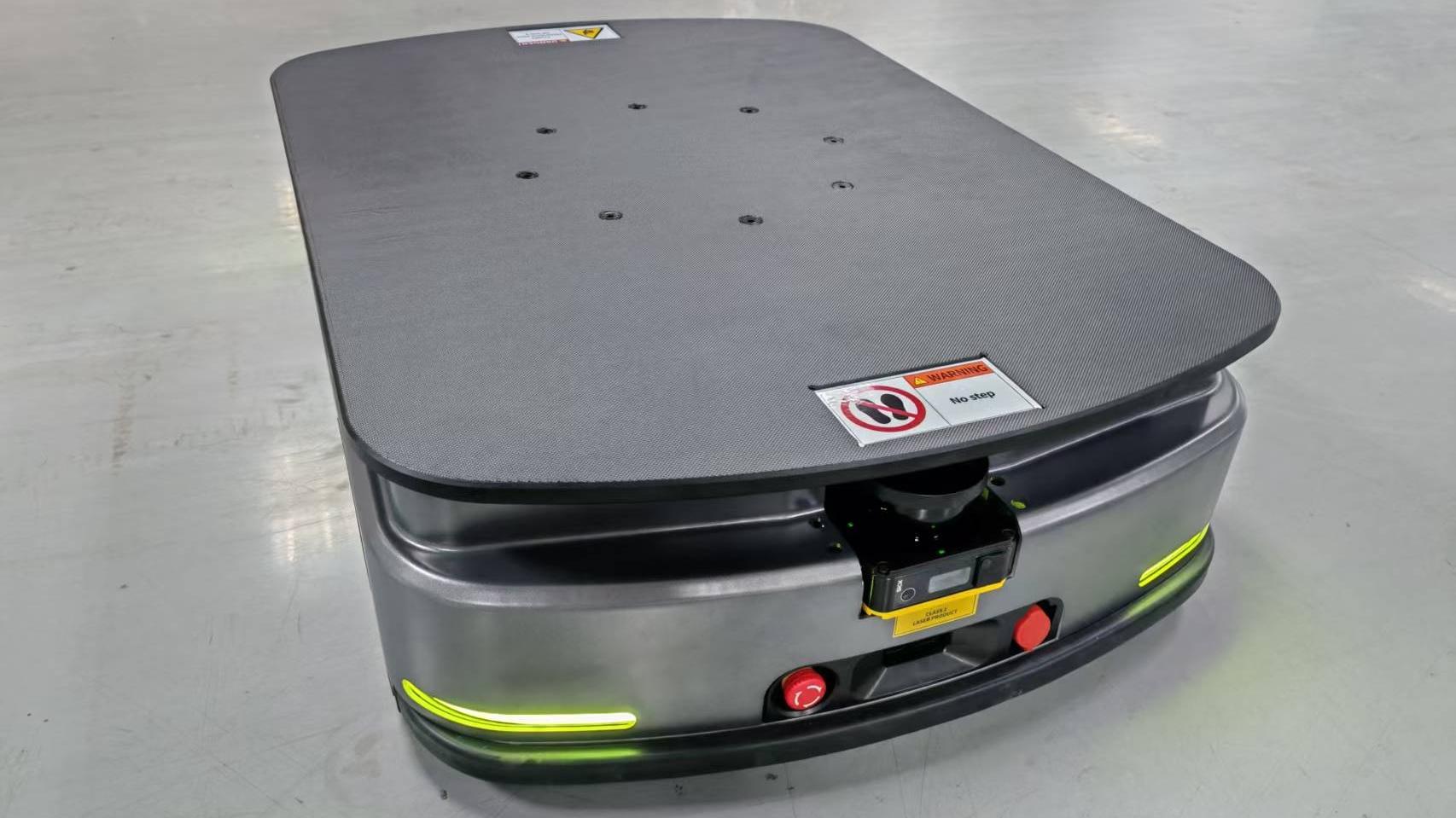
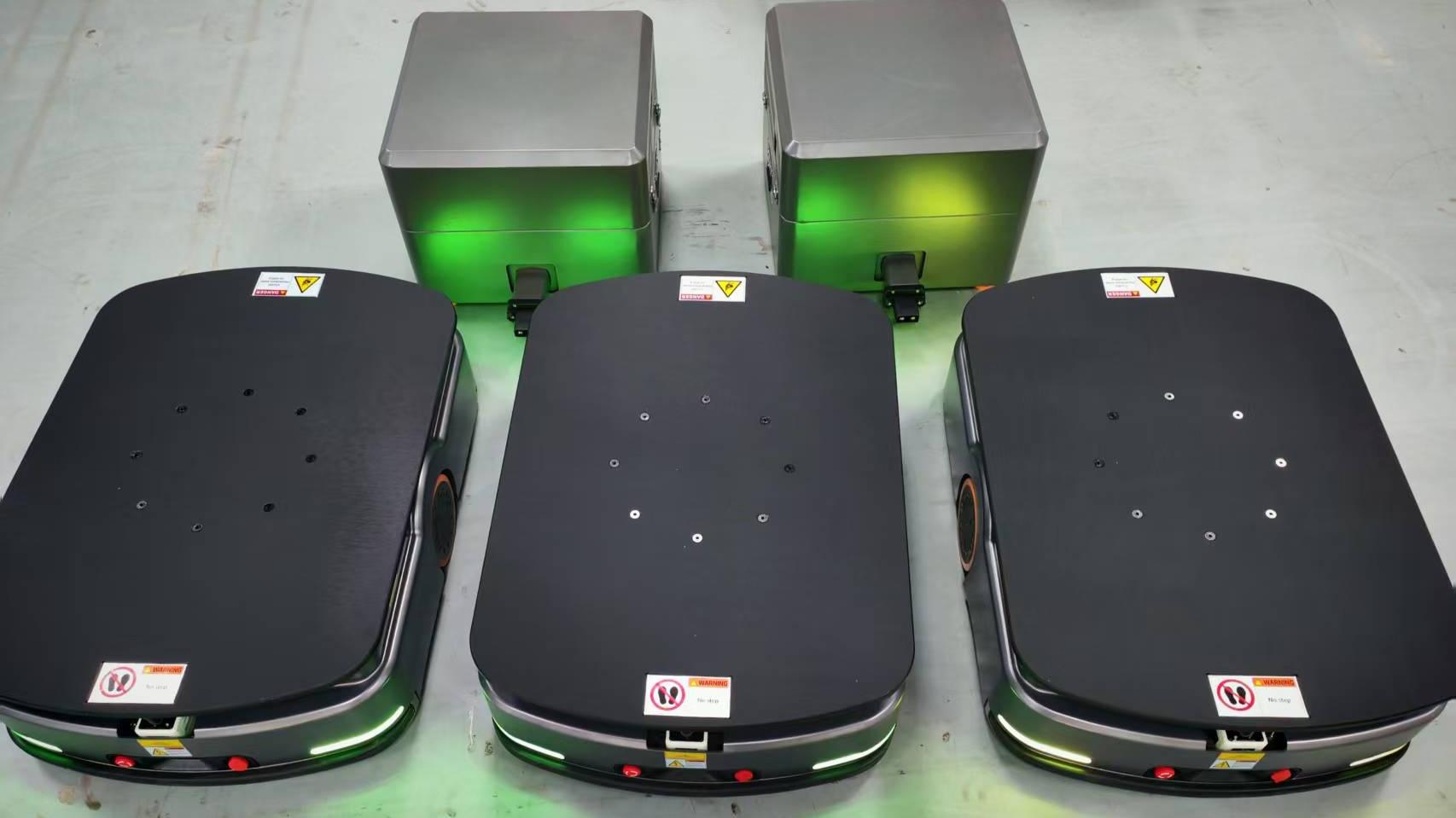
Yes. As a manufacturer, Shenzhen Marnix Intelligent Technology Co., Ltd. customizes chassis and top modules such as jacking units, roller conveyors, forklift forks and 6-axis robotic arms. The objective is to connect the robot to the actual carrier, rack, conveyor or process tool rather than forcing the production line to accept a standard fit.
How do we request a quote?
Email info@marnixbot.com with the cleanroom class, carrier type, load, route, throughput, docking accuracy and any MES or equipment interface requirements. Include a layout drawing if available. A project engineer will recommend the appropriate chassis, top module, navigation configuration and charging strategy, and can arrange a feasibility review with your integrator.