
Why Medical Device Assembly Is Moving Toward Mobile Manipulation
Medical device assembly is a high-mix, high-consequence environment. Product families change frequently, components are small and often sterile, and every movement may need to be documented. Fixed automation still has a role, but it can be expensive to re-engineer when a tray, fixture or product revision changes. A composite mobile robot with 6-axis arm for medical device assembly offers a different model: the mobile base moves between stations, docks with repeatable accuracy, and the arm performs articulated work at the point of need. The same platform can carry a vacuum gripper for component placement, a torque tool for fastening, a dispenser for adhesive, or a vision module for inspection.
Procurement teams should evaluate the system as a production asset, not a demonstration. The key questions are: Can it hold the correct tolerance stack-up? Can it enter the cleanroom or ESD zone? Can it prove traceability and support validation? Can it be re-tasked when the next product family arrives? Shenzhen Marnix Intelligent Technology Co., Ltd. answers these questions during project definition, then configures the laser SLAM chassis, 6-axis arm, QR docking camera, end-of-arm tooling, charging dock and fleet software around the actual assembly sequence.

Four diligence points before you specify the robot
A medical device assembly robot must be justified by process capability, not only by movement. These four points usually determine whether the project moves from pilot to production.
Precision Stack-Up
Laser SLAM navigation reaches ±5 mm without floor infrastructure. A QR code camera can raise docking accuracy to ±2 mm where fixtures demand it. Composite robots with a 6-axis arm are engineered for ±0.05 mm repeatability for precision assembly discussions.
Validation and Traceability
Medical device manufacturers need documentation. Marnix can provide mechanical, electrical and software information for your internal validation, while code reading and MES linkage are specified per project.
Cleanroom and ESD Diligence
Cleanroom classification, airflow, surface finish, cleaning agents, ESD control and material compatibility must be confirmed before release. We treat these as engineering inputs and freeze the right configuration during design review.
Reconfigurable Production
Because the robot is trackless, routes are mapped in software. Stations can be moved without floor rework, and QR labels are added only where high-precision handover is needed.
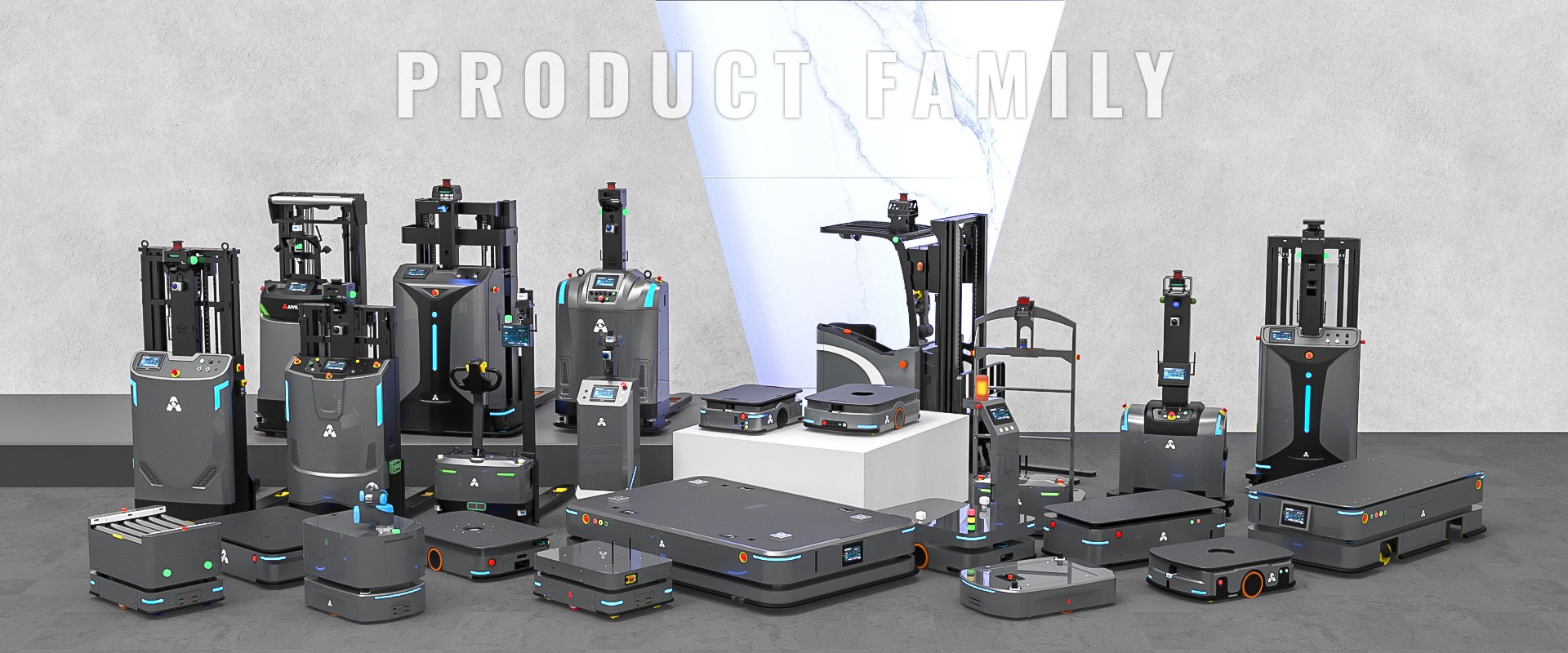
Recommended starting point: a Marnix composite mobile robot with 6-axis arm, QR-assisted docking, vision verification, intelligent charging dock and Wi-Fi fleet scheduling. If the process also moves WIP racks or pallets, pair it with Marnix jacking robots and smart forklifts so one scheduling system can coordinate the complete material flow.
Get a QuoteRecommended Architecture for a Medical Device Assembly Cell
Do not start with the arm alone. Start with the task and tolerance stack-up. The recommended Marnix layout separates three decisions: how accurately the base must dock, how repeatable the arm must be, and how much validation evidence your quality team needs.
A composite robot should be specified as a production system
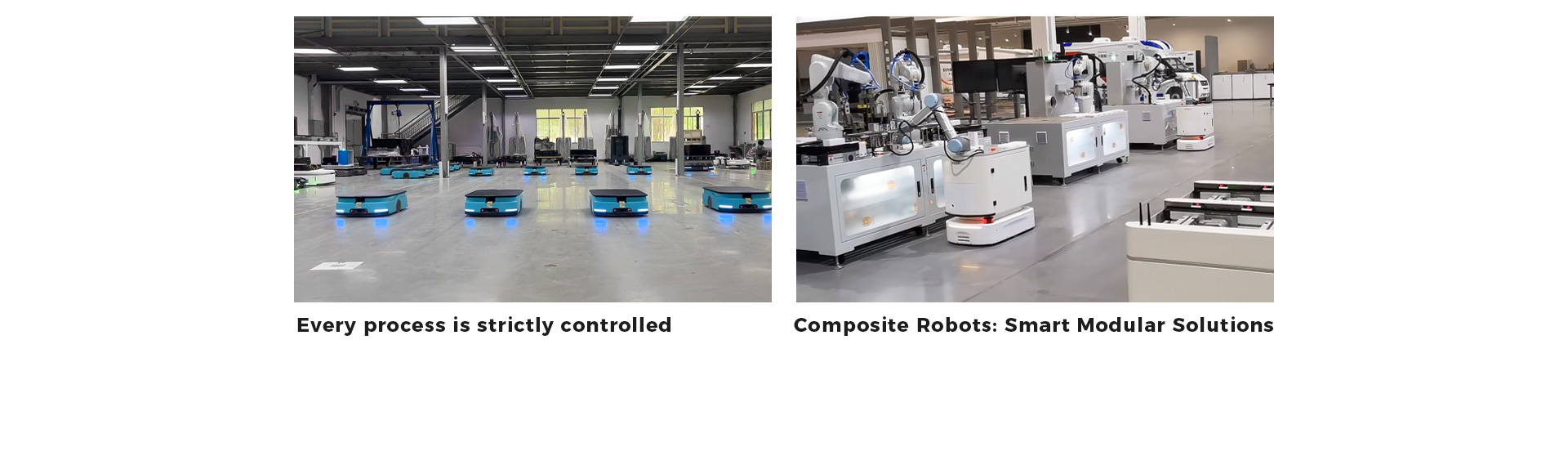
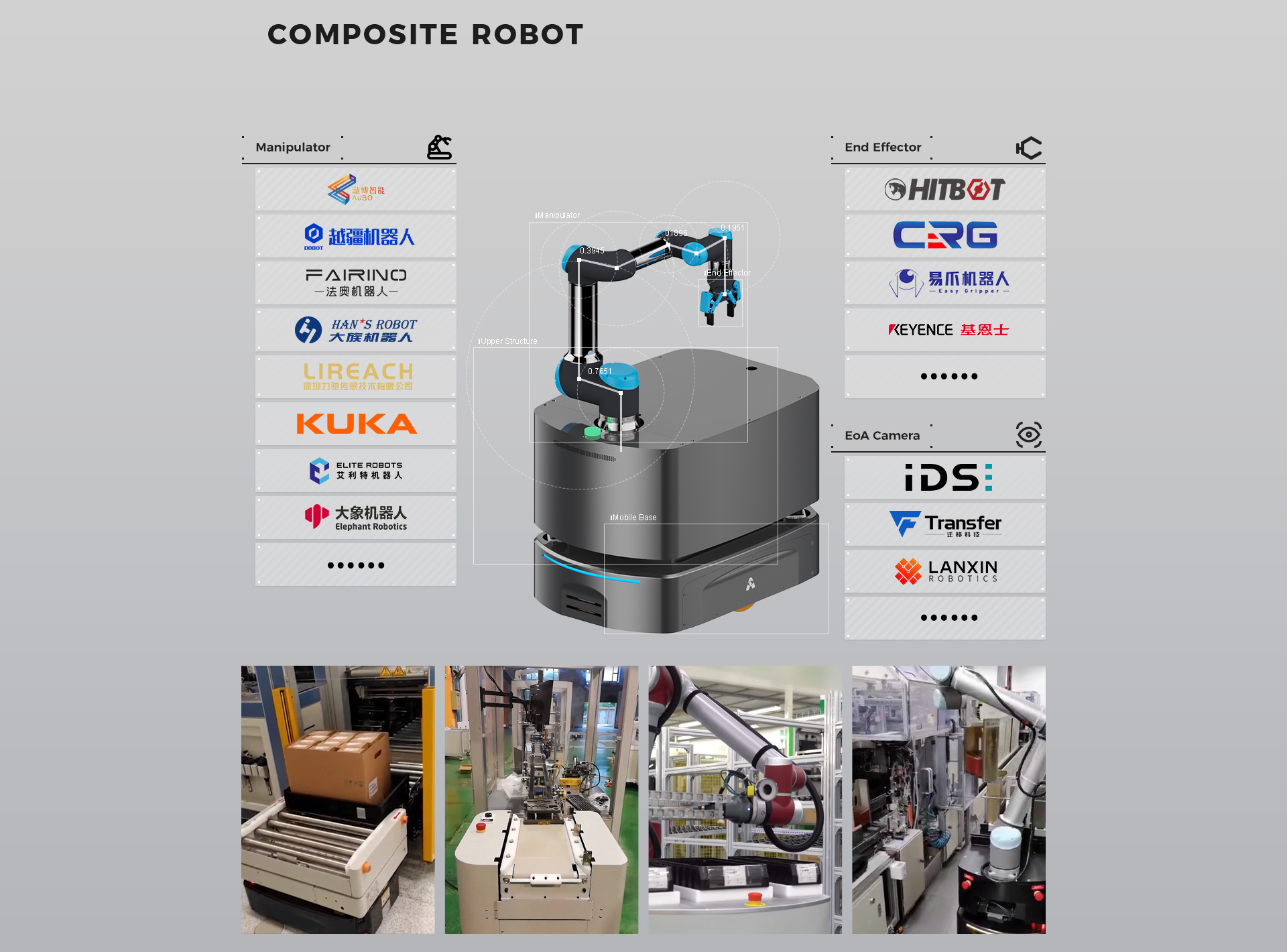
For medical device assembly, the most common recommendation is a composite mobile robot with 6-axis arm rather than a fixed robot on a conveyor. The composite robot can travel to a kitting area, verify a tray, move to a cleanroom assembly cell, dock at ±2 mm, execute a repeatable arm task, and then move to inspection. The same base can later be re-tasked with a different end-effector. This is especially valuable for high-mix, low-volume product lines where a dedicated fixed line may sit idle between product families.
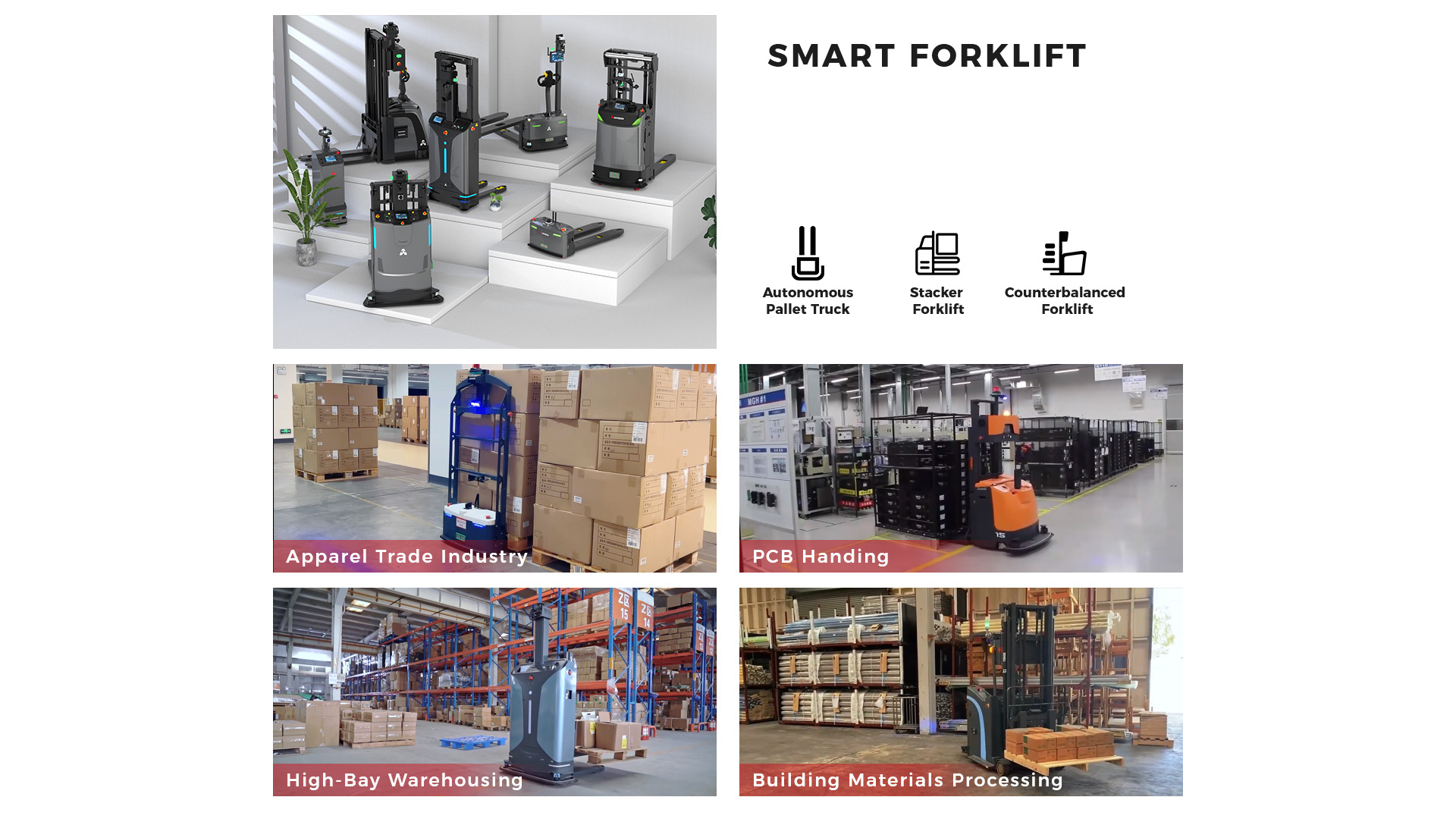
Pair the robot with Marnix jacking robots for rack or tray transport and smart forklifts for pallet-level warehouse movement. Because these platforms can share the same fleet scheduling logic, procurement can standardize on one supplier for mobile material flow without forcing every station into the same chassis.
Laser SLAM Base
±5 mm mapping without tracks.
QR Docking
±2 mm only where needed.
6-Axis Arm
±0.05 mm repeatability.
| Module | Recommendation | Project Benefit |
|---|---|---|
| Mobile Base | Laser SLAM autonomous mobile robot | No tracks, reflectors or floor QR codes; maps existing aisles and cleanroom corridors. |
| Docking | QR code camera at selected stations | Raises docking accuracy to ±2 mm only where fixtures need it, reducing cost elsewhere. |
| Manipulator | 6-axis robotic arm | Articulated reach for pick-and-place, insertion, fastening, dispensing and inspection. |
| End-Effector | Project-specific vacuum, gripper, torque or dispensing tool | Matches the component and process; validated before factory acceptance. |
| Fleet Control | Intelligent scheduling over indoor Wi-Fi | Coordinates multiple robots, traffic and task handover. |
| Charging | Intelligent charging dock | Supports autonomous recharge and continuous duty planning. |
| Traceability | Barcode/QR reading and MES linkage | Ties component, recipe, robot and station data to production records. |
Where a Composite Mobile Robot with 6-Axis Arm Creates Value
The most defensible business cases are not simply labor savings. They are quality, changeover and room to grow.
Precision Subassembly, Kitting and Inspection
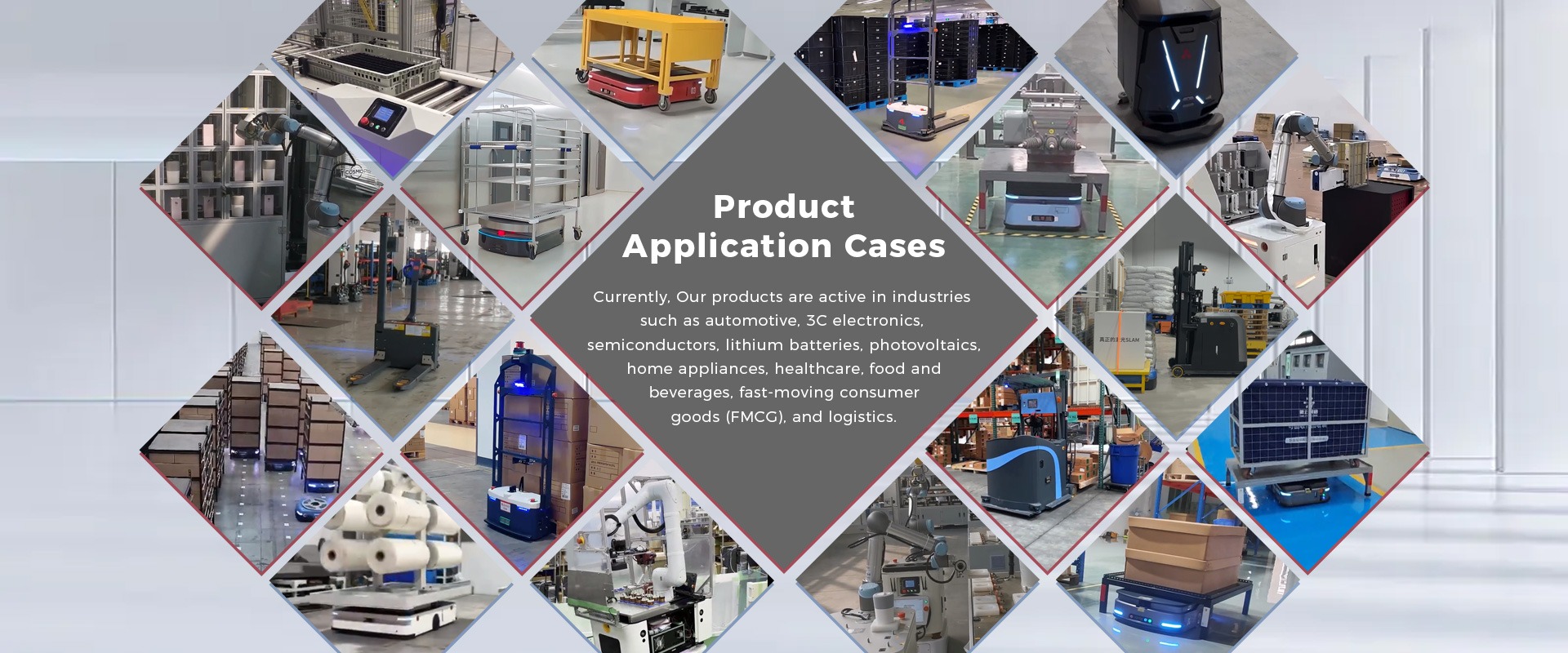
In a medical device cell, the arm can pick components from trays, place them into fixtures, apply adhesive, drive fasteners, or present parts to a vision system. The mobile base allows the same robot to work across several stations instead of duplicating a fixed robot at every line. For buyers, this reduces capital duplication while improving recipe control.
- Repeatability: composite robots are engineered for ±0.05 mm repeatability for precision station tasks.
- Traceability: vision and code reading can be specified to support production records.
- Tooling: end-of-arm tooling can be changed for new product families.
- Docking: QR assist is used only at stations where ±2 mm precision is required.
Cleanroom Transfer and Line-Side Delivery
Manual movement of trays, components and WIP between controlled zones creates contamination and handling risk. A laser SLAM robot maps existing corridors and follows cleanroom traffic rules without floor tracks. The arm can present or exchange carriers at cabinets or pass-through interfaces, depending on the validated process.
- No tracks: route changes are software updates rather than floor rework.
- Safety: dynamic obstacle avoidance supports mixed human and vehicle traffic.
- Cleanroom planning: materials and cleaning procedures are agreed during engineering.
High-Mix, Low-Volume Production
Medical device portfolios increasingly change faster than fixed automation can follow. A composite mobile robot can be redeployed to a new cell, loaded with a new recipe and fitted with a new end-effector. This supports staged automation: start with one bottleneck, prove the return, then scale with the same fleet software.
- Re-map: routes evolve with the line layout.
- Reuse: one chassis can serve multiple product families.
- Scale: add robots and charging docks as demand grows.
- Knowledge capture: operator know-how stays in recipes and station logic.
Future Procurement Trends in Medical Device Automation
Global buyers are moving from “Can I buy a robot?” to “Can I validate a repeatable process and scale it across sites?” These procurement trends are already visible in medical device assembly projects.
Validation-First Purchasing
RFQs now request risk assessment, documentation, change control and acceptance criteria, not only cycle time. Buyers should specify document deliverables early so the robot can support their quality process.
Modular Capital Planning
Procurement teams prefer a proven SLAM base with arm and end-effector modules added per station. This lowers pilot risk, spreads capex and supports phased automation.
Cleanroom and ESD Proof
Cleanroom class, cleaning agents, particle shedding, ESD and material compatibility are becoming gate items. Buyers want engineering evidence before the robot enters a controlled zone.
Supply-Chain Resilience
Buyers want direct manufacturer engineering, spare parts and remote support rather than a marketplace reseller. A stable platform roadmap matters as much as the first unit price.
Data Integrity and Cybersecurity
MES/ERP integration, UDI traceability, access control and audit logs are now part of the robot specification. The robot must fit the quality system, not sit outside it.
Total Cost of Ownership
Evaluate charging strategy, uptime, spare-parts lead time and commissioning support across the fleet. The lowest unit price is not the lowest cost per validated production hour.
Product Development Trends for Composite Mobile Robots
The next generation of medical device assembly robots will be judged by integration depth, validation support and reconfigurability, not only payload or reach.
Integrated Mobile Manipulation
The dividing line between AMR and robot arm is disappearing. Expect more systems engineered as one safety and control architecture, with docking, arm and fleet managed together.
Vision and AI Assistance
3D vision and AI-assisted object recognition will make high-mix tray handling more robust. For medical devices, vision must support validation and traceability, not replace process control.
Open MES and ERP Interfaces
Medical manufacturers want recipe management, event logs and quality-system integration. Open APIs and clear data models will become procurement requirements.
Safety and Cleanroom by Design
Rather than retrofitting, new platforms will specify cleanroom materials, ESD control, safety scanners and risk-assessment documentation at the platform level.
Digital Twin and Fleet Analytics
Simulation will be used to size fleets, train routes and validate throughput before shipment. Operational analytics will identify traffic bottlenecks and charging needs.
Modular End-Effectors
Grippers, vacuum tools, torque tools, dispensers and vision modules will be exchanged more easily, turning the robot into a multi-process platform.
Why Work With Shenzhen Marnix Intelligent Technology Co., Ltd.
Shenzhen Marnix Intelligent Technology Co., Ltd. designs and manufactures laser SLAM AMRs, jacking robots, smart forklifts, composite mobile robots, fleet scheduling software and intelligent charging docks. More than 200 manufacturers across three continents have chosen Marnix robots, and the company is a verified supplier to Fortune 500 customers. Our work is not limited to end users; we also supply products and complete solutions to system integrators who need reliable platforms they can customize.

Manufacturer-Level Customization
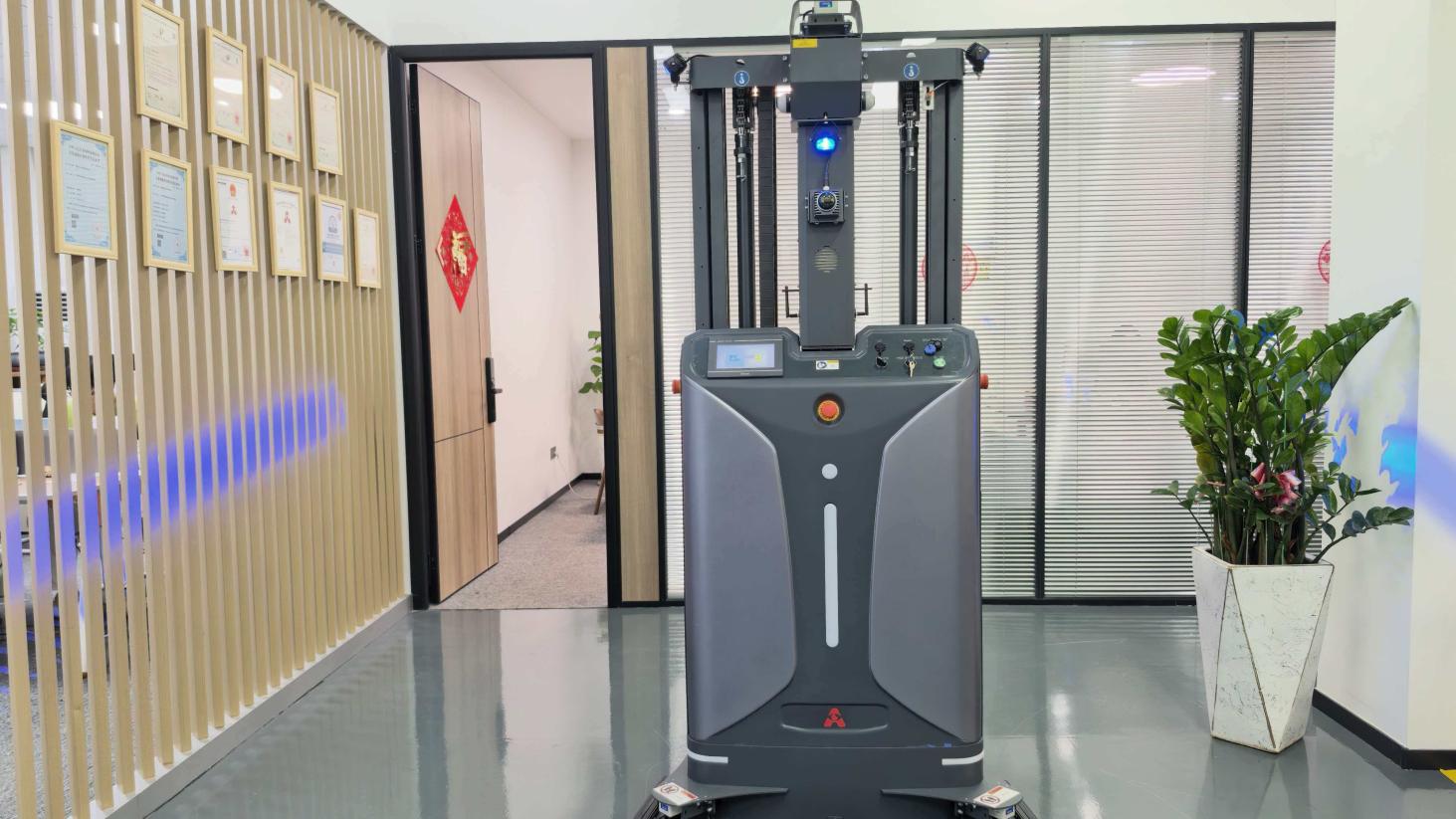
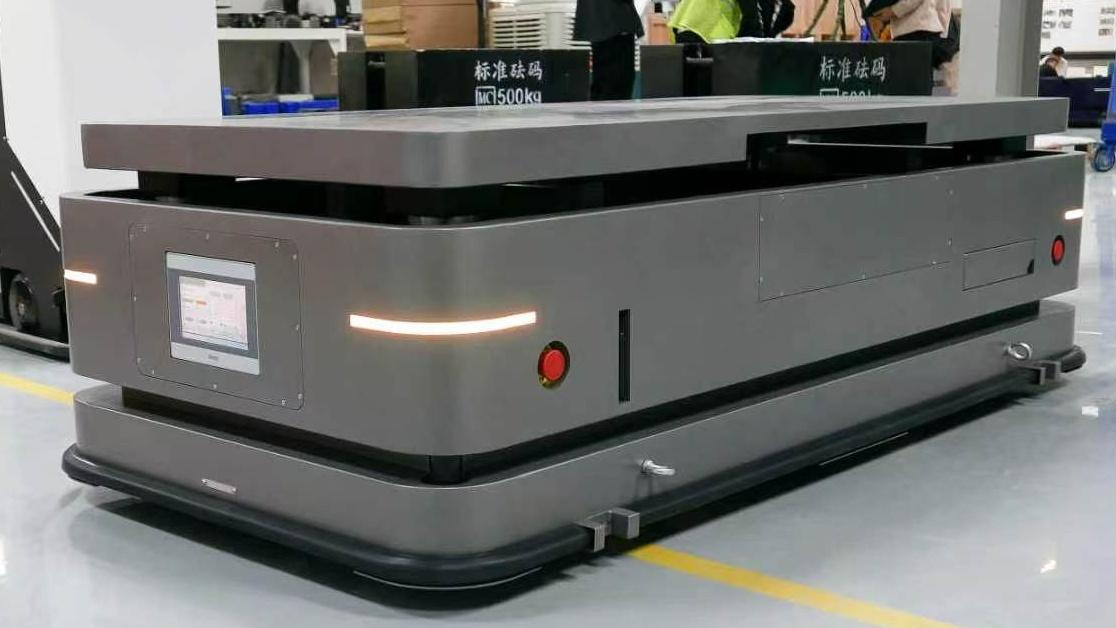
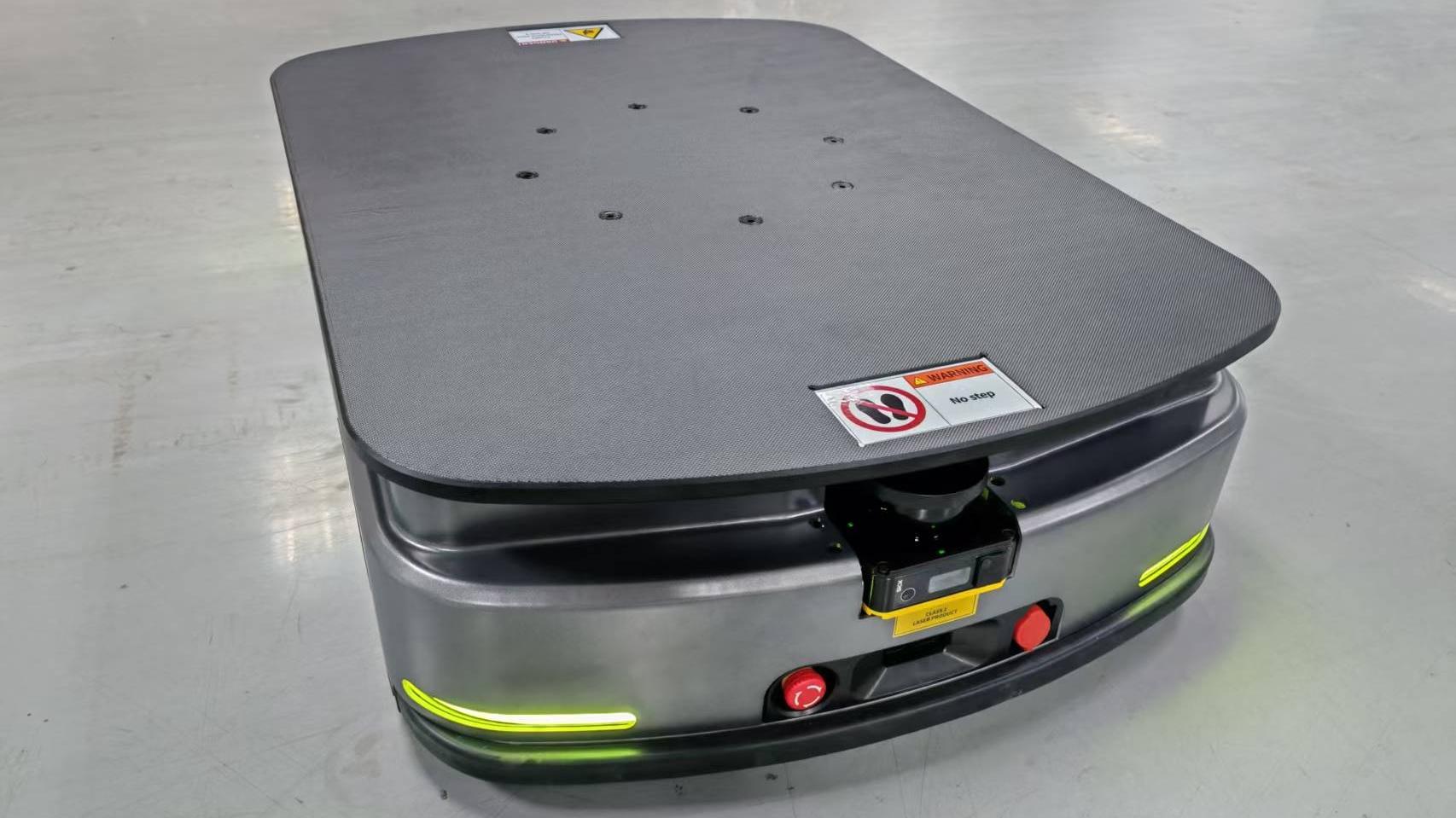
Chassis, top modules, 6-axis arms, roller conveyors, forklift forks and station interfaces can be discussed during engineering so the robot fits your process instead of forcing a standard fit.
One Navigation Core
Laser SLAM navigation delivers ±5 mm accuracy without tracks. QR assist reaches ±2 mm at selected stations, and composite robots with a 6-axis arm are engineered for ±0.05 mm repeatability.
Quality and Verified Credentials
TÜV Rheinland onsite assessment, credit and transaction records, multi-stage quality controls and global references support procurement due diligence. We prepare documentation for factory acceptance and validation discussions.
Global Service and Integrator Support
Marnix supports system integrators with platforms, customization, commissioning guidance, spare parts and after-sales contact. Email info@marnixbot.com for an engineering review.
Before You Request a Quote: Six Inputs That Cut Evaluation Time
From our project experience, these six inputs determine most of the robot selection. Sharing them upfront shortens evaluation from weeks to days and helps Marnix engineers recommend the right configuration.
Assembly Sequence and Tolerance Stack-Up
Describe the operations the arm must perform, the required repeatability and where the mobile base must dock. Separate ±5 mm transfer tasks from ±2 mm docking and ±0.05 mm arm tasks.
Payload, Reach and End-Effector
Provide component weight, gripper or vacuum needs, torque requirements, dispensing needs and inspection camera requirements. The arm and tooling are selected around the process.
Cleanroom Class and ESD
State the cleanroom classification, cleaning agents, surface requirements, ESD sensitivity and any material restrictions. These inputs must be frozen before design review.
Throughput and Uptime Target
Share assemblies per hour, peak demand, batch size and expected changeover frequency. This sets fleet size, charging dock count and battery strategy.
Interfaces and Traceability
List MES, ERP, quality-system, barcode/QR, UDI and machine handover requirements. Clarify which data must be logged and retained.
Site Layout and Safety
Provide a CAD drawing or sketch with aisle widths, doors, lifts, mixed traffic and restricted zones. Safety scanners, traffic rules and risk-assessment scope are defined from this layout.
Send these details to info@marnixbot.com and request an engineering review. Include your target validation stage so Marnix can align the proposal with your project timeline.
Get a QuoteQuestions Global Buyers Ask About Medical Device Assembly Robots
Straight answers for procurement, engineering and quality teams. For project-specific guidance, write to info@marnixbot.com.
What is a composite mobile robot with 6-axis arm for medical device assembly?
It is an integrated mobile manipulator that combines a laser SLAM autonomous mobile robot base with a 6-axis robotic arm, docking camera, vision and end-of-arm tooling. The robot can move between assembly stations, dock at fixtures and perform precise handling tasks. This makes it suitable for medical device assembly layouts that need both mobility and articulated reach.
What accuracy can Marnix composite robots achieve?
Laser SLAM navigation reaches ±5 mm without tracks or floor QR codes. Adding a QR code camera raises docking accuracy to ±2 mm where needed. Composite robots with a 6-axis arm are engineered for ±0.05 mm repeatability, which supports high-precision assembly discussions with your engineering and quality teams.
Do we need to modify the factory floor?
No standard guide tape or reflector installation is required. Laser SLAM maps existing aisles and cleanroom corridors, so the robot can follow routes defined in software. QR labels are added only at stations where ±2 mm docking precision is required.
Can the robot be configured for cleanroom or ESD-sensitive assembly?
Cleanroom class, surface materials, cleaning agents, airflow, ESD control and validation requirements are reviewed during engineering. The final configuration is agreed with the customer before factory acceptance. We do not treat cleanroom compatibility as a generic claim; it is a project requirement to be engineered and verified.
Can it integrate with MES and UDI traceability?
Yes, integration requirements are specified per project. Marnix robots can use barcode or QR reading, recipe management and event logging to support traceability. MES, ERP and quality-system interfaces should be defined during the requirement phase so data fields, retention rules and access control are clear.
How is safety handled in mixed human and robot traffic?
Marnix AMRs use dynamic obstacle avoidance and safety scanners, and the final safety scope must be based on your site risk assessment. Traffic rules, operating zones, warning zones and human workflows are reviewed together. For medical device assembly, the robot should be integrated into your existing EHS and validation processes.
Can Marnix customize end-of-arm tooling and top modules?
Yes. As a manufacturer, Marnix customizes chassis and top modules such as jacking units, roller conveyors, forklift forks and 6-axis robotic arms. End-of-arm tooling is specified around the medical device component and assembly process, including grippers, vacuum tools, torque tools, dispensers and vision modules.
How does a buyer start a medical device assembly project?
Email info@marnixbot.com with the assembly sequence, tolerance stack-up, payload, reach, throughput, cleanroom or ESD requirements, site layout, interfaces and validation expectations. Marnix engineering can then recommend the mobile base, arm, docking, charging and fleet configuration, and prepare a proposal for your evaluation stage.
Ready to Evaluate a Composite Mobile Robot with 6-Axis Arm?
Share your assembly sequence, tolerance stack-up and cleanroom requirements. Our engineers will recommend the right mobile base, arm, docking and fleet configuration.
info@marnixbot.com