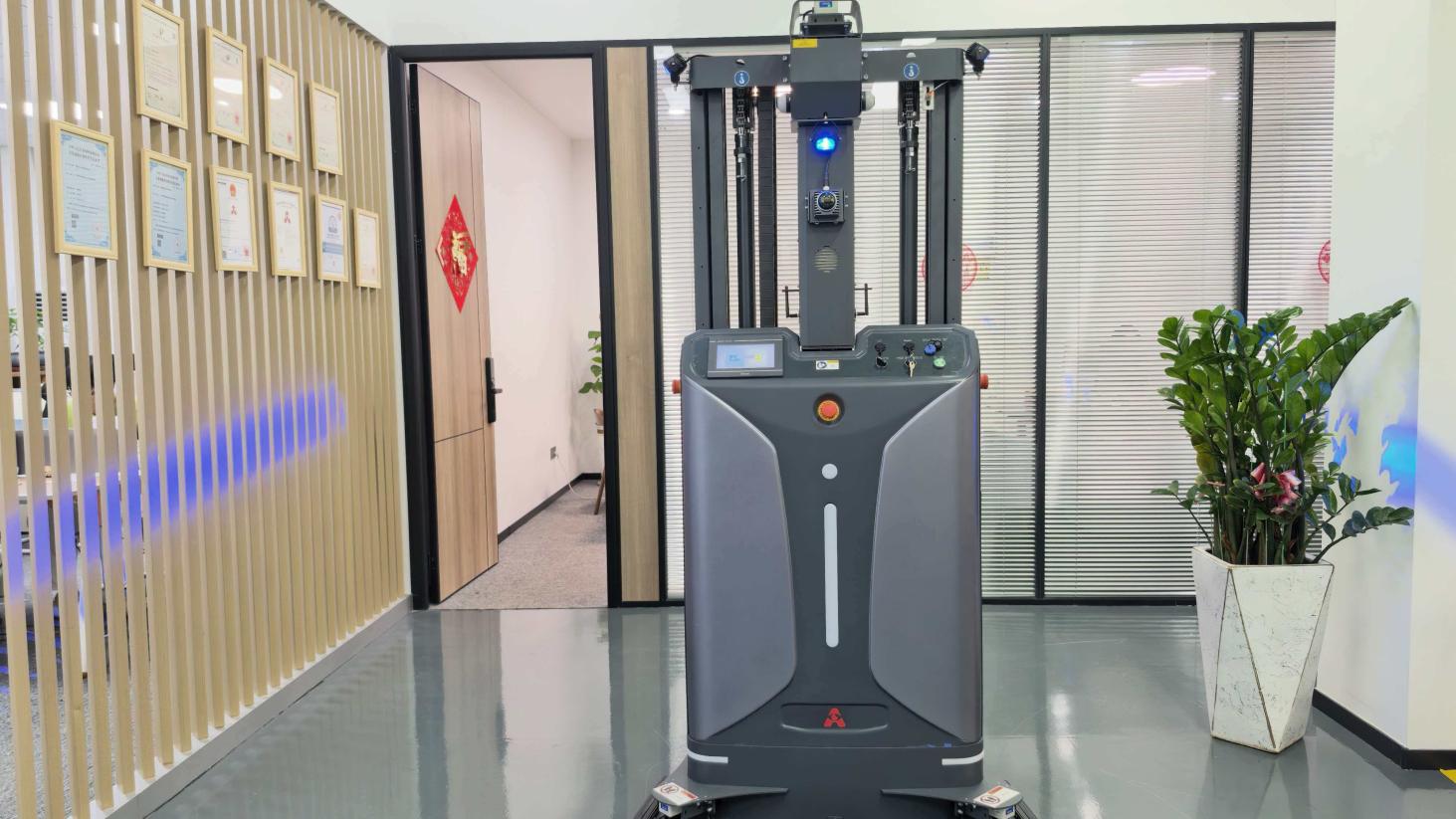
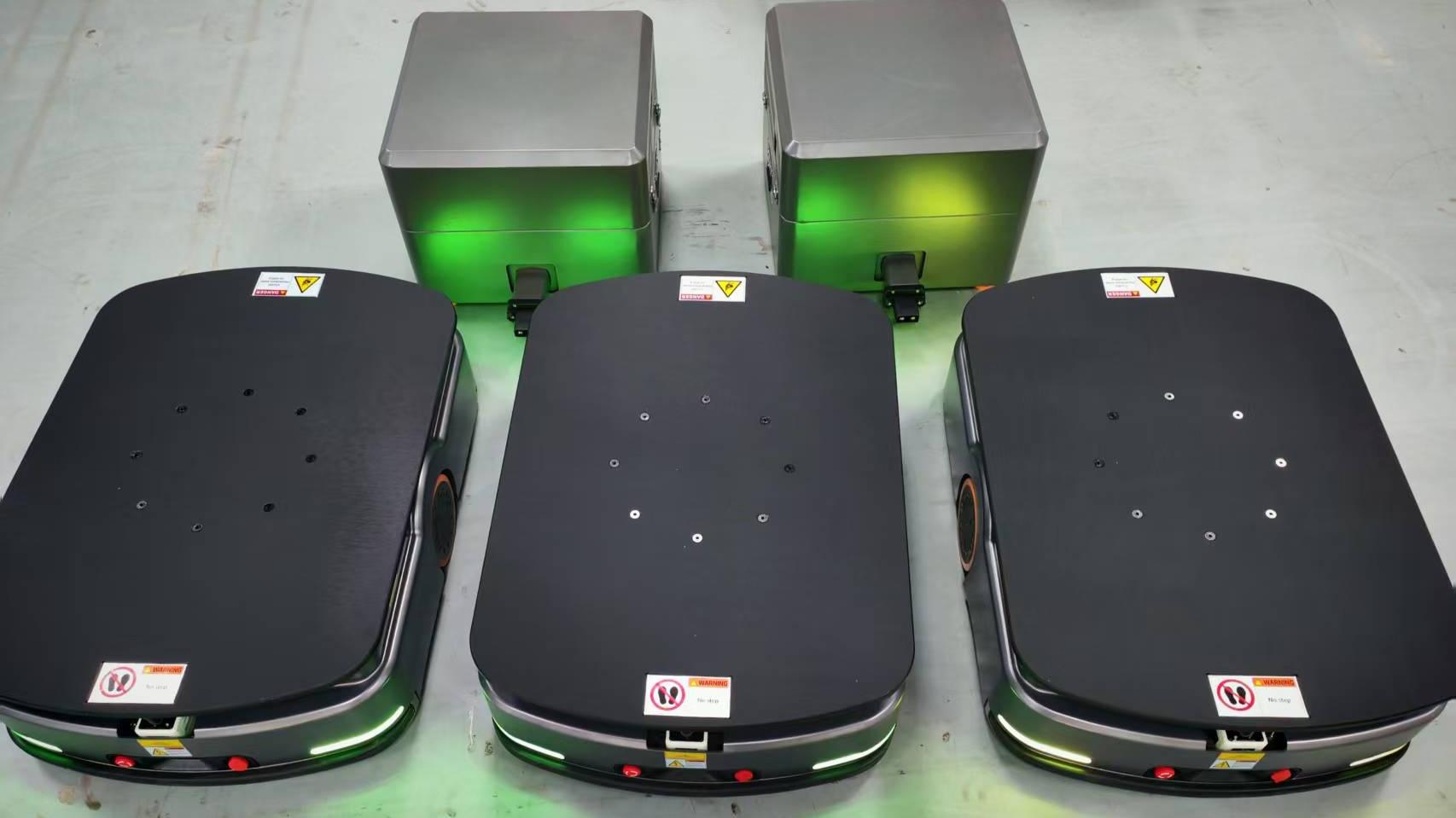
Indoor Wi-Fi fleet scheduling AMR operating in an automated warehouse
Indoor Wi-Fi Fleet Scheduling

Indoor Wi-Fi Fleet Scheduling AMR for Automated Warehouses

A procurement-focused guide to laser SLAM mobile robots that stay coordinated, charged and productive across warehouse networks.

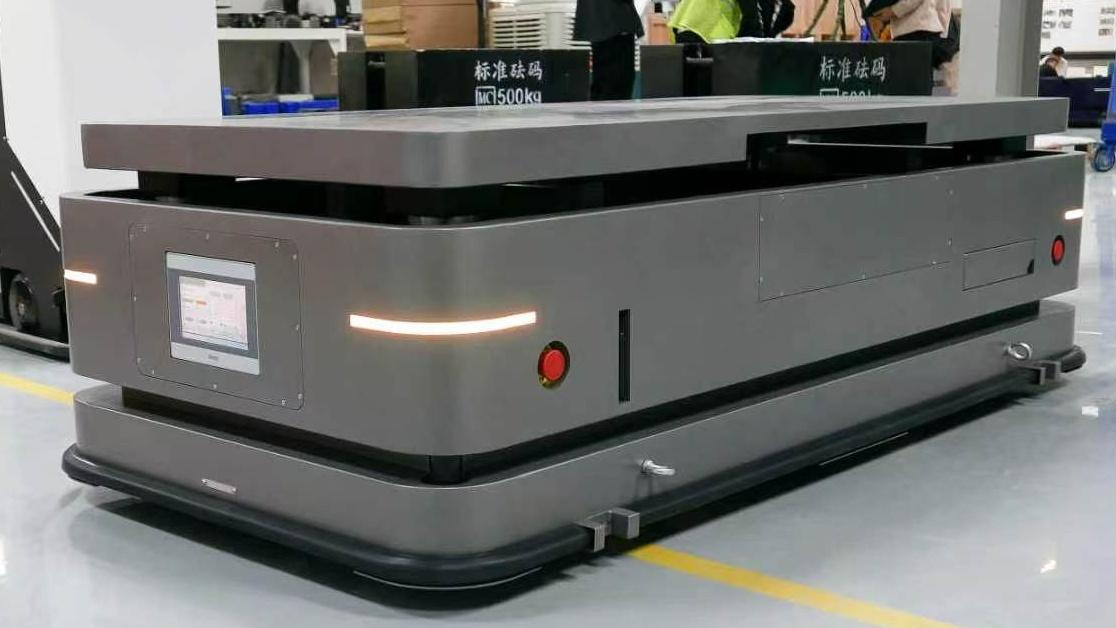
Marnix jacking robot transporting racks in an automated warehouse
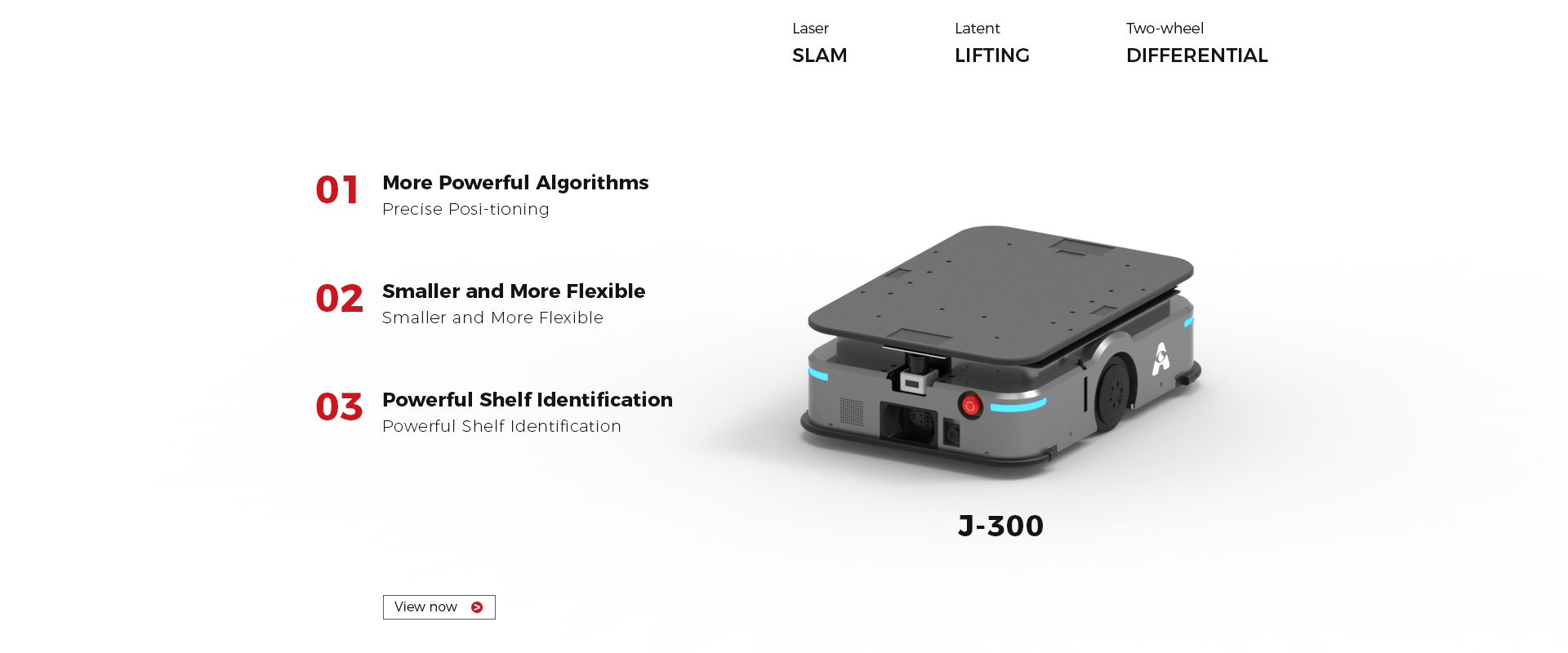
Jacking Robot Fleet

Lift. Carry. Coordinate.

Jacking robots for rack movement, line-side replenishment and high-throughput warehouse transfer.

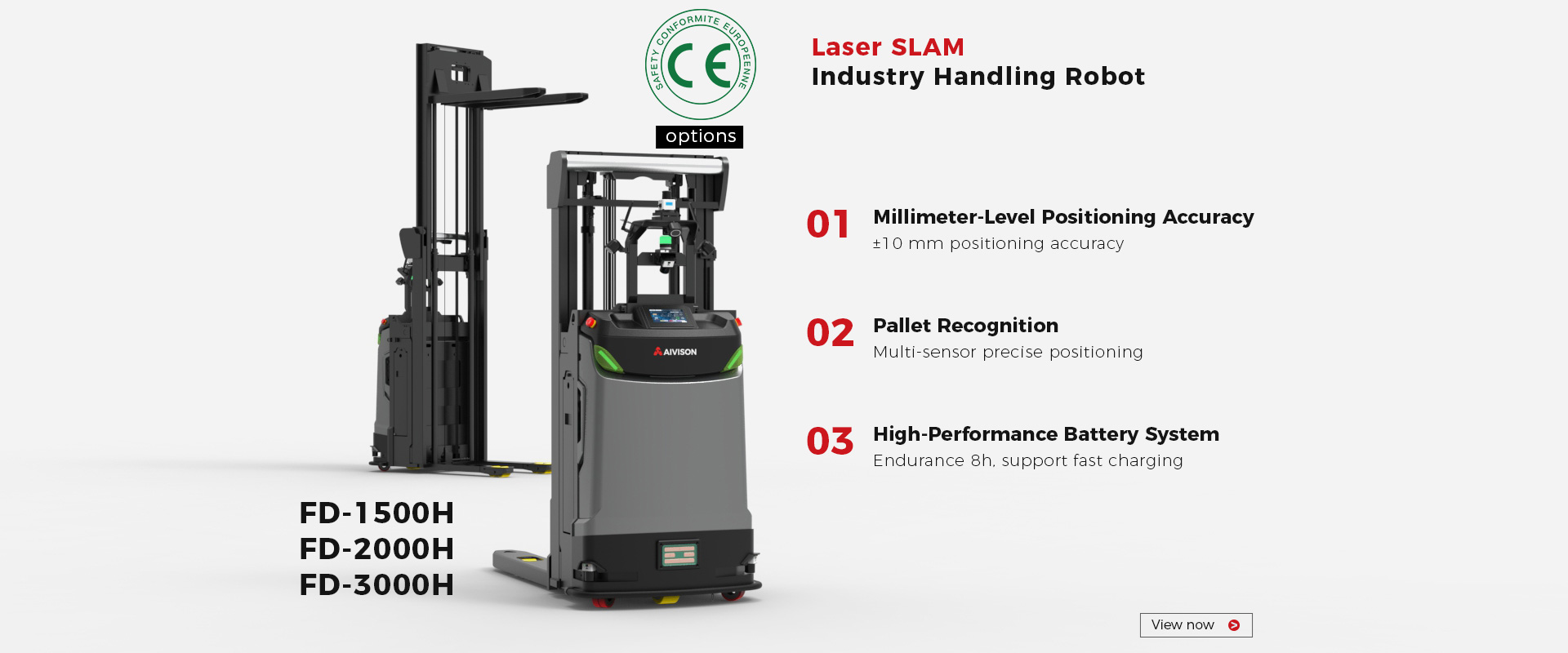
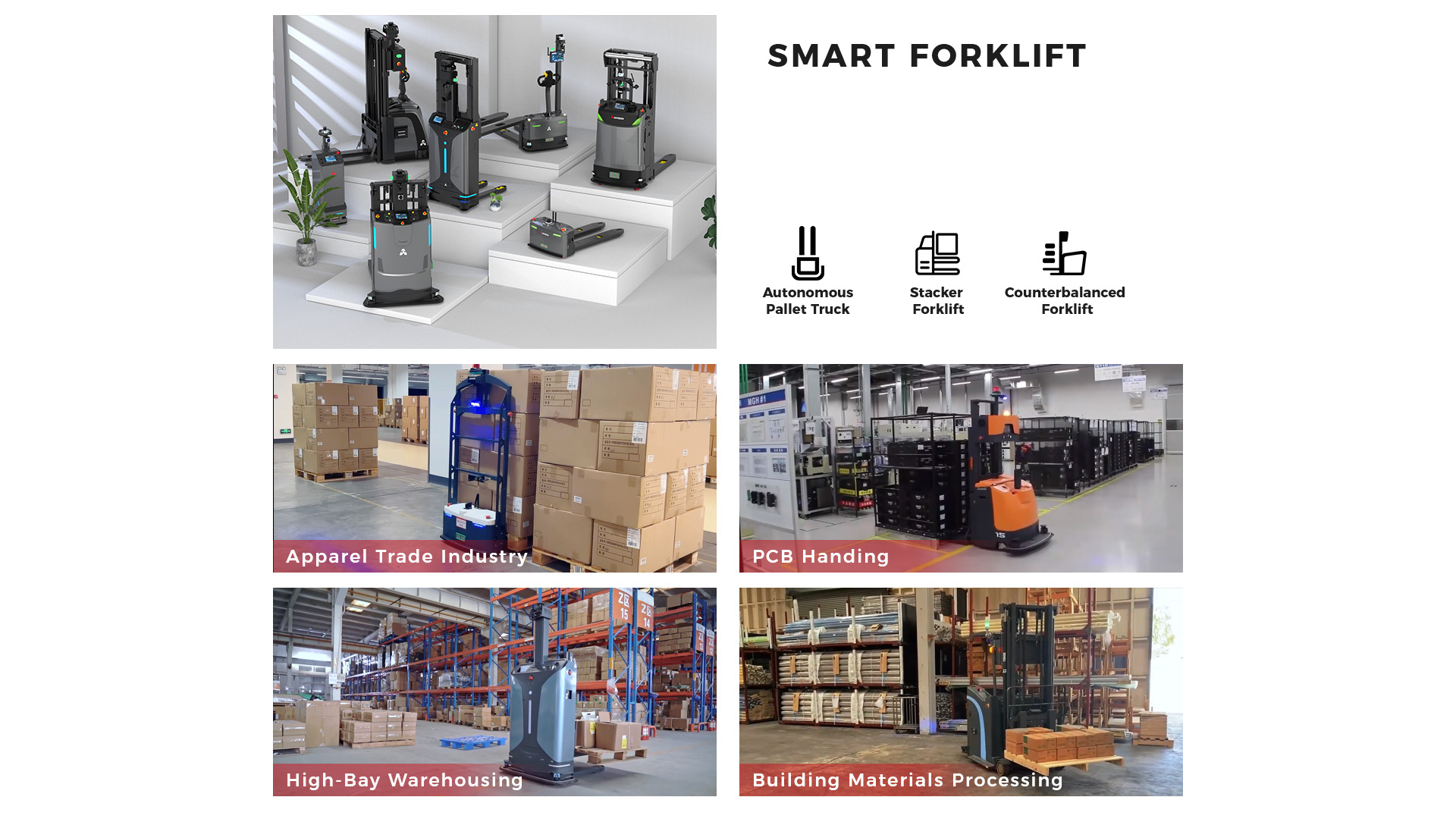
Smart forklift with laser navigation handling pallets in a warehouse
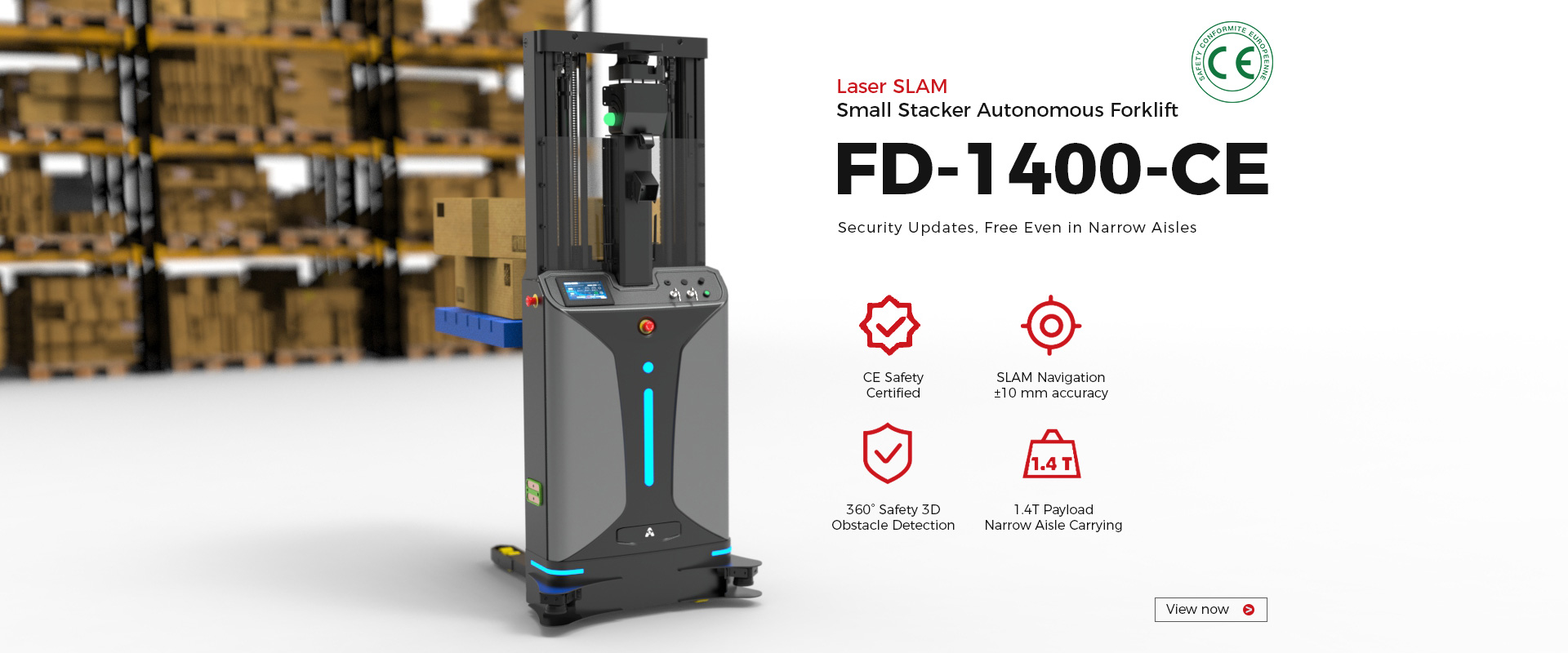
Smart Forklift

Pallet Handling, Unmanned.

Laser-navigated smart forklifts with camera assistance for reliable pallet entry and 24/7 warehouse duty.

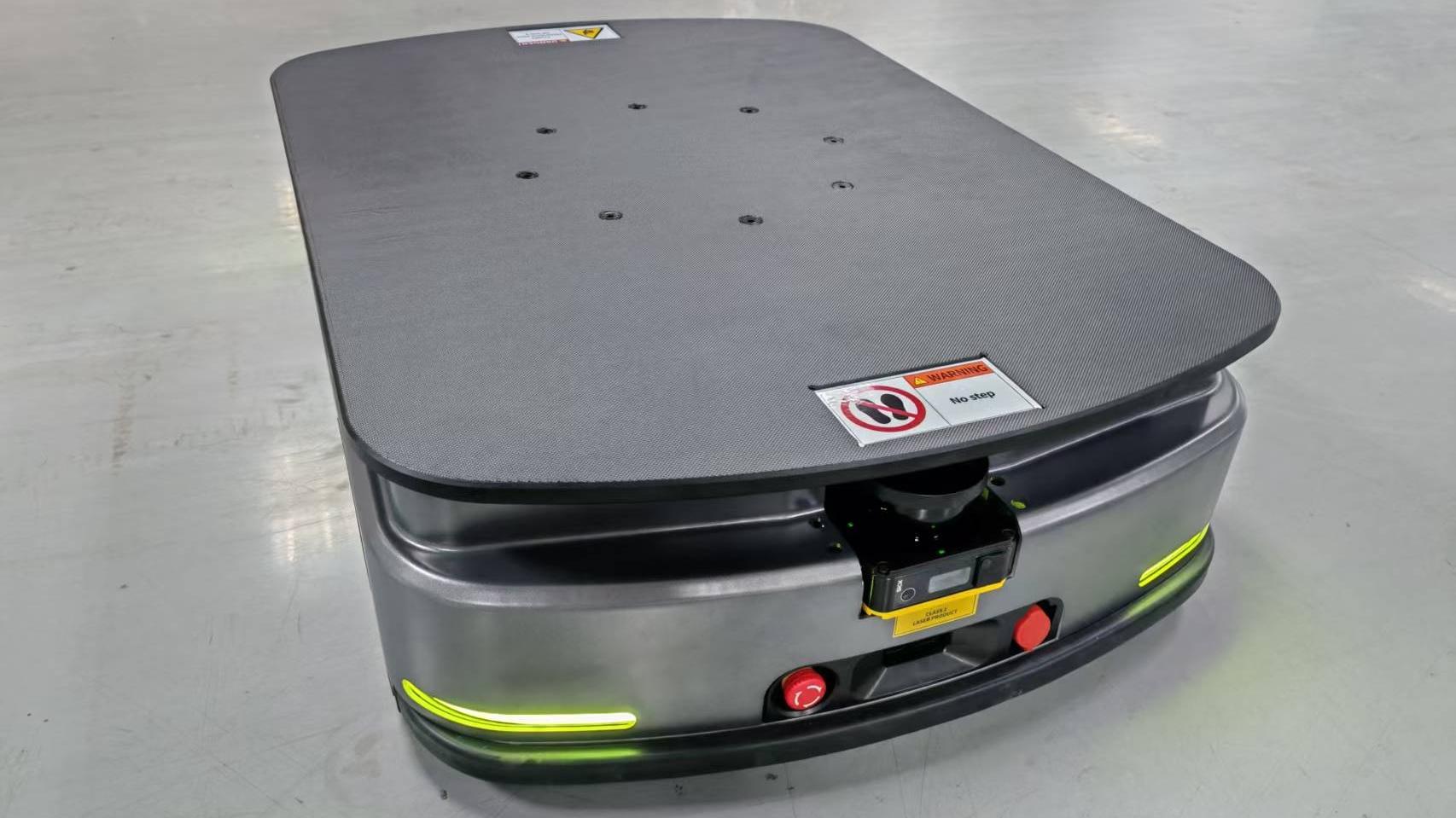
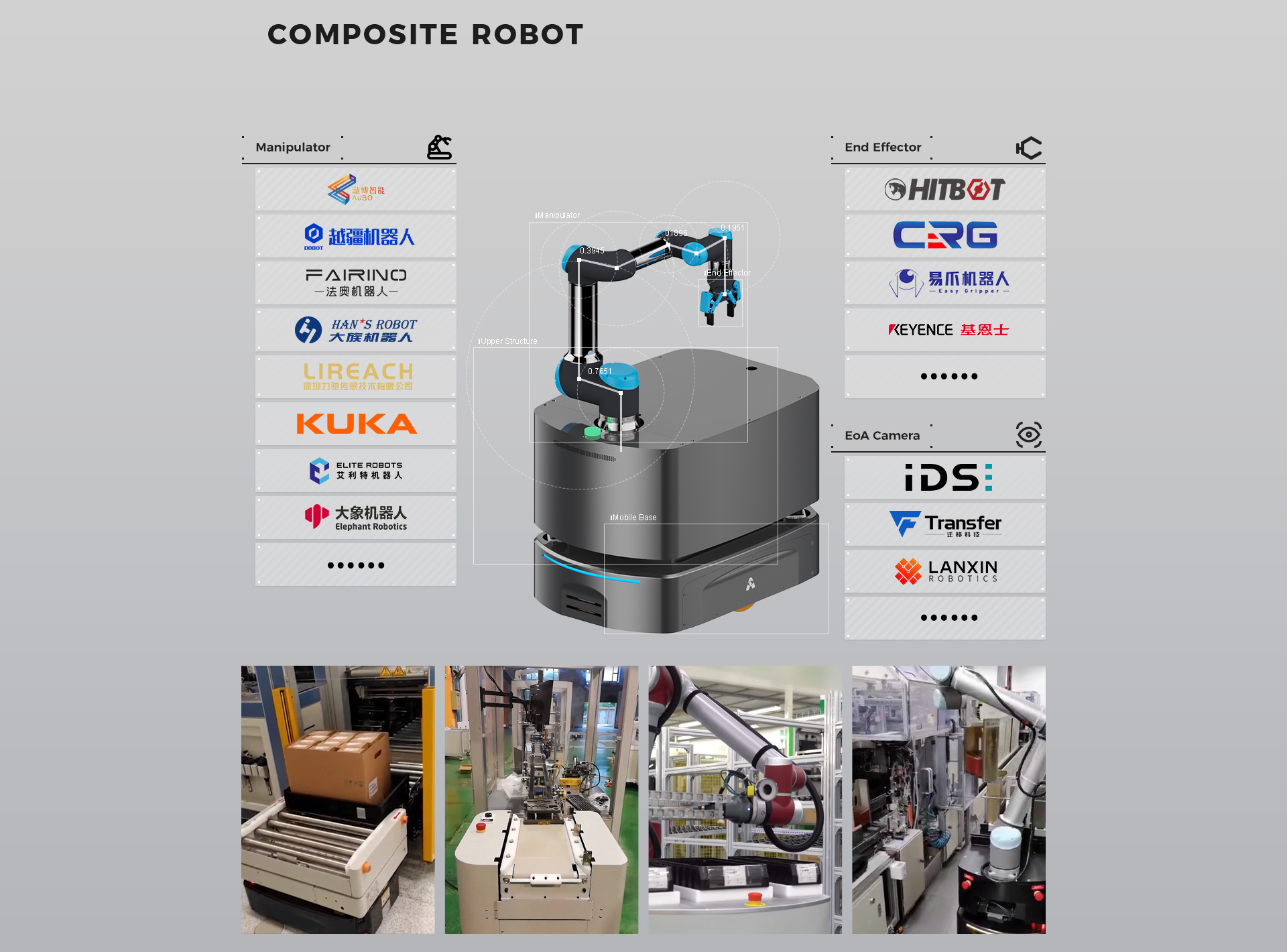
Custom composite mobile robot with top module for warehouse and production logistics
OEM & Integrators

Built Around Your Layout.

Custom jacking units, roller conveyors, forklift forks and robotic arms for integrator-led warehouse projects.

01 / 04
0+
Years in AGV Engineering
Shenzhen-based R&D and manufacturing experience
±0 mm
Laser SLAM Navigation
No magnetic tape, reflectors or floor codes required
0+
Manufacturers Served
Warehouse and production deployments across three continents
0
Core Industries
Semiconductor, 3C, lithium battery, PV, automotive, PCB, textile and medical
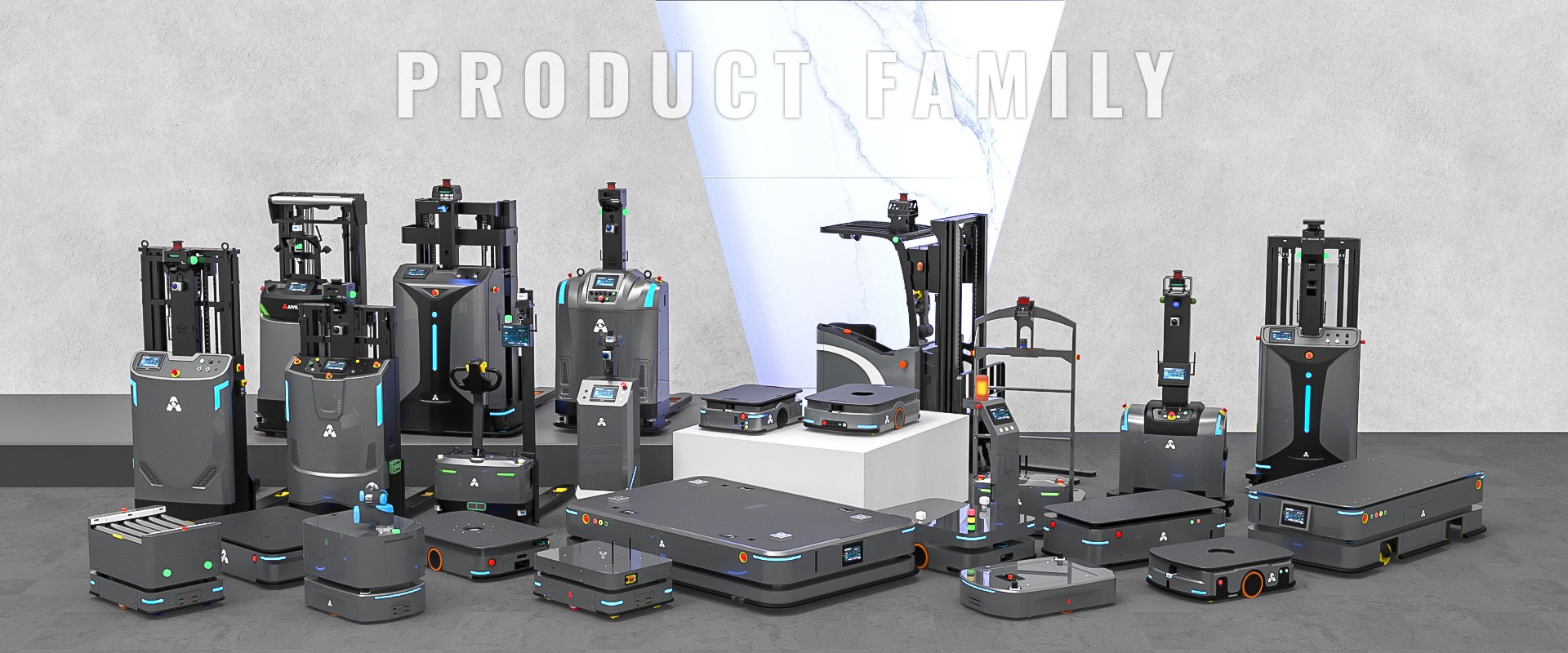
Marnix AMR fleet engineering for automated warehouse material flow
Wi-FiFleet scheduling backbone
Search Intent & Buyer Context

What Does Indoor Wi-Fi Fleet Scheduling AMR for Automated Warehouses Really Mean?

Global buyers searching for an indoor Wi-Fi fleet scheduling AMR for automated warehouses are usually evaluating a system-level decision, not a single robot. They need to know whether a group of autonomous mobile robots can receive tasks, share routes, avoid congestion, recharge without manual intervention and hand off material to conveyors, racks or production equipment reliably.

The practical answer is that Wi-Fi is not simply a connectivity detail. In a warehouse deployment, it is the communications layer that links the fleet scheduler, each AMR, the charging docks and, where required, the warehouse management system. A strong robot with a weak network design can still create delays, missed tasks and unstable throughput. This is why procurement teams increasingly ask for network readiness, fleet scalability and integration evidence alongside payload and price.

Shenzhen Marnix Intelligent Technology Co., Ltd. addresses this need with laser SLAM AMRs, jacking robots, smart forklifts and automated warehouse AMR vehicles managed by a fleet scheduling system over indoor Wi-Fi. Robots can run with ±5 mm navigation accuracy in standard operation, while optional QR code scanning supports ±2 mm docking at precision stations. For integrators and end users, the value is not only the vehicle but the combination of navigation, scheduling, charging and custom top-module engineering.

  • Fleet-first evaluation: test task assignment, traffic control and charging behavior, not only a single robot demonstration.
  • Wi-Fi readiness: verify coverage, roaming, latency and packet loss in the actual aisles and racking zones.
  • Information gain: request an acceptance plan that links network performance to mission completion and uptime.
  • Supplier credibility: review third-party onsite assessment, real deployments and manufacturer-level customization capability.
Information Gain: Wi-Fi Acceptance Planning

Wi-Fi Readiness Criteria Most AMR RFPs Still Miss

Wi-Fi performance should be tested at robot operating height, with racking in place and production traffic active. The table below is a practical starting point for discussions between the warehouse operator, network team and AMR supplier.

Indoor Wi-Fi readiness checklist for AMR fleets
Test AreaPractical Starting PointWhy It Matters
Signal coverageValidate in every aisleCoverage maps should reflect racking, mezzanines, metal goods and robot height, not only open-floor heat maps.
Roaming performanceTest handover during travelA robot moving between access points must not lose task messages or stall at an intersection.
Latency and jitterMeasure under peak loadTask assignment and traffic control need consistent timing when many devices share the network.
Packet lossRun repeated route testsEven short losses can interrupt status reporting or delay the next mission command.
SSID / VLAN designSeparate robot trafficDedicated segmentation improves visibility, security and troubleshooting for fleet operations.
AP redundancySimulate one AP failureThe fleet should degrade gracefully rather than stop when a single access point goes offline.
Time synchronizationAlign logs and eventsAccurate timestamps make it easier to diagnose network, robot and scheduler events together.

Final thresholds should be agreed with your network team and validated through an on-site survey. High-throughput or safety-critical zones may require stricter values than the starting points above.

Fleet Scheduling Test

Run several robots on shared routes, not a single-robot demo.

Charging Dock Balance

Confirm dock count, queue rules and opportunity-charging logic.

Integration Handshake

Test WMS/WCS commands, equipment handovers and error recovery.

Why Shortlist Shenzhen Marnix

Manufacturer Experience Backed by Verification and Customization

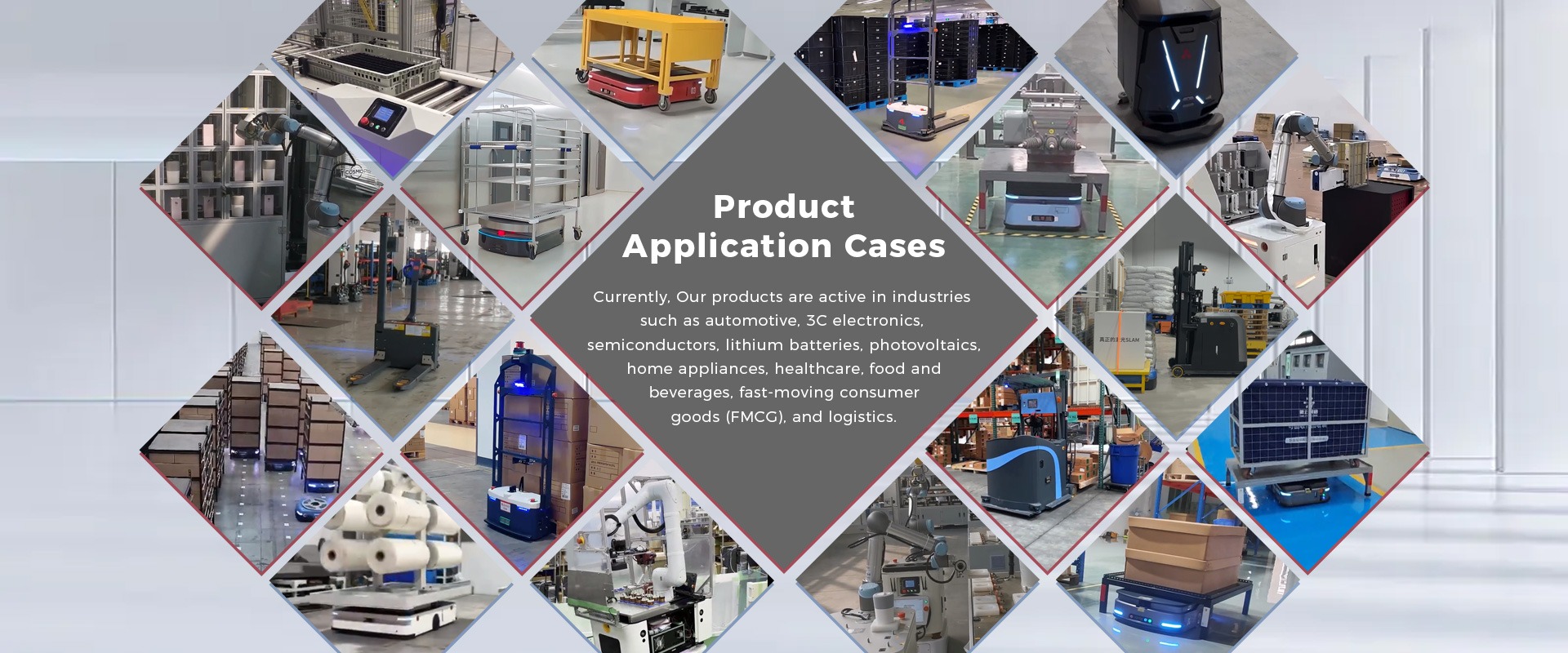
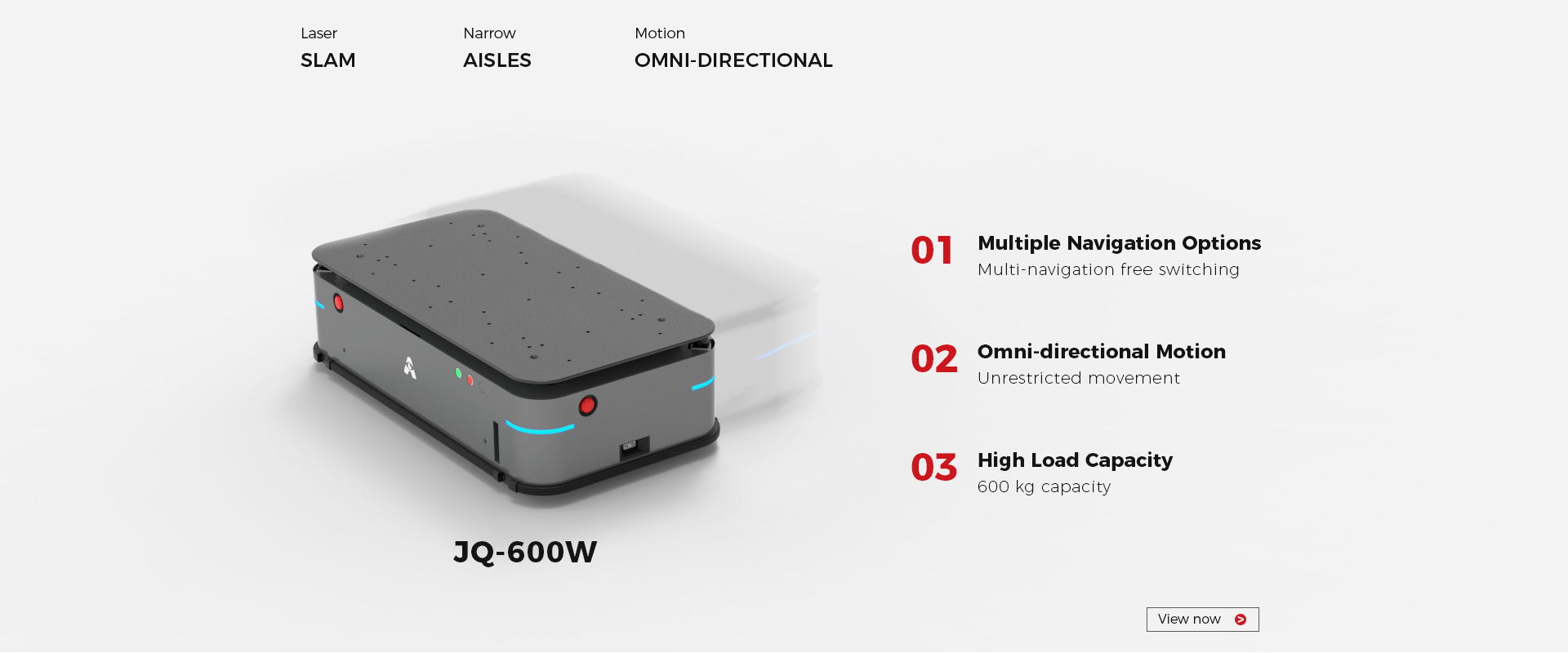
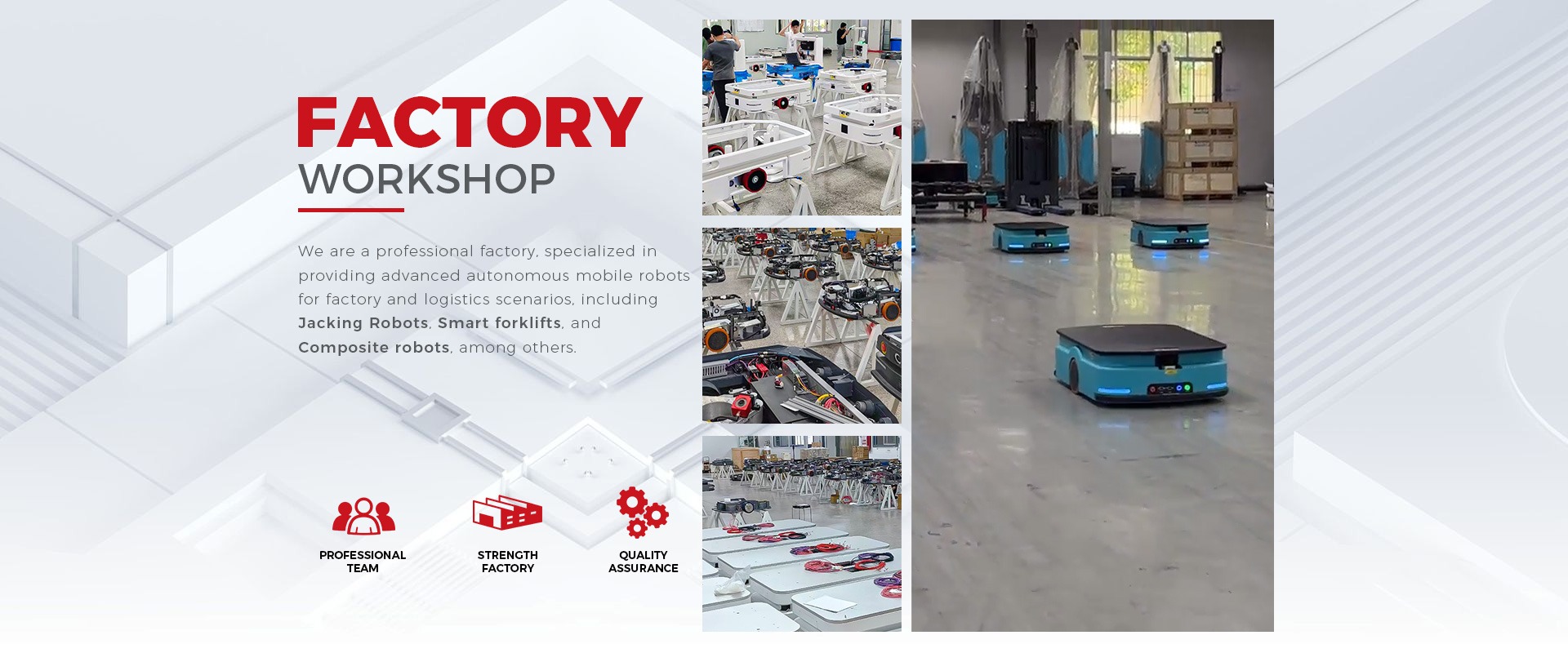
Shenzhen Marnix Intelligent Technology Co., Ltd. combines about ten years of AGV engineering experience with in-house manufacturing in Shenzhen. The company builds laser SLAM AMRs, jacking robots, smart forklifts, composite mobile robots and intelligent charging docks for warehouses and production lines worldwide.

For buyers, the relevant E-E-A-T signals are practical: verified company operations, disclosed trade credentials, real product platforms and engineering flexibility. Marnix has completed an onsite supplier assessment by TÜV Rheinland, serves manufacturers across three continents and works with both end users and system integrators. The team can customize chassis, payload interfaces and top modules instead of forcing every warehouse into a standard configuration.

01

Fleet-Ready Portfolio

AMRs, jacking robots, smart forklifts and charging docks support coordinated indoor Wi-Fi scheduling with compatible task assignment and traffic control.

02

Precision Options

Laser SLAM at about ±5 mm for standard warehouse travel, QR assist at about ±2 mm for high-shelf docking, and composite robots at ±0.05 mm repeatability for calibrated production stations.

03

OEM and Integrator Support

Custom jacking units, roller conveyors, forklift forks and 6-axis arm modules help integrators connect mobility to the rest of the automation system.

04

Credibility to Verify

TÜV Rheinland onsite assessment, Fortune 500 supplier records, trade capacity and transaction history give procurement teams evidence beyond a product brochure.

Shenzhen Marnix Intelligent Technology Co., Ltd. warehouse robot testing
±0.05 mmComposite robot repeatability
Warehouse Applications

Where Wi-Fi-Scheduled AMR Fleets Deliver the Most Value

Automated warehouses usually gain the fastest return where material movement is repetitive, mixed traffic is controlled and the network can be tested before full rollout.

AMR fleet working in a warehouse with mixed traffic

Warehouse Transfer and High-Shelf Logistics

For receiving, put-away, replenishment and dispatch flows, a coordinated fleet can reduce empty travel and stabilize service levels across shifts.

  • Dynamic obstacle avoidance: suitable for mixed human and vehicle traffic.
  • Precision docking: optional QR assist for high-shelf and station-level accuracy.
  • 24/7 scheduling: auto charging and task release support continuous operation.
Smart forklift and AMR working in production logistics

Line-Side Replenishment and Production Handover

When the warehouse connects to production, the AMR fleet must respect takt time, equipment handshakes and precision docking requirements.

  • Coordinated task release: multiple robots can receive and execute missions through the scheduler.
  • Machine integration: roller, jacking and arm top modules support different handover methods.
  • Layout flexibility: re-map routes without installing magnetic tape or tracks.

Custom Top Mechanisms for Hard-to-Automate Handovers

Connect the AMR directly to production equipment through robotic arms, roller conveyors, jacking units or forklift forks. This reduces manual transfer and helps integrators design a complete material-flow solution.

Custom AMR top modules including robotic arm and roller conveyor
Procurement FAQ

Questions Global Buyers Ask About Indoor Wi-Fi Fleet Scheduling AMR

These are the questions our engineering and sales teams receive most often during warehouse automation projects. For project-specific answers, email info@marnixbot.com.

What is an indoor Wi-Fi fleet scheduling AMR for automated warehouses?

It is a multi-robot system in which autonomous mobile robots receive tasks, share routes and coordinate charging through a fleet scheduling platform connected over an indoor Wi-Fi network. Each robot uses onboard navigation sensors, while the scheduler manages traffic and task assignment across the warehouse.

How many AMRs can one Wi-Fi fleet scheduling system coordinate?

The right number depends on aisle width, route overlap, throughput, charging capacity and network design. Some projects start with three to five robots and scale after proof of value. Marnix evaluates the required fleet size from missions per hour, travel distance, load profile and peak periods rather than quoting a fixed number.

Is indoor Wi-Fi reliable enough for a warehouse AMR fleet?

Wi-Fi can be reliable when coverage, roaming, latency and packet loss are tested in the actual operating environment. Warehouses with dense racking, metal inventory or high device density need a professional RF survey. A separate SSID or VLAN for robots and a joint acceptance test with the AMR supplier are strongly recommended.

What navigation accuracy can Marnix AMRs achieve?

Standard laser SLAM navigation reaches about ±5 mm without magnetic tape, reflectors or floor QR codes. Adding a QR scanning camera raises docking accuracy to about ±2 mm for high-shelf storage and precision stations. Composite robots with a 6-axis arm can reach ±0.05 mm repeatability at calibrated production stations.

Do we need to install tracks, magnetic tape or floor QR codes?

No track or magnetic tape is required for standard laser SLAM navigation. QR labels are only placed at selected stations where higher docking precision is needed. This approach minimizes floor modification and makes future layout changes easier for automated warehouses.

How do AMRs connect to WMS, WCS, ERP or production equipment?

Integration is defined during project scoping. The fleet scheduler can exchange task and status information with warehouse or production systems through agreed interfaces. Marnix can also customize top modules such as jacking units, roller conveyors, forklift forks and robotic arms to match conveyors, machines and handover stations.

Can Marnix customize the robot and top module for our warehouse?

Yes. As a manufacturer, Shenzhen Marnix Intelligent Technology Co., Ltd. supports chassis and top-module customization. Typical options include jacking units, roller conveyors, forklift forks and 6-axis arms. The objective is to match the robot to your load, aisle, docking and equipment-interface requirements rather than forcing a standard platform into an unsuitable process.

How should we plan charging for 24/7 operation?

Charging strategy depends on duty cycle, travel distance, battery capacity and peak throughput. The fleet scheduler can assign charging tasks around production peaks and route robots to compatible intelligent charging docks. The dock-to-robot ratio and opportunity-charging rules should be agreed during simulation and validated during commissioning.

What information does Marnix need for a quotation?

Please provide the maximum load and load footprint, rack or pallet dimensions, aisle widths, site layout, required throughput, docking precision, number of shifts, Wi-Fi coverage information and the equipment or software the robot must connect to. Email info@marnixbot.com with these details and the team can recommend a configuration and next step.

How can we verify supplier experience and reliability?

Review third-party verification and trade records before purchase. Shenzhen Marnix Intelligent Technology Co., Ltd. has completed an onsite supplier assessment by TÜV Rheinland and provides access to credit, transaction level, trade capacity and trade history information. You can also request product references and discuss project-specific acceptance criteria with the engineering team.
Request a Wi-Fi Fleet Scheduling AMR Recommendation

Send your load profile, layout, throughput target, docking precision and network information to info@marnixbot.com. Our engineers will help you shortlist the right AMR platform and fleet configuration.

info@marnixbot.com