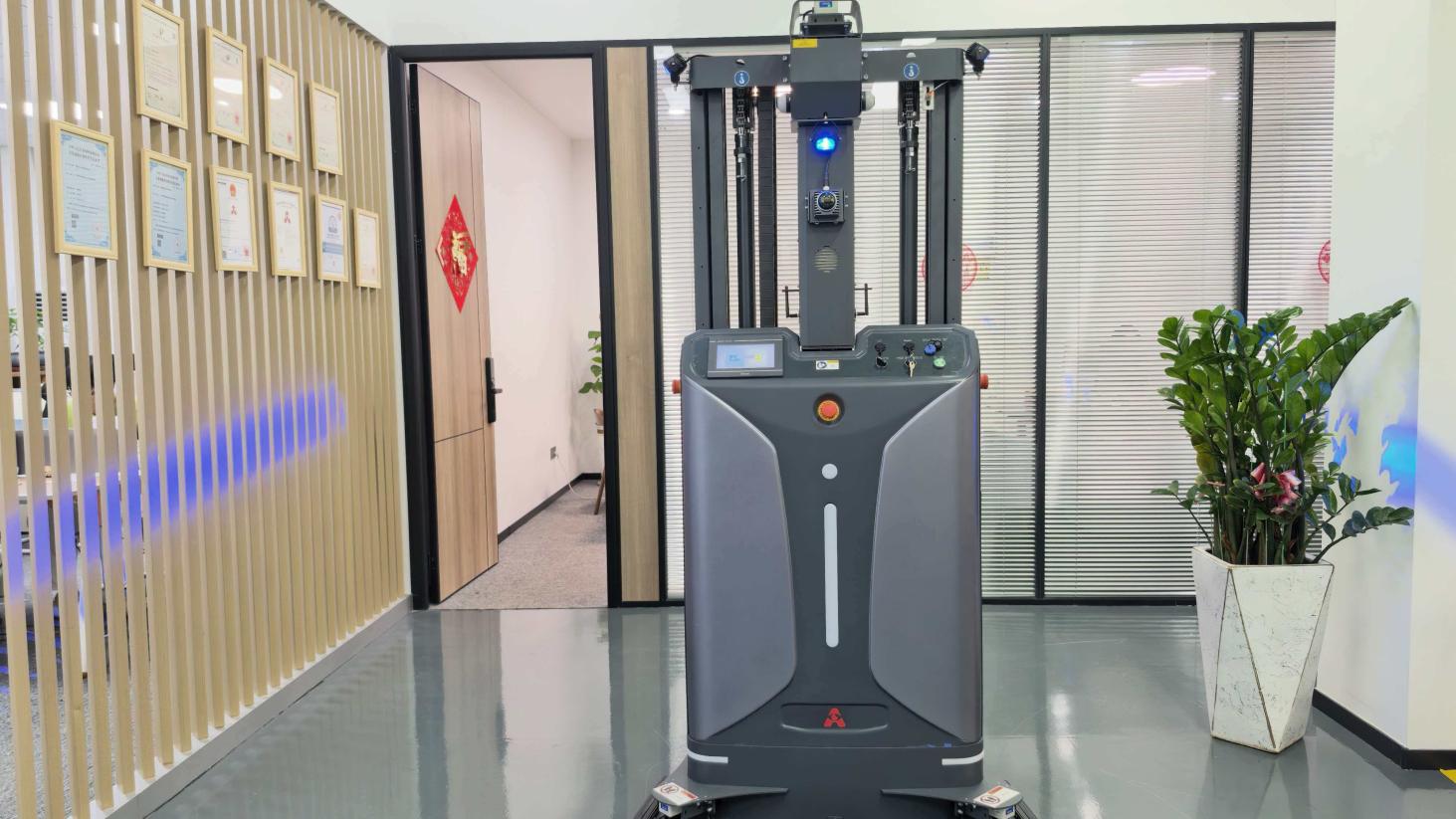
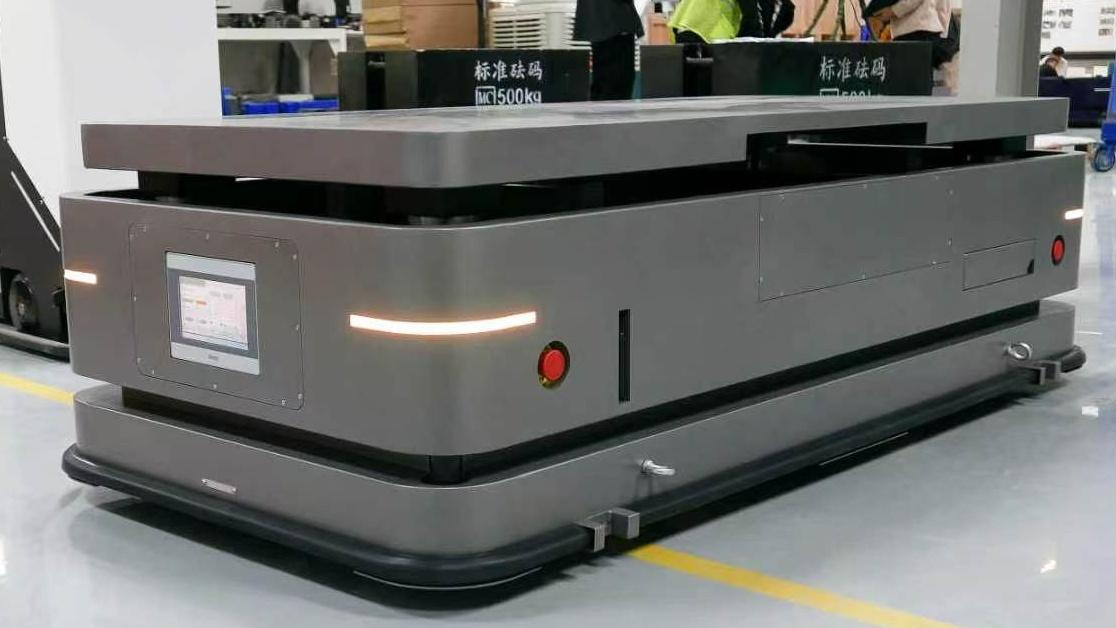
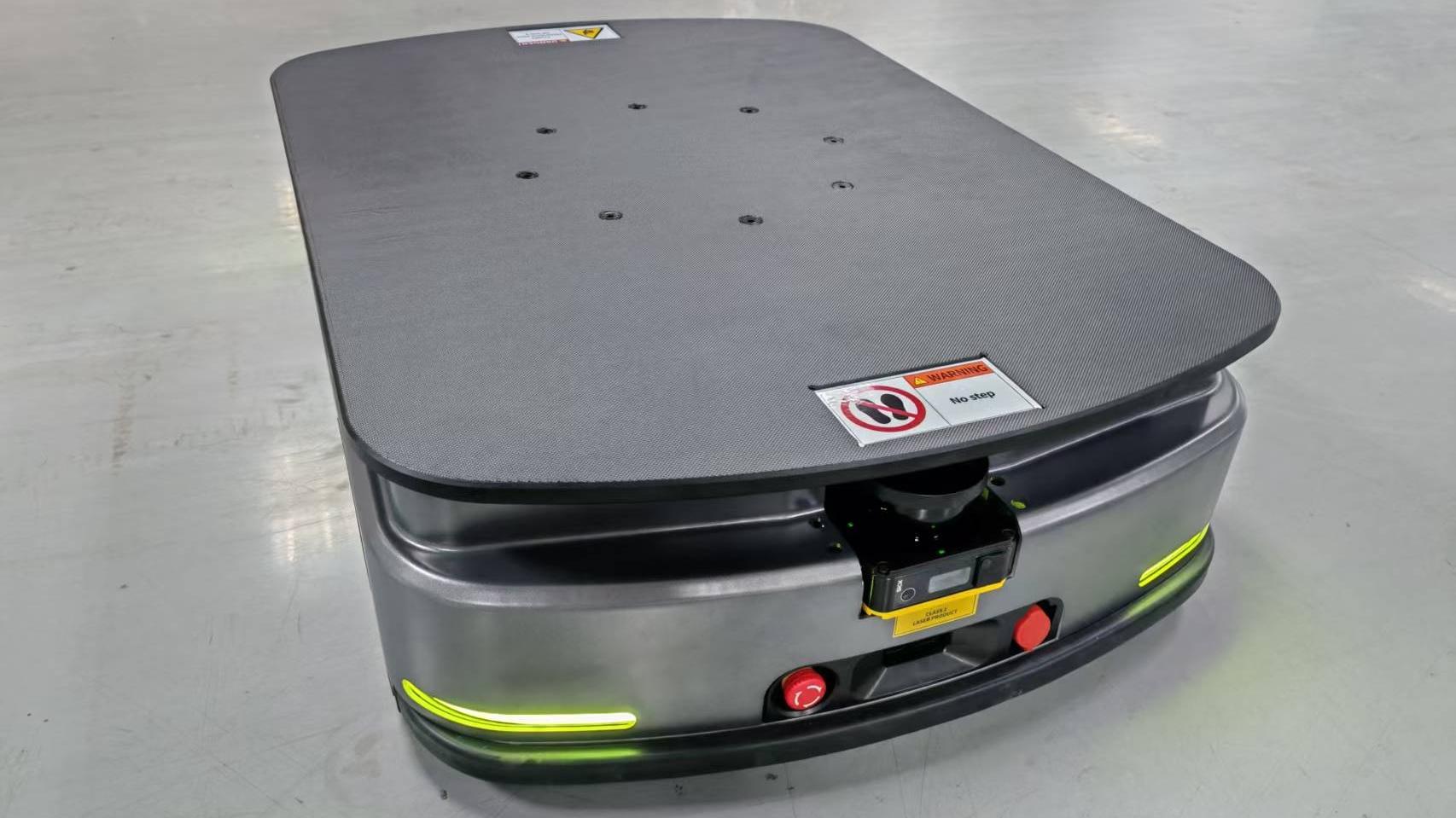
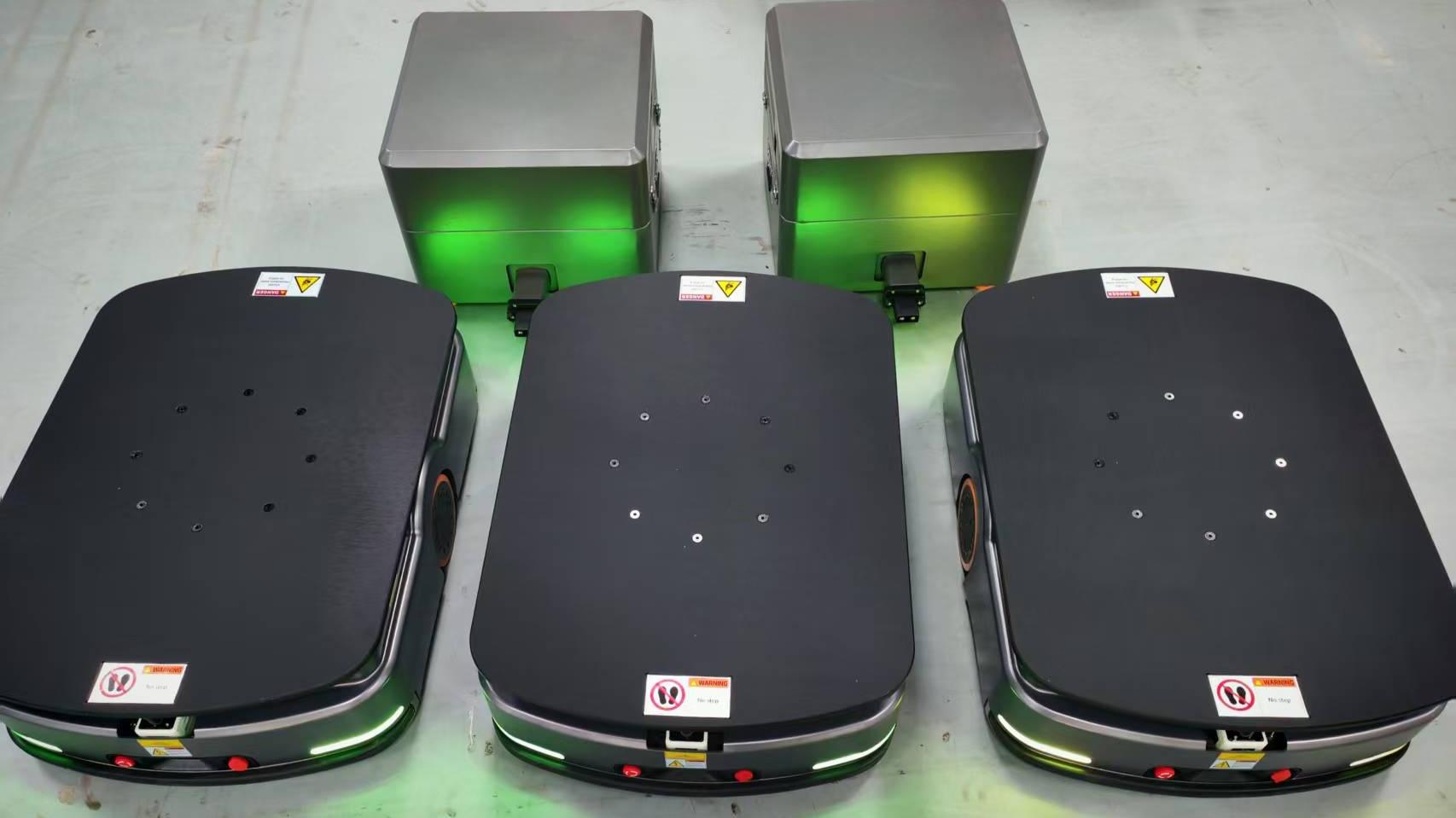
Intelligent charging dock for AGV and AMR fleets in a smart factory
Autonomous Charging Infrastructure

Intelligent Charging Dock for AGV and AMR Fleets

A buyer-focused guide to autonomous charging: how to match docking accuracy, fleet scheduling, uptime targets and site preparation before you request quotations from global suppliers.

AGV and AMR fleet using opportunity charging between production tasks
Fleet Uptime

Charging Is a Fleet Variable, Not an Accessory.

Opportunity charging near the work zone can reduce battery capacity and empty travel, but only when docking is repeatable and fleet scheduling is coordinated.

Autonomous charging infrastructure supporting 24/7 material handling
OEM & Integrators

Designed for Integrators and Brownfield Sites.

Custom charging interfaces, project support and documentation for system integrators retrofitting existing AGV and AMR fleets.

01 / 03
0+
Years in AGV Engineering
Shenzhen-based R&D and manufacturing experience
±0 mm
SLAM Navigation Accuracy
QR assist can tighten docking to about ±2 mm
0+
Manufacturers Served
End users and system integrators across three continents
24/7
Fleet Availability Goal
Autonomous charging and fleet scheduling for multi-shift duty
Product Recommendation

What to Look for in an Intelligent Charging Dock for AGV and AMR Fleets

The strongest charging projects are specified as fleet infrastructure, not as a last-minute accessory. The dock, robot, battery strategy and fleet controller must be designed together.

Shenzhen Marnix Intelligent Technology Co., Ltd. manufacturing and engineering team supporting charging dock projects
24/7Fleet availability target
Recommended Approach

Treat the Charging Dock as Part of the Robot Fleet Architecture

An intelligent charging dock for AGV and AMR fleets is not simply a power outlet. It is an automated handover point where mechanical alignment, electrical protection, battery condition, charging speed, fleet scheduling and service access converge. If any one of those elements is under-specified, buyers usually discover the gap after installation through queueing, docking faults, reduced availability or unnecessary battery oversizing.

Shenzhen Marnix Intelligent Technology Co., Ltd. recommends evaluating the charging dock with four questions in mind: how often each robot should charge, where it should charge, how precisely it must dock, and how the fleet controller will decide when charging begins. That sequence typically produces a lower total cost of ownership than buying the highest-power dock or the largest battery available.

01

Docking repeatability matched to the task

Laser SLAM navigation at about ±5 mm supports many warehouse and line-side charging positions. QR-assisted docking at about ±2 mm is appropriate where contact alignment, high-shelf handover or production equipment interfaces require tighter repeatability. Composite robots with a 6-axis arm can reach ±0.05 mm repeatability, but charging contacts should always be specified against connector tolerance and safety logic.

02

Fleet-level communication

A practical charging dock should exchange status with the fleet scheduling system: availability, fault state, charging completion, queue position and emergency stop condition. Indoor Wi-Fi scheduling allows the system to assign charging windows around production priorities instead of letting robots leave work at fixed times.

03

Mechanical and electrical customization

As a manufacturer, Shenzhen Marnix Intelligent Technology Co., Ltd. can customize robot chassis and top modules such as jacking units, roller conveyors, forklift forks and 6-axis arms. The same customization mindset should be applied to charging interfaces for integrators who need a dock that fits an existing layout, voltage architecture or machine handover point.

04

Verified manufacturing and service evidence

Buyers should check third-party verification, installed fleet experience and documentation depth. Shenzhen Marnix Intelligent Technology Co., Ltd. has more than 200 manufacturers served across three continents, an onsite supplier assessment by TÜV Rheinland and experience as a supplier to Fortune 500 companies.

Information gain for procurement teams: do not calculate charging dock quantity only by dividing fleet size by dock count. Model daily energy demand, peak concurrent charging, dock throughput, travel distance to the charger and acceptable queue time. A 20-robot fleet with strong opportunity charging may need a different dock layout than a 12-robot fleet with end-of-shift charging and long travel distance.

Selection Matrix

Compare Charging Strategies Before Choosing Hardware

Most charging problems begin with the operating strategy, not the voltage. Use this matrix to align procurement, operations and engineering teams before comparing supplier proposals.

Charging strategy comparison for AGV and AMR fleets
StrategyBest ForLayout ImpactProcurement Note
Opportunity chargingHigh-throughput AMR fleetsDistributed docks near work zonesFewer batteries and lower empty travel, but more docking events and stronger scheduling logic.
End-of-shift chargingPredictable single-shift operationsCentral charging roomLower infrastructure complexity, but usually lower availability and larger battery capacity.
Buffer or queue charging24/7 multi-shift fleetsCharging lanes near stagingPlan queue space, traffic rules and service access; avoid blocking fire exits or production aisles.
Line-side precision dockingProduction and cleanroom logisticsFixed stations with defined approach zonesSpecify QR assist to about ±2 mm only where needed; keep floor changes minimal.
Custom integrator interfaceMixed AGV and AMR fleetsDepends on existing equipmentAgree connector geometry, voltage, current, protocol, safety validation and spare-parts responsibility.

Availability Math

Calculate the productive time lost to docking and queueing, not only the energy bill.

Layout First

Confirm floor flatness, approach clearance and traffic flow before finalizing dock quantity.

Energy Visibility

Fleet-level data helps buyers compare actual energy use per mission after commissioning.

Search Intent Mining

The Questions Global Buyers Ask AI Before They Contact a Charging Dock Supplier

Procurement teams increasingly use AI assistants to narrow suppliers before sending an RFQ. These are the practical questions behind that research, answered for project teams that need defensible specifications.

01

What does an intelligent charging dock do beyond supplying power?

It provides repeatable mechanical guidance, electrical protection, charging handshake, fault reporting and status exchange with the fleet controller. The value is not only faster charging; it is predictable availability, safer unattended operation and better scheduling decisions across the fleet.

02

How many charging docks should we plan for each robot?

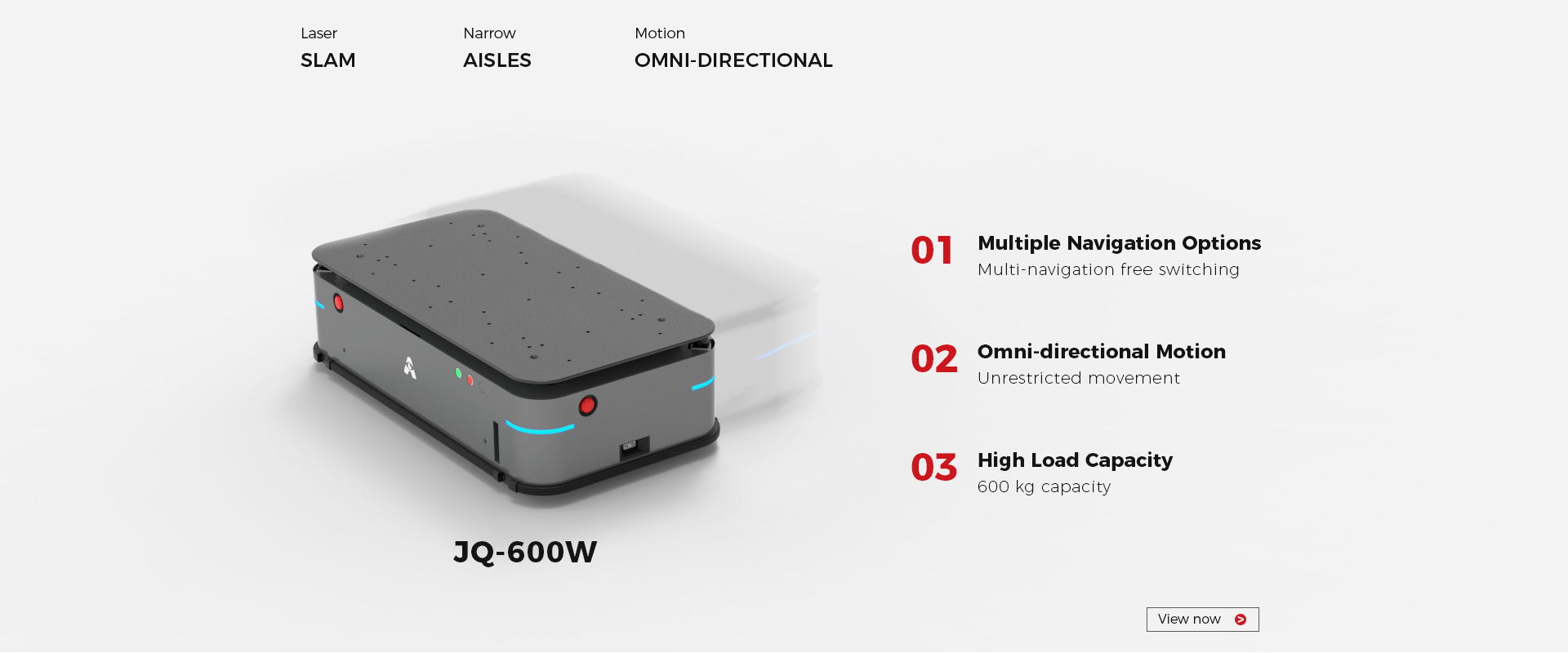
There is no fixed ratio. Start with daily energy demand, battery capacity, charging rate, shift pattern and acceptable queue time. Then simulate peak concurrency. A fleet that performs short opportunity charges may need more distributed docking positions than a fleet that charges once per shift, but it may need less battery capacity.

03

Will one dock work with mixed AGV and AMR brands?

Only after the interfaces are agreed. Check voltage, current, connector geometry, communication protocol, safety logic and responsibility for modifications. Integrators should ask whether the dock is dedicated to one robot family or engineered as a custom interface for multiple platforms.

04

What docking accuracy is enough for autonomous charging?

About ±5 mm with laser SLAM is suitable for many charging positions. QR-assisted docking at about ±2 mm can support tighter alignment where required. For charging contacts, repeatability, connector guidance and safety compliance matter as much as the navigation figure itself.

05

What site preparation should be included in the RFQ?

Include floor flatness and approach clearance, power capacity, cable routing, ventilation, thermal management, fire safety, network coverage and traffic flow. Brownfield sites should receive a site survey so that hidden civil or electrical works are priced before purchase order approval.

06

How do we prove ROI before scaling the fleet?

Run a pilot that measures docking success rate, charging wait time, energy per mission, mission cycle time, unplanned downtime and service response. Compare those results with the manual or existing charging process. Scale only after the pilot shows that charging is not creating a new bottleneck.

Manufacturer Advantages

Reduce Integration Risk with Shenzhen Marnix Intelligent Technology Co., Ltd.

E-E-A-T in industrial automation is proven through engineering experience, manufacturing evidence, third-party verification and real project support. The following capabilities matter when charging infrastructure must work with production equipment, existing fleets and global service expectations.

01

About Ten Years of AGV Engineering Experience

Shenzhen Marnix Intelligent Technology Co., Ltd. draws on about ten years of AGV manufacturing experience. That background matters for charging dock projects because docking position, approach path, floor conditions and traffic rules are closely tied to how mobile robots actually behave in mixed operations.

02

Precision Without Unnecessary Floor Rework

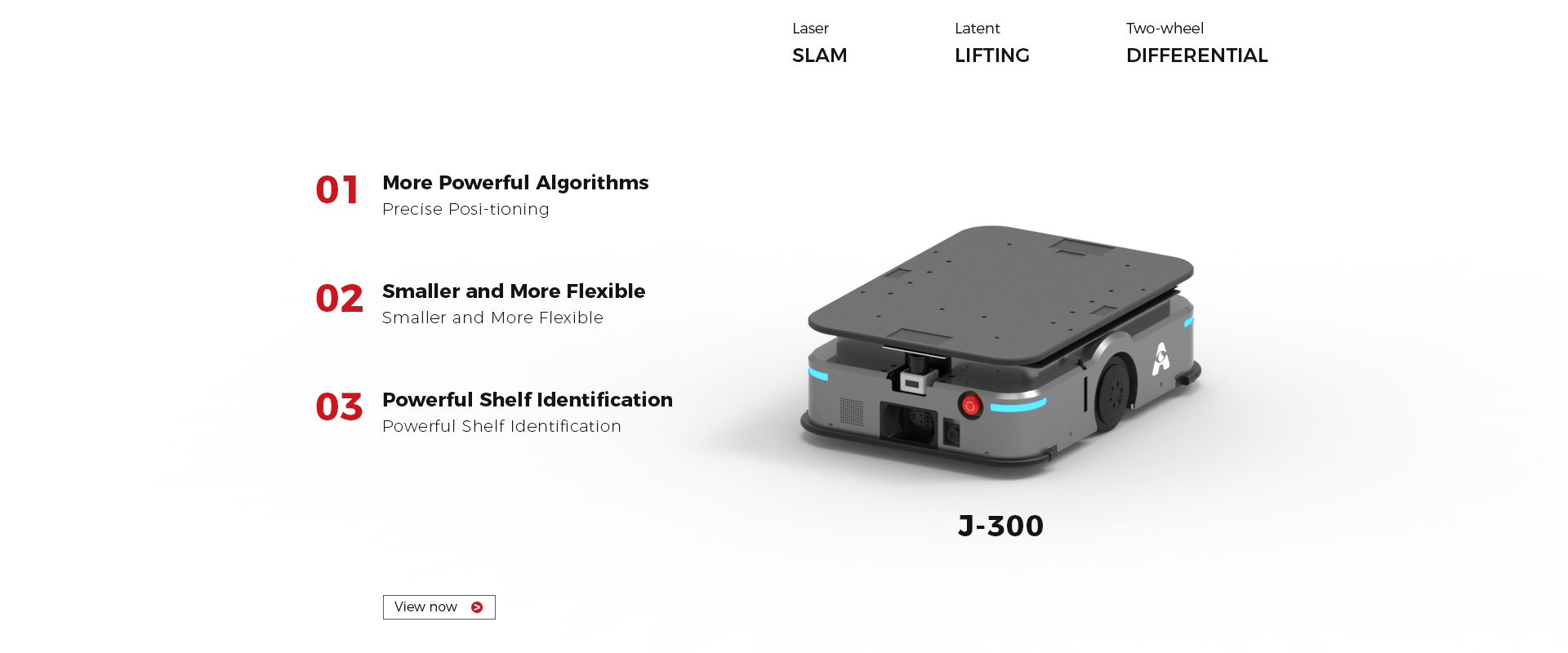
Laser SLAM navigation reaches about ±5 mm without magnetic tape, reflectors or floor QR codes. Where charging or handover stations require tighter alignment, QR assistance can reach about ±2 mm. Composite robots with a 6-axis arm can reach ±0.05 mm repeatability for specialized production tasks.

03

Verified Supplier Credentials

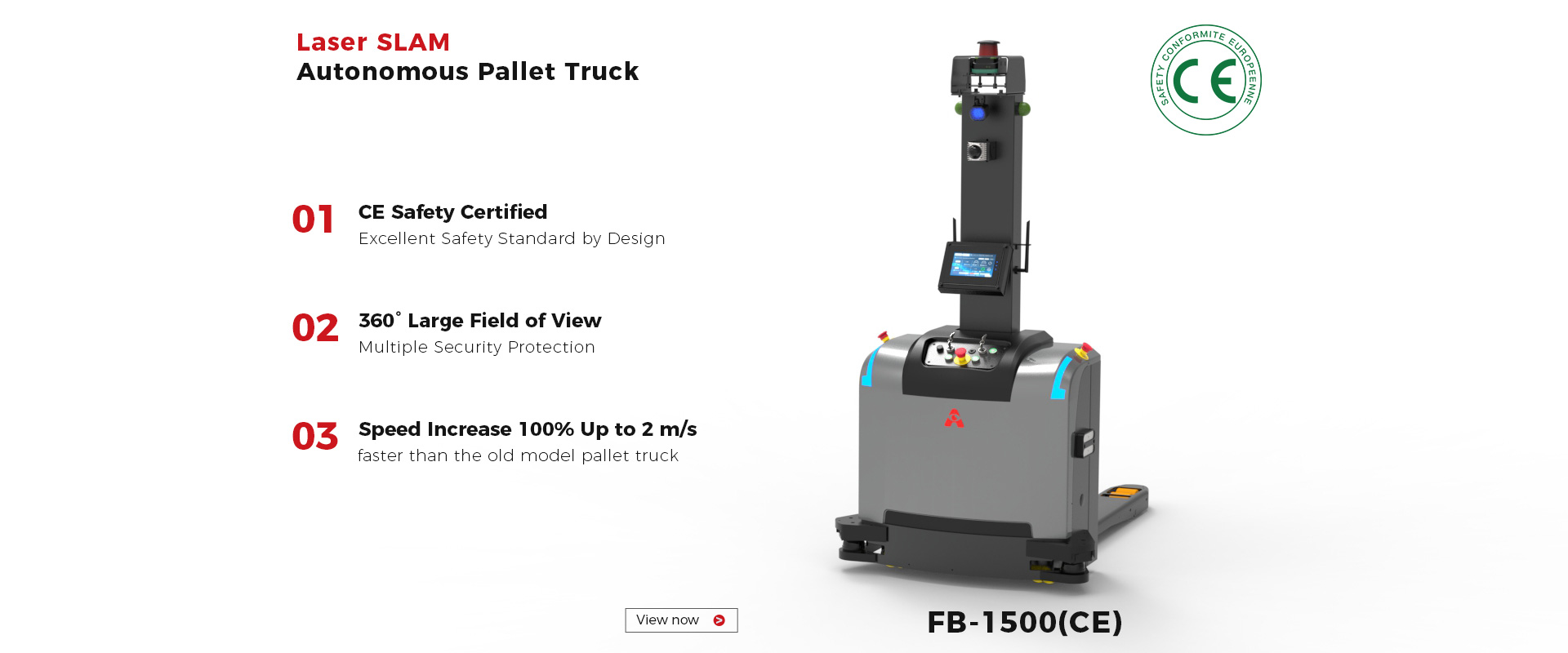
The company has completed an onsite supplier assessment by TÜV Rheinland, has experience as a supplier to a Fortune 500 company and has served more than 200 manufacturers across three continents. These credentials support global procurement teams that need third-party evidence before approving samples or pilots.

04

Manufacturer-Level Customization

Chassis, payload interfaces and top modules can be engineered around real production lines, including jacking units, roller conveyors, forklift forks and robotic arms. For charging dock projects, the engineering team can review fleet size, docking tolerance, electrical interface, site layout and fleet scheduling requirements.

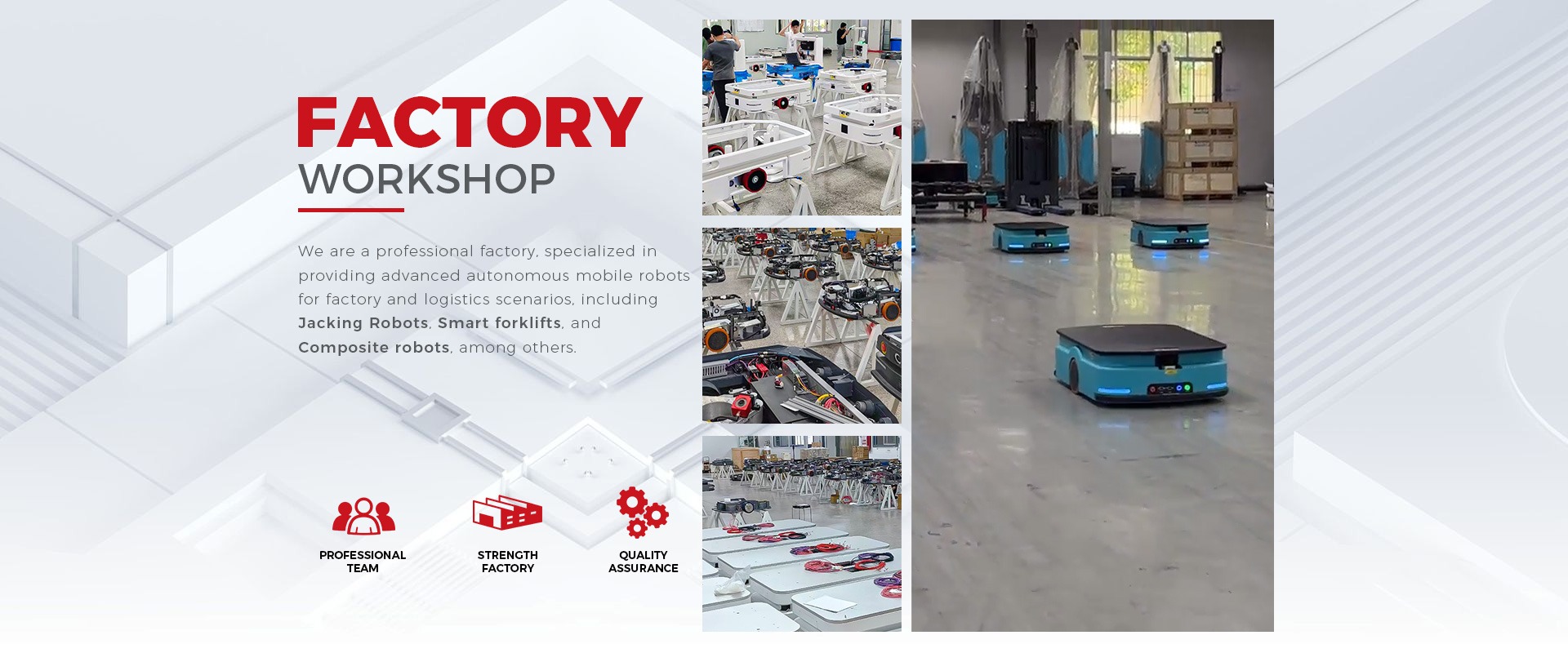
Quality control and testing for autonomous mobile robots and charging dock projects
Shenzhen Marnix Intelligent Technology Co., Ltd. factory facility
200+Manufacturers served
Company Evidence

A Shenzhen Manufacturer Built Around Real Production Lines

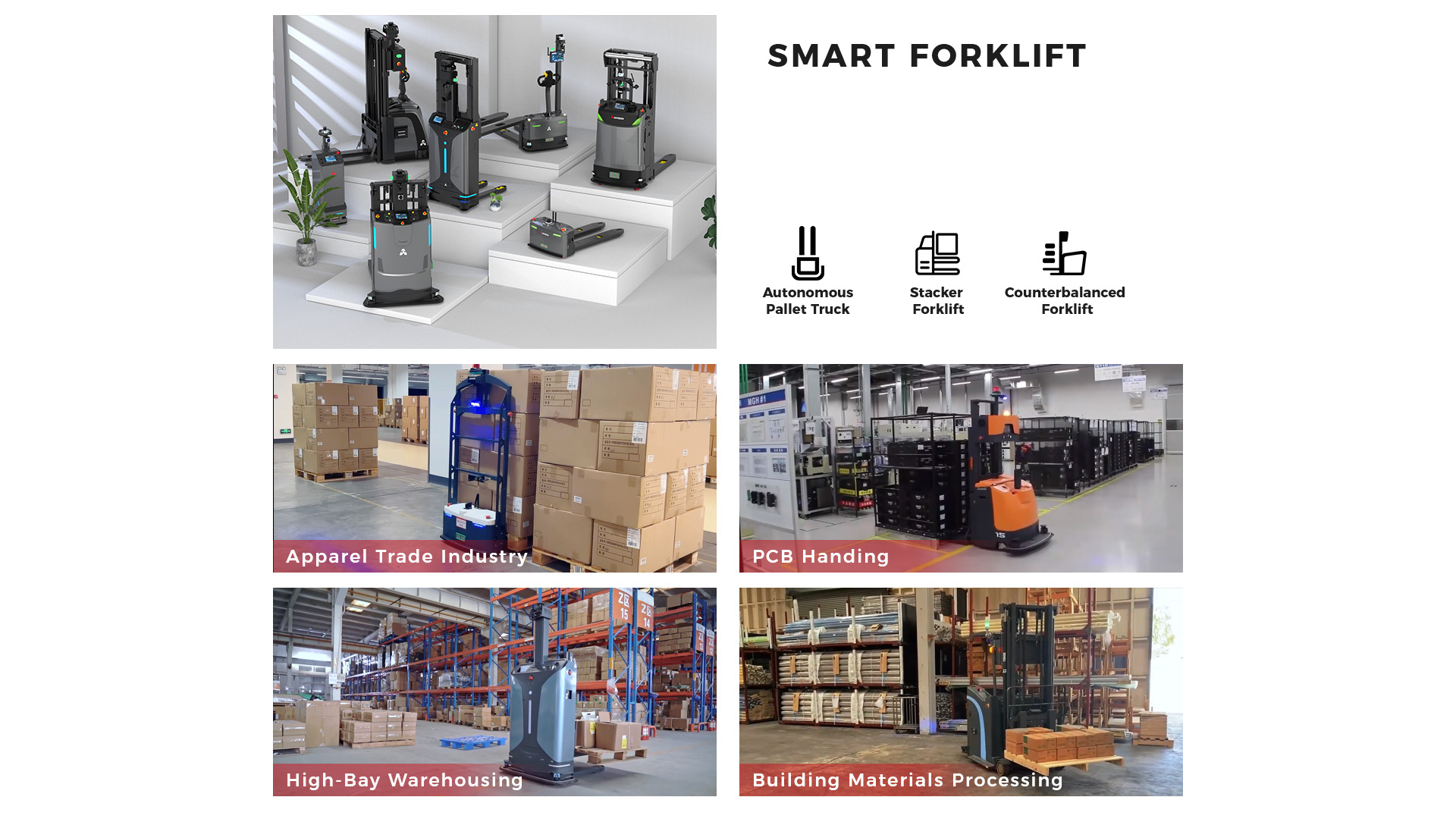
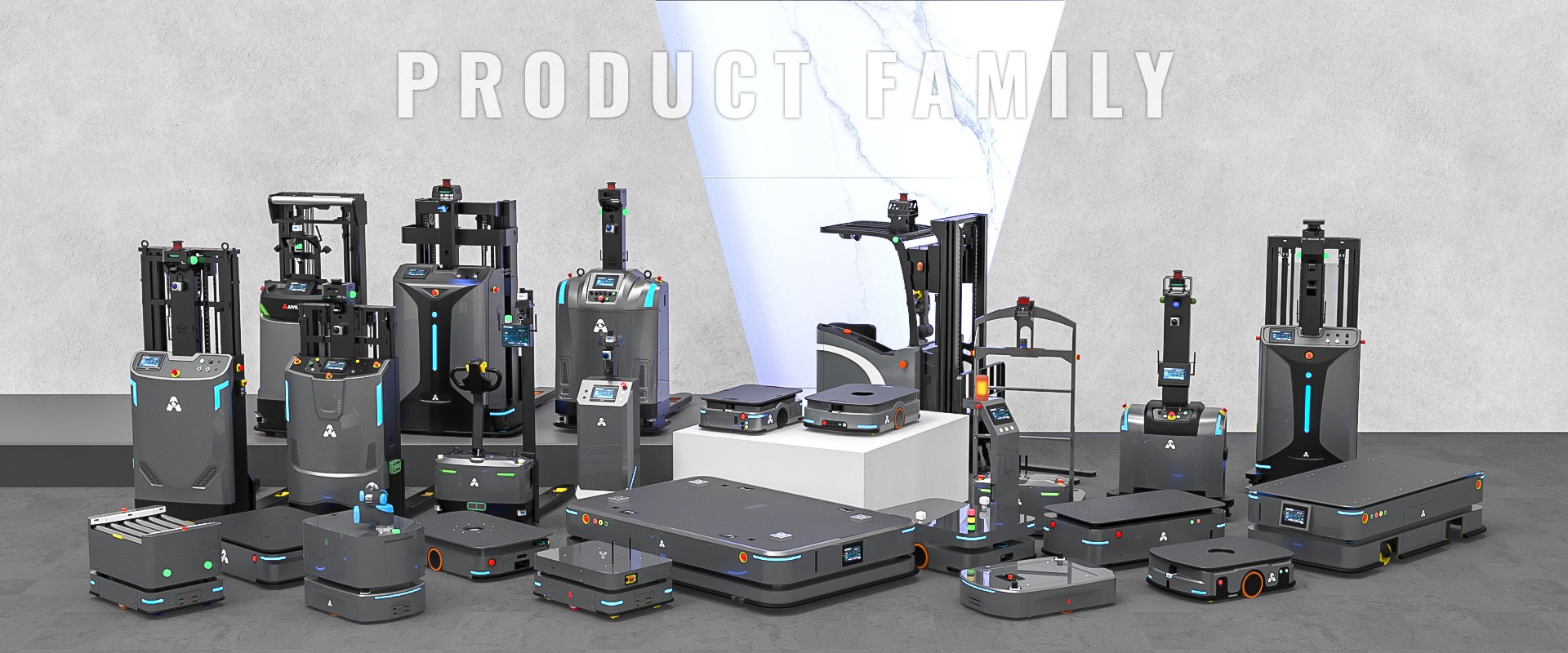
Shenzhen Marnix Intelligent Technology Co., Ltd. designs and manufactures laser SLAM autonomous mobile robots, jacking robots, smart forklifts, composite mobile robots and compatible charging docks for factories and system integrators worldwide. Its work spans semiconductor, 3C electronics, lithium battery, photovoltaic, automotive parts, PCB, textile and medical device applications.

For charging dock procurement, this cross-industry experience is useful because the same dock must often satisfy different constraints: cleanroom traffic, high-shelf storage, multi-shift battery duty, line-side handover and integrator-specific electrical interfaces. The company's robots are coordinated by an intelligent scheduling system over indoor Wi-Fi, enabling simultaneous task assignment, traffic control and automatic charging with compatible smart charging docks.

Quality is supported by multi-stage intelligent inspections and operational stress testing before shipment. The company is also verified through an onsite TÜV Rheinland supplier assessment and maintains trade records and credit information for buyers who require independent evidence before awarding a project.

Applications

Where Intelligent Charging Infrastructure Creates Measurable Value

Charging docks should be evaluated in the context of the application, not as a standalone electrical component. The same fleet availability target can require very different layouts in a warehouse, cleanroom or production line.

AGV and AMR fleet operating in a warehouse with intelligent charging docks

Warehouse and High-Shelf Logistics

In warehouses, charging infrastructure influences travel distance, aisle congestion and the number of robots required for peak throughput. Distributed opportunity charging can help, but only when approach zones are protected from pallet traffic and manual equipment.

  • Traffic-aware placement: keep charging lanes separate from high-speed transport aisles.
  • Queue control: define how robots wait for a dock without blocking pick or pack zones.
  • Availability measurement: track docking success, wait time and energy per mission after go-live.
AGV and AMR charging infrastructure integrated with production line material flow

Production-Line and Cleanroom Material Flow

Production environments often require tighter docking, controlled approach paths and documented service procedures. Where ±5 mm is sufficient, standard laser SLAM can reduce floor preparation. Where connectors or line-side equipment demand tighter alignment, QR assistance can be specified only at the stations that require it.

  • Precision by exception: use QR assistance at critical stations rather than across the entire floor.
  • Equipment handover: align charging windows with machine cycles and conveyor interfaces.
  • Service access: keep enough clearance for inspection, cleaning and spare-parts replacement.
Buyer Checklist

What to Prepare Before Requesting an Intelligent Charging Dock Quotation

Complete inputs shorten engineering review and make supplier proposals easier to compare. Use this checklist to brief internal operations, electrical, safety and IT teams before contacting a manufacturer.

01

Fleet Energy Profile

Robot types, battery voltage, battery capacity, typical energy consumption per shift, operating hours and peak mission periods. Include whether opportunity charging is permitted or whether charging must occur only during breaks.

02

Site Layout and Traffic Flow

A CAD drawing or sketch showing aisle widths, doors, slopes, fire exits, staging areas, crossing points and intended charging positions. Note any mixed traffic with people, forklifts or manual carts.

03

Docking Interface Requirements

Connector type, approach direction, clearance, contact height, tolerance and whether the dock must interface with existing equipment. State where ±5 mm is acceptable and where ±2 mm QR assistance or custom alignment is needed.

04

Electrical and Safety Scope

Available power, distance to distribution panels, cable routing, protection requirements, emergency stop behavior, thermal monitoring and lockout procedures. Confirm which party is responsible for civil work and electrical installation.

05

Fleet Software and Integration

Existing fleet management system, communication protocol, data points required from the dock, queueing logic and reporting needs. Identify whether the project requires an API, digital I/O, status lamps or manual override.

06

Service, Spares and Scale-Up Plan

Target commissioning date, pilot scope, expansion phases, spare-parts expectations, documentation language and remote support requirements. A clear scale-up plan helps avoid replacing infrastructure after the first fleet expansion.

FAQ

Common Questions About Intelligent Charging Dock for AGV and AMR Fleets

Practical answers for procurement teams, system integrators and operations managers. For project-specific guidance, write to info@marnixbot.com.

What is an intelligent charging dock for AGV and AMR fleets?

It is autonomous charging infrastructure that allows AGV and AMR fleets to dock, recharge and return to work with limited manual intervention. A well-designed dock combines repeatable mechanical alignment, electrical protection, charging handshakes, fault reporting and integration with fleet scheduling software.

How do I choose the right charging strategy?

Compare opportunity charging, end-of-shift charging and buffer charging against your mission profile. Opportunity charging can reduce battery capacity and empty travel, but it increases the number of docking events. End-of-shift charging is simpler but may reduce availability. The final decision should be tested against peak throughput, travel distance and queue tolerance.

What docking accuracy should buyers specify for autonomous charging?

Laser SLAM navigation at about ±5 mm is sufficient for many fleet charging positions. Where charging contacts, line-side equipment or high-shelf handovers demand tighter alignment, QR-assisted docking can reach about ±2 mm. Composite robots using a 6-axis arm can reach ±0.05 mm repeatability, but charging docks should be specified according to connector tolerance, cycle time and safety requirements rather than accuracy alone.

How many charging docks are required for an AGV or AMR fleet?

The number depends on daily energy demand, battery capacity, charging rate, shift pattern, mission profile, queue tolerance and whether opportunity charging is allowed. Model peak concurrent charging demand, dock throughput and travel distance to the dock, then validate the result during a pilot in the real traffic environment.

Can one charging dock support mixed AGV and AMR fleets?

It can, provided the mechanical interface, voltage, current, communication protocol, safety logic and fleet controller integration are agreed in advance. Integrators should confirm whether the dock is dedicated to one robot platform or engineered as a custom interface for multiple robot types.

What site preparation is needed before installing a charging dock?

Buyers should review floor flatness, approach clearance, cable routing, power capacity, ventilation, fire safety, thermal management, network coverage and traffic flow. For brownfield sites, a site survey helps avoid hidden costs such as floor repair, electrical upgrades or blocked fire exits.

How can a buyer evaluate an intelligent charging dock supplier?

Evaluate manufacturing experience, installed fleet evidence, docking trial results, safety documentation, customization capability, spare-parts support and software integration. Shenzhen Marnix Intelligent Technology Co., Ltd. provides manufacturer-level customization and can review robot payload, route layout, charging strategy and interface requirements. Contact info@marnixbot.com for an evaluation.

How do I request a charging dock quotation?

Send info@marnixbot.com a description of your fleet size, robot types, battery voltage, operating schedule, site layout, docking accuracy, existing fleet software and target installation date. A clear brief helps the engineering team recommend a charging dock configuration and identify any site preparation required.
Ready to Specify a Charging Dock for Your AGV and AMR Fleet?

Share your fleet size, site layout, docking tolerance and shift pattern. Our engineering team will help you evaluate the right charging strategy and configuration.

info@marnixbot.com