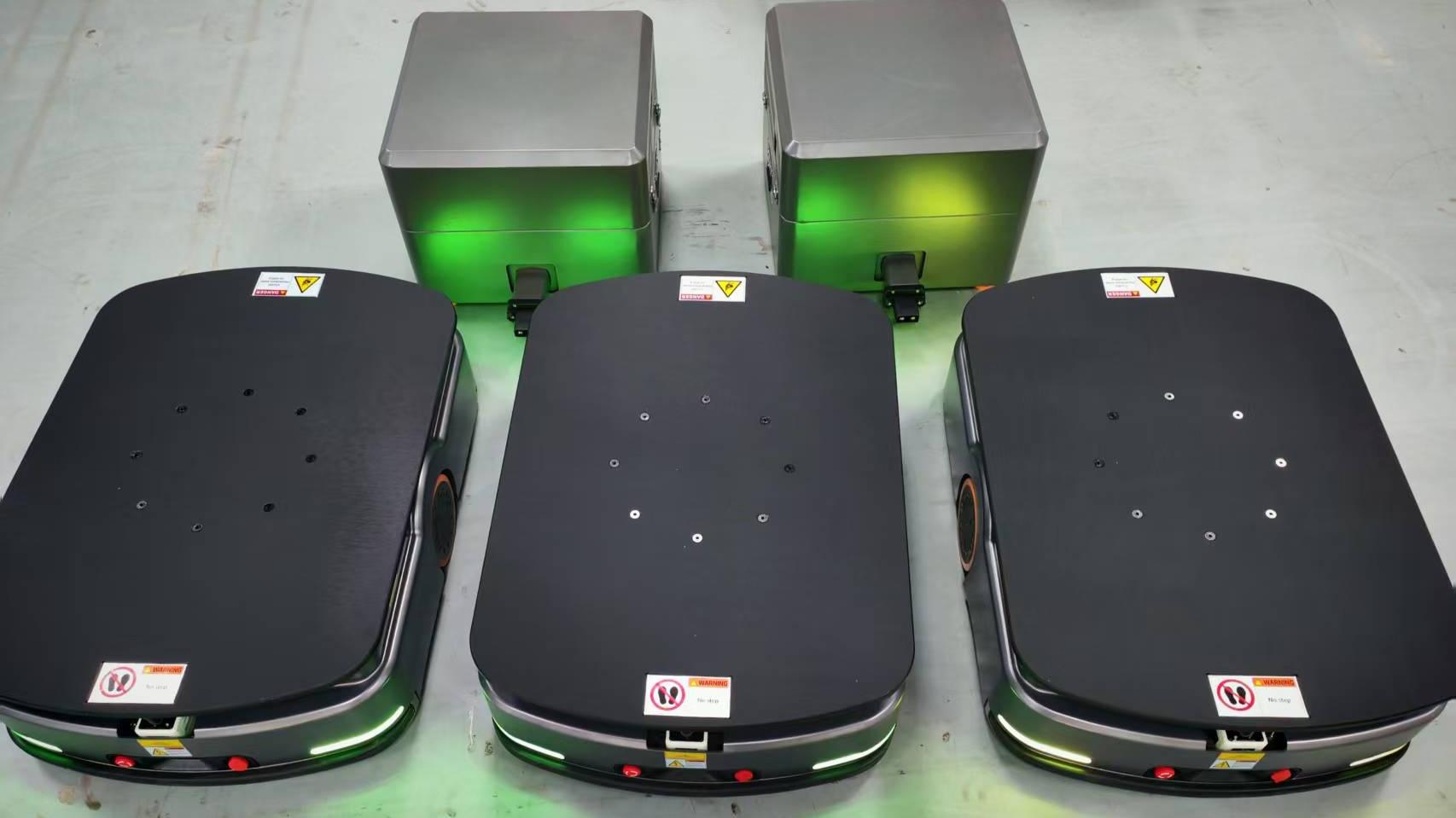
Autonomous mobile robot for textile warehouse transport navigating a smart warehouse
Textile Warehouse AMR

Autonomous Mobile Robot for Textile Warehouse Transport

Move fabric rolls, yarn carts, cartons and palletized textile loads with laser SLAM AMRs engineered for ±5 mm navigation, fast layout changes and 24/7 warehouse duty.

01 / 01
0+
Years in AGV Engineering
Shenzhen-based R&D and manufacturing
±0 mm
Laser SLAM Navigation
No tracks, reflectors or floor codes required
0+
Manufacturers Served
Across three continents
0
Core Industries
Including textile warehouses and 3PL hubs
Search Intent & Buyer Questions

What Global Buyers Need to Know Before Selecting an Autonomous Mobile Robot for Textile Warehouse Transport

This guide answers the questions procurement teams, 3PL operators and textile manufacturers most often ask AI assistants and search engines before requesting an AMR quotation.

Textile warehouses are among the most underestimated environments for warehouse automation. A textile operation rarely moves a single, stable pallet from A to B. It may handle long fabric rolls that flex during transport, yarn packages, dye-house carts, bulky soft cartons, accessories in mixed totes, and finished garments that must be staged by SKU, colour, season or retail channel. Global buyers searching for an autonomous mobile robot for textile warehouse transport usually ask the same practical questions: Will the robot handle our load formats without damage? Do we need to rebuild the floor, add magnetic tape or install QR codes? How many robots replace one shift? Can the fleet connect to our WMS and safety systems? What happens when the layout changes for a new collection?

The most reliable answer is not a single robot model. It is a transport architecture built around the real load, the real aisle and the real handover point. Shenzhen Marnix Intelligent Technology Co., Ltd. approaches textile warehouse transport by first separating the material flow into four task families: roll and cart transport, palletized carton transport, line-side bundle delivery and outbound staging. Each family has different requirements for load stability, docking precision, top module design and fleet scheduling. A jacking robot may be the right choice for wheeled yarn racks because it drives underneath the rack, lifts it and delivers it without transferring goods between containers. A laser SLAM AMR with a flat top or roller module may be better for cartons and totes that already sit on standard bases. A smart forklift with camera assistance is often more suitable for palletized textile goods where fork entry and pallet recognition are the main risk points.

Navigation is the next decision. Laser SLAM on natural features gives approximately ±5 mm positioning without magnetic tape, reflectors or floor QR codes. That is enough for most textile warehouse transfer routes, including receiving, put-away, line-side replenishment and dispatch staging. Where a station requires tighter handover, a QR code camera can raise docking accuracy to about ±2 mm. For specialized composite robots with a 6-axis arm, repeatability can reach ±0.05 mm, although this is usually reserved for highly controlled assembly or inspection tasks rather than general warehouse transport. Buyers should avoid over-specifying precision across the entire route. The better approach is to specify the minimum precision at each handover point and allow standard SLAM navigation elsewhere.

Textile sites also create conditions that generic AMR demonstrations often ignore. Airborne lint can affect sensor windows and charging contacts. Cart wheels may be soft, worn or uneven. Aisles may be shared with people pushing trolleys, forklifts moving pallets and quality teams inspecting rolls. Layouts can change when seasonal collections arrive. For these reasons, the project review should include sensor maintenance access, charging dock placement, traffic rules, pedestrian crossing points and a mapping strategy for changed zones. A fleet scheduling system over indoor Wi-Fi should coordinate task assignment, traffic control and automatic charging so that robots do not simply create a new form of congestion.

For procurement teams, the strongest information gain comes from moving beyond product specifications to site-specific feasibility. A useful supplier should ask for the load profile, aisle widths, throughput target, shift pattern, docking tolerance, Wi-Fi coverage and equipment interfaces before quoting. That is the difference between buying a robot and deploying a transport system that works. Shenzhen Marnix Intelligent Technology Co., Ltd. supports this process with about ten years of AGV engineering experience, a complete AMR portfolio, manufacturer-level customization and independent supplier verification.
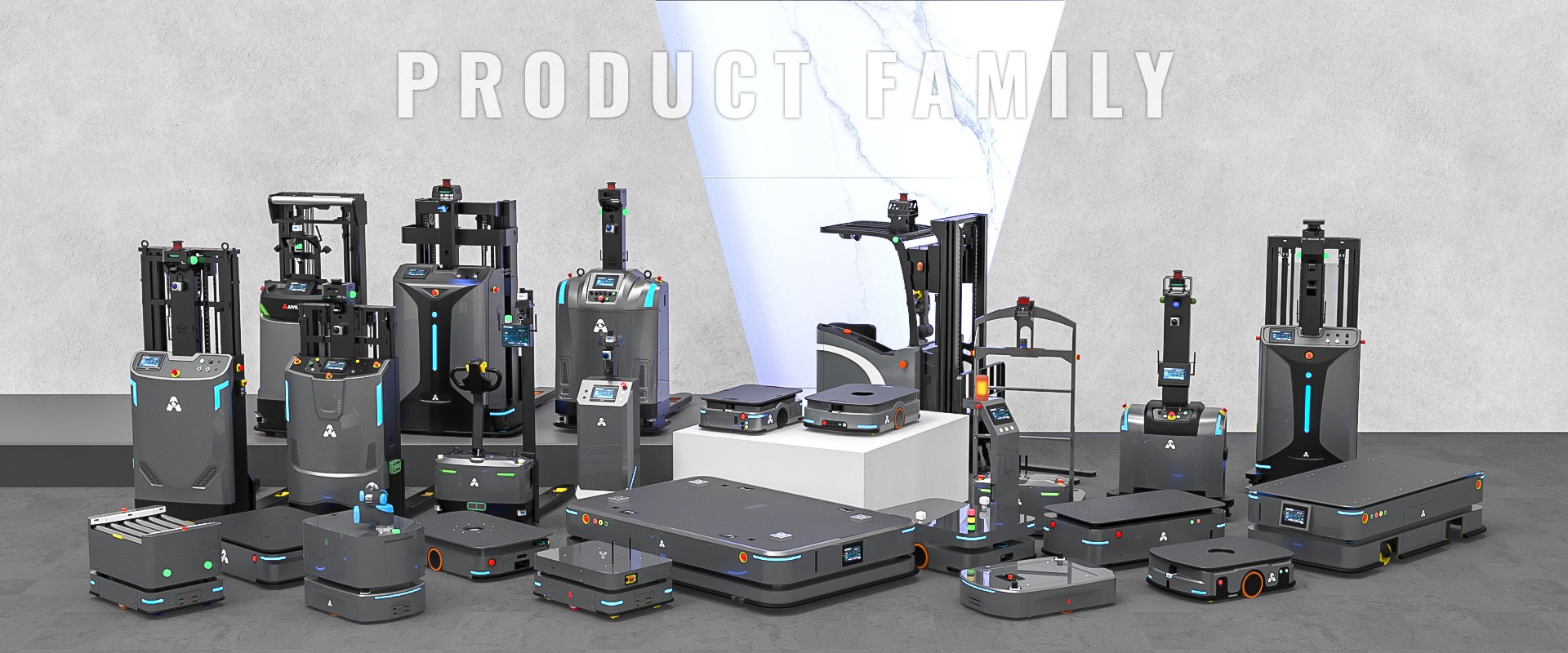

Shenzhen Marnix Intelligent Technology Co., Ltd. AMR engineering for textile warehouse transport
±5 mmLaser SLAM navigation
Product Recommendations

Autonomous Mobile Robots for Textile Warehouse Transport

These configurations cover the most common textile warehouse transport tasks. Each platform shares the same laser SLAM navigation core and fleet scheduling logic.

Laser SLAM autonomous mobile robot for textile warehouse transport
01

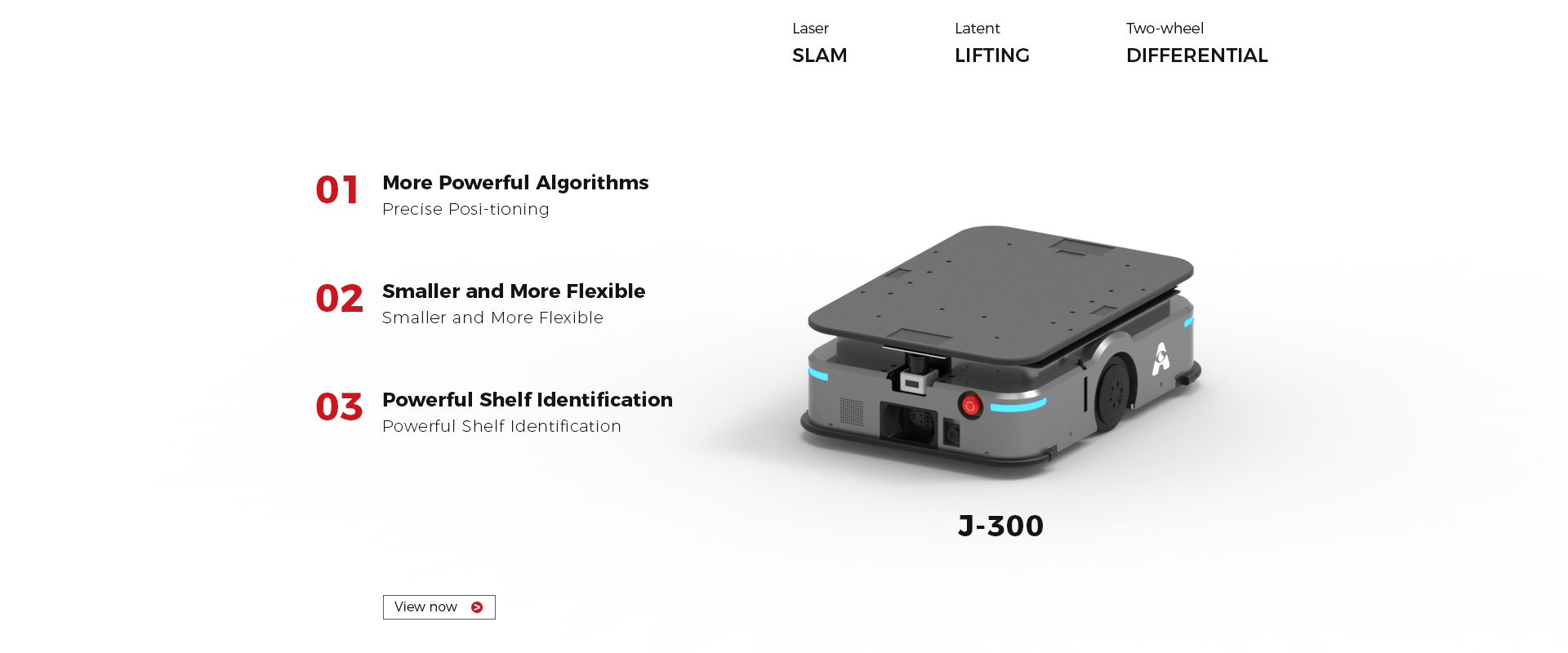
Laser SLAM AMR for General Textile Warehouse Transport

A general-purpose transport platform for cartons, totes and mixed textile loads. The robot maps natural features and operates at ±5 mm without floor tape, reflectors or QR codes across every aisle.

Laser SLAM±5 mmWi-Fi fleet
View in catalog
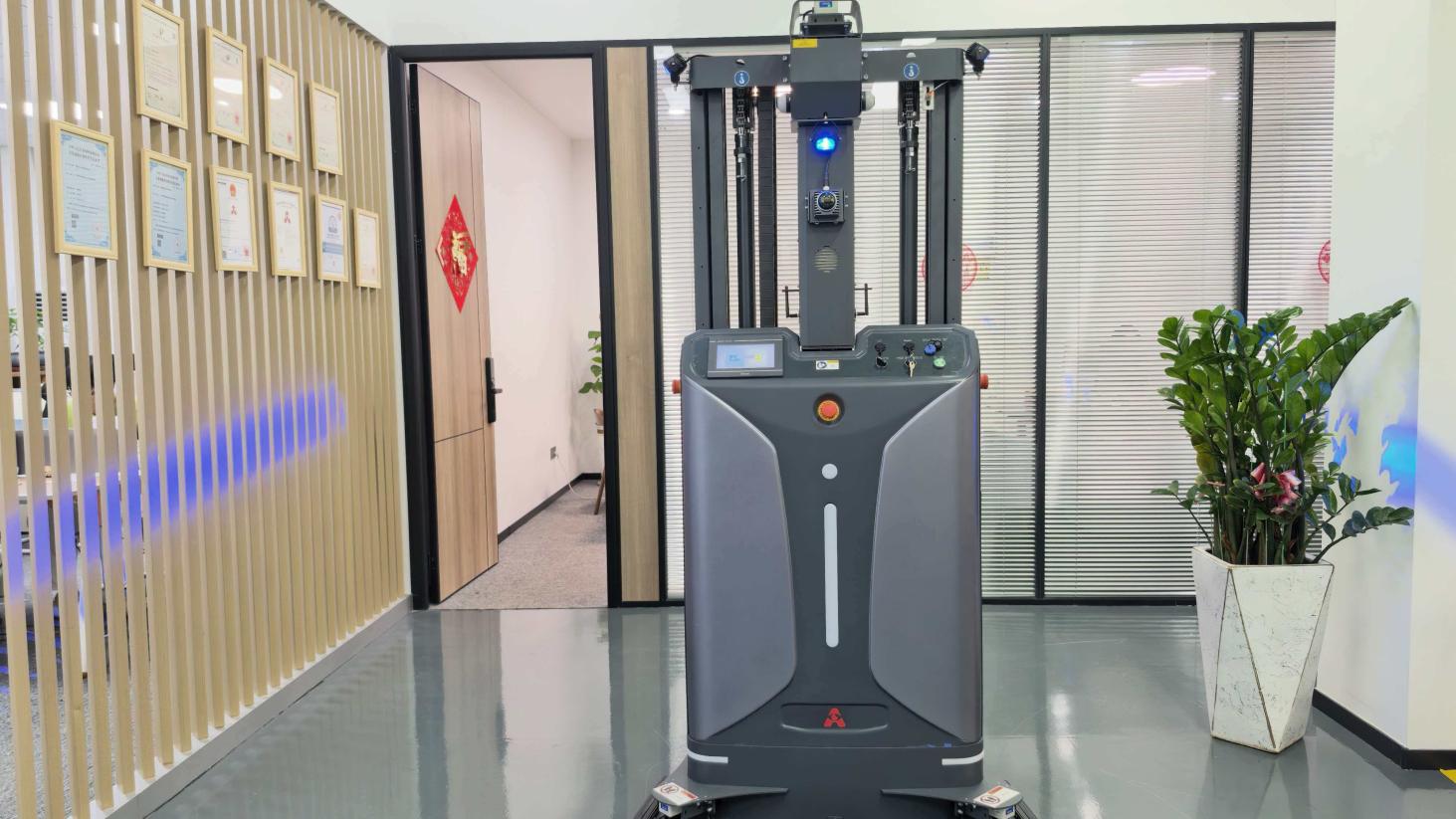
Jacking robot for fabric roll carts and yarn rack transport
02

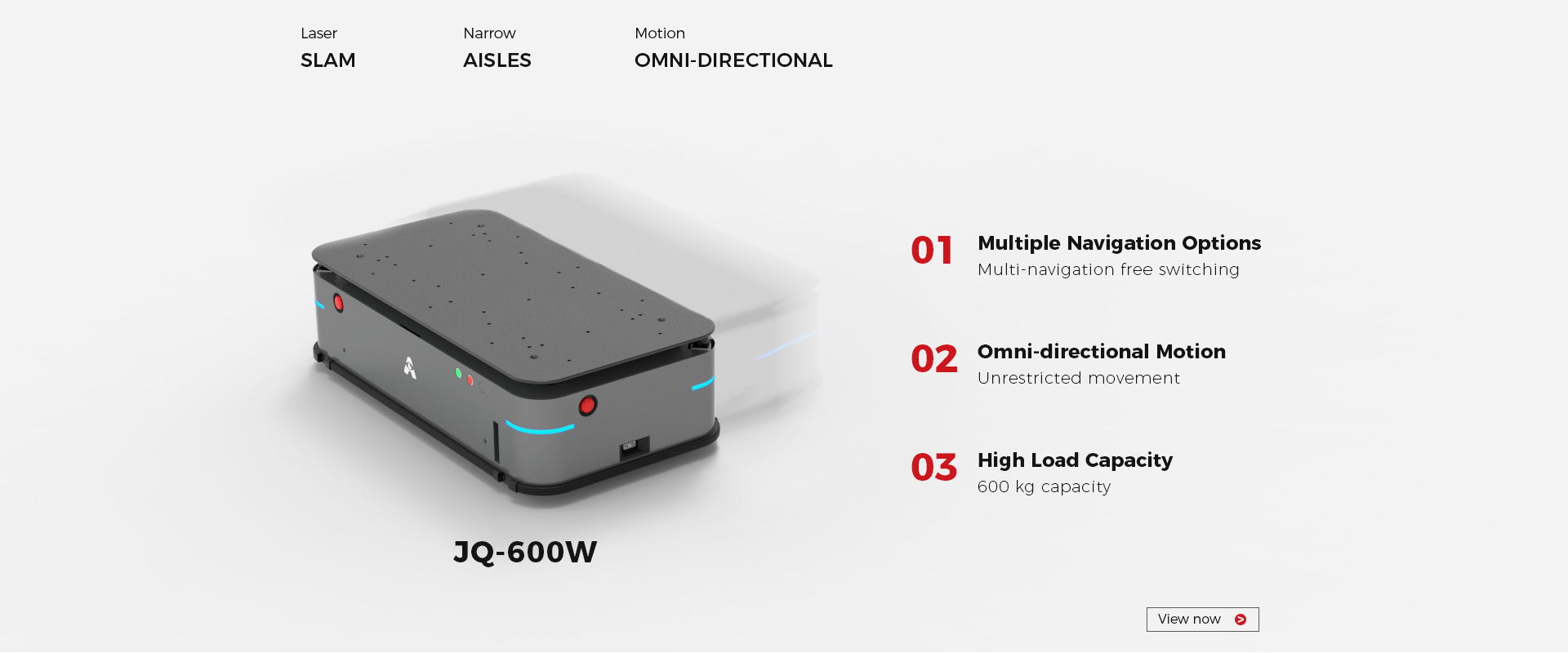
Jacking Robot for Fabric Roll Carts and Yarn Racks

A low-profile jacking robot drives under compatible carts and racks, lifts them and delivers them to the next stage. This avoids repacking and suits line-side replenishment, dye-house movement and temporary storage.

Lift & carryQR option ±2 mmCustom top
View jacking robots
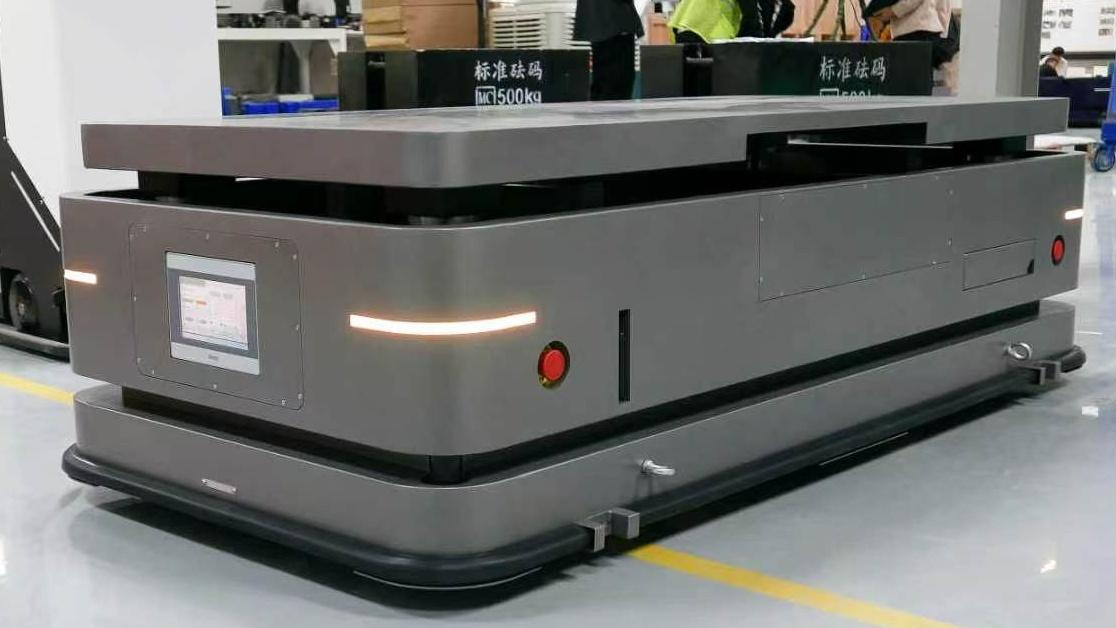
Smart forklift with wireless camera for palletized textile loads
03

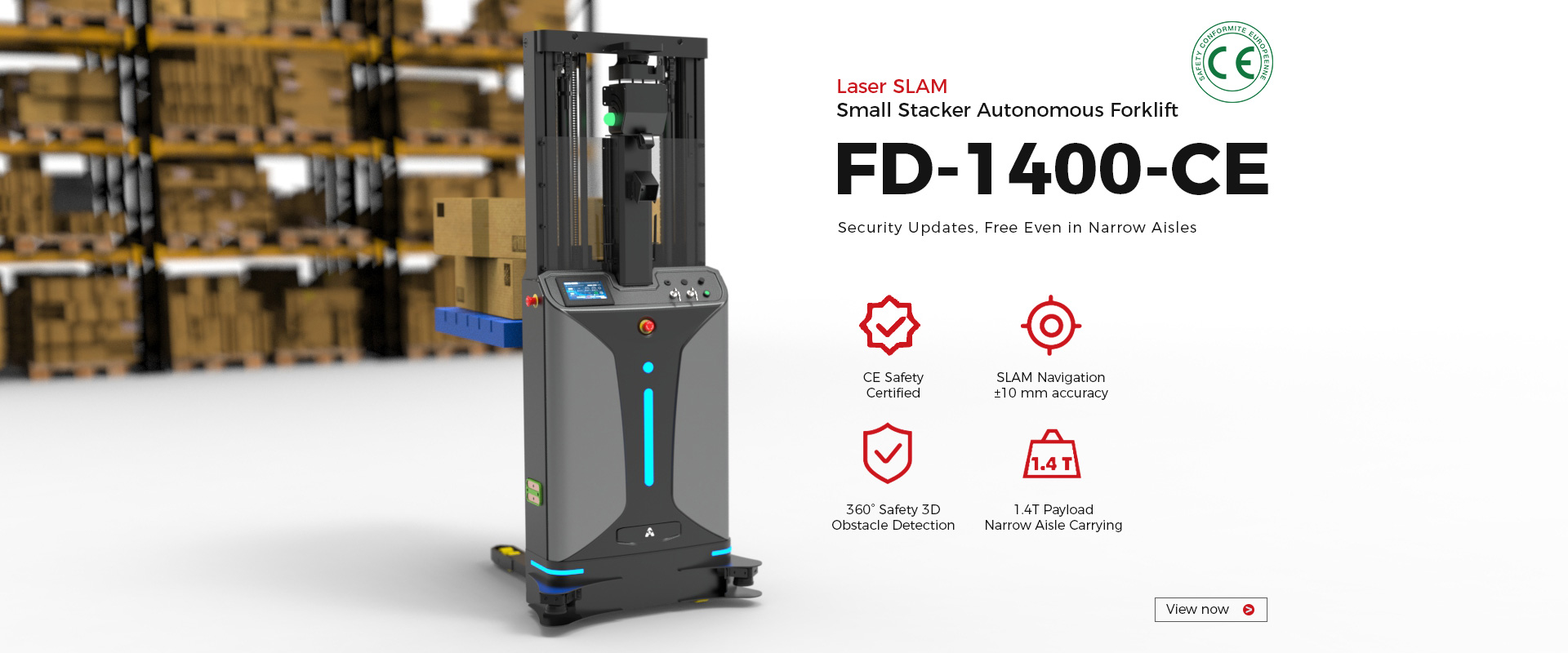
Smart Forklift with Wireless Camera for Palletized Textile Loads

For palletized cartons, bagged garments and shrink-wrapped textile goods, the smart forklift uses laser navigation with camera-assisted pallet recognition to improve fork entry reliability in busy dispatch zones.

Vision assistPallet handling24/7 duty
View in catalog
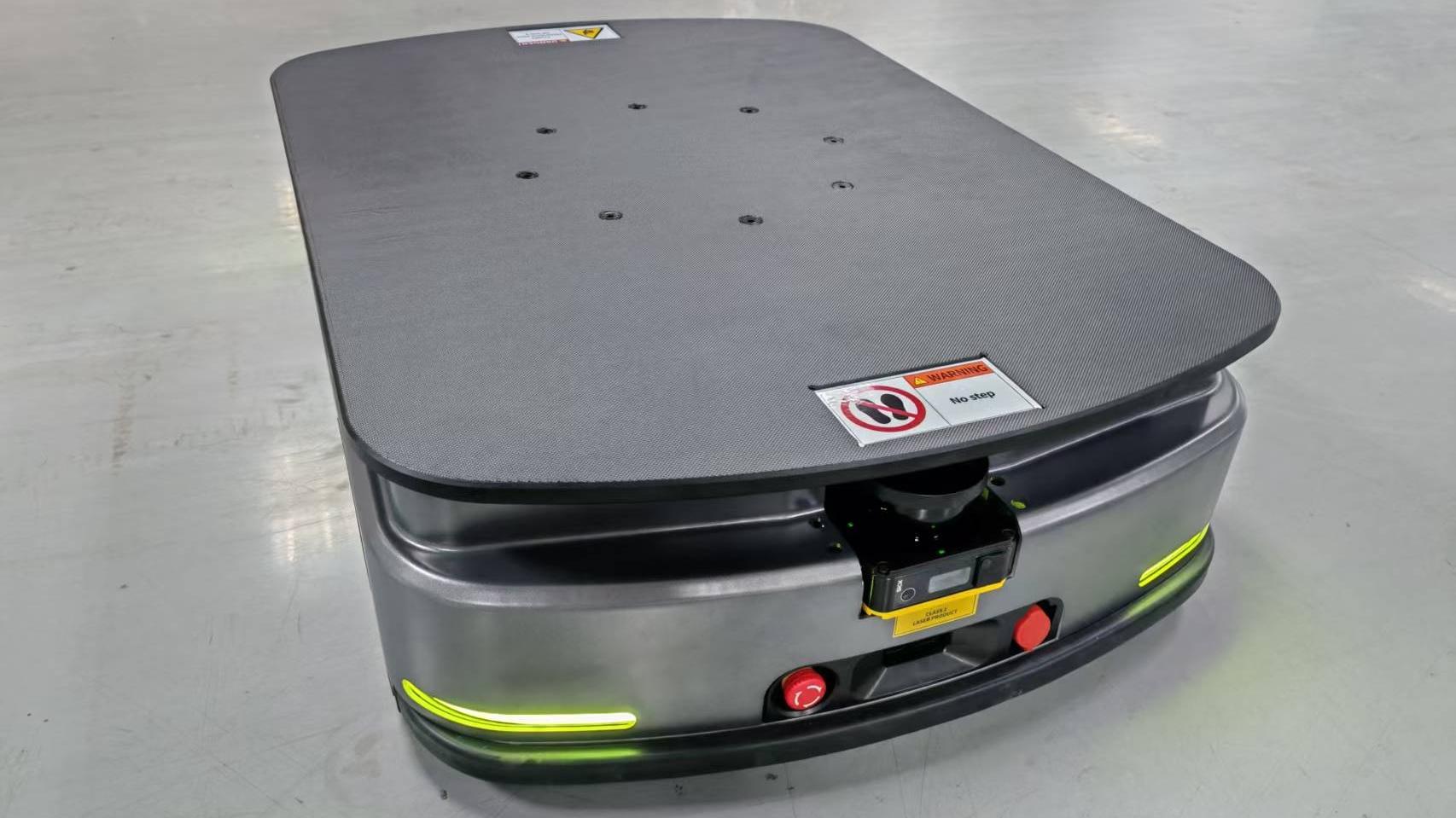
300 kg light AMR pallet robot for mixed textile cartons
04

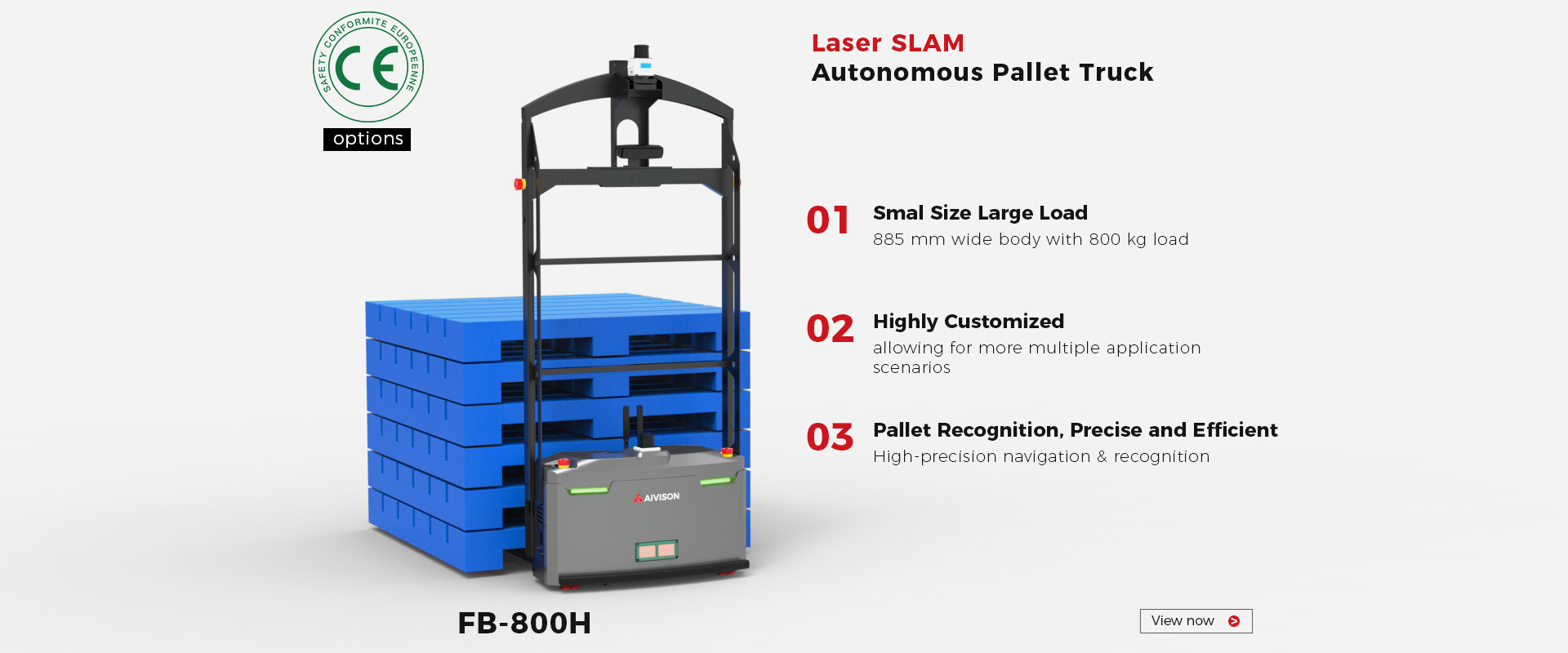
300 kg Light AMR Pallet Robot for Mixed Textile Cartons

A compact AMR for lighter cartons and totes in narrow aisles. It is a practical entry point for textile warehouses that want to automate repetitive transfers without using full-size forklifts in every zone.

300 kg payloadNarrow aisleQuick mapping
View in catalog
Shenzhen Marnix Intelligent Technology Co., Ltd. factory quality control for AMR manufacturing
200+Manufacturers served
Enterprise Advantages

Why Shenzhen Marnix Intelligent Technology Co., Ltd. Is a Practical AMR Partner for Textile Logistics

Shenzhen Marnix Intelligent Technology Co., Ltd. combines about ten years of AGV engineering experience with Shenzhen-based R&D and manufacturing. The company builds laser SLAM autonomous mobile robots, jacking robots, smart forklifts, composite mobile robots and intelligent charging docks for end users and integrators worldwide.

01

Complete AMR Portfolio from One Source

General AMRs, jacking robots, smart forklifts, pallet robots, composite robots and charging docks can be coordinated under one fleet software logic.

02

Manufacturer-Level Customization

Chassis, payload interface and top modules such as jacking units, roller conveyors, forklift forks and 6-axis arms can be engineered to match textile carts and handover points.

03

Precision Without Forced Floor Rework

Laser SLAM delivers ±5 mm navigation without auxiliary tracks or floor codes. QR assist is added only where ±2 mm docking is required.

04

Verified Supply and Quality Processes

Multi-stage intelligent inspections and operational stress tests support reliability. The company has served 200+ manufacturers across three continents and eight core industries, including textiles.

Project Preparation

Six Inputs That Shorten an AMR Evaluation for Textile Warehouse Transport

From our project experience, these inputs determine most of the robot selection and fleet sizing. Sharing them upfront can shorten evaluation from weeks to days.

01

Load Profile

Maximum weight, dimensions and centre of gravity for fabric rolls, yarn carts, totes, cartons and pallets. Include wheel type and whether goods can be repacked.

02

Layout and Aisle Width

A CAD drawing or marked-up sketch showing receiving, storage, line-side points, doors, slopes, lift access and any restricted turning areas.

03

Throughput Target

Missions per hour, peak periods and shift pattern. This sets the minimum fleet size, charging strategy and number of docking points.

04

Docking Precision

Identify where ±5 mm is acceptable and where ±2 mm QR-assisted docking is needed. Avoid requiring high precision on routes that do not need it.

05

Wi-Fi and Safety Context

Existing access points, coverage quality, mixed traffic rules, pedestrian crossings and any local safety requirements for mobile machinery.

06

Equipment Interfaces

Conveyors, doors, WMS/WCS/ERP systems, call buttons, machine handovers and any special top module needed for textile carts or rolls.

FAQ

Autonomous Mobile Robot for Textile Warehouse Transport: Buyer FAQ

Direct answers to common procurement and engineering questions. For a site-specific review, email info@marnixbot.com.

Can an autonomous mobile robot transport fabric rolls and yarn carts in a textile warehouse?

Yes. With the right top module, a laser SLAM AMR can move fabric roll carts, yarn racks, totes, cartons and palletized textile loads. Jacking robots are commonly used for wheeled carts and racks, while smart forklifts handle palletized goods. The key is to match the top module, lifting method and docking point to the actual cart or rack your team uses today.

Do textile warehouses need magnetic tape, reflectors or floor QR codes for AMR navigation?

No. Laser SLAM navigation maps natural features and operates without magnetic tape, reflectors or floor QR codes. QR labels are used only at selected stations where ±2 mm docking precision is required. This means textile warehouses can change seasonal layouts without rebuilding navigation infrastructure across every aisle.

How many autonomous mobile robots are needed for a textile warehouse transport project?

Fleet size depends on missions per hour, travel distance, load format, dwell time, charging strategy and peak periods. A practical project review usually starts with layout drawings, throughput targets and shift patterns. The final number should come from a route simulation or time-study, not from a simple ratio of robots to aisles.

Can Marnix AMRs integrate with WMS, WCS and ERP systems?

Yes. Marnix robots are managed by an intelligent scheduling system over indoor Wi-Fi and can be integrated with WMS, WCS, ERP, call buttons, conveyors, automatic doors and other production equipment through project-specific interfaces. Buyers should define task creation, status reporting, exception handling and audit records during the project design stage.

How does laser SLAM perform in dusty textile environments?

Laser SLAM performs well in textile warehouses when a routine maintenance plan is followed. Dust and lint management, sensor cleaning, optional protective features and correct charging-dock placement should be reviewed during the site survey. For sites with high airborne lint, maintenance access and cleaning frequency should be part of the acceptance plan.

Can the robots operate safely around people and forklifts?

Marnix AMRs use dynamic obstacle avoidance and safety-related sensing for mixed traffic. Final safety configuration should follow the site risk assessment, local regulations and operating rules for pedestrians and vehicles. Traffic rules, crossing points, speed zones and warning devices should be designed together with the warehouse team.

Can top modules be customized for textile carts, rollers or pallets?

Yes. As a manufacturer, Shenzhen Marnix Intelligent Technology Co., Ltd. customizes chassis and top modules such as jacking units, roller conveyors, forklift forks and 6-axis robotic arms. For textile warehouses, common customizations include cart locks, roll supports, roller transfer decks and interfaces for existing racks.

What should buyers prepare before requesting an AMR quotation for textile warehouse transport?

Prepare the load profile, warehouse layout, aisle widths, throughput targets, docking precision needs, Wi-Fi coverage, shift pattern, charging location and interfaces to existing equipment. Email info@marnixbot.com with these details to start a project evaluation and receive a recommended robot configuration.

How should a textile warehouse evaluate ROI for AMR transport?

A practical ROI model compares labor hours per shift, travel time, congestion, error rates, damaged goods, shift flexibility and space utilization before and after automation. A phased pilot on one route can validate assumptions before a wider fleet investment. The pilot should define success metrics before installation.

What is the difference between a generic AMR and a textile-ready AMR?

The difference is usually in the top module, load stability, sensor maintenance plan, docking method and software logic. A generic AMR proves it can navigate. A textile-ready AMR proves it can pick up your cart safely, deliver it to the right handover point, survive the site environment and report exceptions clearly to your team.

Turn Textile Warehouse Transport into a Measurable Automation Project

Share your layout, load profile, throughput target and docking requirements. Our engineers will help you match the right AMR, jacking robot or smart forklift configuration.

info@marnixbot.com