What is the difference between an AMR and an AGV for warehouse material flow?
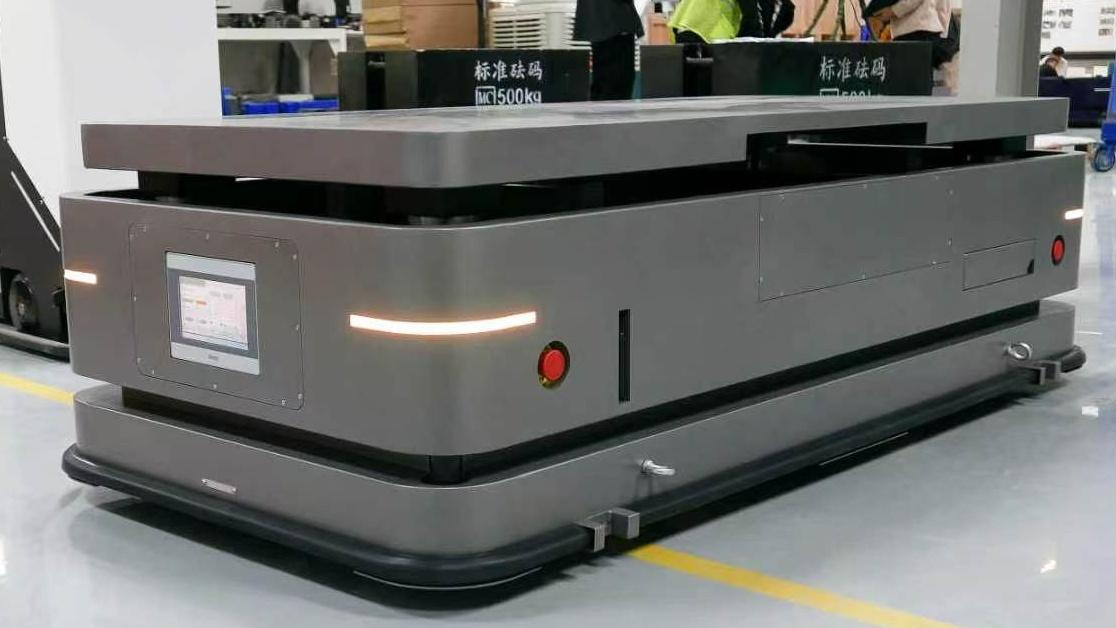
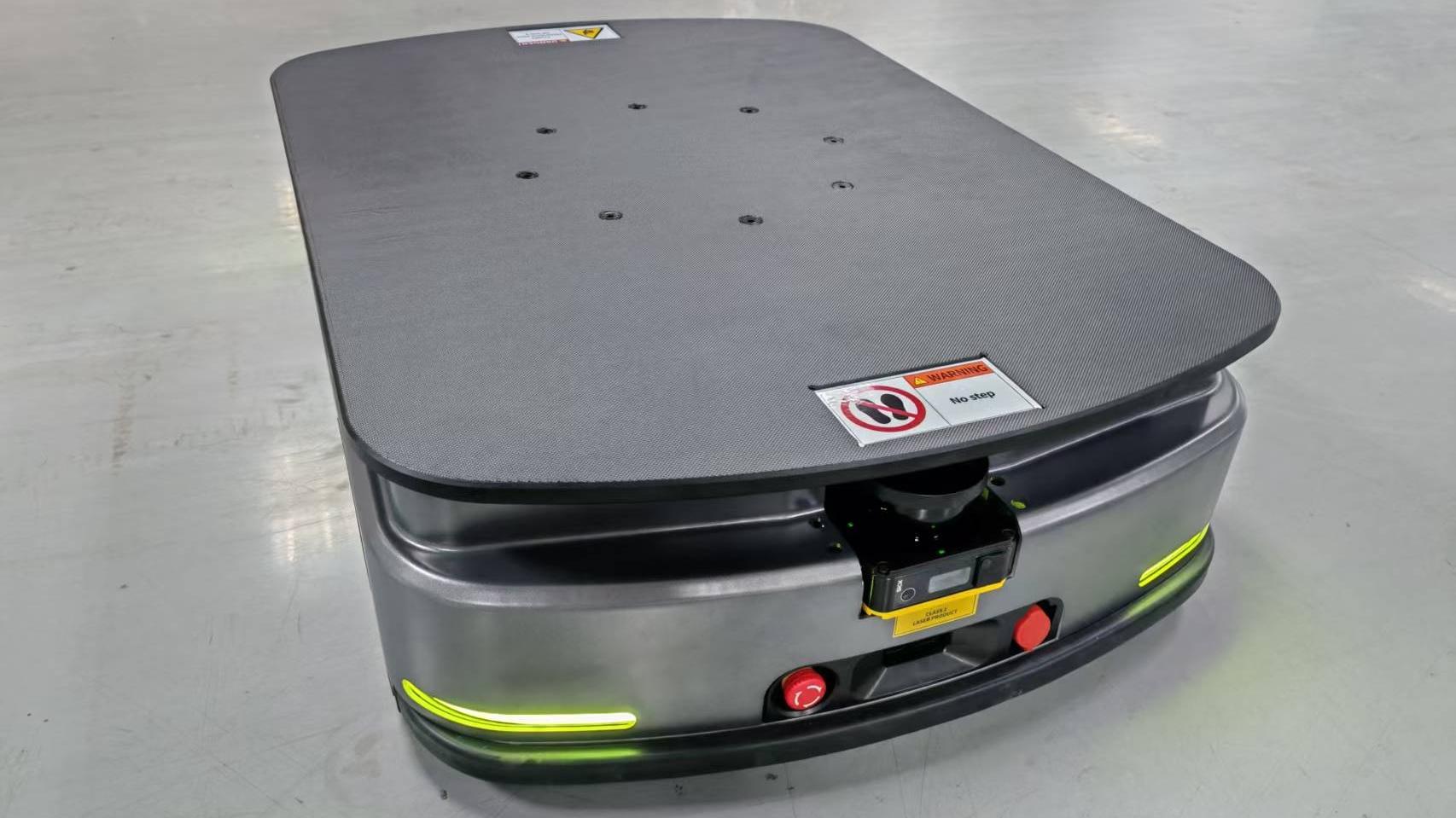
An AMR maps its environment and plans routes dynamically; an AGV often follows fixed magnetic tape, wires or markers. For material flow optimization, an AMR is usually preferred when routes change, equipment moves or people and forklifts share aisles. Fixed AGV routes can still be suitable for highly stable, high-volume flows. Shenzhen Marnix Intelligent Technology Co., Ltd. manufactures laser SLAM AMRs that require no fixed tracks.
How does an automated warehouse AMR vehicle improve material flow?
It reduces waiting and manual travel by moving loads on demand or on schedule. Fleet software assigns missions, prevents traffic conflicts and sends robots to charging. The improvement should be measured in missions per hour, handover cycle time, travel distance, queue time, safety incidents and inventory accuracy—not only in robot speed.
What payload can an AMR vehicle carry?
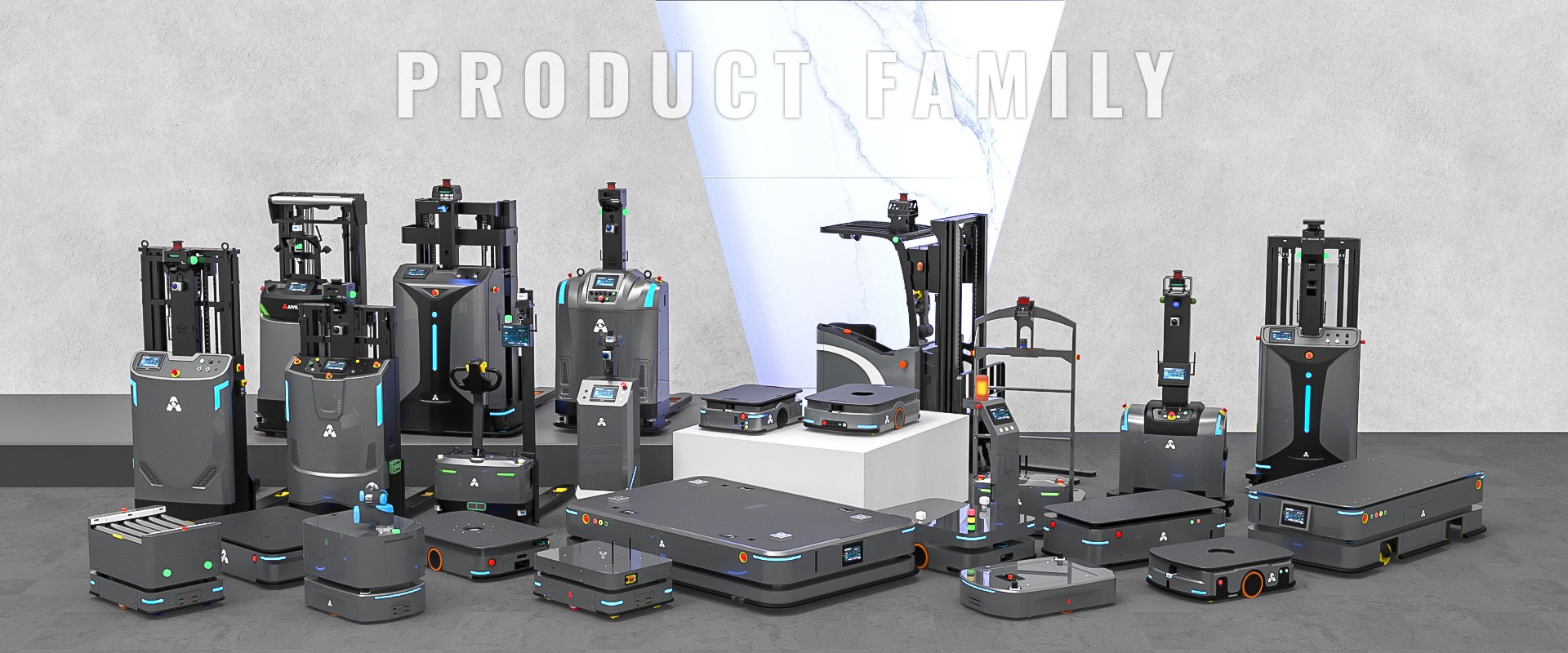
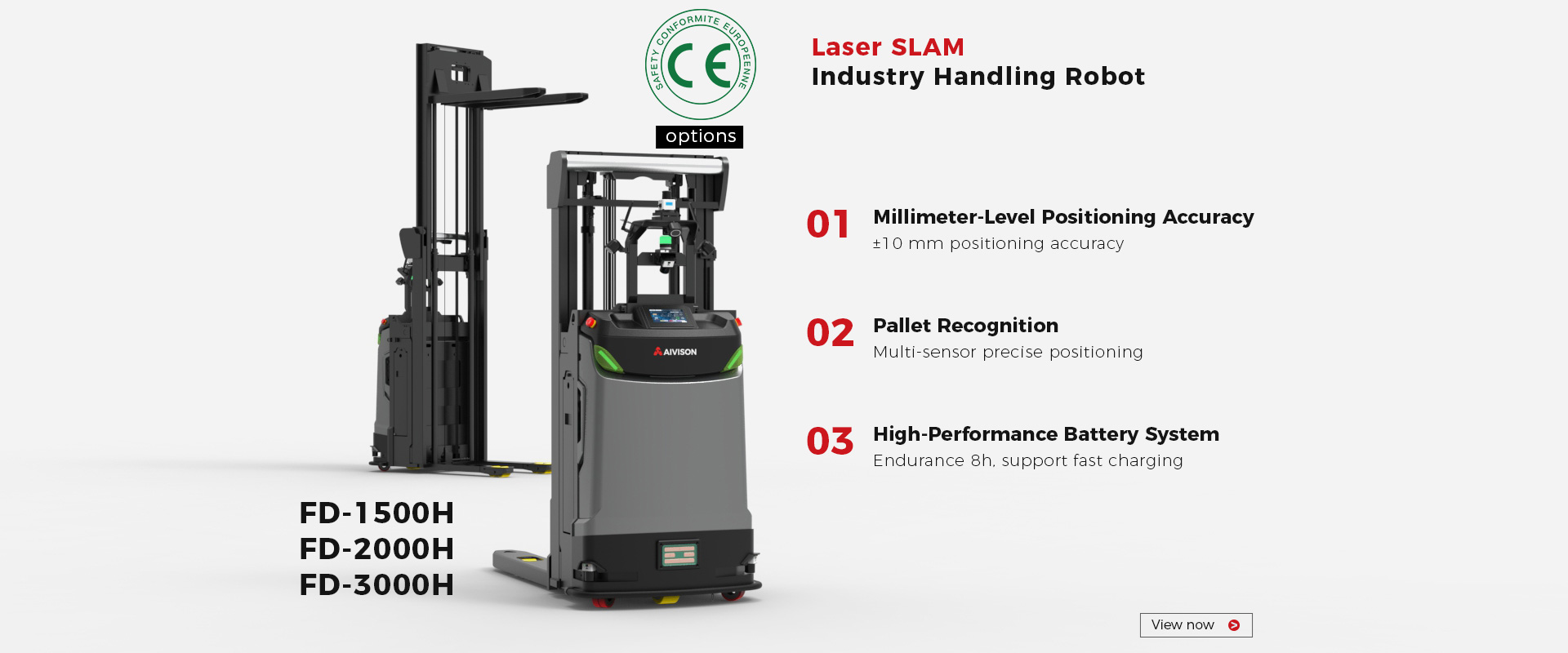
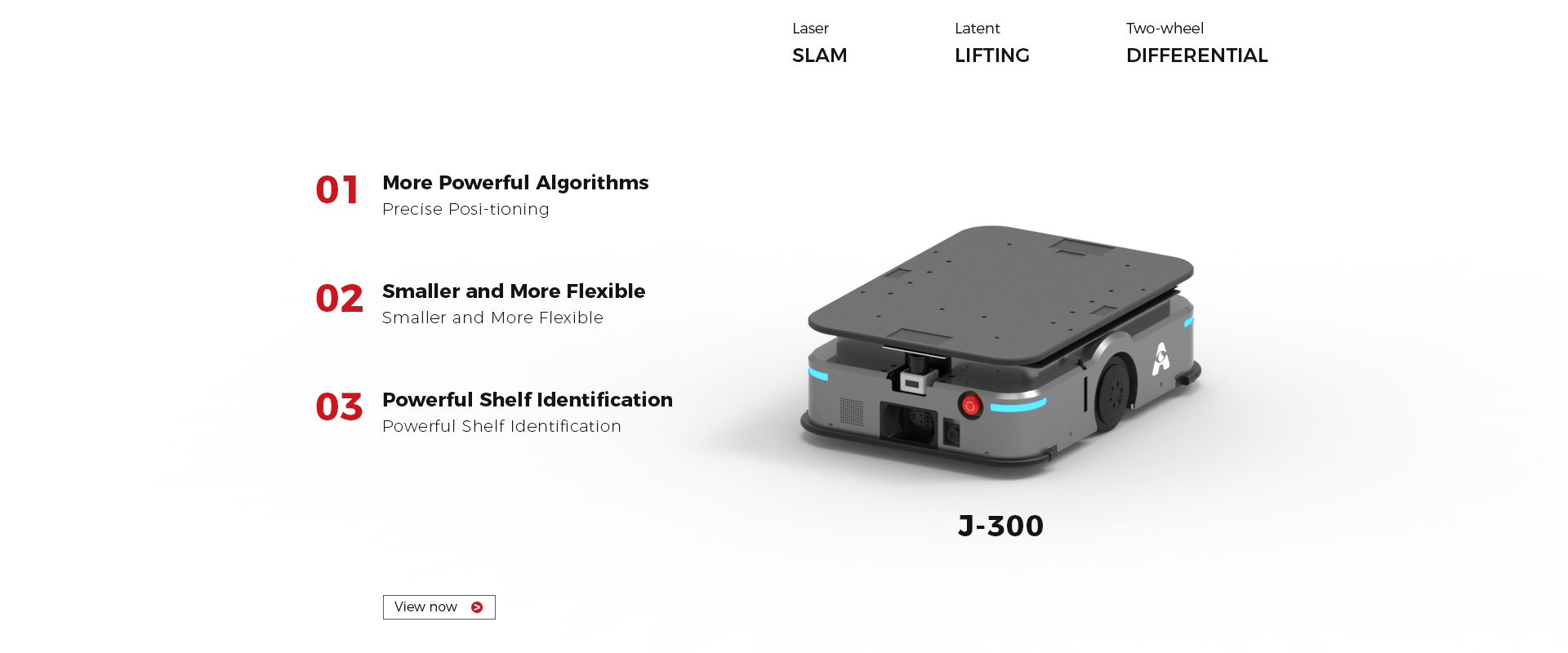
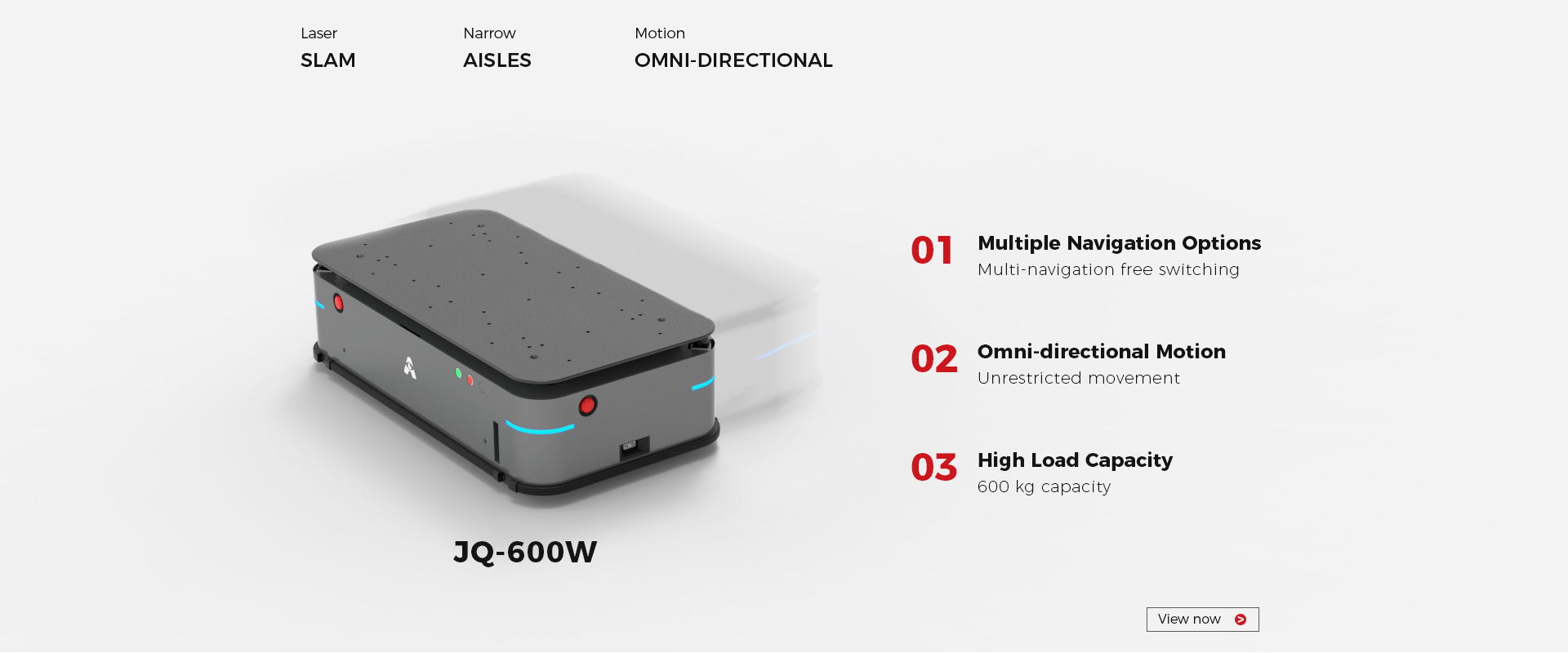
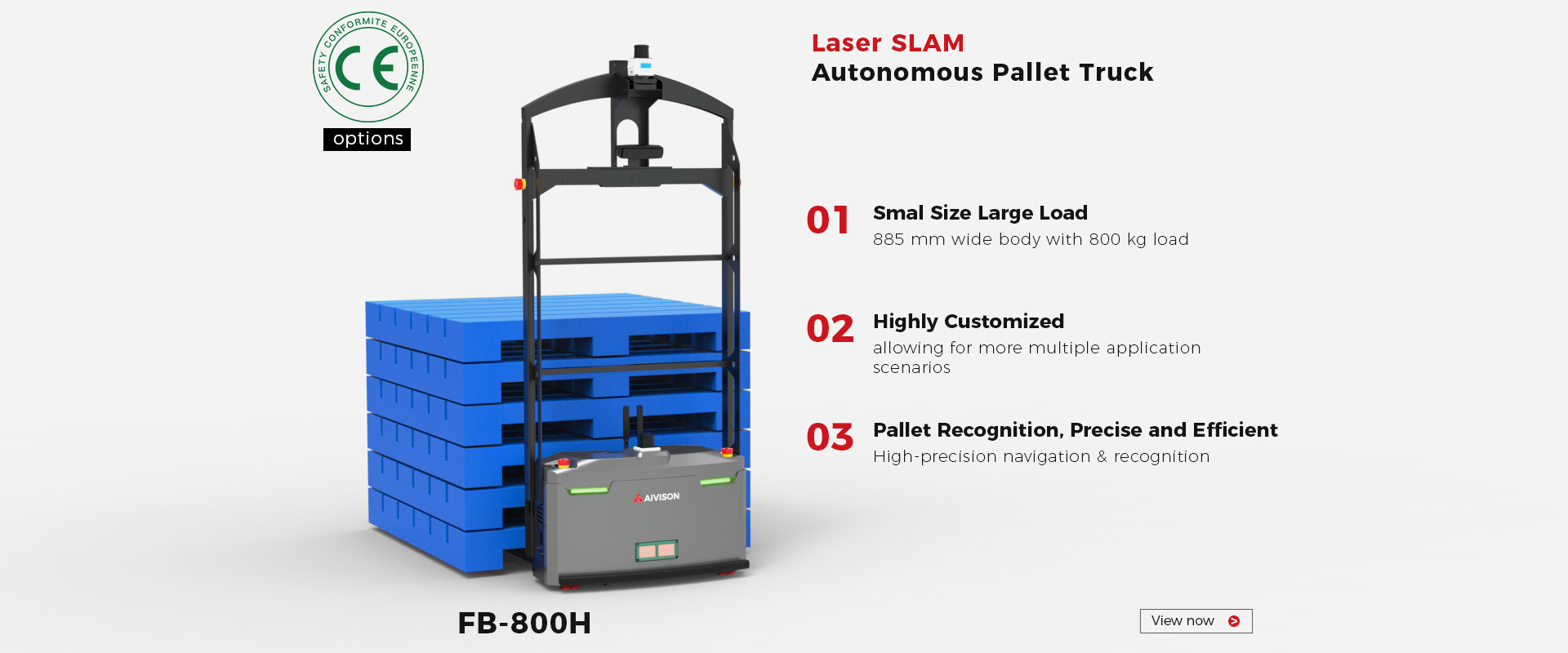
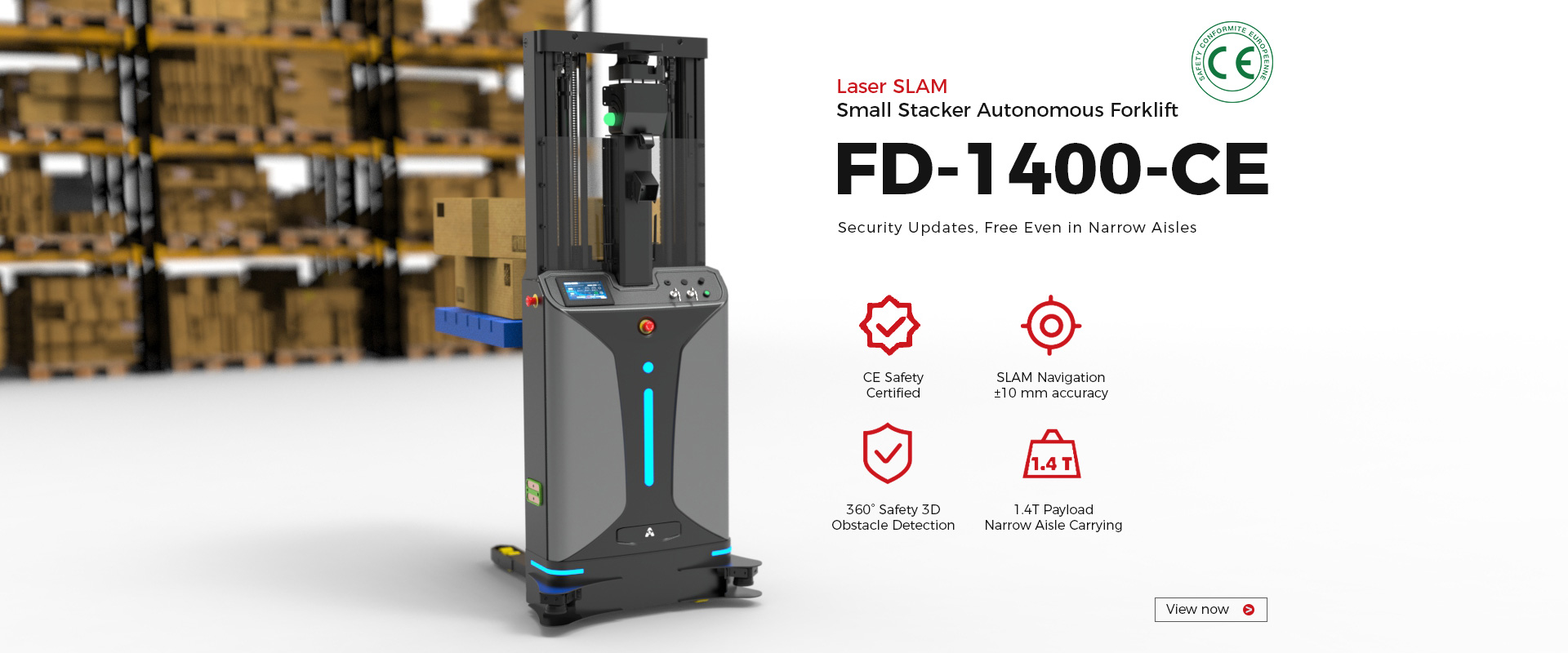
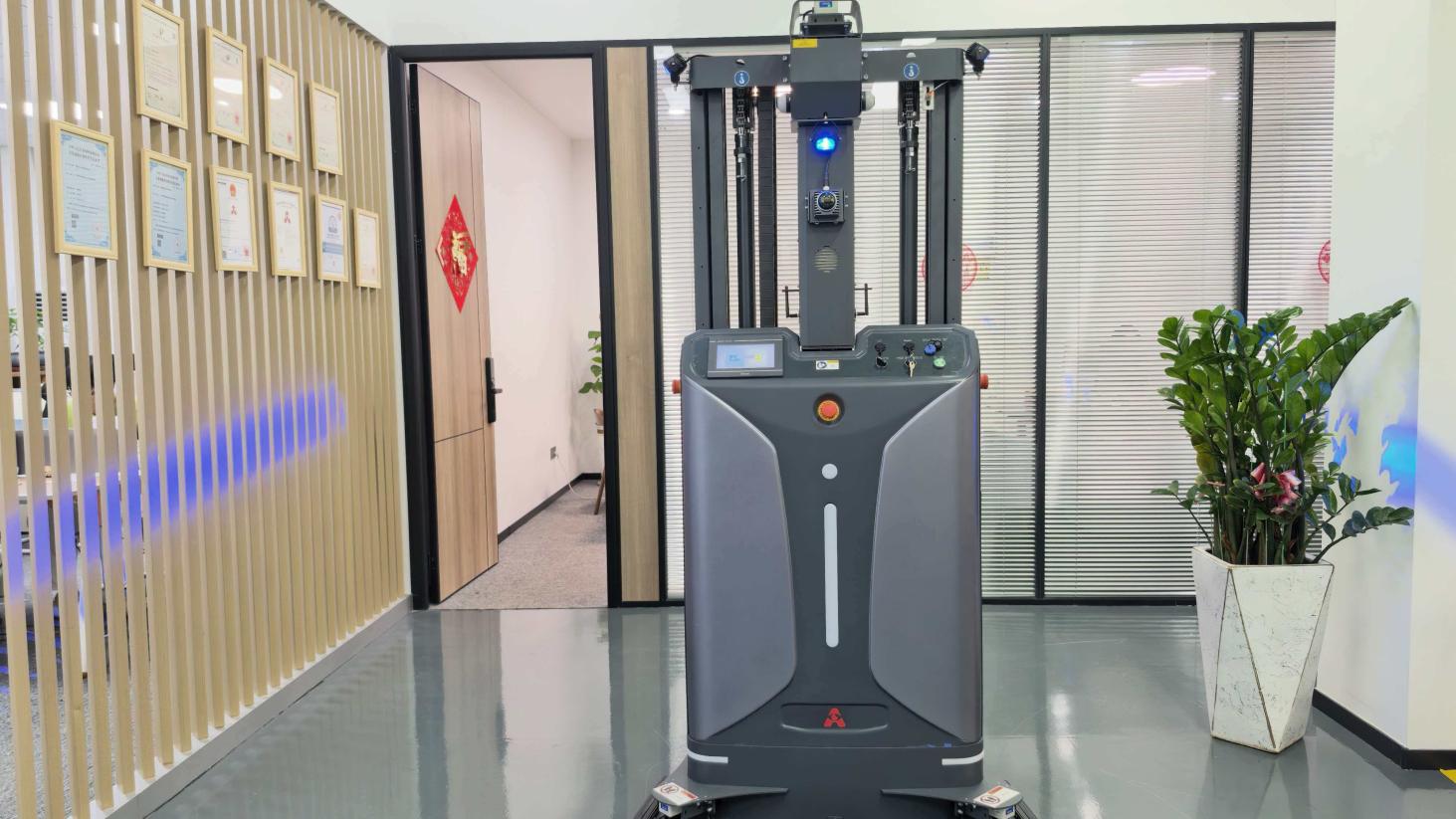
The range includes light pallet AMRs, jacking robots, smart forklifts and custom industrial AGVs. Payload must be calculated with load center, lift height, acceleration, floor conditions and attachment weight. A 300 kg platform may move less if the load is offset or lifted high, so buyers should share the actual rack, pallet or carrier profile.
What navigation accuracy should I specify?
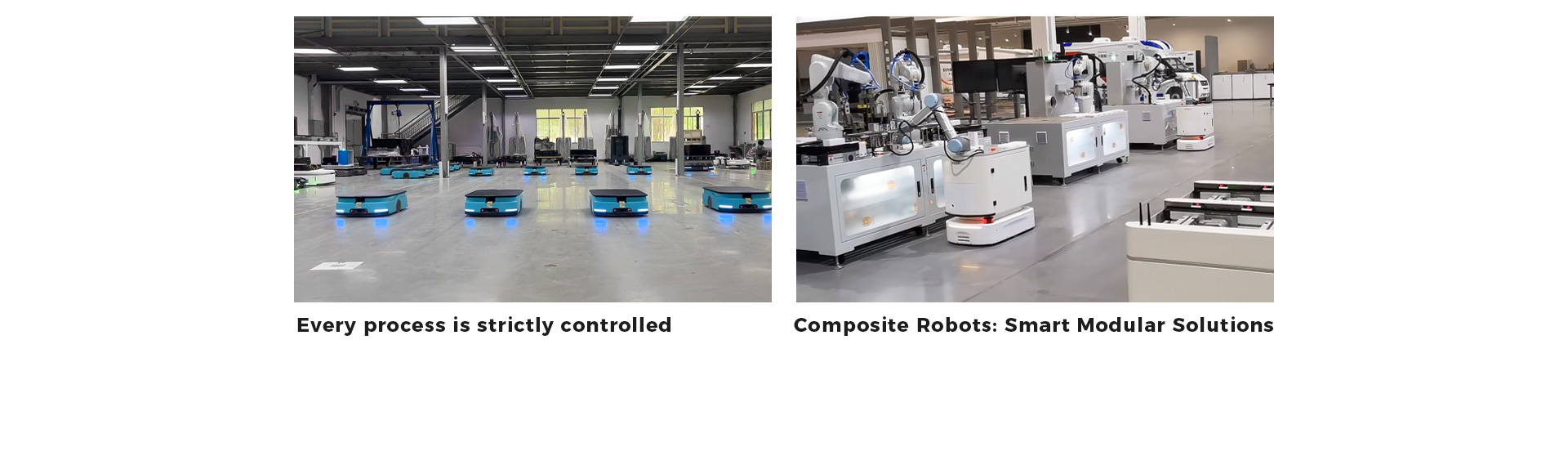
Natural-feature laser SLAM can reach ±5 mm without floor QR codes. A QR code camera can improve station docking to ±2 mm. Composite robots with a 6-axis arm can reach ±0.05 mm repeatability. Over-specifying adds cost and infrastructure, so use QR only where a handover truly requires it.
Do I need to modify my warehouse floor?
Standard laser SLAM maps the existing environment, so no auxiliary tracks, reflectors or floor QR codes are required. QR labels are only added at precision stations. Before deployment, assess floor flatness, gaps, ramps, door thresholds, Wi-Fi coverage and mixed traffic. The goal is not zero preparation; it is the right preparation.
How many AMR vehicles do I need for material flow optimization?
Fleet size should be calculated from missions per hour, peak periods, average travel distance, handover time and charging strategy. A throughput simulation often prevents overbuying. A balanced fleet with fast charging and stable handovers can be more effective than simply adding more robots.
Can the robots integrate with our WMS, MES or ERP system?
Integration is project-specific and is usually handled through fleet scheduling software and agreed interfaces. Buyers should provide task triggers, system lists, network architecture, cybersecurity requirements and acceptance criteria, and confirm which party owns each integration task.
What safety features should we request?
Ask for obstacle detection, emergency stop, speed control, warning zones, traffic rules, risk assessment and compliance appropriate to the destination country. Mixed human and forklift traffic also requires a site survey, operator training and process discipline. Safety is a system property, not a single sensor.
How long does deployment take?
Timing depends on standard versus custom configuration, integration scope, site survey, mapping, dry runs and acceptance. A phased rollout is often best: map one zone, prove the KPI, integrate handovers, train staff and then scale. Share your layout and target schedule for a realistic estimate.
How should I calculate ROI and total cost of ownership?
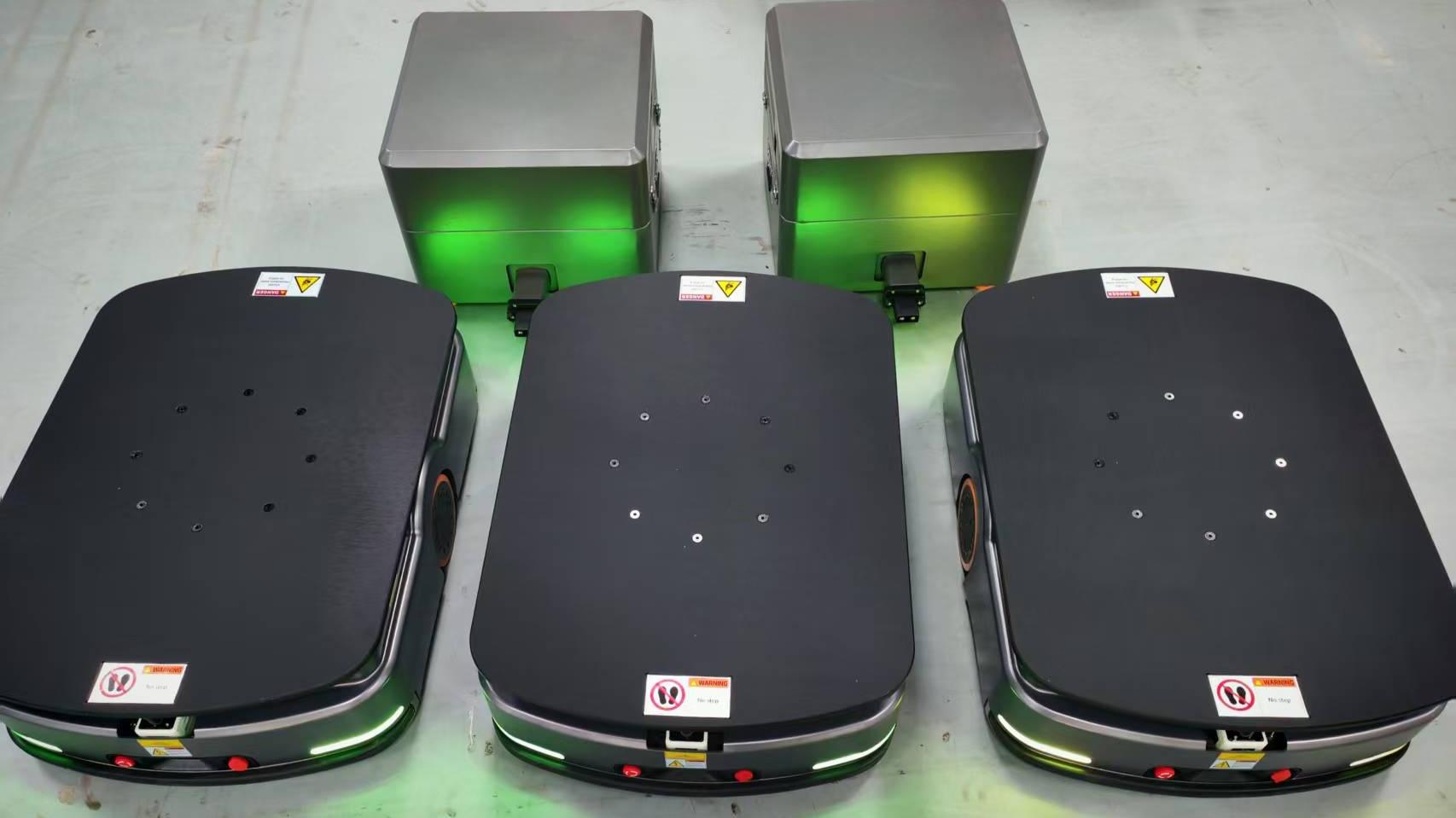
Include the robot, top module, charging dock, software, integration, installation, training, spare parts, service, energy and potential downtime. Compare these with labor, throughput, safety, quality, inventory accuracy and floor-space use. Define KPIs before the pilot and validate them in a live zone.
Can top modules be customized for our racks, pallets or machines?
Yes. Customization can include jacking units, roller conveyors, forklift forks, 6-axis arms and compatible charging docks. Buyers should share CAD layout, load profile, equipment interfaces and precision requirements so engineering can confirm feasibility and acceptance criteria.
Which industries are the best fit?
Common applications include semiconductor, 3C electronics, lithium battery, photovoltaic, automotive parts, PCB, textile and medical device production and warehousing. Suitability depends on load, cleanliness, temperature, traffic, security and interface requirements rather than industry name alone.
How do I request a quotation?
Email info@marnixbot.com with your load profile, site layout, throughput target, docking precision, Wi-Fi coverage, equipment interfaces and destination country. Shenzhen Marnix Intelligent Technology Co., Ltd. will recommend a suitable automated warehouse AMR vehicle configuration and project next steps.