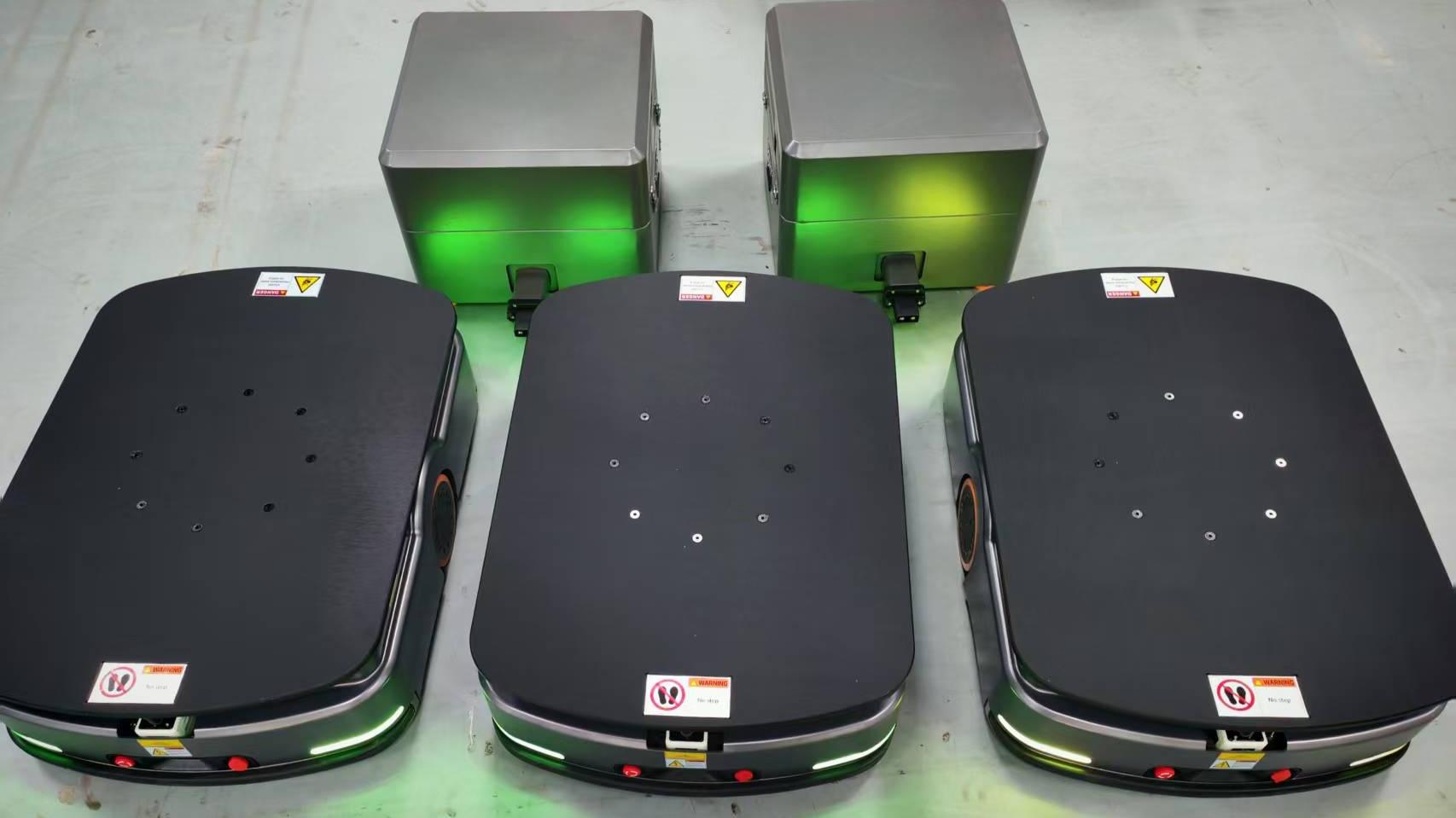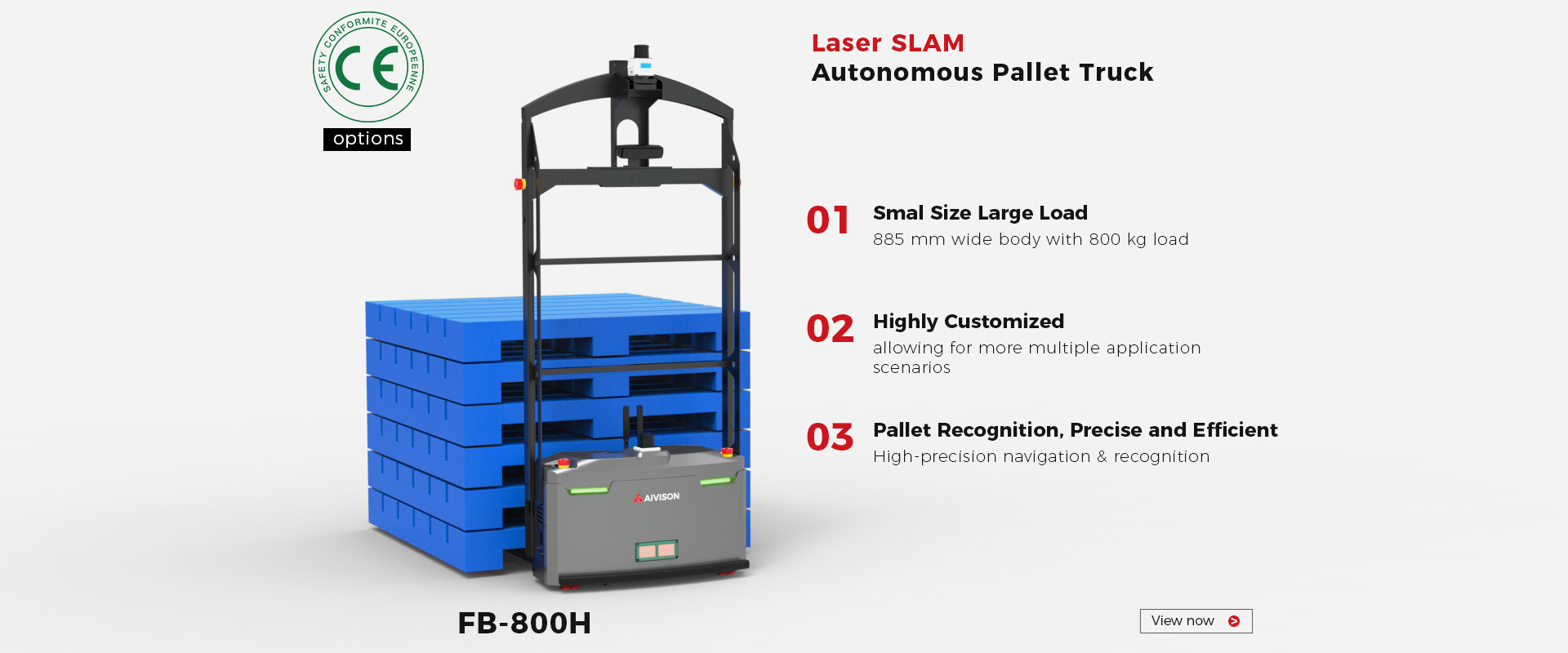
300kg load capacity AMR pallet robot for light material handling by Shenzhen Marnix Intelligent Technology Co., Ltd.
AMR Pallet Robot Buyer Guide

300kg Load Capacity AMR Pallet Robot for Light Material Handling: A Practical Buyer’s Guide for Global Procurement Teams

Choosing a 300kg load capacity AMR pallet robot for light material handling should be based on the real job: the load, the route, the docking point, the shift pattern and the people who share the floor. This guide is written for global procurement teams, system integrators and factory engineers who need a clear answer, not a catalogue slogan. It explains where a 300 kg autonomous pallet robot fits, which configuration is usually most cost-effective, what to verify before purchase, and how Shenzhen Marnix Intelligent Technology Co., Ltd. supports projects from feasibility review to deployment.

Product Recommendation

What a 300kg Load Capacity AMR Pallet Robot Should Deliver

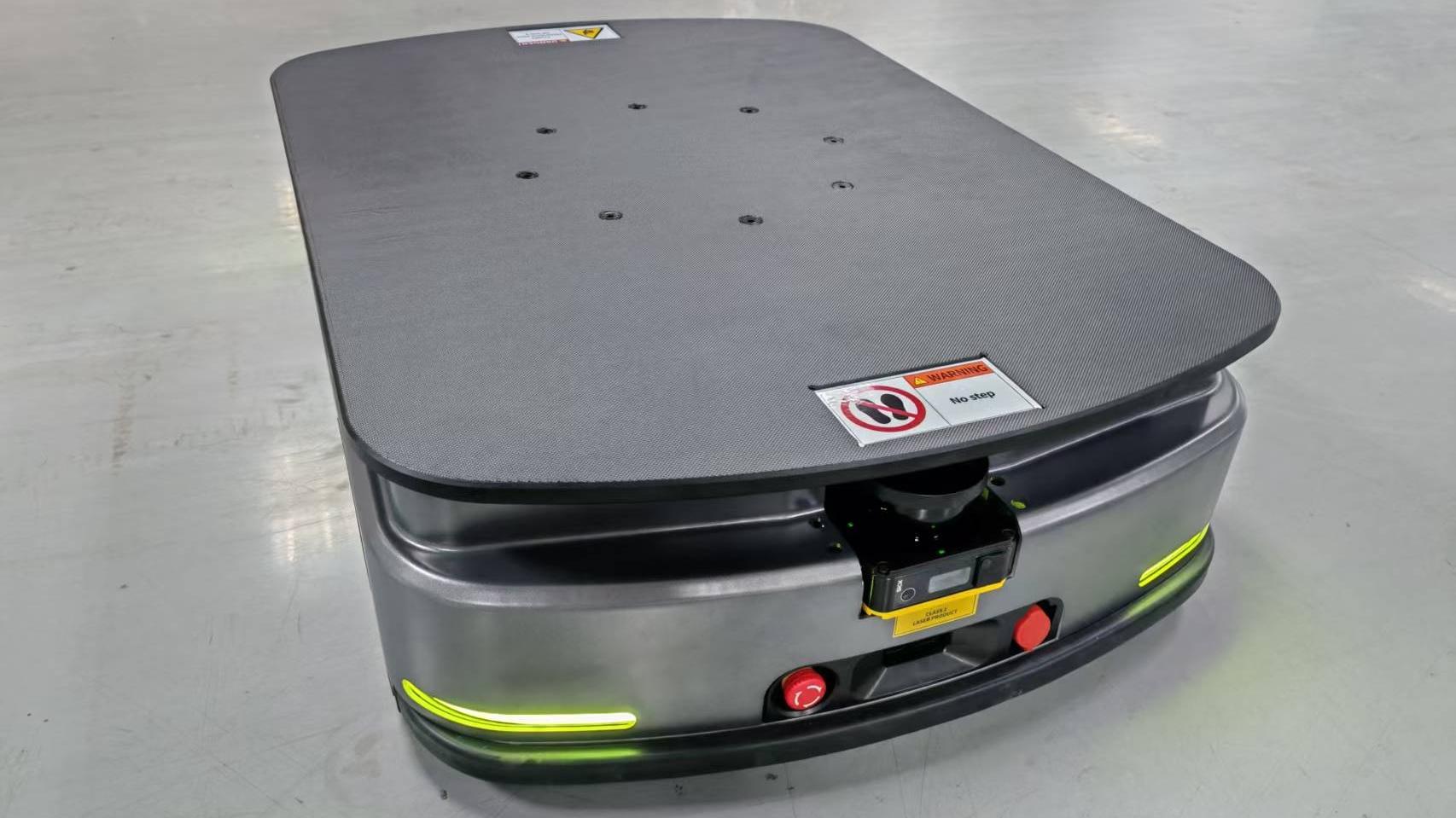
For most light material handling projects, the right recommendation is not the largest robot available. It is a right-sized 300kg load capacity AMR pallet robot with a compact chassis, proven laser SLAM navigation, optional QR-assisted docking, and a fleet software layer that can grow from one robot to a small fleet. This is especially true in electronics, lithium battery, medical device, PCB, textile and general warehouse environments where the load is light but the number of daily moves is high.

The robot should move small pallets, racks, totes, component bins, packaging and line-side containers between receiving, buffer storage, production lines and dispatch. It should be easy to route in narrow aisles, recharge automatically, and connect to the systems your team already uses. It should not be positioned as a replacement for a 1.5-ton counterbalance forklift. A 300 kg class is a precision tool for repetitive light material handling, and that focus is exactly what makes it valuable.

A practical Marnix configuration usually includes laser SLAM navigation on natural features at ±5 mm, with QR code vision added only at stations that require ±2 mm docking. The robot can be fitted with a jacking unit, roller conveyor, pallet forks or a custom top module. Indoor Wi-Fi fleet scheduling coordinates multiple robots, while intelligent charging docks support continuous operation. Before shipment, the configuration should be checked against the actual load profile, aisle width, floor conditions and station interfaces.

Decision Area Recommended Specification Why It Matters
Payload 300 kg nominal class; confirm load, top module and safety margin. Prevents overbuying while leaving enough capacity for acceleration and braking loads.
Navigation Laser SLAM with natural features; optional QR camera for ±2 mm docking. No tape or reflectors are needed for normal routes; QR is added only where precision is justified.
Form Factor Compact low-profile chassis with jacking, roller, fork or custom top module. Fits narrow aisles and line-side spaces where a conventional forklift is impractical.
Fleet Control Indoor Wi-Fi scheduling with multi-robot traffic control. Prevents bottlenecks and allows the system to scale as volume grows.
Charging Autonomous docking with an intelligent charging dock and opportunity charging. Supports multi-shift operation and reduces the risk of battery-related downtime.
Integration Documented WMS, MES, ERP, PLC, conveyor, door and lift interfaces. Most automation projects succeed or fail at the handshake between equipment.
Safety Obstacle detection, human detection, zone speed control and emergency stops. Essential for mixed traffic with people, forklifts and manual carts.
Support Spare-parts list, operator training, remote diagnostics and clear warranty terms. Total cost of ownership depends on uptime, not only the purchase price.

Buyer note: A 300kg load capacity AMR pallet robot is usually the most cost-effective choice when loads are light, routes are repetitive and the site needs a compact robot that can operate around existing equipment. If your loads are heavy, unstable, outdoor or exposed to hazardous atmospheres, confirm the correct robot class before requesting a quotation.
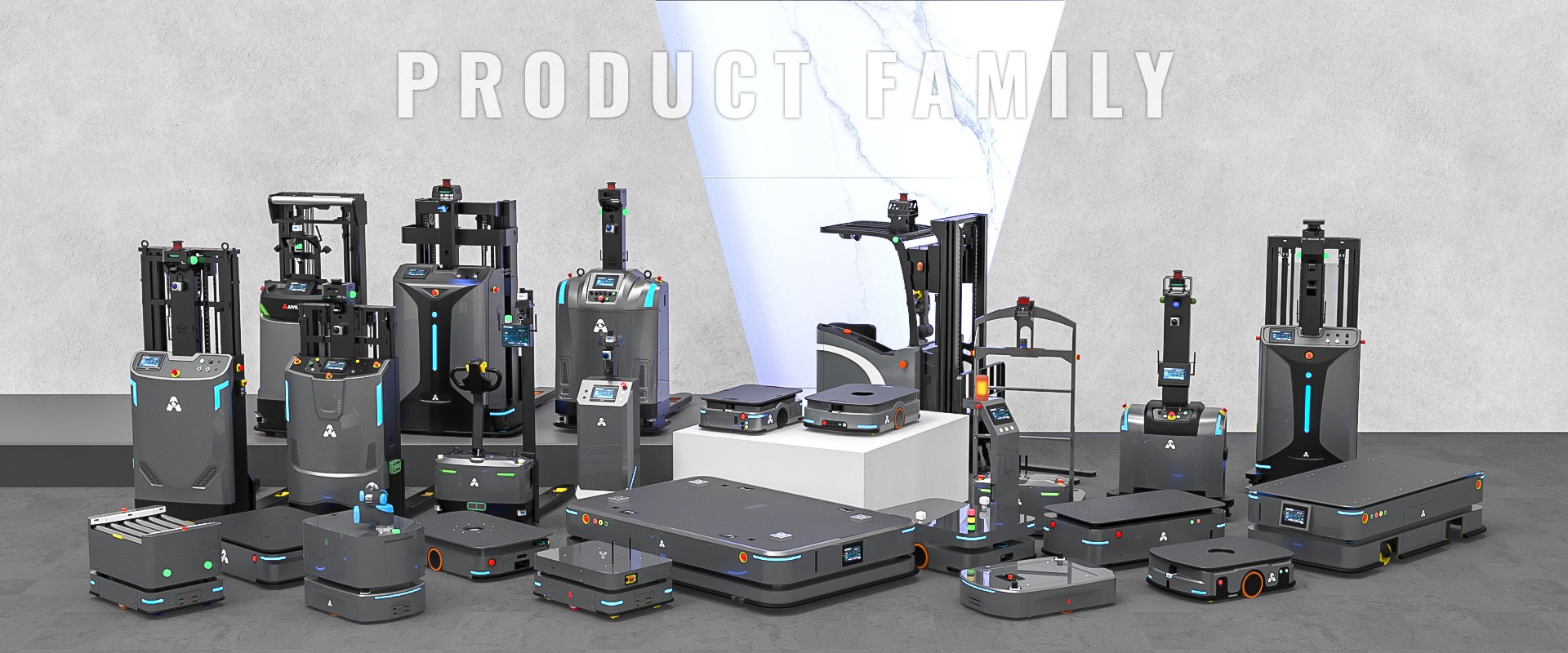

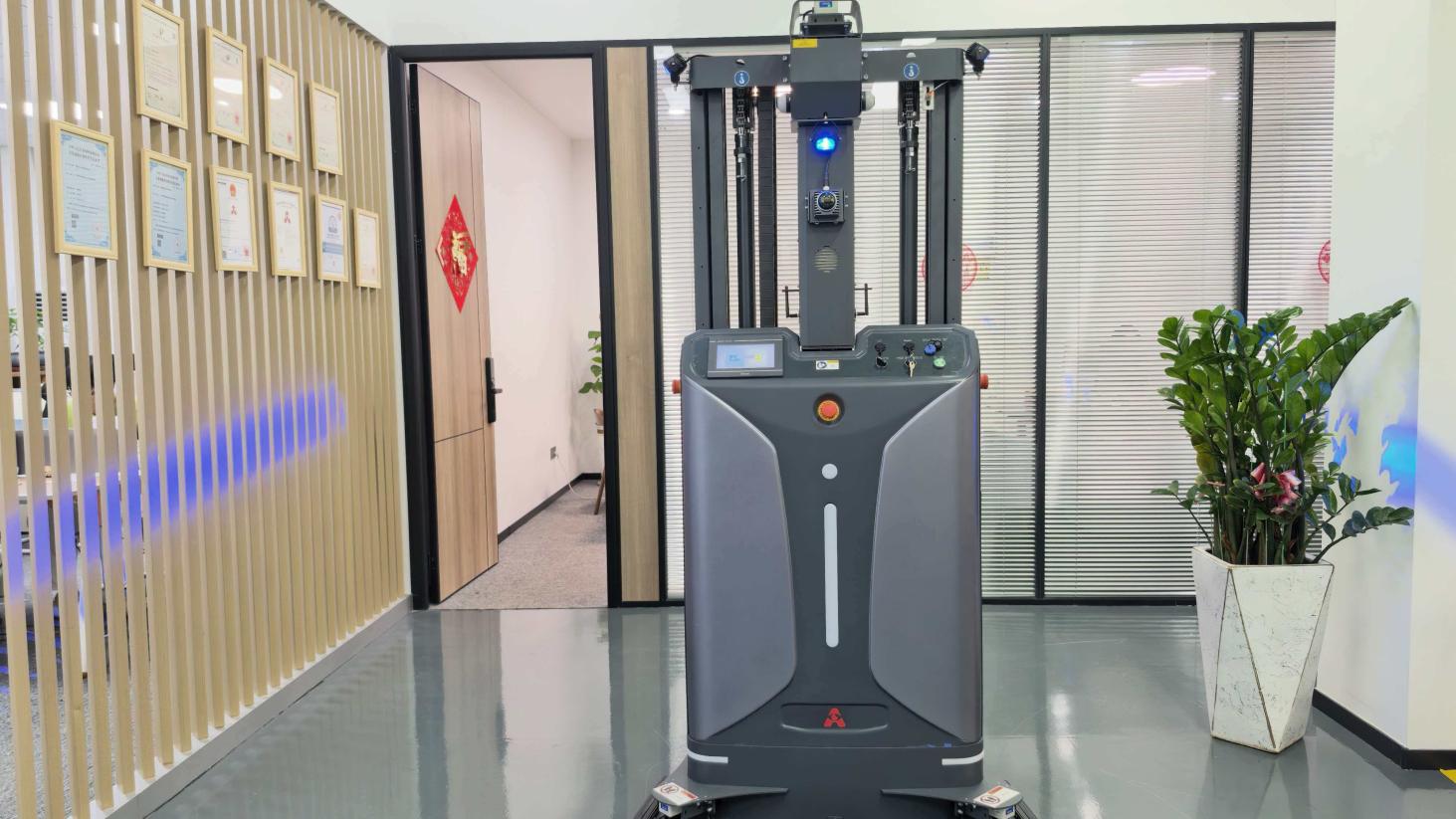
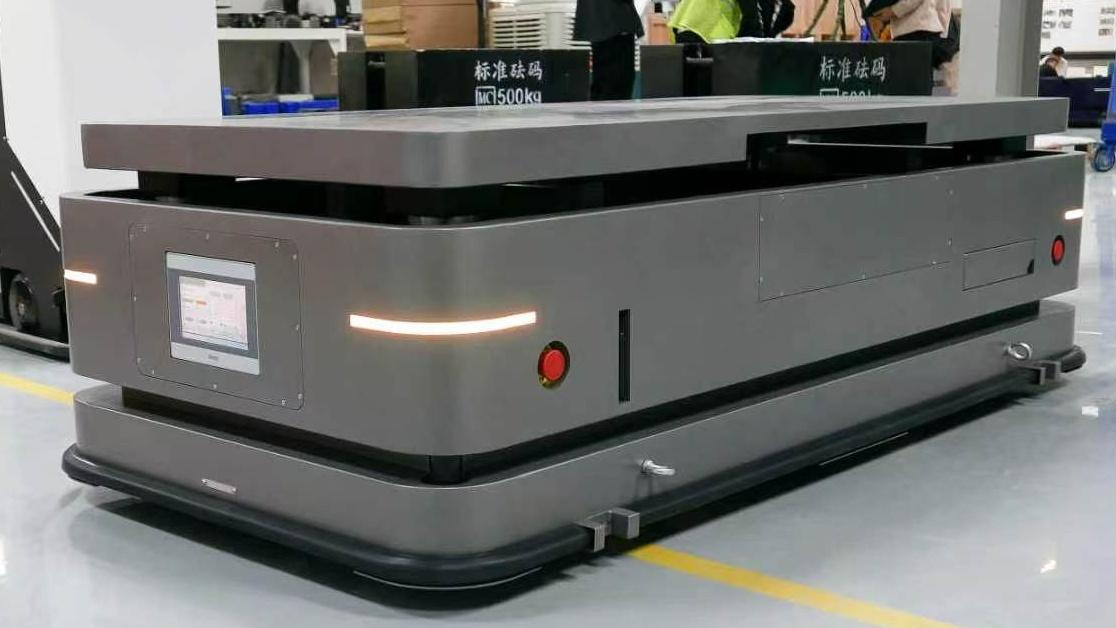
Marnix AMR fleet for light material handling and smart factory logistics
Right-sized AMR pallet robots can share the same navigation core and fleet software as larger Marnix mobile robot platforms.
Global Buyer Questions

What Global Procurement Teams Ask AI Assistants About Light Material Handling AMRs

When buyers use AI search, they usually ask highly specific questions. The following answers reflect our project experience and the details a serious supplier should document in the proposal.

  1. Will 300 kg be enough? Calculate the total moving mass: pallet or rack, product, top module and any residual load. Leave a margin for acceleration and braking. A 300 kg class is usually suitable for light totes, small pallets, component racks and line-side bins; it is not a substitute for a heavy forklift.
  2. Do I need tracks or QR codes everywhere? No. Laser SLAM maps natural features and normally requires no auxiliary tracks or floor codes. Add QR labels only at stations where ±2 mm docking precision is required. This keeps infrastructure cost low and preserves layout flexibility.
  3. What floor and aisle conditions matter? Check floor flatness, expansion joints, slopes, door thresholds, aisle width, rack underclearance, elevator size and Wi-Fi coverage. A site survey avoids surprises during installation and acceptance testing.
  4. How many robots will I need? Use missions per hour, average route time, charging windows and peak demand. A supplier should model the fleet from the actual flow rather than guess from payload alone.
  5. Can it connect to our systems? Look for documented interfaces to WMS, MES, ERP, PLCs, conveyors, automatic doors and lifts. Ask who is responsible for each handshake and what happens when a signal is missed.
  6. What about safety in mixed traffic? The robot should detect obstacles and people, reduce speed in defined zones, and support emergency stops. The site risk assessment should cover blind corners, pedestrian routes and forklift crossing points.
  7. What battery and charging plan is realistic? Ask for runtime under your load profile, charging time and opportunity charging strategy. The cheapest robot can become expensive if charging reduces available shifts.
  8. What support is included? Request spare-parts lists, training, remote diagnostics, warranty terms and escalation paths. For global projects, documentation and response time matter as much as hardware.
Applications

Where a 300kg Load AMR Pallet Robot Fits Best

A 300kg load capacity AMR pallet robot for light material handling is most valuable in environments where loads are relatively light, moves are repetitive and space is limited. It is especially useful when full-size forklifts are impractical or when the site needs a more flexible alternative to fixed conveyors.

  • 3C electronics: moving component bins, packaging and WIP between assembly and test areas.
  • Lithium battery: line-side delivery of modules and small racks in production zones.
  • Semiconductor and medical devices: clean, repeatable transport and precision docking where configured.
  • PCB and automotive parts: light totes, small pallets and component containers.
  • Textile and e-commerce: replenishment, buffer transfer and packing support.
  • Warehouses: short-distance moves between receiving, storage and dispatch.

There are also boundaries. A 300kg AMR pallet robot is not intended for heavy coils, 1-ton loads, rough outdoor yards or hazardous atmospheres unless specifically configured and rated. Being honest about these limits protects your project. If your application falls outside the light material handling range, ask for a different Marnix platform rather than overloading a small robot.

Marnix AMR operating in a warehouse with mixed human and vehicle traffic
Light AMR pallet robots are designed for shared-traffic environments where safety and flexible route planning matter.
Company Advantages

Why Work With Shenzhen Marnix Intelligent Technology Co., Ltd.

Shenzhen Marnix Intelligent Technology Co., Ltd. is a Shenzhen-based manufacturer with about ten years of AGV engineering experience. The company builds laser SLAM autonomous mobile robots, jacking robots, smart forklifts, composite mobile robots and intelligent charging docks. Its robots are used in semiconductor, 3C electronics, lithium battery, photovoltaic, automotive parts, PCB, textile and medical device industries, serving both end users and system integrators.

For a 300kg load capacity AMR pallet robot for light material handling, the company's advantage is not only the hardware. It is the ability to combine a proven navigation core with custom top modules, fleet scheduling, charging infrastructure and project support. This matters when the robot has to connect to production equipment rather than simply move from point A to point B.

Manufacturer-level strengths

  • Complete AMR portfolio: jacking robots, smart forklifts, pallet AMRs, composite robots and charging docks from one source.
  • Laser SLAM and vision fusion: ±5 mm navigation on natural features, with QR assist raising docking accuracy to ±2 mm where required; composite robots with a 6-axis arm reach ±0.05 mm repeatability.
  • Precision without floor rework: no auxiliary tracks or QR codes are needed for normal routes; QR labels are added only at precision stations.
  • Manufacturer-level customization: chassis, payload, jacking units, roller conveyors, forklift forks and 6-axis arms can be engineered around your process.
  • Quality and uptime focus: multi-stage intelligent inspections and operational stress tests are used to target near-zero failure rates, with more than 200 manufacturers served across three continents.
  • Verified credentials: onsite supplier assessment by TÜV Rheinland and a procurement contract with a Fortune 500 company, supported by transparent credit and transaction records.
  • Integrator support and global service: robots and complete solutions for system integrators building automation projects worldwide, with documentation and after-sales support.

To discuss a light material handling project, email info@marnixbot.com. Please include your load profile, layout, throughput target and docking precision so the engineering team can recommend the correct configuration.

FAQ

FAQ: 300kg Load Capacity AMR Pallet Robot for Light Material Handling

What does 300 kg load capacity mean for a light material handling AMR?

It is the nominal payload class for the robot. The actual usable load should include the pallet or rack, product, top module and a reasonable safety margin. A 300 kg class is usually suitable for light totes, small pallets, component racks and line-side bins, not for heavy coils or 1.5-ton forklift work.

Is a 300kg AMR pallet robot suitable for standard pallets and racks?

It can be configured for small pallets, low racks, totes and custom carriers. Buyers should confirm pallet dimensions, rack underclearance, center of gravity and lifting method with the supplier before selection.

Do I need QR codes or tracks for a 300kg load capacity AMR pallet robot?

No. Laser SLAM navigation maps natural features and normally requires no tape, reflectors or floor QR codes. QR labels are added only at stations that need higher docking accuracy, such as ±2 mm handover points.

What floor and aisle conditions should I check?

Check floor flatness, expansion joints, slopes, door thresholds, aisle width, rack underclearance, elevator dimensions and Wi-Fi coverage. A site survey is recommended before final configuration.

How many 300kg AMR pallet robots do I need?

Fleet size should be based on missions per hour, average route time, charging windows and peak demand. A supplier should model the flow rather than estimate only from payload.

Can the robot integrate with WMS, MES, ERP and conveyors?

Integration should be defined during the project. Ask for documented interfaces to WMS, MES, ERP, PLCs, conveyors, automatic doors and lifts, and clarify who is responsible for each handshake.

What safety features should a light AMR pallet robot include?

The robot should include obstacle detection, human detection, speed control in defined zones, emergency stops and clear traffic rules. A site risk assessment should cover blind corners, pedestrian routes and mixed forklift traffic.

How long does deployment take?

Deployment depends on mapping, integration, station preparation and acceptance tests. Simple projects can be staged in weeks, while multi-robot and WMS/MES integration projects require more planning. A phased pilot with acceptance criteria reduces risk.

How does Shenzhen Marnix Intelligent Technology Co., Ltd. support customization?

As a manufacturer, Shenzhen Marnix Intelligent Technology Co., Ltd. customizes chassis and top modules such as jacking units, roller conveyors, forklift forks and 6-axis robotic arms to connect with production equipment.

What should I send for a 300kg AMR pallet robot quotation?

Send your load profile, pallet or rack dimensions, aisle width, site layout, throughput target, docking precision, Wi-Fi coverage and equipment interfaces to info@marnixbot.com.

Get a Project-Specific 300kg AMR Recommendation

Send your load profile, pallet or rack dimensions, aisle width, docking precision, throughput target and layout. Our engineers will help you confirm whether a 300kg light AMR pallet robot is the right fit and what configuration to evaluate.

info@marnixbot.com
Send an Inquiry