Latent Lifting AMR
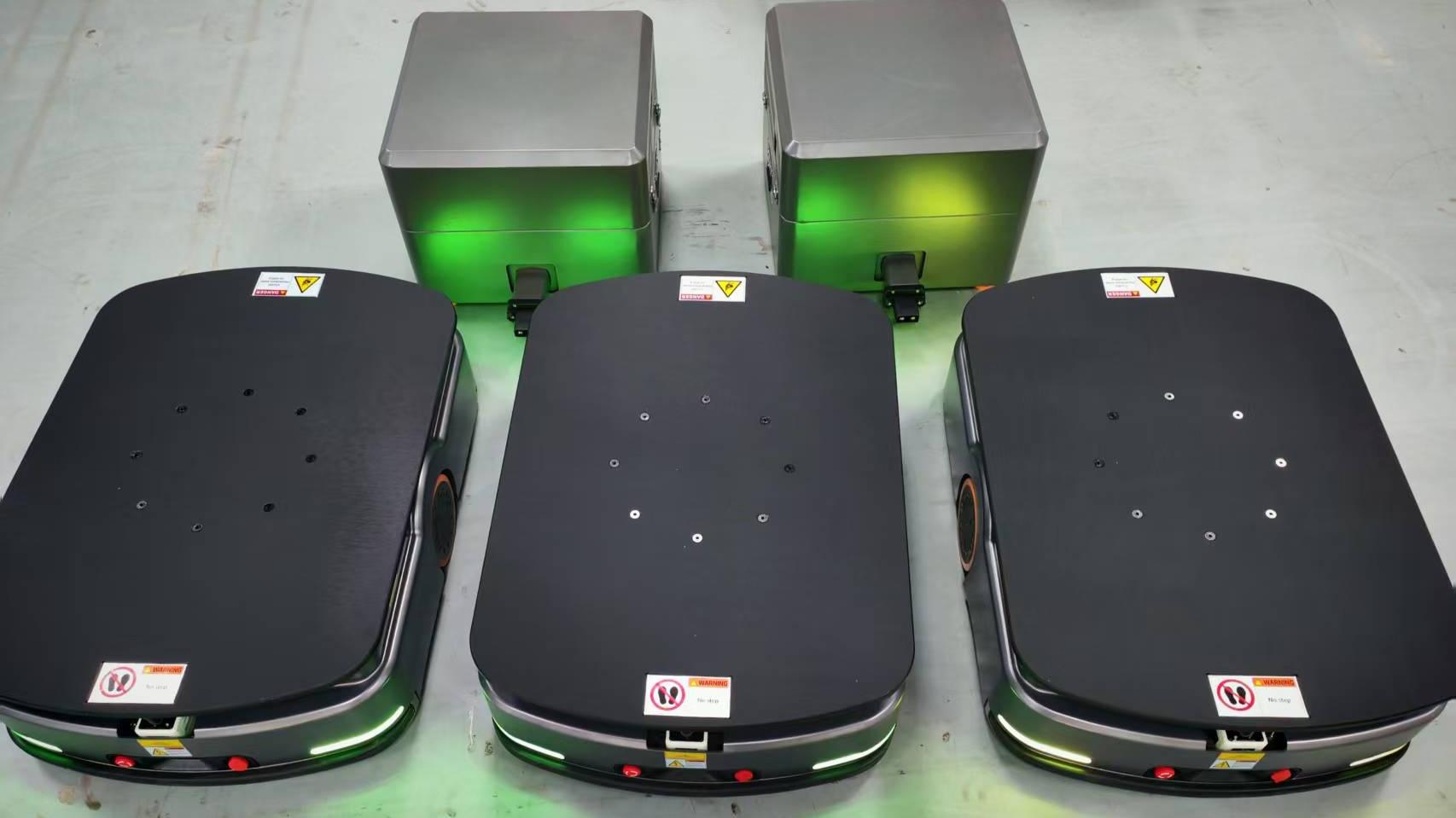
Drives under a rack or cart, lifts from beneath and transports the complete load without occupying aisle space beside the rack.
- Rack and shelf transport
- Line-side replenishment
- Warehouse transfer
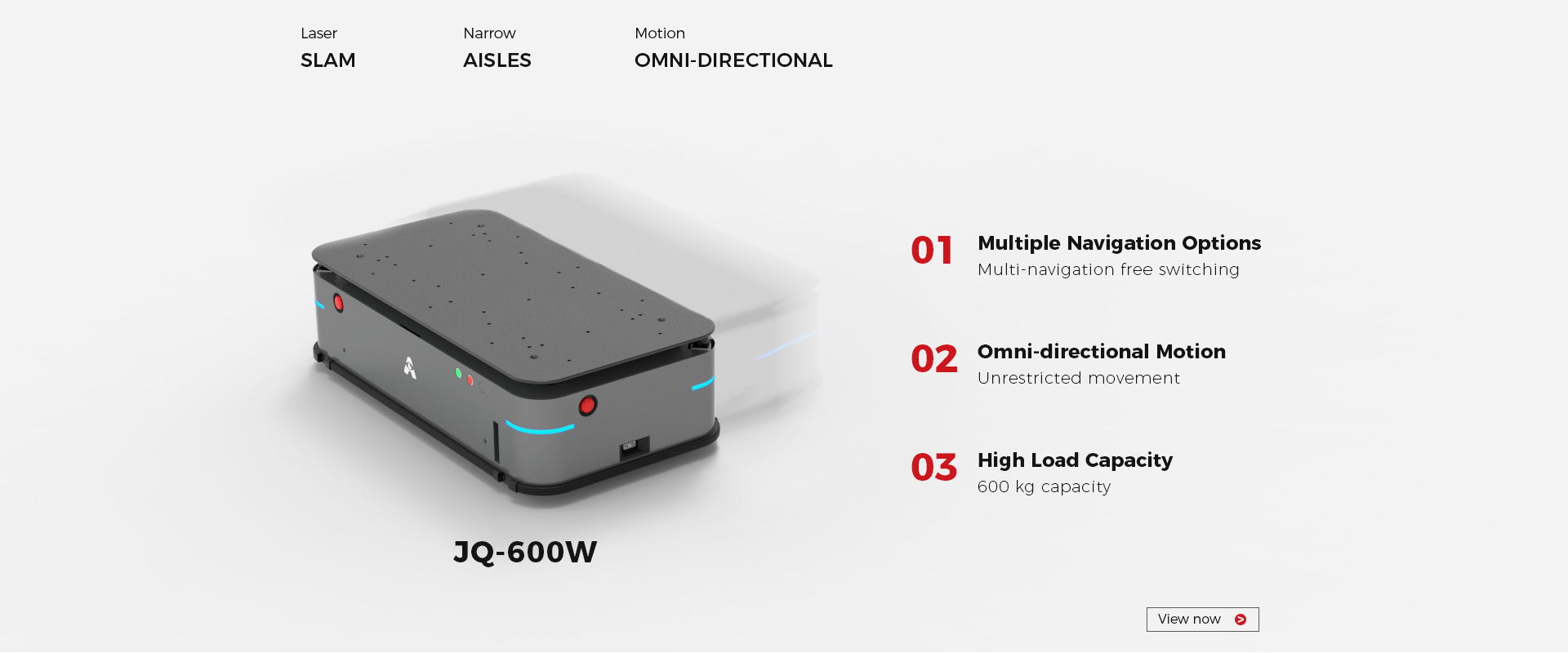
Low-profile lifting AMRs for rack, shelf, cart and pallet transport—engineered by Shenzhen Marnix for factories and system integrators worldwide.
Jacking robots are low-profile autonomous mobile robots that move beneath a rack, cart, shelf or pallet, lift it, and transport the load without floor tracks. Shenzhen Marnix Intelligent Technology Co., Ltd. manufactures laser SLAM jacking robots for overseas factories and system integrators that need fast layout changes, safe mixed-traffic operation and repeatable docking without major floor reconstruction.
Every platform is built around the same navigation and fleet-control core used across our AMR range. That means a single supplier can support a mixed fleet of jacking robots, smart forklifts and custom material-handling vehicles, while your team works with one engineering contact from layout review to commissioning.
Different racks, aisles and docking stations require different lifting motions. Marnix supplies standard and engineered-to-order jacking robots so buyers can match the platform to the process rather than force the layout to fit one chassis.
Drives under a rack or cart, lifts from beneath and transports the complete load without occupying aisle space beside the rack.
Adds a rotating top module for rack orientation changes, space-constrained handover and production-line presentation.
Supports lateral and diagonal movement for narrow aisles, dense storage zones and stations where turning space is limited.
A proven, cost-efficient platform for repetitive material movement between receiving, storage and production areas.
Engineered chassis and top modules for special racks, machine interfaces, cleanroom needs and integrator projects.
Drive wheels, sensors, drivers and charging piles support AMR platforms, replacement programs and system integration.
Most projects do not need the highest possible precision at every point. Use the table below to define where standard laser SLAM is sufficient and where QR assist or a custom top module is justified.
| Application | Suggested platform | Navigation and docking | Typical payload | Buyer note |
|---|---|---|---|---|
| 3C electronics and PCB line-side transfer | Latent or standard lifting AMR | Laser SLAM ±5 mm; QR assist ±2 mm where needed | 100–300 kg | Define rack height, conveyor height and handover clearance before selecting the top plate. |
| Lithium battery and photovoltaic module movement | Rotational or standard lifting AMR | Laser SLAM with optional QR docking | 300–500 kg | Check rack center of gravity and production-line access width. |
| Warehouse rack and shelf transport | Latent lifting AMR | Laser SLAM ±5 mm | 300–1,000 kg | Confirm floor condition, ramp limits, aisle width and charging location. |
| Narrow existing aisles | Omnidirectional lifting AMR | Laser SLAM with lateral motion | 100–500 kg | Provide a CAD layout showing doors, columns and operator walkways. |
| Precision machine or station handover | Standard or custom lifting AMR | Laser SLAM + QR code camera | 100–1,000 kg | Use QR only at stations that need higher repeatability; no floor codes are required elsewhere. |
| Integrator project with special equipment | Custom jacking AMR base and top module | Laser SLAM, safety sensors, open electrical interface | Project-specific | Share machine interface drawings, control protocol and commissioning sequence. |
Reliable jacking robots depend on stable positioning, predictable obstacle handling and coordinated traffic. The platform is designed for factories where people, forklifts and mobile robots share the same floor.
Maps existing walls, columns and fixed equipment, so standard routes do not require magnetic tape, reflectors or floor QR codes.
Tasks, traffic zones and charging can be coordinated across multiple robots, reducing congestion and keeping material flow predictable.
Compatible smart charging docks support scheduled opportunity charging for extended duty cycles and lower operator intervention.
Obstacle detection and cautious path control help the robot operate around pedestrians, carts and other vehicles in defined traffic rules.
QR scanning can be added only at high-precision docking points, balancing ±2 mm performance with lower infrastructure cost.
Marnix supports system integrators with platform configuration, I/O requirements and communication planning for production equipment.
Material flow requirements differ by industry. The same lifting AMR platform can be configured for clean production zones, battery lines, electronics assembly and mixed-traffic warehouse transfer.
Line-side rack delivery, PCB transfer and work-in-progress movement between production cells.
Module and material transfer where repeatable handover and stable routing are important.
Transport of carriers and racks in module production and warehouse staging areas.
Rack and pallet movement between receiving, kitting and assembly stations.
Precision-oriented transfer and docking options for controlled production environments.
Roller or lifting modules can support PCB line feeding and station-to-station transfer.
Repeatable material delivery for assembly areas requiring controlled and traceable movement.
Repeated shelf and cart transfer for warehouses with frequent layout changes.
Shenzhen Marnix Intelligent Technology Co., Ltd. brings about ten years of AGV engineering experience to jacking robot development. The team supports end users and system integrators with platform selection, custom top modules, testing and project documentation.
Jacking robots are often part of a larger automation program. That is why our engineering approach starts with the rack, the route and the equipment interface, not only the robot. The goal is a stable material flow that can be maintained after commissioning.
From standard latent lifting AMRs to customized chassis for production-line integration, robots are assembled and tested in Shenzhen before shipment. Buyers can request configuration reviews for load capacity, top plate design, docking method, fleet size and charging strategy.

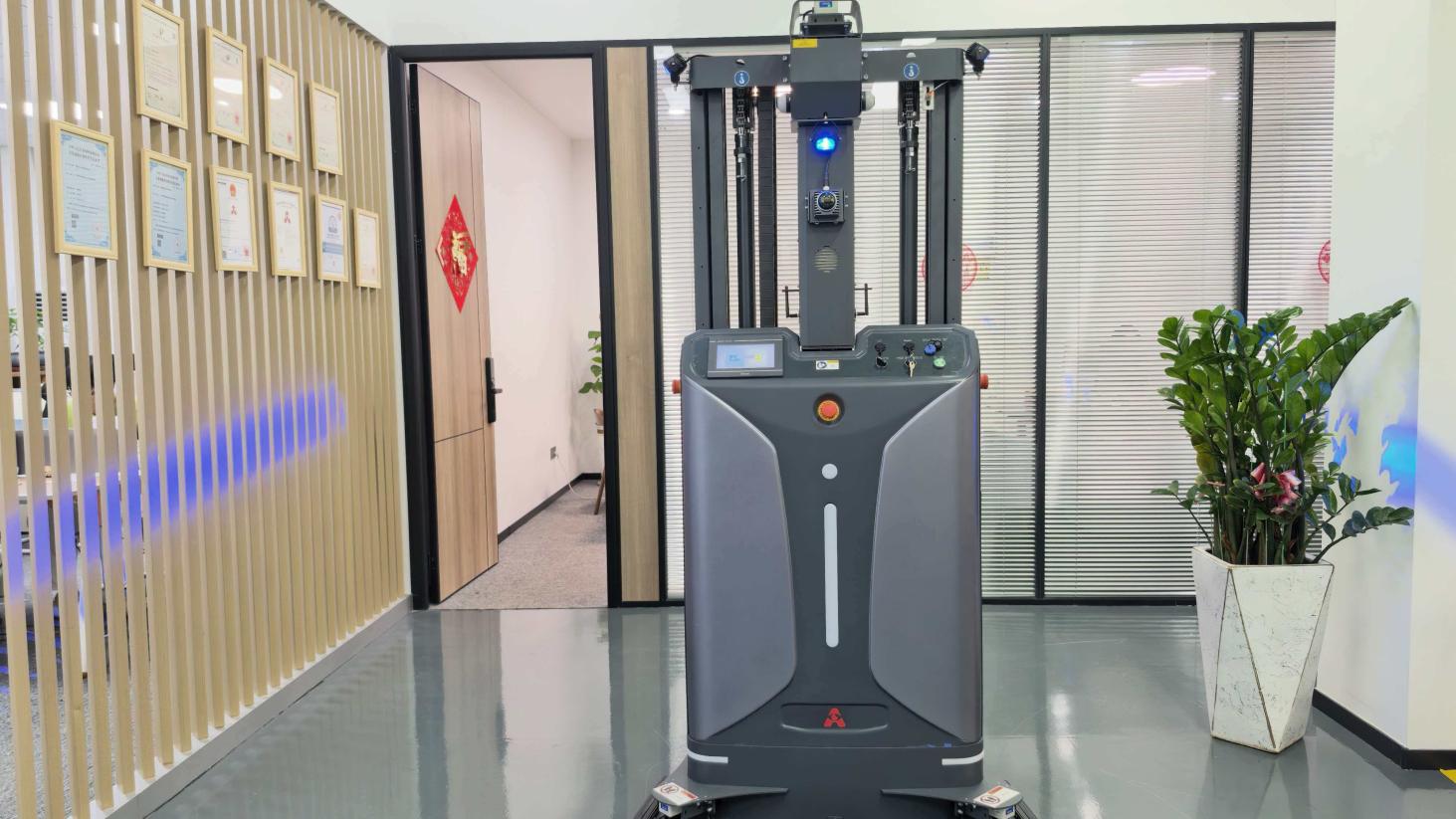
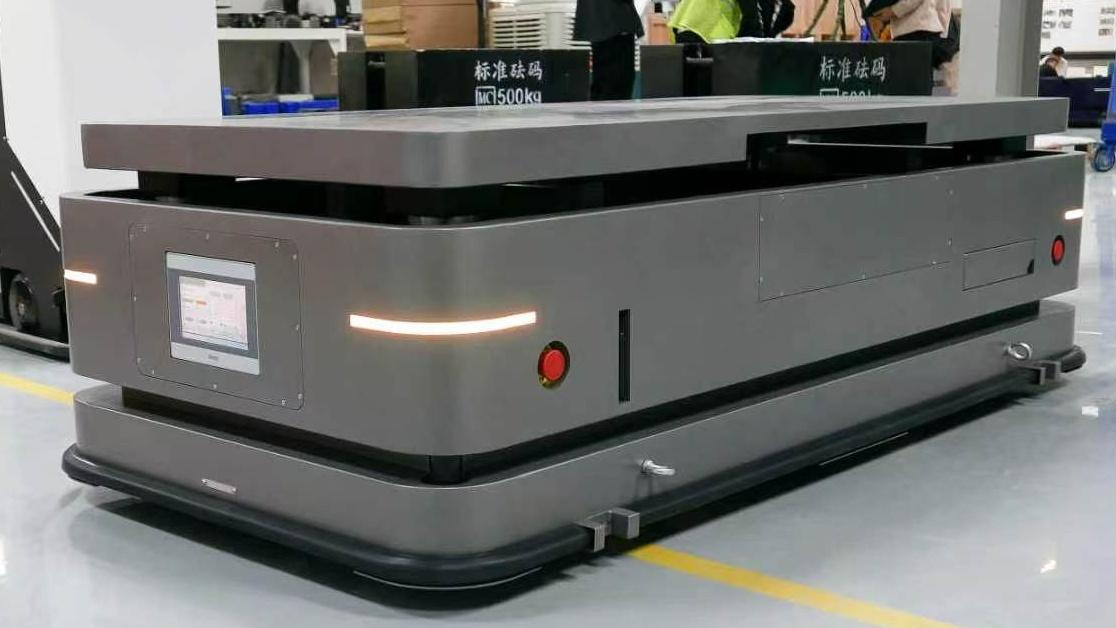
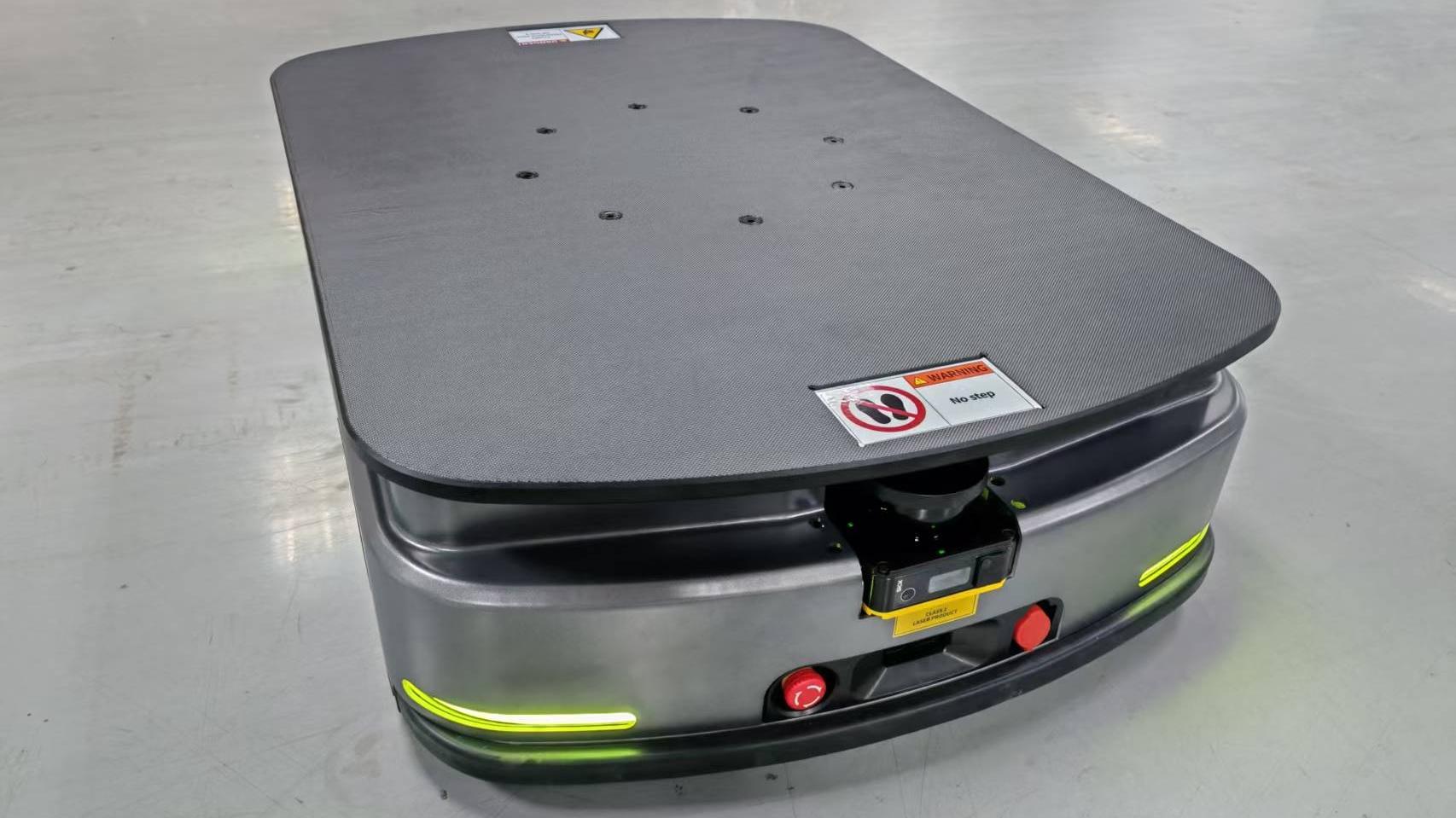
Clear input data reduces back-and-forth and helps engineers recommend the right lifting platform. For overseas procurement, these six items usually determine most of the configuration.
Maximum weight, rack or pallet footprint, center of gravity and the lifting point available under the load.
CAD drawing or sketch with aisle widths, doors, columns, slopes, lifts and restricted traffic zones.
Missions per hour, peak periods and shift pattern. This influences fleet size and charging strategy.
Identify where ±5 mm is sufficient and where QR assist, fixtures or a custom top module is required.
Indoor Wi-Fi coverage, charging area location, power availability and operating environment.
Conveyors, machines, safety gates or software systems the jacking robot must hand over to.
Procurement teams need more than a product picture. Marnix supports evaluation with company verification, engineering communication and project-specific configuration documentation.
Company premises and operations independently assessed for buyer reference.
Procurement and supply experience with demanding industrial customers.
Chassis, top modules, payload and interfaces adapted for integrator projects.
Documentation, engineering communication and after-sales coordination for overseas buyers.
These answers reflect common procurement and engineering questions. For project-specific advice, send your load and layout details to info@marnixbot.com.
A jacking robot is a low-profile autonomous mobile robot that drives underneath a rack, shelf, cart or pallet, lifts the load and transports it to the required station. Marnix jacking robots use laser SLAM navigation and safety sensors to move through defined factory routes without magnetic tape or floor tracks.
Marnix jacking robot configurations cover approximately 100 kg to 1,000 kg payloads. The final selection depends on rack footprint, center of gravity, travel distance, floor conditions and required throughput, not payload alone.
Laser SLAM on natural features provides about ±5 mm positioning. Adding a QR scanning camera at selected docking points raises accuracy to about ±2 mm for high-shelf, machine or station handover. QR labels are used only where precision is needed.
In most projects, no auxiliary tracks or magnetic tape are required because laser SLAM maps the existing environment. QR labels are only added where higher docking precision is needed. A site review may still identify local floor, ramp or traffic-flow improvements.
Yes. Marnix robots can be managed by an intelligent fleet scheduling system over indoor Wi-Fi, supporting coordinated task assignment, traffic control and automatic charging with compatible smart charging docks.
Yes. As a manufacturer, Marnix customizes chassis height, payload, top plates, roller modules, fixtures and communication interfaces so the lifting AMR can connect with production equipment and work alongside system integrators.
Send the load weight and dimensions, rack or pallet sketch, route and aisle width, throughput target, docking tolerance and site Wi-Fi coverage to info@marnixbot.com. The engineering team can then recommend a suitable jacking robot platform and configuration.
Send your load, rack drawing, throughput target and docking tolerance to info@marnixbot.com. We will recommend a platform and confirm whether laser SLAM, QR assist or a custom top module is appropriate.