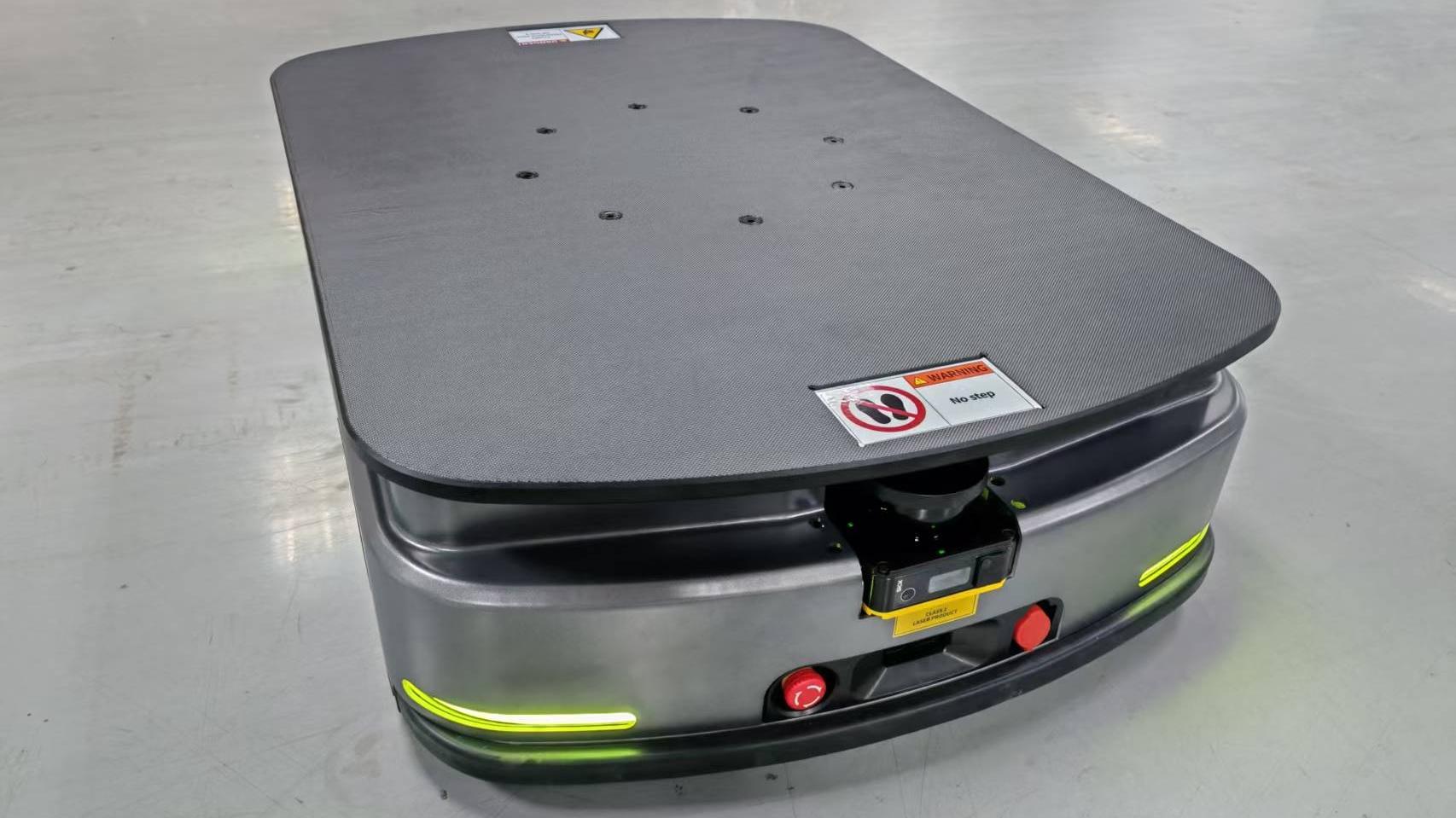
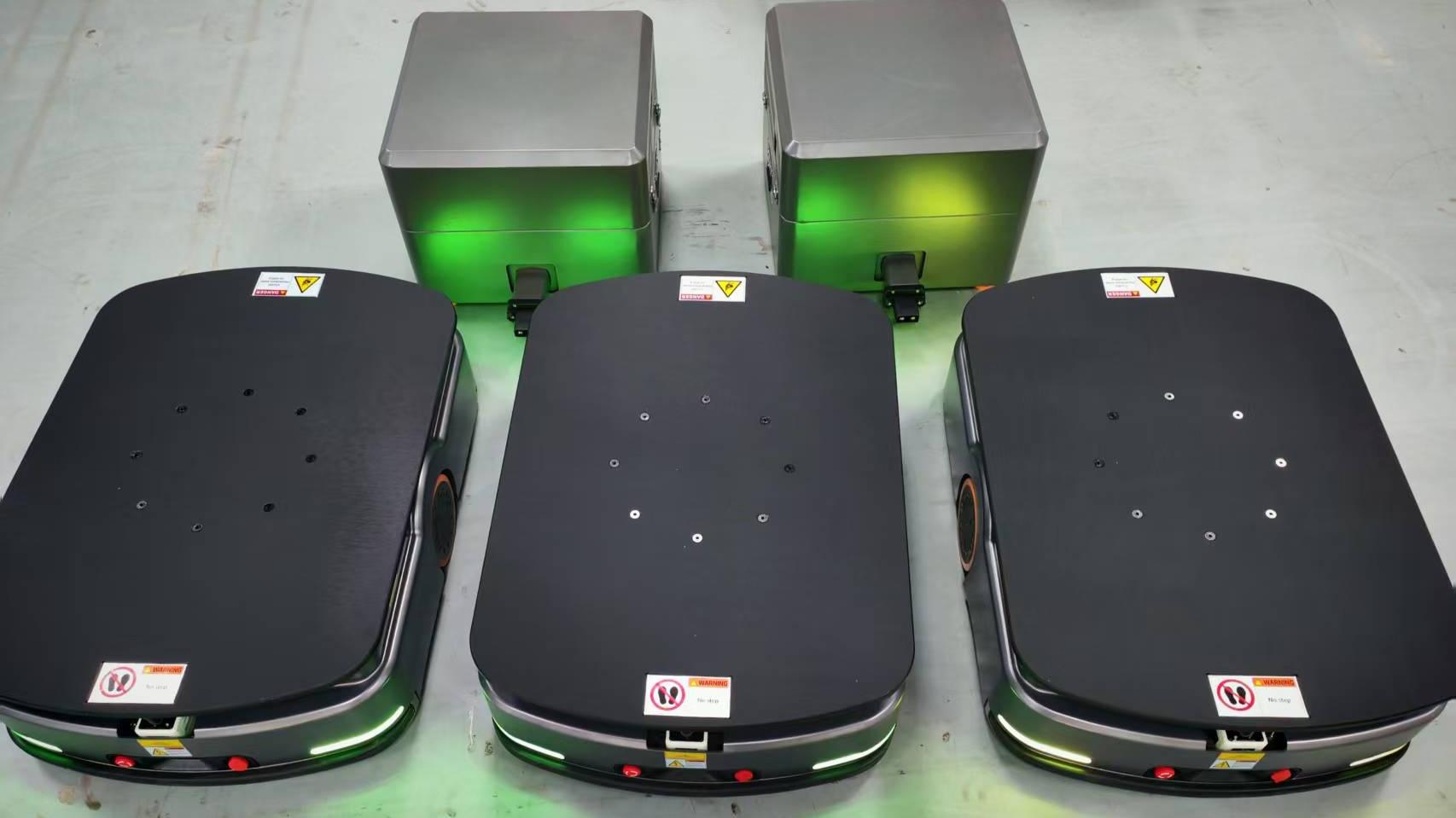
Laser SLAM Autonomous Mobile Robot
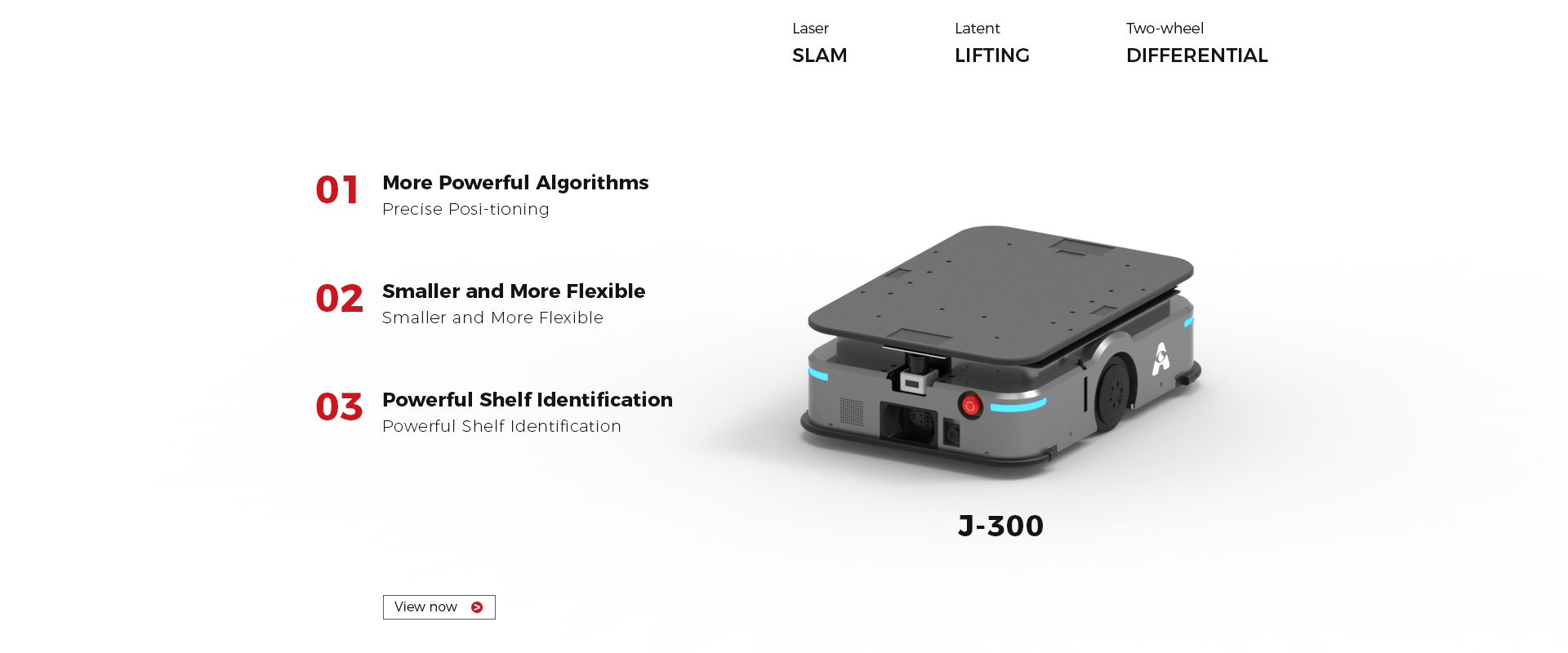
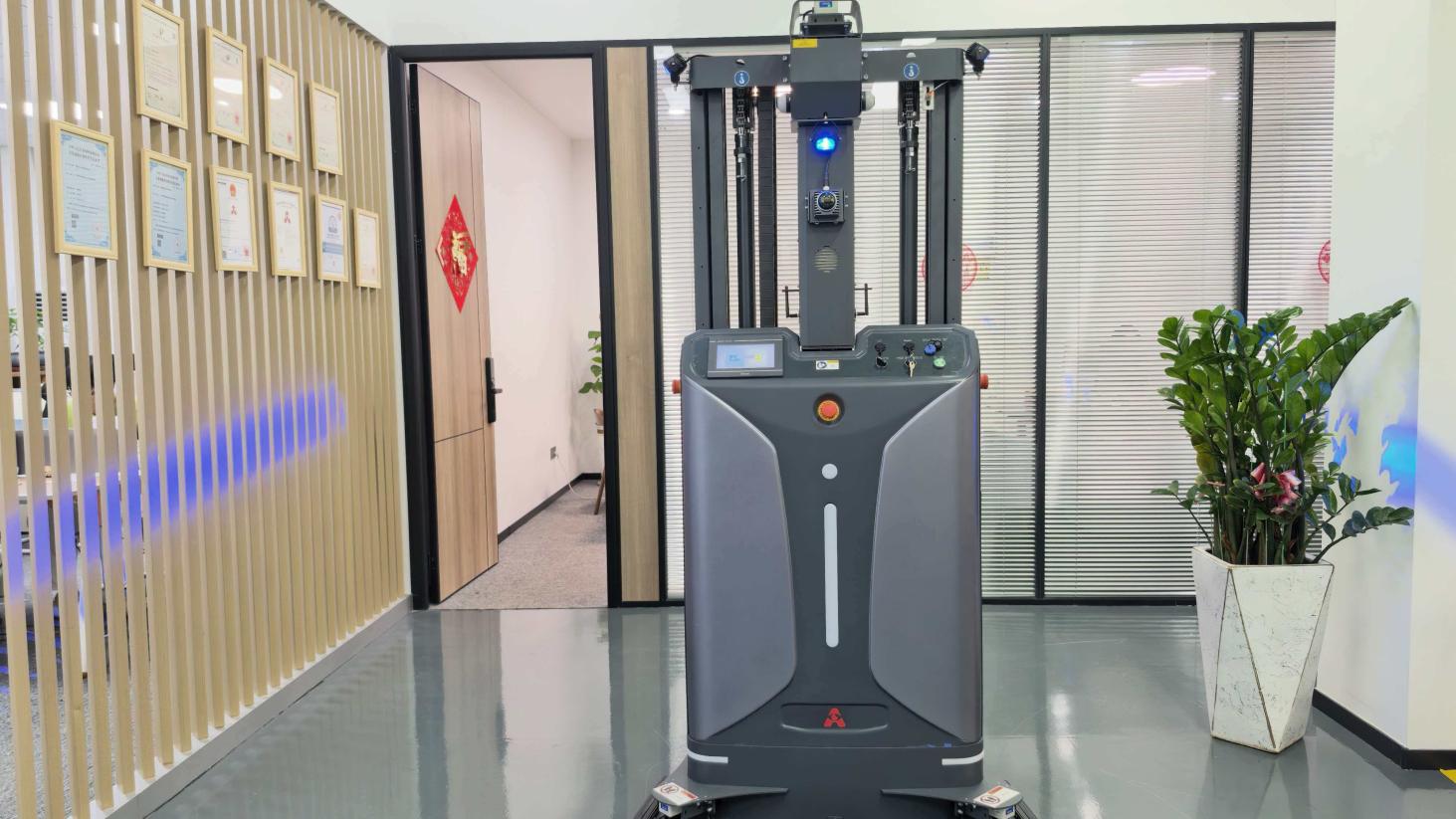
General-purpose PCB WIP transfer robot that maps existing aisles and navigates trackless at ±5 mm, ideal for first-stage automation between production and staging areas.
The best solution is usually not a single robot but a staged fleet: a laser SLAM AMR base for work-in-process transfer, a jacking robot for magazine racks, a roller-conveyor AMR for line-side handover, a smart forklift for pallets of laminates or copper foil, and a composite robot where test or assembly support needs higher repeatability. For most PCB plants, begin with ±5 mm natural-feature SLAM on main routes, then add QR-assisted ±2 mm docking only at AOI, electrical test, press, automated storage or other stations where panel and magazine positioning is critical.
This distinction matters because PCB logistics is not simple pallet transport. Panels are thin, static-sensitive, dust-sensitive and often carried in magazines, cassettes or custom racks. A robust SLAM LiDAR AGV for PCB manufacturing logistics must fit existing aisles, respect ESD zones, interface with MES, WMS or ERP, and keep line-side buffers stable without stopping production for floor reconstruction. Buyers should shortlist by process interface, safety and total operating cost, not by headline payload alone.
Map the highest-frequency moves first: WIP between drilling, imaging, plating, AOI, electrical test, press, warehouse and dispatch.
Use jacking, roller, pallet or arm-based modules according to the rack, magazine, panel cassette or pallet interface.
Use ±5 mm SLAM for travel, ±2 mm QR assist for critical docking, and ±0.05 mm composite robot repeatability for precision operations.
Global buyers often begin with “AGV price” but quickly discover that PCB factories demand cleaner, gentler and more traceable material flow than general warehouses.
Thin PCB panels, inner layers, laminates and finished boards can be damaged by vibration, edge impact or uncontrolled handling. Robots used in PCB logistics should support smooth acceleration, stable rack interfaces, ESD-safe materials and route planning that avoids unnecessary stops or collisions. Magazines and cassettes must be secured before travel, and the top module should guide the load rather than rely on friction alone.
PCB lines combine drilling, imaging, plating, AOI, electrical test, press, packaging and warehouse equipment from different vendors. A practical AGV project defines handshake signals, conveyor heights, buffer capacity and exception handling before the robot arrives. Wi-Fi coverage, automatic doors, elevators and fire doors should also be evaluated because a delay at one door can reduce fleet throughput more than travel speed itself.
Buyers increasingly ask whether the fleet can exchange task status, panel or magazine ID, station location and completion records with MES, WMS or ERP. Traceability is not only a data feature; it affects operator trust. Clear task feedback, exception alerts and audit logs help production teams adopt robots without losing visibility of critical lots.
PCB products and layouts change. Laser SLAM maps existing natural features and lets teams update routes as lines are rearranged. If a future station needs ±2 mm docking, QR labels can be added only at that point. This staged approach protects capital investment and avoids magnetic tape, reflectors or floor QR codes across the entire factory.
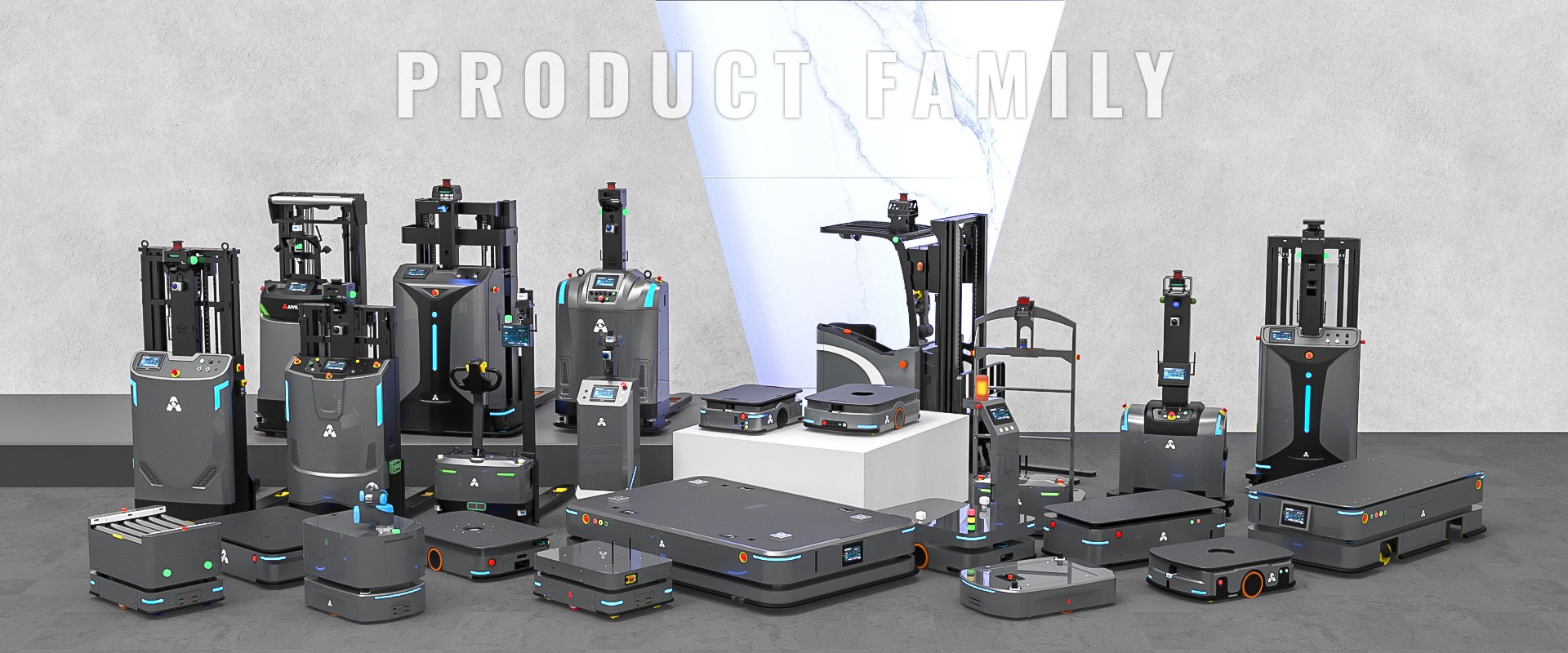
Select the navigation core and top module by process. Mixed fleets share the same scheduling logic so one plant can combine jacking, roller, pallet and forklift workflows.

General-purpose PCB WIP transfer robot that maps existing aisles and navigates trackless at ±5 mm, ideal for first-stage automation between production and staging areas.

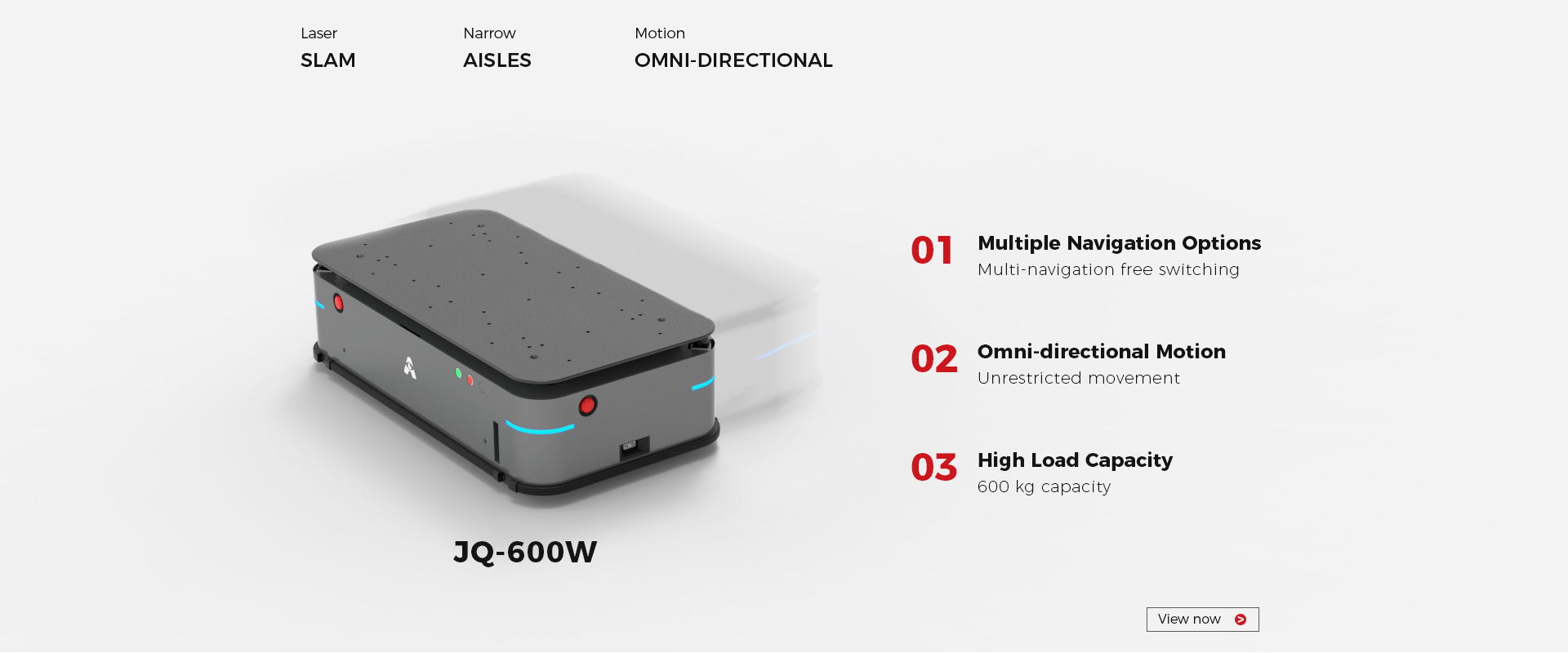
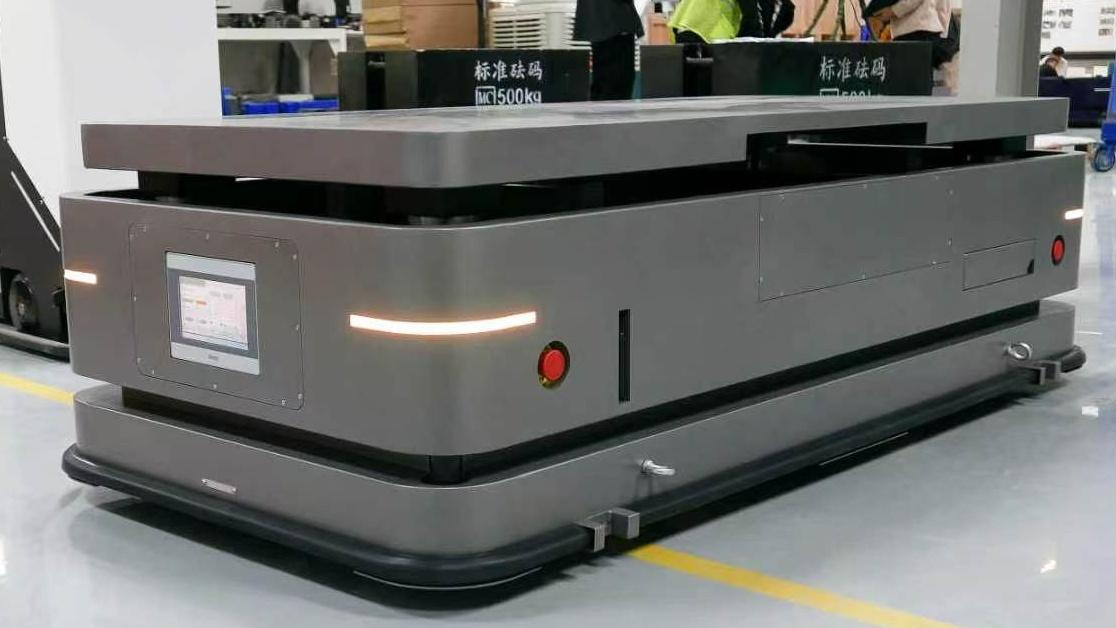
Low-profile robot drives under compatible racks, lifts and delivers them between PCB process steps. A practical choice for magazine, cassette and line-side buffer transport.

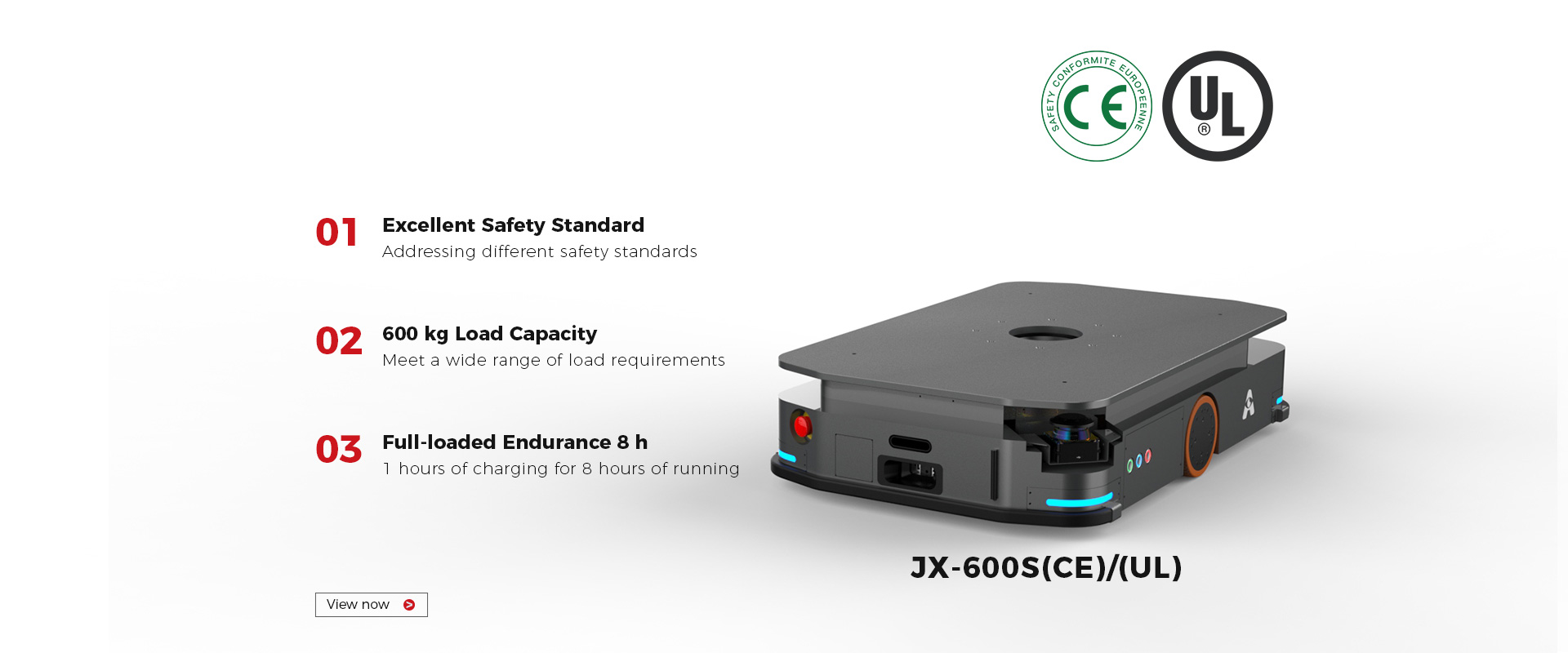
Engineered with roller or belt top modules for direct handover with PCB conveyors, AOI buffers and automated storage stations. Supports MES-driven task sequencing.

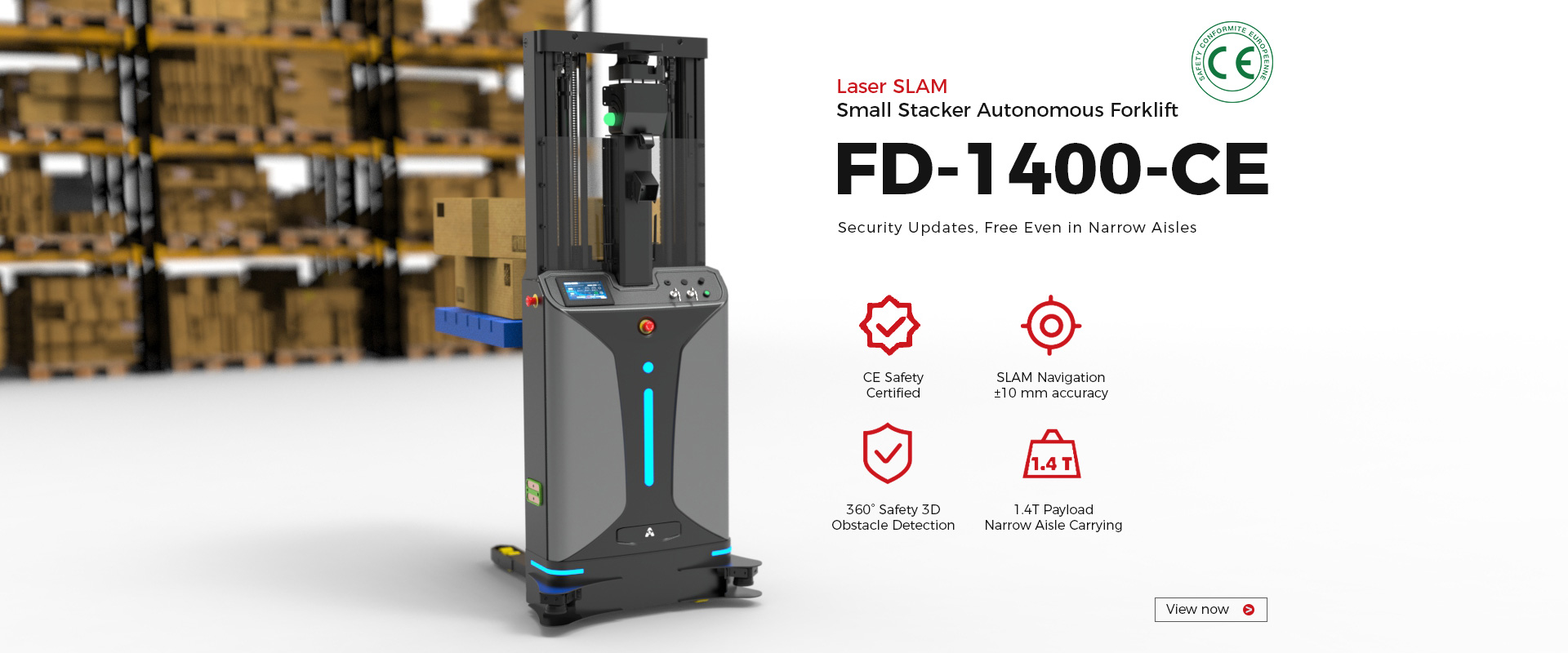
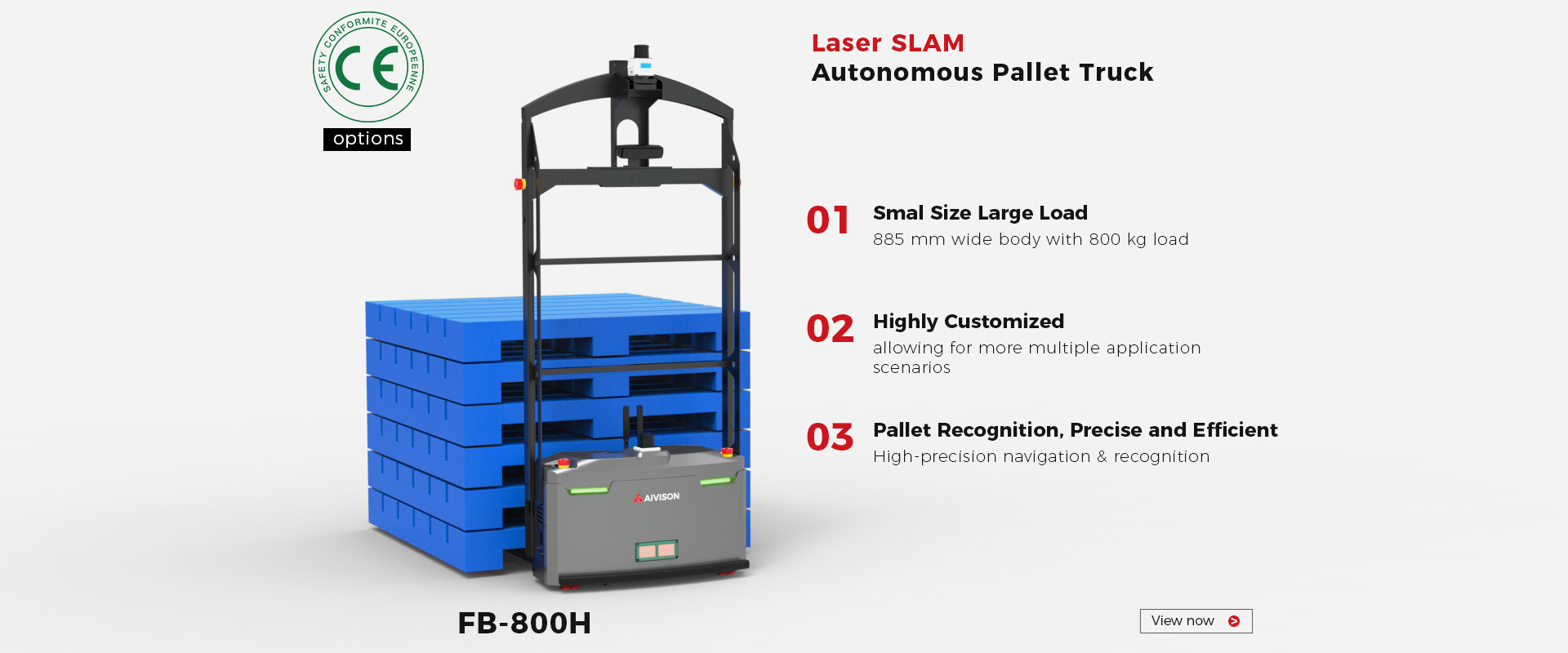
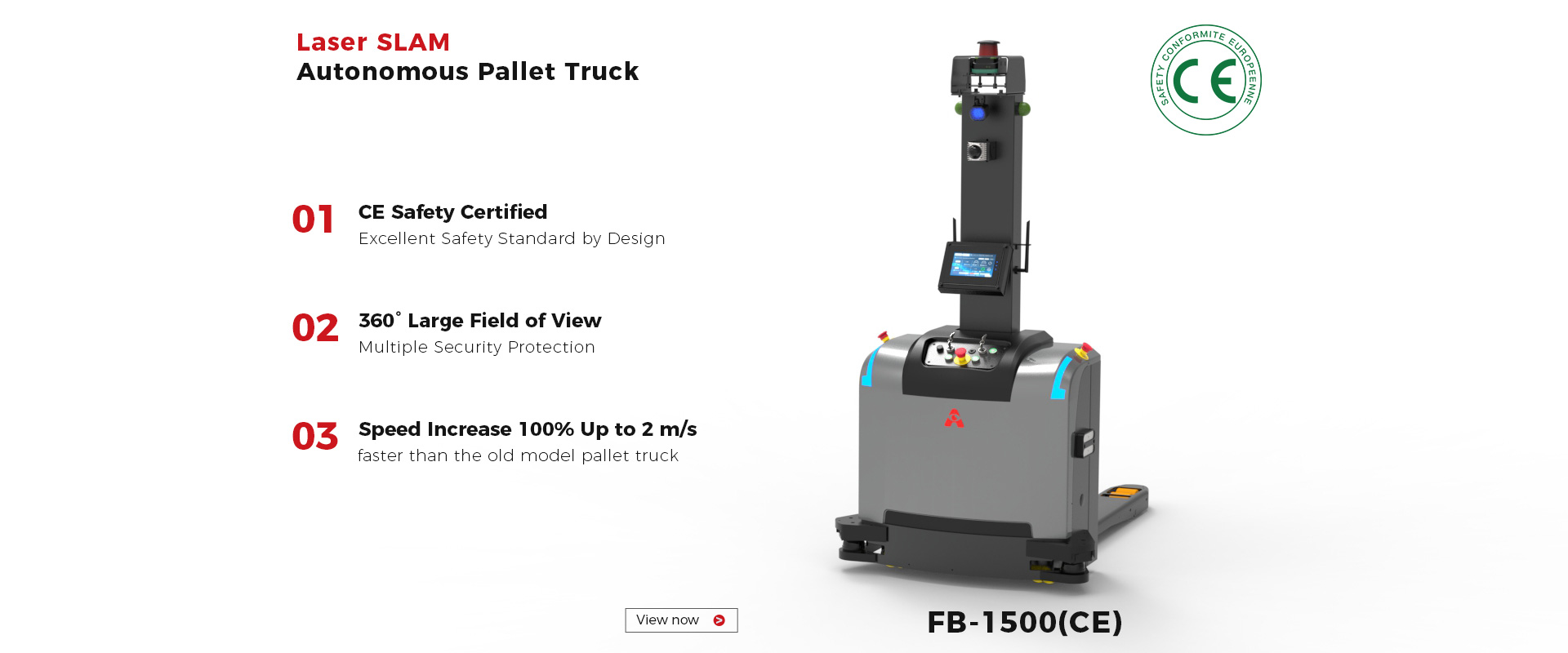
Laser-navigated autonomous forklift with camera-assisted pallet recognition for bulk materials such as laminates, copper foil, shipping cartons and finished goods.

Compact pallet AMR for light PCB materials, consumables and packaging in narrow aisles where full-size forklifts are impractical.

Combines autonomous mobility with modular arms or roller systems for higher-value PCB test, inspection support and precision assembly handover.
Purchasing teams are moving from single-machine price comparison to fleet-level risk, integration quality and lifecycle cost.
Buyers now ask about charging efficiency, spare parts, preventive maintenance, software updates, operator training and expansion cost, not only the robot quotation.
PCB procurement teams request interface diagrams, MES handshake examples, safety risk assessments and references from comparable manufacturing environments.
Global manufacturers prefer one fleet platform across plants, so suppliers must offer consistent software, spare parts and remote support across regions.
Rather than buying the maximum fleet at once, buyers pilot one route, validate ROI, then add jacking, roller or forklift modules as production ramps.
APIs and standard communication matter when robots must work with different MES, WMS, conveyors, elevators and future automation equipment.
After-sales response time, firmware update policy, network security and user access control are increasingly part of the supplier scorecard.
Robot development is moving toward deeper process integration, more reliable perception and easier expansion rather than simple payload increases.
Laser SLAM remains the backbone for stable mapping and positioning, while cameras improve pallet detection, QR docking, obstacle classification and station alignment. In PCB plants, fusion sensing helps robots operate around reflective surfaces, changing racks and mixed pedestrian traffic.
More decision-making moves onboard and into fleet software: dynamic rerouting, traffic control, charge scheduling, task prioritization and exception alerts. This reduces dependency on a single central server and improves responsiveness in large factories.
Future PCB AGV projects will be judged by how well they connect with MES, WMS, equipment PLCs, automatic doors, elevators and safety systems. Standard APIs and clear data models reduce commissioning time and support long-term traceability.
Expect growth in roller conveyors, magazine grippers, ESD-safe carriers, cleanroom-compatible materials, lift interfaces and composite arms. The robot chassis becomes a platform, while the top module solves the process problem.

Most generic AGV questionnaires focus on payload and speed. PCB manufacturing logistics requires additional details that directly influence robot selection, safety validation and commissioning time.
Shenzhen Marnix Intelligent Technology Co., Ltd. combines about ten years of AGV engineering experience with manufacturer-level customization. The company builds laser SLAM AMRs, jacking robots, smart forklifts, composite mobile robots and intelligent charging docks from one source, which helps PCB plants and system integrators avoid fragmented hardware, software and service responsibility.
Robots are engineered for semiconductor, 3C electronics, lithium battery, photovoltaic, automotive parts, PCB, textile and medical device environments, where cleanliness, precision and uptime matter.
Credibility is supported by an onsite supplier assessment by TÜV Rheinland, Fortune 500 procurement experience, transparent trade history and a verified supplier profile.
Chassis, payload, top modules, software interfaces and fleet scheduling can be adapted for jacking, roller, forklift or arm-based workflows instead of forcing a standard warehouse design.
Laser SLAM reaches ±5 mm without floor infrastructure; QR assist supports ±2 mm docking; composite robots reach ±0.05 mm repeatability. Indoor Wi-Fi scheduling coordinates multiple robots, traffic and automatic charging.


These are the questions procurement teams, plant engineers and system integrators most often ask when evaluating PCB logistics automation. For project-specific answers, write to info@marnixbot.com.
It is a trackless autonomous mobile robot that uses laser SLAM to map a PCB factory and move panels, magazines, laminates, copper foil, pallets and finished boards between production, inspection, storage and dispatch areas without magnetic tape or floor guides.
Yes, when the top module is designed for the load. PCB plants typically use jacking robots for magazine racks, roller conveyor AMRs for line-side panels, custom racks for thin panels and smart forklifts for pallets of laminates or copper foil. ESD-safe materials and smooth motion profiles should be specified.
Most PCB transfer routes work with ±5 mm laser SLAM navigation on natural features. At automated docking, AOI, electrical test, press or warehouse handover points, adding a QR code camera can raise docking accuracy to ±2 mm. Composite robots with a 6-axis arm can reach ±0.05 mm repeatability for precision assembly and test support.
No. Laser SLAM maps the existing environment, so standard routes usually require no magnetic tape, reflectors or floor QR codes. QR labels are added only at selected stations where ±2 mm docking is necessary.
Yes. PCB buyers should confirm the integration method, data fields, Wi-Fi coverage, fleet scheduling API and handshake logic with conveyors, elevators, doors and production equipment before shortlisting a supplier.
Fleet size depends on missions per hour, travel distance, elevator or door waits, charging time and peak WIP. A simulation based on your layout and throughput is more reliable than estimating from the number of production lines alone.
Include load weight, rack or magazine dimensions, floor plan, aisle widths, docking accuracy, process interfaces, Wi-Fi coverage, MES requirements, throughput, shift pattern, ESD and cleanroom requirements, safety expectations and required delivery schedule.
Email info@marnixbot.com with your layout, load profile, throughput target and precision requirements, or use the Get a Quote button on this page. Shenzhen Marnix Intelligent Technology Co., Ltd. can recommend a configuration based on the route, top module and integration scope.
Share your panel or magazine dimensions, floor plan, throughput target and docking precision. Our engineers will recommend a practical SLAM LiDAR AGV configuration for your PCB manufacturing logistics project.
info@marnixbot.com