Shenzhen-based R&D and manufacturing experience for mobile robot projects.
Trackless navigation without magnetic tape, reflectors or floor QR codes.
End users and system integrators across three continents.
Semiconductor, 3C, lithium battery, photovoltaic, automotive, PCB, textile and medical.
Why Automatic Charging Stations Matter for Indianapolis AMR Deployments
Indianapolis is not only a distribution market. It is a manufacturing and logistics crossroads connected by I-465, I-70, I-65 and I-74, with warehouse clusters around Plainfield, Whitestown, Lebanon and the airport corridor. For local operations, an automatic charging station is no longer a secondary accessory to an AMR project. It is part of the uptime strategy: it determines how often robots can work, where they park, how batteries are cycled and how a fleet behaves during peak shifts.
A well-planned charging layout reduces unnecessary travel, protects battery life and keeps material flow stable through break periods. A poorly planned one creates congestion, missed handovers and avoidable downtime. That is why Indianapolis buyers should evaluate the charging station, fleet scheduling software and robot chassis as one system rather than buying them as disconnected items.
- Deploy laser SLAM navigation without tearing up existing floors or installing magnetic tracks.
- Use QR labels only at stations where ±2 mm docking precision is truly required.
- Coordinate multiple robots over indoor Wi-Fi with automatic charging and traffic control.
- Request compatible automatic charging docks with the robot quote instead of sourcing them later.
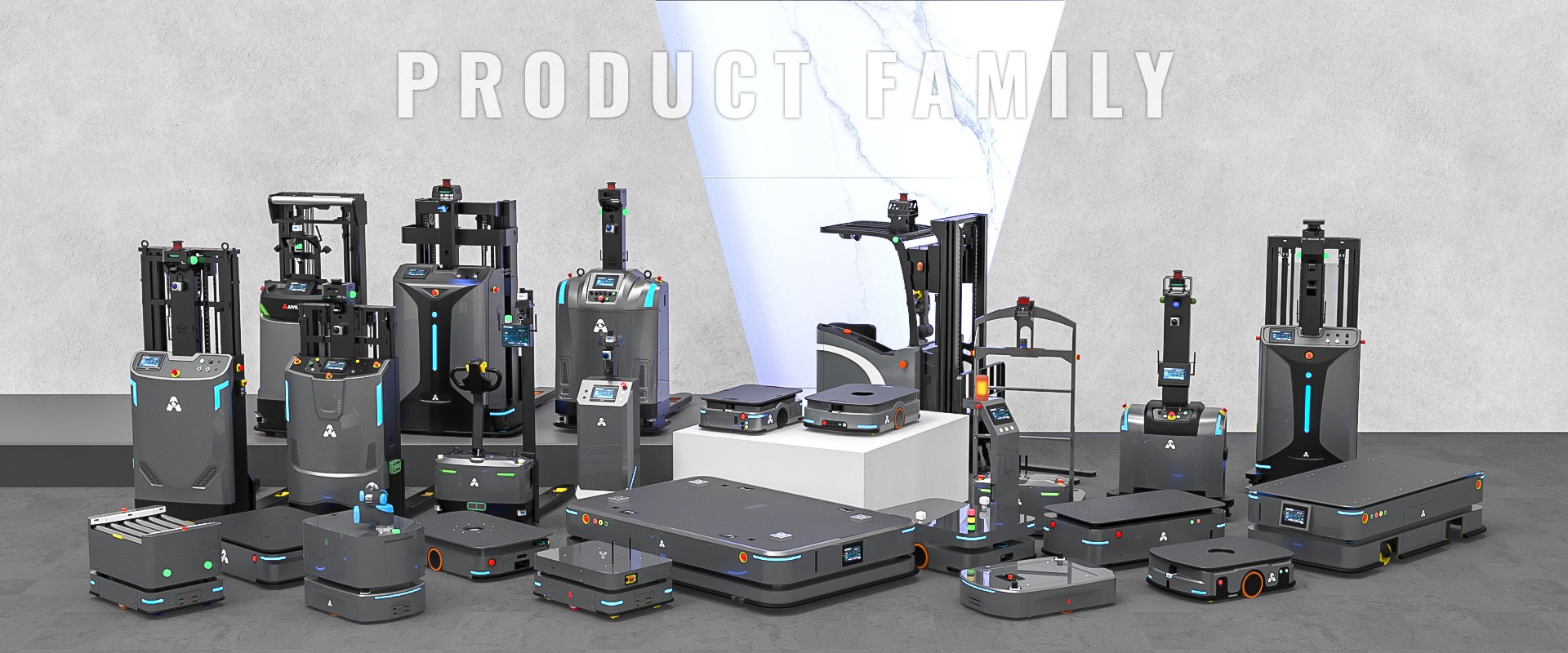
Eight Product Paths for Indianapolis Material Handling Projects
Choose by load profile, aisle width, docking precision, handover equipment and shift pattern. Every platform below can be quoted with a compatible automatic charging dock and fleet scheduling support.
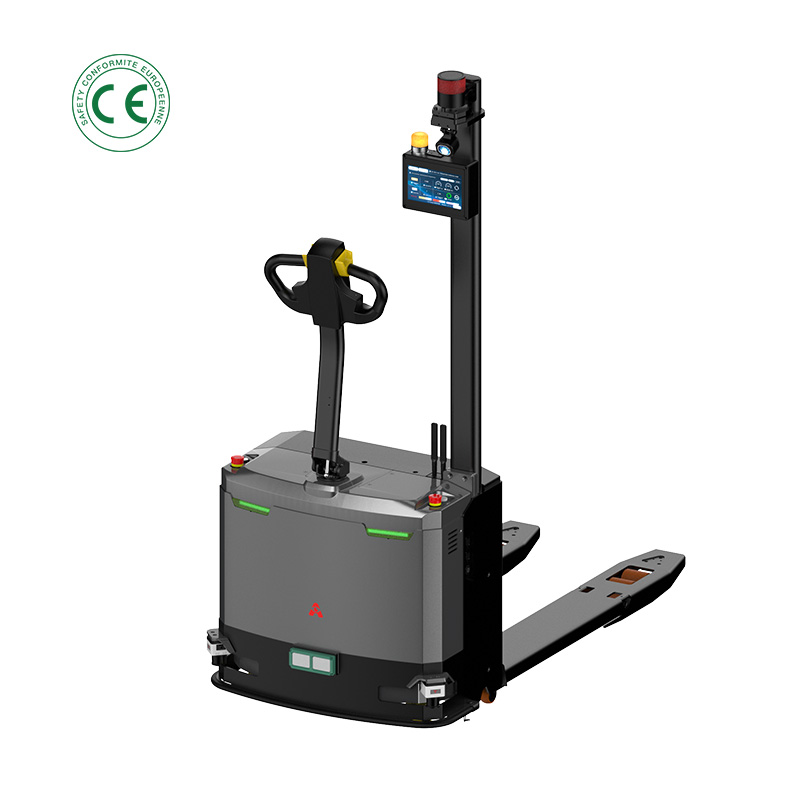
Autonomous Mobile Robot AMR AGV Forklift Pallet Stacker CE Certificate for Smart Warehouse and Production Line Automation
A strong fit for Indianapolis warehouses that need pallet handling without conventional forklift traffic. Combine it with an automatic charging station for continuous transfer between receiving, storage and dispatch.
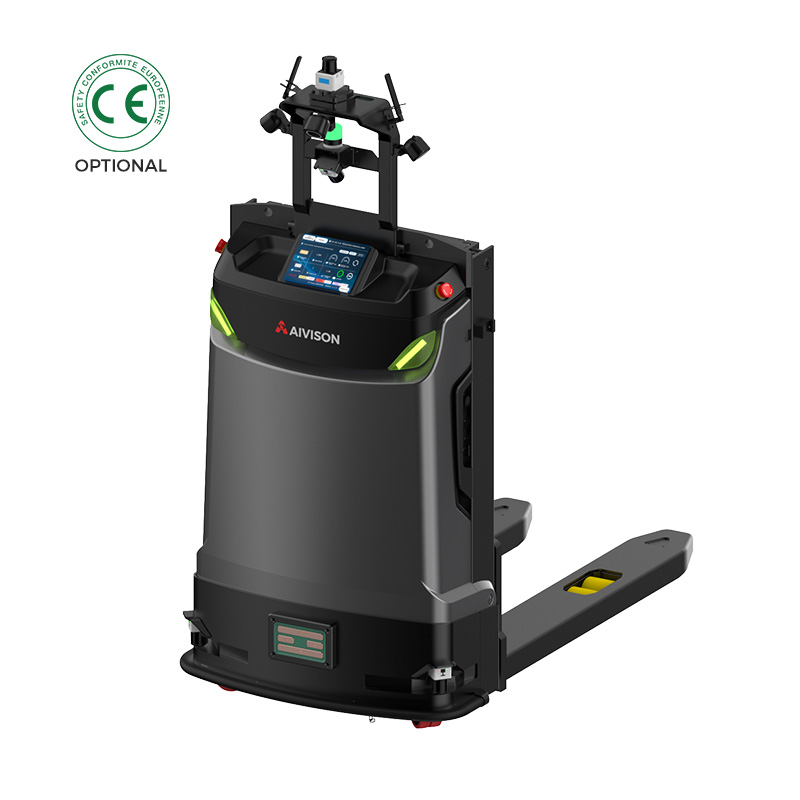
China Factory Automated Mobile Robot SLAM Lifting Wholesale AGV Chassis Vehicle
A flexible lifting chassis for integrators and factory teams that want to build around a proven navigation core. It suits line-side delivery and rack movement where the top module is customized.

Warehouse Stacker CE Forklift AGV 800kg Load Capacity Light AMR Pallet
Useful for light pallet handling, narrow aisles and repetitive put-away tasks where full-size forklifts create congestion. Pair with scheduled charging to handle high-frequency warehouse moves.

Hot Selling Logistics Navigation Detector Sensor Lidar Manufacturers Direct Sales
For integrators building or maintaining AMR fleets, reliable lidar sensing supports mapping, localization and obstacle detection. Ideal for pilot lines and service replacement planning.
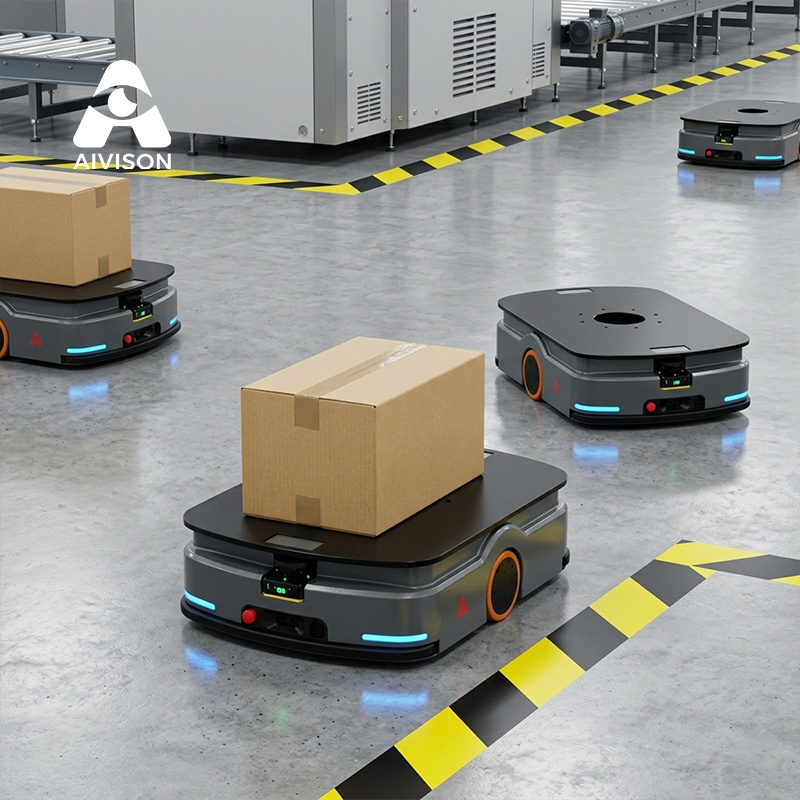
Autonomous Mobile AMR Robot 300kg Payload Laser Guided AGV for Carry Goods in Factory
A practical choice for electronics assembly, medical-device production and light manufacturing cells. Its compact payload range supports frequent line-side moves and short charging cycles.

Omnidirectional Mobile Manipulator AMR Dual 7-DOF Arms ±0.03 mm Repeatability Laser SLAM Humanoid Robot Base
For advanced laboratories, semiconductor-adjacent work and high-value assembly where mobility plus manipulation is required. A composite mobile robot configuration can reduce manual handling steps.
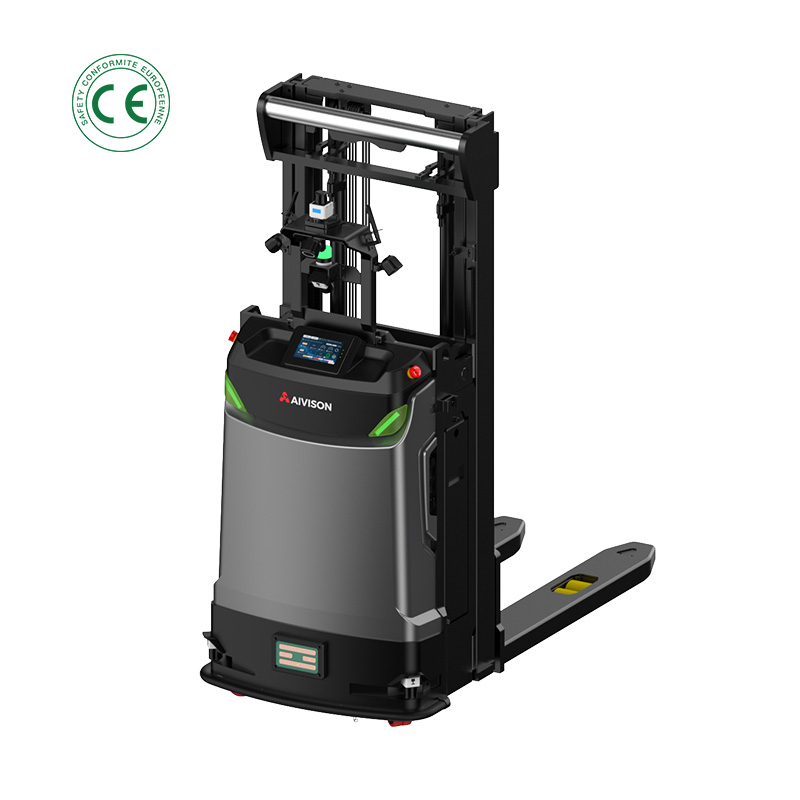
Aivison AMR Robot Vehicle Automated Warehouse Automatico AGV Logistics Industrial Guided Vehicles
Built for automated warehouse material flow and scheduled transfer tasks. With compatible charging docks, fleets can rotate through opportunity charging instead of stopping for long manual recharge periods.
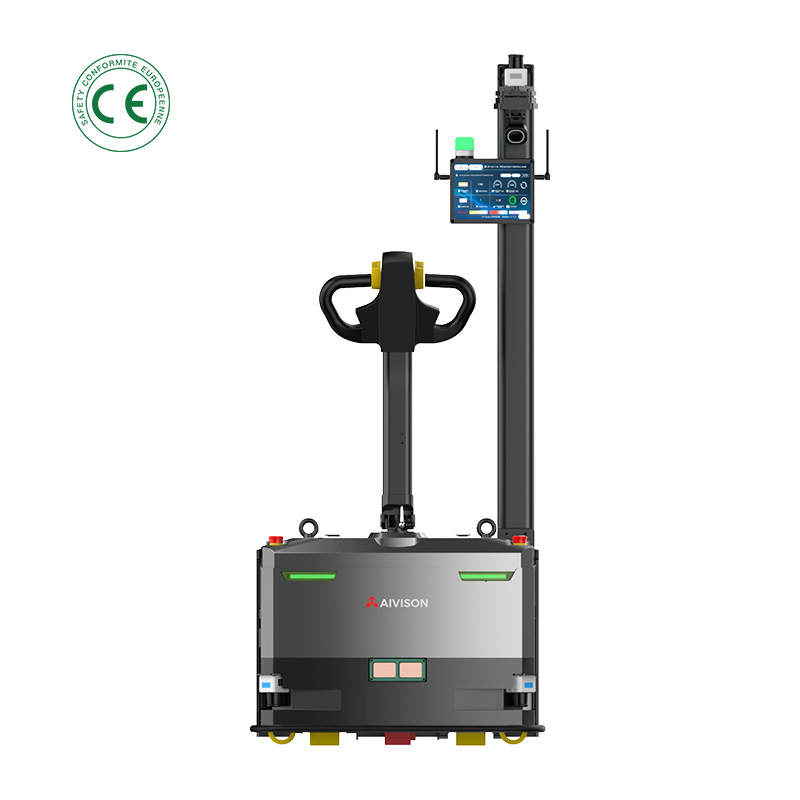
Autonomous Mobile Robot AGV CE Laser SLAM Navigation for Material Handling and Logistics
A general-purpose AMR for mixed warehouse and production logistics. Laser SLAM maps the site without floor modification, while optional QR assistance supports precision handovers.
For a complete Indianapolis deployment scope, request the robot, automatic charging station, fleet scheduling configuration and spare-parts list in the same catalog review. This avoids mismatched power, docking and communication assumptions later.
Localized Indianapolis Application Scenarios
Indianapolis facilities often mix high-throughput distribution, skilled manufacturing and strict traceability. The right charging and AMR layout should reflect the building, the shift pattern and the material interface.

Warehouse & 3PL Hubs Around the I-465 Beltway
Distribution centers near the airport, Plainfield and Whitestown need predictable replenishment, put-away and outbound staging. Autonomous forklifts and pallet AMRs can move repetitive loads while associates focus on exceptions, quality checks and order accuracy.
- Automatic charging stations placed near high-frequency handover zones.
- Fleet scheduling to avoid aisle congestion during carrier pickup windows.
- Laser SLAM mapping without shutting down the building for floor work.
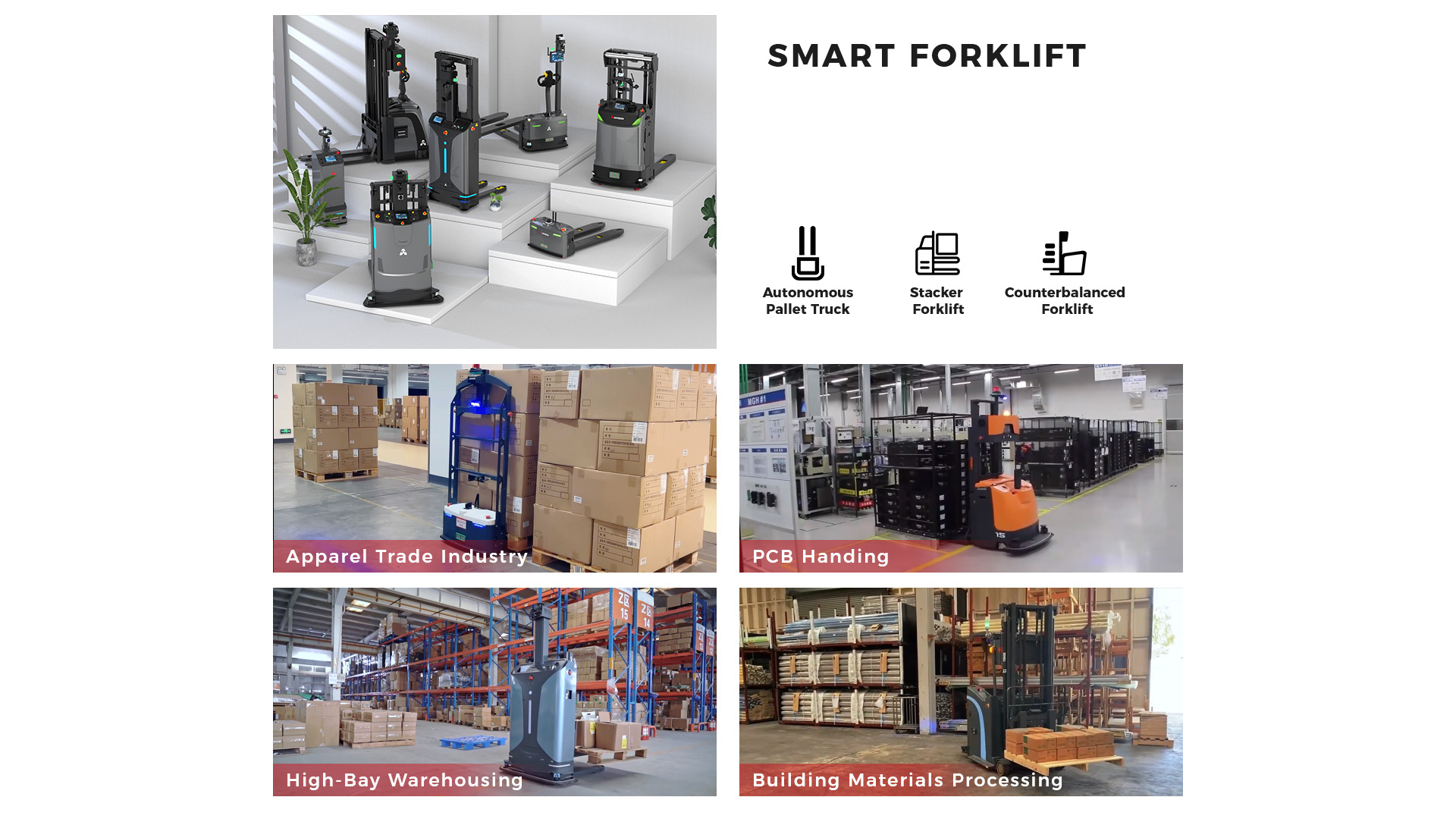
Advanced Manufacturing & Automotive Supplier Plants
Indianapolis-area manufacturers support automotive, EV supply, industrial equipment and electronics production. Material flow must protect takt time, especially where line-side racks, conveyors and kitting carts change frequently.
- Jacking robots and smart forklifts for rack and pallet transfer.
- Optional QR docking for ±2 mm handover at precision stations.
- Composite robots with arms or rollers for machine interfacing.

Life Sciences, Medical Devices & High-Mix Electronics
Life-sciences and medical-device operations value traceability, clean material handling and repeatable movement. High-mix electronics lines value flexibility, because routes and product families change faster than fixed conveyors can adapt.
- Composite mobile robots for high-value assembly support.
- Stable charging routines for controlled-environment uptime.
- Custom top modules for trays, carriers and roller handover.
Indianapolis-Side Trends Reshaping Automatic Charging and AMR Procurement
Buyers are asking harder questions than “What is the robot payload?” They want charging strategy, safety review, fleet behavior and integration documentation before the first pilot.
Opportunity Charging Over Long Stops
Instead of pulling robots offline for long charge sessions, Indianapolis teams are planning automatic charging stations near work zones so robots recharge between missions. The goal is predictable availability across two- and three-shift patterns.
Mixed Fleets, One Traffic Plan
AMRs, jacking robots, smart forklifts and manual equipment share the same floor. Fleet scheduling and clear charging-station placement reduce the risk of bottlenecks at aisle intersections and battery bays.
Safety and Electrical Review Earlier
Facilities teams now review charging locations, power access, guarding, emergency stops and traffic rules before equipment arrives. This shortens commissioning and avoids late changes to electrical layouts.
Customization at Manufacturer Level
System integrators and end users want top modules matched to conveyors, racks and machine interfaces. Manufacturer-level customization keeps the same navigation core while adapting the payload interface.
Why Marnix Is a Trusted Export Partner for Indianapolis Project Teams
Marnix is a Shenzhen-based manufacturer of laser SLAM AMRs, jacking robots, smart forklifts, composite mobile robots and intelligent charging docks. The value for Indianapolis buyers is not simply a robot price; it is a configured system with engineering support, export experience and documented quality controls.
About Ten Years of AGV Engineering
Shenzhen Marnix Intelligent Technology Co., Ltd. draws on about ten years of AGV manufacturing experience. That experience matters when a project includes custom racks, nonstandard aisles or line-side handovers that do not match a generic robot cart.
Laser SLAM Without Floor Rework
Natural-feature laser SLAM reaches ±5 mm positioning without magnetic tape, reflectors or floor QR codes. QR labels can be added only where a station needs ±2 mm docking precision, which protects existing floors and reduces installation disruption.
Manufacturer-Level Customization
As a manufacturer, Marnix customizes chassis and top modules such as jacking units, roller conveyors, forklift forks and 6-axis robotic arms. This allows a production line to connect directly to the robot rather than forcing the line to adapt to a catalog-only machine.
Fleet Scheduling & Automatic Charging
An intelligent scheduling system coordinates multiple robots over indoor Wi-Fi, covering task assignment, traffic control and automatic charging through compatible smart docks. For Indianapolis operations, this supports 24/7 duty cycles with clear charging rules.
Verified Supplier Credentials
Marnix has an onsite supplier assessment by TÜV Rheinland and supplies a Fortune 500 company according to its published trade history. Its robots serve more than 200 manufacturers across three continents, with deployments in eight core industries.
Integrator and Export Support
Marnix supports end users and system integrators, with flexible engineering and documentation for export projects. For Indianapolis teams, this means the supplier can discuss robot, charging dock, configuration and spare-parts planning as one coordinated package.
Match Navigation Accuracy to Each Indianapolis Workstation
Most automation projects do not need the same accuracy everywhere. Use standard SLAM for transport, QR assist for precision docking and composite robotics only where manipulation or micron-level repeatability is justified.
For quoting, share where each accuracy level is needed. Over-specifying every station increases cost and complexity; under-specifying a critical handover can cause repeated faults. A station-by-station accuracy map is one of the fastest ways to improve an Indianapolis automation proposal.
What to Prepare Before You Request a Catalog or Quote
These six inputs usually determine the right robot, charging station count and fleet size. Sharing them upfront shortens evaluation and reduces back-and-forth with engineering.
Load Profile
Maximum weight, footprint, center of gravity and carrier type for racks, pallets, trays or carts.
Site Layout
A CAD drawing or sketch showing aisle widths, doors, slopes, elevators, charging locations and fire routes.
Throughput Target
Missions per hour, peak periods and shift pattern. This sets fleet size, battery strategy and charger quantity.
Docking Precision
Which stations need ±5 mm SLAM, which need ±2 mm QR assist and which need composite robot precision.
Power & Wi-Fi Readiness
Available electrical service, charger locations, access control and indoor Wi-Fi coverage across the robot area.
Equipment Interfaces
Conveyors, machines, shelving and safety systems the robot or charging station must coordinate with.
FAQ: Automatic Charging Station and AMR Procurement in Indianapolis
Practical answers for warehouse operators, plant engineers and system integrators evaluating a first or expanded mobile robot fleet.
Are you an automatic charging station supplier for Indianapolis or only an exporter?
Marnix is a manufacturer and exporter of AMRs, jacking robots, smart forklifts and compatible intelligent charging docks. For Indianapolis projects, Marnix supplies the equipment and engineering documentation; final site installation, electrical connection and local code approval should be handled with your qualified electrical contractor and facilities team.
Can the charging stations and AMRs work with US electrical service?
Charging infrastructure must be matched to the facility’s actual voltage, phase, breaker, grounding and location requirements. Share your electrical drawings and charger location plan during quotation so the correct configuration can be confirmed. Final compliance with local electrical codes and authority-having-jurisdiction requirements remains a site-level responsibility.
How long does shipping to Indianapolis usually take?
Lead time depends on the robot model, customization level, charger configuration, order quantity and export schedule. Request a written quotation with production timing, shipping method and documentation requirements. Indianapolis buyers typically compare air and sea options based on pilot urgency versus total landed cost.
Do you provide UL or ETL certification for the charging station?
CE-certified products are available where applicable, and Marnix has an onsite supplier assessment by TÜV Rheinland. CE and supplier assessment should not be treated as automatic substitutes for UL, ETL or local AHJ approval. For Indianapolis, confirm the exact certification requirement with your electrical contractor, insurer and local authority before ordering.
Will the robots require floor QR codes or magnetic tape?
Standard laser SLAM navigation maps natural features and does not require magnetic tape, reflectors or floor QR codes. QR labels are added only at stations where ±2 mm docking precision is needed. This is especially useful in existing Indianapolis buildings where production cannot stop for floor modification.
Can you customize the robot for our conveyor, rack or machine interface?
Yes. As a manufacturer, Marnix customizes chassis and top modules including jacking units, roller conveyors, forklift forks and 6-axis robotic arms. For best results, provide interface drawings, load dimensions, handover height and cycle-time expectations so the top module can be engineered around the actual production equipment.
How are multiple robots and charging docks coordinated?
An intelligent scheduling system manages the fleet over indoor Wi-Fi, supporting simultaneous task assignment, traffic control and automatic charging with compatible smart charging docks. For a multi-robot project, share aisle constraints, charging locations and peak mission windows so the fleet plan can be simulated before shipment.
What information should I send to receive a useful catalog and quotation?
Send your load profile, layout drawing, throughput target, docking precision needs, shift pattern, Wi-Fi coverage, electrical service details and equipment interfaces. Also state whether you are an end user or system integrator. With those inputs, Marnix can recommend a robot and charging-station configuration rather than sending a generic product list.
Build a Charging-Enabled AMR Fleet for Your Indianapolis Facility
Share your load, layout, throughput and docking precision. Marnix can match the right AMR platform with a compatible automatic charging station, fleet scheduling plan and export documentation package.
info@marnixbot.com