Eight warehouse robot platforms
Smart Warehouse Robots Recommended for Ottawa Buyers
Start with the load, aisle and handover point—not the robot category. These eight platforms cover pallet movement, rack jacking, high-shelf transfer, production-line docking and custom integrator builds. Every platform below uses a laser SLAM core, with QR or robot-arm upgrades where Ottawa workflows demand tighter repeatability.
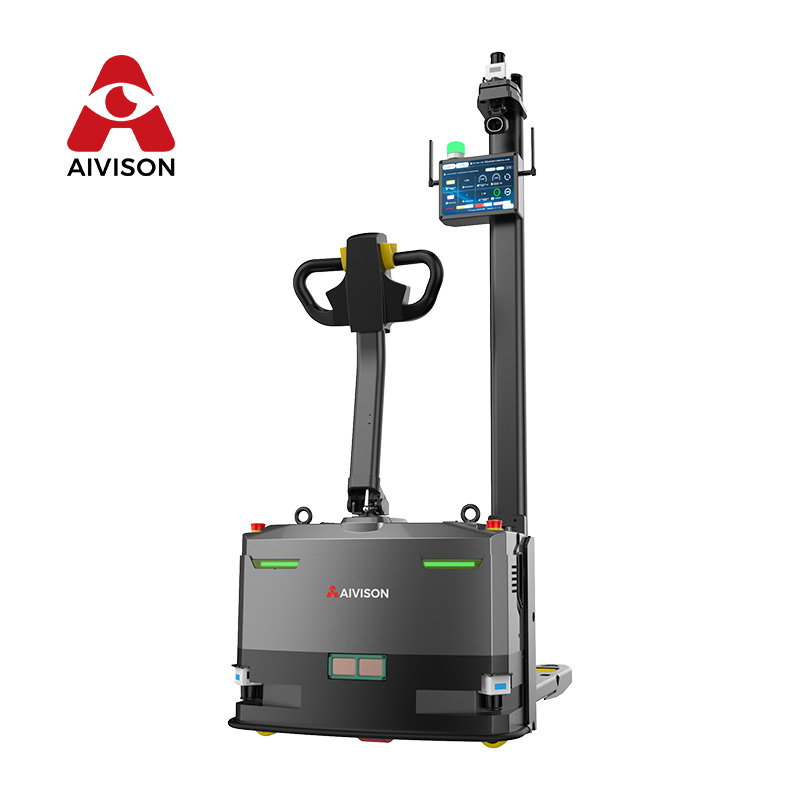
Customizable 1500KG Traction Capacity AGV Autonomous Mobile Robot Amr with Lidar Guided Sensor
For medium-duty towing and repetitive transfer where carts, racks or carriers vary. A practical first lane for Ottawa warehouses testing automation without rebuilding the floor.
- 1,500 kg traction
- Lidar SLAM
- Custom top module
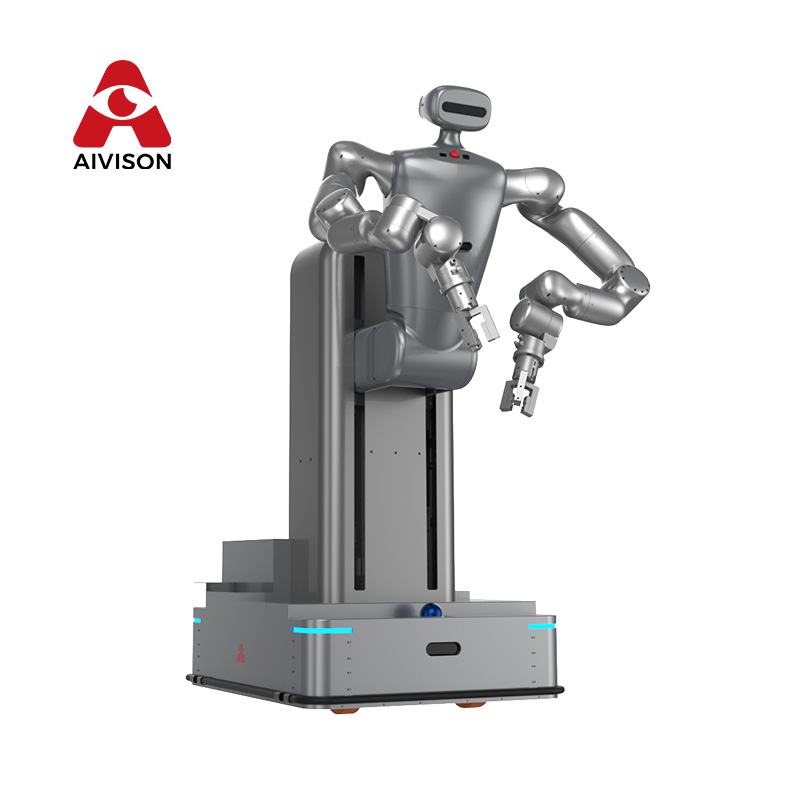
Omnidirectional Service Humanoid Robot Chassis Dual 7-DOF Arms Laser SLAM Navigation for Hospitality and Retail
Dual 7-DOF arms and an omnidirectional chassis for service, retail and technology-campus pilots where interaction and maneuverability matter more than pallet weight.
- Dual 7-DOF arms
- Laser SLAM
- Omnidirectional
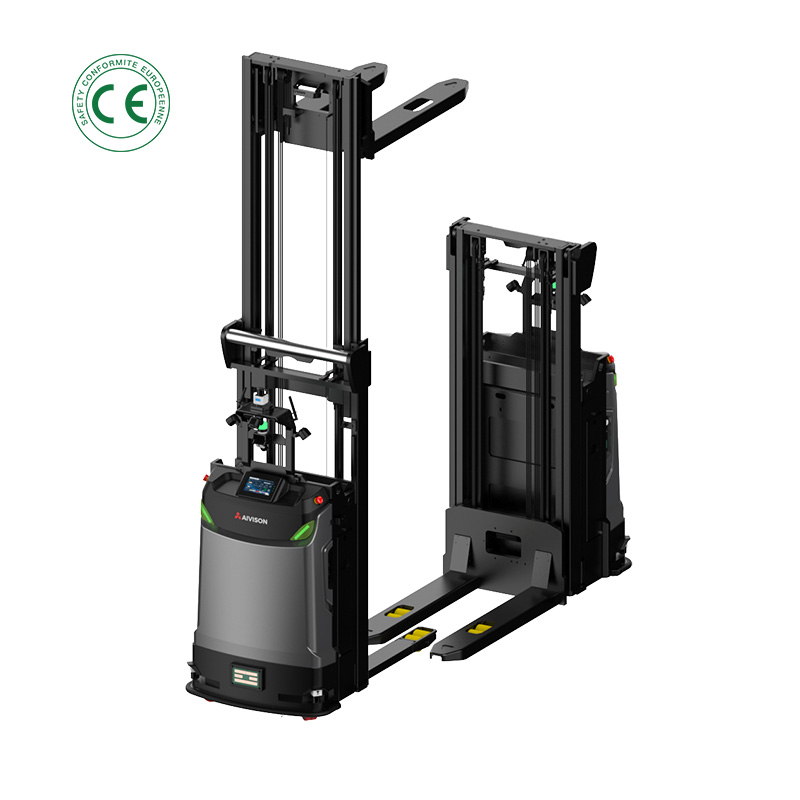
High-performance Intelligent Smart Automated Guided Vehicle 2000kg AMR Robot
A 2,000 kg-class AMR for cross-dock transfer, production feeding and heavy material flow where stable travel and dynamic avoidance are essential.
- 2,000 kg class
- Laser SLAM
- Heavy-load flow
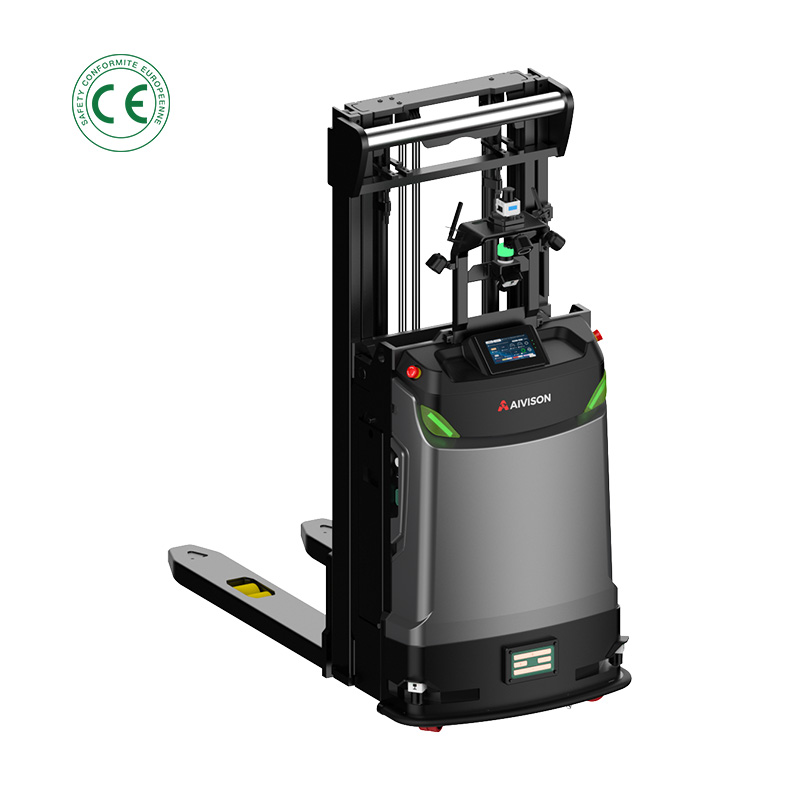
Warehouse Robot Robotics 2000KG CE Warehousing Automatic Forklift Stacking AGV
For pallet put-away and retrieval in racking zones where a forklift-style AGV must repeat stacking missions with less dependency on operator availability.
- 2,000 kg
- Fork stacking
- CE configuration
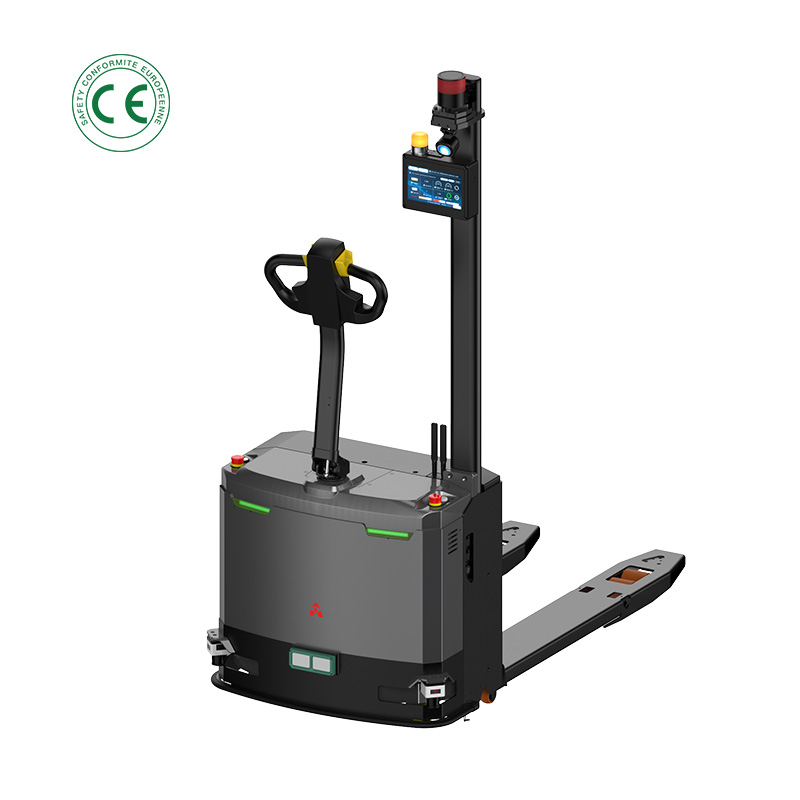
Automatic Handling CE Certificate 2000kg Forklift Robot Vehicle Laser AGV for Large Load Goods-carrying
Designed for large-load goods carrying and repetitive inbound or outbound movements where fork engagement, travel stability and docking discipline matter.
- 2,000 kg
- Laser navigation
- Large-load goods
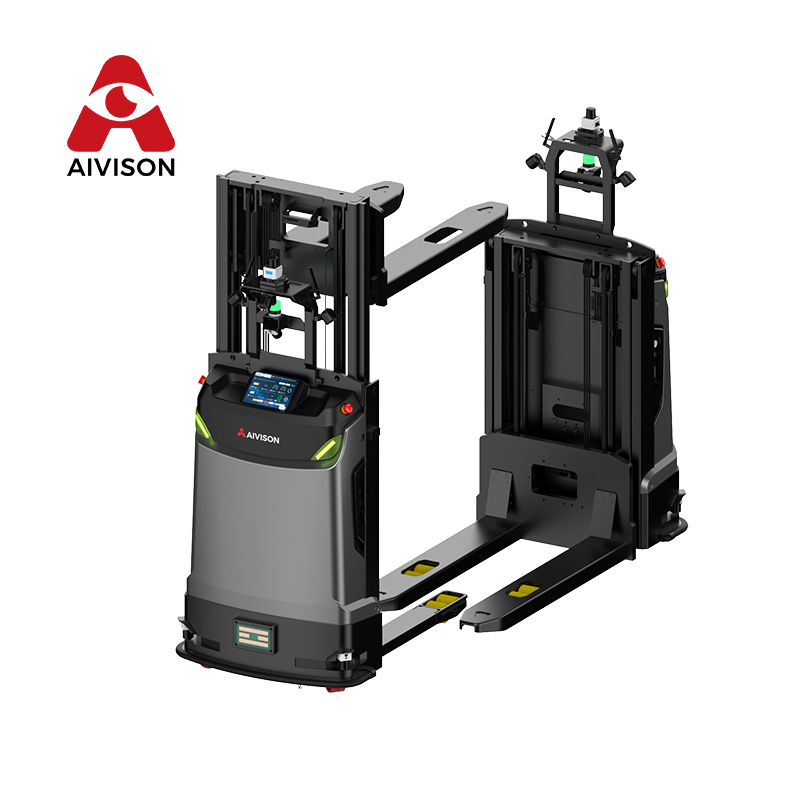
New Warehouse Autonomous Cars agv Robot 2000kg Load Capacity Stacker agv Robot
A stacker AGV for dense storage and repetitive pallet handling. Often specified where the operation needs autonomous stacking but cannot justify a full AS/RS rebuild.
- 2,000 kg
- Stacker format
- Autonomous warehouse
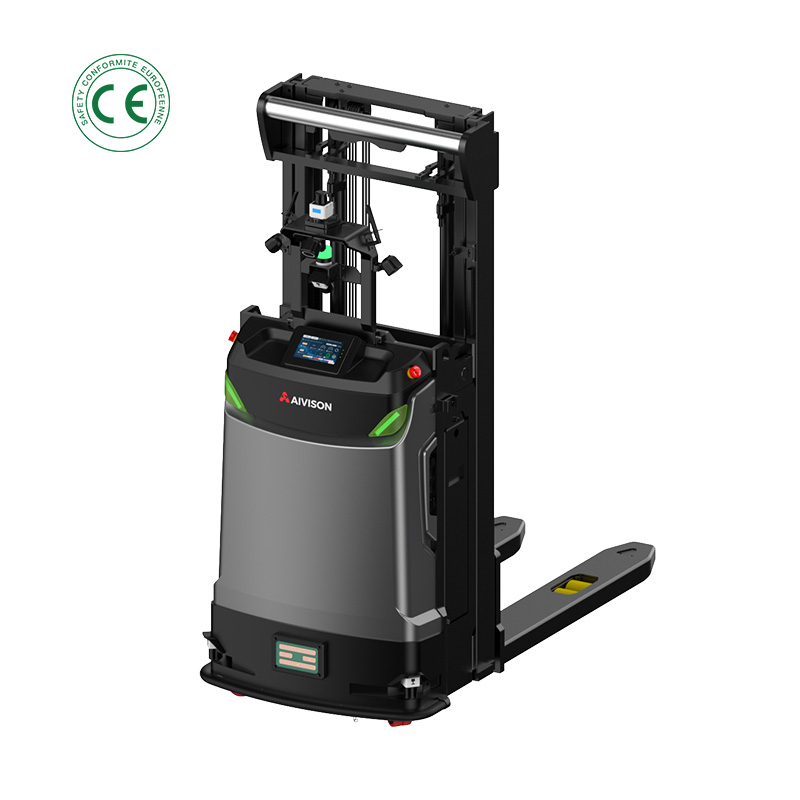
Aivison AMR Robot Whicle Automated Warehouse Automatico agv Logistics Industrial Guided Vehicles
A scalable industrial AMR platform for warehouse logistics, suitable for fleet-style deployment with scheduling and charging-dock support.
- Industrial AMR
- Fleet-ready
- Warehouse logistics
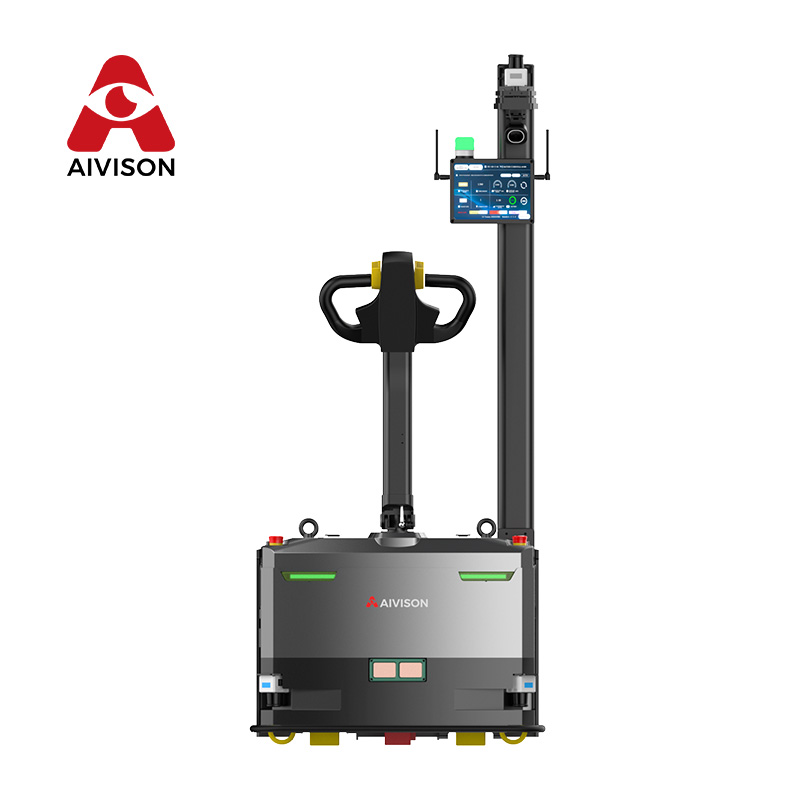
China Factory Movable Pallet Agv Robot Rack Shelf for Intelligent Robot Warehouse
Movable pallet rack and shelf system for high-density storage. The robot lifts and moves the rack, reducing walking time and improving vertical space use.
- Rack-to-person
- High-density storage
- Custom rack
Need help matching a platform to an Ottawa aisle width, dock height or throughput target?
Send an InquiryShenzhen-based R&D and manufacturing experience
No auxiliary tracks, reflectors or floor QR codes required
Across three continents and eight core industries
Semiconductor, 3C, battery, PV, auto parts, PCB, textile and medical
Ottawa market context
Why Ottawa Warehouses Are Reconsidering China-Built Smart Warehouse Robots
Ottawa is not a single-industry logistics market. Public-sector supply chains, medical-device distribution, technology campuses, e-commerce fulfillment, food distribution and cross-border transport all share the same pressure: move more pallets and totes without adding unreliable manual travel.
An Ottawa warehouse near the international airport may handle trailer unloading, staging, returns and replenishment in the same shift. A Kanata technology operation may need controlled handling for electronics or medical-device components. A food distributor serving Nepean, Gloucester or Orléans may need cold-chain discipline and strict sanitation procedures. The common requirement is a robot that can map the existing building, avoid mixed traffic and hand over loads at the right station—without demanding rails, magnetic tape or a full floor rebuild.
That is where the laser SLAM navigation core matters. It maps natural building features and supports ±5 mm positioning. At stations that need tighter docking, a QR code camera raises accuracy to ±2 mm. For high-value assembly, a composite robot with a 6-axis arm can achieve ±0.05 mm repeatability. The practical buying lesson is to specify precision only where it creates value. Over-specifying every aisle increases cost without improving throughput.
China’s AMR supply chain also compresses engineering iteration. A direct manufacturer relationship can adapt fork dimensions, roller heights, jacking units and payload ranges around the actual Ottawa rack interface. But wholesale pricing should never be compared without a commissioning scope, spare-parts plan and compliance file. The lowest quotation is not the lowest deployed cost when a site loses a shift because a sensor bracket, charger or safety configuration was not documented.
Match Navigation Precision to the Workstation
Accuracy is a configuration decision, not a marketing headline.
Use SLAM for travel; add QR labels only at precision docking stations; reserve composite robots for assembly or transfer tasks where arm-level repeatability is truly required.
| Evaluation area | Ottawa-specific question | Evidence to request |
|---|---|---|
| Floor disruption | Can the site remain live during mapping, commissioning and route changes? | Method statement, commissioning plan, map-update procedure and no-track installation details. |
| Dock and rack precision | Which handovers truly need ±2 mm or ±0.05 mm rather than ±5 mm? | Station-by-station accuracy map, repeatability test method and QR/arm calibration procedure. |
| Compliance file | What documentation will the authority having jurisdiction, insurer and electrical contractor expect? | Risk assessment, E-stop architecture, electrical drawings, applicable declarations and third-party assessment evidence. |
| Fleet integration | How will the robot receive missions from the WMS, WCS or ERP, and who controls traffic? | API documentation, network assumptions, cybersecurity roles, dispatch logic and escalation path. |
| Service model | Who responds in Ottawa time, and how quickly can a spare sensor, charger or drive unit arrive? | Spare-parts list, remote diagnostics process, response SLA, local integrator training and warranty terms. |
| Total cost | Does the quote include freight, duties, commissioning, training, spares and compliance support? | Landed-cost breakdown, training hours, acceptance tests and clear responsibility for site sign-off. |
Localized applications
Where Smart Warehouse Robots Fit in Ottawa Operations
The strongest business case is usually one constrained lane with a clear handover—not a whole-building transformation on day one.

Airport-area cross-dock and 3PL staging
Use 2,000 kg smart forklifts, pallet AMRs and rack-jacking robots to move receipts from trailer to staging. Laser SLAM handles travel; QR assistance can be reserved for precise dock or rack handovers.
- Reduce repeated forklift travel between receiving, staging and dispatch
- Keep routes flexible when seasonal volume changes
- Specify charging location away from congested dock doors
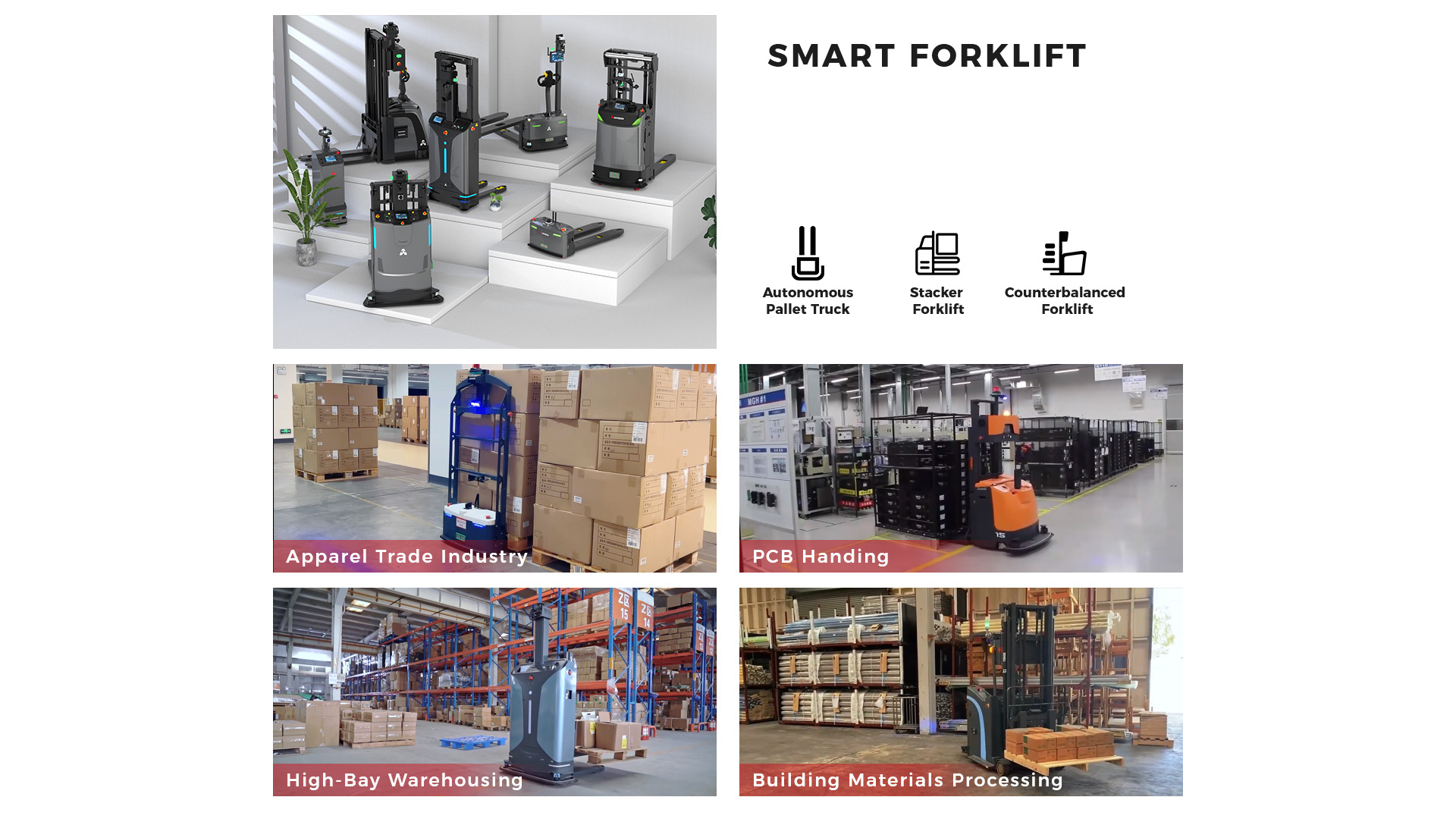
Kanata and west-end technology operations
Electronics, PCB and medical-device workflows often need cleaner handovers and tighter docking than a general warehouse. Use ±2 mm QR docking at workstations and composite robots for arm-level transfer.
- Validate ESD, cleanliness and contamination controls with the robot configuration
- Document Wi-Fi segmentation and user-access rules
- Stage deployment by production cell, not by entire building

Food, cold-chain and medical distribution
Facilities serving Nepean, Gloucester, Orléans and the wider Ontario–Quebec corridor need traceability and sanitation discipline. Movable racks and stacker AGVs can simplify high-density storage, but cold-condition performance must be engineered and verified.
- Confirm condensation, battery and charging assumptions for cold zones
- Define cleaning procedures around robot sensors and lift mechanisms
- Use audit logs and mission records to support traceability
Trends to watch
Ottawa Warehouse Automation Trends Shaping 2025–2027
Buyers are moving away from single-purpose showpieces toward equipment that can survive lease changes, labour shortages and multi-client logistics contracts.
Retrofit-first automation
Lease terms and 24/7 service windows make no-floor-infrastructure solutions more attractive than fixed rail or tape systems. Mapping the existing building is now a board-level advantage, not a technical detail.
Mixed fleets with one scheduler
Ottawa sites increasingly start with one jacking robot, then add a smart forklift or pallet AMR. Shared fleet scheduling lets different chassis coordinate traffic instead of creating isolated automation islands.
Modular top modules as risk control
Lock the chassis, software and safety architecture; vary the top module. Jacking units, roller conveyors, forklift forks and 6-axis arms can be matched to each process without re-buying the entire platform.
Procurement evidence and cyber hygiene
Wi-Fi segmentation, role-based access, audit logs and API change control are becoming part of the robot specification. Ottawa buyers are asking for evidence before pilot approval, not after commissioning.
Buyer preparation
What Ottawa Buyers Should Prepare Before Requesting an AMR Proposal
From project experience, six inputs determine most of the robot selection and commissioning effort. Sharing them upfront shortens evaluation from weeks to days.
Load and rack interface
Maximum weight, footprint, center of gravity, rack leg spacing, pallet condition and whether the robot must lift, tow, fork or convey the load.
CAD layout and aisle widths
A drawing with aisle dimensions, doors, dock levelers, floor transitions, charging location, no-go zones and any planned layout changes within 24 months.
Throughput and peak window
Missions per hour, peak periods, trailer arrival patterns and the minimum acceptance throughput that defines a successful pilot.
Docking precision
Which stations need ±5 mm, ±2 mm or ±0.05 mm; how QR labels will be maintained; who owns recalibration after rack movement.
Wi-Fi and cybersecurity
Access-point coverage, roaming behavior, VLAN segmentation, remote-support policy and who can change mission parameters.
Compliance and documents
AHJ expectations, insurance requirements, electrical contractor review, safety functions, training records and spare-parts list.
Manufacturer advantage
Inside the Engineering Behind a China AMR Wholesaler Relationship
The portfolio in this guide is engineered by Shenzhen Marnix Intelligent Technology Co., Ltd., a Shenzhen-based AMR manufacturer with about ten years of AGV engineering experience. For Ottawa buyers, that matters in three places: custom top modules, fleet software and documented precision.

Manufacturer-level customization
Chassis, payload and top mechanisms can be adapted around the process—jacking units, roller conveyors, forklift forks and 6-axis robotic arms—instead of forcing a standard fit.
SLAM lidar plus vision fusion
±5 mm laser SLAM navigation without auxiliary tracks; ±2 mm with a QR code scanning camera; ±0.05 mm repeatability for composite robots with a 6-axis arm.
Wi-Fi fleet scheduling
An intelligent scheduling system coordinates simultaneous task assignment, traffic control and automatic charging with compatible smart charging docks.
Independently assessed credentials
Onsite supplier assessment by TÜV Rheinland, verified trade records and procurement experience with a Fortune 500 company are available for buyer due diligence.
Multi-stage quality protocol
Intelligent inspections and operational stress tests target reliable uptime before shipment. The factory reports more than 200 manufacturers served across three continents.
Integrator-ready support
Documentation, interface questions and custom top modules are handled for system integrators building automation projects—important when an Ottawa site uses a local integration partner.
Procurement FAQ
Common Questions from Ottawa Buyers
Local purchasing teams want practical answers on compliance, floor disruption, freight, service and pilot scale. These are the questions to settle before a purchase order.
Are China-built smart warehouse robots suitable for an Ottawa deployment?
Yes, provided the project is evaluated as a system rather than a product alone. Confirm navigation accuracy, safety functions, electrical documentation, Wi-Fi performance, spare-parts availability, commissioning responsibility and local integrator support. A manufacturer with documented engineering experience and third-party assessment evidence can be a credible supplier, but the final suitability decision belongs to the Ottawa site, its insurer and the authority having jurisdiction.
Do we need floor tracks or QR codes throughout the building?
No. Laser SLAM maps natural features and supports ±5 mm navigation without auxiliary tracks, reflectors or floor QR codes. QR labels are typically added only at stations needing ±2 mm docking. This keeps the Ottawa facility flexible when racking, pick faces or staging areas change.
What compliance evidence should we request for Ontario?
CE is not a substitute for Canadian requirements. Request the risk assessment, E-stop architecture, electrical drawings, applicable declarations and third-party assessment records. Confirm with your authority having jurisdiction, electrical contractor and insurer whether CSA, UL, ESA or other approvals apply to the exact configuration. Marnix supports documentation packages and onsite assessment evidence, while site-level sign-off remains a project responsibility.
How should we compare a China wholesaler with a local Ottawa integrator?
Compare the layers, not the logo. The manufacturer should own chassis, navigation core, top-module engineering and factory acceptance testing. The local integrator may own site survey, electrical work, safety validation, operator training and first-line response. A strong proposal makes these responsibilities explicit and provides a landed-cost breakdown covering freight, duties, commissioning, spares and compliance support.
Can a 2,000 kg smart forklift or AGV handle our existing racking?
It can be a fit—but the rack interface must be engineered. Provide rack leg spacing, pallet overhang, beam heights, aisle widths, floor flatness, dock leveler details and load-center data. Fork dimensions, lift height, sensor placement and QR docking positions may need customization. Never approve a 2,000 kg configuration from a catalogue image alone.
Can we start with one robot and scale to a fleet later?
Yes. A sensible Ottawa pilot starts with one constrained lane, one or two stations and a clear acceptance test. If the platform uses the same SLAM core, fleet scheduler and charging architecture, additional jacking robots, pallet AMRs or smart forklifts can be added without changing the software strategy. Plan Wi-Fi coverage and charging capacity for the future fleet, even if the first phase uses one robot.
Next step
Request an Ottawa-Ready Layout Review
Send your load profile, rack drawing, aisle widths, throughput window and docking precision target. The engineering team can respond with a recommended robot mix, top-module configuration, commissioning assumptions and the questions that should be resolved before a pilot begins.
Send an InquiryMention “Ottawa warehouse” in your message so the inquiry can be routed to the relevant application engineer. Include any Wi-Fi, compliance or cold-chain requirements that may affect robot selection.