Top China Robot Charging System Factory & Suppliers in Semarang
A practical, E-E-A-T-led sourcing guide for Central Java manufacturers comparing China-built AMR charging docks, laser SLAM robots, custom top modules, and local Semarang integration support.
Factory-direct engineering · Shenzhen manufacturing · Global integrator support
8 Robot Platforms Buyers Pair With a China-Made Charging System
These platforms are the starting point for most Semarang projects. Each can be specified with compatible charging docks, fleet scheduling, and a local installation plan. Product URLs are preserved for specification review.
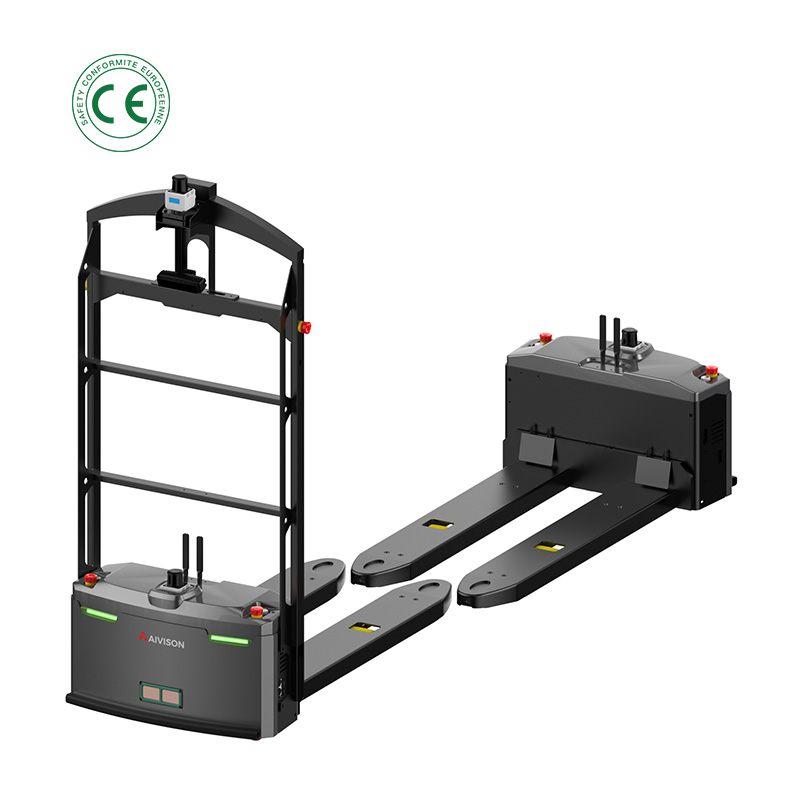
Aivison Customized 800kg Warehouse AGV Robot Lithium Battery AMR
For pallet and rack transfer where opportunity charging keeps the fleet productive across multiple shifts.
View specification
Omnidirectional Humanoid Robot Chassis Dual 7-DOF Arms Laser SLAM Autonomous Warehouse AMR Mobile Platform
For automation pilots that need a mobile base plus dual-arm manipulation and careful charging-zone planning.
View specification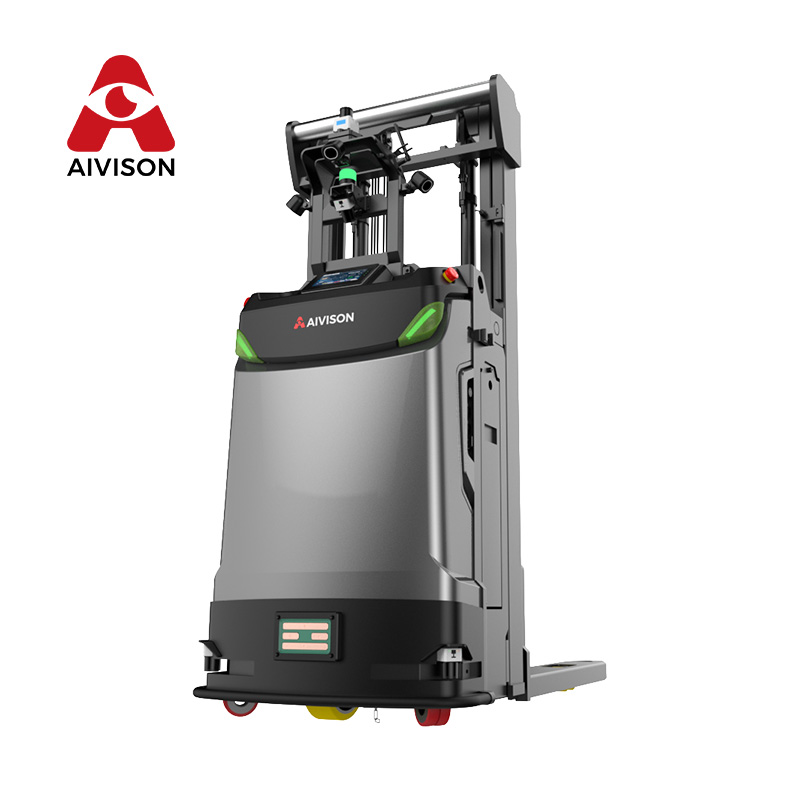
Autonomous Mobile Robots (AMR) Implement Cargo Transportation Between Warehouse and Conveyor Line
Ideal for fixed-route handover between receiving, storage, and conveyor interfaces with precise docking.
View specification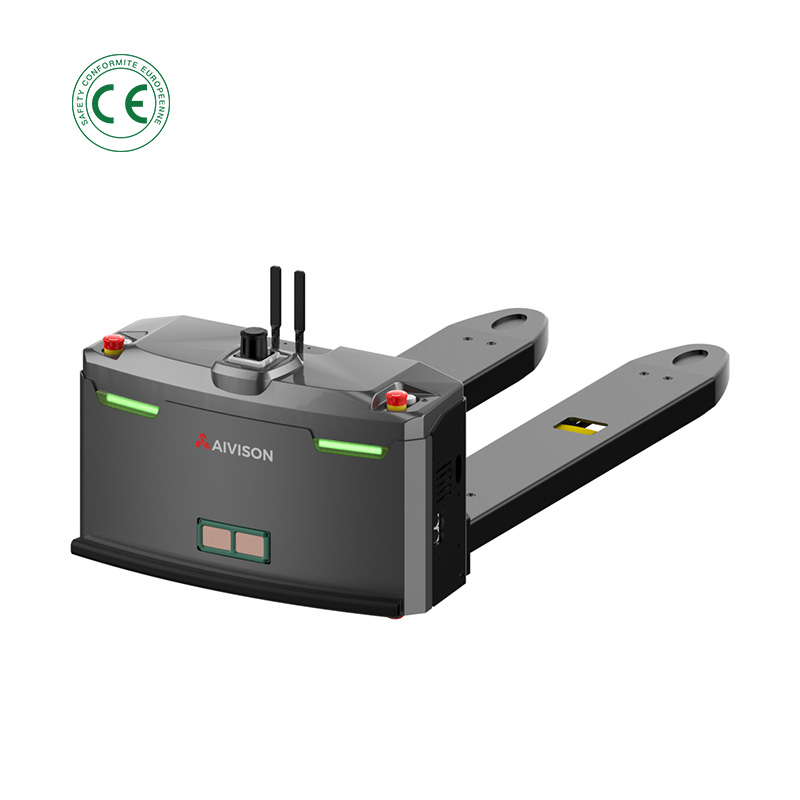
AMR Automated Warehouse Robot Logistics Automatic Industrial Logistics Robots AMR Robot
A scalable platform for repetitive transfer, inbound-to-storage flow, and high-throughput warehouse zones.
View specification
Hot Selling Logistics Navigation Detector Sensor Lidar Manufacturers Direct Sales
Critical for localization and safe docking; specify LiDAR coverage together with charging-station geometry.
View specification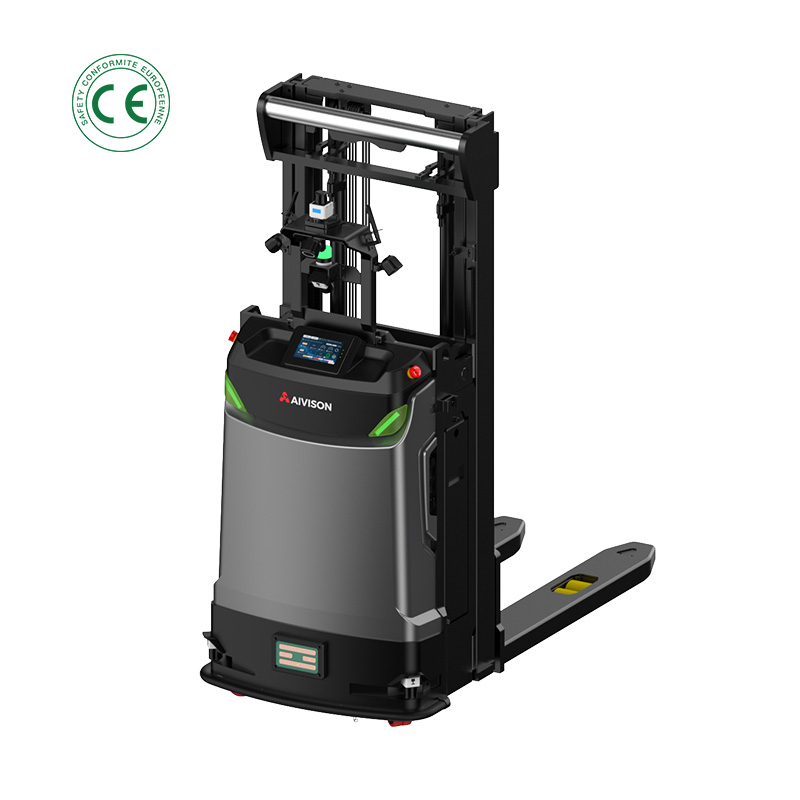
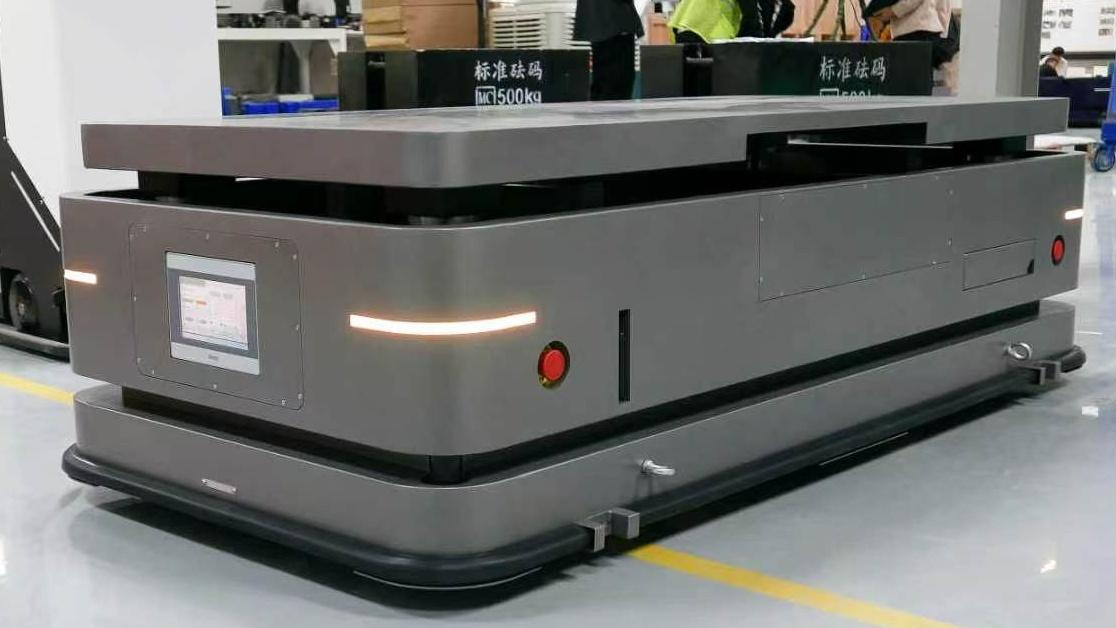
Aivison AMR Robot Whicle Automated Warehouse Automatico agv Logistics Industrial Guided Vehicles
For industrial logistics and guided-vehicle replacement projects that need stable duty cycles and fleet charging.
View specification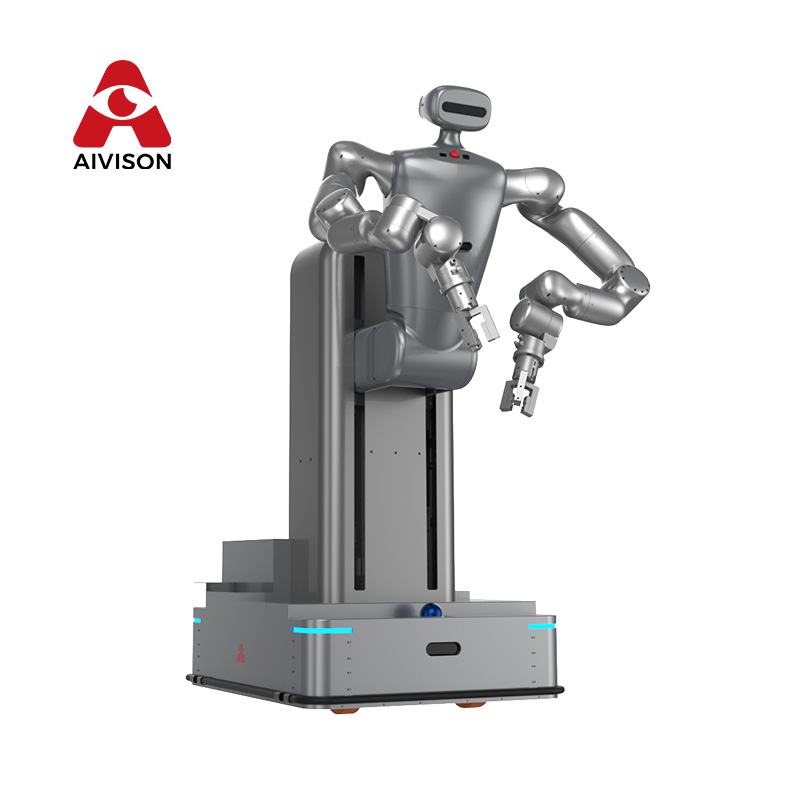
Omnidirectional Service Humanoid Robot Chassis Dual 7-DOF Arms Laser SLAM Navigation for Hospitality and Retail
For hotels, malls, hospitals, and service hubs in Semarang; quiet charging areas and public safety matter.
View specification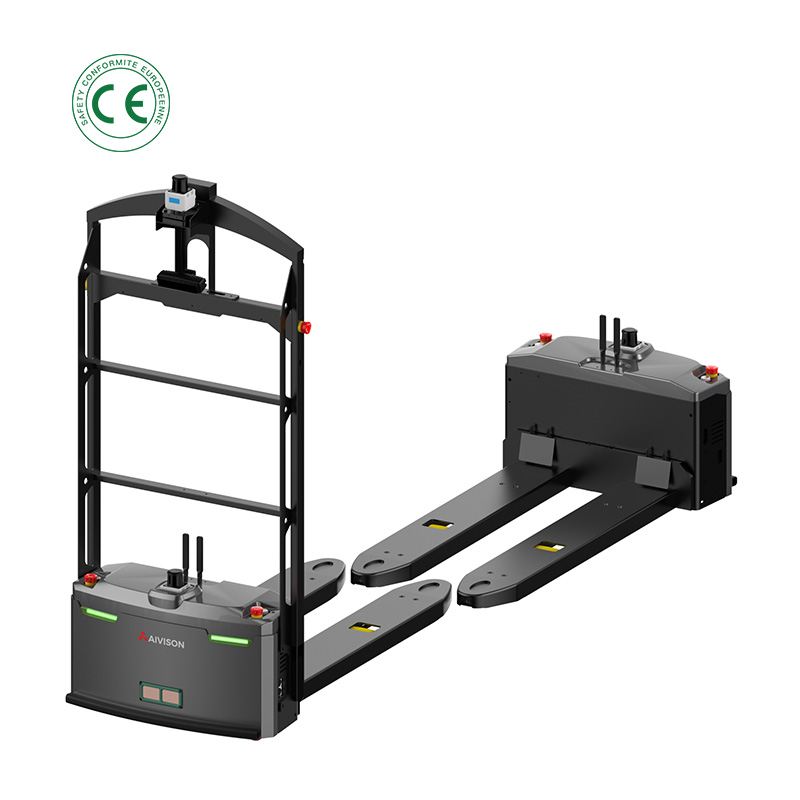
Warehouse Stacker CE Forklift AGV 800kg Load Capacity Light AMR Pallet
For pallet handling with stacker functions; the charging bay needs clearance, safety zoning, and clean contacts.
View specificationWhy Semarang Is a Strategic Entry Point for China-Built Robot Charging Systems
Semarang is increasingly used as a procurement and integration hub for Central Java, not only because Tanjung Emas Port simplifies inbound logistics, but because the city sits within reach of Kendal Industrial Park, Semarang regency manufacturing clusters, and growing automotive, electronics, food, packaging, textile, and medical-device supply chains.
Factory-direct engineering, local execution
For a factory in Semarang evaluating a China robot charging system factory, the decision is rarely just about charger price. It is about how the dock interacts with the robot’s SLAM map, battery depth of discharge, fleet scheduling, safety clearances, and the local maintenance model.
China factory-direct sourcing can offer lower unit cost, customization, and faster engineering iteration. A Semarang-based supplier or integrator can add site survey, electrical installation, spare parts, and response time.
The hybrid procurement model that reduces risk
The strongest strategy is usually hybrid: specify the charging system and robots with the manufacturer, then contract installation, electrical verification, and first-line service through a local partner with documented escalation to the factory.
This protects both total landed cost and uptime. It also gives Semarang buyers a clear path for training, spare charging contacts, fuse replacement, and firmware support.
What a Robot Charging System Actually Includes
A robot charging system is not a commodity power supply. It is an energy infrastructure layer that connects battery chemistry, docking tolerance, fleet software, safety, and after-sales support.
Docking and alignment
Laser SLAM on natural features can bring an AMR to a charging bay without magnetic tape or reflectors. Where the electrical contact must be highly repeatable, a QR code camera can raise docking accuracy to ±2 mm.
Power and battery safety
Indonesia uses 220V/50Hz, but voltage quality, grounding, surge protection, three-phase availability, and charger input range must be confirmed. The factory should provide electrical drawings and protection logic for the local electrician.
Fleet energy management
An intelligent scheduling system over indoor Wi-Fi can coordinate task assignment, traffic control, and automatic charging. The charging plan should match shift patterns, not just battery capacity.
Recommended buying sequence: map the route → measure docking tolerance → model energy use → size the charging bay → confirm local power and safety → agree on after-sales escalation.
Inquire NowMatch the Charging Strategy to the Robot Mission
Semarang projects usually fall into three operating patterns. Use the pattern to shortlist the platform and the charging layout before requesting a quotation.
Warehouse and pallet flow
Shortlist the Aivison 800kg warehouse AMR, the automated warehouse AMR, or the stacker AGV. Use opportunity charging near receiving and dispatch, plus a buffer dock for peak shifts.
See 800kg AGVConveyor and line-side handover
Use the AMR cargo transport platform where the robot hands material to a conveyor. Add QR labels only at the critical docking points to reach ±2 mm without reworking the whole floor.
See conveyor AMRService and precision assembly
Use the dual-arm humanoid platform or composite robot where manipulation and mobility are combined. Plan a stable charging room, controlled temperature, and a clean contact-maintenance routine.
See service robot| Navigation configuration | Typical accuracy | Floor or site work | Charging implication | Best fit in Semarang |
|---|---|---|---|---|
| Laser SLAM on natural features | ±5 mm | No tape, reflectors, or QR codes for standard travel | Flexible dock location; re-map when layout changes | Warehouse transfer, line-side delivery, mixed-traffic logistics |
| SLAM plus QR code camera | ±2 mm | QR labels only where high-precision docking is needed | Best for fixed charging bays and equipment handover points | High-shelf storage, conveyor interface, precision docking |
| Composite robot with 6-axis arm | ±0.05 mm | Station calibration and stable environmental control | High-value battery care; clean charging room recommended | Semiconductor, electronics, medical-device assembly |
Where Robot Charging Systems Fit in Semarang and Central Java
These application scenarios reflect the mixed-traffic, multi-shift, and tropical operating conditions that Semarang buyers commonly need to plan for.
Tanjung Emas Port and bonded logistics
Container yards, customs areas, and third-party logistics hubs run around the clock. Charging docks should be placed near dispatch lanes, protected from rain, and planned for peak-season fleet expansion.
Kendal Industrial Park and industrial estates
Automotive parts, electronics, building materials, and packaging plants often operate multiple shifts. A charging plan based on shift changeover and break windows can reduce the number of docks required.
Food, beverage, and packaging
Electric AMRs help reduce diesel fumes and noise inside production zones. Charging areas should be separated from wet processes, wash-down zones, and high-dust packaging lines.
Textile, furniture, and export manufacturing
Long horizontal transport and dusty environments call for contact cleaning routines, filtered charging areas, and simple diagnostics that local technicians can follow.
Automotive and lithium battery supply chains
High-accuracy docking and battery safety documentation matter. Buyers should request charger protection details, BMS communication information, and maintenance procedures for high-cycle operations.
Healthcare, retail, and hospitality
Service robots in malls, hospitals, and hotels need quiet, safe charging areas away from public traffic. Cable management, emergency stop access, and visible status indicators are important.
Semarang Procurement Trends Shaping Robot Charging in 2025–2026
Buyers are moving from single-robot trials to fleet-level planning. The charging system is becoming a board-level topic because it affects uptime, safety, and total cost of ownership.
Labour cost and turnover
Manufacturers are using 24/7 AMR operation to stabilize repetitive transport. A charger that is difficult to service can erase the labour savings, so local support and spare contacts matter.
220V/50Hz power quality
Indonesian factory power is 220V/50Hz, but voltage sag, grounding quality, and surge exposure vary by site. The factory should specify charger input tolerance and protection, then verify with a local electrician.
Tropical heat and humidity
Charging bays should be ventilated, shaded, and kept away from wash-down areas. Ask for IP ratings, thermal management details, and a cleaning interval for charging contacts.
Localization and spare parts
Indonesian buyers increasingly ask about local content documentation, training, and response time. A Semarang-based integrator can improve first-line service while the China factory provides core hardware and engineering escalation.
What to Prepare Before Requesting a Semarang Robot Charging Proposal
From project experience, these six inputs determine most of the robot and charging-dock selection. Sharing them upfront shortens technical evaluation from weeks to days.
01. Load and route profile
Maximum weight, footprint, center of gravity, travel distance, aisle width, doors, slopes, and elevator or lift points.
02. Throughput target
Missions per hour, peak periods, shift pattern, and acceptable waiting time. This sets fleet size, battery capacity, and charger count.
03. Docking precision
Identify where ±5 mm is enough and where ±2 mm QR assist or arm-level precision is required. Avoid applying one accuracy level to the whole site.
04. Power and charging bay
Available voltage, grounding, distance to distribution boards, ventilation, floor marking, fire safety, and access for maintenance.
05. Site environment
Temperature, humidity, dust, water exposure, floor flatness, Wi-Fi coverage, and mixed human or forklift traffic.
06. After-sales model
Warranty terms, spare-parts list, remote support, local integrator contact, training language, and escalation response time.
Why a Shenzhen Factory Like Marnix Is Relevant to Semarang Buyers
Shenzhen Marnix Intelligent Technology Co., Ltd. draws on about ten years of AGV engineering experience to build autonomous mobile robots and charging infrastructure for factories and integrators worldwide.
Manufacturer-level customization
Chassis, payload, and top mechanisms can be engineered around the process rather than forcing a standard fit. Options include jacking units, roller conveyors, forklift forks, and 6-axis arms.
Complete AMR portfolio
Jacking robots, smart forklifts, pallet AMRs, composite robots, laser SLAM vehicles, and compatible intelligent charging docks can be sourced with one engineering contact.
Tested for uptime
Multi-stage intelligent inspections and operational stress tests target stable performance before shipment. More than 200 manufacturers across three continents have used these systems.
Integrator support
End users and system integrators can receive product data, interface information, and customization support for complete automation projects across Semarang and Central Java.


Independent Credentials Semarang Buyers Can Check
For cross-border procurement, experience and expertise should be verifiable. Review third-party assessment and trade records before placing a production order.

TÜV Rheinland onsite assessment
Company premises and operations verified by an independent inspection body.
View report
Supplier to Fortune 500
Procurement contract with a Fortune 500 company, assessed by independent third parties.
Trade history
Verified multispecialty supplier
Low-MOQ customization and multi-category robot procurement capability for integrators and end users.
Trade capacityCredit and transaction records
Transparent credit index and transaction-level history support commercial due diligence.
Credit indexSemarang Buyer FAQ: What Local Teams Ask Before Importing
These are the practical questions procurement, engineering, and operations teams commonly raise when comparing China robot charging system suppliers for Semarang projects.
Is it cheaper to buy directly from a China factory than through a Semarang supplier?
Factory-direct purchasing can lower unit cost and unlock customization, but total landed cost includes freight, duties, VAT, installation, training, spare parts, and service response. The most reliable model is often hybrid: factory for core hardware and engineering, local partner for installation and first-line support.
Which power standard should we specify in Semarang?
Indonesia uses 220V/50Hz, but the charger’s input range, grounding, surge protection, and single-phase or three-phase requirement must be confirmed. Ask the factory for an electrical datasheet and have a local electrician verify the site before installation.
Do we need to modify the floor for ±5 mm laser SLAM charging?
Standard laser SLAM maps existing natural features, so no magnetic tape or reflector tracks are required. QR labels are only added where ±2 mm docking precision is needed. A site survey should confirm floor flatness, lighting, and clearance around the charging bay.
What is the right ratio of robots to charging docks?
There is no automatic 1:1 rule. Calculate peak energy demand, average energy per mission, usable battery depth of discharge, opportunity-charging windows, charger throughput, and shift pattern. Include a design margin for peak seasons and future fleet expansion.
How do we handle heat, humidity, and dust in Central Java?
Specify ventilation, shading, IP rating, thermal management, and a cleaning interval for charging contacts. Keep charging bays away from wash-down zones and excessive dust. Ask the factory to review the BOM against your actual site conditions rather than accepting a generic specification.
What after-sales documents should a China supplier provide?
Request electrical schematics, BOM, charger compliance documents, maintenance manual, spare-parts list, warranty terms, training material, and a remote-support process. Also define the local integrator escalation path before shipment, not after commissioning.
Build Your Robot Charging System With the Factory
Share your load profile, site layout, throughput target, docking precision, power conditions, and shift pattern. Our engineers can recommend the right AMR platform, charging configuration, and integration scope for your Semarang project.
Inquire Now