8 Charging-Ready Robot Platforms for Osaka Projects
These Marnix platforms can be specified with compatible intelligent charging docks, fleet scheduling and top modules. Product URLs are preserved below for fast technical review.
China Factory Movable Pallet Agv Robot Rack Shelf for Intelligent Robot Warehouse
Floor-level rack transport for line-side and warehouse flows. Pair with automatic charging docks for opportunity charging in mixed traffic.
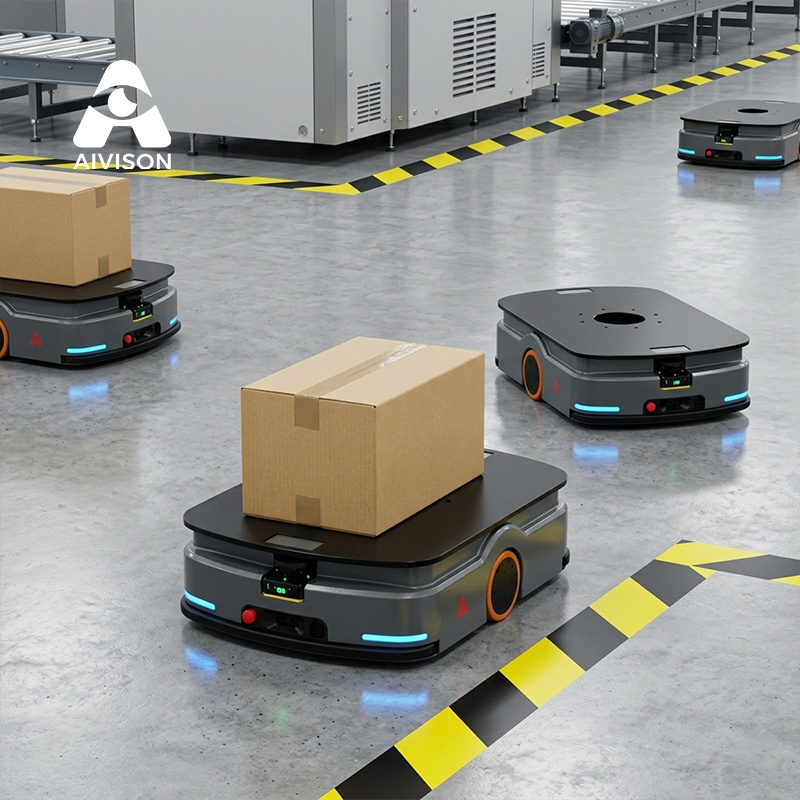
Autonomous Mobile AMR Robot 300kg Payload Laser Guided AGV for Carry Goods in Factory
Compact 300 kg laser-guided AMR for light goods and narrow lanes where fixed conveyor retrofits are difficult.
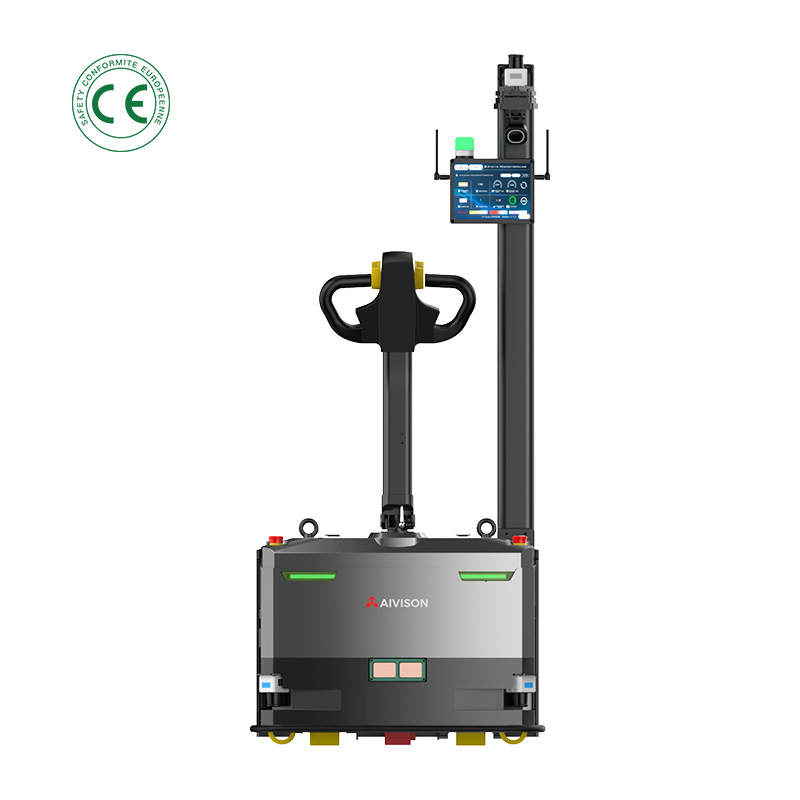
Autonomous Mobile Robot AGV CE Laser SLAM Navigation for Material Handling and Logistics
CE laser SLAM navigation for material handling and logistics without magnetic tape or floor markers on main routes.
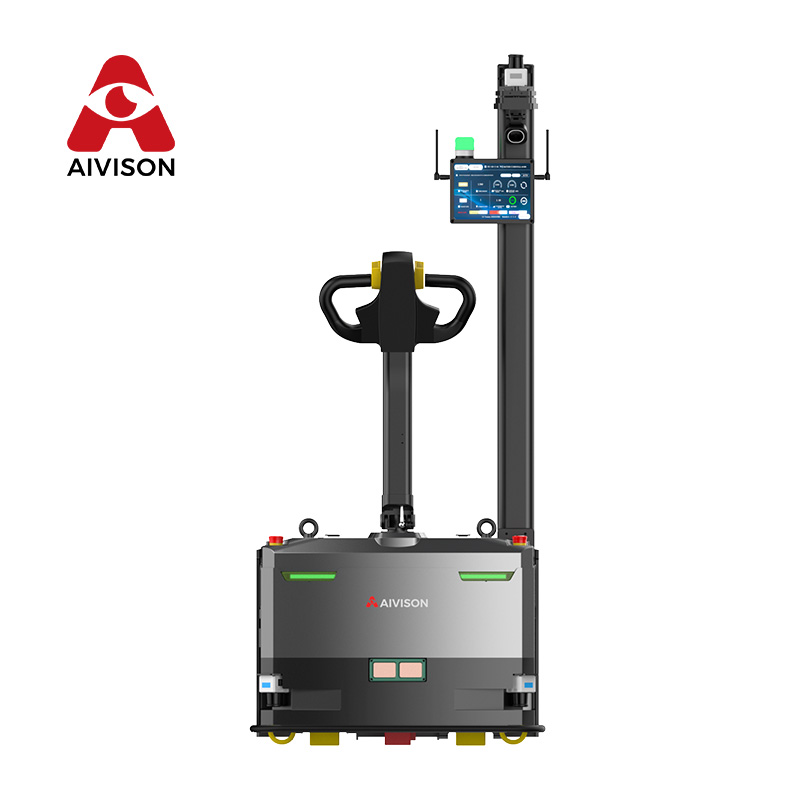
High Precision agv Forklift Full Servo Motor Controlled Laser Forklift with Heavy Load 2000kg
2,000 kg servo-controlled laser forklift for high-payload pallet movement and stable fork positioning.
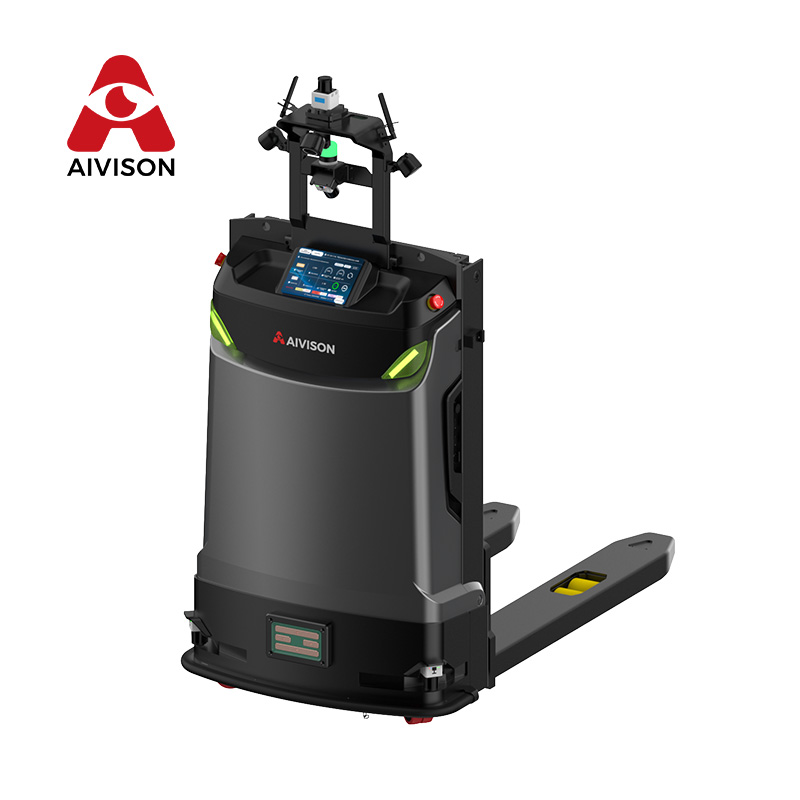
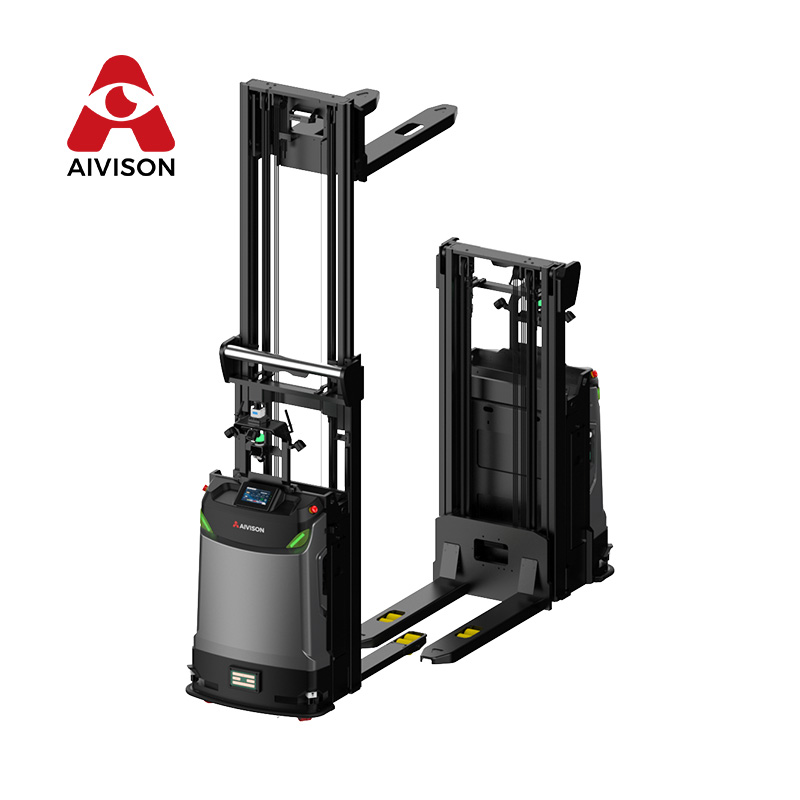
AGV AMR Autonomous Forklift Smart Version Auto Mobile Transfer Stacker Robot
Autonomous stacker robot for smart transfer and pallet stacking, compatible with scheduled charging in 24/7 warehouses.

Humanoid Robot Chassis Dual 7-DOF Arms Laser SLAM Omnidirectional Navigation ROS2 Open Platform AMR
Humanoid chassis with dual 7-DOF arms and ROS2 open platform for advanced research and precision assembly tasks.

Aivison Stacker Truck Pallet Stacker Forklift Agv 1.5 Ton Autonomous Forklift Smart Deliver AMR Robot
1.5-ton autonomous forklift for smart delivery and pallet stacking with a footprint suited to constrained sites.
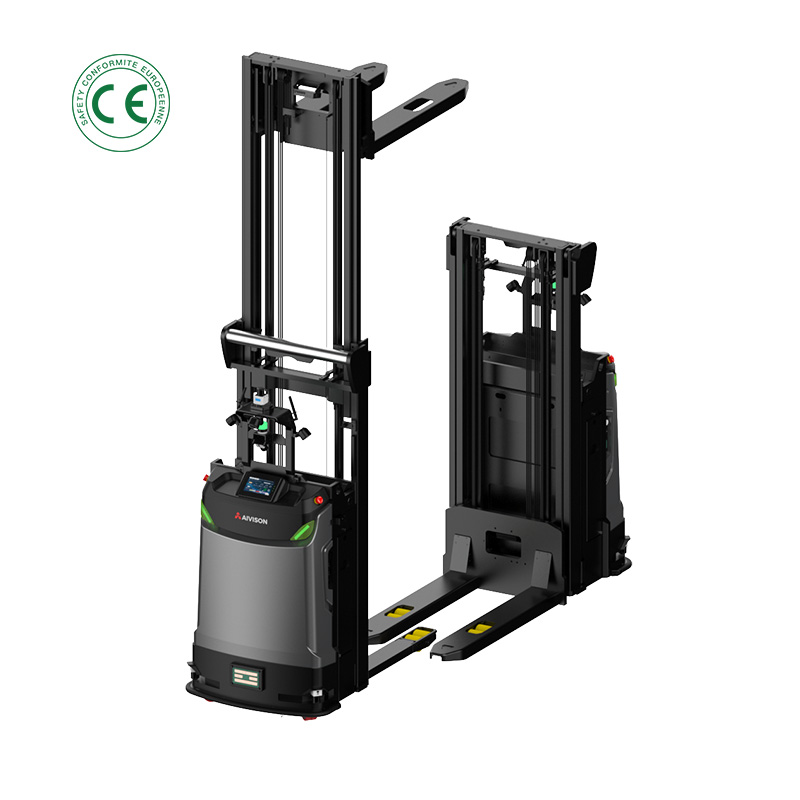
Factory AMR Robot AGV Robot Laser 2000kg Forklift AGV for Industrial Material Handling
2,000 kg industrial forklift AGV for heavy material handling and high-throughput factory logistics.

Why Osaka Buyers Are Re-Specifying Robot Charging Systems Now
Osaka is not a generic port city for robot deployment. The Keihanshin metropolitan area combines dense port logistics around Nanko, Suminoe and Sakishima with compact small and medium-sized factories in Higashiosaka and a strong electronics and automotive supplier base. Floor space is tight, traffic is mixed, and a charging system must be planned as part of daily operations rather than treated as an accessory.
Japan’s logistics overtime regulations introduced in 2024 have made line-side replenishment and pallet movement more sensitive to labor availability. Osaka buyers are therefore evaluating automatic charging docks, opportunity charging windows, fleet scheduling and battery health data together with robot payload and navigation accuracy. A low robot price is not a complete business case if the charger disrupts peak throughput.
Most supplier pages list robots. This white paper adds decision criteria: how to match dock count to shift patterns, what to ask a China factory about Japanese electrical integration, and how to compare a charging-ready AMR with a smart forklift or jacking robot.
What a Factory-Grade Robot Charging System Actually Includes
A reliable charging system is an engineered loop of docking, power safety, scheduling, battery data and local integration—not just a charger on the floor.
Automatic Charging Dock
The dock is an electromechanical interface: approach geometry, contact alignment, insulation, emergency stop and floor anchoring all affect uptime. Dock placement should be modeled with traffic flow, not chosen after robot delivery.
Power Conversion & Site Interface
Confirm 100 V, 200 V or three-phase availability with a licensed Japanese electrical contractor. Breakers, grounding, surge protection and charger classification must be documented for the Osaka site.
Fleet Charging Scheduler
Wi-Fi scheduling assigns charging windows, avoids route conflicts at docks and balances state of charge across the fleet. This is where a manufacturer’s software maturity becomes visible.
Battery Health & Energy Data
State of charge, charge cycles, fault logs and charging duration should be exportable. Osaka maintenance teams need trend data to plan spare parts and prevent peak-hour surprises.
Dock Approach Precision
Laser SLAM delivers ±5 mm positioning on natural features; a QR code camera can raise docking precision to ±2 mm; composite robots with a 6-axis arm reach ±0.05 mm repeatability.
Safety & WMS / MES Integration
Risk assessment, traffic rules, emergency stops, handover interlocks and API messages to WMS or MES should be agreed before the pilot. Charging is part of the same safety logic as transport.
Localized Use Cases for Charging-Ready AMRs and Smart Forklifts
The right configuration depends on shift pattern, aisle width, payload, docking tolerance and how the site handles mixed human and vehicle traffic.

Port-Area Distribution & High-Bay Warehouses
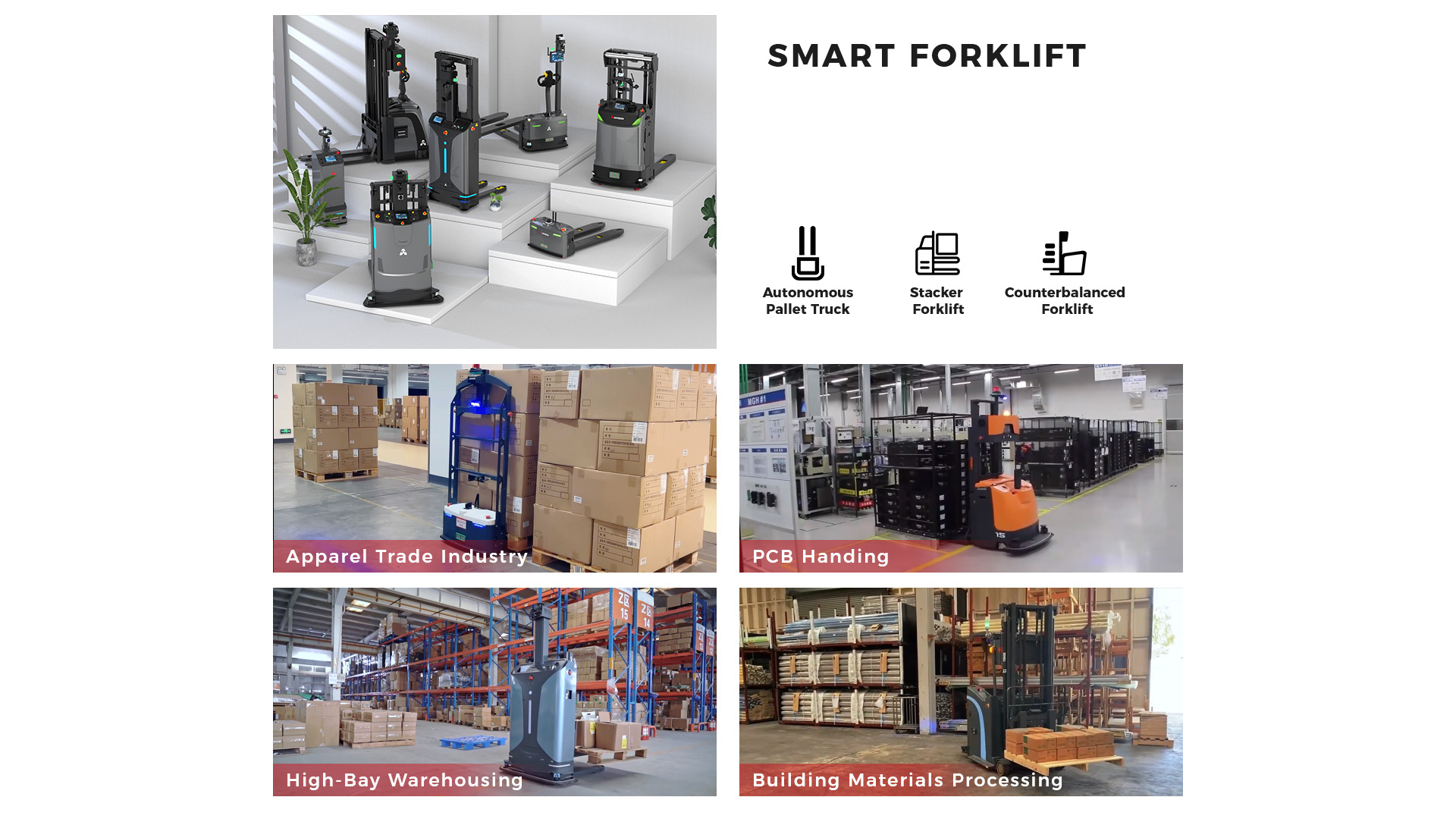
Nanko and Suminoe logistics sites need predictable pallet flow without stopping operations for floor markers. Smart forklifts and pallet AMRs can share charging docks if traffic rules are simulated first.
- Opportunity charging at break periods
- Mixed-fleet scheduling over indoor Wi-Fi
- Pallet recognition with camera assist
Precision SMEs & Line-Side Logistics
Higashiosaka manufacturers often operate compact aisles and cannot add fixed conveyors. A 300 kg AMR or jacking robot can move racks and totes between processes with minimal civil work.
- No magnetic tape on main routes
- Fast re-mapping after layout changes
- QR assist only at precise stations

Electronics, Automotive Parts & R&D Lines
Custom top modules such as roller conveyors, jacking units and 6-axis arms connect robots directly to equipment. This supports high-mix production where standard AMR payloads are not enough.
- Composite robots for precision assembly
- Direct machine handover logic
- Integrator-ready documentation

Mixed Fleets with Central Charging
Jacking robots, pallet AMRs and smart forklifts can share software and charging strategy, reducing spare-part complexity for Osaka integrators and multi-site operators.
- One scheduling layer
- Common charging dock ecosystem
- Shared fault and energy data
Three Shifts Are Changing Procurement Priorities
Compliance, land scarcity and integration expectations are moving together. The strongest supplier will not be the one with the lowest robot price, but the one that can document charging performance and support the local integrator through pilot, safety review and scale-up.
Illustrative project-planning weights for discussion, not market statistics.
What this means for Osaka buyers
1. Compliance and labor stability. Automated charging reduces manual battery handling and creates auditable energy records. Buyers should request charging logs and safety documentation, not only a robot brochure.
2. Space efficiency and mixed traffic. Laser SLAM without floor tape is easier to redeploy in urban warehouses and SME factories. Dock placement must be modeled with forklift routes and pedestrian walkways.
3. Local integration and lifecycle support. Japanese WMS/MES interfaces, spare-part lists, remote diagnostics and clear escalation paths matter as much as payload. A China factory should support—not replace—the Osaka integrator.
A Practical Sizing Model for Osaka Charging Infrastructure
Use this planning model to align robot fleet size, charging-dock count and shift patterns before requesting a final quotation.
Docks ≈ (fleet energy demand per shift × peak overlap factor) ÷ (charger output × usable charging window)
| Operating Profile | Suggested Fleet | Charging Plan | Osaka-Specific Check |
|---|---|---|---|
| Single-shift line-side replenishment | 1 robot, 1 dock | Charge at breaks and end of shift; keep 20–30% energy buffer. | Confirm 100 V / 200 V outlet, breaker, grounding and emergency stop with a licensed electrician. |
| Two-shift warehouse transfer | 2–4 robots, 1–2 docks | Opportunity charging at low-throughput windows; avoid congestion near receiving doors. | Survey Wi-Fi coverage, aisle width, pallet quality and traffic rules for mixed forklift routes. |
| 24/7 pallet handling | 4+ robots, 2+ docks | Managed charging windows, hot-spare strategy and battery-health review. | Plan local spare parts, remote diagnostics and escalation support for Kansai operations. |
| Precision assembly / clean process | Composite robot or QR-assisted AMR | Dedicated dock placement outside sensitive zones where required; validate handover logic. | Check ±2 mm QR or ±0.05 mm arm repeatability, ESD/cleanroom requirements and WMS/MES handshake. |
Electrical Data
Voltage, phase, breaker capacity, grounding, charger classification and emergency-stop logic.
Route & Dock Survey
CAD layout, aisle widths, slopes, doors, Wi-Fi coverage and candidate charging locations.
Safety & Risk Assessment
Human traffic, forklift interaction, blind corners, load stability and station handover interlocks.
Lifecycle & ROI
Shift model, throughput target, spare-parts plan, energy monitoring and pilot success criteria.
How Osaka Buyers Should Verify a China Robot Charging System Factory
Use this checklist to separate a real manufacturing partner from a trading intermediary and to reduce integration risk before purchase.
| Verification Point | What Good Looks Like | Request from Supplier |
|---|---|---|
| Factory engineering depth | In-house chassis, top-module, navigation and charging-dock engineering rather than catalog resale. | Factory profile, engineering organization, customization examples and relevant product drawings. |
| Charging and robot co-design | Dock approach, charging schedule, battery data and fleet software validated as one system. | Dock layout, charging logic, fleet-scheduling screens and fault-handling process. |
| Navigation and safety evidence | Clear accuracy statements: ±5 mm laser SLAM, ±2 mm QR assist, ±0.05 mm composite repeatability. | Test reports, navigation configuration sheet, risk-assessment inputs and safety functions. |
| Independent verification | Third-party evidence such as a TÜV Rheinland onsite assessment and documented trade records. | Assessment report link, credit and transaction records, and applicable CE documentation. |
| Japanese-language support | Clear documentation, remote diagnostics, spare-parts list and an escalation path for Kansai integrators. | Manual samples, spare-parts matrix, support workflow and pilot communication plan. |
| Pilot and references | A staged pilot with measurable uptime, charging availability and handover success criteria. | Reference projects, simulation assumptions, acceptance checklist and scale-up roadmap. |
Why Marnix Fits Osaka Robot Charging System Projects
Shenzhen Marnix Intelligent Technology Co., Ltd. is a Shenzhen-based manufacturer with about ten years of AGV engineering experience. The company builds laser SLAM AMRs, jacking robots, smart forklifts, composite mobile robots and intelligent charging docks for semiconductor, 3C electronics, lithium battery, photovoltaic, automotive parts, PCB, textile and medical device industries.
For Osaka buyers, the value is not just product range. It is the ability to align chassis, top module, docking accuracy, fleet scheduling and charging in one engineering conversation—then support the local integrator with documentation and project follow-up.
Manufacturer-Level Customization
Chassis, payload, jacking units, roller conveyors, forklift forks and 6-axis arms can be engineered around your production line instead of forcing a standard fit.
Precision Without Floor Rework
Laser SLAM maps existing environments, so no auxiliary tracks, reflectors or floor QR codes are required on main routes. QR labels are added only where ±2 mm docking is needed.
Fleet Scheduling & Charging Logic
Robots are coordinated by an intelligent scheduling system over indoor Wi-Fi, supporting simultaneous task assignment, traffic control and automatic charging with compatible docks.
Multi-Stage Quality Protocol
Multi-stage intelligent inspections and operational stress tests target stable performance before shipment, with quality documentation prepared for integrator review.
Verified Credentials
TÜV Rheinland onsite assessment, Fortune 500 supplier record, verified multispecialty supplier status, credit index and transaction history are available for review.
Osaka Project Support
Share load, layout, throughput, shift pattern, voltage and dock locations. Marnix engineers can recommend robot configuration, charging strategy and a pilot plan for local integration.
Questions Local Buyers Ask Before Ordering a Robot Charging System
Straight answers for Osaka warehouses, factories and system integrators evaluating a China factory-direct supplier.
Are China robot charging systems compatible with Osaka’s 100 V / 200 V power supply?
Charging docks and robots can be configured for the site voltage, but final electrical design must be reviewed by a licensed Japanese electrical contractor. Provide voltage, phase, breaker capacity, grounding and charger classification before quotation. Confirm PSE requirements with the importer or local authority, because they depend on the charger type and installation.
What certifications should an Osaka buyer request?
Request applicable CE documentation for the robot platform, electrical schematics, risk-assessment inputs, emergency-stop logic, test reports and the TÜV Rheinland onsite assessment record. Do not treat a product photo as compliance evidence. Final PSE and site-compliance responsibilities should be confirmed with a Japanese electrical professional and importer.
How many automatic charging docks do we need for a fleet?
Use the planning formula: docks ≈ (fleet energy demand per shift × peak overlap factor) ÷ (charger output × usable charging window). For single-shift operation, one dock may be enough; for 24/7 pallet handling, plan at least two docks and a hot-spare strategy. The final number should be validated with a throughput simulation.
Can Marnix customize robots for Japanese WMS / MES and local integrators?
Yes. As a manufacturer, Marnix customizes chassis and top modules such as jacking units, roller conveyors, forklift forks and 6-axis robotic arms. Fleet scheduling, handover logic and data exchange can be reviewed with the local integrator so the robot connects to production equipment and site software.
What is the typical delivery and support path to Osaka?
Lead time depends on robot type, customization, charging-dock configuration and documentation review. A practical plan includes remote requirement review, factory acceptance testing, shipment from Shenzhen to Osaka or Kobe, local installation by the integrator, and remote diagnostic support. Spare-part lists and escalation contacts should be agreed before shipment.
How do we start a pilot without stopping operations?
Send your load profile, CAD layout, aisle widths, throughput target, shift pattern, voltage, dock candidates and WMS/MES interfaces. Start with route mapping outside production hours, add QR labels only where ±2 mm precision is needed, and define pilot KPIs such as missions per hour, charging availability and handover success rate.
Request an Osaka-Specific Charging and Robot Configuration Review
Share your load, layout, throughput, shift pattern, voltage and dock locations. Our engineers will recommend a charging-ready robot platform and a practical pilot scope for your Osaka site.
Email: info@marnixbot.com