China lifting AGV factory · Oklahoma City sourcing guide
Top China Lifting AGV Factory & Supplier in the Oklahoma City Market
A practical, buyer-focused guide to laser SLAM lifting AGVs, jacking robots, autonomous forklifts and modular AMR platforms for Oklahoma City distribution centers, aerospace suppliers, energy equipment operations and 3PL warehouses.
±5 mm laser SLAM±2 mm QR assist200+ manufacturers servedTÜV Rheinland onsite assessment
Product recommendation
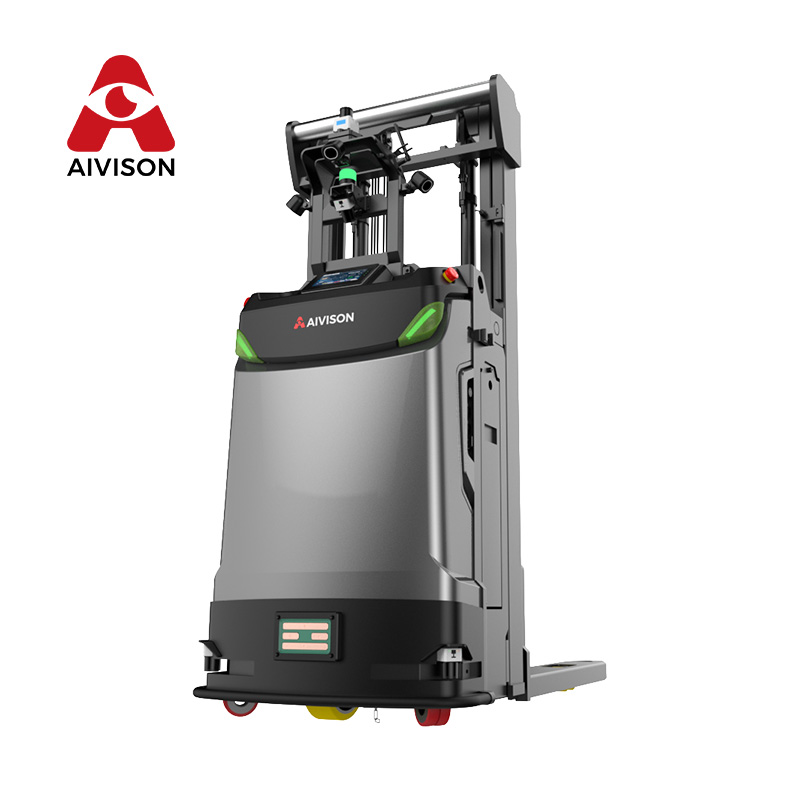
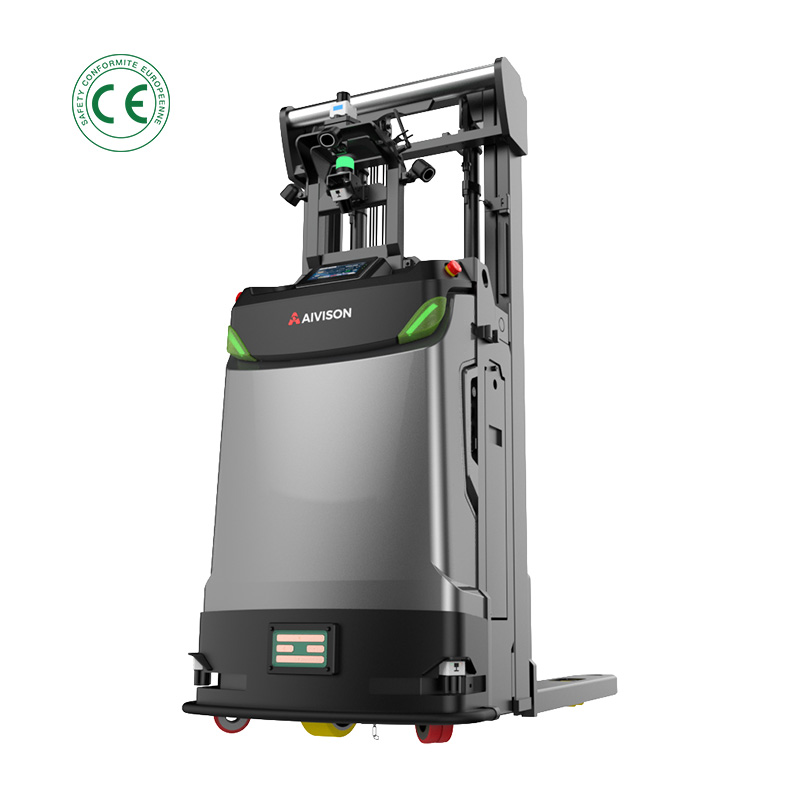
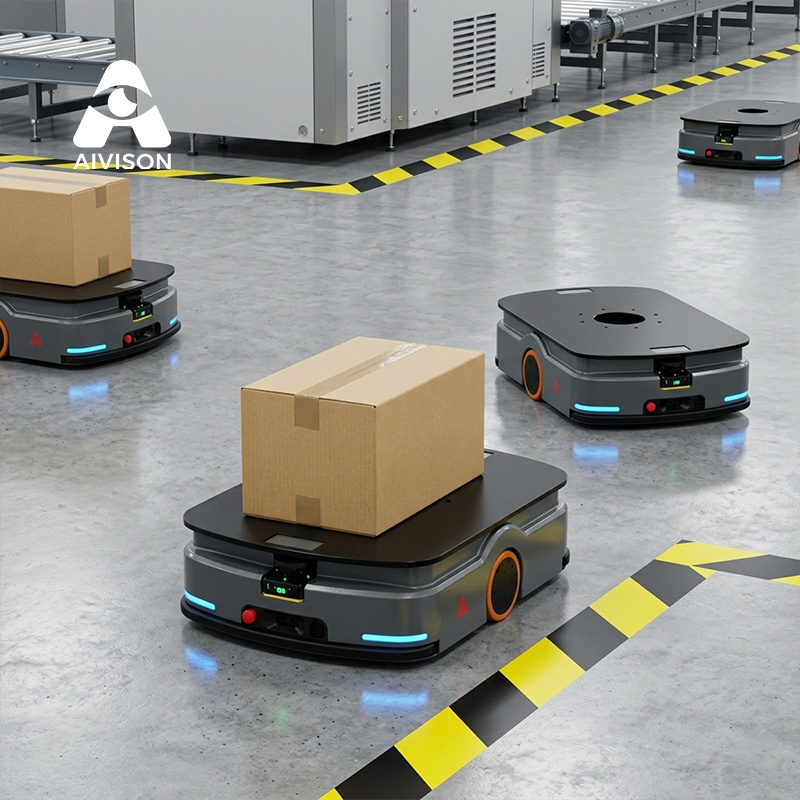
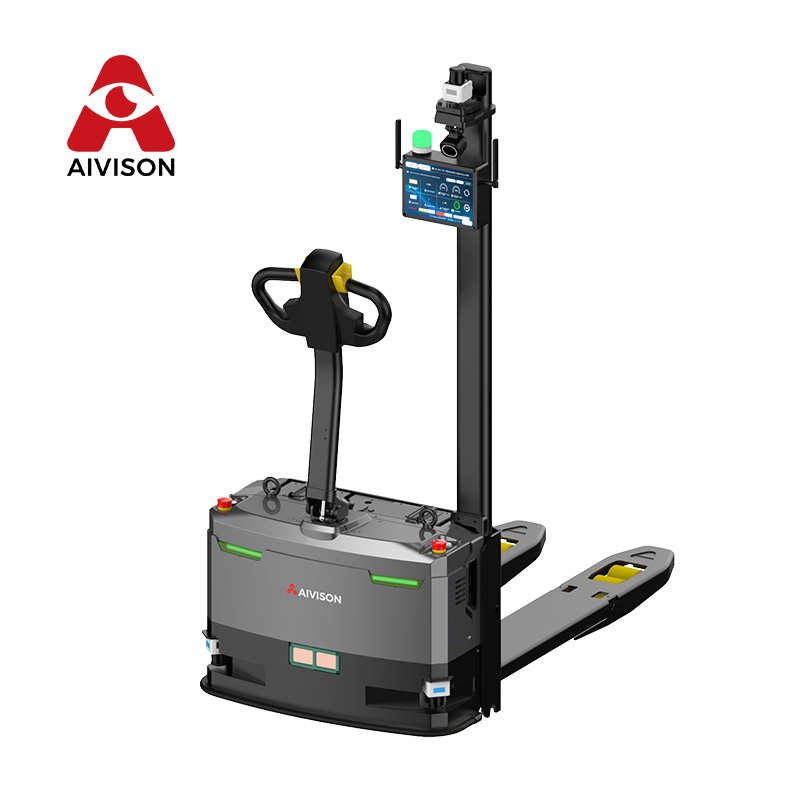
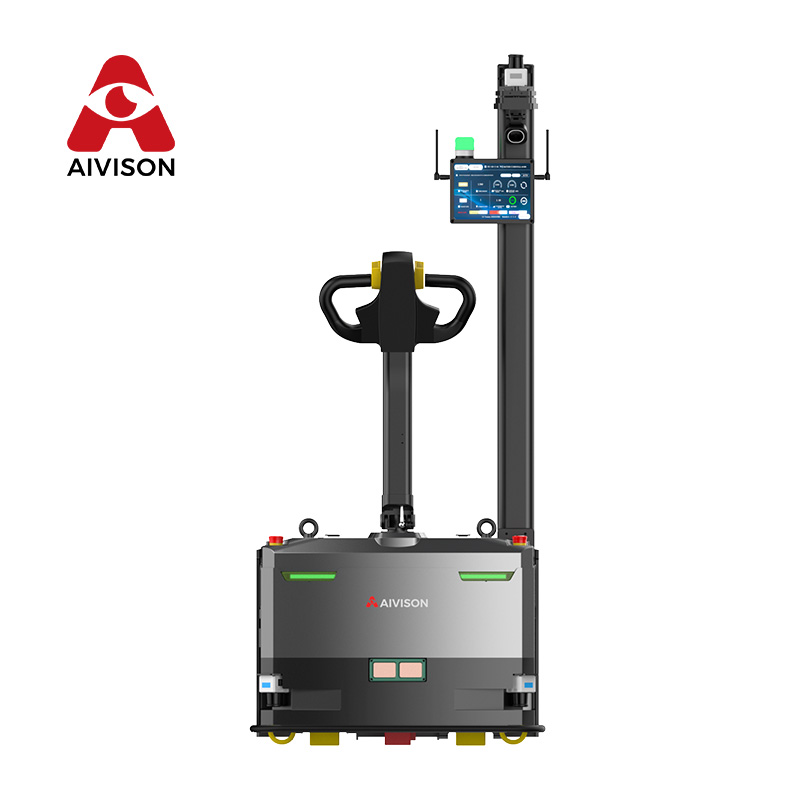
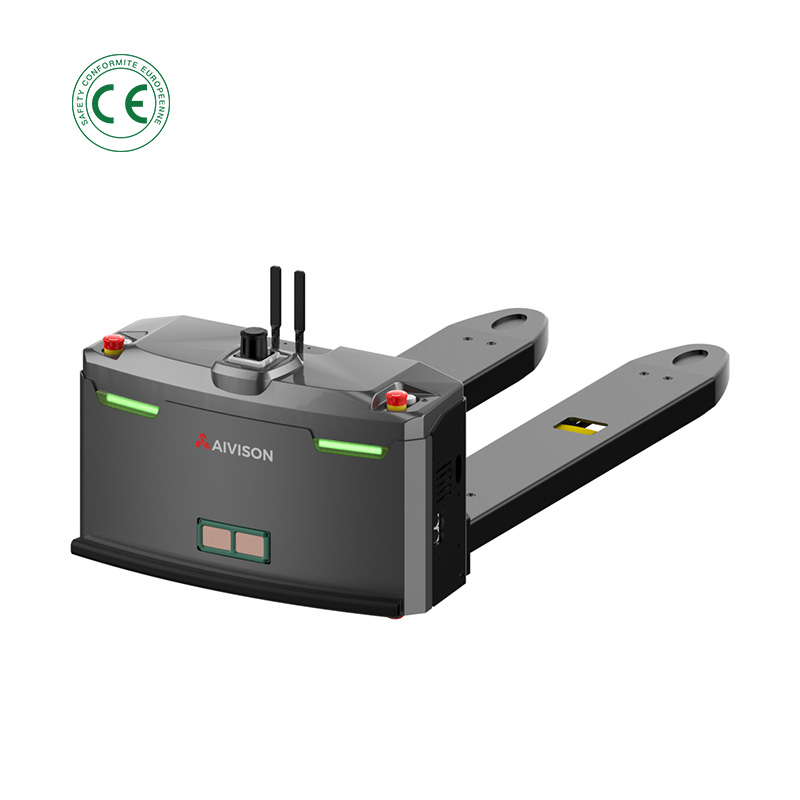
Eight Lifting AGV and AMR Platforms for Oklahoma City Material Flow
Start with the load, aisle and handover point. These eight platforms cover rack lifting, pallet movement, conveyor transfer, light-duty transport, stacking and autonomous forklift tasks. Every product URL below is preserved from the original catalog for direct evaluation.
Why a Manufacturer-Level Lifting AGV Supplier Changes the Oklahoma City Business Case
In Oklahoma City, the automation decision is rarely about buying a single robot. It is about selecting a platform that fits existing racks, pallet sizes, aisle widths, Wi-Fi coverage, safety routines, maintenance staffing and future growth. A factory that engineers the chassis, navigation package and top module together can reduce integration risk.
±5 mm
Laser SLAM positioning
Trackless navigation on natural features, without magnetic tape, reflectors or floor QR codes in standard operation.
±2 mm
QR-assisted docking
Add a QR scanning camera only at stations that need high-precision handover, preserving flexibility elsewhere.
200+
Manufacturers served
Published deployment experience across three continents, with support for end users and system integrators.
±0.05 mm
Composite repeatability
AMR chassis combined with a 6-axis arm for precision pick-and-place in semiconductor and medical device work.
TÜV Rheinland onsite assessmentFortune 500 supplier recordVerified multispecialty supplierOEM and integrator support
10+ yearsAGV engineering experience
Enterprise advantage
From Shenzhen Engineering to Oklahoma City Deployment
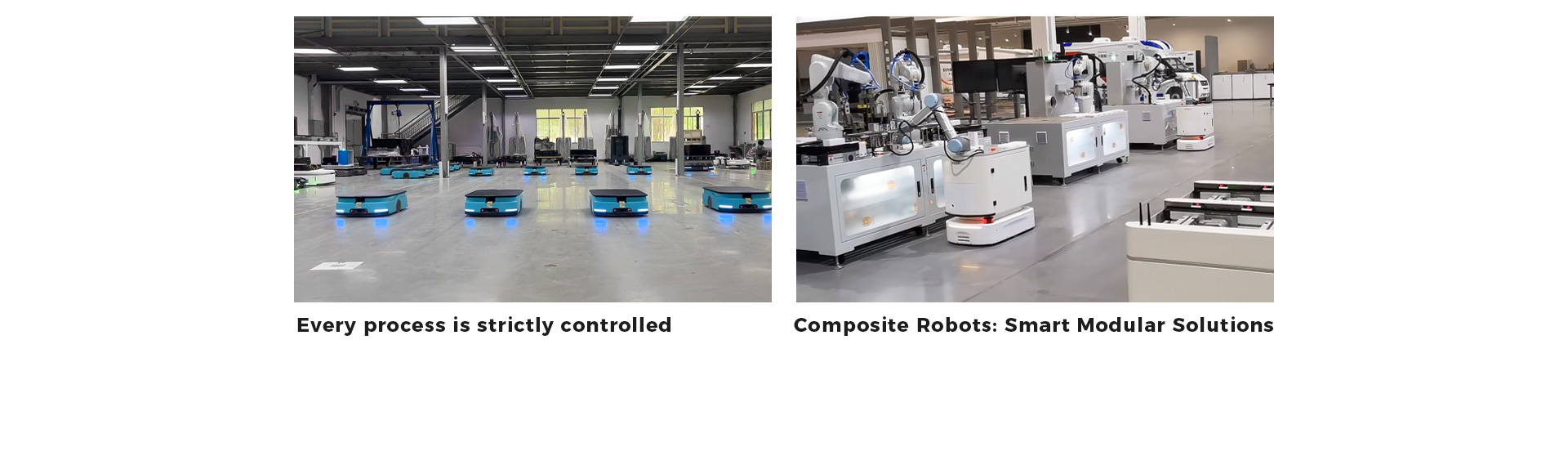
Shenzhen Marnix Intelligent Technology Co., Ltd. builds laser SLAM autonomous mobile robots, jacking robots, smart forklifts, composite mobile robots and intelligent charging docks. The company’s stated position is manufacturer-level customization: chassis, payload interface and top mechanism are engineered around the production line instead of forcing a standard platform into a non-standard process.
For Oklahoma City buyers, that matters because many facilities are not greenfield. A 3PL may inherit racking from a previous tenant. An aerospace supplier may need to move fixtures through a mixed-traffic bay. An energy equipment operation may need a lifting AGV to interface with a conveyor or test stand. A food distributor may need wash-down-friendly routing and clearly separated pedestrian zones. The robot should fit the operation, not the reverse.
Complete portfolio: jacking robots, smart forklifts, pallet AMRs, composite robots and charging docks from one source.
Navigation choices: ±5 mm laser SLAM, ±2 mm with QR assist, and ±0.05 mm composite repeatability for precision stations.
Fleet coordination: intelligent scheduling over indoor Wi-Fi for simultaneous task assignment, traffic control and automatic charging.
Integration-ready modules: jacking units, roller conveyors, forklift forks and 6-axis robotic arms to connect directly with production equipment.
Oklahoma City application scenarios
Where Lifting AGVs Deliver the Fastest Operational Payback in Oklahoma City
Oklahoma City sits at the intersection of I-35, I-40 and I-44, with Will Rogers World Airport supporting regional distribution, aerospace activity and energy-sector supply chains. That geography creates a practical automation mix: cross-dock speed, dense pallet storage, line-side replenishment, high-value fixture movement and repetitive transfer between buildings or zones.
3PL and cross-dock transfer
Lifting AGVs and pallet AMRs can move inbound freight to staging lanes, reduce forklift traffic in pedestrian zones and create more predictable shift handovers. The best first project is usually a repeated lane with a clear pickup and drop-off point.
High repeatability
Aerospace and MRO support
Aerospace suppliers and maintenance operations often move fixtures, tooling and kits through shared aisles. Laser SLAM reduces floor infrastructure, while QR assist can support precision docking at designated stations.
Mixed traffic
Energy equipment and industrial supply
Oil and gas supply chains often involve heavy, awkward or batch-variable loads. A 2,000 kg-class lifting AGV or autonomous forklift can remove repetitive travel from skilled operators while preserving throughput during peak cycles.
Heavy payload
Food, beverage and consumer goods
For Oklahoma City distribution operations, pallet movement between receiving, cooler staging and dispatch can be standardized. Buyers should evaluate floor condition, wash-down routines, traffic segregation and battery-charging placement early.
Throughput stability
Automotive and aftermarket parts
Automotive parts warehouses need reliable pallet pick-and-place, rack replenishment and line-side delivery. A smart forklift or lifting AGV can reduce empty travel and improve consistency between shifts.
Rack replenishment
E-commerce and regional fulfillment
E-commerce fulfillment centers can deploy light AMRs or rack-lifting AGVs to scale around campaign peaks. Start with one route family, then add robots as order volume and shift patterns are validated.
Scalable fleet
±5 mmLASER SLAM
Navigation and precision
Match Accuracy to the Station, Not the Entire Building
Over-specifying precision is one of the most common hidden costs in a lifting AGV project. If every square meter of the building needs floor codes, reflectors or special preparation, the project becomes harder to change and more expensive to maintain. A better model is to use natural-feature laser SLAM for general travel and reserve QR labels or station calibration only where the task needs it.
Configuration
Accuracy
Floor setup
Oklahoma City use case
Laser SLAM on natural features
±5 mm
No tape, reflectors or floor codes for standard travel
Semiconductor, medical device and precision assembly support
Dynamic avoidance
Designed for mixed human and vehicle traffic.
Wi-Fi fleet scheduling
Coordinated task assignment and traffic control.
Automatic charging
Smart docks support continuous duty cycles.
Localized trends
Oklahoma City Automation Trends Shaping the Lifting AGV Decision
The strongest business case is not simply replacing walking and lifting. It is improving schedule reliability, reducing forklift congestion, protecting people in shared aisles and freeing skilled operators for exception handling. These trends are visible across distribution, manufacturing and industrial service operations in the Oklahoma City market.
Labor flexibility
Shift variation and turnover make consistent pallet movement difficult. A lifting AGV does not solve hiring, but it can stabilize repeatable travel and reduce dependency on a single forklift operator.
Modular automation
Buyers prefer starting with one route or one zone, then adding robots, charging docks or top modules. Modularity protects capital allocation and keeps the project aligned with actual volume.
Space productivity
As industrial space remains valuable, lifting AGVs help maximize existing cubic volume through narrower aisles, rack movement and more predictable staging rather than expanding the building.
Service predictability
Oklahoma City buyers increasingly evaluate spare parts, remote diagnostics, training and local integrator support alongside robot price. Uptime risk belongs in the total cost model from day one.
01
Route scan
Define one repeatable pickup-to-drop route with measurable time and labor savings.
02
Site review
Collect layout, aisle, floor, Wi-Fi, power and pedestrian-zone details for engineering review.
03
Precision map
Reserve QR assist only for stations that need ±2 mm handover.
04
Safety plan
Align traffic rules, signage, interlock points and operator training with the site safety team.
05
Scale
Add robots and charging docks after the first route demonstrates stable cycle time.
Total cost perspective
Compare Landed Cost and Uptime, Not Just the Robot Price
For a China lifting AGV factory supplying the Oklahoma City market, a fair comparison includes freight, duties, customs clearance, electrical preparation, Wi-Fi upgrades, safety assessment, integration labor, training, spare parts and expected uptime. A lower sticker price can become expensive if the top module does not match the rack, if QR labels must be added everywhere, or if the local team cannot diagnose faults quickly.
Use a structured scoring model. The weighting below is an example, not a market statistic. Adjust it for your operation: a high-value aerospace supplier may weight safety and precision more heavily, while a 3PL may prioritize throughput and scalability.
Information gain: ask for a route-level simulation, not only a product brochure.
Verification: request the TÜV Rheinland assessment report, trade history and spare-parts list.
Acceptance test: define cycle time, positioning, charging behavior and fault response in writing.
Example Oklahoma City buyer scoring model
Illustrative weighting only. Your site constraints should determine the final percentages.
Safety and compliance25%
Throughput and cycle time24%
Landed cost and TCO21%
Integration and customization17%
Local service and spare parts13%
Quality and integration
What to Verify Before You Approve a Lifting AGV Pilot
A credible supplier should make verification easy. Marnix’s published information highlights multi-stage intelligent inspection, operational stress testing, a TÜV Rheinland onsite assessment, Fortune 500 supplier records and verified supplier status. For Oklahoma City buyers, these signals are useful starting points, but they do not replace a site-specific acceptance plan.
Third-party and trade records
Review the TÜV Rheinland onsite assessment, credit index, transaction level, trade capacity and trade history. Match the evidence to the scope of your project rather than relying on a logo alone.
Safety and standards file
Ask which standards apply to your site and application, including driverless industrial vehicle safety, electrical requirements and site-specific risk assessment. Request documentation before shipment.
Factory acceptance test
Test the actual load, top module, route logic, charging cycle and fault response before shipment. Record video evidence and signed test criteria for your internal stakeholders.
Wi-Fi and infrastructure survey
Confirm access-point coverage, latency, roaming behavior and interference in the robot’s travel area. Fleet scheduling depends on stable indoor Wi-Fi, not just robot hardware.
Spare parts and training
Define recommended spare parts, consumables, remote support process and operator training. Clarify response times, escalation paths and who can perform on-site maintenance.
Future expansion plan
Confirm whether the fleet software can add robots, charging docks, QR stations and new top modules without replacing the original platform. Scalability should be tested, not assumed.
Buyer guide
What to Prepare Before Requesting an Oklahoma City Lifting AGV Proposal
From project experience, a small number of inputs determine most of the robot selection. Sharing them upfront shortens evaluation from weeks to days and makes supplier comparisons more honest.
Load profile
Maximum weight, footprint, center of gravity and load stability for racks, pallets, shelves or fixtures. Include empty-return requirements.
Site layout
CAD drawing or sketch with aisle widths, doors, ramps, floor surfaces, elevator or lift points, pedestrian crossings and charging locations.
Throughput target
Missions per hour, peak periods, shift pattern and acceptable response time. This sets robot count, battery strategy and charging-dock quantity.
Docking precision
Identify where ±5 mm is enough and where ±2 mm QR assist or arm-level precision is required. Map precision to stations to avoid unnecessary floor infrastructure.
Wi-Fi coverage
Existing access points, coverage heat map, roaming behavior and any interference sources. Fleet coordination depends on reliable indoor connectivity.
Equipment interfaces
Conveyors, machines, racks or shelving the robot must hand over to, plus any top-module requirement such as jacking unit, roller deck, forks or 6-axis arm.
OEMTop modules & fleet software
FAQ for Oklahoma City buyers
Local Procurement Questions, Answered Directly
These are the questions buyers commonly ask when comparing a China lifting AGV factory with regional integrators or domestic robot brands. Use the answers as a due-diligence checklist, then validate the final configuration against your own site.
Do I need to modify the warehouse floor for a lifting AGV?
Usually not for standard laser SLAM travel. The robot maps natural features, so magnetic tape, reflectors or floor QR codes are not required for general movement. QR labels are only added at stations that need ±2 mm docking precision. Floor condition, slope, gaps and cleanliness still need review.
Can a China factory support an Oklahoma City installation?
Support models vary. A practical approach is to combine factory engineering and remote commissioning support with a local integrator or maintenance partner for electrical work, safety coordination and on-site response. Ask for a named escalation path, spare-parts list and training plan before purchase.
What voltage and charging infrastructure should we plan for?
Charging specifications must be confirmed against the selected robot, charger and site electrical system. Do not assume a universal voltage. Share your available power, charging location, shift pattern and duty cycle so the factory and local electrical contractor can verify the correct configuration.
How do multiple robots coordinate in one warehouse?
The robots are managed by an intelligent scheduling system over indoor Wi-Fi. The system assigns tasks, manages traffic and coordinates charging. Before deployment, validate Wi-Fi coverage, access-point roaming and network redundancy in the actual operating area.
Which product should we start with for a first pilot?
Start with a repeated route and a clear handover point. A jacking robot or rack-lifting AGV is often the simplest pilot for line-side delivery. A pallet AMR or autonomous forklift may fit better for inbound and outbound pallet flow. The 300 kg AMR is suitable for light loads and narrow aisles.
How do we evaluate total cost and information gain?
Compare landed cost, integration labor, Wi-Fi upgrades, safety review, training, spare parts, charging infrastructure and expected uptime. Ask for route-level cycle-time assumptions, a factory acceptance test plan and a written performance acceptance criterion. Generic brochures should not be treated as site validation.
Next step
Build a Lifting AGV Shortlist for Your Oklahoma City Operation
Share your load profile, aisle drawing, throughput target, docking precision and current Wi-Fi coverage. The right starting point may be a jacking robot, a 2,000 kg lifting AGV, an autonomous forklift or a composite platform with a custom top module.