Top China Industrial Warehouse Automation Manufacturers & Wholesalers Serving Sapporo
A practical, E-E-A-T-led sourcing guide to laser SLAM AMRs, jacking robots, smart forklifts and mobile manipulators for Sapporo and Hokkaido warehouses, distribution centres and production lines.
Eight Industrial AMR, AGV and Smart Forklift Systems for Sapporo Projects
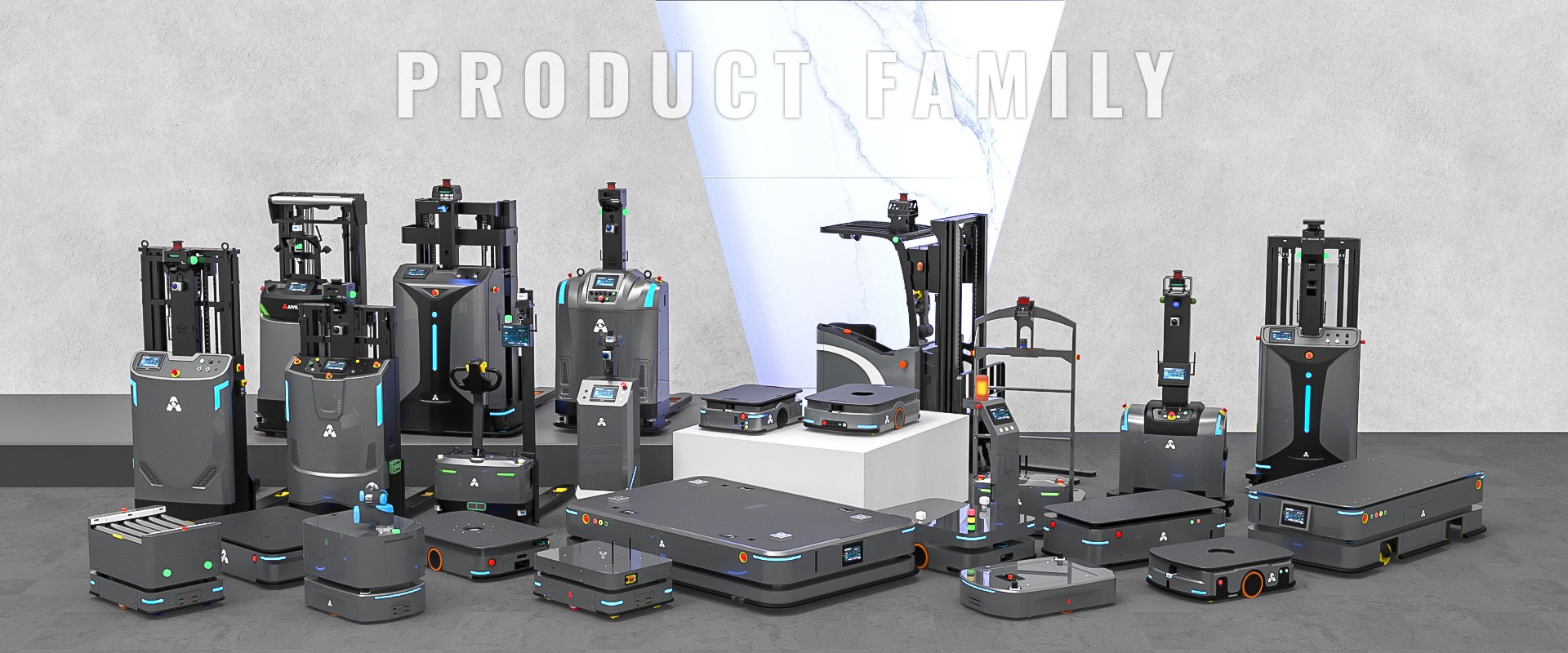
These are not catalogue placeholders. Each platform below represents a distinct material-flow decision: payload, navigation precision, rack or pallet handling, manipulation, lidar components and integration strategy. Product URLs are preserved exactly from the source range.

High-performance Intelligent Smart Automated Guided Vehicle 2000kg AMR Robot
For high-throughput pallet and material transfer in mixed-traffic warehouses. In Sapporo, validate floor condition, ramp access and ambient temperature at dock transitions before specifying the final configuration.

Warehouse Stacker CE Forklift AGV 800kg Load Capacity Light AMR Pallet
A lighter pallet-handling option for narrow aisles, seasonal peaks and food or retail distribution where full-size forklifts are inefficient or difficult to schedule.
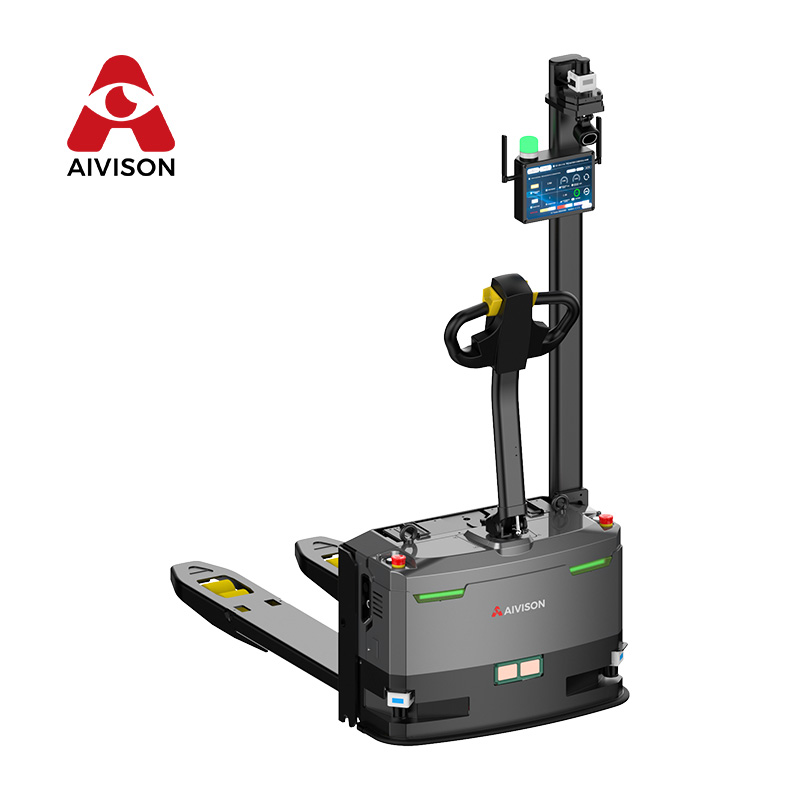
Laser SLAM Navigation Automated Guided Vehicle Forklift agv 1500kg Load Capacity
Suited to pallet movement where rack layouts or travel routes change. Natural-feature laser SLAM reduces dependence on floor infrastructure, supporting phased automation in Sapporo warehouses.
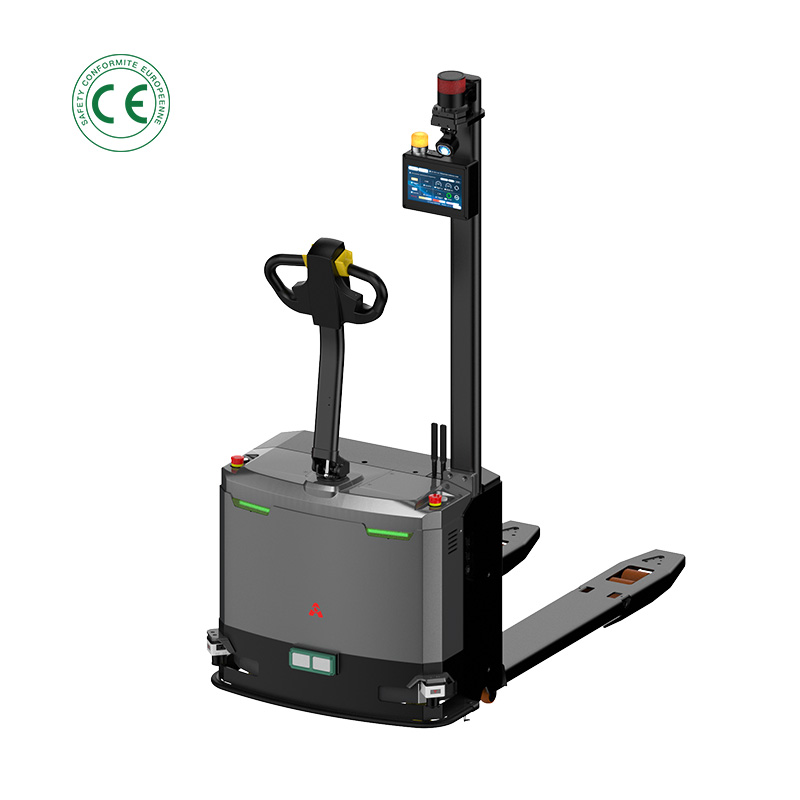
CE Certification Industrial AMR AGV Robot for Warehouse Automation Autonomous Material Handling Logistics
A general industrial AMR/AGV platform for autonomous material handling and retrofit warehouse automation. Useful when Sapporo buyers need a clear starting point before adding custom top modules.

Omnidirectional Humanoid Robot Chassis Dual 7-DOF Arms Laser SLAM Autonomous Warehouse AMR Mobile Platform
An advanced mobile platform for research, flexible manipulation and station tending. It combines omnidirectional mobility with dual 7-DOF arms and laser SLAM navigation.

Omnidirectional Mobile Manipulator AMR Dual 7-DOF Arms ±0.03 mm Repeatability Laser SLAM Humanoid Robot Base
For precision machine tending and assembly support where mobility and manipulation must be combined. Confirm final repeatability by station, payload and calibration protocol.
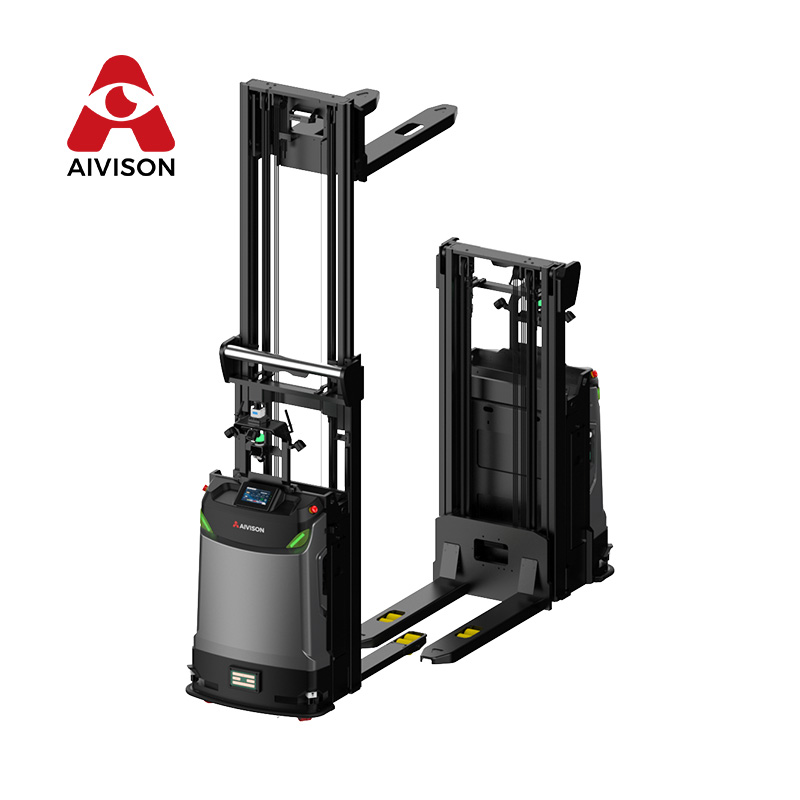
High Precision agv Forklift Full Servo Motor Controlled Laser Forklift with Heavy Load 2000kg
A heavy-load fork solution for users who need more controlled pallet engagement and travel. Evaluate rack tolerance, fork entry clearance and floor flatness during engineering review.

Hot Selling Logistics Navigation Detector Sensor Lidar Manufacturers Direct Sales
A direct-sales lidar and navigation detector option for integrators and wholesalers building or servicing mobile robot fleets. Confirm interface, field of view and environmental sealing requirements.
Shenzhen-based R&D and manufacturing experience, as published by Marnix.
Natural-feature positioning without magnetic tape, reflectors or floor QR codes.
Deployments across three continents, including end users and system integrators.
Semiconductor, 3C, lithium battery, photovoltaic, automotive parts, PCB, textile and medical devices.
Why Sapporo and Hokkaido Warehouses Are Rethinking Material Flow
Sapporo buyers rarely search for robots in isolation. They are solving labour availability, seasonal peaks, cold-chain pressure, space constraints and the need to retrofit automation without stopping operations. The local context changes which specifications matter most.
Cold-chain and temperature transitions
Sapporo operations may move goods between ambient docks, chilled rooms and frozen storage. Do not assume a standard AMR is automatically suitable. Share the lowest ambient temperature, condensation risk, floor slope, door thresholds and charging location so the battery, sensors, lubricants and safety configuration can be reviewed. Environmental validation is part of the engineering scope, not a catalogue footnote.
Mixed human, pallet and robot traffic
Many warehouses serving Sapporo handle frequent SKU changes, shared aisles and temporary peak labour. Laser SLAM, dynamic obstacle avoidance and Wi-Fi fleet scheduling help robots operate in mixed traffic, but route design, blind corners, pedestrian rules and emergency procedures still need site-specific commissioning.
Labour availability and staged automation
For many Sapporo buyers, the goal is not a fully lights-out warehouse. It is a staged reduction in repetitive travel, pallet movement and line-side replenishment. A modular AMR programme lets teams automate one route, prove uptime and then scale fleet size and charging docks without rebuilding the whole facility.
Where AMRs and Smart Forklifts Fit Sapporo Operations
The strongest automation project starts with a narrow, measurable use case. These three scenarios are common entry points for Sapporo warehouses evaluating Chinese manufacturers and wholesalers.
Food, agriculture and regional distribution
Repetitive pallet transfer between receiving, staging and dispatch is a frequent first project. Use an 800 kg pallet AMR or 1500 kg laser SLAM forklift where loads and aisle widths match. Measure seasonal peaks, pallet quality and rack tolerance before fleet sizing. For wholesale distributors, the same chassis can be paired with different top modules to cover multiple lanes.
Cold and temperature-controlled storage support
Robots can reduce unnecessary human travel in chilled zones, but cold environments demand careful specification. Ask for the operating temperature range, condensation management, battery charging strategy and maintenance interval. Keep a transition zone for condensation before robots enter warmer areas, and validate safety sensors where fog, frost or wet floors may appear.
Precision manufacturing and medical supply chains
Where docking tolerance is tighter than standard warehouse transfer, a QR-assisted AMR can reach ±2 mm at selected stations. For manipulation tasks, composite robots with a 6-axis arm are cited at up to ±0.05 mm repeatability in the source material, while one product page states ±0.03 mm for a specific mobile manipulator. Confirm the final repeatability by station, payload and calibration.
Match Navigation Precision to the Station, Not to the Brochure
Most buyers over-specify navigation and then pay for floor infrastructure they do not need. The better method is to tier accuracy by station: standard transfer, precision docking and robotic manipulation.
| Configuration | Accuracy | Floor setup | Best fit |
|---|---|---|---|
| Laser SLAM on natural features | ±5 mm | No tape, reflectors or floor codes for standard navigation | Warehouse transfer, line-side delivery, layout changes, staged retrofit projects |
| SLAM plus QR code camera | ±2 mm | QR labels only at stations needing precision | High-shelf storage, tight docking, wafer handling, machine interface points |
| Composite robot with 6-axis arm | ±0.05 mm* | Station calibration and process validation | Semiconductor, medical device assembly and precision machine tending |
Why ±5 mm is often enough
For pallet pickup, rack transport and line-side replenishment, ±5 mm natural-feature SLAM can remove floor tracks and reduce retrofit downtime. It also preserves the ability to change routes as SKUs and layouts evolve.
When to add QR assistance
Add QR labels only at the few stations where ±2 mm docking is genuinely required. This limits floor marking and maintenance while preserving fast navigation elsewhere.
How to treat arm repeatability claims
Product pages and composite-robot descriptions may cite different repeatability values. Treat them as configuration-dependent. Ask for a station-level acceptance test with your payload, gripper, approach path and cycle time.
What Shenzhen Marnix Intelligent Technology Brings to a Sapporo Project
The source company profile describes a Shenzhen-based AMR manufacturer with about ten years of AGV engineering experience, a complete mobile-robot portfolio and manufacturer-level customization for end users and integrators.
Manufacturer-level customization
Chassis, payload and top mechanisms can be engineered around your process: jacking units, roller conveyors, forklift forks and 6-axis arms. This matters for Sapporo integrators who need a robot to connect directly with existing equipment.
Laser SLAM and fleet coordination
The navigation stack uses laser SLAM with optional QR assistance, while an intelligent scheduling system coordinates multiple robots over indoor Wi-Fi. That supports simultaneous task assignment, traffic control and automatic charging with compatible docks.
Trackless retrofit without floor rework
Standard laser SLAM maps the existing environment, so no auxiliary tracks, reflectors or floor QR codes are required for normal navigation. QR labels are added only where ±2 mm docking is required. This is valuable for live warehouses that cannot pause operations.
Verified credentials and trade record
Published credentials include TÜV Rheinland onsite supplier assessment, a Fortune 500 procurement contract verified by third parties, verified multispecialty supplier status, credit and trade-capacity records. Buyers should review the current reports directly before purchase.
Complete portfolio for mixed fleets
Jacking robots, smart forklifts, pallet AMRs, composite robots, lidar components and intelligent charging docks come from one source. A shared navigation core and fleet software help mixed fleets work together from day one.
Support for wholesalers and integrators
For distributors and system integrators, Marnix supports OEM and integrator projects and low-MOQ customization as stated in its supplier profile. That allows Sapporo-facing partners to bundle robots, charging docks and top modules around local service agreements.



Three Warehouse Automation Trends Shaping Sapporo Buying Decisions
These trends are not predictions about a single company. They reflect the practical questions that Sapporo buyers, wholesalers and integrators are bringing to project evaluations.
From fixed conveyors to trackless retrofit
Warehouse layouts change faster than fixed infrastructure can adapt. Trackless laser SLAM lets teams remap routes without floor rework, which is especially useful in leased buildings, multi-tenant logistics facilities and sites where construction must be scheduled around peak seasons.
From single robots to scheduled fleets
Fleet scheduling over indoor Wi-Fi is becoming a baseline requirement. Buyers want task assignment, traffic control and automatic charging coordinated across multiple robots rather than isolated demos. Ask how the system behaves when Wi-Fi drops, how missions are queued and how charging docks are shared.
From generic AMR to task-specific modules
The chassis is only half the system. Jacking units, roller conveyors, forks and robotic arms determine whether the robot can actually connect to your process. For Sapporo projects with limited local engineering resources, early top-module definition reduces commissioning risk and spare-parts complexity.
What to Prepare Before Requesting a Sapporo AMR Proposal
From project experience, these six inputs determine most of the robot selection. Sharing them upfront shortens evaluation from weeks to days and reduces the risk of an oversized or under-specified fleet.
Load profile
Maximum weight, footprint and centre of gravity of racks, pallets or carriers. Include the load at each station, not only the nominal payload.
Site layout
A CAD drawing or sketch with aisle widths, doors, slopes, lifts, charging locations and any floor transitions affected by weather or cold storage.
Throughput target
Missions per hour, peak periods and shift pattern. This sets fleet size, charging ratio and buffer requirements.
Docking precision
Where ±5 mm is sufficient, where ±2 mm QR assistance is needed and where arm-level repeatability must be validated by station.
Wi-Fi and environment
Access-point coverage, ambient temperature, condensation, floor condition, lighting and any wet or sloped dock areas.
Equipment interfaces
Conveyors, machines, shelving, safety doors and IT systems the robot must hand over to, plus any top-module requirements.
Questions Sapporo Buyers Ask Before Sourcing from China
Straight answers for procurement, engineering and integrator teams. For project-specific data, share your layout, payload, throughput and environmental conditions through the inquiry button.
Can Marnix supply AMRs to Sapporo and Hokkaido?
Yes, the published company profile states worldwide service. Marnix is based in Shenzhen, China, and this article does not claim a local Sapporo office or inventory. Sapporo buyers should confirm Incoterms, shipping route, spare-parts plan, remote support window and any integrator arrangement before placing an order.
Will a standard AMR work in cold storage or winter dock areas?
Do not assume yes. Cold or transitional environments require review of battery chemistry, sensor performance, condensation, lubricants, floor traction and charging strategy. Share the lowest ambient temperature and door-transition conditions so the configuration and acceptance tests can be defined.
Do we need magnetic tape, reflectors or QR codes on the floor?
Standard laser SLAM navigates on natural features, so no auxiliary tracks or floor codes are required for normal movement. QR labels are only added at stations where ±2 mm docking precision is needed. This keeps retrofit work focused on critical handover points.
Which product should we choose for pallets versus rack transport?
Use the 800 kg or 2000 kg forklift-style platforms for pallet handling, and jacking robots for rack or shelf transport. Match load, aisle width, fork entry clearance, lift height and floor condition. A mixed fleet can share scheduling software when the navigation core is common.
Can you customize top modules or work with our integrator?
Yes. The source material describes manufacturer-level customization for jacking units, roller conveyors, forklift forks and 6-axis robotic arms, plus OEM and integrator support. For Sapporo-facing wholesalers, define the top module, interface, safety logic and local service responsibility early.
What data should we send for a fast quotation?
Send load dimensions and weight, site layout, aisle widths, throughput per hour, peak periods, docking precision, Wi-Fi coverage, ambient temperature and equipment interfaces. Add photos or CAD drawings of pick-up and drop-off points to reduce back-and-forth engineering questions.
Request an Engineering Review for Your Sapporo Material-Flow Project
Share your payload, layout, throughput target, docking tolerance and environmental conditions. The right next step is a configuration recommendation, not a generic catalogue download. For traceability, include your company, destination port or city, preferred Incoterm and target commissioning window.