Industrial Handling Robots Shortlisted for Indonesian Buyers
These eight platforms cover warehouse transfer, lifting, pallet handling, heavy-load forklift automation, navigation components and OEM chassis. Product URLs are preserved for direct specification review; each card explains the Indonesian use case rather than repeating a catalogue title.
AMR Automated Warehouse Robot Logistics Automatic Industrial Logistics Robots AMR Robot
Recommended for Greater Jakarta fulfilment centres, FMCG staging areas and 3PL warehouses that need repeatable point-to-point transfer without fixed conveyor investment. Laser SLAM maps existing aisles, while Wi-Fi fleet scheduling supports multi-robot dispatch during peak shifts.
View product
Omnidirectional Humanoid Robot Chassis Dual 7-DOF Arms Laser SLAM Autonomous Warehouse AMR Mobile Platform
Best suited to electronics, semiconductor, medical device and integrator R&D projects where mobility and manipulation must be combined. The omnidirectional chassis supports tight station access; composite configurations with a six-axis arm can reach ±0.05 mm repeatability when the station is properly calibrated.
View product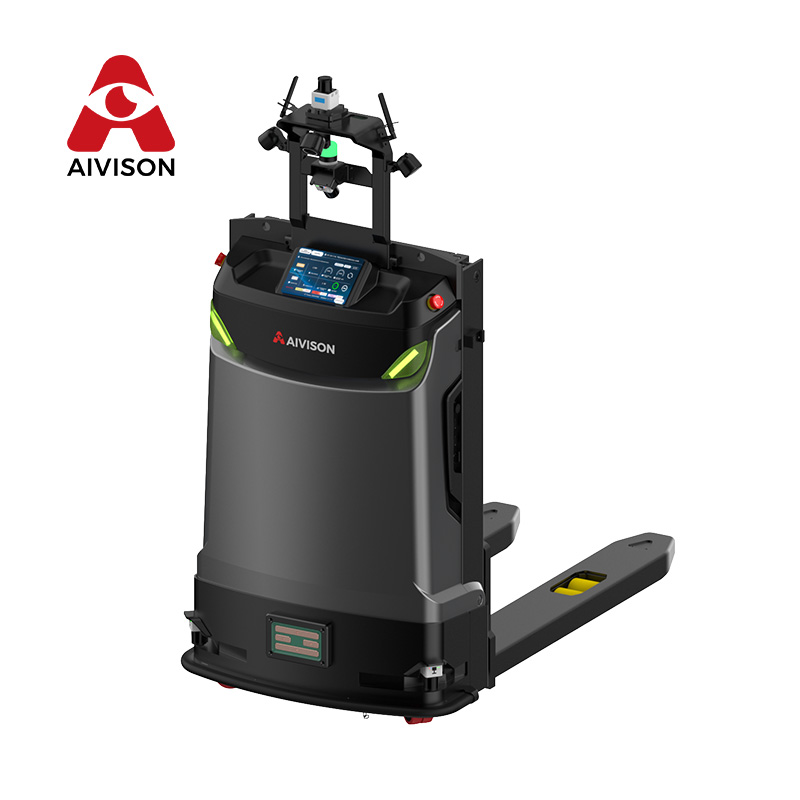
AGV AMR Autonomous Forklift Smart Version Auto Mobile Transfer Stacker Robot
An appropriate starting point for Indonesian plants replacing repetitive pallet movement between receiving, staging and line-side buffers. The smart autonomous forklift reduces dependence on manual counterbalance trucks in repetitive lanes, but aisle width, floor flatness and pallet condition should be surveyed before configuration.
View product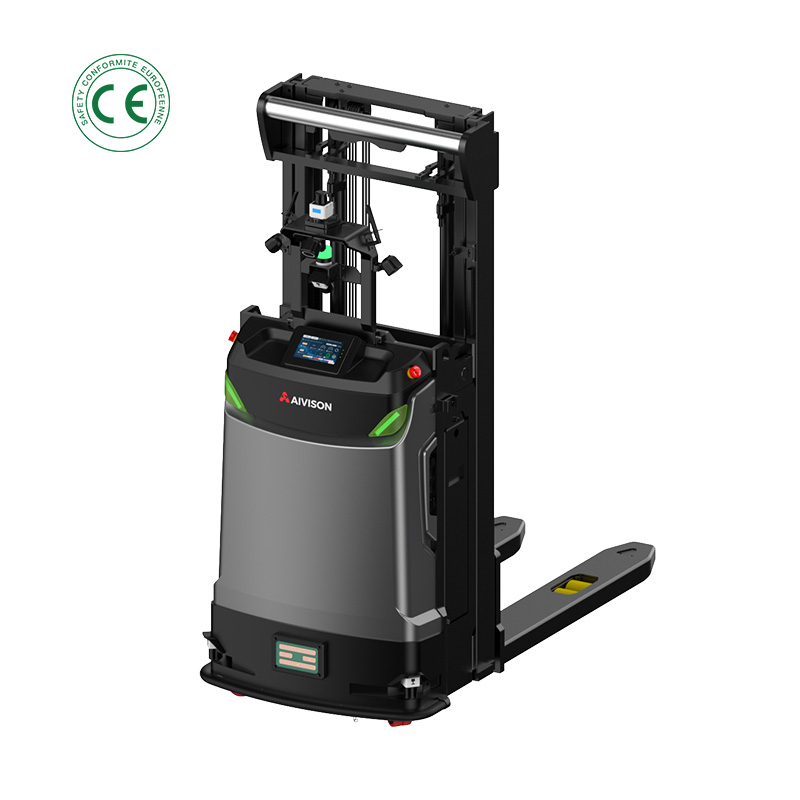
Aivison AMR Robot Vehicle Automated Warehouse Automatico agv Logistics Industrial Guided Vehicles
Designed for automated warehouse logistics and guided-vehicle projects where capital efficiency and quick deployment matter. It is often considered for scheduled transfer routes in distribution centres, spare-part warehouses and manufacturing buffer zones where the layout may change after installation.
View product
Hot Selling Logistics Navigation Detector Sensor Lidar Manufacturers Direct Sales
Useful for Indonesian integrators, AMR builders and maintenance teams that need navigation components or spare-part planning. Direct-source lidar supply helps shorten replacement cycles, but buyers should confirm interface compatibility, scan parameters and environmental tolerance with the robot platform provider.
View product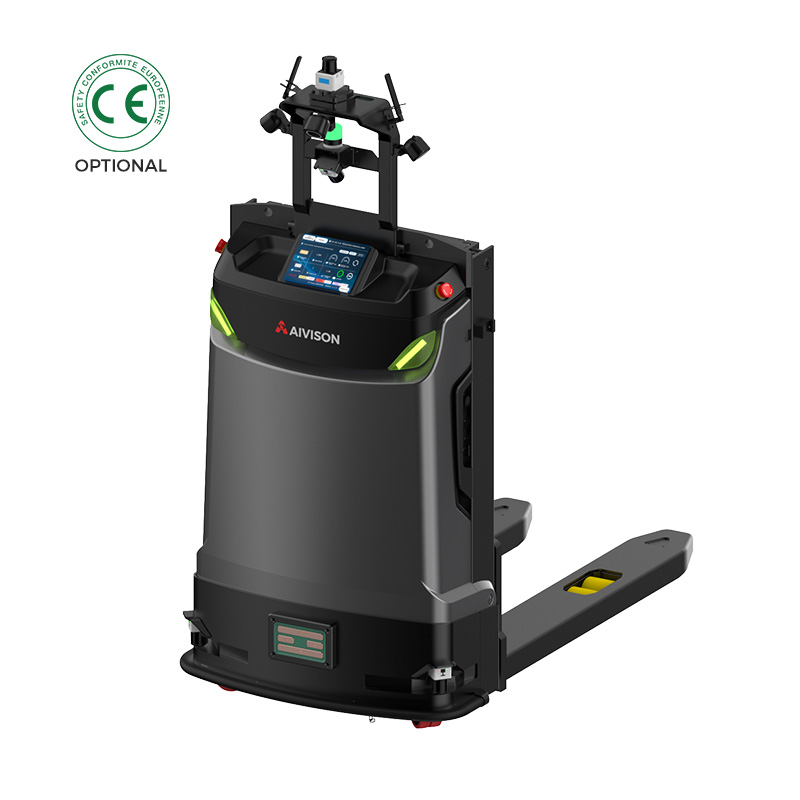
China Factory Automated Mobile Robot SLAM Lifting Wholesale AGV Chassis Vehicle
Recommended for rack lifting, shelf transport and line-side delivery in lithium battery, 3C electronics, PCB and textile operations. The lifting chassis can be adapted for OEM and integrator projects, and standard laser SLAM navigation avoids floor tracks or reflectors during routine route changes.
View product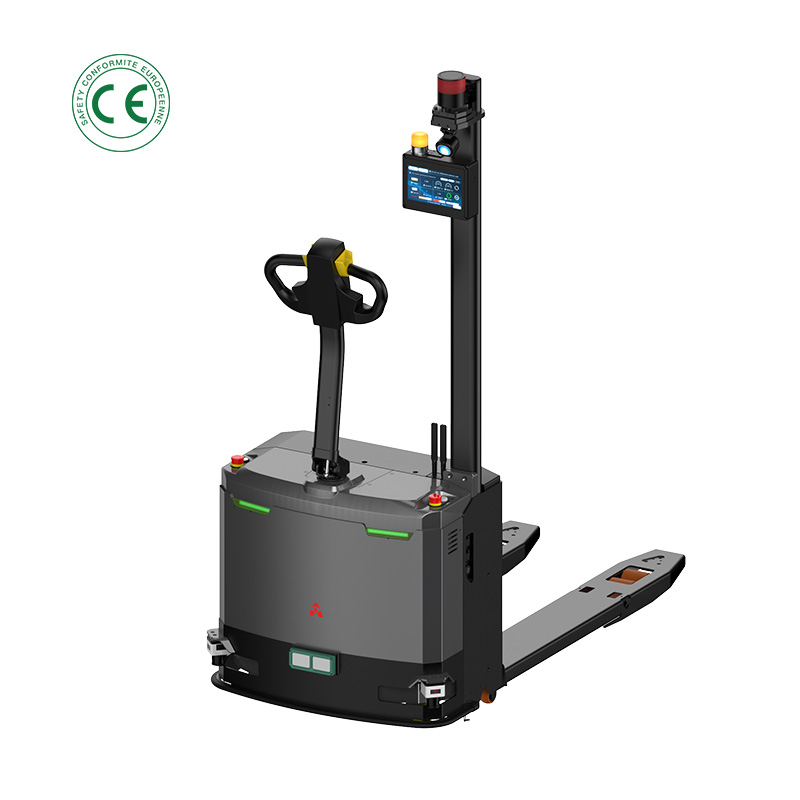
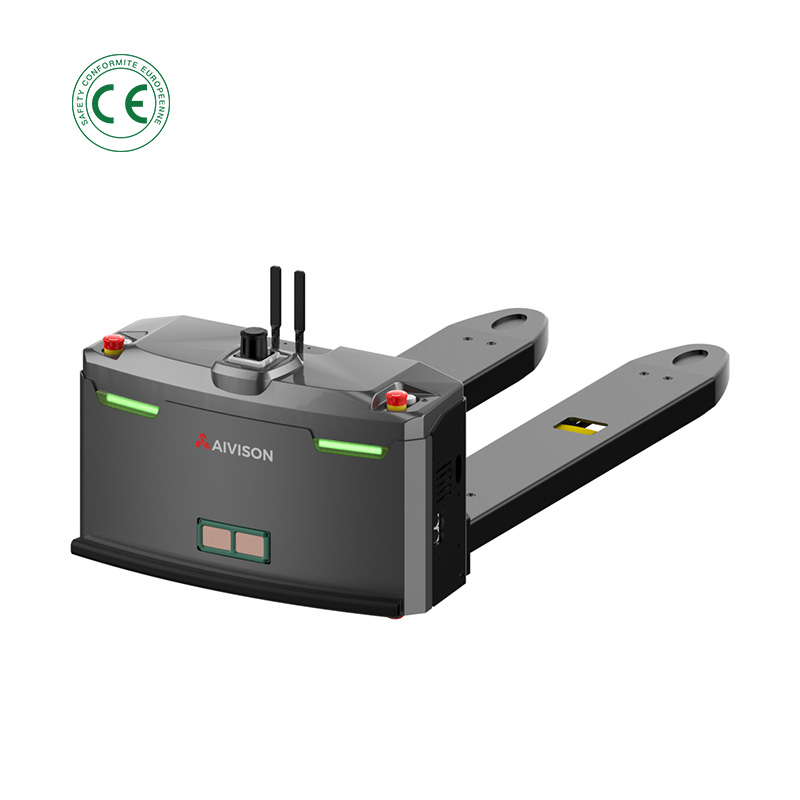
Automatic Handling CE Certificate 2000kg Forklift Robot Vehicle Laser AGV for Large Load Goods-carrying
For Indonesian manufacturers moving heavy pallets, large-load goods or dense raw-material units where smaller AMRs are not suitable. The 2,000 kg laser AGV forklift option should be matched to load centre, lift height, ramp limits and safety zones; CE documentation is relevant for internal risk assessment and export projects.
View product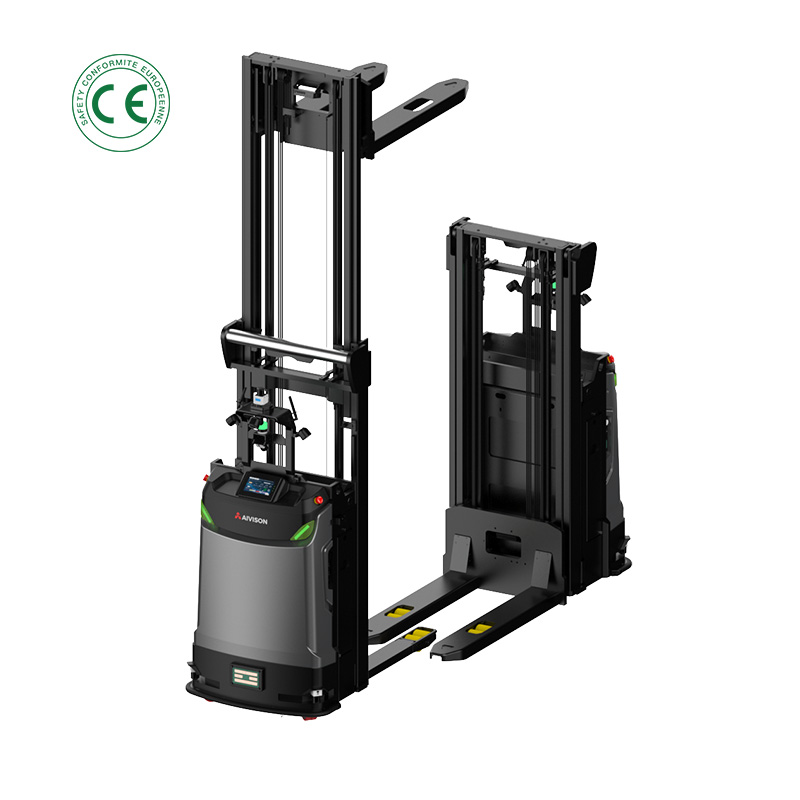
Factory AMR Robot AGV Robot Laser 2000kg Forklift AGV for Industrial Material Handling
A heavy-load platform for automotive parts, building materials, paper, packaging and general industrial material handling. The combination of laser navigation and a 2,000 kg forklift format is most compelling where routes are repetitive and manual forklift utilisation is high, but a throughput study should confirm battery cycles, charging windows and fleet count.
View productA China Supplier Built Around Integration Reality, Not Catalogue-Only Selling
Indonesia buyers are not only comparing robot prices. They are evaluating whether a China wholesaler can support site surveys, electrical adaptation, fleet software, spare parts and local commissioning. The following advantages are based on Shenzhen Marnix Intelligent Technology Co., Ltd.’s existing engineering and credential information.
Manufacturer-Level Customisation
Marnix engineers chassis, payload interfaces and top modules rather than forcing a standard platform into every process. Jacking units, roller conveyors, forklift forks and six-axis arms can be configured for direct machine interfacing, with OEM and integrator support plus low-MOQ customisation capability.
Precision Matched to Station Economics
Laser SLAM reaches ±5 mm on natural features without auxiliary floor infrastructure. A QR code camera can raise docking to ±2 mm only at stations that need it, while composite robots with a six-axis arm reach ±0.05 mm repeatability for semiconductor and medical device assembly work.
Fleet Software & Charging Ecosystem
An intelligent scheduling system coordinates robots over indoor Wi-Fi, supporting simultaneous task assignment, traffic control and automatic charging with compatible smart charging docks. This matters in Indonesian multi-shift operations where charger placement and battery windows directly affect fleet size and payback.
Third-Party Verified Credentials
Marnix has completed an onsite supplier assessment by TÜV Rheinland, holds a procurement contract as a supplier to a Fortune 500 company, and is presented as a verified multispecialty supplier with credit, transaction-level and trade-capacity records available for review.

Evidence-Led Engineering for Export Projects
Marnix builds laser SLAM AMRs, jacking robots, smart forklifts, composite mobile robots and charging docks for factories and integrators worldwide. For Indonesia, the practical value is a single engineering source for the mobile platform, top module and fleet software — plus documentation that supports your internal risk, procurement and after-sales planning.
- Multi-stage inspections and operational stress testing before shipment.
- Eight core industries: semiconductor, 3C electronics, lithium battery, photovoltaic, automotive parts, PCB, textile and medical devices.
- Products and solutions supplied to both end users and system integrators.
Where Industrial Handling Robots Fit Indonesian Operations
Indonesia is not a single market. Greater Jakarta distribution centres, Batam electronics plants, Karawang automotive suppliers and Surabaya food or FMCG facilities present different floor conditions, labour models, voltage quality and service expectations. The right robot configuration should be selected site by site.

Greater Jakarta Warehousing & 3PL
High-throughput fulfilment centres around Jakarta, Bekasi and Tangerang often face peak-season labour pressure and changing SKU layouts. AMR warehouse robots and autonomous forklifts can stabilise receiving-to-staging transfer while keeping routes re-mappable.
Recommended focus: AMR warehouse vehicle, autonomous forklift, fleet scheduling and strategic charging-dock placement.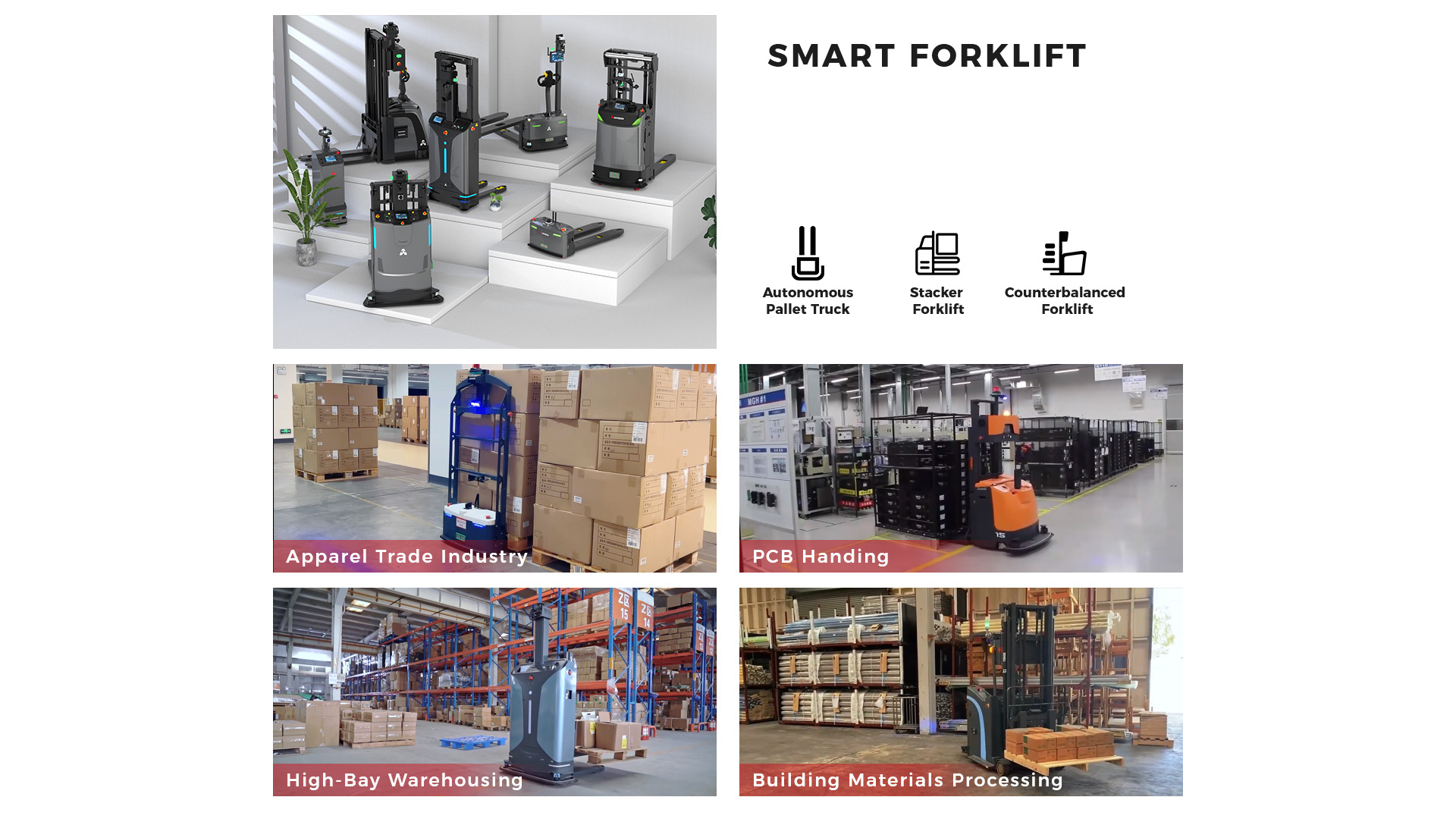
Karawang & Java Manufacturing
Automotive parts, electronics and industrial component plants need line-side supply that respects takt time. Jacking robots or roller-conveyor top modules can hand over carriers directly to equipment, reducing manual lift-and-carry between process islands.
Recommended focus: jacking robot series, roller conveyor AMR, ±2 mm QR docking where fixtures demand it.
Batam & Electronics Integration
Electronics and semiconductor-related operations often require compact turning radii, repeatable station access and clean interfaces. Composite mobile robots with arms or roller modules can support precision assembly, but cleanroom class, ESD measures and station calibration must be confirmed.
Recommended focus: omnidirectional composite platform, QR-assisted ±2 mm docking, custom top-module engineering.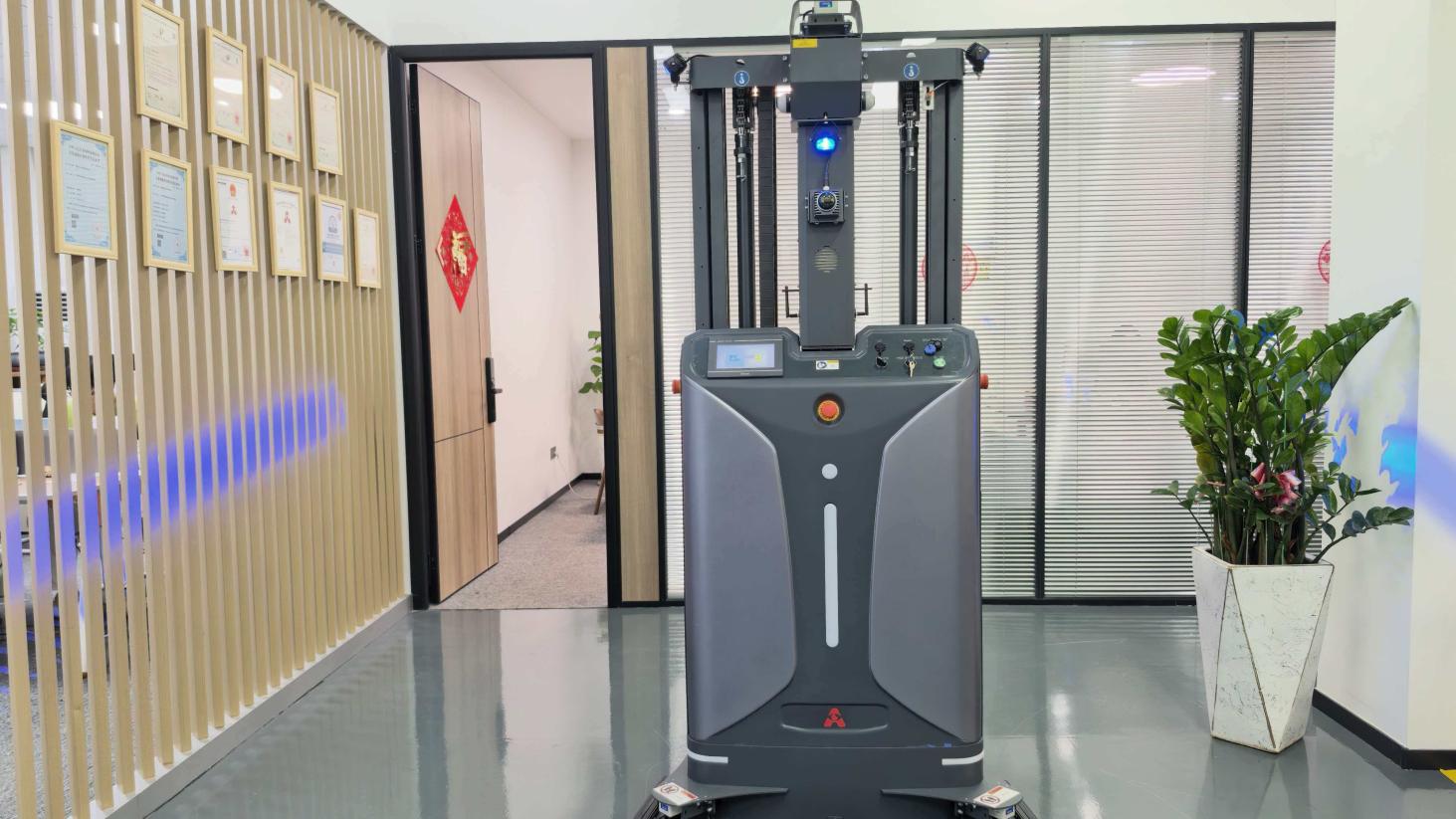
Surabaya, Semarang & Regional Distribution
Food, FMCG, packaging and general distribution sites outside Greater Jakarta may have older buildings, mixed forklift traffic and limited local automation expertise. A phased pilot with one or two robots is often more reliable than a full-fleet launch.
Recommended focus: pilot AMR route, local integrator commissioning, spare-parts kit and operator training.Localisation Trends That Change Robot Procurement Decisions
Indonesian buyers increasingly ask for proof of serviceability, not only a lower quotation. The following trends are practical buying signals for 2025–2026 warehouse and factory projects.
Labour Cost & Skills Pressure
Automation is being positioned around repetitive transfer, night-shift stability and safety rather than simple headcount replacement. Indonesian buyers increasingly compare total operating cost, training burden and local maintenance access.
E-commerce & 3PL Peaks
Flexible fleets are favoured over fixed conveyors because campaign peaks, SKU changes and warehouse leasing cycles can alter routes. AMR layouts can be re-mapped without major civil works, which suits rented facilities.
New Plants Designed AMR-Ready
Supply-chain diversification is encouraging new factories and warehouses to plan Wi-Fi coverage, charging zones, wider transfer aisles and safety segregation earlier. Retrofitting these later is usually more disruptive than choosing the robot.
TKDN, SNI & Service Localisation
Government-linked or regulated projects may require TKDN review, SNI verification where applicable, and clearer local service responsibilities. A China OEM platform can still be competitive when paired with an Indonesian importer, integrator and spare-parts plan.
Navigation Architecture: Choose Precision by Station
Most Indonesian projects do not need the highest accuracy everywhere. Over-specifying QR or composite precision across an entire site can add cost without improving throughput. Use a station-level tolerance map.
Bars illustrate relative integration intensity, not a universal performance benchmark. Site survey and station calibration remain mandatory.
Deployment Decision Matrix
Use this matrix to align Indonesian site conditions with the right Marnix configuration before requesting a quotation.
| Configuration | Accuracy | Typical Indonesian Use | Buyer Check |
|---|---|---|---|
| Laser SLAM | ±5 mm | Warehouse transfer, line-side delivery, layout changes | Floor flatness, Wi-Fi coverage, traffic rules |
| SLAM + QR camera | ±2 mm | High-shelf docking, fixture handover, electronics stations | QR label placement and station repeatability |
| Composite robot + arm | ±0.05 mm | Semiconductor, medical device and precision assembly | Station calibration, safety, cleanroom requirements |
From Inquiry to Commissioning in Indonesia
A successful Indonesia deployment is a joint engineering exercise. The OEM supplies the robot platform, custom top module and fleet software; the local importer or integrator handles installation logistics, electrical works and ongoing service coordination.
Application Discovery
Define load weight, footprint, centre of gravity, routes, throughput, shifts, docking tolerance and operator roles. Share a CAD layout or sketch with aisle widths, doors, ramps and charging locations.
Site & Power Review
Confirm 220V/50Hz supply, charging-circuit capacity, voltage stability, floor condition, humidity, dust and Wi-Fi coverage. For older Indonesian buildings, this step often determines the project scope.
Configuration & Simulation
Select chassis, payload interface, navigation mode, safety sensors and fleet size. Model missions per hour, travel distance, lift time, charging ratio and peak demand before fixing the quotation.
Factory Acceptance Test
Marnix performs multi-stage intelligent inspections and thousands of operational stress tests. Export projects should agree on test criteria, documentation, packaging and photo or video evidence before shipment.
Shipping & Customs
Coordinate HS classification, importer of record, CE documentation where applicable, insurance and delivery to Jakarta, Surabaya, Batam or the project site. TKDN or SNI review should be clarified early.
Local Commissioning
Map the site, validate routes, tune docking, train operators and define spare-parts and remote-support procedures. A local integrator is strongly recommended for electrical works and rapid on-site response.
Common Procurement Questions from Indonesian Buyers
These are the questions that most often decide whether a China industrial handling robot supplier is commercially usable in Indonesia.
Can a China supplier support an Indonesian factory after delivery?
Yes, provided responsibilities are written into the project plan. Marnix can supply the robot platform, top module, fleet software and remote engineering support. Indonesian projects should also appoint a local integrator or service partner for installation, electrical work, operator training and first-line maintenance. Ask for a named escalation path, response expectations and spare-parts list before purchase.
Do the robots work with 220V/50Hz power and voltage fluctuations?
Robot and charging-dock configurations should be specified for Indonesia’s 220V/50Hz supply and validated against the actual site. Surge protection, dedicated charging circuits and voltage monitoring may be required in facilities with unstable supply. Do not assume a standard export configuration is sufficient; share your single-line diagram and charging layout during evaluation.
How do humidity, dust and heat affect AMR performance?
Unairconditioned warehouses and factory zones can expose sensors, filters, batteries and drives to dust, humidity and elevated temperatures. The correct approach is to specify the operating environment, duty cycle and cleaning regime, then confirm the suitable protection and maintenance interval. For severe conditions, a pilot route is recommended before a full-fleet order.
What compliance documents should Indonesian buyers check?
Depending on the product and project, review CE documentation, electrical safety information, import documents and any applicable SNI requirements. Government-linked projects may also require TKDN review. Final classification, duties and local-content treatment depend on the scope and importer; confirm with Indonesian customs counsel or your local consultant. Marnix can provide product documents for your assessment.
What is the minimum order quantity and lead time?
Marnix supports low-MOQ customisation and multi-category robot procurement, but lead time depends on chassis type, custom top module, safety configuration, testing scope and shipping schedule. Standard platforms and engineered projects should be quoted separately. For Indonesian buyers, include the target installation window and any customs or TKDN review time in the project schedule.
How do we calculate fleet size and return on investment?
Start with missions per hour, average route distance, load and unload time, lift cycles, charging ratio and peak-period demand. A one-robot pilot can validate real travel time, traffic conflicts and operator handover. ROI should include labour stability, safety improvement, damage reduction, floor-space release, WMS or MES integration and local service cost — not only the purchase price.
Send Your Layout, Load and Throughput Target
For an Indonesia project evaluation, share the payload, rack or pallet dimensions, aisle widths, route map, shifts, docking tolerance, 220V/50Hz power details, Wi-Fi coverage and any TKDN or SNI considerations. Marnix engineers can then recommend a laser SLAM AMR, jacking robot, smart forklift or composite platform and provide a document checklist for your importer or integrator.
Inquire Now Original supplier credentials include TÜV Rheinland onsite assessment, Fortune 500 supplier trade history, verified multispecialty supplier status, and credit or transaction records available for review. Direct contact: info@marnixbot.com.