8 Automated Storage and Material-Handling Systems for Hanoi Projects
The product set below represents the practical mobile-robotics layer of an automated storage system: stacker AGVs, AMR forklifts, laser-guided forklifts, 1500/2000 kg platforms, SLAM forklifts, intelligent AGVs and autonomous material-handling robots. Each product link is retained from the supplier catalog so Hanoi buyers can compare payload, navigation, CE status and top-module options without losing the original reference.

New Warehouse Autonomous Cars agv Robot 2000kg Load Capacity Stacker agv Robot
A high-payload autonomous stacker platform for pallet and rack transfer where conventional forklift labor creates bottlenecks. Recommended for warehouse receiving, line-side replenishment and semi-finished goods movement in Hanoi industrial parks.
View product details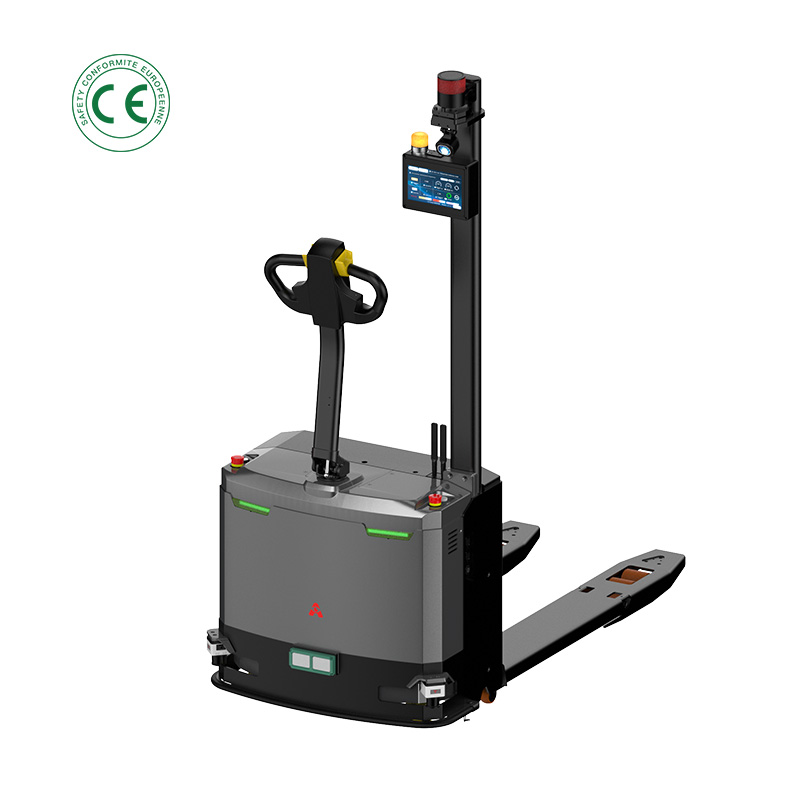
Autonomous Mobile Robot AMR AGV Forklift Pallet Stacker CE Certificate for Smart Warehouse and Production Line Automation
A CE-certified AMR forklift for automated pallet handling and production-line interface. Useful for Hanoi warehouses that need to move pallets between storage, staging and dispatch without installing magnetic tape or reflector grids.
View product details
Heavy Load 2000KG Load Forklift Laser Guide AMR for Warehouse Pallet
A laser-guided AMR forklift for 2000 kg pallet loads in high-throughput warehouses and high-shelf storage areas. The heavy-load chassis is relevant for building-material, automotive-part and FMCG pallets.
View product details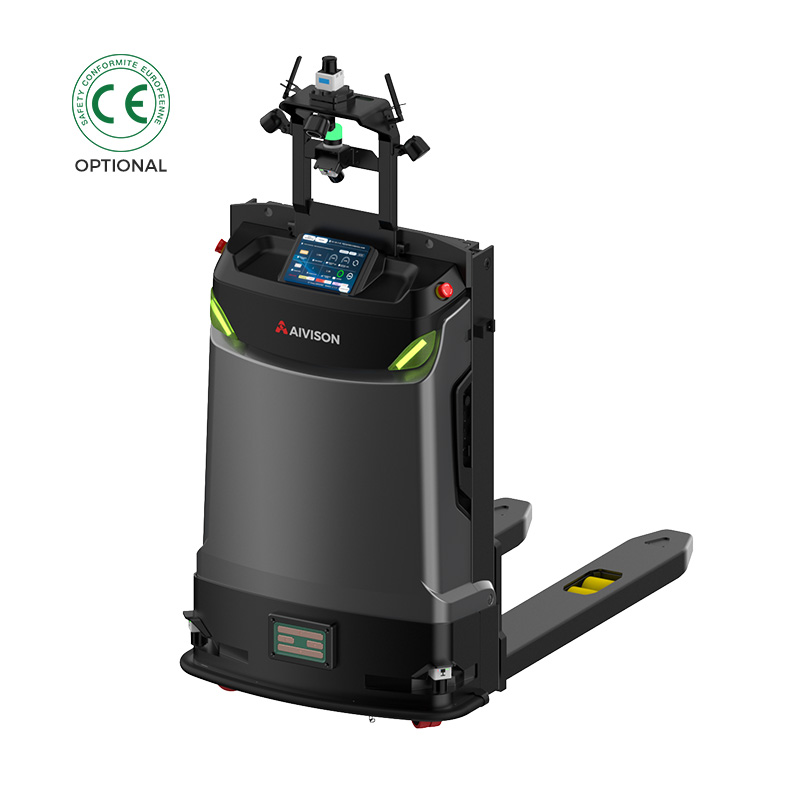
AGV AMR Warehouse Automatic Guided Vehicle 1500kg 2000kg AGV Robot Forklift
A flexible warehouse platform for sites that expect layout changes after commissioning. Suitable for 3PL operations, distribution centers and manufacturers that cannot stop production for extensive floor works.
View product details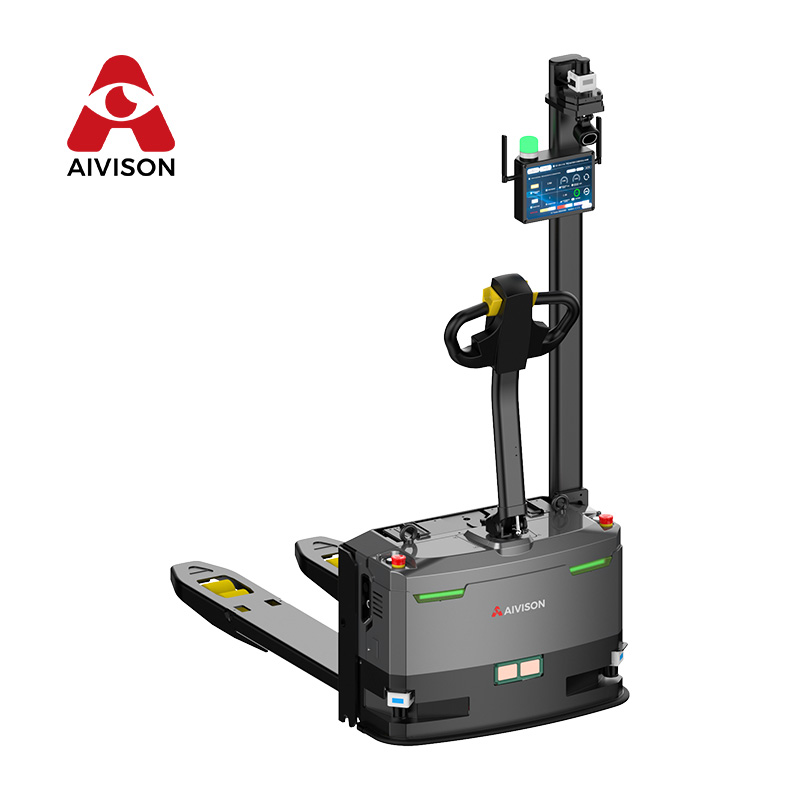
Laser SLAM Navigation Automated Guided Vehicle Forklift agv 1500kg Load Capacity
A trackless SLAM forklift for dynamic production and warehouse environments. It is a good fit for Hanoi factories seeking automatic pallet movement without QR labels on every aisle, with QR assist available only where high-precision docking is needed.
View product details
High-performance Intelligent Smart Automated Guided Vehicle 2000kg AMR Robot
An intelligent AMR platform for demanding material flows, fleet scheduling and repetitive 24/7 tasks. Recommended when throughput stability, dynamic obstacle avoidance and charging efficiency matter more than initial vehicle price.
View product details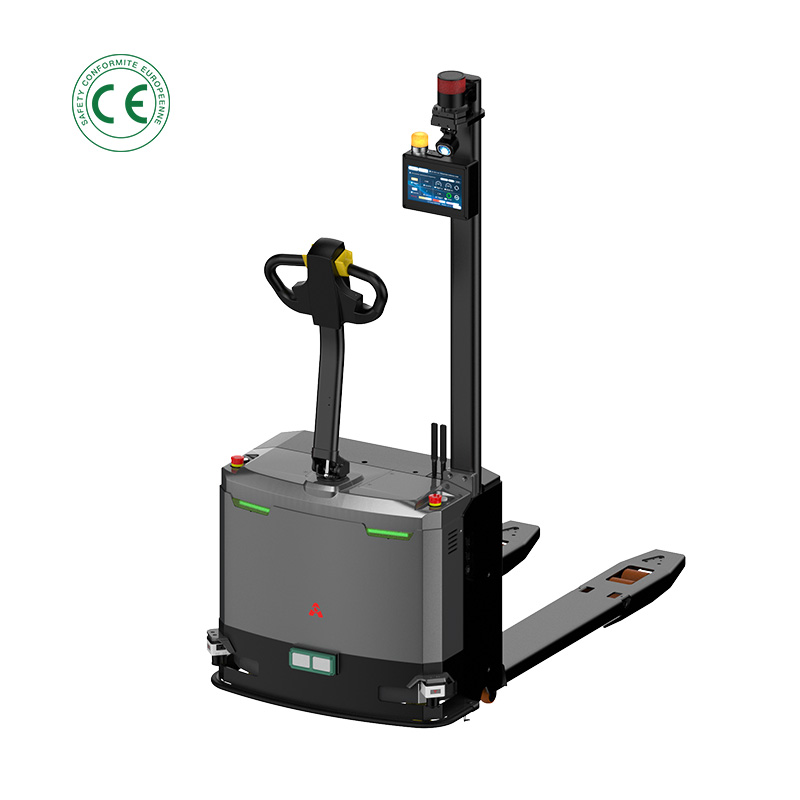
CE Certification Industrial AMR AGV Robot for Warehouse Automation Autonomous Material Handling Logistics
A CE-certified industrial AMR for autonomous material handling, logistics transfer and integrated warehouse automation. The platform can be matched with top modules for conveyors, racks or production equipment interfaces.
View product details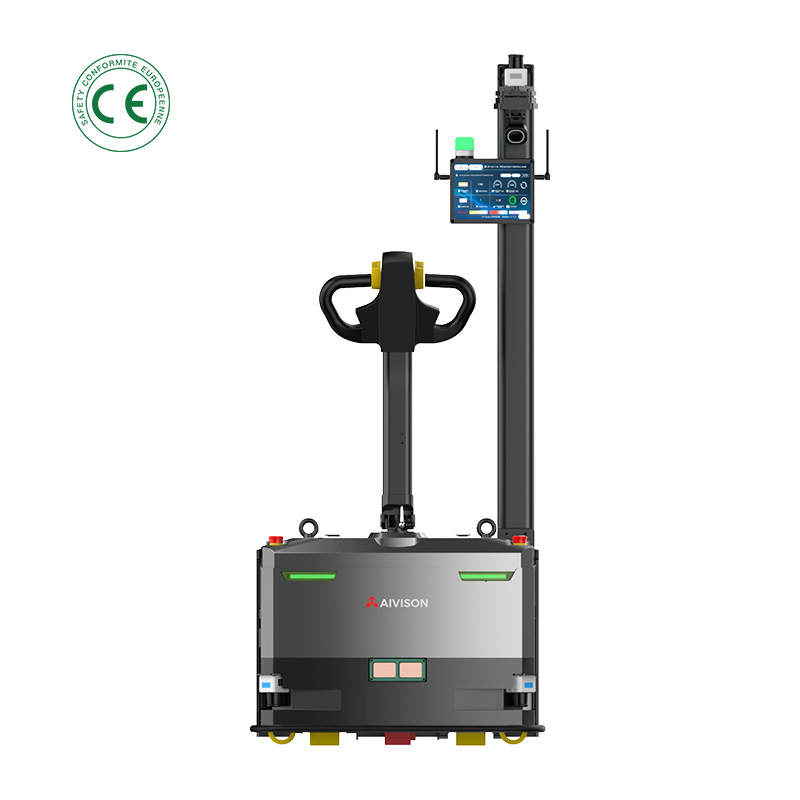
Autonomous Mobile Robot AGV CE Laser SLAM Navigation for Material Handling and Logistics
A general-purpose laser SLAM AMR for material handling and logistics. It is suited to mixed traffic, frequent route updates and warehouse zones where fast mapping and simple reconfiguration reduce project risk.
View product detailsShenzhen-based R&D, assembly and testing for mobile robotics.
No magnetic tape, reflectors or full-floor QR codes required.
Deployments across semiconductor, 3C, battery, PV and logistics.
End users and system integrators supported from one factory source.
Why Hanoi Buyers Compare Chinese Automated Storage System Manufacturers
For procurement teams in Hanoi, the search for an automated storage system manufacturer is rarely a simple product purchase. A project near Noi Bai, in Thang Long Industrial Park, or across the Red River Delta usually combines racking, WMS/WCS software, conveyors, lifts and a mobile robot fleet. The robot supplier must fit the existing building, the 380V/50Hz electrical supply, the Wi-Fi plan and the reality of mixed pedestrian and forklift traffic. This is where China-based manufacturers with deep AGV/AMR engineering experience become relevant: they offer shorter customization loops, a broad component ecosystem and competitive total cost, but only if the buyer verifies navigation accuracy, safety documentation, charging strategy and after-sales spares.
Northern Vietnam is no longer a generic low-cost warehouse market. FDI in electronics, automotive parts, photovoltaic, lithium battery and textile supply chains has pushed warehouse rents and labor expectations upward in Bac Ninh, Bac Giang, Thai Nguyen, Hung Yen and Hai Phong. Hanoi 3PLs also face e-commerce service levels that demand same-day cut-off and tighter inventory accuracy. A trackless laser SLAM AMR can be commissioned without magnetic tape or reflector grids, which matters in leased facilities where floor modification may breach the lease or interrupt production. However, ±5 mm is not always required everywhere: receiving lanes, line-side delivery and pallet transfer often work with standard SLAM, while high-shelf docking or precision machine interface may need QR assist at ±2 mm or a composite arm at ±0.05 mm.
Buyers should therefore evaluate the total automated storage system, not only the vehicle price. Ask for floor flatness tolerance, charger location, fire-safety review, traffic rules, WMS/WCS interface test cases and a spare-parts list covering Hanoi's humidity and dust conditions. The most competitive supplier is the one that gives an auditable answer to those questions, not the one that quotes the lowest robot unit price without a commissioning plan.
A qualitative procurement planning view based on common Hanoi and northern Vietnam project questions. It is not a statistical forecast or a substitute for site survey data.
Company Strengths That Reduce Project Risk in Vietnam
Shenzhen Marnix Intelligent Technology Co., Ltd. supports end users and system integrators with a complete mobile-robot stack rather than a single vehicle model.
About Ten Years of AGV Engineering
Shenzhen-based R&D and manufacturing experience in AGV and AMR development, with product architecture shaped by real production-line constraints rather than catalogue-only specifications.
Precision Architecture Without Floor Rework
Laser SLAM reaches ±5 mm on natural features; optional QR scanning supports ±2 mm; composite robots with a 6-axis arm can reach ±0.05 mm repeatability for precision assembly.
Complete Robot Stack
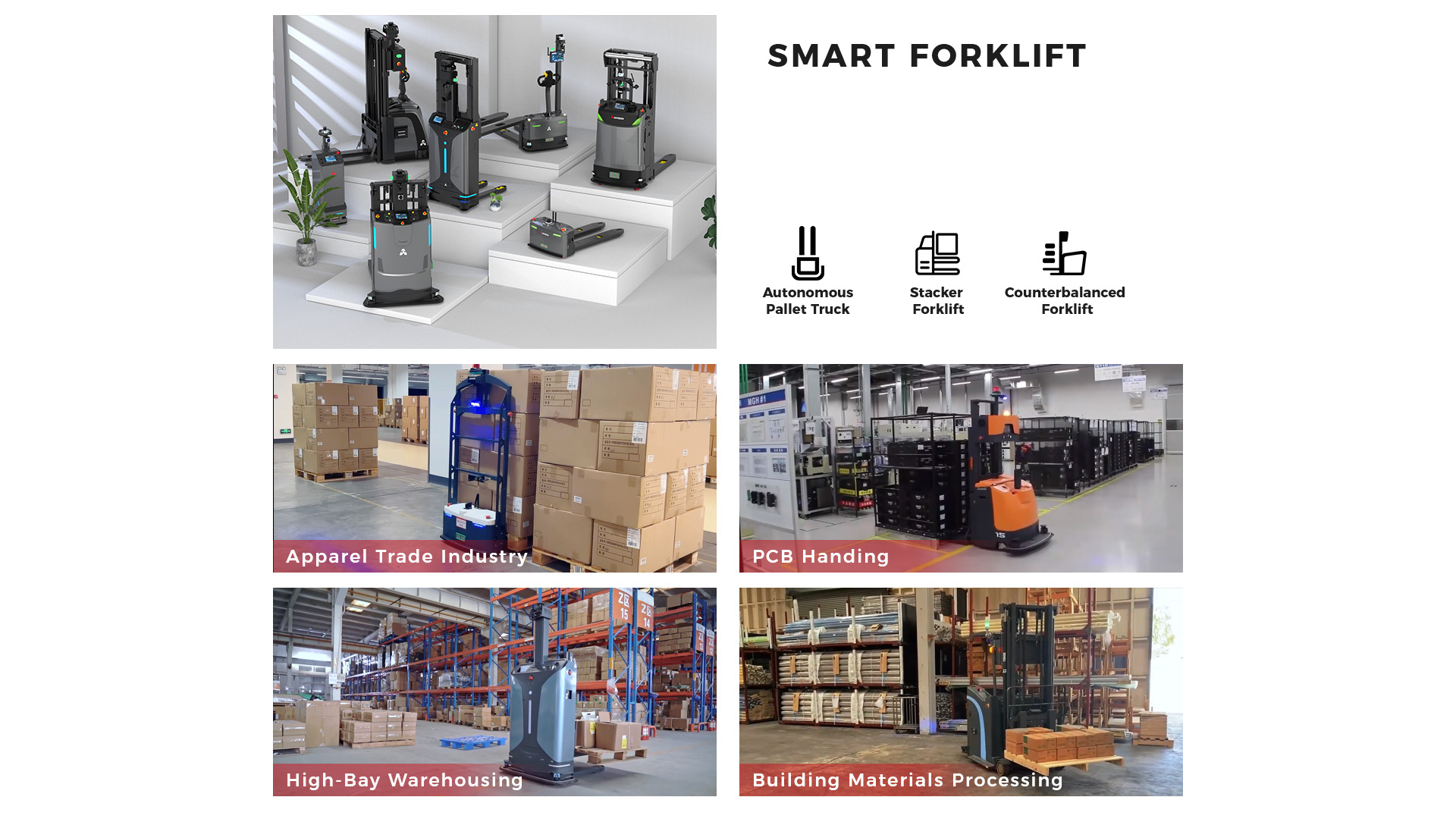
Jacking robots, smart forklifts, pallet AMRs, composite mobile robots, intelligent charging docks and fleet scheduling software can be sourced from one manufacturer.
Custom Top Modules
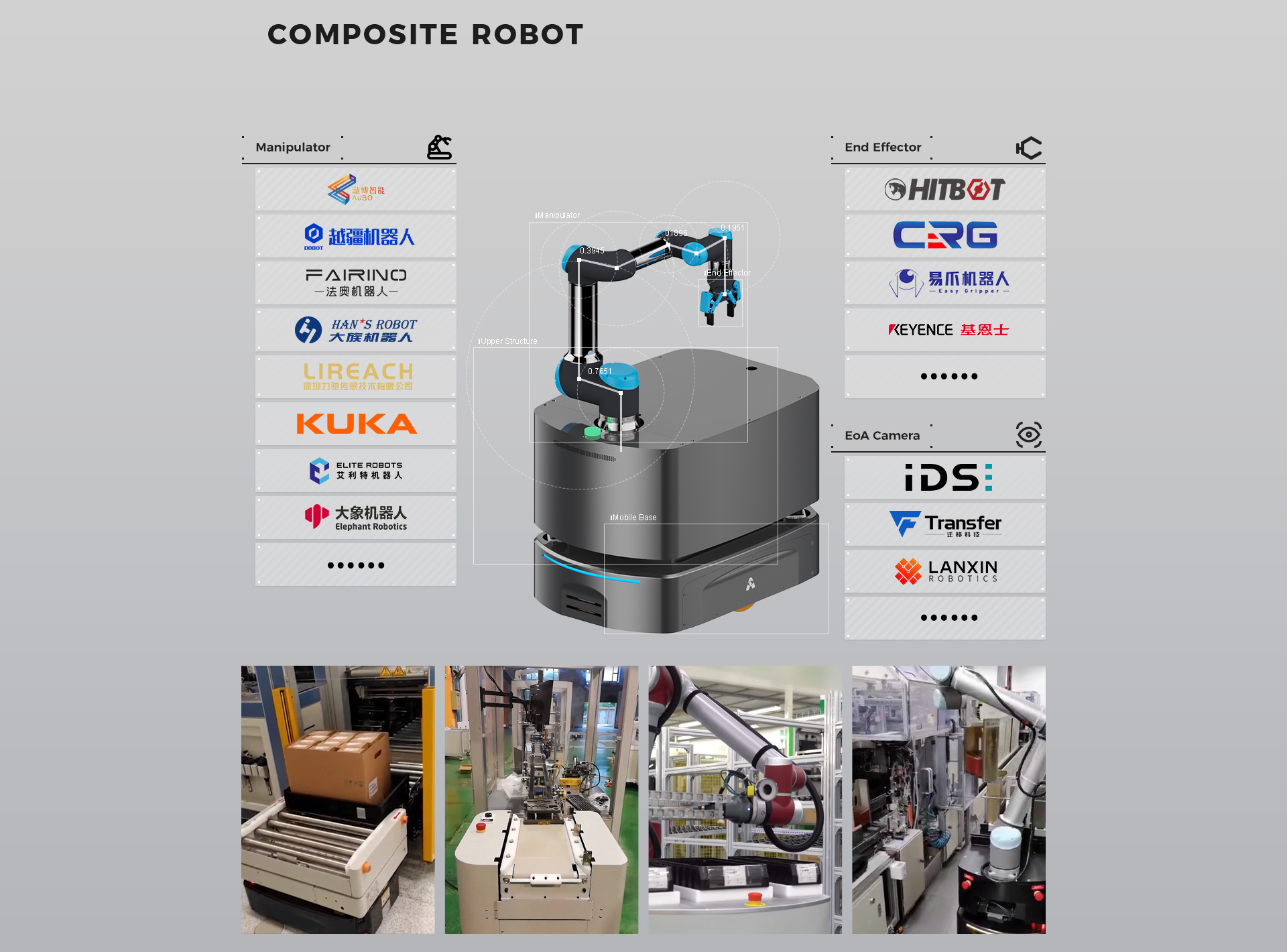
Roller conveyors, forklift forks, jacking units and 6-axis robotic arms can be engineered to connect directly with Vietnamese production equipment and integrator designs.
Quality and Fleet Uptime
Multi-stage intelligent inspection and stress testing target reliable 24/7 operation. Dynamic avoidance, Wi-Fi fleet scheduling and automatic charging support mixed human and vehicle traffic.
Verifiable Credentials
TÜV Rheinland onsite assessment, Fortune 500 supplier records, 200+ manufacturers served and deployments across three continents give Hanoi buyers third-party starting points for due diligence.
Where Automated Storage and AMR Systems Fit in Hanoi and Northern Vietnam
Hanoi projects are not uniform. The right robot configuration for Bac Ninh electronics differs from a Hung Yen textile warehouse or an urban 3PL center serving Hanoi consumers.

Electronics and Semiconductor Logistics
Bac Ninh, Thai Nguyen and Hoa Lac electronics clusters often need clean, repeatable material transfer between warehouses, SMT lines and test stations. Laser SLAM reduces floor works, while selective QR docking can support high-precision handover.
- Line-side material delivery with mixed traffic avoidance
- Cleanroom and ESD requirements to verify per zone
- WMS/MES interface tests before acceptance
Textile, Footwear and FMCG Warehouses
Factories in Hung Yen, Ha Nam and Hanoi's outskirts face seasonal peaks, high SKU counts and labor turnover. Pallet AMRs and jacking robots can stabilize repetitive transfer while staff focus on exception handling and quality.
- Pallet and roll-cage movement between zones
- Reconfigurable routes for seasonal layouts
- Humidity and dust review before charger placement
Urban E-commerce, 3PL and Port Transfer
Hanoi distribution centers connected to Hai Phong Port and Noi Bai Airport need fast receiving, put-away and dispatch. Smart forklifts and stacker AGVs support high-shelf docking, while auto charging keeps fleets available across shifts.
- QR-assisted ±2 mm docking at selected stations
- Fleet scheduling for peak cut-off windows
- Spare-parts plan for continuous 3PL operation
What Is Reshaping Hanoi Warehousing and Intralogistics
These trends do not automatically justify automation. They define the questions a Hanoi buyer should put to any China-based manufacturer or local integrator.
FDI Supply-Chain Shifts
Electronics, battery and automotive-part investment continues to spread across northern Vietnam. Buyers need automation that can be re-mapped as product lines change, not fixed infrastructure that locks the layout.
Labor Cost and Turnover
Rising wages and turnover make repetitive night-shift pallet movement less attractive. The business case should compare robot utilization, overtime, safety incidents and training time, not payroll alone.
E-commerce Service Levels
Hanoi consumers expect faster delivery windows. 3PLs are testing compact AMR fleets for put-away, replenishment and dispatch staging where speed and inventory accuracy directly affect customer satisfaction.
Energy, Humidity and Documentation
Tropical humidity, dust and electricity cost demand careful charger planning and maintenance intervals. CE files, spare-parts lists and site-specific IP ratings are becoming normal procurement requirements.
Match Navigation Precision to Each Station—Not the Whole Project
Over-specifying precision can add cost and infrastructure. The practical approach is to map every station, then choose the lowest-cost navigation mode that reliably meets the task.
Laser SLAM on Natural Features
Best for warehouse transfer, line-side delivery, receiving and dispatch staging. No tape, reflectors or full-floor QR codes are required, making it suitable for leased warehouses and frequently changing layouts in Hanoi.
SLAM + QR Code Camera
Use QR labels only at critical docking points such as high-shelf storage, precision conveyor handover, wafer carriers or machine loading. This selective approach protects layout flexibility and reduces label maintenance.
Composite Robot with 6-Axis Arm
For semiconductor, medical-device or precision assembly tasks that require mobile manipulation. Multi-layer synchronization protocols and station calibration support repeatable handover between the mobile base and the arm.
A Hanoi-Ready Procurement Checklist for Automated Storage Projects
Sharing the following six inputs with a manufacturer shortens evaluation from weeks of clarification to a focused technical review.
Load and Rack Profile
Provide maximum weight, pallet or rack footprint, center of gravity and whether the load is open, stacked, fragile or wrapped. Heavy 2000 kg pallets need a different chassis and fork design from light 300 kg cages.
Floor, Door and Ramp Data
Share CAD or a sketch with aisle widths, door widths, slopes, floor joints, elevator access and charger locations. Floor flatness and ramp grade directly affect navigation and safety review.
Throughput and Peak Hour
State average and peak missions per hour, shift pattern and battery-swap or charging window. This determines fleet size, charger count and whether one pilot robot is sufficient for validation.
Docking Precision by Station
Mark which stations truly need ±2 mm QR docking or ±0.05 mm arm repeatability. Keeping regular transfer routes at laser SLAM ±5 mm reduces cost and maintenance workload.
Wi-Fi and Electrical Plan
Confirm Wi-Fi coverage, access-point handover, 380V/50Hz supply and charger protection. A site survey should verify voltage stability, earthing and heat or humidity in the charging area.
Service and Spare-Parts Model
Agree on remote support, integrator responsibilities, spare-part list, training materials and response expectations. For Hanoi projects, a local integrator plus factory engineering support is often the most practical model.
Credentials a Hanoi Buyer Can Verify Before Ordering
For automated storage systems, credibility should be documentable. The following evidence points are available from the original Shenzhen Marnix company profile and trade records.
TÜV Rheinland Onsite Assessment
Independent inspection of company premises and operations supports supplier verification before a Vietnam project award.
View assessment reportFortune 500 Supplier Record
Procurement contract history with a Fortune 500 company provides a third-party reference point for quality and delivery discipline.
Review trade historyVerified Supplier Capacity
Low-MOQ customization and multi-category robot procurement capability are documented in the supplier trade capacity profile.
View trade capacityCredit and Transaction Records
Transparent credit index and transaction level history support a more complete due-diligence pack for Hanoi buyers.
Review credit index
Common Questions from Hanoi Factories, 3PLs and Integrators
These are the practical questions that usually determine whether an automated storage pilot moves from quotation to site survey.
What is the practical shipping route from Shenzhen to Hanoi for a robot pilot?
For a small pilot, air freight to Noi Bai International Airport is often the fastest option. For a fleet, sea freight to Hai Phong or Cai Lan is usually more economical, followed by trucking to Hanoi or the industrial park. Land border routes via Huu Nghi are also used for some shipments. Confirm Incoterms, HS code, CE/CO documents, packing method and a licensed Vietnamese customs broker before ordering.
Will the robots work with Vietnam's 380V/50Hz power and CE requirements?
Industrial sites in Vietnam commonly use 380V/50Hz, but the charger configuration must be confirmed against the actual site supply. CE-certified models are available in the product line, and the final quotation should list the applicable certificate, charger input, earthing requirement and protection plan. Do not assume that a standard export configuration matches every factory's electrical room.
Do we need to modify the floor or install QR codes everywhere?
No. Standard laser SLAM navigation maps natural features and typically reaches ±5 mm without magnetic tape, reflectors or floor QR codes. QR labels are added only where a station needs ±2 mm docking precision. Floor flatness, slopes and door thresholds should still be reviewed, because navigation accuracy does not remove physical site constraints.
How should we handle humidity, dust and mixed traffic in northern Vietnam?
Ask for the model-specific IP rating, anti-condensation measures, charger placement guidance and maintenance interval. Avoid locating chargers in damp, poorly drained areas. For mixed traffic, verify dynamic obstacle avoidance, warning lights, emergency stop behavior and traffic rules. A site survey should also define pedestrian walkways and forklift intersections.
Can a Vietnamese system integrator customize the robot for local projects?
Yes. The manufacturer supports custom chassis and top modules such as jacking units, roller conveyors, forklift forks and 6-axis arms. Integrators can request OEM support, interface documentation and fleet scheduling integration. Final scope, MOQ and engineering responsibility should be written into the project agreement rather than assumed from a catalogue page.
How should we calculate payback and after-sales support for a Hanoi deployment?
Build the business case around labor continuity, overtime, rework, inventory accuracy, space utilization and safety, not payroll alone. Run a pilot with measurable KPIs such as missions per hour, docking success rate and downtime. For after-sales, agree on remote engineering support, spare-parts list, training, warranty terms and the local integrator's response role before the system goes live.
Send Your Hanoi Layout, Payload and Throughput Targets
Share a CAD drawing or sketch, pallet or rack dimensions, peak missions per hour, docking precision requirements and your preferred shipping route. The engineering team can then recommend a realistic robot configuration, navigation mode and charging strategy for your Hanoi or northern Vietnam project.
Manufacturer profile: Shenzhen Marnix Intelligent Technology Co., Ltd. · Laser SLAM AMR · Jacking Robot · Smart Forklift · Intelligent Charging Dock · Integrator Support