Why Nha Trang Buyers Need a Different Shortlist for Robot Steering Wheel Factories
Nha Trang’s procurement landscape is shaped by coastal humidity, tourism service standards, seafood cold chains and a fast-growing logistics and industrial base. A robot steering wheel purchase is rarely a standalone component purchase; it is a decision about autonomous mobility, safety, uptime and local support.
In Nha Trang and Khanh Hoa Province, buyers often search for a robot steering wheel factory when they actually need an AGV or AMR platform that can steer reliably in mixed traffic. The final requirement usually includes lidar navigation, obstacle avoidance, battery charging, fleet scheduling and a top module that matches the load. That is why a low price on a steering assembly can become expensive if the integrated robot cannot dock, climb ramps or survive salty air.
The strongest suppliers for the Nha Trang market combine three capabilities: engineering depth in autonomous navigation, customization experience for real production lines, and export discipline. Marnix’s AMR portfolio, with about ten years of AGV engineering, laser SLAM at ±5 mm, QR-assisted docking at ±2 mm and composite robots at ±0.05 mm repeatability, is a useful reference point against which to compare the top 10 factories and exporters.
This white paper is organised around the way local buyers actually evaluate suppliers. First, it provides ten qualification signals for shortlisting factories. Second, it presents eight export-ready robot platforms whose original product URLs are preserved. Third, it maps the technology to Nha Trang applications, local trends, procurement preparation and the questions that Vietnamese buyers ask most often.
Top 10 Qualification Signals for Robot Steering Wheel Factories & Exporters in Nha Trang
Use this ten-point scorecard to compare shortlisted factories. A genuine export partner should document every claim with test data, project references, compliance evidence and spare-parts support.
1. Navigation Accuracy
Laser SLAM should reach ±5 mm on natural features; QR assist should reach ±2 mm at critical stations; composite arms may need ±0.05 mm. Ask for the exact configuration behind each number.
2. Steering Architecture
Differential, omnidirectional or forklift steering changes aisle width, turning radius and safety logic. Confirm the factory can match the chassis to the load and route.
3. Payload Stability
Nha Trang projects range from 300 kg light AMRs to 2,000 kg forklift AGVs. Review centre of gravity, fork entry tolerance and braking on ramps.
4. Mixed-Traffic Safety
Lidar, 3D cameras, e-stops, speed limits and audio-visual warnings matter in resorts, seafood plants and shipyards where people and vehicles share space.
5. Coastal Protection
Central Vietnam’s humid, salty air demands corrosion-conscious materials, sealed connectors, condensation planning and clear IP ratings. Cold-chain areas add battery and lubricant considerations.
6. Custom Top Modules
Jacking units, roller conveyors, forklift forks and 6-axis arms connect the robot to racks, conveyors and machines. A factory that only sells standard chassis may not integrate your process.
7. Fleet Scheduling
Wi-Fi-based traffic control, task dispatch and automatic charging determine throughput. Ask how many robots can share a map and how charging docks are sized.
8. Export Compliance
CE documentation, 220 V/50 Hz charging compatibility, packaging, spare-parts lists and traceable serial numbers reduce import risk for Vietnam.
9. Nha Trang Support
Remote commissioning, training videos, English documentation and spare parts for critical components shorten downtime. Local integrator partnerships are a plus.
10. Verifiable E-E-A-T
Onsite assessment by TÜV Rheinland, Fortune 500 procurement history, trade records and transparent factory information are stronger signals than unverified marketplace badges.
8 Export-Ready Robot Platforms to Compare with the Nha Trang Top 10
The products below are recommended reference configurations for Nha Trang procurement teams. Each link keeps the original product URL so engineers can review specifications, images and customization options. All platforms share Marnix’s SLAM navigation, fleet-scheduling and charging ecosystem, which means mixed fleets can be planned from one project brief.

Aivison Stacker Truck Pallet Stacker Forklift AGV 1.5 Ton Autonomous Forklift Smart Deliver AMR Robot
A 1.5 t autonomous stacker for pallet movement and stacking in seafood warehouses, port sheds and distribution centres. Suitable where repetitive forklift travel competes with skilled labour.
View product details →
AI-Ready Humanoid Robot Chassis Dual 7-DOF Arms Omnidirectional Drive ROS2 Laser SLAM Open Development Platform
A research-grade chassis with dual 7-DOF arms, omnidirectional drive, ROS2 and laser SLAM. Best for universities, automation labs and advanced assembly research in Vietnam.
View product details →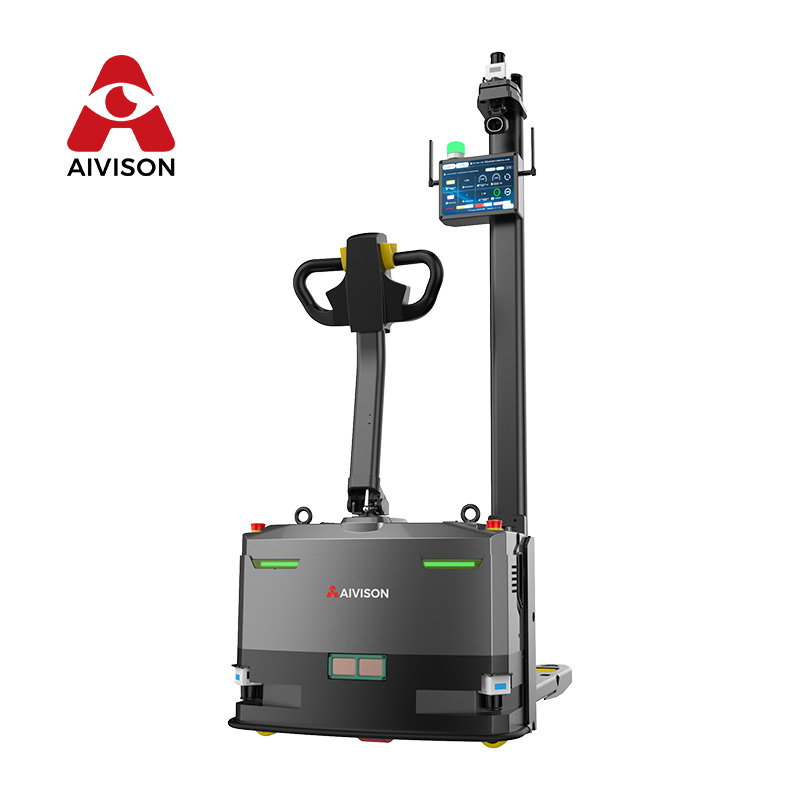
Customizable 1500KG Traction Capacity AGV Autonomous Mobile Robot Amr with Lidar Guided Sensor
A 1,500 kg traction AMR for towing carts and material frames. A practical choice for industrial parks around Nha Trang where routes change and floor rework must be avoided.
View product details →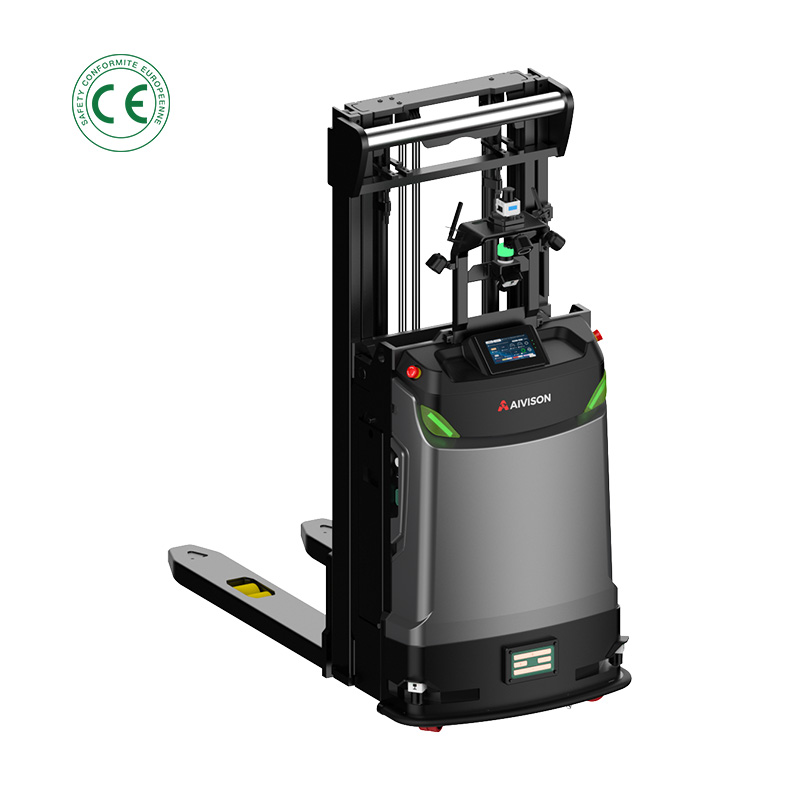
Warehouse Robot Robotics 2000KG CE Warehousing Automatic Forklift Stacking AGV
A CE-marked 2,000 kg stacking AGV for high-throughput warehouses and cold-chain buffers. Ideal for sealed pallet handling and night-shift replenishment.
View product details →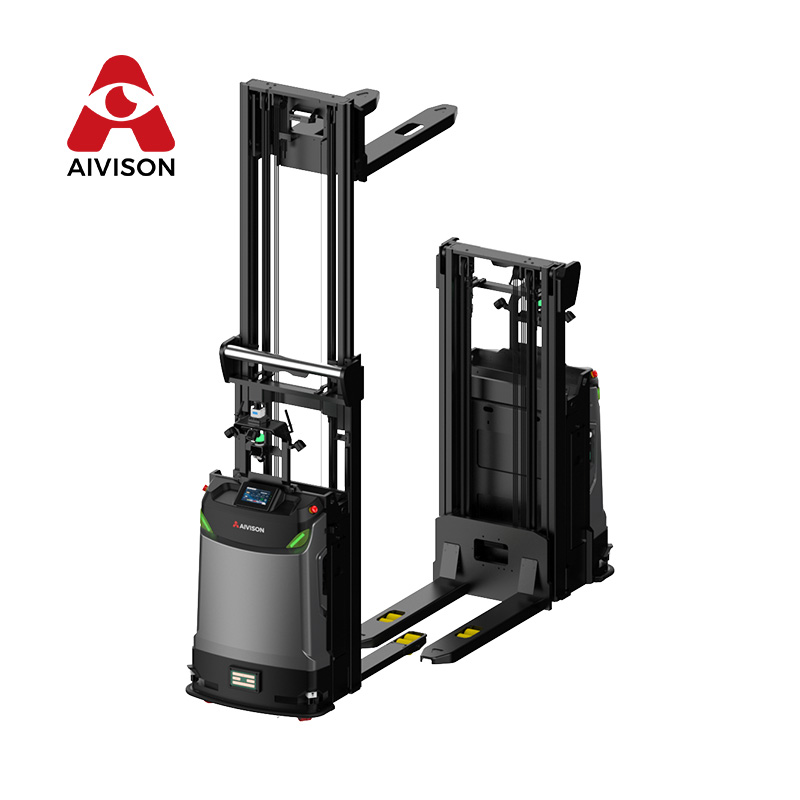
High Precision agv Forklift Full Servo Motor Controlled Laser Forklift with Heavy Load 2000kg
A servo-controlled laser forklift for precise fork entry with 2,000 kg loads. Recommended for high-rack warehouses and premium seafood packaging where damage costs are high.
View product details →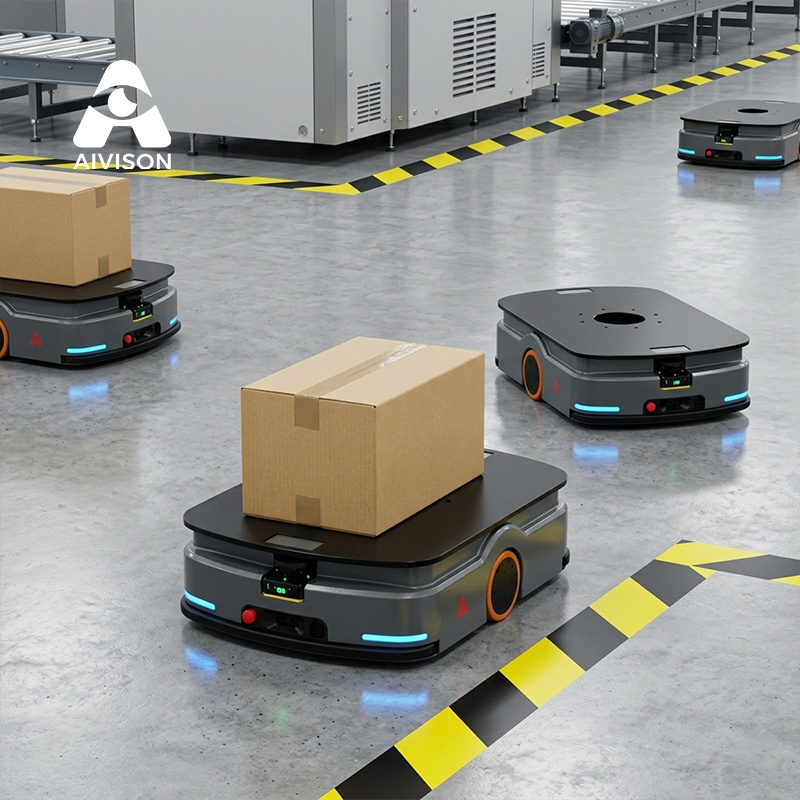
Autonomous Mobile AMR Robot 300kg Payload Laser Guided AGV for Carry Goods in Factory
A compact 300 kg AMR for narrow aisles and light goods. Useful for hotel laundry, retail backrooms, electronics assembly and small workshops in Nha Trang.
View product details →
Humanoid Robot Chassis Dual 7-DOF Arms Laser SLAM Omnidirectional Navigation ROS2 Open Platform AMR
An open development platform with dual arms and omnidirectional SLAM navigation. Appropriate for research institutions and system integrators prototyping service or assembly robots.
View product details →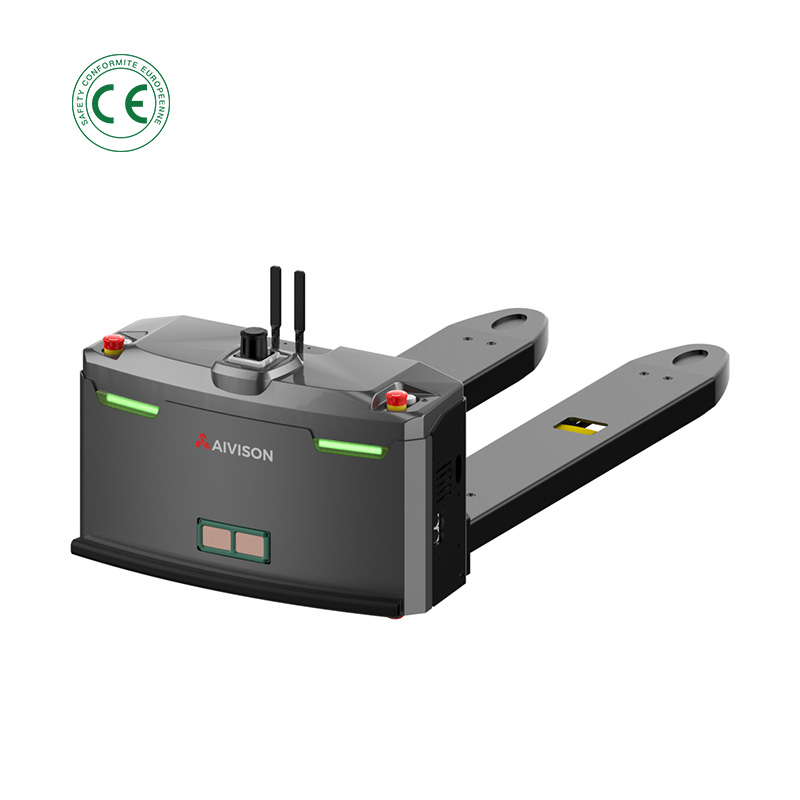
AMR Automated Warehouse Robot Logistics Automatic Industrial Logistics Robots AMR Robot
A warehouse logistics AMR for repetitive transfer between receiving, storage and dispatch. Good for 24/7 operations with automatic charging and fleet control.
View product details →Where Robot Steering Wheel Platforms Create ROI in Nha Trang
Nha Trang buyers seldom need a robot for one generic task. They need a platform that can survive the local environment, work around people and connect to the real material flow.
Hospitality & Resort Logistics
Deliver linen, minibar stock, F&B supplies and maintenance materials behind the scenes. Low-speed AMRs reduce heavy lifting without altering guest areas, and route planning can avoid peak periods.
Seafood Processing & Cold Chain
Move pallets from receiving to cleaning, freezing and dispatch. Specify corrosion protection, cold-rated batteries, washdown-compatible surfaces and stainless top modules.
Port, Shipyard & Cam Ranh Logistics
Transport tools, components and spare parts across large sites. 1,500–2,000 kg traction AGVs and smart forklifts reduce travel time while keeping mixed traffic safe.
Industrial Parks & Light Manufacturing
Line-side delivery for electronics, packaging, building materials and automotive parts. QR-assisted docking helps robots interface with conveyors and machine cells.
Retail, Supermarket & F&B Distribution
Replenish shelves and move roll cages between backroom and floor. Compact 300 kg AMRs fit narrow aisles where conventional forklifts are restricted.
Healthcare, Laboratories & Education
Deliver samples, supplies and equipment with quiet, precise navigation. Dual-arm and open ROS2 platforms support teaching and advanced automation research.
Nha Trang Market Trends: What Will Separate Exporters Through 2027
The buying conversation is moving from “Can a robot move a pallet?” to “Can it operate reliably in our climate, our traffic and our service model?”
Trackless Retrofit Over Floor Work
Buyers prefer laser SLAM because Nha Trang facilities often cannot stop operations for floor works. QR labels only at high-precision stations is becoming the pragmatic middle path.
Coastal Durability Becomes a Spec
Humidity and salt air push buyers to ask for IP ratings, anti-corrosion hardware, condensation control and cold-chain battery plans rather than accepting generic indoor ratings.
Fleet Orchestration & Energy
Multiple robots need Wi-Fi dispatch, traffic control and automatic charging. Energy planning is now part of ROI because charger count affects fleet uptime.
Local Service & Documentation
Exporters that provide clear English documentation, spare-part kits, remote commissioning and integrator training will win projects over low-cost suppliers with no support plan.

Why Shenzhen Marnix Intelligent Technology Co., Ltd. Belongs on a Nha Trang Shortlist
Marnix is a Shenzhen-based manufacturer of laser SLAM autonomous mobile robots, jacking robots, smart forklifts, composite mobile robots and intelligent charging docks. Its engineering team draws on about ten years of AGV experience and serves more than 200 manufacturers across three continents. For a Nha Trang buyer, that matters because the same navigation core is shared across platforms, reducing integration risk when a project starts with one robot and later adds forklifts or jacking units.
Precision is configuration-specific: ±5 mm laser SLAM without tape or floor codes; ±2 mm with a QR camera at docking stations; and ±0.05 mm repeatability for composite robots with a 6-axis arm. This lets buyers avoid over-specifying every route while still meeting demanding handover points.
- Manufacturer-level customization: jacking units, roller conveyors, forklift forks and 6-axis robotic arms.
- Fleet software: Wi-Fi scheduling for simultaneous task assignment, traffic control and automatic charging.
- Independent verification: onsite assessment by TÜV Rheinland and a procurement contract with a Fortune 500 company.
- Integrator support: robots and complete solutions for system integrators as well as end users.
What to Prepare Before Asking a Nha Trang Supplier for an AMR Proposal
Six inputs determine most of the robot selection. Sharing them upfront shortens evaluation from weeks to days and makes supplier comparisons far more objective.
01. Load Profile
Maximum weight, footprint, centre of gravity and rack or pallet type. Include overhang and the heaviest realistic load, not just the average.
02. Site Layout
CAD drawing or sketch with aisle widths, doors, lifts, slopes, floor condition and Wi-Fi coverage. Mark any areas where people and forklifts share the route.
03. Throughput Target
Moves per hour, peak periods, shifts and charging windows. This defines fleet size, charger count and whether a single robot can protect the business case.
04. Docking Precision
List every station where ±5 mm is enough, where ±2 mm QR assist is required and where arm-level handover needs a composite robot.
05. Environmental Conditions
Humidity, salt air, cold rooms, washdown, dust, ambient temperature and human traffic. For Nha Trang coastal sites, put these requirements directly in the RFQ.
06. Export & Service Plan
Incoterms, spare parts, training, remote commissioning, warranty and documentation. Confirm 220 V/50 Hz charging compatibility before shipment.
Questions Nha Trang Buyers Ask Before Contacting Robot Steering Wheel Exporters
Straight answers for hotels, processors, logistics operators and manufacturers evaluating the top 10 suppliers.
What does “robot steering wheel” mean in this guide?
For most Nha Trang buyers, the phrase is a search shortcut for the drive-and-steer, navigation and safety system inside an AGV or AMR. The actual project requires a complete autonomous robot or steering module integrated with the load-handling system. The eight products above show complete platforms because steering performance cannot be separated from payload, software and safety.
Can these robots handle Nha Trang humidity and salty coastal air?
Yes, but the specification must be explicit. Ask for IP rating, corrosion-resistant hardware, sealed connectors, condensation planning and cold-chain battery options. For seafood or washdown areas, choose stainless surfaces and a cleaning plan. Coastal projects should add environmental requirements directly to the RFQ rather than relying on generic indoor assumptions.
Do we need magnetic tape or floor QR codes?
No for standard laser SLAM. Natural-feature SLAM maps the existing environment and reaches ±5 mm. Add QR scanning only where ±2 mm docking is required. Composite robots with a 6-axis arm reach ±0.05 mm repeatability and need station calibration.
Which payload should a Nha Trang hotel, seafood plant or warehouse choose?
Light hotel and retail logistics often fit 300 kg AMRs. Seafood and general warehouse pallet movement usually points to 1,500–2,000 kg traction or stacking AGVs. Choose after measuring rack weight, pallet overhang and floor conditions; do not size from average loads alone.
How can we compare the top 10 factories and exporters?
Score each supplier on navigation evidence, payload, safety, humidity protection, customization, fleet software, export compliance, local support and verifiable credentials. Request a site layout review and a factory acceptance test plan. A supplier that cannot define acceptance tests should not be on the shortlist.
What voltage and documentation should Vietnamese buyers request?
Specify 220 V/50 Hz charging compatibility, CE documentation where applicable, English manuals, spare-parts lists and serial-number traceability. Confirm Incoterms, packaging for sea freight and remote commissioning support before purchase.
How do we start a pilot?
Send a layout sketch, load profile, throughput target and docking precision list. A useful pilot should run for two to four weeks and measure successful missions, cycle time, interventions and charging uptime. Use the inquiry button on this page to begin.
Get a Nha Trang-Specific Robot Configuration Review
Share your site layout, load, throughput and docking precision. Marnix engineers will recommend a chassis, navigation level, top module and charging strategy, and will identify whether a 300 kg AMR, 1,500–2,000 kg AGV, smart forklift or composite robot is the right starting point.
Email: info@marnixbot.com