Why Da Nang Needs a Different Photovoltaic Robot Shortlist
Da Nang is a logistics gateway for Central Vietnam, with solar, electronics and industrial projects served through Da Nang Hi-Tech Park, Hoa Khanh, Lien Chieu, Hoa Vang and the Tien Sa–Lien Chieu port corridor. A photovoltaic handling robot that performs well in a dry inland warehouse may still need a different specification for coastal humidity, salt-bearing air, mixed pedestrian traffic, high-mix module formats and export staging.
A useful Top 10 Photovoltaic Handling Robot Manufacturer & Exporters for the Da Nang market list should not be a logo parade. It should be an evidence-based benchmark: can the supplier prove PV-specific load handling, safe autonomous navigation, cleanroom awareness, fleet scheduling, CE documentation, seaworthy export packing and a service model that supports Vietnamese integrators and factory teams?
This whitepaper is prepared by Shenzhen Marnix Intelligent Technology Co., Ltd., a Shenzhen-based manufacturer with about ten years of AGV engineering experience. Marnix is presented as a reference manufacturer because its published product data, onsite assessment credential and custom top-module capability can be checked against the ten filters below. The aim is not to replace a formal tender, but to give Da Nang buyers a more precise way to compare quotations, technical proposals and factory references.
Top 10 Supplier Capabilities to Verify Before You Buy
Use these ten filters to benchmark any photovoltaic handling robot manufacturer or exporter serving Da Nang. They are ordered around what actually affects commissioning, cycle time and long-term uptime.
PV-Specific Load Interface
Can the supplier engineer jacking units, roller conveyors, forks or arm modules for glass, frames, junction boxes, cells and module pallets?
Laser SLAM + QR Upgrade
Check whether ±5 mm trackless navigation is standard and whether QR assist is available for ±2 mm docking without rebuilding the floor.
Cleanroom and ESD Awareness
Cell and wafer areas need particle, static and traffic discipline. Ask for reference projects in semiconductor, 3C or PV cleanroom logistics.
Coastal-Climate Resilience
Da Nang humidity and salt-bearing air require attention to electrical protection, condensation control, battery strategy and preventive maintenance.
Fleet Scheduling over Wi-Fi
Multi-robot dispatch, traffic control and task handover must be demonstrated, not only described. Ask for a live or recorded fleet test.
Safety and CE Documentation
Review CE files, emergency stop logic, obstacle detection, speed limits and integration with pedestrian and forklift traffic.
Export Packing and Port Logistics
For Da Nang delivery, confirm seaworthy packaging, battery transport documents, loading plans and support for Tien Sa or Lien Chieu port clearance.
MES, WMS and Conveyor Integration
The robot must exchange tasks with production equipment. Ask for I/O, API, roller-line handshake and project-specific interface examples.
Vietnam Service Model
Clarify remote commissioning, local integrator training, spare-parts kits, response windows and escalation paths before placing an order.
Verified Credentials
Third-party onsite assessment, Fortune 500 supply records, transaction history and customer references add more confidence than a brochure claim.
8 Photovoltaic Handling Robot Platforms to Compare for Da Nang Projects
The platforms below cover stacker forklifts, pallet AMRs, laser SLAM vehicles, heavy 1500–2000 kg forklifts, omnidirectional chassis and dual-arm mobile manipulators. Each product URL is preserved from the source catalogue so Da Nang buyers can review specifications directly.

Aivison Stacker Truck Pallet Stacker Forklift Agv 1.5 Ton Autonomous Forklift Smart Deliver AMR Robot
Compact autonomous stacker for finished module pallets, packaging buffers and line-side replenishment where aisle space is limited.
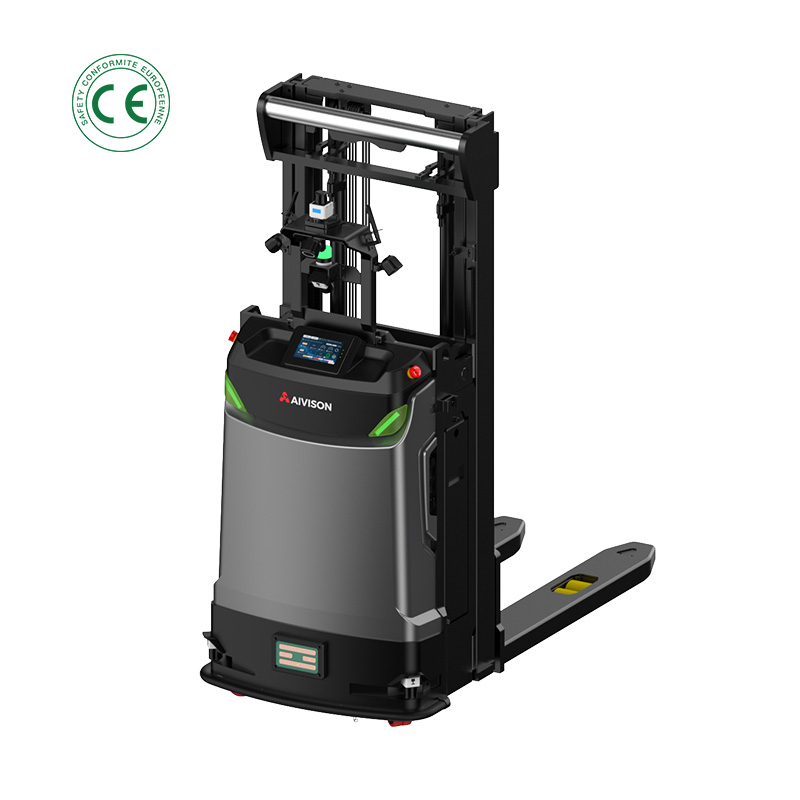
Aivison AMR Robot Whicle Automated Warehouse Automatico agv Logistics Industrial Guided Vehicles
General warehouse AMR for WMS-linked transfers between receiving, module storage, inverter/BOS storage and dispatch staging.
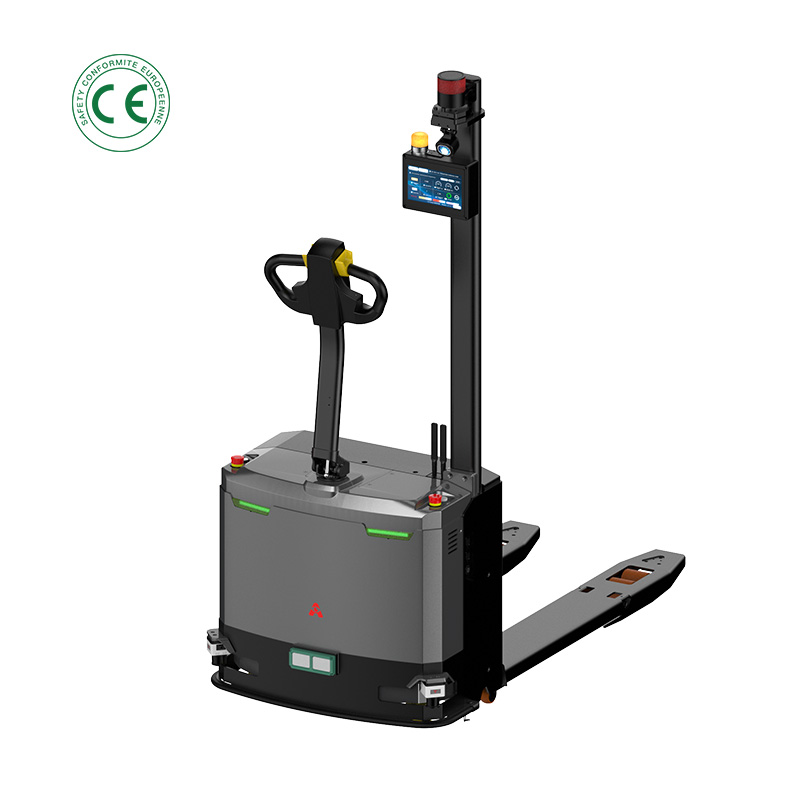
Autonomous Mobile Robot AMR AGV Forklift Pallet Stacker CE Certificate for Smart Warehouse and Production Line Automation
CE-certified AMR forklift for production-line automation, pallet stacker tasks and export-oriented factories requiring documented compliance.

Omnidirectional Humanoid Robot Chassis Dual 7-DOF Arms Laser SLAM Autonomous Warehouse AMR Mobile Platform
Flexible omnidirectional platform for R&D, cleanroom pilot projects and complex handling where a standard pallet AMR is not enough.
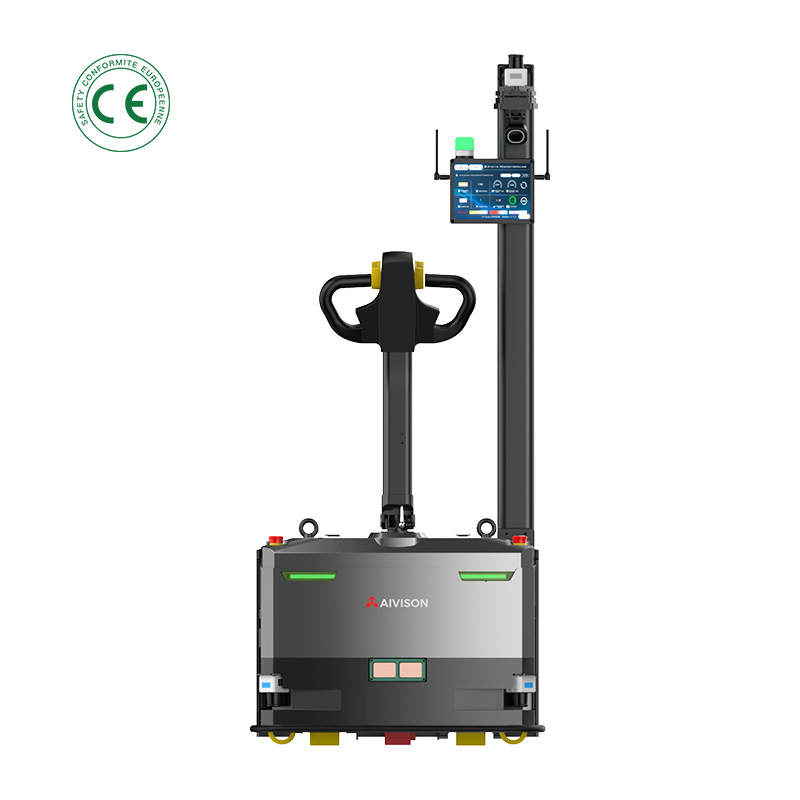
Autonomous Mobile Robot AGV CE Laser SLAM Navigation for Material Handling and Logistics
Baseline laser SLAM platform for 24/7 material handling with no magnetic tape or reflector installation across the main route.
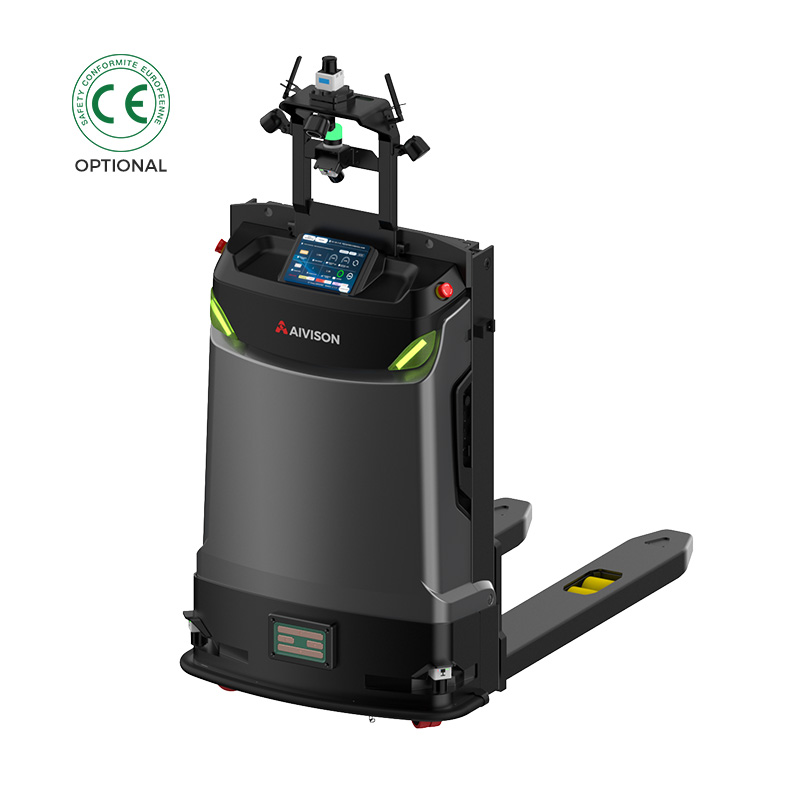
AGV AMR Warehouse Automatic Guided Vehicle 1500kg 2000kg AGV Robot Forklift
Heavy-duty 1500–2000 kg autonomous forklift for framed module pallets, glass crates and high-bay warehouse transfer in Da Nang.

Laser SLAM Navigation Automated Guided Vehicle Forklift agv 1500kg Load Capacity
Laser SLAM forklift for stable 1500 kg load capacity, rack transfer, container staging and repetitive shuttle routes.
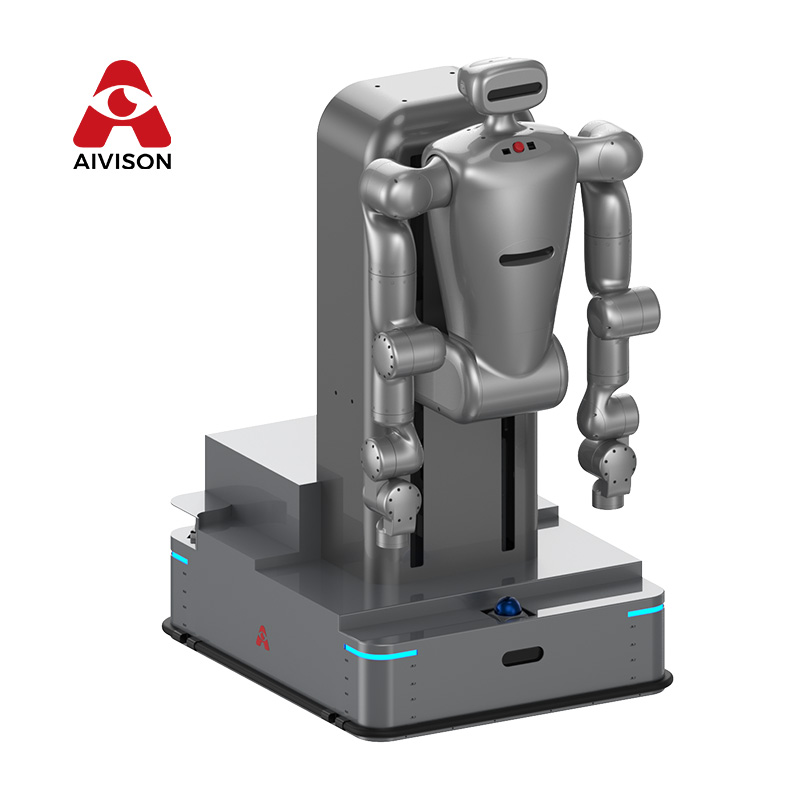
Omnidirectional Mobile Manipulator AMR Dual 7-DOF Arms ±0.03 mm Repeatability Laser SLAM Humanoid Robot Base
Precision mobile manipulator for station docking, inspection, sample handling and cell-level operations requiring fine repeatability.
Where Photovoltaic Handling Robots Fit in Da Nang Operations
Da Nang projects usually combine production, warehousing and export staging on one site. These six scenarios show where an AMR, AGV or smart forklift creates measurable value without forcing a full factory rebuild.
Module Assembly Line-Side
Move glass, frames, junction boxes and buffer racks between stringer, layup, laminator, framing and test stations. A trackless AMR can be re-routed when module formats change.
Cell and Wafer Cleanroom Transfer
Use compact or omnidirectional platforms for cassette, magazine and sample movement. QR-assisted docking is useful where ±2 mm handover matters, while dual-arm manipulators support precision station work.
Heavy Module and Glass Pallets
For 1500–2000 kg pallets, a smart forklift is often more practical than a small AMR. The robot must handle fork entry, pallet alignment and safety around people and manual forklifts.
Finished-Goods Warehouse
Link production output to high-bay or block storage using WMS tasks. Laser SLAM reduces floor work, while QR labels can be added only at tight docking stations.
Export Container Staging
Sequence pallets for Tien Sa or Lien Chieu port dispatch. Autonomous forklifts can support labeling, staging and container-loading queues where repeatability and shift consistency are critical.
Inverter and BOS Warehousing
High-mix cartons, inverter boxes and BOS components often share aisles with manual staff. Wi-Fi fleet scheduling and dynamic avoidance are more valuable than raw top speed.
Localized Trends Shaping PV Handling Automation in Central Vietnam
Da Nang’s role as a port and industrial gateway makes it a natural base for solar material flows that connect factories, warehouses and export schedules.
Central Vietnam Logistics Corridor
Da Nang connects production to Tien Sa, Lien Chieu, the East–West Economic Corridor and Central Vietnam’s industrial parks. Robots must support staging and dispatch rhythm, not only line-side movement.
More Module Formats, Shorter Runs
Solar lines increasingly switch formats and order sizes. Trackless SLAM and re-mappable routes reduce the cost of layout changes compared with fixed guide paths.
Stable Shifts in a Competitive Labor Market
Automation helps stabilize repetitive pallet transport, reduce forklift congestion and redeploy staff to higher-value inspection and process-control tasks.
MES/WMS-Connected Material Flow
Buyers expect robots to exchange tasks with production software, charging docks and conveyors. Fleet scheduling over indoor Wi-Fi is becoming a baseline requirement.
Coastal-Climate Engineering
Humidity, heat and salt-bearing air near the coast make electrical protection, battery management and preventive maintenance part of the buying decision.
Inside the Supplier: Why Marnix Is a Practical Benchmark for Da Nang Buyers
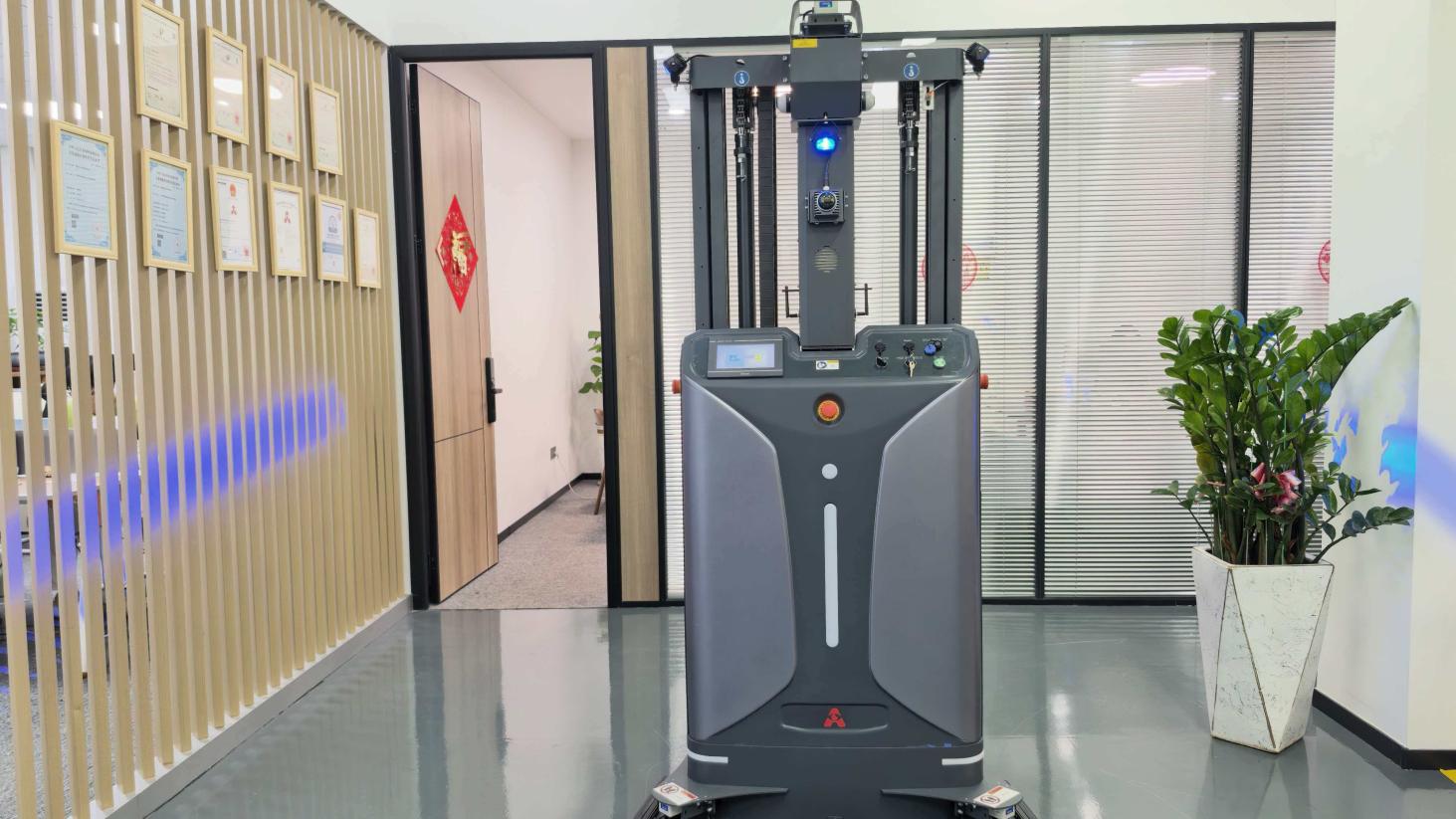
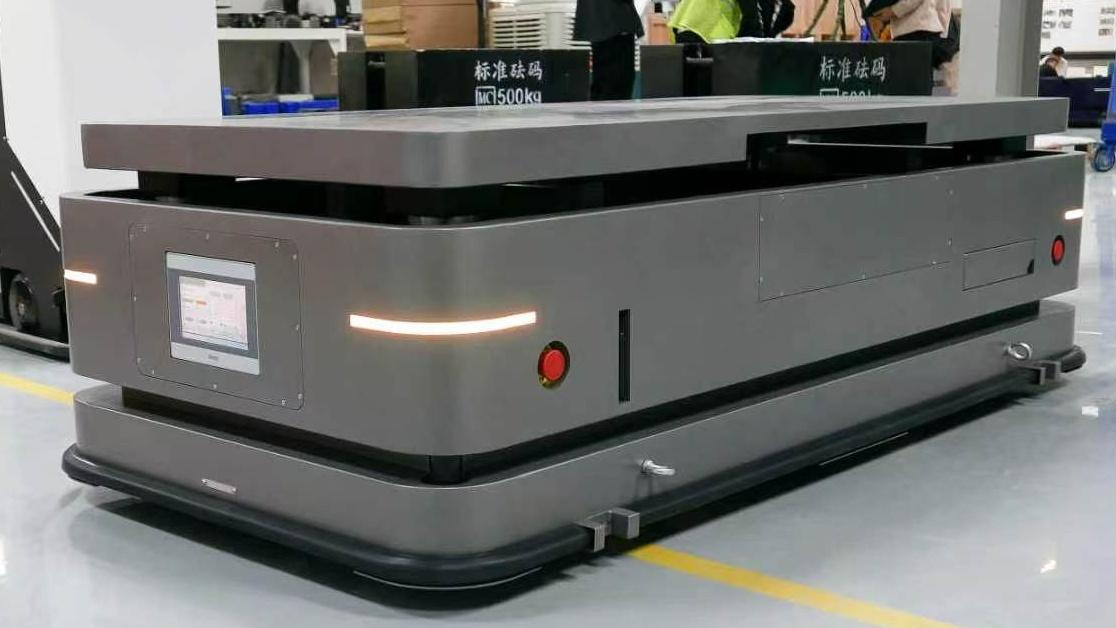
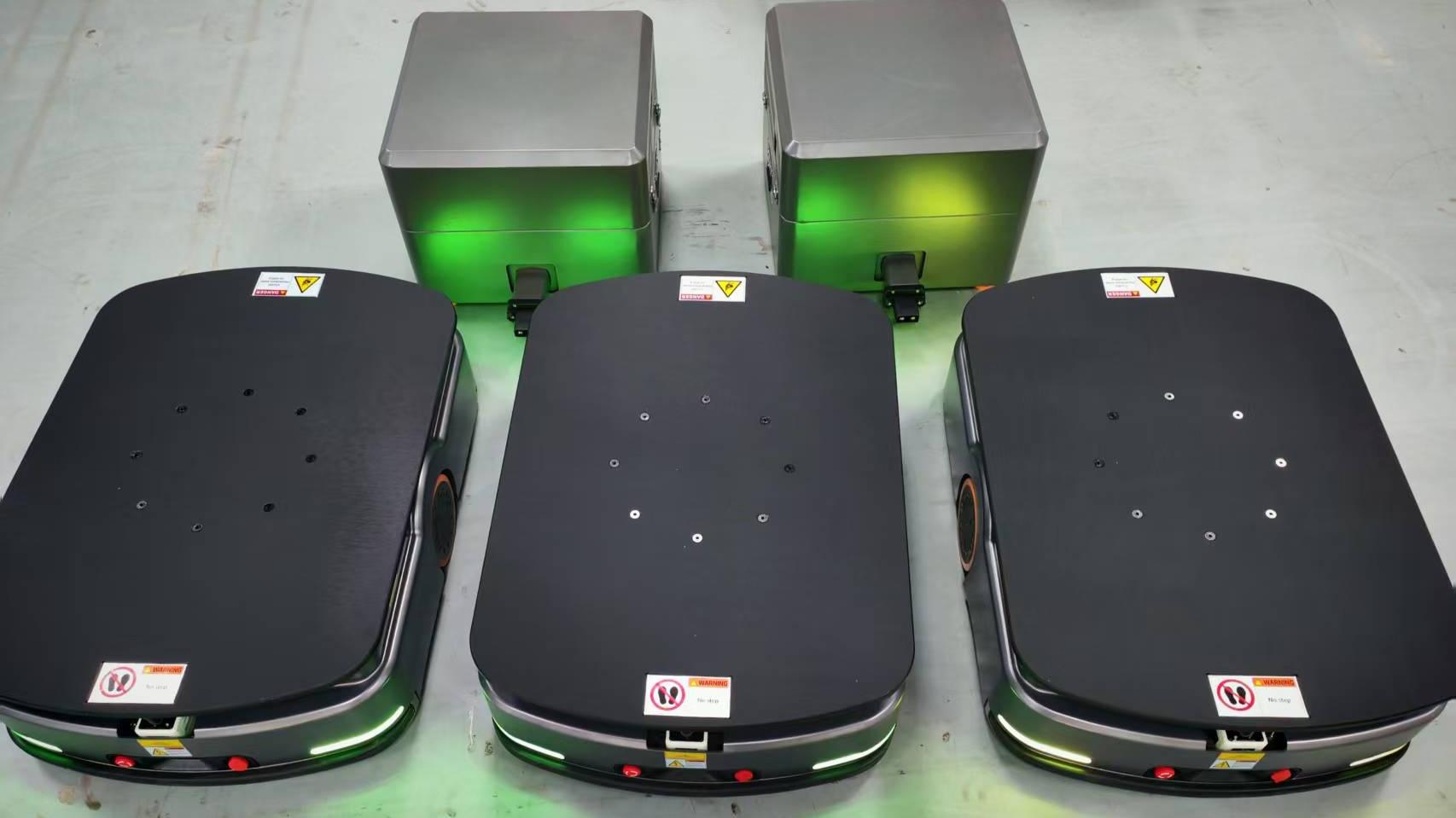
Shenzhen Marnix Intelligent Technology Co., Ltd. builds laser SLAM AMRs, jacking robots, smart forklifts, composite mobile robots and compatible charging docks. The company draws on about ten years of AGV engineering and supplies both end users and system integrators, which is relevant for Da Nang projects that often involve local integrators, EPC teams and factory engineering departments.
Marnix’s product architecture is built around one navigation core with multiple top modules. That matters in photovoltaics because a project may need a jacking robot for racks, a forklift for heavy pallets and a roller or arm module for station handover—all under one fleet logic and one spare-parts strategy.

Engineering Maturity
About ten years of AGV experience, 200+ manufacturers served and deployments across three continents. The portfolio covers jacking robots, pallet AMRs, smart forklifts and charging docks.
Precision Stack
Laser SLAM delivers ±5 mm without floor infrastructure; QR assist reaches ±2 mm; composite systems use multi-layer synchronization for ±0.05 mm repeatability, with product-specific manipulators down to ±0.03 mm.
Custom Top Modules
Jacking units, roller conveyors, forklift forks, 6-axis arms and QR cameras can be engineered around the process rather than forcing the process to fit a standard robot.
Verified Quality & Export
Onsite supplier assessment by TÜV Rheinland, Fortune 500 supply records, CE-certified platforms and multi-stage quality testing support export-oriented buyers in Vietnam.

Match Navigation Accuracy to the Photovoltaic Process
Over-specifying every station increases cost; under-specifying critical docking stations creates downtime. Use this configuration guide to separate general transfer routes from precision handover points.
| Configuration | Typical Accuracy | Floor Infrastructure | Best Fit in Da Nang PV Operations |
|---|---|---|---|
| Laser SLAM on natural features | ±5 mm | None required—no tape, reflectors or floor QR codes | Warehouse transfer, line-side delivery, buffer racks and routes that change during layout upgrades |
| Laser SLAM + QR code camera | ±2 mm | QR labels only at selected docking stations | High-bay storage, module frame handover, tight conveyor interfaces and precision pallet placement |
| Composite mobile robot with 6-axis arm or dual-arm manipulator | ±0.05 mm / ±0.03 mm | Station calibration and process-specific fixtures | Cell, wafer, sample handling, inspection and advanced assembly where arm-level repeatability is needed |
Questions Da Nang Buyers Commonly Ask About Photovoltaic Handling Robots
These are the practical questions raised during factory visits, integrator reviews and export project evaluations. Clear answers shorten the distance between a quotation and a commissioning plan.
Do we need to modify the factory floor before deploying an AMR?
Usually no. Standard laser SLAM maps existing natural features, so magnetic tape, reflectors or floor QR codes are not required along normal travel routes. QR labels are only added at stations where ±2 mm docking accuracy is needed. This is important for Da Nang factories that cannot stop production for long civil works or floor reconstruction.
How should we handle humidity, heat and salt-bearing air near the coast?
Treat climate as a specification issue rather than an afterthought. Ask the supplier to review electrical protection, condensation risk, battery charging strategy, corrosion protection and preventive maintenance intervals. For Da Nang operations, robots working near open loading areas or coastal air should have a documented inspection plan and accessible spare-parts kit.
Is ±5 mm accurate enough for photovoltaic module handling?
For many warehouse and line-side transfers, ±5 mm is sufficient. Add QR-assisted ±2 mm docking where the robot must place a pallet, rack or conveyor load into a fixed station with limited tolerance. If the process involves robotic arms, cells or wafers, ask for station-level repeatability data rather than a single vehicle accuracy figure.
Can the robots integrate with MES, WMS, conveyors and existing production equipment?
Integration should be proven with an interface plan. A qualified supplier should explain task allocation over Wi-Fi, handshake logic with roller conveyors, I/O or API options, charging-dock coordination and escalation when a station is blocked. For Da Nang projects involving multiple vendors, the integrator support model is as important as the robot hardware.
What is the usual export and delivery path from Shenzhen to Da Nang?
Most projects are shipped from South China to Da Nang or another Vietnamese port with export packing, battery documentation and a loading plan agreed before shipment. Lead time depends on payload, top module, fleet size and customization. Buyers should ask for a milestone schedule covering factory acceptance testing, packing, shipping, customs documents, site mapping, commissioning and operator training.
How do we compare the top 10 quotations without focusing only on price?
Compare total project cost: robot quantity, charging docks, top modules, integration, spare parts, training, warranty response and future expansion. Ask for the navigation accuracy by station, fleet software demonstration, CE files, safety logic, reference projects and third-party credentials. A lower unit price can become expensive if the docking station needs repeated tuning or the spare-parts path is unclear.
Build a Da Nang-Ready Photovoltaic Robot Shortlist
Share your module format, pallet weight, aisle width, docking tolerance, throughput target, Wi-Fi coverage and port-export schedule. Marnix can map the requirement to laser SLAM AMRs, smart forklifts, jacking robots, QR-assisted stations or composite mobile manipulators—and provide a clear catalogue for your tender comparison.
Email: info@marnixbot.com · Shenzhen Marnix Intelligent Technology Co., Ltd.