Top 10 Mobile Robot Platform Manufacturers & Wholesalers in Phuket
A deep buyer’s guide for resorts, cold-chain operators, duty-free retail, marinas, medical tourism facilities and light manufacturing teams comparing laser SLAM AMRs, jacking robots and smart forklifts for Phuket operations.
8 Mobile Robot Platforms Recommended for Phuket Projects
These eight platforms are practical starting points for a Phuket deployment. They cover 1500–2000 kg forklift and stacking work, general AMR cargo transport, jacking/lifting operations, and a dual-arm mobile platform for precision assembly. Every product link below points to the original product URL so procurement teams can compare specifications without losing the source page.
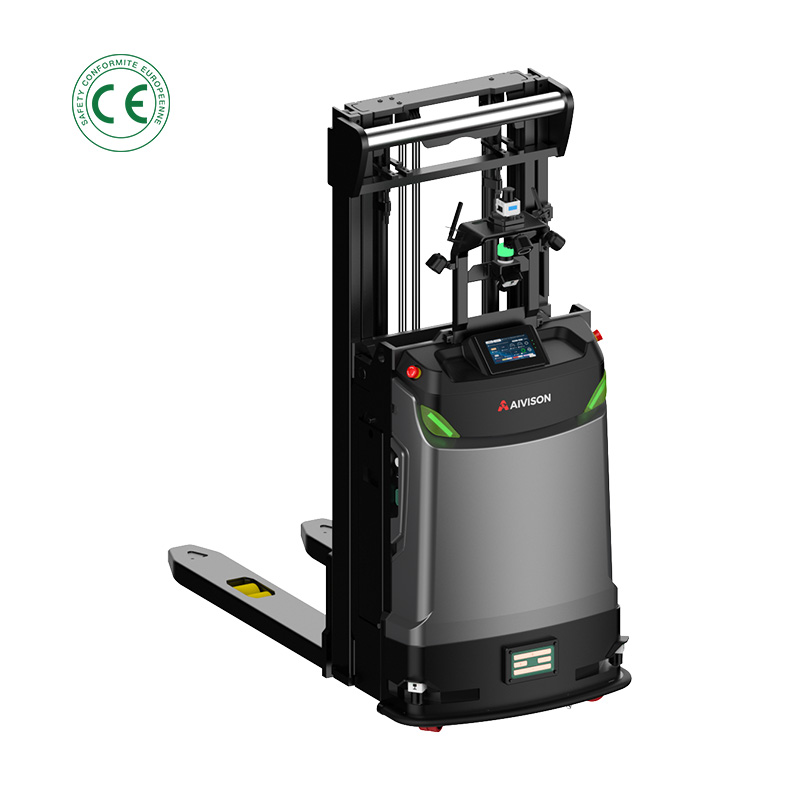
Warehouse Robot Robotics 2000KG CE Warehousing Automatic Forklift Stacking AGV
High-capacity automatic stacking platform for pallet movement, high-bay transfer and repetitive warehouse handling where labor flexibility matters.
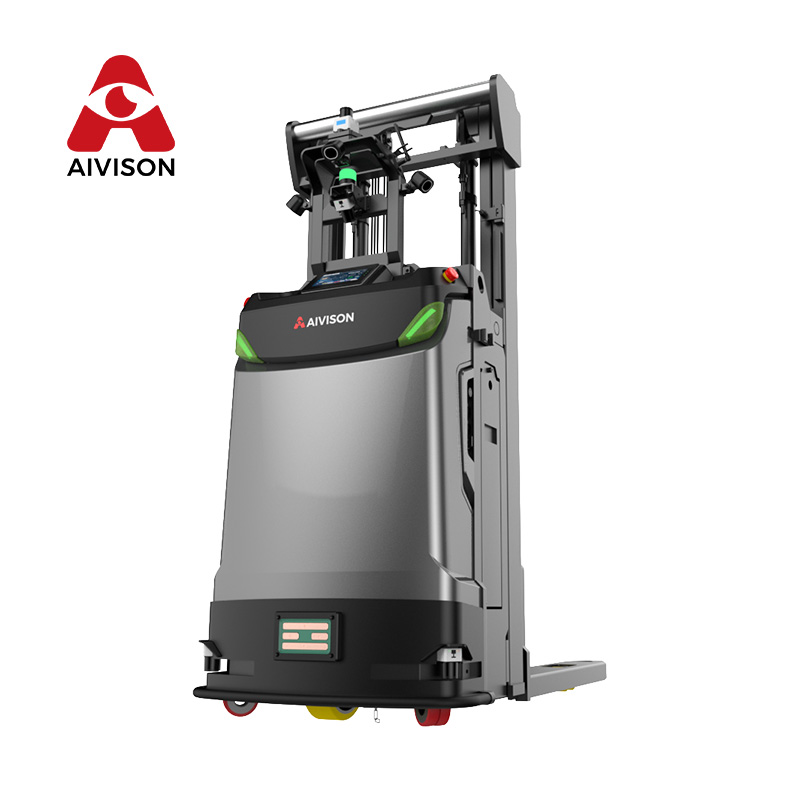
Autonomous Mobile Robots (AMR) Implement Cargo Transportation Between Warehouse and Conveyor Line
Connects receiving, storage and conveyor handover points with continuous AMR transport, reducing manual transfer between warehouse zones.
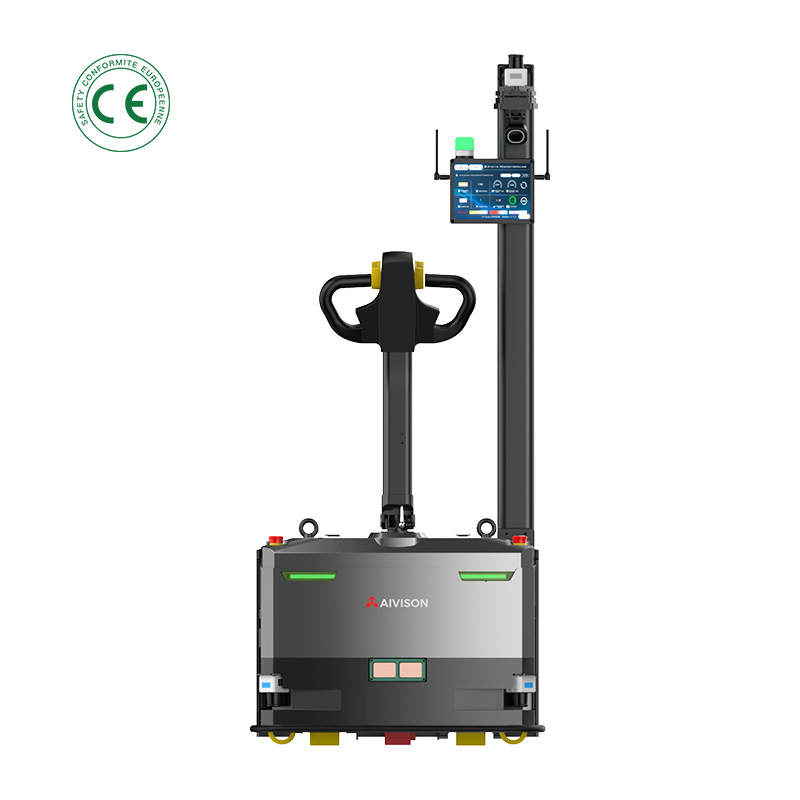
Autonomous Mobile Robot AGV CE Laser SLAM Navigation for Material Handling and Logistics
General-purpose laser SLAM platform for material handling and logistics, suitable for sites where routes and storage zones change over time.
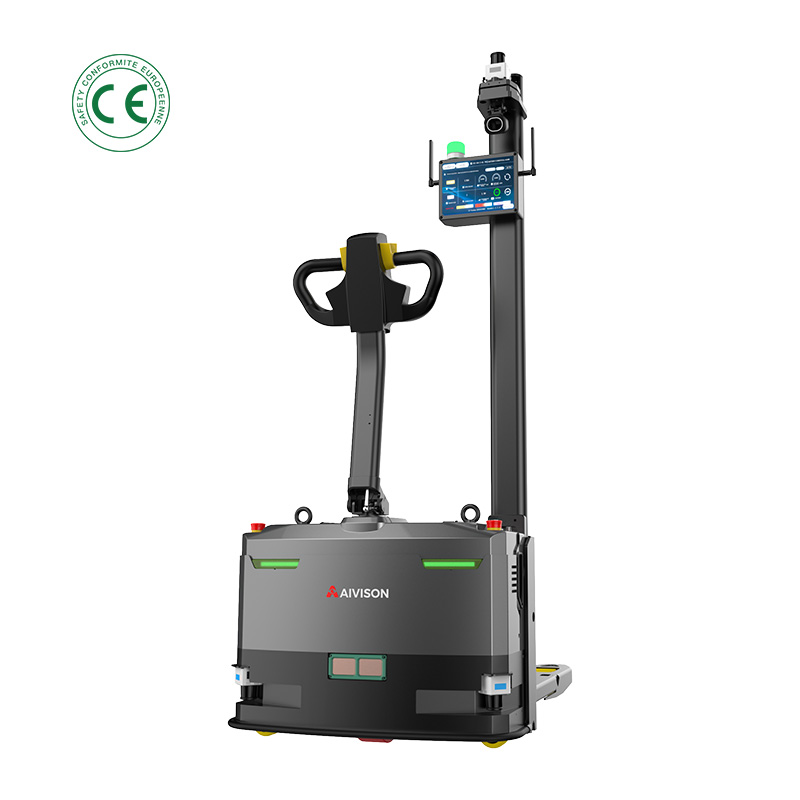
AIVISON CE Laser SLAM Navigation AGV 1500kg Warehouse Lifting Operations
1500 kg warehouse lifting AGV for rack lifting, line-side replenishment and repetitive handling in mixed storage environments.

Omnidirectional Humanoid Robot Chassis Dual 7-DOF Arms Laser SLAM Autonomous Warehouse AMR Mobile Platform
Flexible mobile platform with dual 7-DOF arms for precision handling, inspection, machine tending and advanced composite automation.
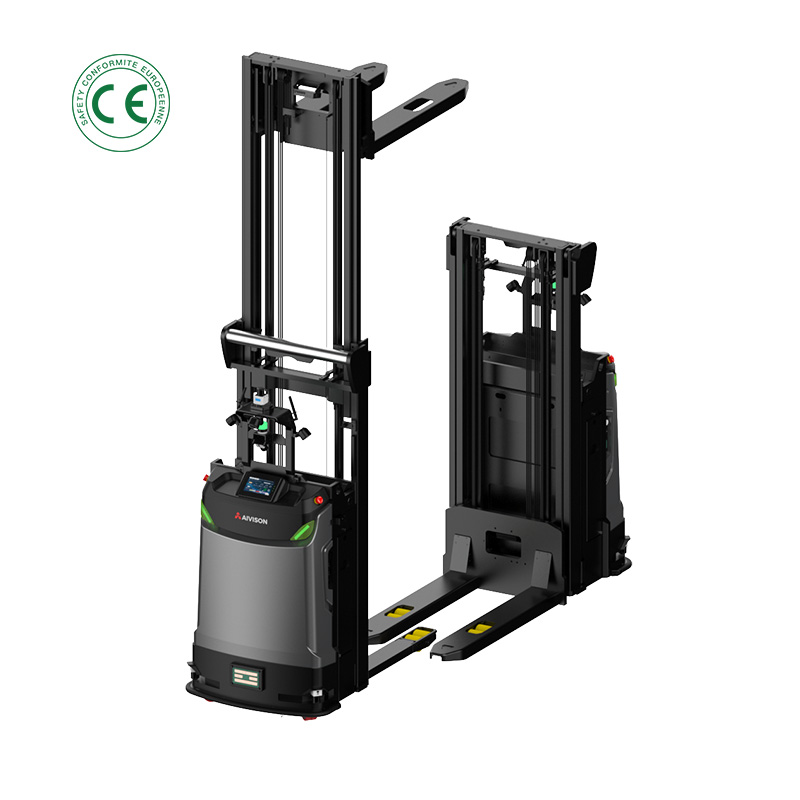
Factory AMR Robot AGV Robot Laser 2000kg Forklift AGV for Industrial Material Handling
2000 kg laser forklift AGV for industrial material handling, pallet pick-and-place and repetitive transfer between production zones.
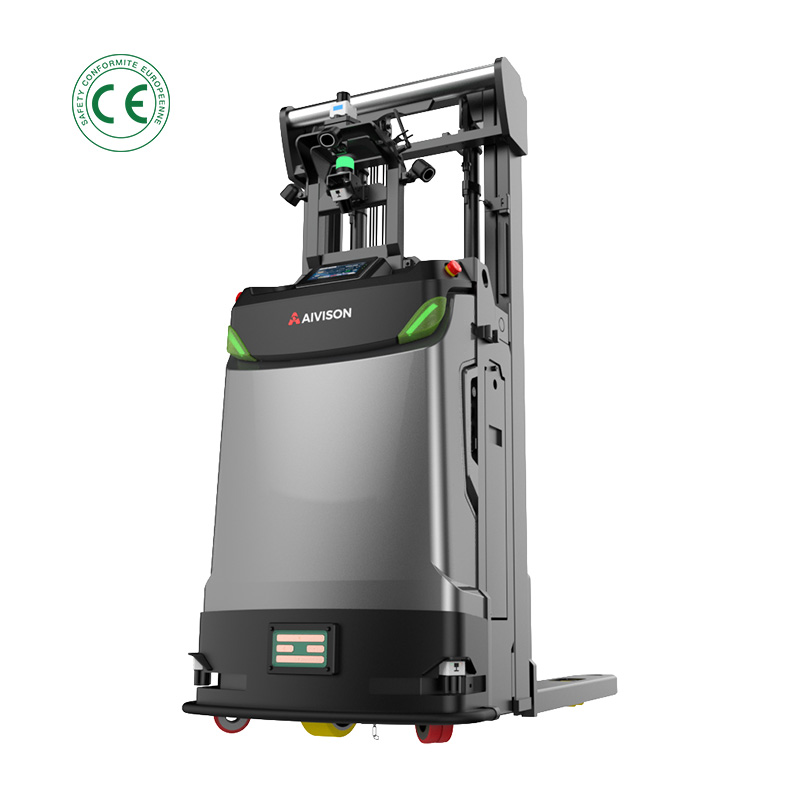
Smart Transport Robotic with Laser Navigation Reach 2000KG AGV Logistics Robots Warehouse Robot AMR
Smart transport robotic platform for warehouse logistics, long-distance transfer and high-throughput material flow inside existing layouts.

Laser SLAM Navigation Automated Guided Vehicle Forklift agv 1500kg Load Capacity
1500 kg automated guided vehicle forklift for sites that need pallet handling precision without installing magnetic tape or floor reflectors.
How the Top 10 Mobile Robot Platform Manufacturers & Wholesalers in Phuket Actually Compete
Most searches for “mobile robot platform manufacturers in Phuket” assume a local factory list. In reality, Phuket’s demand is shaped by tourism, retail distribution, food and cold-chain, marina services, medical tourism and light manufacturing. Because the island has limited heavy robot manufacturing, the strongest shortlist is built from ten supplier profiles that together deliver hardware, top modules, software, installation, maintenance and spare parts. Ranking is based on fit-for-Phuket, not directory size.
Manufacturer-direct laser SLAM AMR OEMs
Marnix fits this profile: direct engineering on chassis, payload and top modules, ±5 mm SLAM navigation, ±2 mm QR assist and one fleet software core for jacking robots, smart forklifts and composite platforms.
Phuket-based system integrators
Local site survey, electrical coordination, Wi-Fi validation, installation scheduling and first-line service. Choose integrators who can read factory drawings and robot fleet maps.
Warehouse equipment wholesalers
Suppliers of racking, conveyors, pallet trucks and storage systems can bundle AMRs into a broader material-handling package, but verify robot software capability and spare-parts access.
Forklift and material-handling distributors
Established service networks are valuable for battery care, wheels, forks and emergency response. Ask whether they support autonomous docking, fleet scheduling and safety-zone configuration.
Cold-chain and food logistics specialists
Phuket’s seafood, central kitchen and hospitality supply chains need handover discipline, condensation planning and charging locations that do not disrupt temperature zones.
Hospitality supply and laundry automation partners
Linen, food and beverage, duty-free stock and back-of-house logistics create repetitive routes where quiet operation, narrow aisles and peak-season flexibility matter more than headline speed.
Airport, port and marina logistics suppliers
Long shifts and mixed indoor-outdoor traffic require robust navigation, clear safety zoning and a maintenance plan that accounts for tropical humidity and salt-laden air.
Medical and cleanroom equipment specialists
Hospitals, clinics and medical device assembly lines need stable precision docking. Use ±2 mm QR assist or ±0.05 mm composite-arm repeatability only where the process truly requires it.
Fleet software and Wi-Fi infrastructure vendors
Multi-robot traffic control, API integration, cybersecurity and reliable indoor Wi-Fi should be scoped before robot count is finalized. Weak coverage can erase navigation accuracy benefits.
After-sales, battery and charging infrastructure providers
Uptime depends on charging docks, spare batteries, preventive maintenance and fast spare-parts response. Ask for service-level targets and escalation paths before placing an order.
Procurement insight: for most Phuket projects, the best “top 10” shortlist pairs one accountable robot manufacturer with one local wholesaler/integrator. Do not split responsibility for navigation performance, top-module integration and after-sales without written acceptance criteria.
Where Mobile Robots Pay Back in Phuket Operations
Phuket’s economy creates highly variable material flows: high-season peaks, heavy food and beverage replenishment, back-of-house space constraints and a premium on reliable service. The strongest robot business case starts with one repetitive route and one measurable handover point.
Resort, duty-free retail and F&B distribution
Move linen, packaged food, beverages and retail stock from receiving to storage or staging. AMRs reduce peak-season overtime, shorten manual push distances and free staff for guest-facing work.
Cold chain, seafood and central kitchens
Use jacking robots or smart forklifts to move pallets between cold storage, packing and dispatch. Validate floor transitions, condensation, battery charging zones and washdown routines during the site survey.
Marina, airport and spare-parts logistics
Transport tools, spare parts and cargo carts along repeatable paths. Laser SLAM can map existing aisles, while fleet scheduling coordinates multiple robots during peak vessel or flight windows.
Medical tourism and light manufacturing
Clinics, medical device assembly and light electronics benefit from ±2 mm QR-assisted docking and composite arms. Specify ±0.05 mm repeatability only for stations that truly need it.
Precision Is a Cost Decision: Match Navigation to the Phuket Workflow
Most buyers over-specify navigation and under-specify service. Match accuracy to the task, then confirm Wi-Fi, charging strategy, safety zones and spare-parts response before committing to a fleet size.
Marnix navigation configurations
Use natural-feature laser SLAM for most transport routes. Add QR labels only at precision docking stations. Reserve composite-arm repeatability for semiconductor, medical device and advanced assembly tasks.
| Configuration | Accuracy | Floor setup | Best for Phuket |
|---|---|---|---|
| Laser SLAM natural features | ±5 mm | No tape, reflectors or floor QR required | Warehouse transfer, line-side delivery, retail and F&B replenishment, layout changes |
| SLAM + QR code camera | ±2 mm | QR labels only where precision docking is required | High-shelf storage, precision docking, medical and electronics handover |
| Composite robot with 6-axis arm | ±0.05 mm | Station calibration | Medical device assembly, inspection, machine tending and advanced automation |
Dynamic avoidance
Designed for mixed human and vehicle traffic in shared back-of-house areas.
Wi-Fi fleet scheduling
Multi-robot task assignment, traffic control and charging coordination.
Automatic charging
Compatible smart docks support 24/7 duty cycles and peak-season uptime.
Phuket Localization Trends That Change Supplier Selection
Phuket buyers rarely need a single-purpose conventional AGV. They need a scalable mobile robot platform that can be adapted to island logistics, tourist-season peaks and retrofitted buildings.
Peak-season elasticity over fixed automation
Tourism creates short, intense demand windows. Buyers favor shared fleets, dynamic task assignment and modular top modules that can be redeployed between warehouse, retail and food distribution.
Tropical resilience and uptime engineering
Humidity and salt-laden air make preventive maintenance, connector protection, charging-area ventilation and spare-battery planning more important than brochure speed figures.
Mixed fleets instead of single-purpose AGVs
One site may need jacking robots for racks, smart forklifts for pallets and conveyor-top modules for line transfer. A shared navigation core reduces training, spares and software complexity.
ROI measured by avoided rework and labor flexibility
Compare no-floor-modification laser SLAM against the cost of tape, QR installation and facility disruption. In retrofitted Phuket buildings, faster mapping and route changes often outweigh a lower hardware quote.
Why Marnix Is a Practical Manufacturer-Direct Partner for Phuket Projects
Shenzhen Marnix Intelligent Technology Co., Ltd. is a manufacturer, not a marketplace reseller. The company combines about ten years of AGV engineering experience with customizable chassis and top-module design for end users and system integrators.
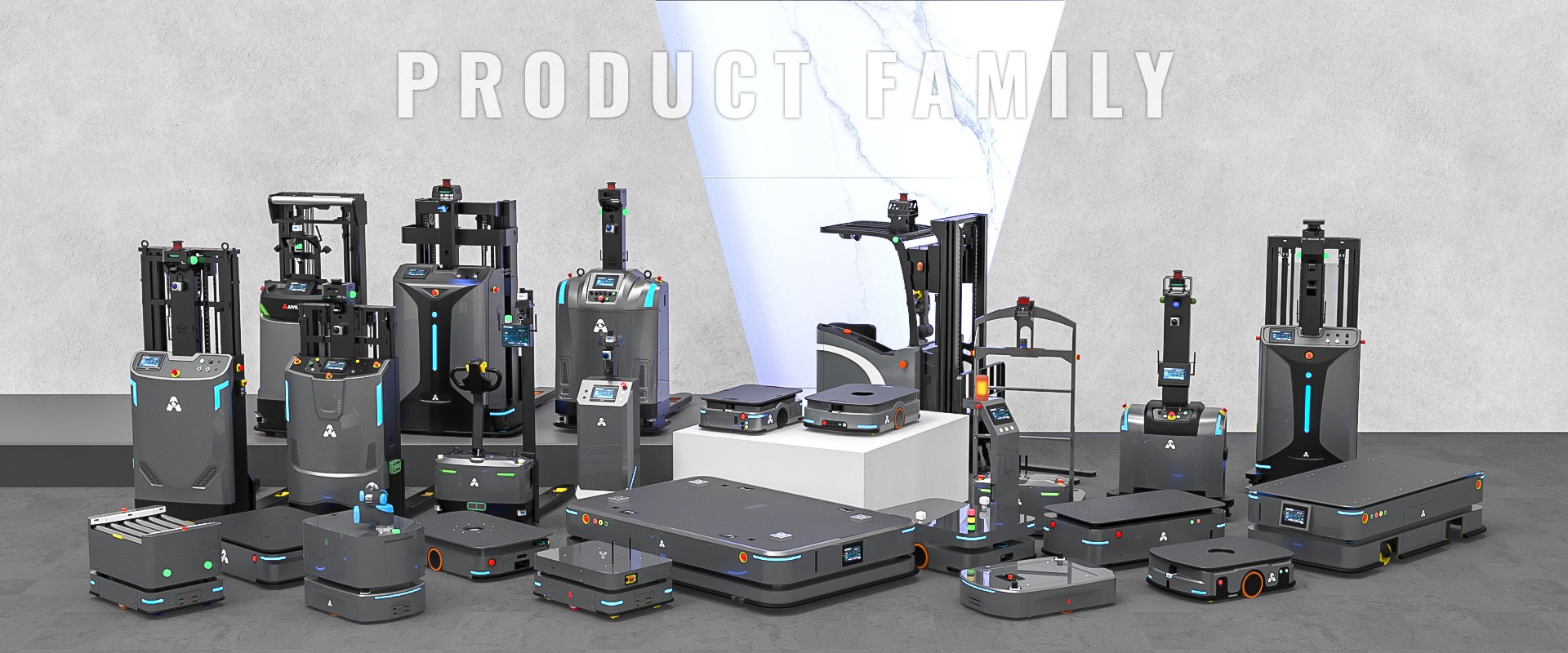
Direct engineering conversation. For Phuket projects, Marnix can discuss payload, chassis height, top module, docking tolerance and fleet scheduling directly with the buyer or local integrator. That reduces the risk of a wholesaler promising a configuration the factory cannot build.
One navigation core across platforms. Jacking robots, smart forklifts, pallet AMRs and composite platforms can share laser SLAM navigation, indoor Wi-Fi fleet scheduling and compatible charging docks. Mixed fleets are easier to train, maintain and expand.
Precision without unnecessary floor work. Standard laser SLAM reaches ±5 mm on natural features without magnetic tape, reflectors or floor QR codes. QR scanning can raise docking accuracy to ±2 mm where needed, and composite robots with a 6-axis arm reach ±0.05 mm repeatability.
Manufacturer-level customization. Marnix customizes chassis and top modules such as jacking units, roller conveyors, forklift forks and 6-axis robotic arms to connect with existing production and warehouse equipment.
TÜV Rheinland onsite assessment
Company premises and operations independently assessed.
Supplier to Fortune 500
Procurement history assessed by independent third parties.
Verified multispecialty supplier
Low-MOQ customization and multi-category robot procurement capability.
Credit and transaction records
Transparent trade capacity and transaction-level history.
What to Prepare Before Requesting a Phuket AMR Quotation
From project experience, six inputs determine most robot selection decisions. Sharing them upfront shortens evaluation from weeks to days and reduces the risk of an oversized or underpowered fleet.
Load profile
Maximum weight, footprint, center of gravity and pallet or rack type. Confirm whether the robot will lift, tow, fork or receive loads from a conveyor.
Site layout
CAD drawing or sketch with aisle widths, door clearances, slopes, ramps, elevators, floor joints and any heritage or retrofit constraints.
Throughput target
Missions per hour, average versus peak demand and distance per trip. This sets fleet size, charging-dock count and traffic-control strategy.
Docking precision
Identify which stations need ±5 mm, which need ±2 mm QR assist and whether any assembly station justifies ±0.05 mm composite-arm repeatability.
Wi-Fi and power
Access-point coverage, dead zones, charging locations, electrical capacity and battery-swap plan. Weak Wi-Fi can limit multi-robot scheduling and uptime.
Interfaces and service
Conveyors, machines, racks or shelving the robot must hand over to, plus spare-parts response, local maintenance partner and acceptance-test criteria.
Common Local Procurement Questions About Mobile Robot Platforms
These are the questions Phuket buyers, hotel engineering teams, warehouse operators and local integrators ask before selecting an AMR, jacking robot or smart forklift supplier.
Are there mobile robot manufacturers based in Phuket?
Phuket is primarily a deployment market rather than a heavy robot manufacturing hub. Most buyers source hardware from global manufacturers and appoint a Thai or Phuket-based integrator or wholesaler for site survey, installation, Wi-Fi coordination and after-sales. Ask for manufacturer authorization, spare-parts access and a clear service escalation path.
Can a Shenzhen-manufactured AMR be delivered to Phuket and supported locally?
Yes. A practical model is factory acceptance testing in Shenzhen, remote mapping and configuration support, then a local partner for installation and first-line maintenance. Marnix supports end users and system integrators with project evaluation, documentation and customized top modules, while the local partner handles site logistics and routine service.
Do I need to modify floors or install QR codes in my Phuket facility?
No for standard laser SLAM navigation. The robot maps natural features, so magnetic tape, reflectors and floor QR codes are not required for ±5 mm operation. QR labels are added only at stations where ±2 mm docking precision is necessary. Composite robots with 6-axis arms require station calibration for ±0.05 mm repeatability.
Will humidity and salt-laden air affect robot reliability?
Humidity and salt air do not automatically rule out mobile robots, but they change the service plan. Buyers should request connector protection, corrosion-conscious maintenance intervals, dry and ventilated charging areas, spare-battery planning and local inspection routines. Avoid suppliers who cannot explain preventive maintenance for tropical conditions.
How many robots do I need for Phuket’s peak season?
Calculate missions per hour during the busiest week, travel distance per mission, loading/unloading time, charging time and acceptable queue time. A fleet that handles average demand may fail during holiday peaks, while a peak-sized fleet may sit idle off-season. Modular fleets and fleet-scheduling software help balance both.
Can the robots connect to existing racks, pallets, conveyors or machines?
Yes, when the top module is specified correctly. Marnix customizes jacking units, roller conveyors, forklift forks and 6-axis arms to connect with production and warehouse equipment. Share interface drawings, load dimensions and handover tolerances before the quotation so the manufacturer can confirm the configuration.
Which Phuket applications usually show the fastest payback?
Repetitive back-of-house transport, cold-chain staging, retail and F&B replenishment, laundry and linen movement, marina or airport spare-parts delivery, and medical or light-assembly handover are common starting points. Choose a route with stable handover points, measurable labor hours and clear safety responsibilities.
What should be included in an RFQ for a Phuket mobile robot project?
Include payload, load footprint, site layout, aisle widths, throughput, docking tolerance, Wi-Fi coverage, power and charging plan, equipment interfaces, environmental conditions, required spare parts, training, acceptance tests, data/cybersecurity requirements and after-sales response targets. Require the supplier to state which items are standard and which are custom.
Get a Phuket-Ready Robot Configuration
Share your payload, site layout, throughput target and docking precision. Our team can recommend whether a laser SLAM AMR, jacking robot, smart forklift, composite platform or mixed fleet is the right starting point for your Phuket operation.
Get Catalog