Top 10 Laser Navigation Robot Exporter & Exporters for the New York market
A 2025 buyer’s guide for New York warehouses, 3PLs, manufacturers and systems integrators evaluating laser SLAM AMRs, smart forklifts, jacking robots, autonomous forklifts and custom top modules.
8 Laser Navigation Robot Recommendations for New York Operations
These eight products map directly to common New York procurement intents: reducing forklift travel in New Jersey distribution centers, moving pallets through tight Queens and Brooklyn aisles, supporting Long Island medical-device assembly, and linking conveyors in Hudson Valley plants. Product URLs are preserved from the source catalog, and images are displayed in full proportion.

Laser SLAM Navigation Automated Guided Vehicle Forklift agv 1500kg Load Capacity
Recommended for 1,500 kg pallet moves from a Newark or Elizabeth dock to racking. Natural-feature SLAM helps avoid reflector grids in leased buildings where floor modification is restricted.
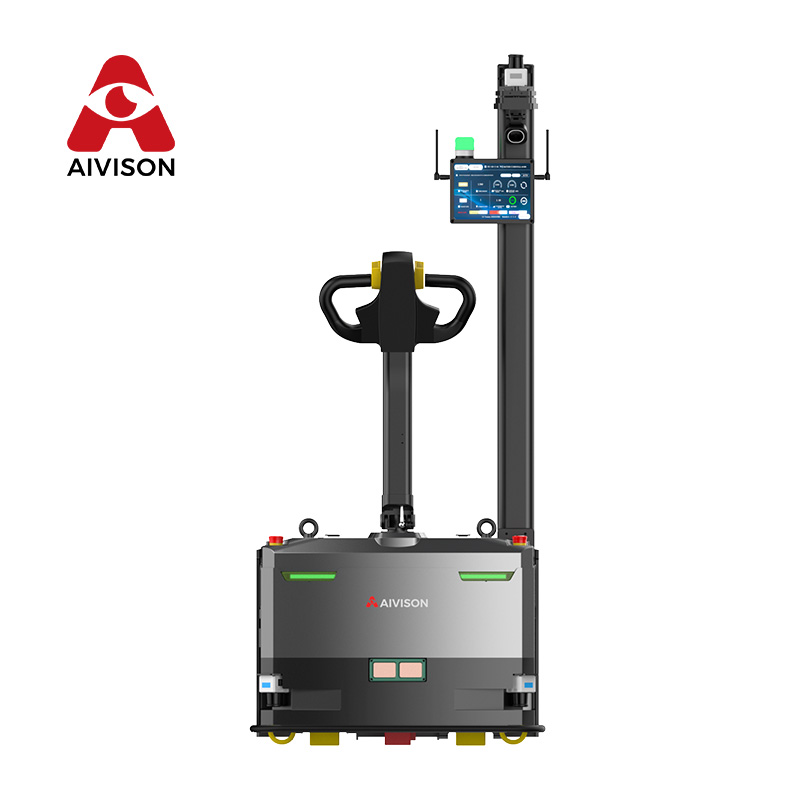
China Factory Movable Pallet Agv Robot Rack Shelf for Intelligent Robot Warehouse
Best for high-SKU 3PLs and rack-to-staging movements where the rack, not the cart, is the unit of automation. Useful in dense facilities where every square foot affects throughput.
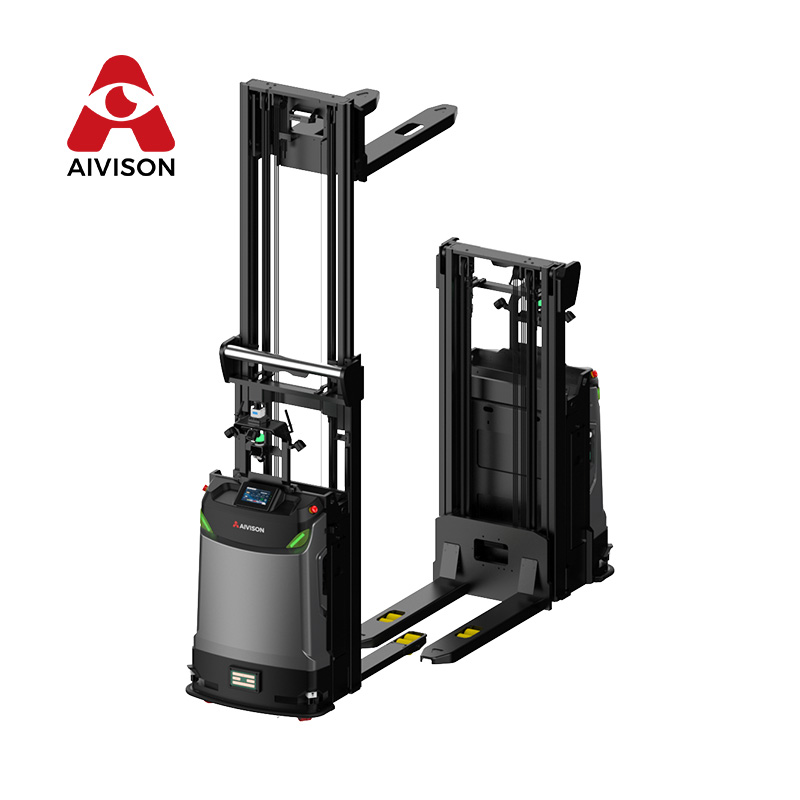
High Precision agv Forklift Full Servo Motor Controlled Laser Forklift with Heavy Load 2000kg
For heavy pallets and production-line replenishment. Full servo motor control supports smooth acceleration in mixed traffic and repeatable fork entry at busy stations.

Humanoid Robot Chassis Dual 7-DOF Arms Laser SLAM Omnidirectional Navigation ROS2 Open Platform AMR
For robotics labs, universities and integrators around New York working on advanced mobile manipulation. The ROS2 open platform and omnidirectional navigation support research-to-pilot transitions.

Hot Selling Logistics Navigation Detector Sensor Lidar Manufacturers Direct Sales
For system integrators building sensor packages, prototypes or pilot fleets. Direct manufacturer sales can shorten sourcing cycles when a New York integrator needs LiDAR for localization trials.
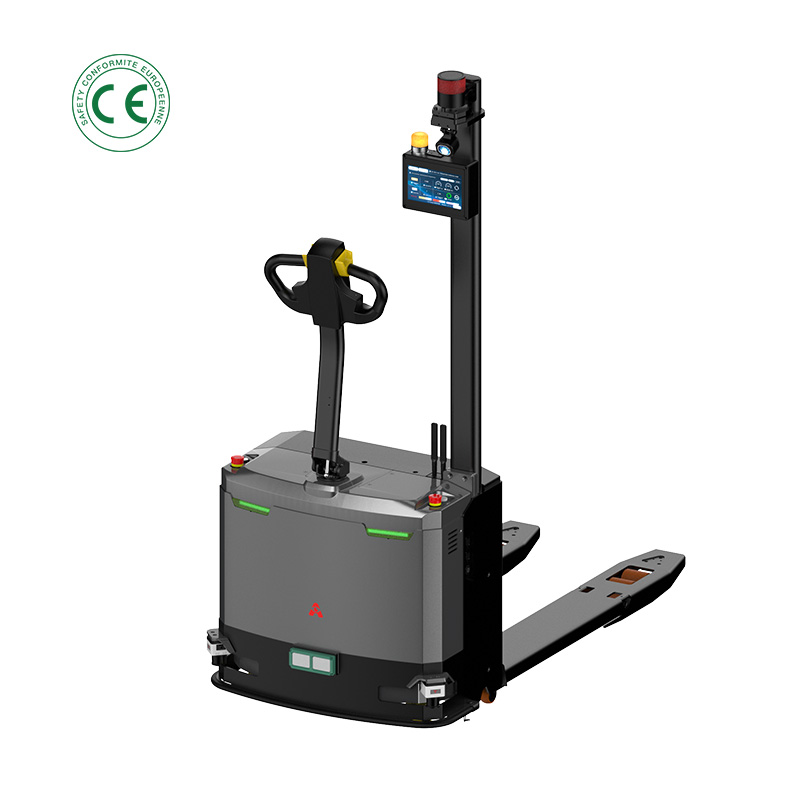
Autonomous Mobile Robot AMR AGV Forklift Pallet Stacker CE Certificate for Smart Warehouse and Production Line Automation
For teams that need CE documentation for internal global standards. New York projects often include European parent-company approval, making documentation review part of the buying process.
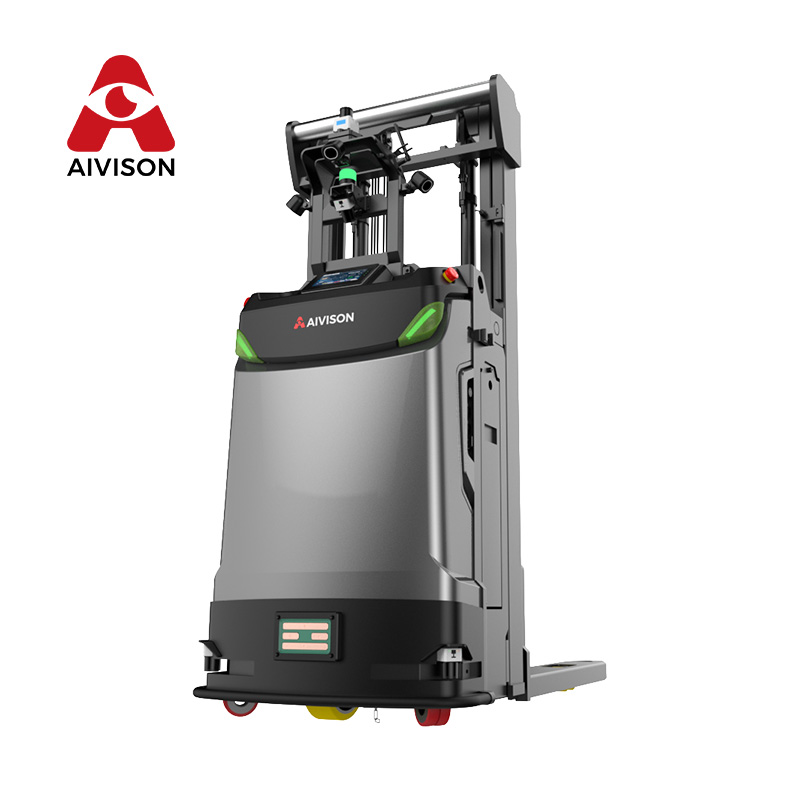
Autonomous Mobile Robots (AMR) Implement Cargo Transportation Between Warehouse and Conveyor Line
For bridging conveyor-end and warehouse storage while reducing human pallet-truck travel. A practical fit for Hudson Valley plants and New Jersey facilities with narrow staging aisles.
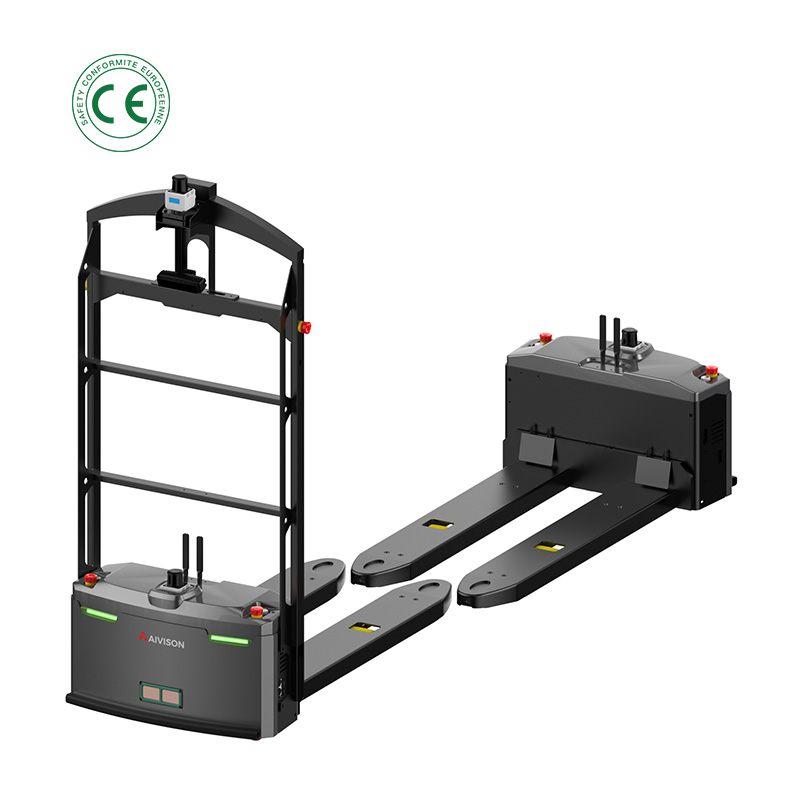
Aivison Customized 800kg Warehouse AGV Robot Lithium Battery AMR
For 800 kg loads and customized warehouse workflows. Lithium battery operation supports opportunity charging for multi-shift New York operations where uptime is critical.
How New York Buyers Should Interpret “Top 10 Laser Navigation Robot Exporters”
Search results often mix manufacturers, trading companies and local integrators. A credible shortlist should separate those roles. Use these ten signals to compare any laser navigation robot exporter for the New York market.
OEM or reseller
Confirm who owns the chassis, SLAM stack, fleet software and quality process. Marnix is a Shenzhen-based manufacturer with about ten years of AGV engineering experience.
Navigation fit
Match accuracy to the station: ±5 mm natural-feature SLAM, ±2 mm QR-assisted docking, and ±0.05 mm composite robot repeatability where arms are involved.
Safety in mixed traffic
Ask for obstacle avoidance, e-stop, bumper logic, speed zones and site risk assessment. New York facilities often mix pedestrians, forklifts and tight turns.
Power reality
Brooklyn and Queens commercial sites may use 120/208V service, while New Jersey industrial buildings often have 480V. Confirm charger input, circuits and dock locations.
Fleet coordination
Multi-robot dispatch, traffic control and charging queues matter when more than two vehicles run through the same aisle. Request a fleet-scheduling demonstration.
Integrator compatibility
Top modules should connect to conveyors, racks, forks, lifts or arms. Confirm API, I/O and documentation so New York integrators can own the final controls scope.
Parts and service
Plan spare wear parts, remote support, commissioning and operator training before shipment. New York buyers should know which parts sit on site and which ship from the factory.
Throughput per square foot
New York real estate is expensive. Compare missions per hour, aisle footprint, charging space and staging needs, not only the robot’s purchase price.
Compliance evidence
Look for current certificates, test reports, TÜV Rheinland onsite assessment, Fortune 500 procurement evidence and trade-history records. Verify all documents directly.
Pilot then scale
Map the real site, validate safety and measure KPI before committing to a fleet. A disciplined pilot lowers deployment risk across Newark, Brooklyn, Long Island or Upstate sites.
Where Laser Navigation Robots Create Immediate Value in New York
New York procurement is not only a technology decision. It is a real-estate, labor, safety and integration decision shaped by dense buildings, port-driven supply chains and multi-shift operations.
Port-adjacent 3PLs and distribution centers
In Newark, Elizabeth, Bayonne and JFK-area logistics corridors, laser navigation robots can reduce dock-to-staging travel and stabilize throughput during peak import waves. Natural-feature SLAM is helpful in leased warehouses where floor modification is limited.
Brooklyn and Queens food distribution
High-SKU food and beverage distributors often face narrow aisles, frequent changeovers and cold-room staging. Compact AMRs and jacking robots can move racks and pallets without forcing a full racking rebuild.
Long Island pharma and medical devices
Medical-device and pharmaceutical operations value traceable material movement, ±2 mm QR-assisted docking and clean handovers. Composite robots with arms can support precision transfer tasks where repeatability is critical.
Hudson Valley and Upstate production plants
Manufacturers often need line-side replenishment, work-in-process movement and conveyor-to-warehouse links. Laser SLAM robots can re-map routes when a line is rearranged, without installing magnetic tape.
Manhattan and outer-borough micro-fulfillment
Back-of-house replenishment and small-format fulfillment can benefit from compact AMRs, but every site must be reviewed for fire doors, elevator interfaces, floor transitions and charging space.
New York systems integrators
Local integrators can use Marnix as an OEM platform for jacking units, roller conveyors, forklift forks, rotary arms and charging docks. This is especially relevant for multi-vendor projects requiring custom interfaces.
Local Trends Reshaping Laser Navigation Robot Procurement
Demand in the New York metro is being pushed less by novelty and more by labor economics, lease constraints, safety governance and the need to connect automation to existing warehouse software.
Labor cost and turnover
High labor cost and turnover in the metro area make predictable material movement more valuable. Buyers increasingly calculate payback against overtime, training and shift variability, not only headcount reduction.
Space-constrained automation
Warehouse leases are expensive and often inflexible. Modular robots that can be re-mapped and redeployed help companies avoid fixed conveyors and permanent floor infrastructure.
Safety and insurance review
Facilities are scrutinizing mixed pedestrian and forklift traffic, battery charging areas and emergency response. Project teams should include safety, facilities and insurance stakeholders early.
Data integration and fleet visibility
Robots are becoming part of the warehouse execution layer. Buyers ask about Wi-Fi coverage, task dispatch, traffic control, charging status and interfaces with WMS, ERP and conveyor controls.

Why Marnix Belongs on a New York Buyer’s Shortlist
Shenzhen Marnix Intelligent Technology Co., Ltd. is not a New York storefront or generic trading company. It is a Shenzhen-based mobile robot manufacturer with about ten years of AGV engineering experience, supplying end users and system integrators with laser SLAM AMRs, jacking robots, smart forklifts, composite mobile robots and compatible intelligent charging docks.
The company’s value to New York projects is practical: it can customize the chassis and top module around the process instead of forcing a standard platform into an existing building. For local integrators, that means a manufacturing partner behind the robot rather than an opaque supply chain.
- Complete AMR portfolio: jacking robots, smart forklifts, pallet AMRs, composite robots and intelligent charging docks from one source.
- Navigation without floor rework: ±5 mm laser SLAM on natural features, no magnetic tape, reflectors or floor QR codes required at standard stations.
- Higher precision when needed: add a QR code scanning camera for ±2 mm docking, or use composite robots with a 6-axis arm for ±0.05 mm repeatability.
- Fleet coordination: intelligent scheduling over indoor Wi-Fi supports simultaneous task assignment, traffic control and automatic charging.
- Custom top modules: jacking units, roller conveyors, forklift forks, 6-axis arms and other interfaces can connect directly with production equipment.
- Verified credentials: TÜV Rheinland onsite assessment, Fortune 500 procurement evidence, verified multispecialty supplier status, trade capacity and credit records.
Precision ladder for station-level selection
| Configuration | Accuracy | Floor setup | Best New York use case |
|---|---|---|---|
| Laser SLAM on natural features | ±5 mm | No tape, reflectors or floor codes | Warehouse transfer, line-side delivery, leased sites with frequent layout changes |
| SLAM + QR code camera | ±2 mm | QR labels only where precision is needed | High-shelf storage, precision docking, medical-device or electronics handover |
| Composite robot with 6-axis arm | ±0.05 mm | Station calibration | Semiconductor, medical device and precision assembly projects |

New York Laser Navigation Robot Buying Questions
These are the questions that most often determine whether an exporter shortlist becomes a successful deployment in New York, New Jersey or the wider tri-state area.
How does a laser navigation robot exporter differ from a local New York integrator?
An exporter or manufacturer typically owns the robot platform, navigation stack, production process and factory support. A local integrator usually owns site survey, electrical coordination, safety review, WMS/WES integration and commissioning. For a New York project, the strongest structure is a manufacturer plus a local integration partner. Marnix supports end users and integrators with product documentation, custom top modules, factory testing and remote engineering support.
Do laser navigation robots require magnetic tape, reflectors or QR floor codes?
No for standard laser SLAM operation. Marnix robots can navigate on natural features at ±5 mm without auxiliary tracks, reflectors or floor QR codes. QR labels are only added at stations where ±2 mm docking precision is needed. This matters in New York because many warehouses are leased and cannot easily approve floor modification.
What charger voltage and infrastructure should New York buyers plan for?
Confirm the building’s actual service before selecting chargers. Commercial Manhattan, Brooklyn and Queens sites often use 120/208V service, while New Jersey and Upstate industrial buildings may provide 480V. Plan dedicated circuits, charger locations, ventilation and clearance with the facility engineer and authority having jurisdiction. Winter conditions at exposed loading docks can also affect charging strategy and battery management.
How do robots handle mixed forklift and pedestrian traffic?
Laser scanners, obstacle avoidance, speed zones, e-stops, audible warnings and site-specific traffic rules are all part of the deployment discussion. New York facilities often have tight corners, blind aisles and shared pedestrian paths. Buyers should request a site risk assessment and align the final design with their safety engineer, insurer and local requirements. ANSI/ITSDF B56.5 is commonly referenced for driverless industrial vehicles in the U.S. market.
Which certifications and due diligence should buyers request from an exporter?
Request current product certificates, test reports, charger documentation, safety concept documentation and commercial references. Marnix provides evidence including TÜV Rheinland onsite assessment, CE-related product documentation where applicable, Fortune 500 procurement evidence, verified multispecialty supplier status and trade-history records. For any regulated site, verify documents directly with the factory and your compliance team.
How many robots are needed for a New York or New Jersey warehouse?
Fleet size depends on load profile, route distance, aisle congestion, lift or elevator time, charging strategy and peak throughput. A reliable calculation uses missions per hour, average trip time and battery opportunity-charging windows. Marnix reviews CAD layouts, throughput targets and docking precision so the proposed fleet is sized against normal and peak demand rather than a simple robot-per-aisle rule.
What shipping, duties and spare-parts issues apply to New York imports?
Plan Incoterms, HS classification, customs brokerage, delivery access and rigging before shipment. For New York projects, keep critical wear parts, charger components and sensors either on site or within a fast-ship spares plan. Confirm operator training, remote troubleshooting and escalation contacts. High-utilization sites should avoid discovering spare-part lead times after the first production month.
Can Marnix robots integrate with WMS, ERP, conveyors and elevators?
Marnix supports integrator-led projects with fleet scheduling over indoor Wi-Fi, I/O and interface coordination, plus custom top modules such as roller conveyors, jacking units, forks and 6-axis arms. Conveyor handover is a common use case. Elevator and fire-door integration must be engineered for the specific building and reviewed by the local integrator, facility team and AHJ.
Build a Defensible Robot Shortlist for the New York Market
Share your payload, floor layout, throughput target and docking precision. Marnix will help you match laser navigation robots, smart forklifts, jacking robots or composite AMRs to the actual operating conditions in New York, New Jersey and the wider tri-state area.
Request the 2025 catalog for product specifications, customization options, charging configurations and export documentation.