Procurement in Mexico City rarely stays inside Mexico City. The ZMVM concentrates the country’s densest cluster of warehouses, national retail distribution centres and automation system integrators inside a two-hour radius, so a robot specification signed off in Vallejo, Naucalpan or Cuautitlán Izcalli usually becomes the reference design for Monterrey, Guadalajara and Querétaro within twelve to eighteen months.
The underlying numbers are concrete. Mexico overtook China as the United States’ largest trading partner in 2023, and nearshoring investment keeps flowing into automotive, electronics and appliance supply chains that warehouse close to the capital rather than near the border. At the same time, CDMX remains one of the most congested metros in the world — so goods only reach customers on time when inventory sits closer to demand and moves with a workforce that is not stuck in traffic.
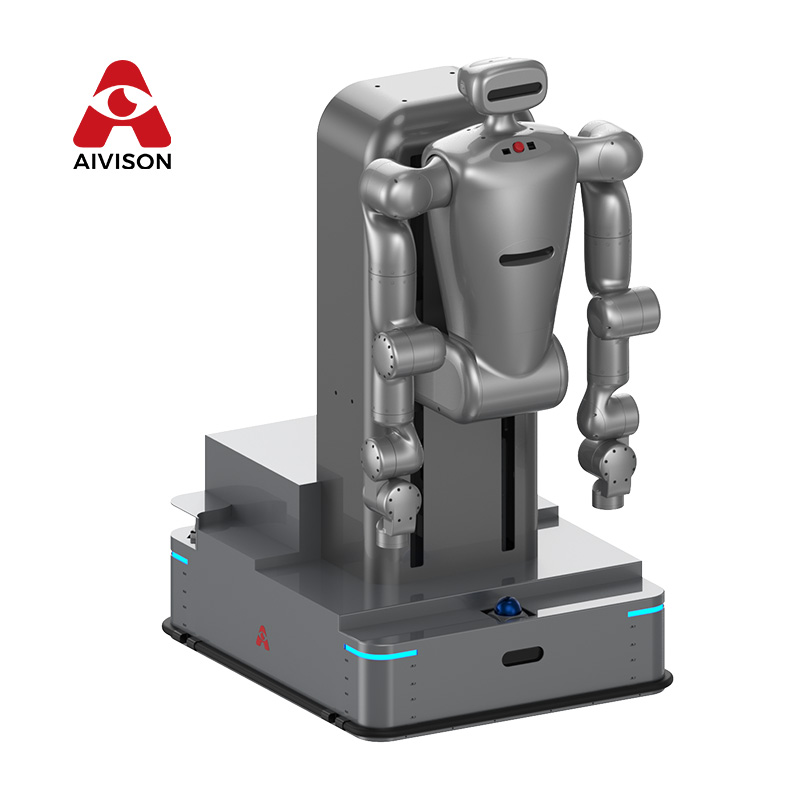
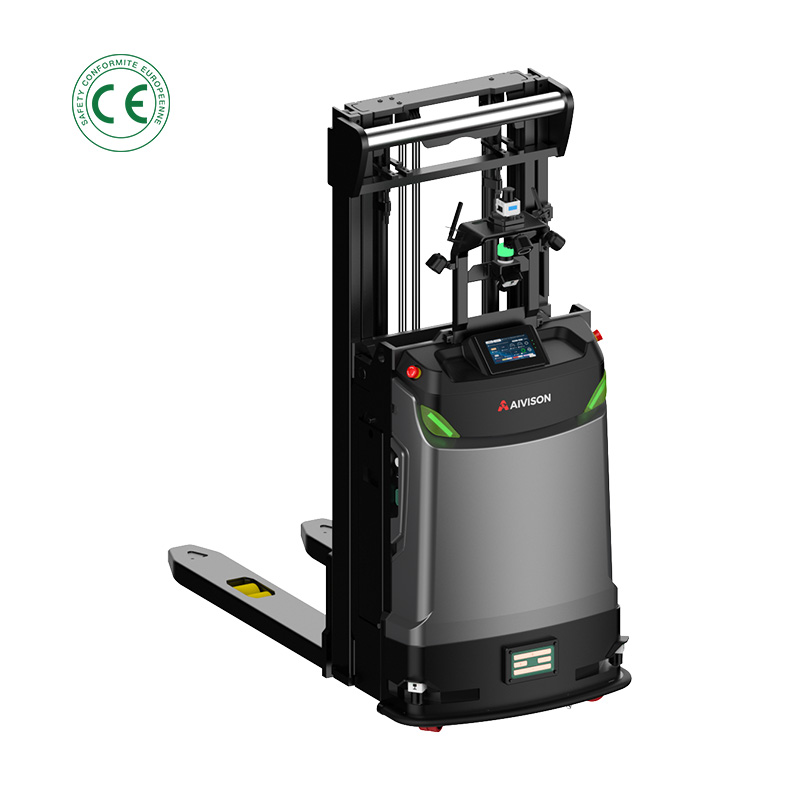
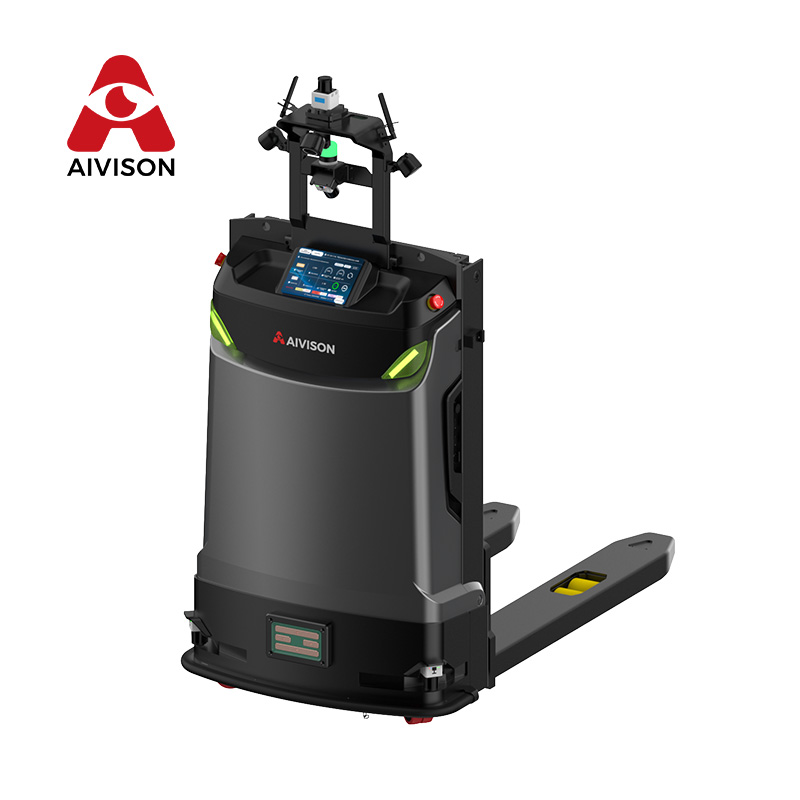
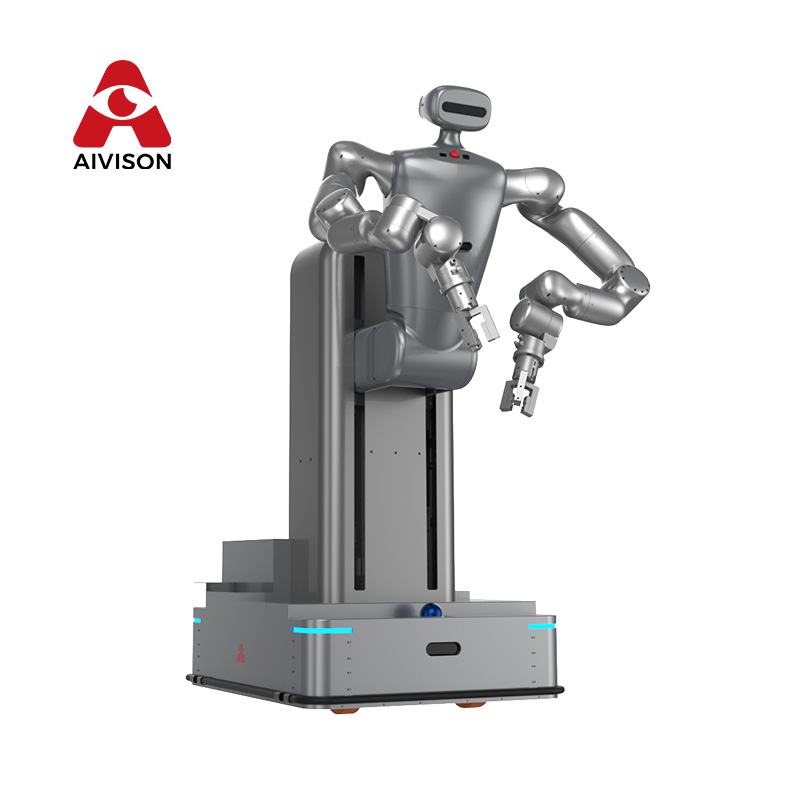
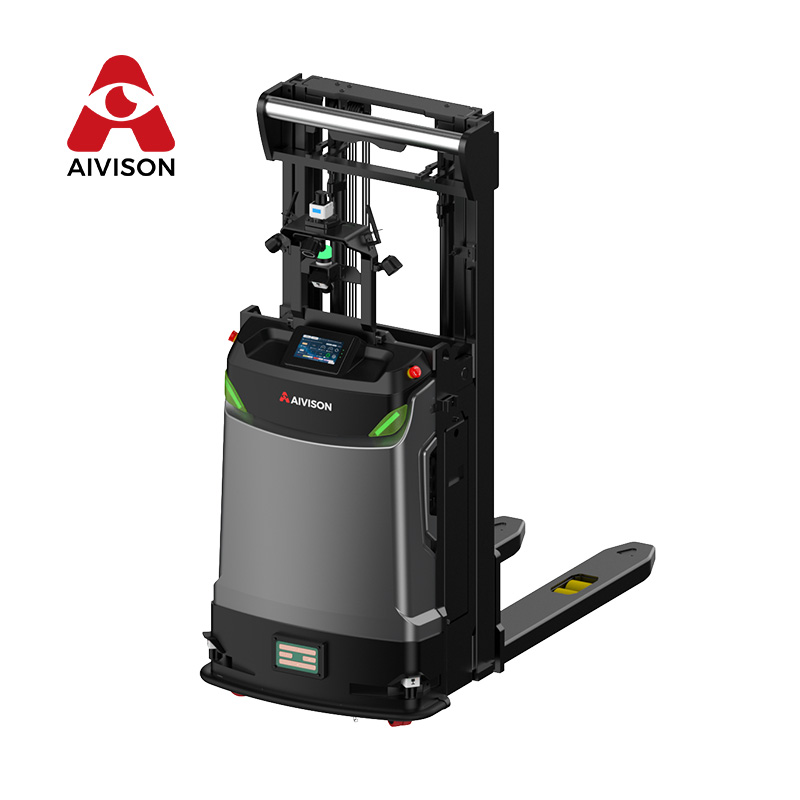
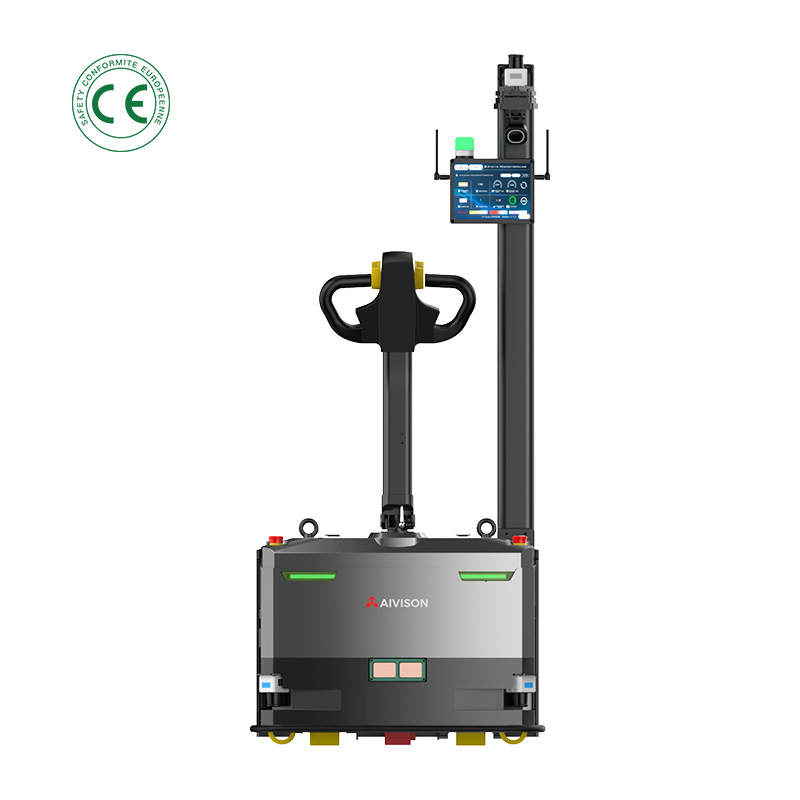
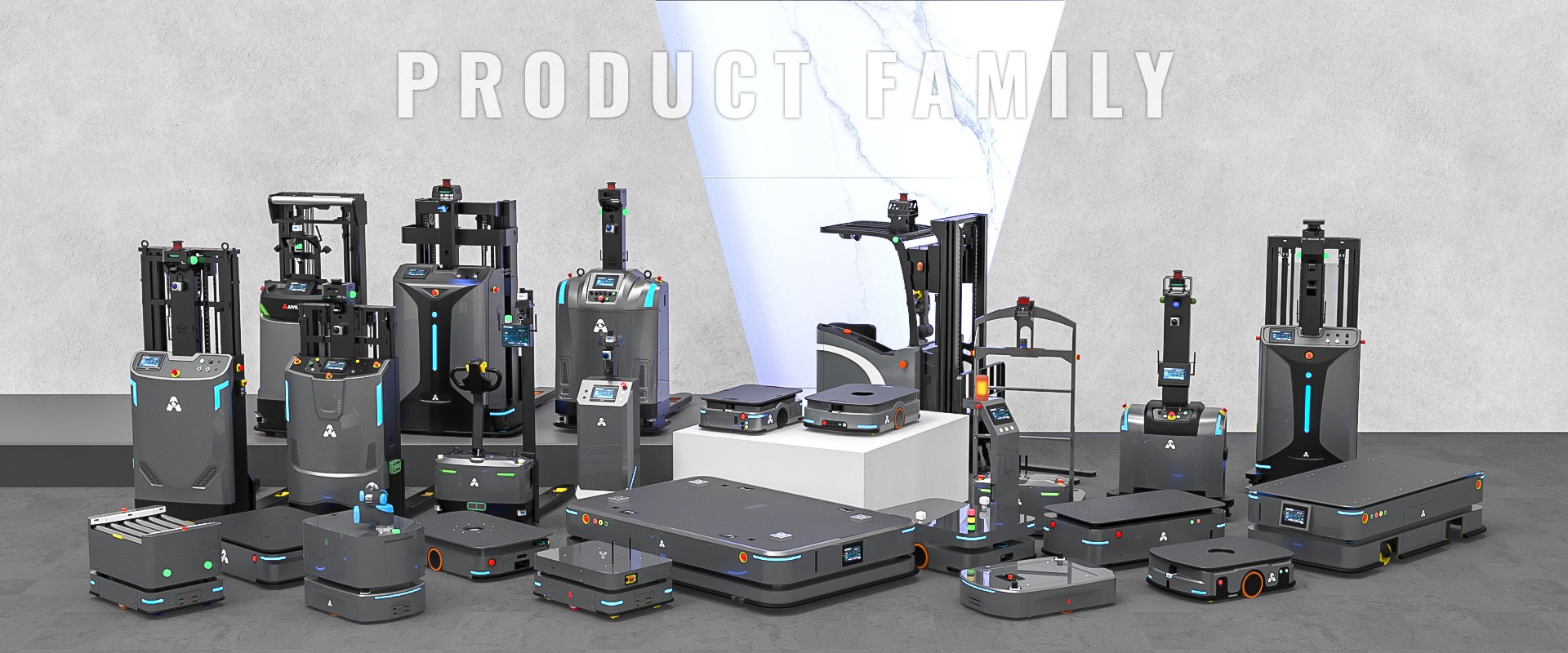
That is where laser SLAM mobile robots change the maths. They need no magnetic tape, no reflectors and no floor QR codes, so a fleet can be added to an existing concrete slab with a site survey, a safety review and operator training — not months of civil works. For a Mexico City 3PL moving into a leased nave industrial, that difference is often the whole project.