Thailand Procurement FAQ
Common Questions from Thai Buyers Before Ordering a Smart Forklift
These answers are written for exporters, wholesalers and integrators evaluating an imported pallet-handling robot for Thailand. Final specifications, compliance documents and commercial terms should be confirmed in the quotation.
What does a smart forklift with a wireless camera do differently from a standard AGV?
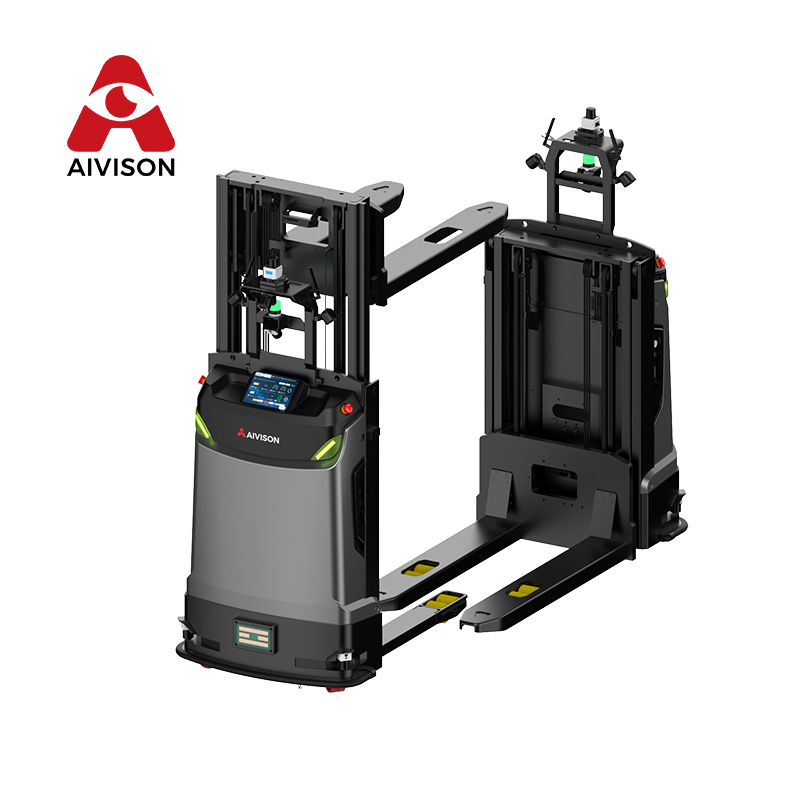
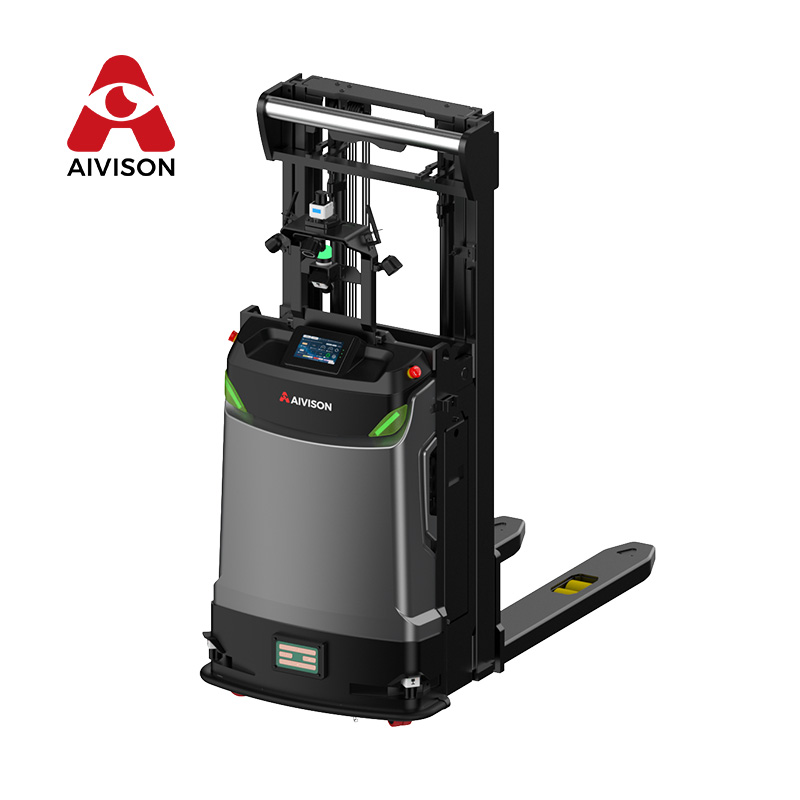
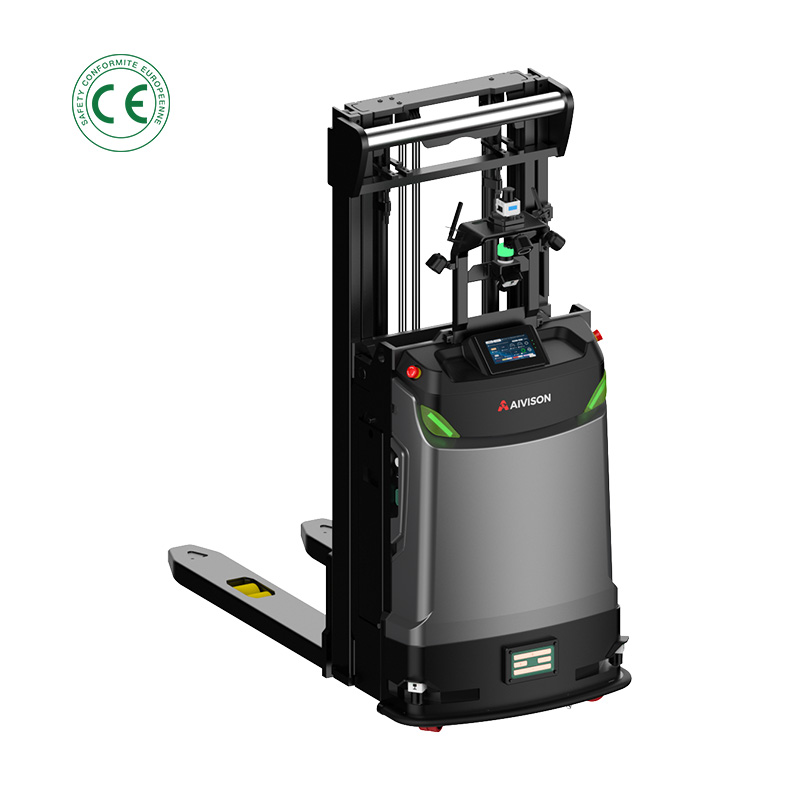
A standard AGV follows a route and stops at a station. A smart forklift with a wireless camera adds load-level awareness: it can help confirm pallet presence, inspect the pallet pocket area, align forks more reliably and send visual confirmation to the operator or control system. This is especially useful in Thai wholesale warehouses where pallet quality and shrink wrapping vary between suppliers.
Can the robot handle Thai pallets and damaged or dark-coloured pallets?
Pallet dimensions, load height, pallet material and condition should be declared before quotation. Laser navigation handles position, while camera assistance can support pallet-slot detection and load confirmation. For badly damaged, leaning or non-standard loads, a site survey and a controlled pilot are recommended before fleet expansion.
Do we need to modify the warehouse floor or install magnetic tape?
Standard laser SLAM navigation maps existing natural features, so magnetic tape, reflectors and floor QR codes are not normally required for route guidance. QR labels are used only at selected stations where ±2 mm docking precision is necessary. Floor flatness, expansion joints, ramps and aisle clearance still need to be reviewed.
Which configuration is best for a Thai wholesale distributor?
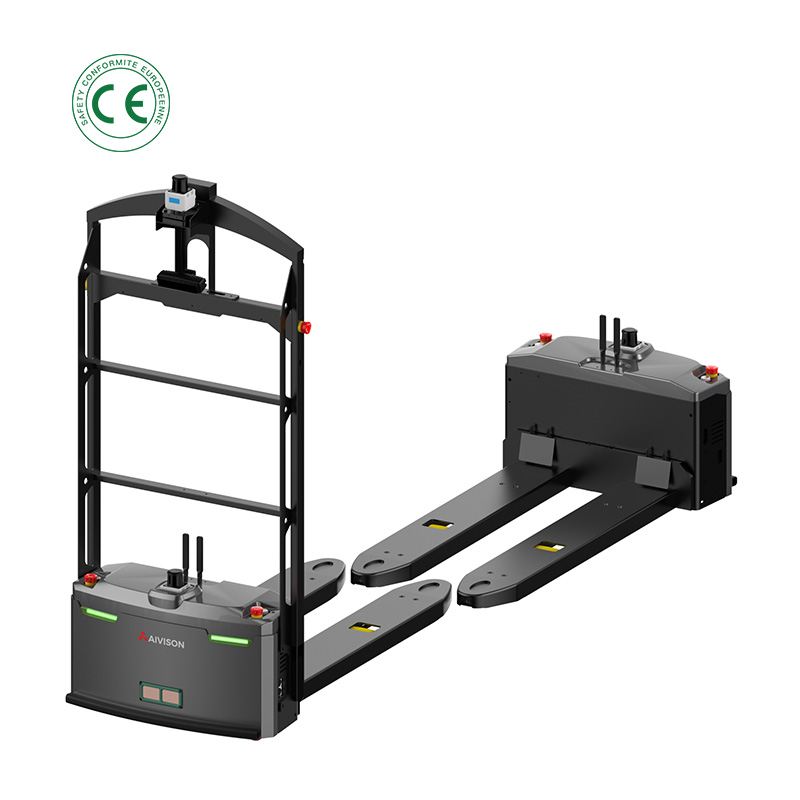
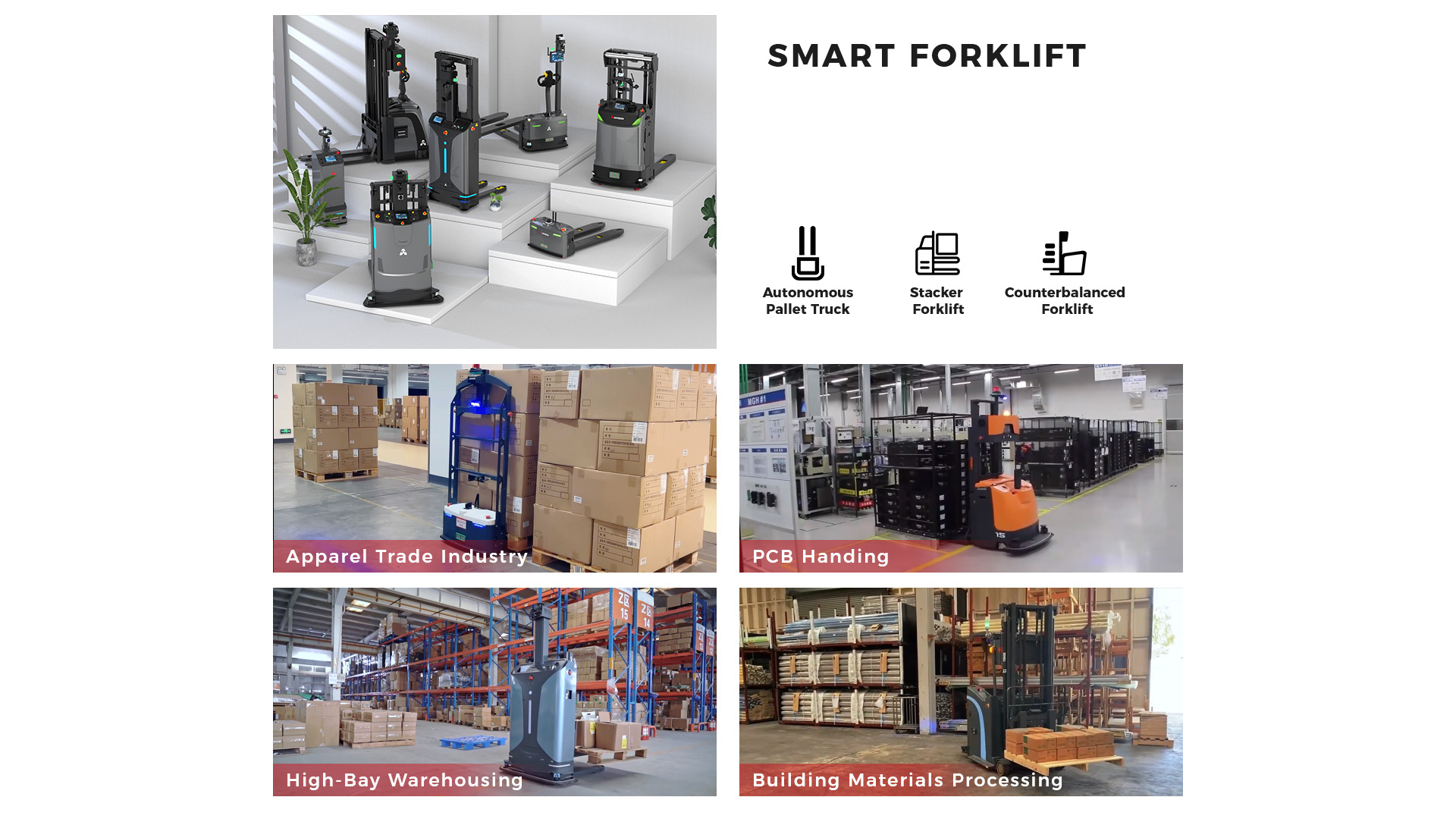
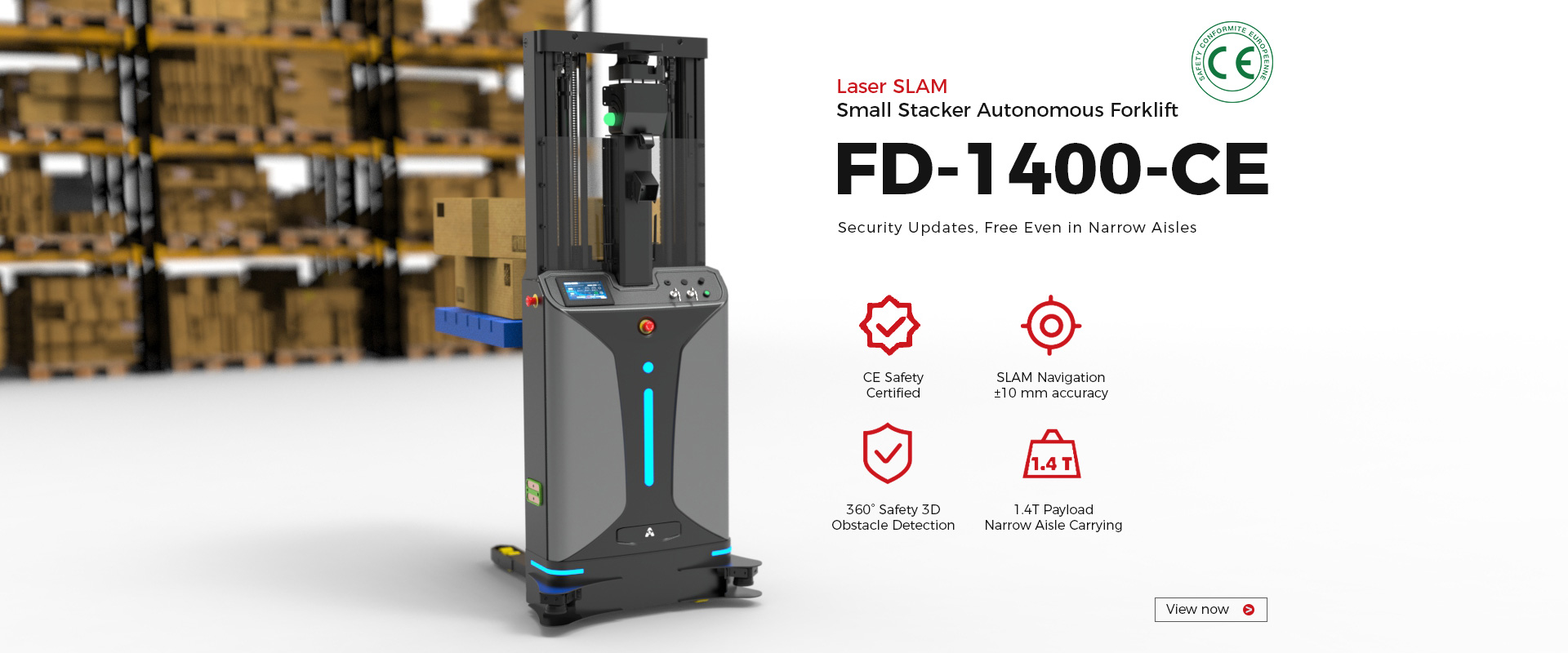
For light cartons, retail replenishment and narrow aisles, an 800 kg pallet AMR is often sufficient. For container staging, high-bay storage and 2,000 kg export pallets, a laser-guided forklift AMR or servo-controlled smart forklift is more appropriate. Many projects combine both rather than asking one robot to cover every duty.
How are robots imported into Thailand through Laem Chabang or Bangkok Port?
Export packing, HS classification, voltage configuration, documentation and Incoterms should be confirmed in the sales contract. Common shipping discussions include FOB Shenzhen, CIF Laem Chabang and door delivery by quotation. A Thai customs broker should verify duty treatment, VAT and any BOI-related conditions before shipment.
What electrical and safety information should Thai buyers prepare?
Confirm the charging-supply voltage and phase available at the site, charger location, cable routing and emergency isolation plan. Ask for the final compliance package relevant to the destination and application. Safety integration must cover mixed traffic, pedestrian zones, blind corners, load stability and operator training.
Is a single-unit trial possible before a larger wholesale rollout?
A phased approach is often the most sensible route for Thai importers. Start with one bounded pallet loop, measure interventions, cycle time, docking success and charger utilisation, then scale. MOQ, trial terms, lead time and customisation scope are confirmed in the quotation because they depend on the selected chassis and top module.
What support is available for spare parts, training and after-sales service?
Remote engineering support, documentation, spare-parts planning and operator training should be agreed before purchase. Thai wholesale groups with multiple sites may also plan a local service partner for first-line response. Marnix supplies both end users and integrators, so the support model can be adapted to the buyer's maintenance capability.