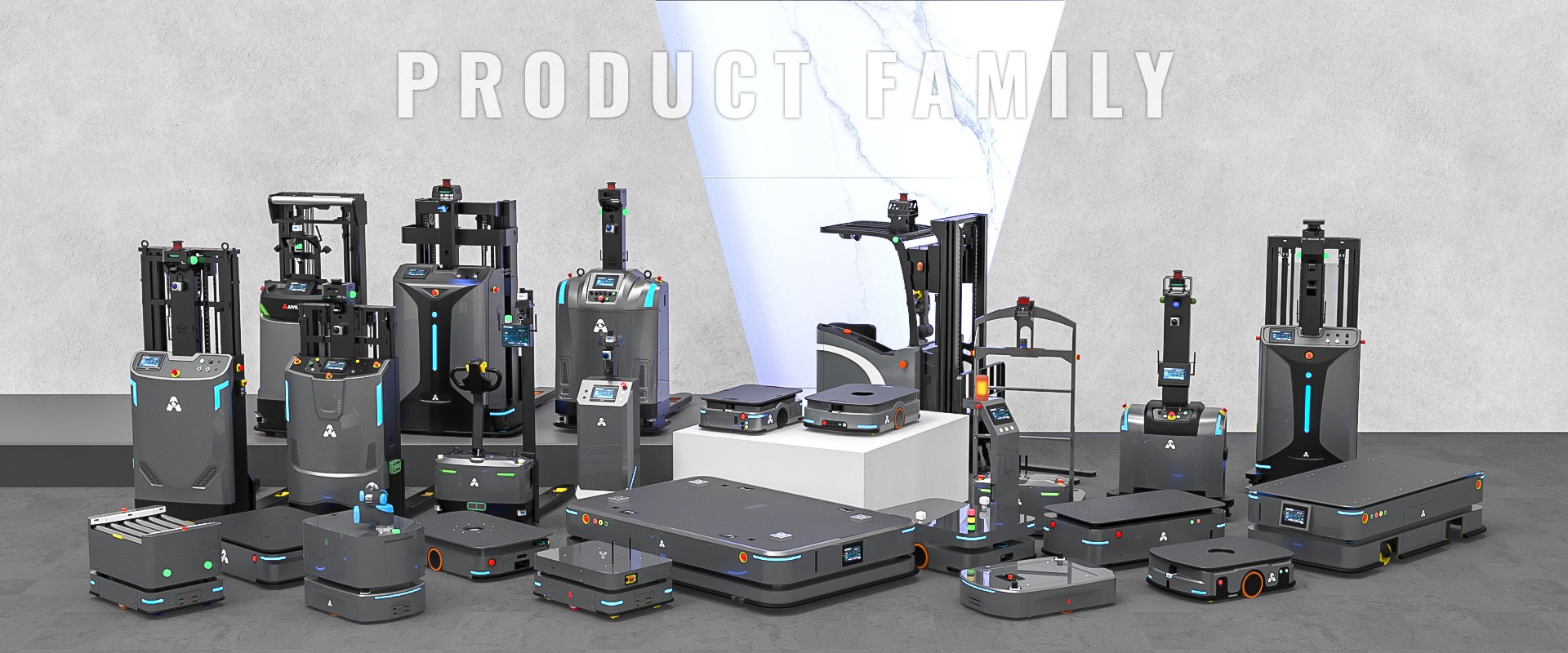
Roller Transfer Robot Factories & Wholesalers for Nagoya
Factory-direct roller conveyor AMRs, jacking robots, smart forklifts and custom top modules for Nagoya’s automotive, electronics, aerospace and port logistics clusters — engineered for laser SLAM navigation, QR-assisted docking and integrator-friendly deployment.
Eight Roller-Ready AMR Configurations for Nagoya Projects
Buyers searching for roller transfer robot factories and wholesalers for Nagoya usually need more than a payload figure. The decision turns on deck height, roller pitch, handshake signals, safety zones, fleet software and spare-parts response. These eight platforms are practical starting points for factory-direct evaluation.

AI-Ready Humanoid Robot Chassis Dual 7-DOF Arms Omnidirectional Drive ROS2 Laser SLAM Open Development Platform
For integrators building advanced assembly or research cells that may add a roller deck, vision head or robotic arm later.
View product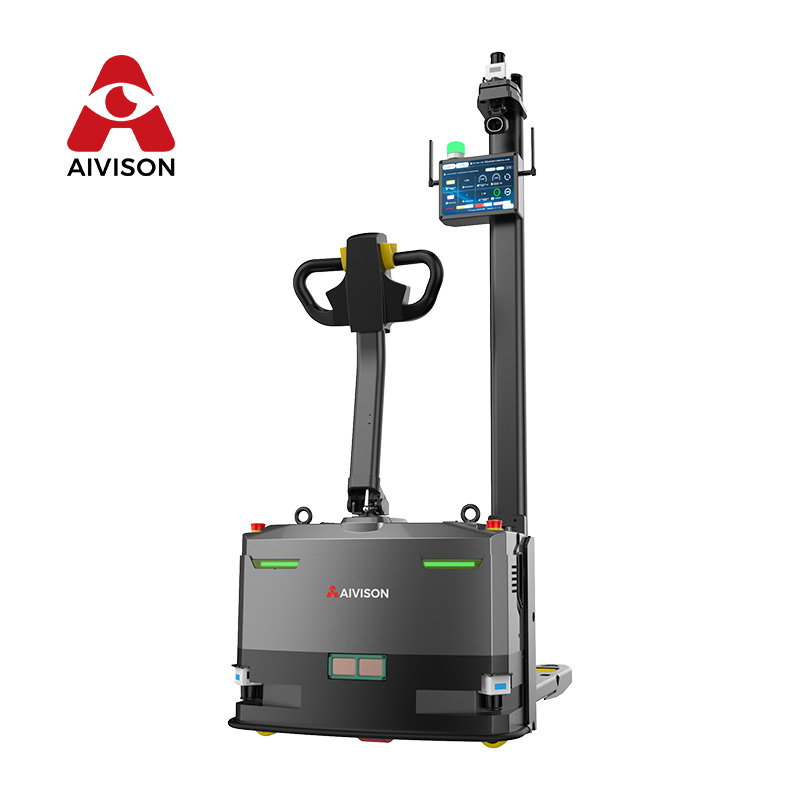
Customizable 1500KG Traction Capacity AGV Autonomous Mobile Robot Amr with Lidar Guided Sensor
A 1,500 kg traction platform for towed carts, heavy fixtures and roller trains where route stability matters.
View product
Humanoid Robot Chassis Dual 7-DOF Arms Laser SLAM Omnidirectional Navigation ROS2 Open Platform AMR
Useful for high-mix assembly cells where tray and fixture handoff may be combined with a roller transfer module.
View product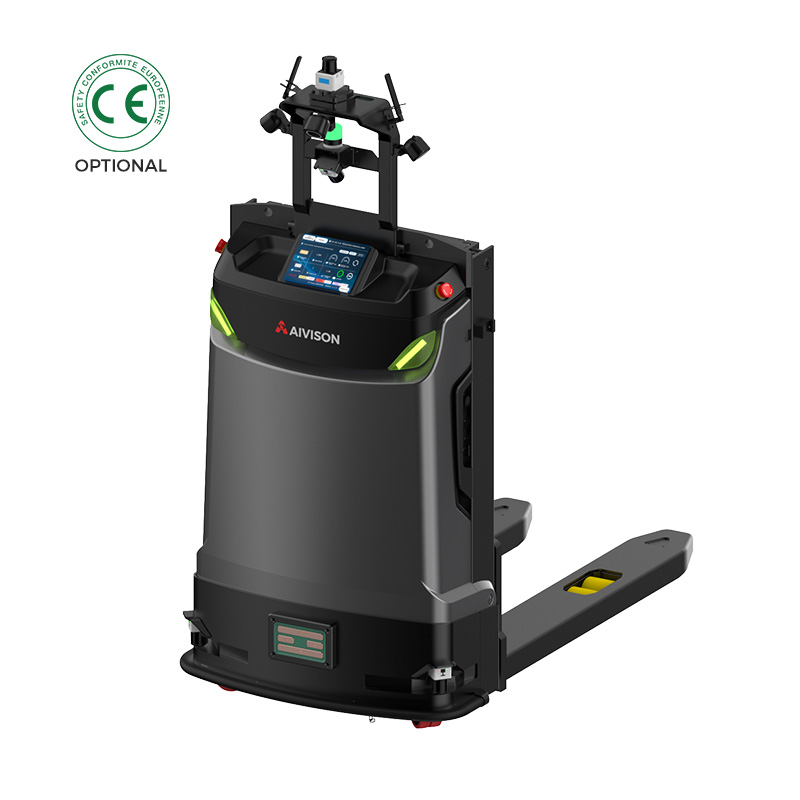
China Factory Automated Mobile Robot SLAM Lifting Wholesale AGV Chassis Vehicle
A lifting AGV chassis that can accept roller conveyor, chain or belt top modules for automated line-side transfer.
View product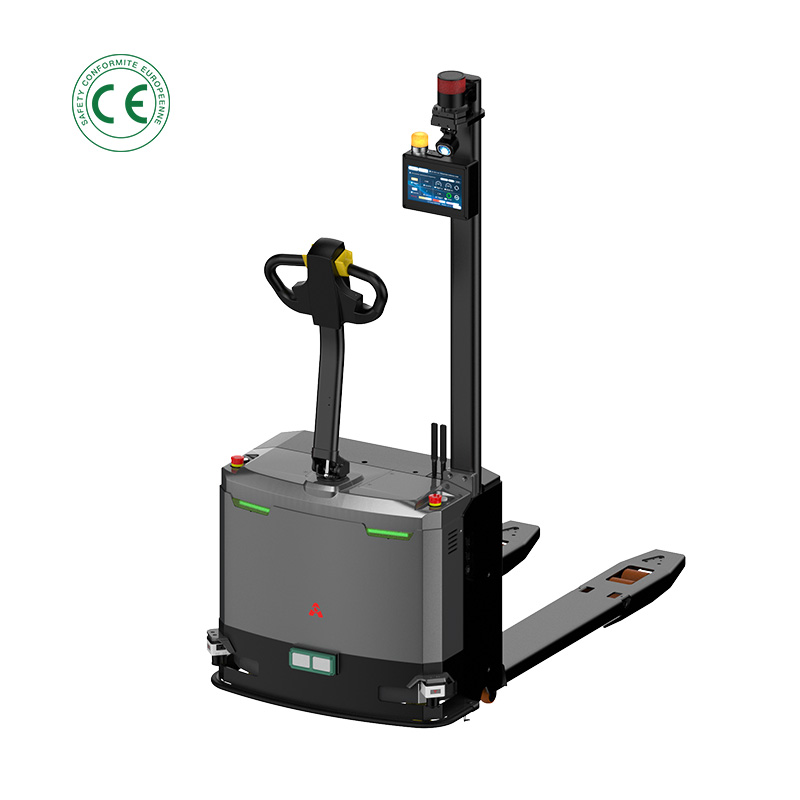
CE Certification Industrial AMR AGV Robot for Warehouse Automation Autonomous Material Handling Logistics
A CE-certified industrial AMR for distribution and logistics centres that need reliable scheduled transfer.
View product
Aivison Stacker Truck Pallet Stacker Forklift Agv 1.5 Ton Autonomous Forklift Smart Deliver AMR Robot
For pallet pick-and-place where a roller deck is not suitable and flexible fork handling is required.
View product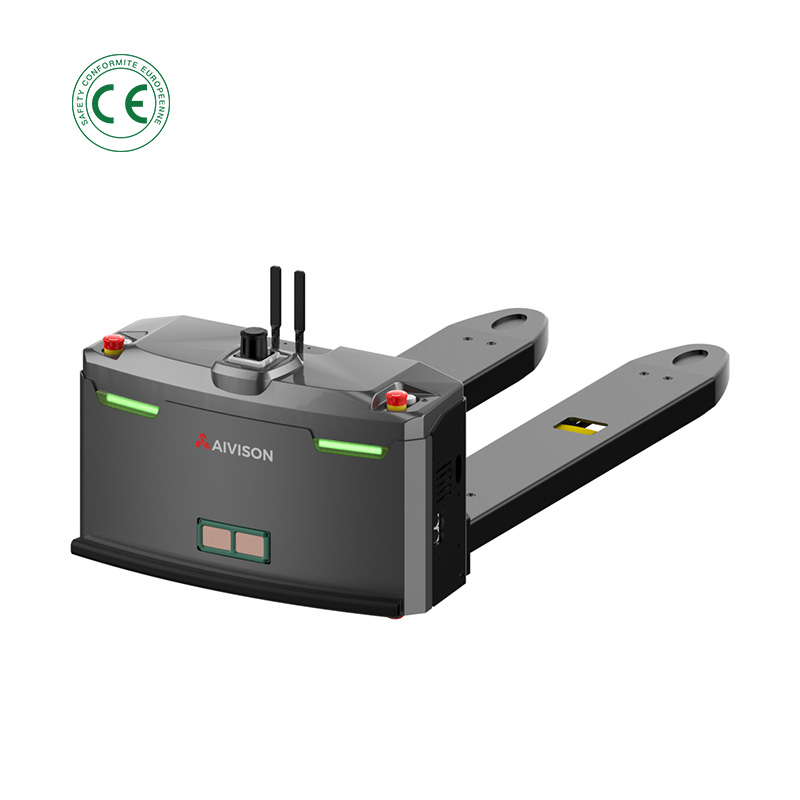
AMR Automated Warehouse Robot Logistics Automatic Industrial Logistics Robots AMR Robot
A general warehouse AMR for repetitive moves between receiving, storage, staging and dispatch.
View product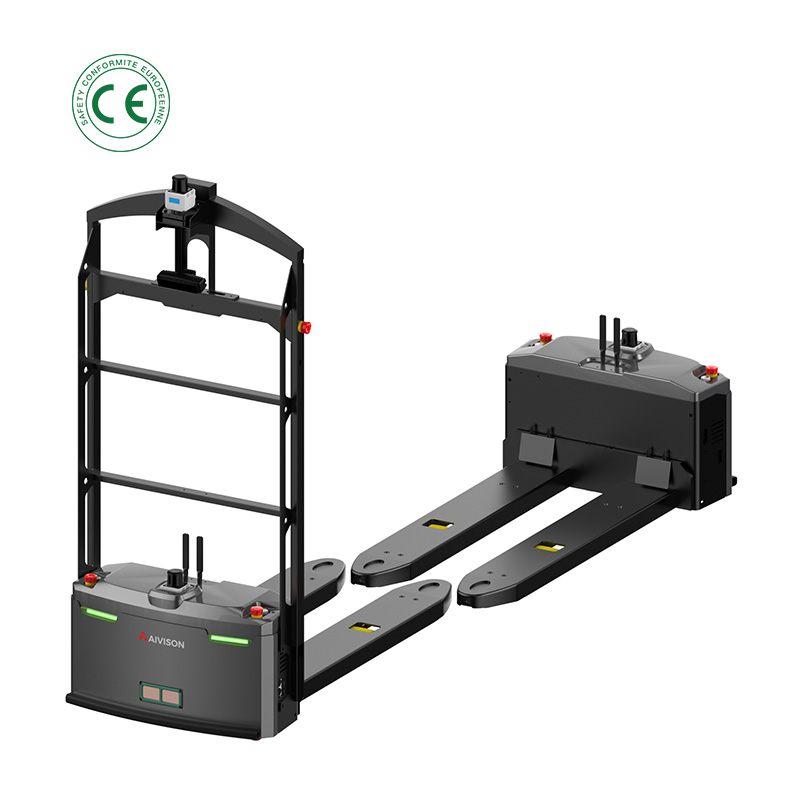
Aivison Customized 800kg Warehouse AGV Robot Lithium Battery AMR
An 800 kg warehouse AGV with lithium battery power for flexible material flow and fast reconfiguration.
View productNeed a powered roller deck, lift platform or conveyor handshake engineered to your Nagoya line? Share the conveyor drawing and load profile for a factory-direct review.
Get a QuoteWhy Nagoya Projects Need a Different Roller Transfer Robot Conversation
Nagoya is not a generic warehouse market. The Aichi–Chubu industrial belt concentrates automotive, aerospace, machine tool, electronics, precision component and port logistics operations. A roller transfer robot bought for a distant distribution centre may meet the payload number and still fail at the conveyor interface: deck height, roller pitch, handshake timing, safety zone and local maintenance response all decide whether the system runs at takt time.
At the semantic-search level, a buyer searching for factories and wholesalers is usually comparing three risks: engineering fit, delivery speed and service depth. A factory-direct quotation can customise the chassis and top module; a local wholesaler may offer faster local contact but less control over the roller deck. The strongest Nagoya procurement model often combines factory engineering with a local integrator who understands Japanese line standards, site safety and spare-parts logistics.
- Interface first: send conveyor drawings, load weight, tray size, transfer direction and PLC handshake signals before discussing price.
- Precision map: use ±5 mm SLAM for travel, ±2 mm QR for docking, and ±0.05 mm arm-level repeatability only where assembly demands it.
- Safety evidence: review risk assessment, ISO 3691-4 considerations where applicable, safety laser zones, e-stops and mixed-traffic rules.
- Service path: agree spare rollers, belts, sensors, chargers and remote support before shipment, not after the first stoppage.

Where Roller Transfer Robots Fit in Nagoya-Area Operations
Nagoya buyers rarely automate a single isolated move. They connect receiving, line-side storage, assembly, inspection, packaging and dispatch — often in buildings that were not designed for autonomous fleets.
Automotive & Parts Flow
Engine, transmission, seating and tier-one component plants need sequenced delivery to moving lines. A roller deck can transfer fixtures or totes without operators leaving the cell.
Electronics & Precision Devices
3C electronics, sensors and precision equipment lines often use small trays and carriers. Low-profile AMRs with gentle roller transfer reduce manual handling and contamination risk.
Aerospace & Machine Tools
Heavy fixtures and high-value components require controlled transfer, traceability and careful route planning around machining centres and inspection stations.
Port & Distribution Logistics
Port of Nagoya and regional distribution centres need repeatable transfer between receiving, staging and dispatch, often across multiple shifts and mixed vehicle traffic.
EV & Lithium Battery Supply Chain
Module and pack assembly areas need stable, repeatable movement of carriers between process steps, with safety zones that adapt to changing cell layouts.
Medical & Cleanroom Assembly
Medical device and cleanroom production benefits from predictable transfer, documented routes and composite robot options where arm-level precision is required.
What Is Changing for Nagoya Material Flow in 2025 and Beyond
Procurement teams in Aichi are not only replacing labour. They are redesigning material flow around labour availability, energy visibility, traceability and high-mix production.
Logistics reform and driver hours
Japan’s tighter logistics labour rules push warehouses and factories to reduce waiting, double handling and night-shift dependency. Autonomous transfer helps stabilise throughput without adding headcount.
High-mix, low-volume production
Nagoya’s manufacturing base continues to shift toward more variants and shorter runs. Tape-free SLAM routes and reconfigurable roller decks reduce the cost of changing line layouts.
Carbon-neutral factory planning
Opportunity charging, efficient drive systems and fleet scheduling can reduce empty travel. Energy data from AMR operations is increasingly requested alongside productivity data.
Digital thread and MES/WMS integration
Buyers want robot tasks linked to production orders, traceability records and warehouse systems, not a standalone vehicle moving boxes with no data connection.
Match Accuracy to the Station, Not the Whole Factory
Over-specifying every route to ±2 mm adds cost and floor labels. Under-specifying a docking station creates repeated conveyor faults. Use a tiered precision architecture.
Laser SLAM on natural features
No magnetic tape, reflectors or full-floor QR codes. Best for warehouse transfer, line-side delivery and frequent layout changes.
SLAM + QR code camera
QR labels only at precision stations. Best for conveyor handoff, high-shelf storage, tray docking and precision material transfer.
Composite AMR + 6-axis arm
Station calibration and multi-layer synchronisation for semiconductor, medical device and high-value assembly tasks.
What a Factory-Direct Partner Adds to a Nagoya Roller Transfer Project
Shenzhen Marnix Intelligent Technology Co., Ltd. draws on about ten years of AGV engineering experience, a complete AMR portfolio and integrator-friendly customization for factories and system integrators worldwide.
10+ years of AGV engineering
Practical experience across jacking robots, smart forklifts, pallet AMRs, composite robots and charging docks.
Custom top modules
Roller conveyors, jacking units, forklift forks and 6-axis arms can be engineered around your production line.
Third-party verified quality
TÜV Rheinland onsite assessment, Fortune 500 supplier status and verified trade capacity support procurement review.
Integrator-ready fleet software
Intelligent scheduling over indoor Wi-Fi enables coordinated task assignment, traffic control and automatic charging.

Engineering evidence before shipment, not after installation
Multi-stage intelligent inspections and thousands of operational stress tests target reliable uptime. For Nagoya projects, the factory acceptance review should include roller deck alignment, handshake testing, safety-zone checks and charging behaviour.
- ±5 mm SLAM navigation and ±2 mm QR-assisted docking options
- Custom chassis, payload, roller deck and top-module engineering
- Fleet scheduling, charging docks and integrator support
What to Send for a Fast, Accurate Nagoya Quotation
From project experience, these six inputs determine most of the robot selection. Sharing them upfront can shorten evaluation from weeks to days.
Load and carrier profile
Maximum weight, footprint, centre of gravity and whether the load is a tray, tote, pallet, rack or custom fixture.
Conveyor interface drawing
Deck height, roller pitch, transfer direction, stop positions, sensor locations and PLC handshake signal list.
Throughput and shift pattern
Missions per hour, peak periods, operating hours and expected growth determine fleet size and charging strategy.
Route and site constraints
Aisle widths, doors, slopes, lifts, floor condition, Wi-Fi coverage, mixed traffic and any no-go zones.
Electrical and safety requirements
Measured supply, protection coordination, e-stop architecture, safety laser zones and site risk assessment expectations.
Service and documentation scope
Spare-parts kit, remote support, language requirements, training, handover documents and local integrator involvement.
Questions Local Buyers Ask About Roller Transfer Robot Factories & Wholesalers
Straight answers for procurement, manufacturing engineering and system integrators comparing factory-direct supply with local wholesale or integration support.
Can you deliver a roller transfer robot to Nagoya and support installation?
Yes. We quote ex-works, FOB or delivered terms depending on the project. A custom roller-deck AMR normally requires engineering review, factory acceptance testing and shipping to Nagoya. For installation, we can coordinate with the buyer’s Aichi integrator and provide remote commissioning support, wiring diagrams and handover checklists.
What voltage should a Nagoya factory plan for?
Confirm the actual site supply before design freeze. Japanese industrial sites commonly use 200 V three-phase circuits, while some equipment and older buildings differ. The robot, charger and roller deck should be specified against the measured supply, protection coordination and local electrical requirements; final compliance is confirmed project by project.
Can the roller deck match an existing conveyor height and signal?
Yes, this is a main reason to use a factory-direct supplier. Provide conveyor height, roller pitch, load dimensions, transfer direction and PLC handshake signals. The deck height, rollers, stops, sensors and I/O can then be configured so the AMR receives or discharges loads without manual adjustment.
Do we need magnetic tape, floor QR codes or floor reconstruction?
Standard laser SLAM maps natural features and needs no magnetic tape or reflectors. QR labels are added only at stations where ±2 mm docking is required, and they do not require reconstruction of the whole floor. This keeps Nagoya retrofit projects faster and less disruptive.
Can you provide Japanese HMI text, manuals or training?
Language and documentation scope should be agreed at quotation. English is standard; Japanese HMI text, operation manuals, label sets, training materials and remote session support can be scoped with the integrator or translated through a qualified partner. Safety signs and site procedures remain the responsibility of the local risk assessment.
How do you support spare parts and after-sales in Aichi?
We recommend a spare-parts kit for rollers, belts, sensors, drives, chargers and fuses based on fleet size and criticality. Remote diagnostics can be scheduled within the project’s network policy, and local mechanical or electrical support can be delivered through a qualified Nagoya integrator. Response targets are written into the service agreement.
What information is needed for an accurate quotation?
Send load weight and size, roller deck drawing, conveyor height, transfer cycle, shift pattern, route width, floor conditions, Wi-Fi coverage, electrical supply, safety requirements and expected annual volume. Photos or CAD files shorten the review.
Should we buy from a factory or a local wholesaler?
A factory is usually better when the roller deck, top module or fleet software must be customised, and when you need engineering accountability. A local wholesaler or integrator can be better for site survey, installation labour and fast spare-parts logistics. Many Nagoya projects use both: factory engineering plus local integration.
Send Your Conveyor Interface Drawing
Share load weight, deck height, handshake signals, throughput and site constraints. Our engineers will recommend a roller transfer robot configuration, navigation accuracy level and fleet plan for your Nagoya or Aichi project.