Philadelphia Metro · AMR / AGV Controls · Export

Robot Control System Suppliers & Exporters Serving the Philadelphia Market

Laser SLAM autonomous mobile robots, 2,000 kg AGV forklifts and jacking systems for warehouses, pharmaceutical plants, food facilities and manufacturers across Philadelphia, Camden, King of Prussia and the I-95 logistics corridor.

TÜV Rheinland onsite assessment Fortune 500 supplier relationship 200+ manufacturers served
Product Recommendations

Eight Robot Control System Configurations for Philadelphia Operations

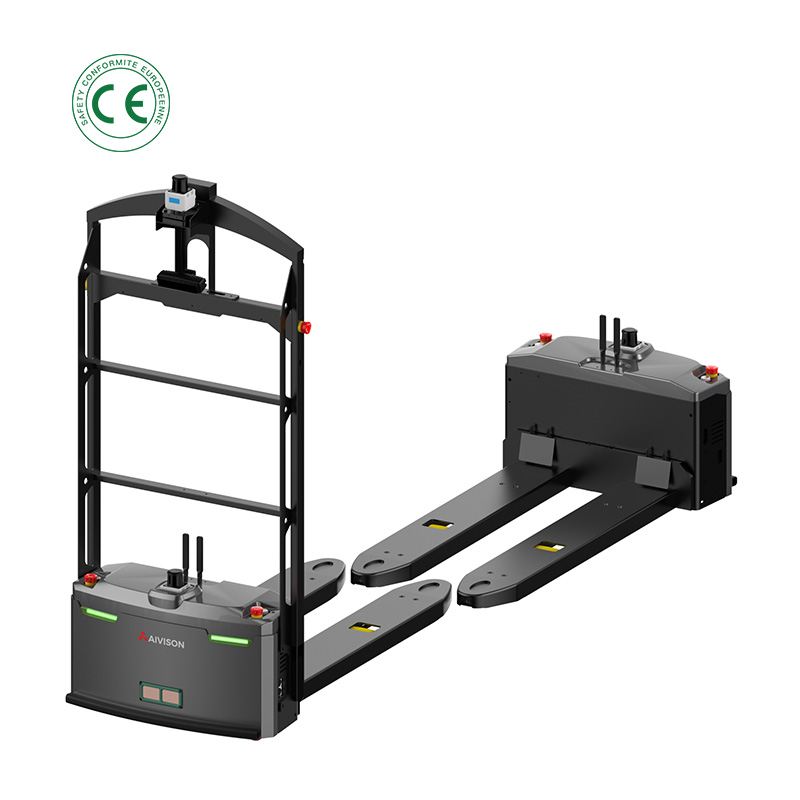
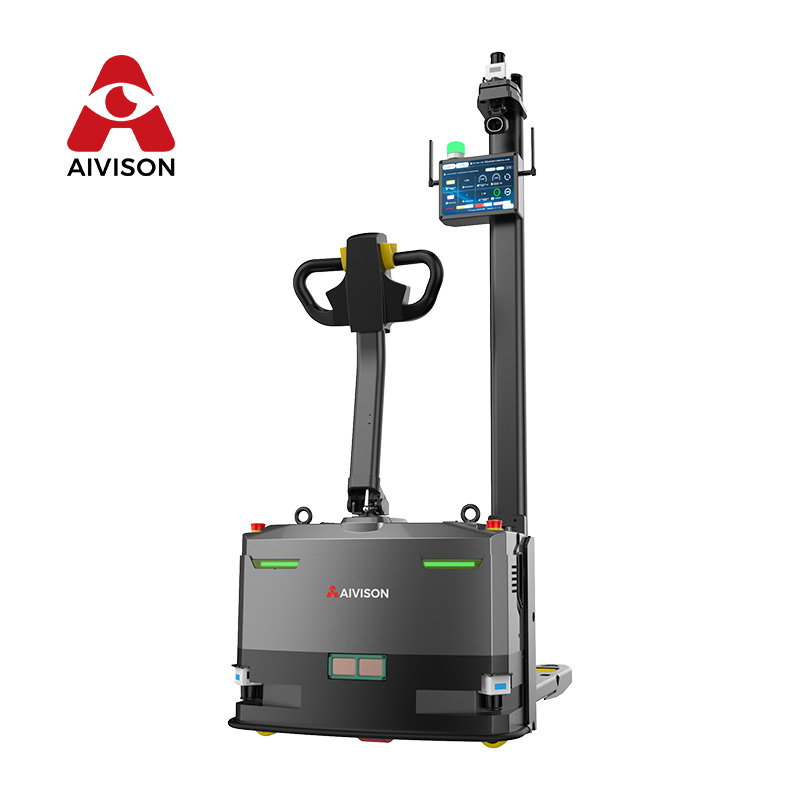
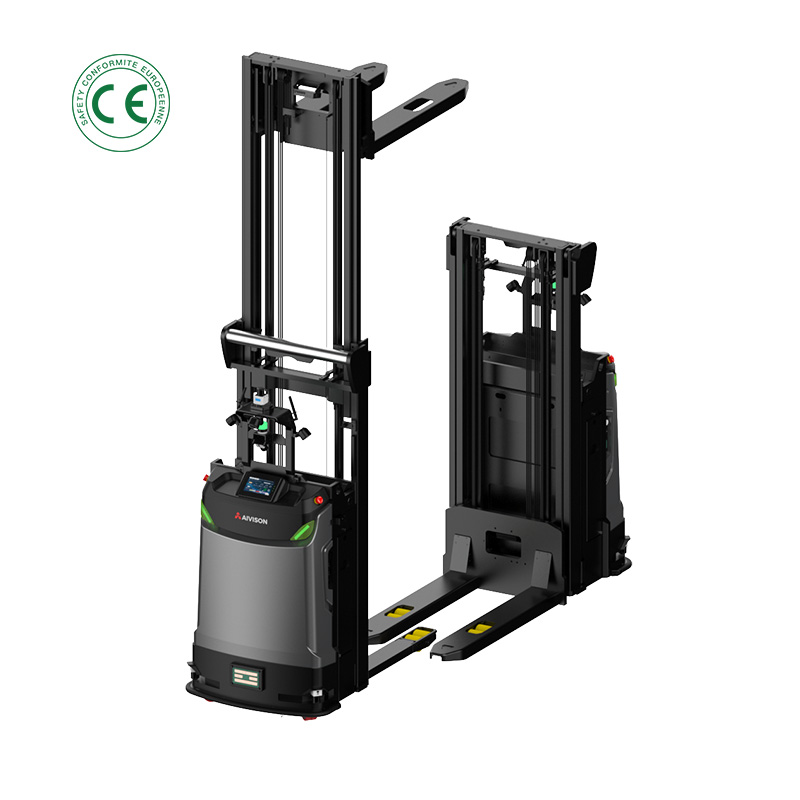
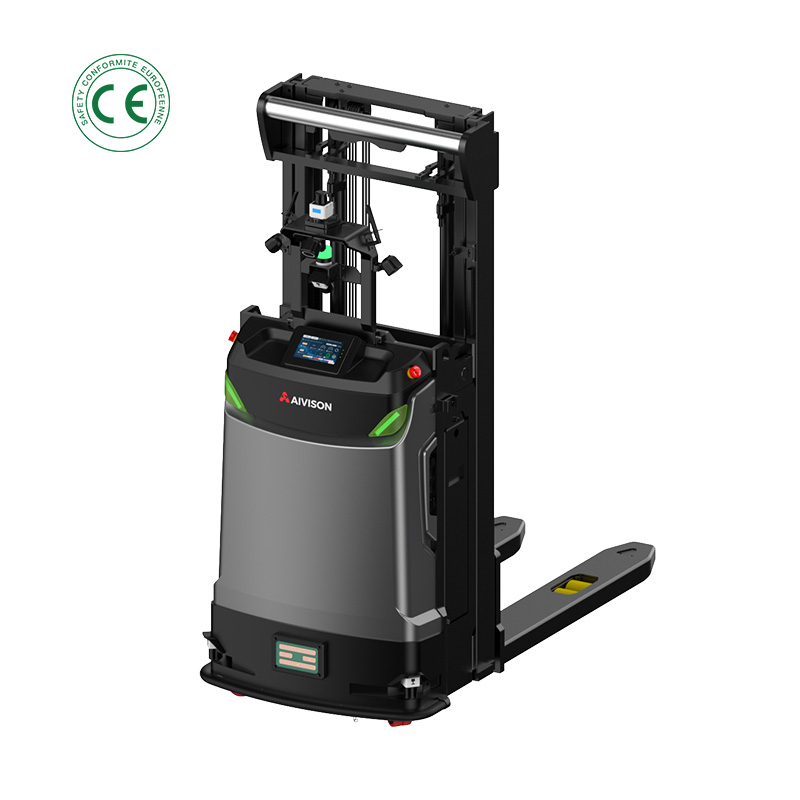
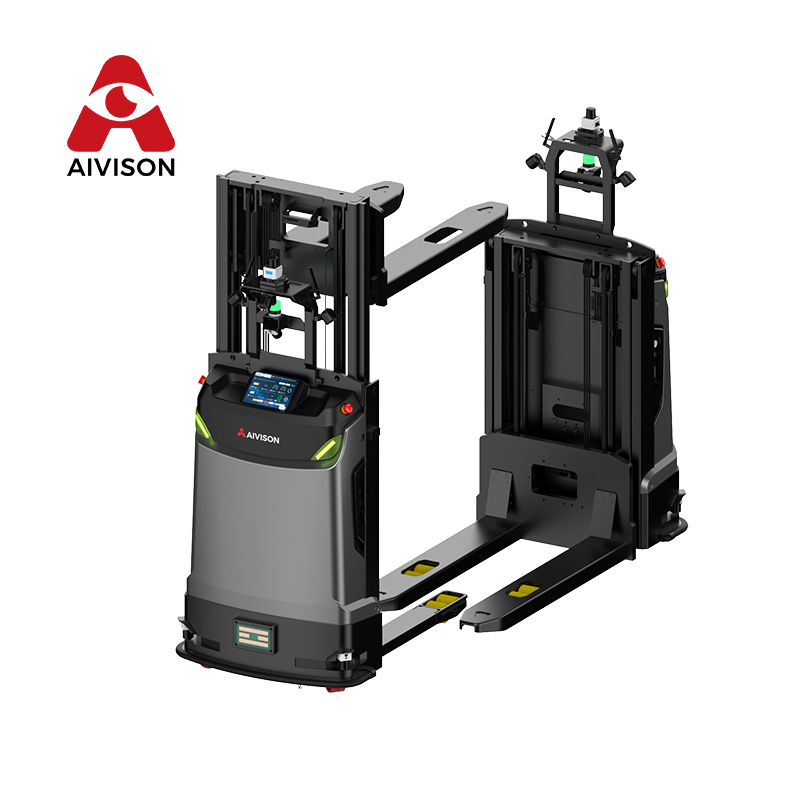
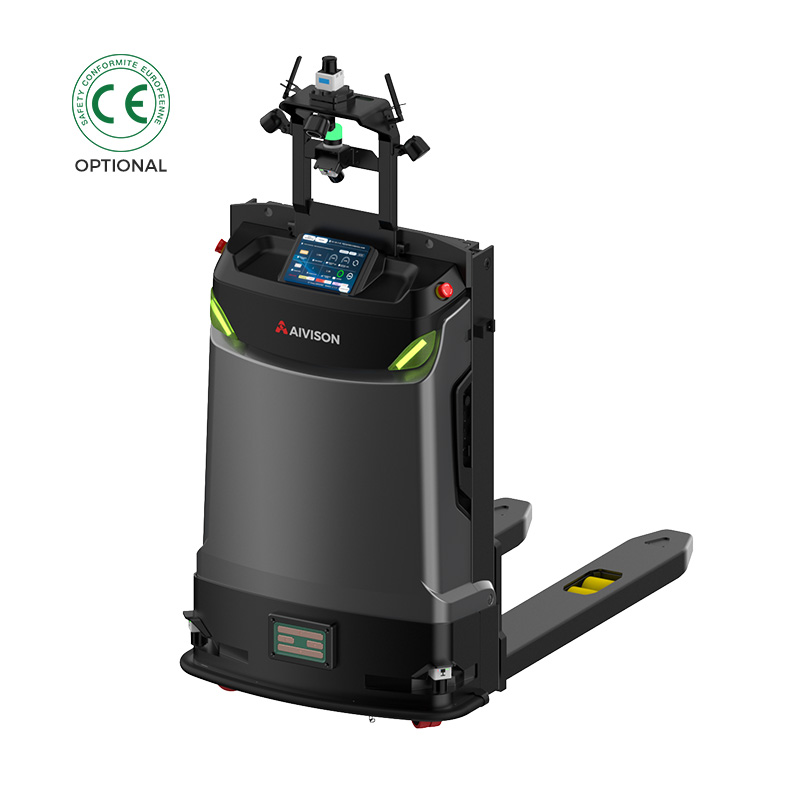
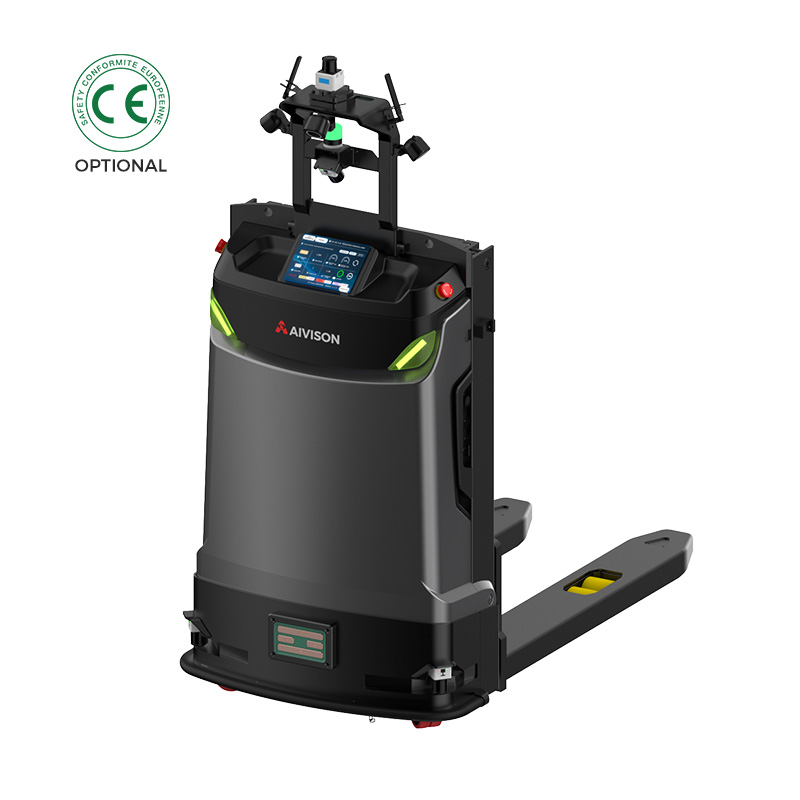
Philadelphia procurement teams rarely buy a robot in isolation. They are fitting automation into older masonry warehouses near the Delaware River, multi-tenant 3PL spaces in South Jersey, pharmaceutical suites in University City, and manufacturing cells along the I-95 corridor. The eight systems below are grouped by the work they do, not by model number. Every image links to its product page; if the project needs a custom top module or fleet controller, the Get Catalog button opens a live conversation with our team.

10+
Years in AGV Engineering
Shenzhen-based R&D and manufacturing
±5 mm
Laser SLAM Navigation
No tape, reflectors or floor codes
200+
Manufacturers Served
Across three continents
±0.05 mm
Composite Robot Repeatability
With 6-axis arm integration
Manufacturer-Level Control

A Robot Control System Supplier for Philadelphia, Not a Catalog Reseller

For Philadelphia buyers, the important question is not only which robot can lift a pallet. It is who controls the navigation stack, fleet scheduler, charging logic and documentation package when the system crosses the port and enters a U.S. facility. Shenzhen Marnix Intelligent Technology Co., Ltd. is a manufacturer of laser SLAM autonomous mobile robots, jacking robots, smart forklifts, composite mobile robots and intelligent charging docks. Our team has about ten years of AGV engineering experience and has served more than 200 manufacturers across three continents, including a Fortune 500 procurement relationship and an onsite supplier assessment by TÜV Rheinland.

Instead of forcing a single platform into every aisle, we engineer chassis, payload and top modules around the actual process: a jacking unit for racks, roller conveyors for PCB or carton handover, forklift forks for pallets, or a 6-axis arm for precision assembly. Fleet scheduling runs over indoor Wi-Fi, and automatic charging is handled through compatible smart docks. This is the practical meaning of “control system supplier” for the Philadelphia market—hardware, navigation, fleet coordination and export support treated as one system.

Shenzhen Marnix Intelligent Technology mobile robot manufacturing and engineering
±0.05 mmComposite robot repeatability

Complete AMR Portfolio

Jacking robots, smart forklifts, pallet AMRs, composite robots and charging docks from one engineering source.

SLAM Lidar + Vision Fusion

Natural-feature mapping with optional QR camera docking. No auxiliary tracks or reflector grid required.

Precision Without Floor Rework

±5 mm laser SLAM for main routes; ±2 mm QR assist only where docking demands it. This reduces retrofit disruption.

Manufacturer-Level Customization

Custom chassis, payload interfaces and top modules for integrators and end users, not a fixed catalog fit.

Wi-Fi Fleet Scheduling

Multi-robot task assignment, traffic control and automatic charging coordination over indoor Wi-Fi.

Export & Project Documentation

Drawings, packing data, CE/TÜV information and electrical specifications for review by Philadelphia project teams.

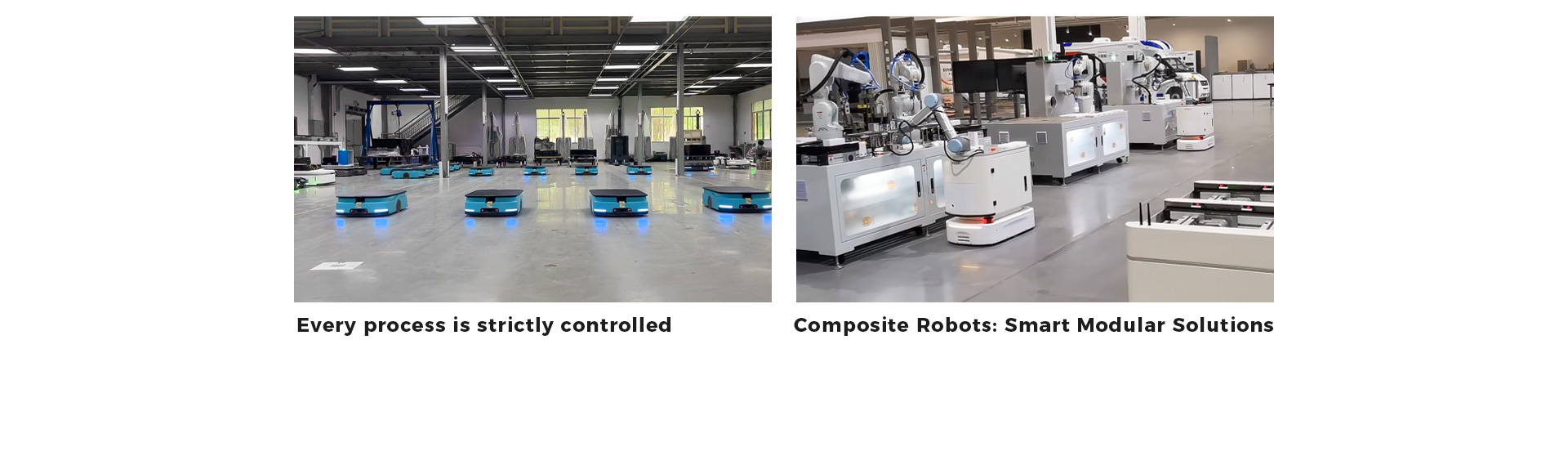
Marnix factory quality control and robot testing before export
Composite mobile robot with robotic arm and roller conveyor modules
Local Application Scenarios

Where Philadelphia-Area Buyers Deploy These Robot Control Systems

Philadelphia is not a single market. A pharmaceutical suite in University City, a food warehouse in South Jersey, a Navy Yard fabrication shop and a 3PL near PhilaPort may use the same robot platform but need different acceptance criteria. These are the six conversations we typically have before a quote.

Pharmaceutical & Medical Device

Cleanroom and controlled-area material movement demands stable routes and traceable handover. Composite robots with 6-axis arms reach ±0.05 mm repeatability for assembly and test-cell tending; jacking robots move racks between staging and production. Local project teams should involve EHS and facility engineering early.

Food, Beverage & Cold Chain

In refrigerated and ambient distribution, the robot’s value is repeatability at the dock and in the aisle. Specify battery charging location, condensation controls and emergency stop zones with the facility engineer. Pallet stackers and 2,000 kg forklift AMRs are common starting points.

Port, 3PL & Drayage Staging

Around PhilaPort, Packer Avenue and the I-95 corridor, space is tight and schedules are external. Robots can move pallets from staging to storage or from put-away to dispatch while human operators handle exceptions and trailer interactions.

Manufacturing & Fabrication

Aerospace, automotive, PCB, machinery and building-products plants often need line-side delivery more than a fully automated warehouse. A jacking robot or 1,500 kg traction unit can move carts and racks on existing routes without floor reconstruction.

E-commerce & Distribution

South Jersey fulfillment centers and King of Prussia distribution operations face peak-season labor gaps. Start with a repeatable move—cart to packing, pallet to lane, replenishment to pick face—then scale with fleet software rather than adding isolated machines.

System Integrators & OEMs

Philadelphia-area integrators can source chassis and control elements for their own projects. We support custom top modules, fleet scheduling and documentation for end-user acceptance, while the integrator owns the local electrical and safety scope.

Local Development Trends

Four Trends Reshaping Philadelphia Warehouse Automation Decisions

The Philadelphia market is moving toward practical retrofits, not showroom automation. These trends affect robot selection, fleet sizing and the documentation your project team should request.

01

Brownfield-first automation

Many buildings predate modern automation. Laser SLAM maps existing walls, racks and aisles, so projects can avoid the downtime and disruption of magnetic tape, reflectors or extensive floor QR installation.

02

Mixed fleets, one control layer

Buyers increasingly avoid single-purpose islands. They want jacking robots, stackers and forklifts to share task assignment, traffic control and charging rules over indoor Wi-Fi.

03

Labor resilience and safer traffic

Philadelphia-area operators are using robots to remove repeated long-distance walks and redundant pallet moves. The correct design separates pedestrian zones, defines speed zones and trains associates on exception handling.

04

Evidence-led infrastructure planning

Charging docks, Wi-Fi coverage, fire sprinkler clearance and 208/480 V distribution need review by local engineers before install. We provide electrical and layout data for the Philadelphia project team; local code review remains with licensed U.S. professionals.

Navigation & Control

Match Navigation Accuracy to the Station, Not the Entire Building

A common specification mistake is to request sub-millimeter precision everywhere. That raises cost and slows deployment. In most Philadelphia warehouses, laser SLAM at ±5 mm is enough for aisle transfer and line-side delivery. QR docking is added only at a handful of stations, and arm-level precision is reserved for composite tasks.

Robot control configurations and Philadelphia application fit
Control configuration Positioning Floor preparation Best fit in the Philadelphia market
Laser SLAM on natural features ±5 mm None—no tape, reflectors or floor QR codes 3PL transfer, cart delivery, line-side replenishment, older buildings
SLAM + QR code camera ±2 mm QR labels only at selected docking stations High-shelf storage, precision put-away, elevator or conveyor handover
Composite robot with 6-axis arm ±0.05 mm Station calibration Medical device, semiconductor, precision assembly and test tending
Laser SLAM coverage for normal material flow±5 mm
QR-assisted docking at selected stations±2 mm
Composite arm precision for assembly tasks±0.05 mm

For e-commerce peak planning, do not size the fleet from average throughput. Size from the 90th-percentile hour, confirm charging windows, and model the handover point where human associates still touch the load. That is usually the constraint—not robot travel speed.

Procurement Checklist

What to Prepare Before Requesting a Philadelphia Export Quote

Sharing these six inputs shortens evaluation from weeks to days and reduces rework when the system arrives. It also helps separate a realistic Philadelphia deployment from a generic catalog enquiry.

01

Load & center of gravity

Maximum weight, footprint, rack or pallet type, overhang and center of gravity for every load the robot will move.

02

CAD or measured layout

Aisle widths, door clearances, slopes, floor transitions, elevator or lift interfaces, and any restricted zones.

03

Throughput & peak hour

Moves per hour, travel distance, dwell time at stations, and the peak period that determines fleet size and charging docks.

04

Docking precision

Where ±5 mm is enough, where ±2 mm QR docking is required, and whether a robotic arm or conveyor handover is involved.

05

Charging & power plan

Charger location, ventilation, sprinkler clearance and 208/480 V distribution details for review by local licensed engineers.

06

Receiving & commissioning

Dock hours, port or drayage plan, local safety team, Wi-Fi coverage, and spare-parts expectations for the first year.

Verified Credentials

Export Support and Supplier Evidence for Philadelphia Buyers

For a cross-border automation project, evidence matters. Review third-party verification, trade history and technical documentation before committing to a robot control system supplier.

TÜV Rheinland Onsite Assessment

Company premises and operations assessed by an independent inspection body, supporting supplier due diligence.

Fortune 500 Supplier Relationship

Procurement history with a Fortune 500 company, assessed through independent third-party records.

Verified Multispecialty Supplier

Low-MOQ customization capability and multi-category robot procurement support for integrators and end users.

Need the detailed catalog, electrical data or a project configuration review for Philadelphia? Use the Get Catalog button below to start a live discussion. We do not add a local showroom claim to this page; Philadelphia projects are handled through manufacturer engineering, export documentation and a clear responsibility matrix with your local integrator or facilities team.

Philadelphia Buyer FAQ

Questions Local Buyers Ask Before Automating Material Flow

These are practical procurement questions we hear from Philadelphia-area manufacturers, 3PLs, integrators and facility teams. For project-specific answers, share your layout and load data through the catalog request.

Are you a robot control system supplier or a trading exporter?

We are a manufacturer and exporter of laser SLAM AMRs, jacking robots, smart forklifts and charging docks. Engineering and production are based in Shenzhen, and we support Philadelphia projects with export documentation, fleet control planning and custom top-module engineering.

How do you ship robot systems to Philadelphia?

Typical routing options include ocean freight to East Coast ports with trucking to Philadelphia, or air freight via PHL for urgent pilot projects. We prepare commercial invoices, packing lists and export documents; your customs broker handles entry. Final Incoterms and routing are confirmed in the quotation.

Do we need floor tape, reflectors or QR codes?

No for standard laser SLAM. The robot maps natural features in your building, so magnetic tape and reflector grids are not required. QR labels are added only at stations that need ±2 mm docking precision, such as high-shelf storage or conveyor handover points.

Which unit handles a 2,000 kg pallet in Philadelphia?

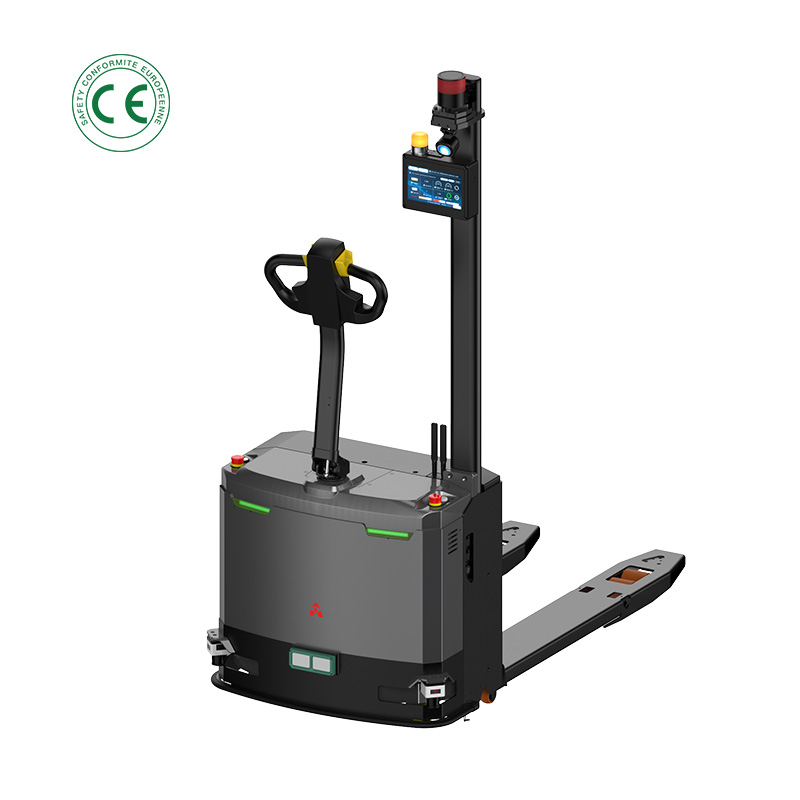
The 2,000 kg laser forklift AGV, the 2,000 kg autonomous stacker and the 1,500–2,000 kg forklift AMR are candidates. Selection depends on fork height, pallet type, aisle width, lift height and whether the task is floor transfer or racking.

What about 480 V power and charging infrastructure?

We provide charger voltage, current and layout requirements for project review. Installation, conduit, disconnects and local code approval must be completed by licensed U.S. electrical professionals. The Philadelphia facility team should confirm sprinkler clearance and ventilation for the charging area.

Can multiple robots be coordinated in one facility?

Yes. An intelligent scheduling system manages the fleet over indoor Wi-Fi, handling task assignment, traffic control and automatic charging through compatible smart docks. Mixed fleets can coordinate jacking robots, stackers and forklift AMRs.

Can you customize a robot for our production line?

Yes. As a manufacturer we customize chassis and top modules such as jacking units, roller conveyors, forklift forks and 6-axis robotic arms to connect directly with production equipment. This is especially relevant for pharma, medical device, PCB and precision assembly projects.

What support is available after the system arrives?

Support can include remote commissioning guidance, documentation, spare-parts planning and acceptance criteria. Onsite service can be arranged through project agreement. For Philadelphia projects, we recommend defining the responsibility matrix with your local integrator, electrical contractor and facility safety team before shipment.

How do we start a Philadelphia project evaluation?

Use the Get Catalog button and share your load profile, CAD or measured layout, throughput target, docking precision, site city and receiving constraints. Our team will recommend a robot configuration, charger plan and export routing options for review.
Send Your Philadelphia Project Details — Get a Catalog and Configuration Review

Share your payload, aisle widths, building location, throughput and docking tolerance. Our engineering team will return a recommended robot mix, charger plan and export routing options for the Philadelphia market.

Get Catalog
Project documentation and technical questions: info@marnixbot.com