Robot Charging Pile Factory & Wholesalers Serving Cebu City
Automatic charging piles, fleet charging strategy and compatible laser SLAM AMR, AGV and autonomous forklift platforms for Cebu warehouses, electronics plants, logistics hubs and system integrators.
8 Robot Platforms That Pair With Automatic Robot Charging Piles
Charging infrastructure should be specified together with the robot, not after the robot has been selected. The eight platforms below show the payload, docking and fleet profiles that determine charging pile layout, queue management and spare-capacity planning for Cebu City projects. All live product URLs are preserved.
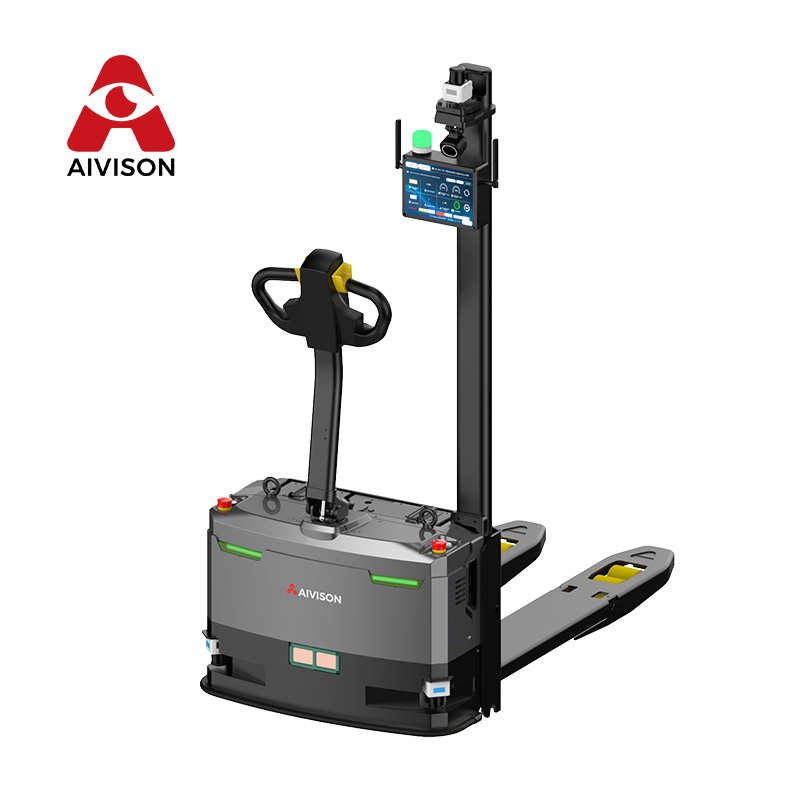
Aivison AGV Forklift High Quality Industrial Unmanned Pallet Forklift
Unmanned pallet handling for repeatable put-away and line feeding. For Cebu warehouses, place opportunity charging near receiving lanes so high-use forklifts top up between missions.
View product
New Warehouse Autonomous Cars agv Robot 2000kg Load Capacity Stacker agv Robot
A 2000 kg stacker AGV for heavier warehouse loads. Charging planning should account for peak stacker duty, battery recovery windows and the number of backup docks.
View product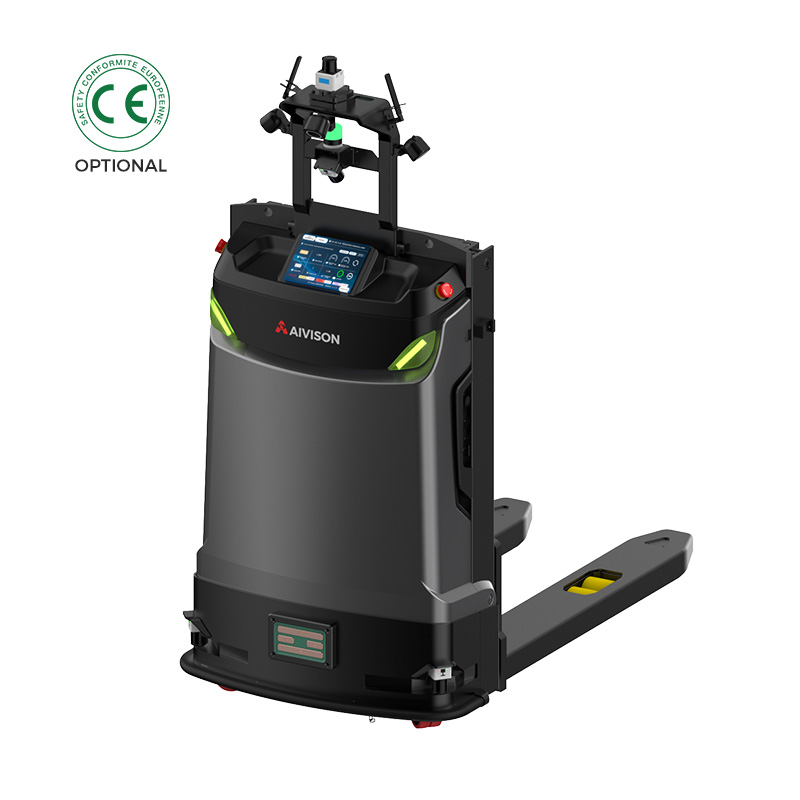
China Factory Automated Mobile Robot SLAM Lifting Wholesale AGV Chassis Vehicle
A configurable SLAM lifting AGV chassis for integrators and OEMs. A strong fit for Cebu system integrators that need a documented base platform and charging interface.
View product
AI-Ready Humanoid Robot Chassis Dual 7-DOF Arms Omnidirectional Drive ROS2 Laser SLAM Open Development Platform
A ROS2-based development platform for advanced automation, education and manipulation pilots. Charging strategy depends on arm duty cycle, test schedules and battery use.
View product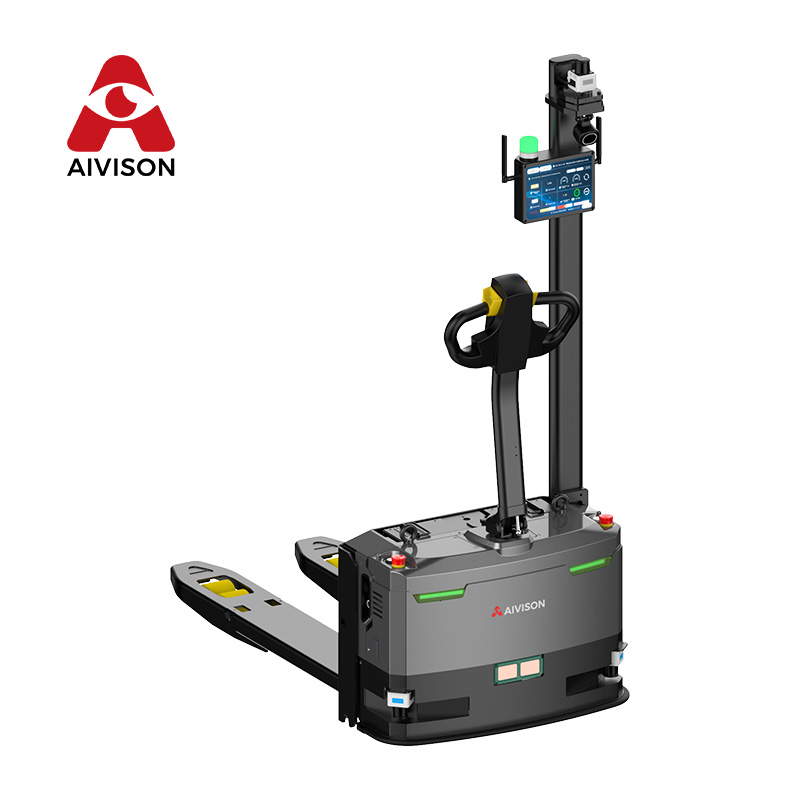
Aivison Stacker Truck Pallet Stacker Forklift Agv 1.5 Ton Autonomous Forklift Smart Deliver AMR Robot
A 1.5-ton autonomous forklift AMR for smart delivery. Well suited to Cebu operations seeking less forklift travel and scheduled automatic recharge.
View product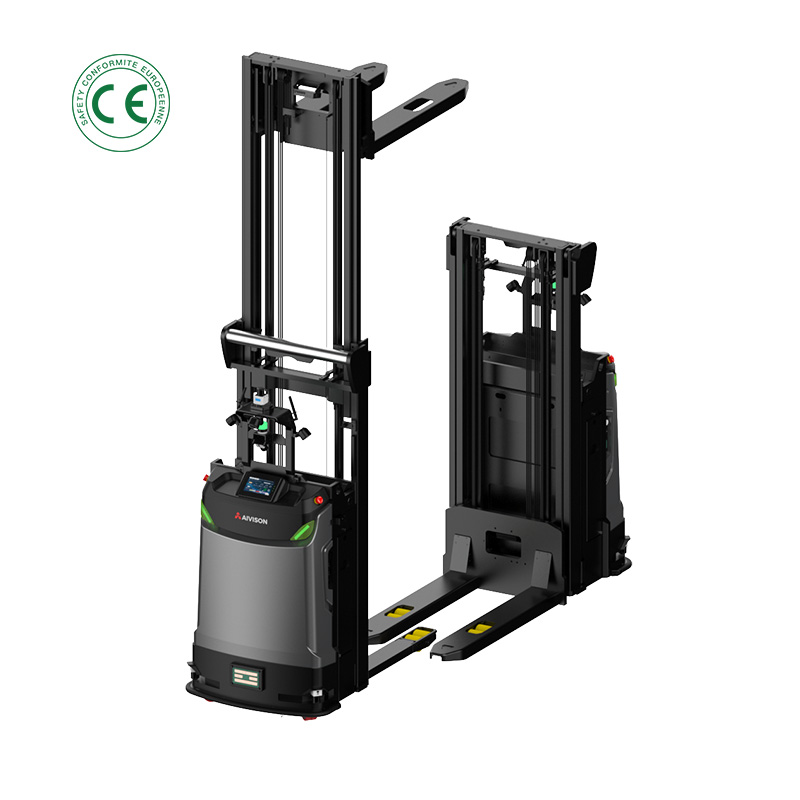
Factory AMR Robot AGV Robot Laser 2000kg Forklift AGV for Industrial Material Handling
A 2000 kg laser forklift AGV for industrial material handling. Charging docks can be planned around aisle ends, transfer stations and high-frequency handover areas.
View product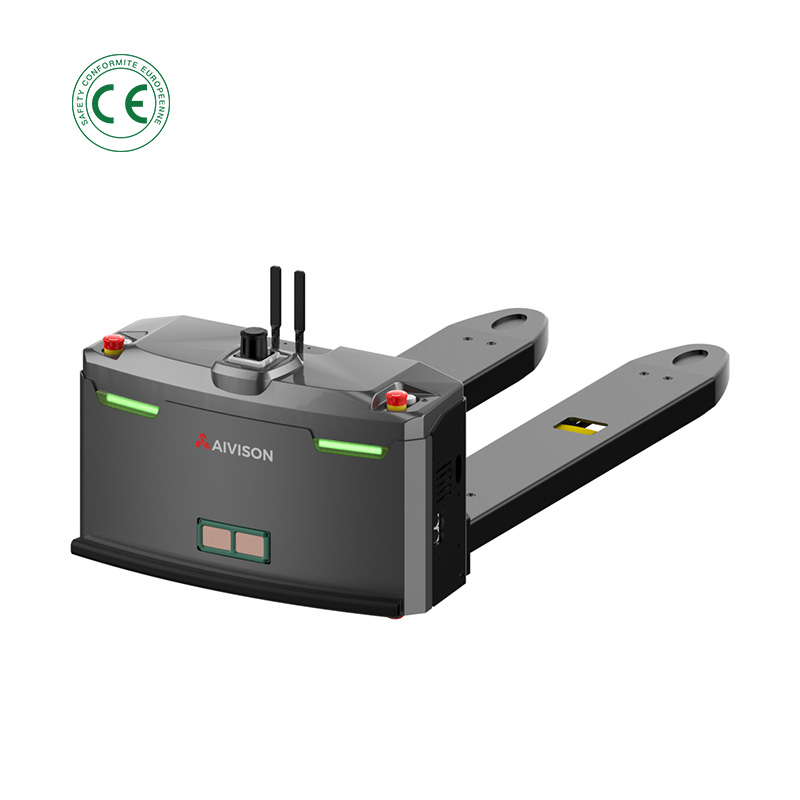
AMR Automated Warehouse Robot Logistics Automatic Industrial Logistics Robots AMR Robot
An AMR for warehouse logistics and repetitive horizontal transport. Use route density, shift patterns and robot count to size the charging pile group.
View product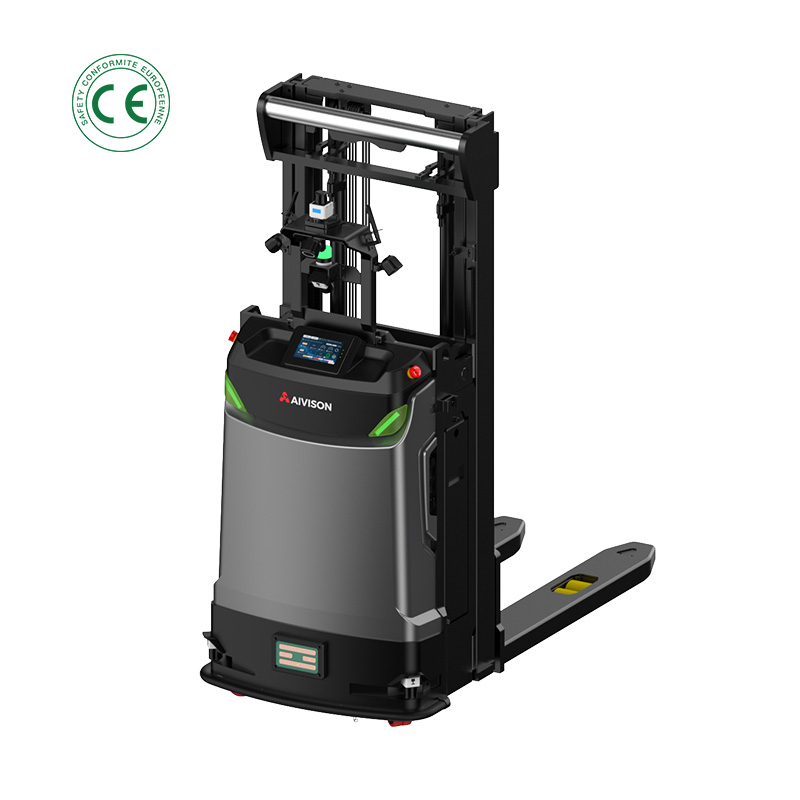
Aivison AMR Robot Whicle Automated Warehouse Automatico agv Logistics Industrial Guided Vehicles
An industrial AMR logistics vehicle for automated warehouse movement. Pair it with fleet scheduling and charging management for multi-robot sites.
View productNeed the charging pile catalog rather than only robot specifications? Use the Get Catalog button and include your robot model, fleet size, facility voltage, shift pattern and discharge port in Cebu.
What Is a Robot Charging Pile, and Why Does It Matter in Cebu City?
In local procurement language, the terms robot charging pile, automatic charging dock, charging station and automatic charging unit are often used interchangeably. In an automated warehouse, they refer to a fixed power and alignment interface that lets an AMR or AGV recharge without a person plugging in a cable. A well-designed charging pile combines mechanical guidance, electrical contacts, battery communication, thermal protection, floor anchoring and a control interface that allows the fleet manager to send a robot to charge when state of charge, queue length or energy schedule makes the most sense.
For Cebu City and the wider Central Visayas industrial corridor, this infrastructure question is important because many facilities are brownfield retrofits. Warehouse teams are adding automation inside existing buildings near Cebu Port, Mandaue, Mactan and nearby logistics areas rather than building new distribution centres from scratch. A charging pile that fits the aisle width, avoids blocking fire exits and supports opportunity charging can reduce the need for spare batteries and keep a smaller fleet productive across two or three shifts.
The charging pile should not be treated as a commodity plug. It is part of the robot’s uptime model. If the dock is poorly positioned, the fleet will spend too much time queueing. If the voltage, current and communication protocol are not matched to the robot, commissioning becomes slow. If the docking tolerance is unrealistic, the robot will need more correction moves. The practical approach is to specify charging infrastructure together with navigation accuracy, payload, route layout and throughput.
Cebu buying signals to clarify before a quotation
Cebu City Applications: From Cebu Port to Mandaue Warehouses
The right charging configuration depends on where robots work, how frequently they return to base and what downtime is acceptable. These four local scenarios are common starting points for wholesalers, plant teams and integrators serving Cebu City.
Port, 3PL and cross-dock
Around Cebu Port and nearby delivery hubs, robots often face peak windows. Place charging piles near dispatch lanes so vehicles can opportunity-charge between container and pallet handovers.
Electronics and precision manufacturing
For electronics and semiconductor-related operations around Mandaue and Mactan, QR-assisted docking can support ±2 mm station accuracy where wafer, rack or carrier handover requires tighter positioning.
Warehouse and distribution
Retail, FMCG and spare-parts warehouses often need narrow-aisle movement. A compact charging pile with clear floor markings and protected cable routing reduces interference with pickers and pallet traffic.
Industrial and export manufacturing
Automotive parts, furniture, food processing and medical device assembly teams can use autonomous forklifts and AMRs for repetitive transfer, with charging schedules aligned to production takt time.
Cebu City Procurement Trends Shaping Charging Decisions for 2025–2026
Brownfield-first automation
Laser SLAM allows routes to be mapped without magnetic tape or reflectors. QR labels are used only where precision docking is needed, which keeps retrofit disruption low.
Energy-aware charging schedules
Fleet managers increasingly want charging decisions based on battery level, queue length and operating peaks, not simply first-come-first-served docking.
Integrator-led deployment
Cebu wholesalers and automation integrators want factory documentation, spare parts and remote engineering support so they can own local commissioning and after-sales relationships.
Safety and mixed traffic
Charging areas must be visible, protected and separated from pedestrian shortcuts where possible. Risk assessment and worker training remain part of the automation project.
Why Cebu Buyers Shortlist Marnix as a Robot Charging Pile Factory
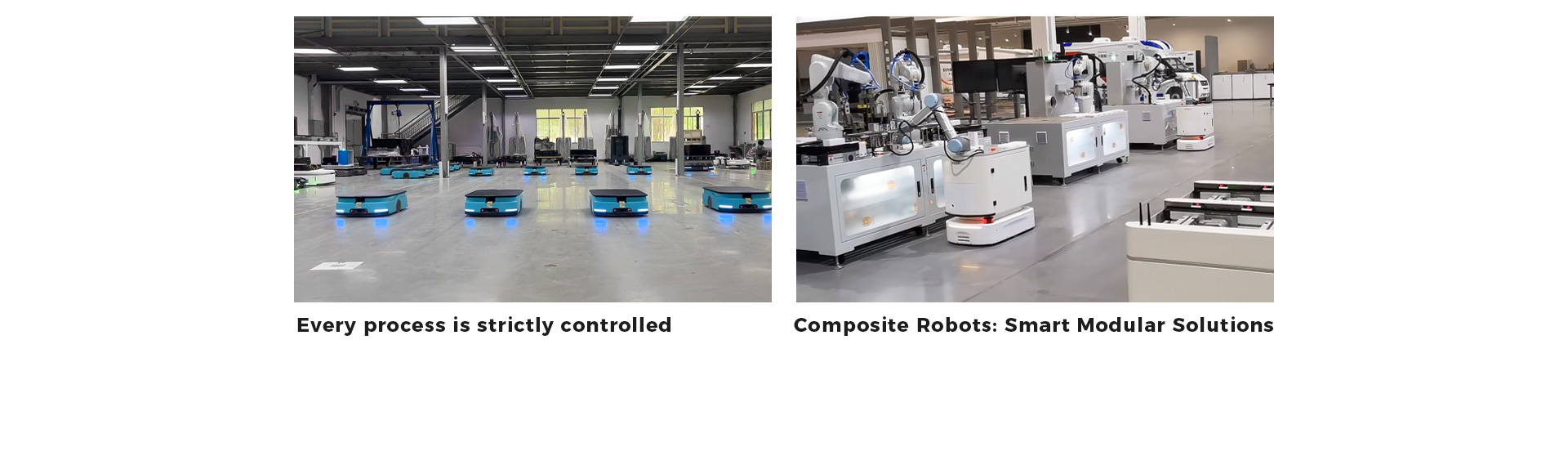
Marnix is a Shenzhen-based manufacturer with about ten years of AGV engineering experience. The company builds laser SLAM AMRs, jacking robots, smart forklifts, composite mobile robots and intelligent charging docks for end users and system integrators. For Cebu buyers, the advantage is not a single component—it is the compatibility between robot navigation, top module, charging dock and fleet scheduling.
Accuracy matched to the task
Laser SLAM on natural features reaches ±5 mm without magnetic tape, reflectors or floor codes. A QR scanning camera raises docking accuracy to ±2 mm, while composite robots with a 6-axis arm reach ±0.05 mm repeatability.
Charging dock designed with the robot
Automatic charging docks are specified together with the AMR or AGV. Fleet software can coordinate task assignment, traffic control and recharge across compatible robots.
Manufacturer-level customisation
Chassis, payload and top mechanisms can be engineered for the process—jacking units, roller conveyors, forklift forks and robotic arms—so the charging workflow fits real production handover points.
Quality protocol before shipment
Multi-stage intelligent inspections and operational stress tests are used to target near-zero failure rates. More than 200 manufacturers across three continents are cited as users of the company’s robots.
Verified credentials
Credentials include an onsite supplier assessment by TÜV Rheinland, a procurement contract with a Fortune 500 company, verified multispecialty supplier status, credit index and transaction records.
Wholesaler and integrator support
OEM and integrator support is available for Cebu wholesalers building repeatable automation offers. Documentation, mixed product sourcing and custom top modules can be discussed during project evaluation.


What Cebu Buyers Should Prepare Before Requesting a Charging Pile Quote
From project experience, these six inputs determine most of the robot and charging-pile configuration. Sharing them early shortens the evaluation from weeks to days.
01 · Load and robot type
State maximum weight, pallet or rack footprint, centre of gravity and whether the robot will be a forklift, jacking robot, pallet AMR or custom chassis.
02 · Floor plan and aisles
Provide a CAD drawing or sketch with aisle widths, doors, slopes, charging zones, fire exits and elevator or lift transfer points.
03 · Throughput and shifts
Share missions per hour, peak periods, current shift pattern and acceptable downtime. These values determine fleet size and charging redundancy.
04 · Electrical supply
Cebu facilities normally plan around 220V/60Hz. Confirm distribution capacity, breaker protection, earthing and the exact location available for charging docks.
05 · Docking precision
Separate general transfer from precision stations. Most routes are fine with ±5 mm SLAM; QR assistance at ±2 mm is reserved for demanding handover points.
06 · Service and spare parts
Clarify who will perform first-line checks, how spare charging contacts will be stored and whether local integrators require remote diagnostics or training.
Robot Charging Pile Questions Cebu Buyers Ask
Practical answers for wholesalers, factory teams and system integrators sourcing robot charging piles and compatible AMR/AGV platforms for Cebu City.
Get CatalogAre you a robot charging pile factory or a trading company?
Marnix is a Shenzhen-based manufacturer of laser SLAM AMRs, jacking robots, smart forklifts, composite mobile robots and intelligent charging docks. The company cites about ten years of AGV engineering experience and supports both end users and system integrators.
Can you supply wholesalers and integrators serving Cebu City?
Yes. Wholesaler and integrator discussions can include OEM/ODM support, custom top modules, mixed product sourcing, documentation and spare-parts planning. Final scope depends on the robot models, charging pile configuration, order structure and after-sales responsibilities agreed for the Cebu project.
What voltage should a charging pile use in Cebu?
Philippine commercial power is commonly planned around 220V/60Hz, but every site should confirm its own distribution, breaker protection, earthing and available capacity. A charging pile quotation should be configured against the actual facility supply rather than assuming a universal voltage setup.
Do charging piles require major floor reconstruction?
No. Standard laser SLAM navigation maps the existing environment and reaches ±5 mm without magnetic tape, reflectors or floor QR codes. QR labels are added only at stations that need ±2 mm docking precision. The charging pile itself still needs a suitable mounting position, cable routing and electrical connection.
How many charging piles are needed for an AMR fleet?
There is no reliable one-ratio answer. The number depends on mission frequency, battery capacity, opportunity charging strategy, peak traffic, shift length and required redundancy. A proper calculation models state of charge over time and checks whether robots queue at the dock during busy periods.
Will coastal humidity in Cebu affect charging equipment?
Coastal and humid environments deserve specific attention. Buyers should confirm ingress protection, ventilation, contact materials and inspection intervals with the factory. For facilities near the coast, a project-specific environmental review is more useful than a generic indoor specification.
How are charging docks coordinated with multiple robots?
An intelligent scheduling system can manage the fleet over indoor Wi-Fi, handling task assignment, traffic control and automatic charging with compatible smart charging docks. The dock layout and traffic rules should be designed together with the route map.
Can robot top modules be customised for our production line?
Yes. As a manufacturer, Marnix customises chassis and top modules such as jacking units, roller conveyors, forklift forks and 6-axis robotic arms to connect with production equipment. This is relevant for Cebu integrators building repeatable solutions for local factories.
How does shipping to Cebu work?
Equipment can be planned for sea freight to Cebu Port or air freight through Mactan-Cebu International Airport, depending on urgency and scope. Production slot, packing, customs documentation, duties and final delivery terms should be confirmed in the commercial quotation.
How do I get a robot charging pile catalog and project recommendation?
Use the Get Catalog button and include your application, robot type, fleet size, load, floor plan, throughput target, electrical supply, docking accuracy requirement and discharge port in Cebu. That information allows the factory to recommend a charging pile and robot configuration instead of sending a generic brochure.
Request a Cebu-Ready Robot Charging Pile Catalog
For wholesalers and integrators serving Cebu City, share your target robot model, fleet size, facility voltage, shift pattern, destination port and whether your project needs autonomous forklifts, SLAM AMR platforms, jacking robots or composite mobile robots. The factory can then return a focused configuration discussion for the charging pile and robot ecosystem.