Kyoto Market • Charging Dock + Fleet Infrastructure

Robot Charging Dock Exporter & Wholesalers Serving the Kyoto Market

Export-grade charging infrastructure, fleet scheduling, and dock-compatible AMR/AGV platforms for Kyoto manufacturers, logistics operators, hospitals, retailers, and system integrators.

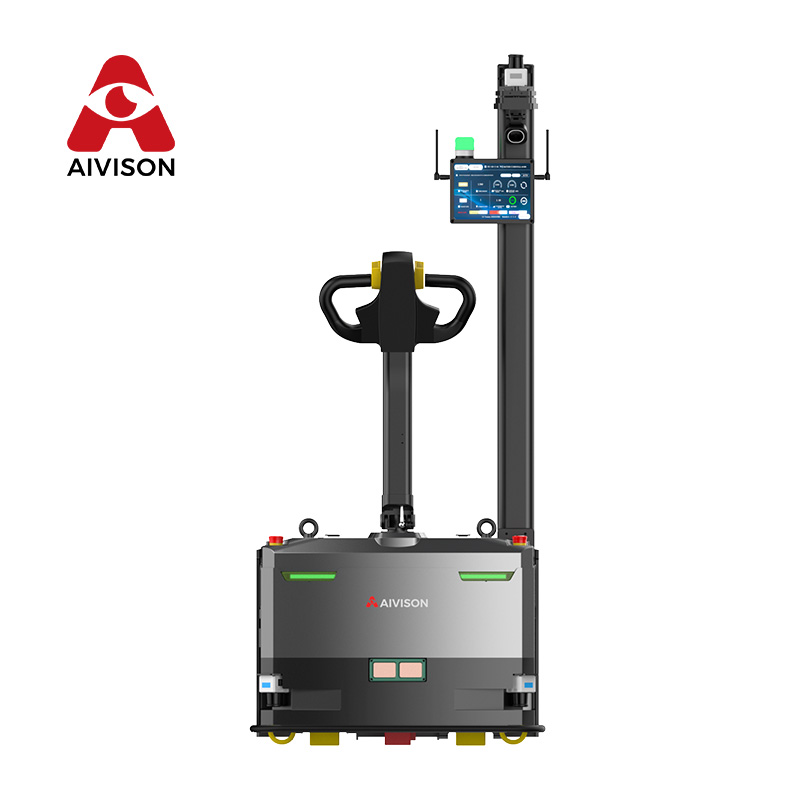
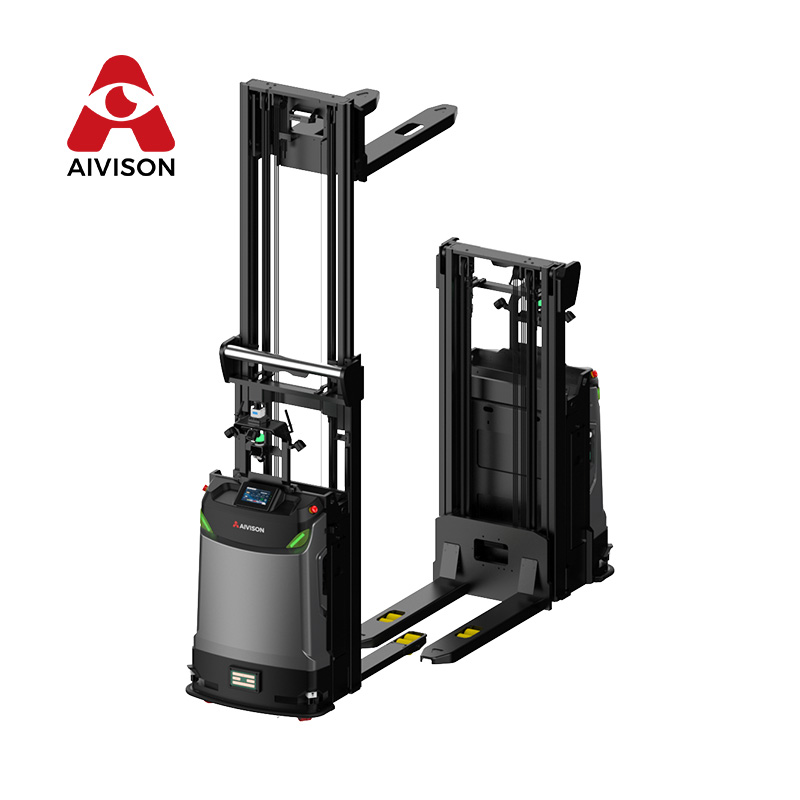
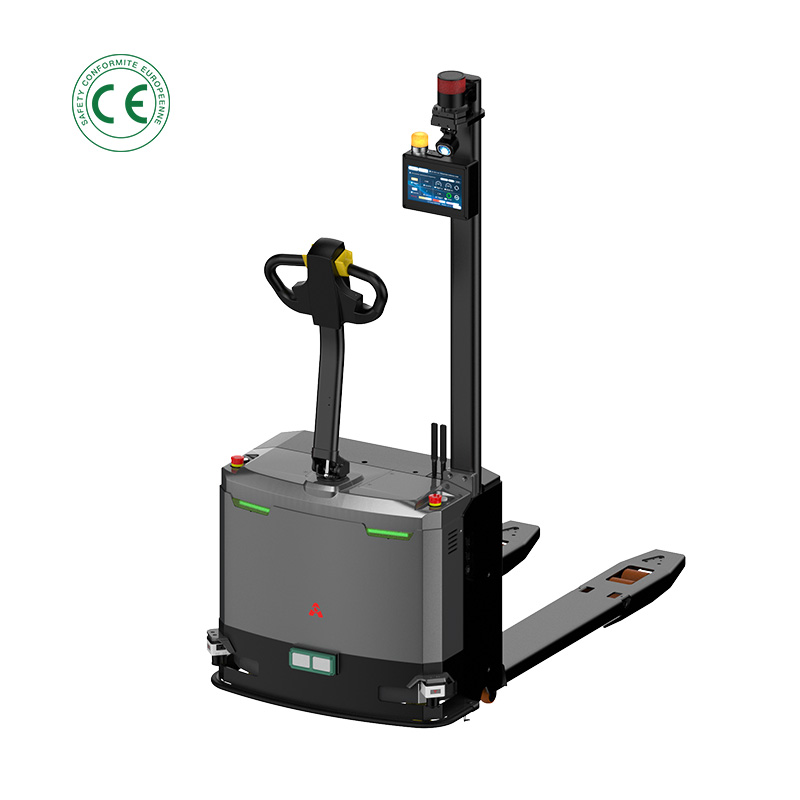
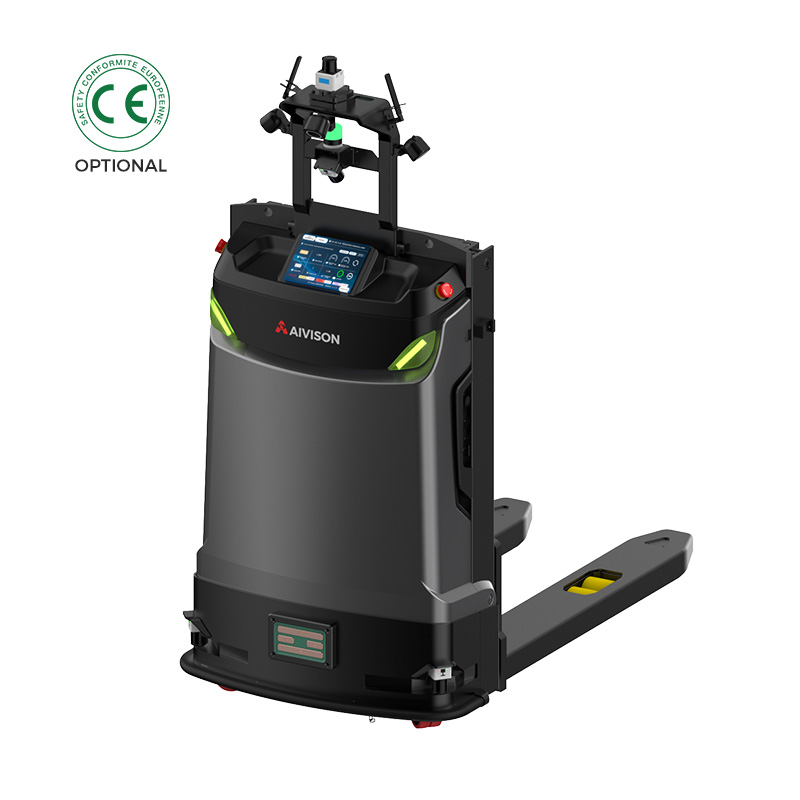
Dock-Compatible Platforms

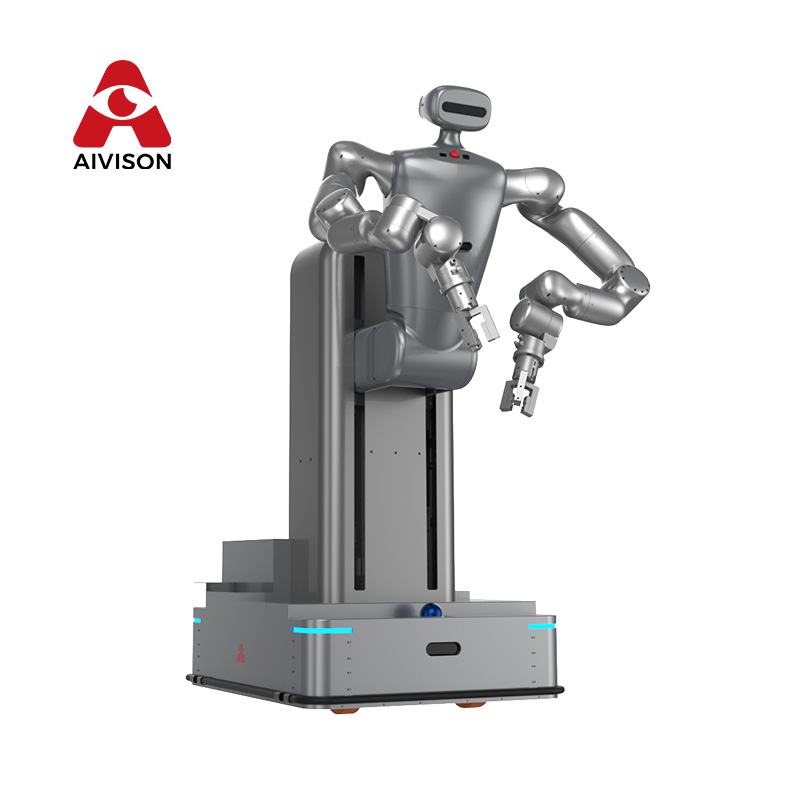
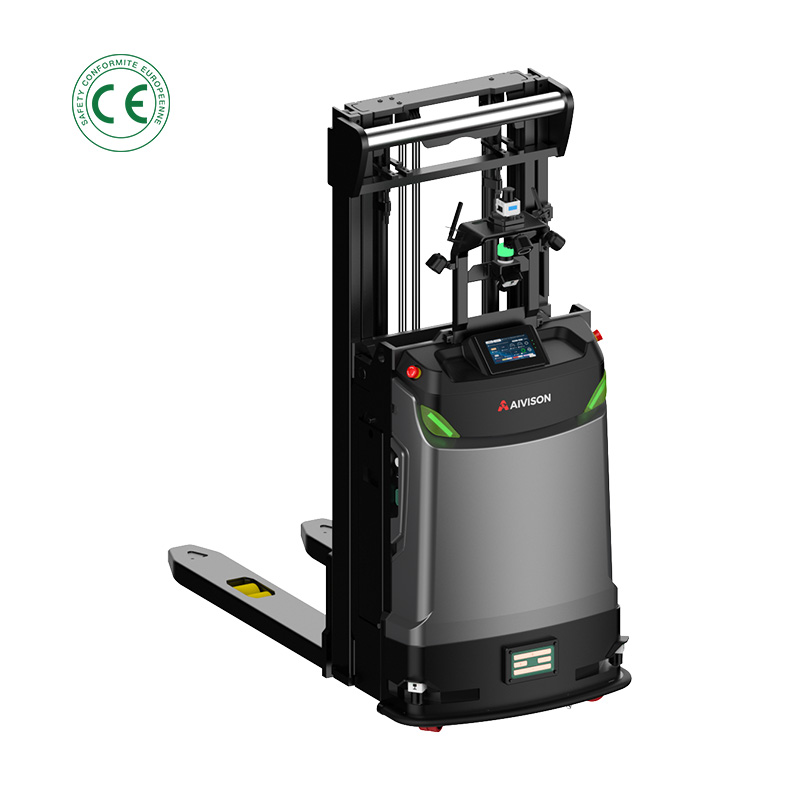
Eight Robot Platforms for Charging-Dock-Based Kyoto Automation

The robot and the charging dock must be engineered as one operating system. These eight platforms cover intralogistics, high-precision docking, pallet movement, humanoid service, and custom mobile automation. Product URLs are preserved for direct specification review.

Need a charging dock specification matched to one of these platforms or to a mixed fleet?

Get a Quote
Executive Context

Charging Infrastructure Is the Hidden Uptime Variable in Kyoto Robot Projects

Kyoto buyers rarely need another generic robot catalogue. They need confidence that an autonomous fleet can complete a full shift, recharge without blocking a narrow aisle, and fit the electrical and safety constraints of an existing building. A charging dock is not a peripheral accessory. It defines how often a robot can work, where it must stop, how many vehicles are required to hit a takt target, and how much electrical capacity the site must reserve.

That is why the role of a Robot Charging Dock Exporter & Wholesalers serving the Kyoto market is part hardware supply, part application engineering, and part documentation control. Shenzhen Marnix Intelligent Technology Co., Ltd. approaches the project from the robot side first: what payload, route, docking tolerance, shift pattern, and manual intervention are required? From that baseline, the charging dock, fleet scheduler, battery strategy, and spare-parts plan can be sized with far less guesswork.

Marnix draws on about ten years of AGV engineering experience and supplies laser SLAM AMRs, jacking robots, smart forklifts, composite mobile robots, and compatible intelligent charging docks. The portfolio reaches ±5 mm laser SLAM navigation, ±2 mm QR-assisted docking, and ±0.05 mm composite-robot repeatability where the application justifies it. For Kyoto, that precision range matters because one site may contain a high-shelf store, a handover aisle, and a clean assembly zone with three different charging and docking requirements.

±5 mmLaser SLAM navigationNatural-feature mapping without floor tape, reflectors, or full-site QR grids.
±2 mmQR-assisted dockingAdd precision only at stations where handover tolerances require it.
±0.05 mmComposite repeatabilityFor integrated arm and process modules in advanced production cells.
200+Manufacturers servedAcross three continents, including end users and system integrators.
Procurement Standards

What Kyoto Procurement Teams Should Demand from an Exporter or Wholesaler

Charging hardware is easy to list and hard to specify well. The difference between a reliable fleet and an expensive pilot is usually found in electrical fit, duty-cycle planning, safety governance, and documentation.

Electrical Fit for the Site

Confirm the available supply, grounding, breaker capacity, charging-room ventilation, and local electrical approval route. In Japan, 100 V and 200 V services, PSE-related requirements for applicable equipment, and building fire-safety rules can change the dock layout. The quotation should identify what the exporter supplies and what the local electrical contractor must verify.

Duty-Cycle Transparency

Ask for energy consumption per mission, usable depth of discharge, charge time, opportunity-charging assumptions, and peak-window behavior. A dock plan that works on paper but ignores lunchtime peaks, shift changes, or cold-storage derating will create hidden queueing and idle robots.

Safety and Mixed Traffic

Kyoto facilities often combine robots, pedestrians, pallet trucks, and visiting contractors. Require a clear account of obstacle detection, emergency stop, dock approach speed, floor marking, charging-cable management if used, and responsibility boundaries between the robot supplier and the site operator.

Documentation and Lifecycle

Bilingual or translation-ready electrical drawings, interface documents, preventive-maintenance intervals, spare-parts lists, warranty terms, and escalation contacts matter more than a glossy brochure. Kyoto integrators need documents that can be reviewed by the end user’s safety, facilities, and procurement teams.

Localized Applications

Charging Docks and Mobile Robots in Kyoto Operating Environments

Kyoto is not a single industry. Precision equipment, electronic components, ceramics, food and beverage, pharmaceuticals, logistics, and tourism-facing retail each impose a different physical envelope on automation.

Precision Equipment and Electronics

High-mix production cells often need clean, repeatable handovers. Use natural-feature SLAM for transport and add QR-assisted docking only at process stations that require ±2 mm. Place charging docks away from sensitive metrology areas to reduce electromagnetic and traffic disturbance.

High-Mix, Low-Volume Workshops

When layouts change with product families, a fixed conveyor or floor track becomes a liability. Laser SLAM retains route flexibility, while movable charging positions can be re-mapped when a line is reconfigured. This is a practical advantage for smaller Kyoto workshops with constrained expansion space.

Food, Beverage, and Traditional Manufacturing

Cleanability, dust control, and quiet operation become primary requirements. Charging docks should sit outside splash zones and washdown areas, with cable management and floor markings that do not conflict with hygiene routines. The robot should not create a new contamination trap around its charging interface.

Medical Devices and Pharmaceutical Support

Material transfer, sample movement, and sterile-area logistics need traceability and controlled docking. Composite mobile robots can combine autonomous movement with a 6-axis arm for higher-repeatability station handover. Charging placement, cleaning access, and alarm escalation should be reviewed with the quality team before installation.

Warehouse and Distribution Transfer

Pallet movement and line replenishment can use smart forklifts or heavy-load AGVs. The dock plan must account for outbound peaks, shift overlaps, and battery opportunity windows. For mixed fleets, an intelligent scheduling system coordinates task assignment, traffic control, and automatic charging through compatible smart docks.

Hospitality, Retail, and Showrooms

Kyoto’s visitor-facing economy creates demand for guided service robots, retail assistance, and back-of-house delivery. The charging dock should be visually discreet, protected from public contact, and positioned so that recharging does not interrupt the guest experience or block emergency egress.

Localized Trends

Kyoto Automation Trends Reshaping Charging Dock Procurement

Demand for autonomous equipment is being driven less by novelty and more by labor availability, building constraints, delivery pressure, energy governance, and the need for retrofittable automation.

Labor Availability and Logistics Pressure

Japan’s logistics sector has been preparing for stricter driver working-hour rules since April 2024, increasing pressure on warehouses and distribution centers to raise throughput without proportional headcount growth. Unattended charging and predictable fleet availability become part of the productivity case, not an afterthought.

Retrofit-First Automation

Existing buildings and constrained sites favor systems that do not require floor tracks, extensive reflectors, or major rework. Standard laser SLAM maps natural features; QR labels are limited to precision stations. Charging docks can be planned as compact, serviceable stations rather than a dedicated new room whenever site conditions allow.

High-Mix Production and Redeployability

Kyoto producers often run multiple product families on shared floors. A robot fleet must be re-taskable, and charging infrastructure must support redeployment without a new construction project. Fleet software, dock mapping, and modular top mechanisms reduce the cost of changing a route or process interface.

Energy and Safety Governance

Peak-load control, charger placement, battery management, ventilation, and emergency procedures increasingly sit inside the facilities team’s approval process. Charging schedules should be designed with the site’s electrical capacity and fire-safety plan, not added after the robot purchase order is issued.

Typical Kyoto Project Weighting

Qualitative procurement weighting based on constrained-site automation projects. It is a planning prompt, not a market forecast or a substitute for site data.

Space efficiency
High
Electrical readiness
High
Fleet uptime
High
Docking precision
Medium+
Specification Method

How to Specify a Charging Dock for a Kyoto Facility

Start with the operating rhythm of the material flow. A dock count based only on “number of robots” is usually wrong because it ignores peak windows, charge acceptance, travel time, and the consequence of a robot waiting in a queue.

01

Map Missions and Energy

Record route length, payload, lift frequency, waiting time, acceleration demands, temperature, and daily mission count. Convert these into energy demand per shift, including a realistic margin for congestion and route changes.

02

Size Docks by Energy, Not by Vehicle Count

Estimate total fleet energy demand, usable charge delivered per dock in the same window, and redundancy for peak periods. Then decide whether the site needs opportunity charging, overnight charging, or a hybrid schedule.

03

Place Docks Around Traffic and Safety

Keep approach lanes clear, avoid blocking fire egress, separate charging from high-traffic handover points, and confirm servicing access. For public-facing sites, locate docks in back-of-house areas where visitors cannot interfere with charging.

04

Validate Electrical and Documentation Scope

Confirm supply voltage, breaker and grounding requirements, ventilation, local electrical approval, PSE-related obligations where applicable, and the division of responsibility between Marnix, the Kyoto integrator, and the site’s electrical contractor.

Planning formula: estimated charger count = total robot energy demand per operating window ÷ usable energy delivered by one dock in that window, then add redundancy for shift changes, peak throughput, maintenance, and future fleet growth.
Enterprise Advantages

Why Marnix Is a Practical Partner for Kyoto Integrators and Wholesalers

Shenzhen Marnix Intelligent Technology Co., Ltd. is a Shenzhen-based manufacturer of laser SLAM autonomous mobile robots, jacking robots, smart forklifts, composite mobile robots, and intelligent charging docks. For Kyoto buyers, the value is not only the hardware catalogue; it is the ability to combine navigation, fleet scheduling, custom top modules, and export support in one engineering conversation.

About Ten Years of AGV Engineering

Practical experience across mobile robot design, navigation integration, fleet scheduling, and factory deployment support.

Independent Verification

Onsite supplier assessment by TÜV Rheinland, plus trade history showing a procurement contract with a Fortune 500 company and supply to more than 200 manufacturers across three continents.

Charging and Fleet Coordination

Compatible smart charging docks can be coordinated with an intelligent scheduling system over indoor Wi-Fi for simultaneous task assignment, traffic control, and automatic recharge.

Precision Without Full Floor Rework

Laser SLAM reaches ±5 mm on natural features without auxiliary tracks or full-site QR codes. Add a QR scanning camera for ±2 mm docking where the process requires it, or a composite arm solution for ±0.05 mm repeatability.

Manufacturer-Level Customization

Chassis, payload, jacking units, roller conveyors, lift forks, and 6-axis robotic arms can be engineered around the production interface rather than forcing the process to fit a standard robot.

Export and Wholesale Support

Marnix supplies end users and system integrators, with OEM and integrator support for mixed fleets, custom modules, documentation packages, and international shipment planning.

Shenzhen Marnix Intelligent Technology mobile robot manufacturing and engineering facility Marnix mobile robot quality control, testing, and factory verification
Kyoto Buyer FAQ

Robot Charging Docks, Import, Voltage, and Support Questions

These are the questions most frequently raised by Kyoto manufacturers, logistics operators, and integrators evaluating a charging dock exporter or wholesale partner.

Are you an exporter or a local wholesaler for Kyoto buyers?

Marnix is a Shenzhen-based manufacturer and exporter. Kyoto buyers can source directly from the factory or through a local system integrator or wholesale partner. The commercial route depends on who will handle electrical installation, commissioning, local service, and spare-parts inventory. For direct export, shipment and delivery terms can be quoted against the final project scope rather than assumed from a standard product page.

Can the charging dock be configured for Japan’s 100 V or 200 V electrical environment?

The charging dock specification must be matched to the actual site supply, not to a generic country label. Before quotation, confirm voltage, phase, breaker capacity, grounding, circuit separation, ventilation, and the space available for a local electrical contractor to complete the connection. PSE-related requirements may apply to applicable electrical equipment, and building fire-safety rules can affect charger placement. Marnix can supply the robot and dock scope; local electrical approval and installation should be confirmed by a qualified Japanese contractor.

Do I need to modify my factory floor to use Marnix AMRs and charging docks?

Standard laser SLAM navigation maps existing natural features, so magnetic tape, reflectors, and full-site floor QR codes are not normally required. QR labels may be added only at stations where ±2 mm docking precision is needed. For the charging dock, the floor should be level enough for repeatable alignment, and the approach lane must remain clear of stored goods. This is a much smaller scope than installing a fixed conveyor or rail system, but it is still site-specific engineering.

How many charging docks do I need for a multi-robot fleet?

Do not calculate dock count from robot count alone. Estimate total energy demand per shift, usable energy delivered by one dock during the same window, queue tolerance, peak-period redundancy, and future fleet growth. A site with generous overnight charging may need fewer docks than a site running opportunity charging during two or three shifts. The correct answer comes from mission data: route length, payload, lift frequency, waiting time, and shift pattern.

Can multiple robots share one charging dock?

Yes, where the dock and fleet scheduling are designed for shared use. The scheduling system can coordinate task assignment, traffic control, and automatic charging, but the layout must provide a safe queueing area if two robots arrive close together. For high-utilization fleets, the more important question is whether the charger capacity and approach space can absorb peak demand without blocking production aisles.

What navigation accuracy can be configured for Kyoto projects?

Laser SLAM on natural features can achieve ±5 mm positioning without auxiliary tracks or reflectors. A QR code scanning camera can raise docking accuracy to ±2 mm at selected stations. Composite mobile robots with a 6-axis arm can reach ±0.05 mm repeatability for specialized production handover. The correct choice is the lowest-cost configuration that meets the process tolerance, because over-specifying precision can add unnecessary site work.

How do you handle CE claims, PSE-related requirements, and documentation for a Kyoto project?

Certification scope depends on the final product configuration, options, and destination. Where a product is described as CE-certified, the applicable configuration and documentation should be confirmed in the quotation. For Japan, CE marking alone does not replace local electrical requirements. Provide the site voltage and installation plan so that the dock power interface, local contractor scope, and documentation package can be reviewed before shipment.

Can Marnix customize the robot or charging interface for a Kyoto integrator?

Yes. As a manufacturer, Marnix customizes chassis and top modules including jacking units, roller conveyors, lift forks, and 6-axis robotic arms to connect with production equipment. Charging interfaces, fleet software, and documentation requirements should be defined during the engineering review because a non-standard top module can change the robot’s energy profile, center of gravity, and safe charging position.

What information should I provide for a useful quotation?

Send the payload and load footprint, site layout or aisle width, daily mission target, shift pattern, required docking precision, existing voltage and grounding, Wi-Fi coverage, handover equipment, and the intended commercial route: direct end user, system integrator, or wholesaler. Photographs or a CAD sketch of the proposed charging area are especially useful. With those inputs, the robot and dock configuration can be evaluated together rather than quoted as disconnected line items.

How do I start a Kyoto-specific project evaluation?

Use the quote button on this page and include “Kyoto charging dock project” in your message. State whether you need a standalone intelligent charging dock, a complete AMR or AGV fleet, or a wholesale/integrator package. Marnix can then respond with the appropriate product configuration, documentation request, and next engineering steps. For general correspondence, the company email is info@marnixbot.com.
Request a Kyoto-Specific Charging Dock and Robot Fleet Quotation

Share your layout, payload, shift pattern, voltage, docking tolerance, and expected throughput. The reply should be a configuration path, not a generic catalogue link.

Supplier: Shenzhen Marnix Intelligent Technology Co., Ltd.Email: info@marnixbot.comScope: charging docks, AMR/AGV platforms, fleet scheduling, OEM support
Get a Quote