OEM/ODM AMR Fleet Management Manufacturer & Suppliers serving the Palembang market
Laser SLAM autonomous mobile robots, jacking robots, smart forklifts and composite mobile platforms engineered in Shenzhen for Palembang warehouses, ports, factories and system integrators—with ±5 mm navigation, ±2 mm QR docking and ±0.05 mm robotic-arm repeatability.
8 AMR Products for Palembang Fleet Projects
Start with a proven platform, then customize the top module, navigation package and fleet workflow. Every product link below preserves the original catalog URL for engineering review and quotation.
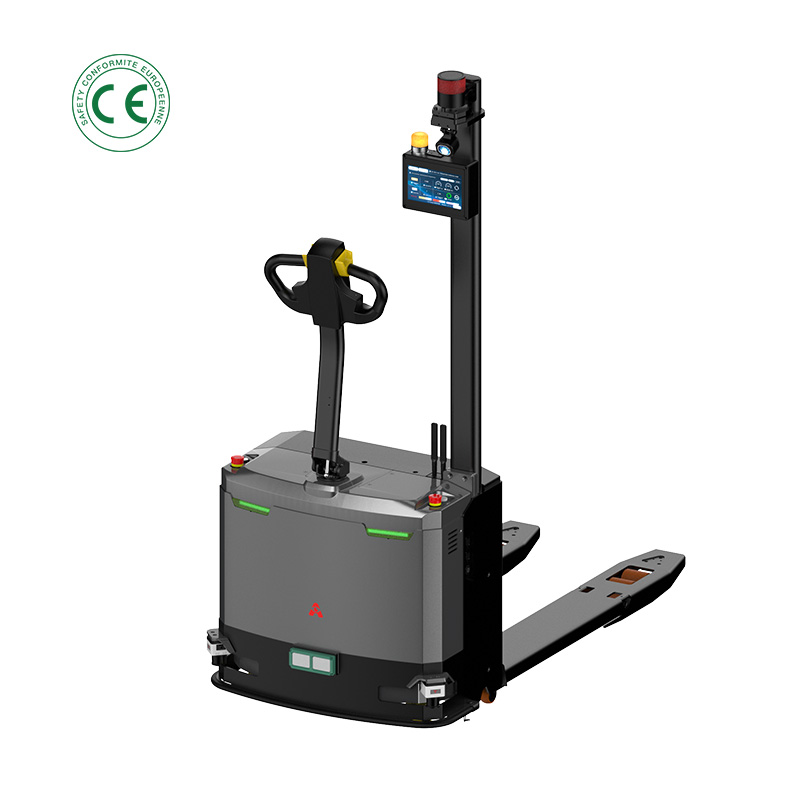
Autonomous Mobile Robot AMR AGV Forklift Pallet Stacker CE Certificate for Smart Warehouse and Production Line Automation
CE-certified pallet stacker platform for automated put-away, line-side delivery and dispatch staging in Palembang distribution centers.
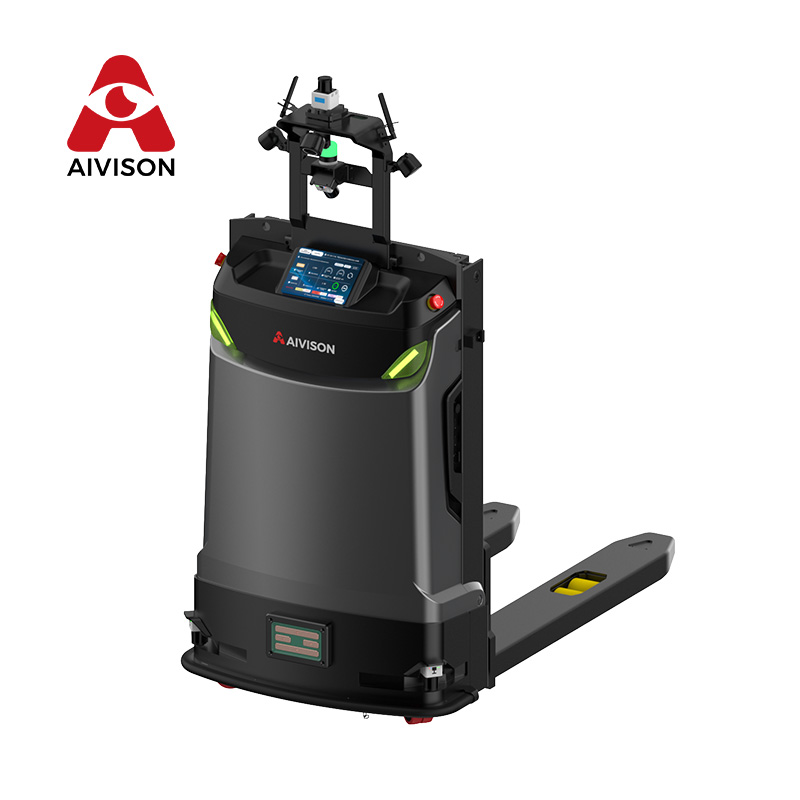
AGV AMR Autonomous Forklift Smart Version Auto Mobile Transfer Stacker Robot
Smart autonomous forklift for repeated pallet transfer, trailer loading support and stacker tasks where labor flexibility matters.
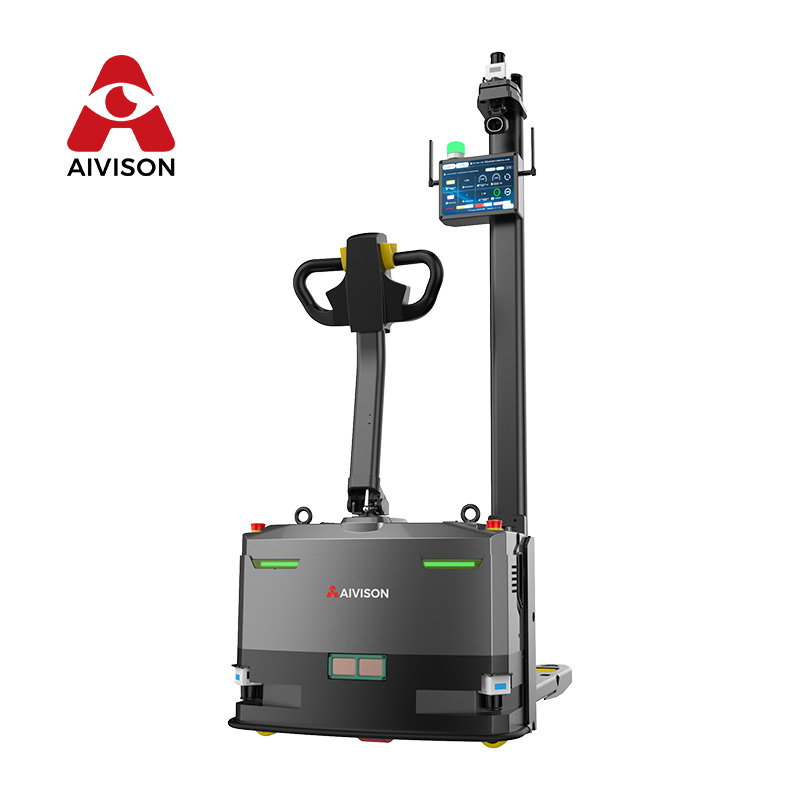
Customizable 1500KG Traction Capacity AGV Autonomous Mobile Robot Amr with Lidar Guided Sensor
Customizable 1,500 kg traction platform for material trains, carts and bin movement across mixed-traffic warehouse floors.
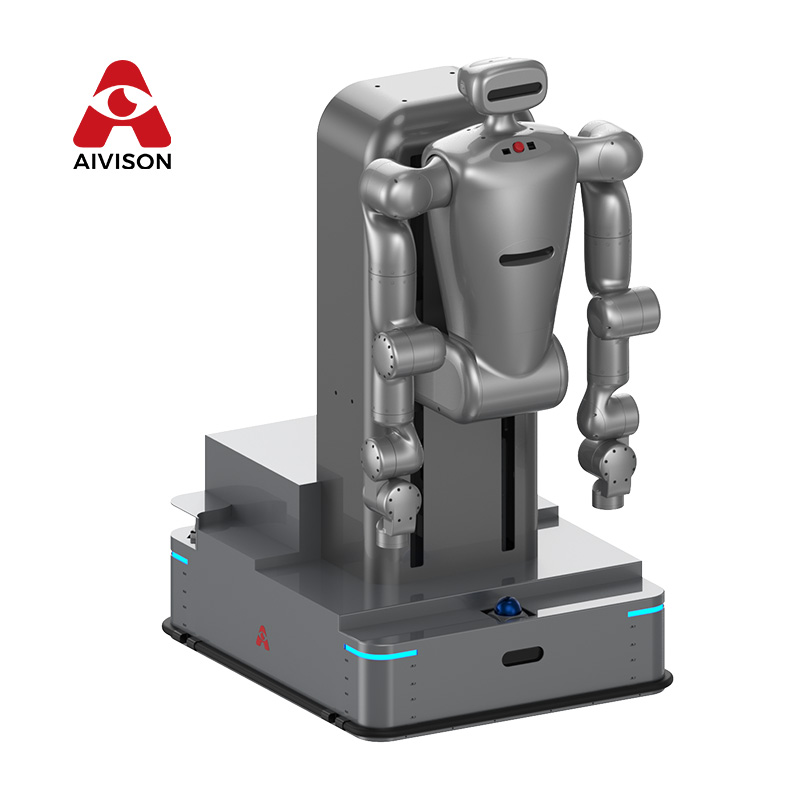
Omnidirectional Mobile Manipulator AMR Dual 7-DOF Arms ±0.03 mm Repeatability Laser SLAM Humanoid Robot Base
High-precision mobile manipulator for integrators building flexible assembly, inspection and machine-tending cells.

Omnidirectional Humanoid Robot Chassis Dual 7-DOF Arms Laser SLAM Autonomous Warehouse AMR Mobile Platform
Humanoid chassis and mobile platform for OEM/ODM projects that need an open base for arms, sensors and end effectors.
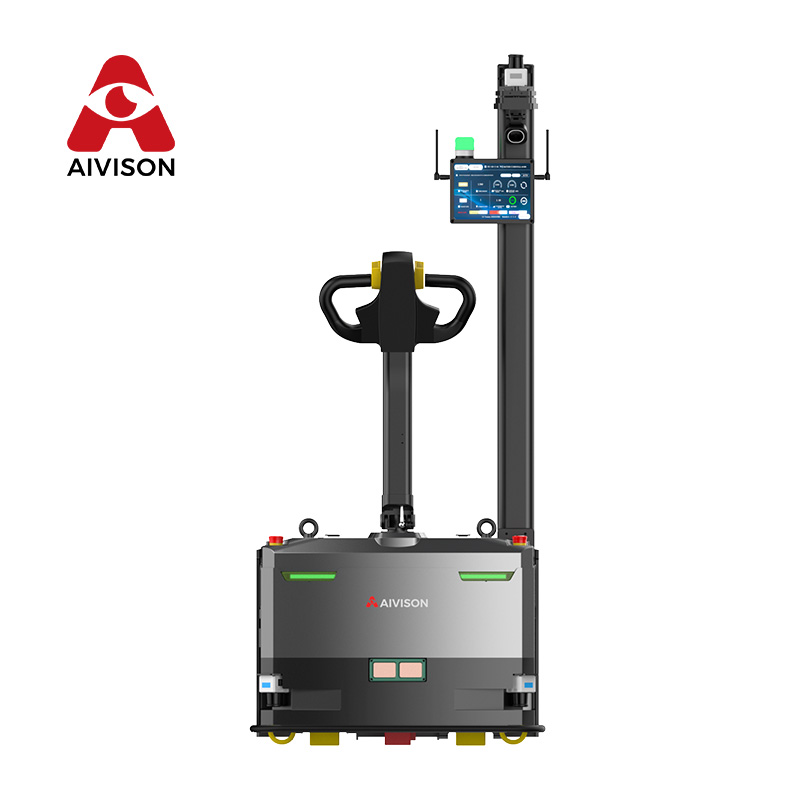
China Factory Movable Pallet Agv Robot Rack Shelf for Intelligent Robot Warehouse
Movable pallet rack platform for flexible staging, goods-to-person picking and reconfigurable warehouse layouts.
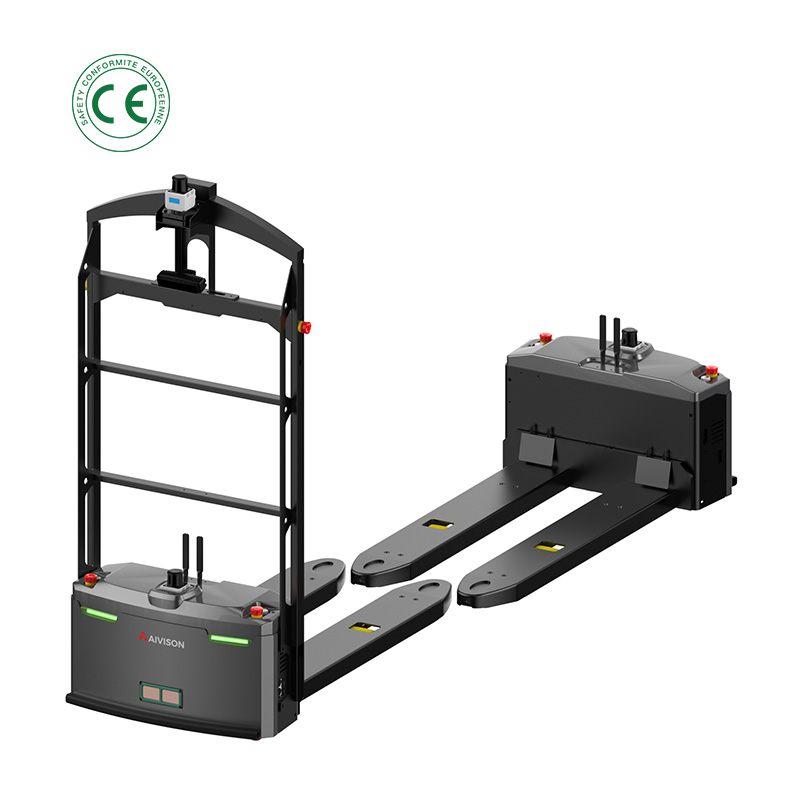
Aivison Customized 800kg Warehouse AGV Robot Lithium Battery AMR
Customized 800 kg warehouse AMR with lithium battery for compact distribution and light manufacturing logistics.

Laser SLAM Navigation Automated Guided Vehicle Forklift agv 1500kg Load Capacity
Laser SLAM automated guided forklift with 1,500 kg capacity for pallet handling in warehouses and production areas.
Why Palembang Buyers Should Specify Fleet Management, Not Just One AMR
Palembang is the logistics and processing gateway of South Sumatra. Its warehouses, ports, food and beverage distributors, rubber and palm-oil supply chains, fertilizer and building-material traders, retail networks and industrial estates all share a common challenge: material flow must become more predictable without rebuilding the floor or stopping operations.
A single autonomous mobile robot can demonstrate automation, but a production or distribution site rarely achieves stable throughput from one isolated unit. The real gain comes from OEM/ODM AMR fleet management: task assignment, route planning, traffic control, charging strategy, safety zones, docking precision and integration with WMS, ERP, MES or line equipment. In mixed traffic, one poorly planned charging rule can idle an entire aisle; one over-specified navigation requirement can add unnecessary floor labels and commissioning time.
For Palembang integrators, OEM/ODM support matters because every site is different. Older concrete floors, expansion joints, ramps, open loading bays, high humidity, variable Wi-Fi coverage and mixed forklift traffic require a robot platform that can be configured rather than forced into a standard specification. We help buyers match laser SLAM navigation, QR-assisted docking and top-module customization to the exact station—so the fleet performs at the pallet, line-side, cold-chain or high-bay interface where the value is created.
Fleet Design Inputs That Change ROI
Where AMR Fleets Create Immediate Value in Palembang
Use local operating conditions to choose the right platform, safety strategy and charging model.
Port-Adjacent and 3PL Pallet Flow
For facilities serving Boom Baru, Kertapati and the wider Tanjung Api-api corridor, AMRs can move pallets between receiving, staging and dispatch while reducing empty forklift travel and improving trailer turnaround visibility.
Food, Beverage and Cold-Chain Distribution
AMRs support repetitive case and pallet transfer, staging by route and end-of-line palletizing interfaces. For chilled environments, battery behavior, condensation protection and charging placement must be reviewed during the site survey.
Rubber, Palm Oil, Fertilizer and Building Materials
Heavy bags, drums and palletized raw materials benefit from tugger-style AMRs, pallet forklifts and custom racks. Duty cycles, dust, floor load limits and outdoor-to-indoor transfer points should be defined before selecting payload capacity.
Retail, E-commerce and FMCG Distribution
Goods-to-person racks, movable pallet shelves and light AMR platforms reduce walking and increase picking density in urban Palembang warehouses where floor space is tight and order profiles vary by promotion cycle.
Electronics, Appliance and Auto-Parts Manufacturing
Line-side replenishment, WIP transfer and finished-goods movement can be coordinated through Wi-Fi fleet scheduling. Where machine docking demands tighter precision, QR-assisted positioning upgrades a standard ±5 mm SLAM platform to ±2 mm.
High-Bay Warehouse and Line-Side Replenishment
Pallet stackers, jacking robots and QR code cameras support high-shelf storage, rack pick-up and precise handover. The objective is not maximum speed—it is repeatable cycle time, safe traffic control and continuous charging.
What Is Changing in Palembang and South Sumatra Automation
Procurement decisions are shifting from single-machine trials to measurable, expandable fleet programs.
Labor Flexibility and Shift Stability
Distribution and manufacturing teams want to protect output during peak seasons, shift changes and recruitment gaps. AMRs handle repetitive transfer so people can focus on exception handling and quality.
Indonesia 4.0 and Digital Traceability
WMS, ERP and MES integration is becoming a buying criterion. Fleet software must expose task status, robot location, charging state and exception data in a form that local integrators can connect.
Mixed Fleets Instead of Single Robots
Jacking robots, pallet forklifts, tugger AMRs and composite arms are increasingly combined. A shared navigation core and scheduler reduce spare-part complexity and protect future expansion.
Local Support and Procurement Readiness
Palembang buyers increasingly ask for commissioning support, spare-parts planning, training and clear documentation. Import, tax, TKDN and site-safety requirements should be confirmed with local advisors before final selection.
Match Precision to the Station, Not the Brochure
Over-specifying precision adds cost and commissioning time. Use the lightest navigation package that reliably meets the handover point.
| Configuration | Accuracy | Floor Setup | Best Fit |
|---|---|---|---|
| Laser SLAM with natural features | ±5 mm | No magnetic tape, reflectors or floor QR codes | Warehouse transfer, line-side delivery, pallet staging and layout changes |
| SLAM plus QR code camera | ±2 mm | QR labels only at precision stations | High-shelf docking, machine tending and exact pallet handover |
| Composite robot with 6-axis arm | ±0.05 mm | Station calibration | Semiconductor, medical device, electronics and precision assembly |
For Palembang sites, a practical specification often combines three levels in one fleet: ±5 mm transfer robots for main aisles, ±2 mm docking robots at selected stations, and arm-equipped composite platforms only where manipulation precision creates measurable value.
Why Marnix Is a Credible OEM/ODM AMR Partner for Integrators
Manufacturing depth, customization discipline and verifiable credentials matter more than a catalog of isolated machines.
Original Manufacturer, Not a Trader
Shenzhen Marnix Intelligent Technology Co., Ltd. builds laser SLAM AMRs, jacking robots, smart forklifts, composite robots and intelligent charging docks, with roughly ten years of AGV engineering experience behind product decisions.
Flexible Chassis and Top Modules
Jacking units, roller conveyors, forklift forks and 6-axis arms can be engineered to connect with production equipment rather than forcing a standard robot into an unsuitable process.
Wi-Fi Fleet Scheduling
Multiple robots can be coordinated through an intelligent scheduling system over indoor Wi-Fi, supporting simultaneous task assignment, traffic control, automatic charging and mixed-fleet expansion.
Independent Assessment
The company has undergone an onsite supplier assessment by TÜV Rheinland. Procurement teams can review third-party verification, credit and transaction records before committing to a fleet program.
Fleet Charging and 24/7 Duty
Intelligent charging docks and opportunity-charging rules keep robots available across shifts. Site surveys define charger locations, electrical capacity and traffic zones to avoid congestion at shift peaks.
Fortune 500 Supply Experience
Our client base includes leading logistics and manufacturing companies, and we are a verified supplier to a Fortune 500 company, serving both end users and integrators building automation projects worldwide.

Manufacturing and engineering base in Shenzhen

Mixed-traffic warehouse deployment scenario

Multi-stage testing before shipment
From Palembang Site Survey to Fleet Commissioning
A disciplined delivery path protects schedule, safety and integration quality.
Requirement Mapping
Define payload, rack footprint, aisle width, throughput, docking interfaces, shift pattern and Wi-Fi coverage. This step prevents over-sizing the fleet or under-specifying safety.
Platform and Top-Module Selection
Choose from jacking robots, pallet AMRs, smart forklifts, tugger platforms or composite bases. Then confirm top modules such as rollers, forks, lifting units or robotic arms.
Simulation and Route Design
Map charging locations, traffic rules, waiting zones and handover points. For Palembang sites, plan around peak loading, mixed forklift traffic and any Wi-Fi dead zones.
Commissioning and Handover
Validate task cycles, docking accuracy, safety responses and charging behavior. Provide documentation, operator training and spare-parts recommendations for long-term operation.
What Palembang Buyers Should Prepare Before Requesting a Proposal
Six inputs determine most of the robot selection. Sharing them upfront usually shortens evaluation from weeks to days.
01. Load Profile
Provide maximum weight, pallet or rack footprint, center of gravity and whether loads are stable, wrapped, oily, dusty or temperature-sensitive.
02. Site Layout
Share a CAD drawing or sketch with aisle widths, door openings, ramps, expansion joints, elevator or lift points, and charging-room locations.
03. Throughput Target
State missions per hour, peak periods, shift patterns and expected growth. This sets fleet size, charging strategy and traffic-control rules.
04. Docking Precision
Identify where ±5 mm is sufficient and where ±2 mm QR docking or ±0.05 mm arm repeatability is genuinely required at the handover point.
05. IT and Wi-Fi Readiness
Confirm access-point coverage, roaming quality, 2.4/5 GHz interference, cybersecurity policy and how the fleet should connect to WMS, ERP or MES.
06. Equipment Interfaces
List conveyors, machines, racks, lifts and safety gates the robot must interact with, plus any language, documentation or local service requirements.
Frequently Asked Questions from Palembang AMR Buyers
Clear answers for procurement, engineering and operations teams evaluating an OEM/ODM fleet.
What is OEM/ODM AMR fleet management?
OEM/ODM AMR fleet management combines robot hardware customization with software coordination. The manufacturer supplies the chassis, navigation system, safety controls and top modules, while fleet software assigns tasks, controls traffic, manages charging and exchanges data with warehouse or production systems. For Palembang integrators, this means a platform can be adapted to local rack sizes, floor conditions and IT requirements instead of being purchased as a fixed machine.
Which AMR models are best for Palembang warehouses?
Most Palembang projects start with laser SLAM pallet robots, jacking robots, smart forklifts or tugger-style platforms. The right choice depends on load weight, aisle width, handover height and pallet type. A warehouse with high pallet flow usually benefits from an AMR forklift or pallet stacker, while line-side racks and goods-to-person workflows often fit jacking robots or movable pallet rack platforms.
Do AMRs require magnetic tape or floor QR codes?
No for standard laser SLAM navigation. The robot maps natural features in the environment and navigates without magnetic tape, reflectors or floor QR codes, reaching about ±5 mm positioning. QR labels are only added at stations where ±2 mm docking precision is needed, which keeps floor modification limited and allows faster layout changes.
Can you customize robots for local integrators?
Yes. As a manufacturer, we customize chassis, payload capacity and top modules, including jacking units, roller conveyors, forklift forks and 6-axis robotic arms. Integrators can request interface details, CAD models, communication protocols and documentation to align the robot with local equipment and project requirements.
How are multiple robots coordinated and charged?
An intelligent scheduling system manages the fleet over indoor Wi-Fi. It assigns tasks, controls traffic at intersections, queues robots at handover points and sends them to compatible intelligent charging docks. Charging rules can be configured around shift changes, peak throughput and battery thresholds to protect availability.
What about spare parts, training and after-sales support?
Projects should define spare-parts kits, maintenance intervals, operator training and remote support procedures before shipment. For Indonesian buyers, we recommend agreeing on documentation language, local service responsibilities, response paths and critical-component stock levels with the importer or integrator.
How should Palembang buyers handle import, tax and local-content questions?
Import duties, VAT, customs documentation, electrical compliance and any local-content or TKDN expectations should be confirmed with a qualified local advisor and the appointed importer. The technical proposal can specify voltage, charger requirements, packing, documentation and spare-parts contents to support that process.
How do I start a project evaluation?
Send your payload, rack or pallet dimensions, site layout, throughput target, docking precision, Wi-Fi coverage and required interfaces. Our engineering team can recommend a configuration, fleet size and charging plan. Use the Contact Us button to open the inquiry channel or email info@marnixbot.com with your project data.
Ready to configure an OEM/ODM AMR fleet for your site?
Share your load profile, floor plan, throughput and docking requirements. We will help match the right laser SLAM platform, top module, charging strategy and fleet configuration for your Palembang warehouse, factory or integrator project.
info@marnixbot.com