Eight Mobile Robot Platforms for Hamburg Port, Warehouse and Production Environments
The platforms below are a practical starting point for Hamburg projects. Each combines trackless laser SLAM navigation, fleet scheduling over indoor Wi-Fi, flexible top-module engineering and CE-focused project documentation. Product URLs are preserved from the original catalogue so buyers can compare specifications before requesting a layout-specific proposal.
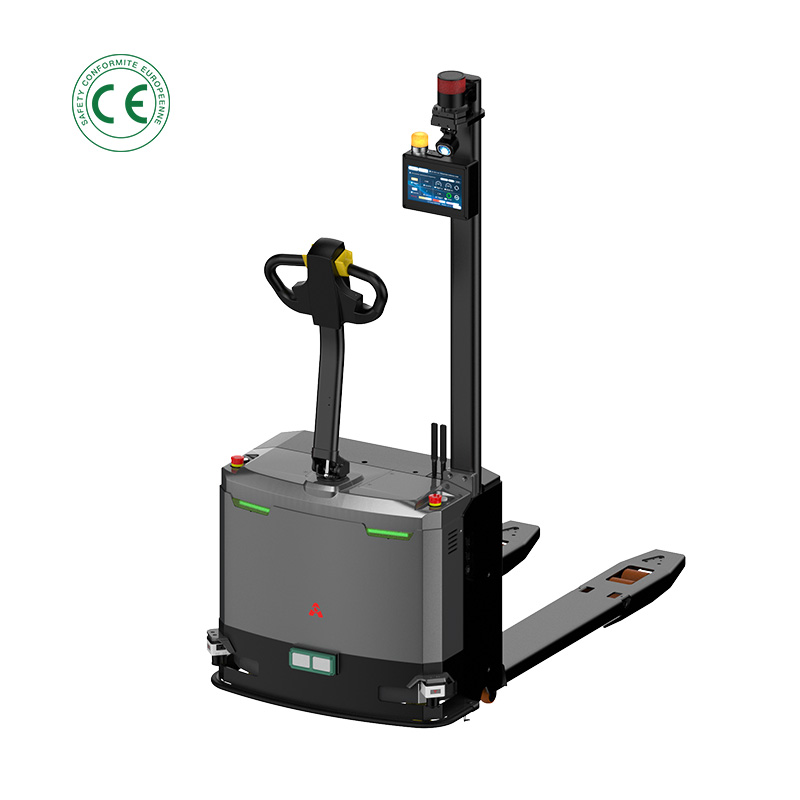
CE Certification Industrial AMR AGV Robot for Warehouse Automation Autonomous Material Handling Logistics
A general-purpose carrier for pallet, rack and container transfer in Hamburg distribution centres and port-adjacent warehouses. Supports dynamic avoidance, fleet dispatch and automatic charging for multi-shift duty.
View product details
Hot Selling Logistics Navigation Detector Sensor Lidar Manufacturers Direct Sales
A navigation-grade LiDAR component for integrators and retrofit teams that need reliable mapping, localization and obstacle detection in local mobile robot carrier projects.
View product details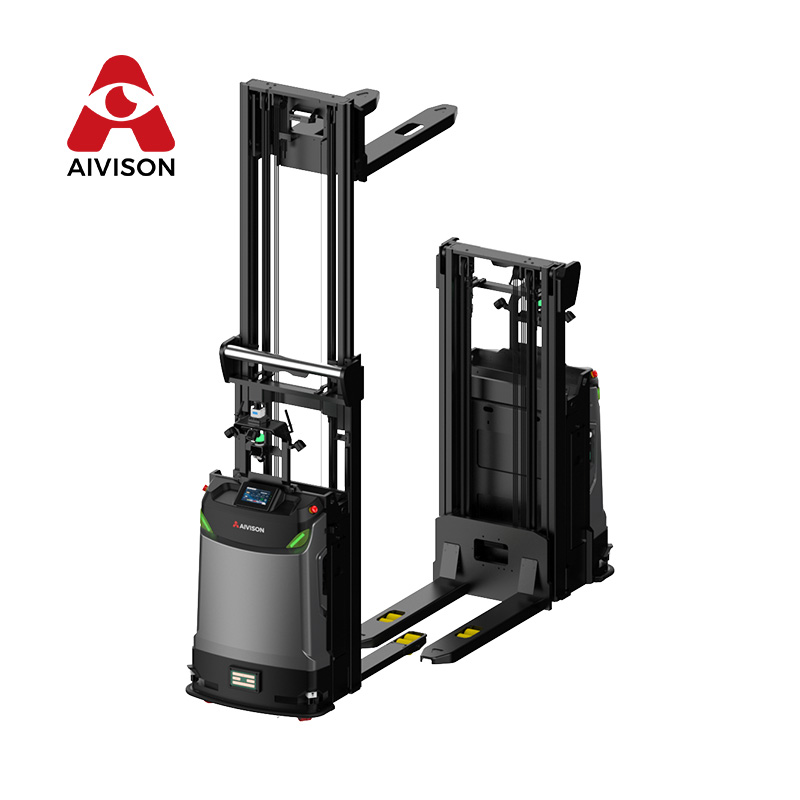
High Precision agv Forklift Full Servo Motor Controlled Laser Forklift with Heavy Load 2000kg
A 2,000 kg laser-guided servo forklift for heavy pallets, double-deep racking and high-throughput port logistics where stable fork entry and repeatable positioning matter.
View product details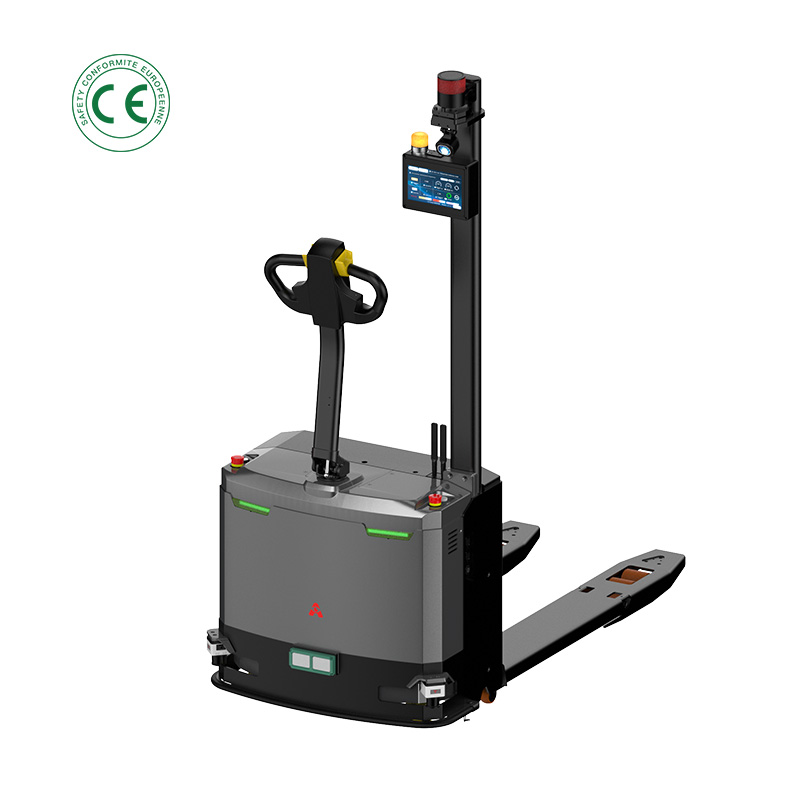
Autonomous Mobile Robot AMR AGV Forklift Pallet Stacker CE Certificate for Smart Warehouse and Production Line Automation
A CE-certified AMR forklift and pallet stacker for smart warehouses and production-line automation. Suitable for Hamburg sites that need pallet pick-up, stacking and handover without fixed tracks.
View product details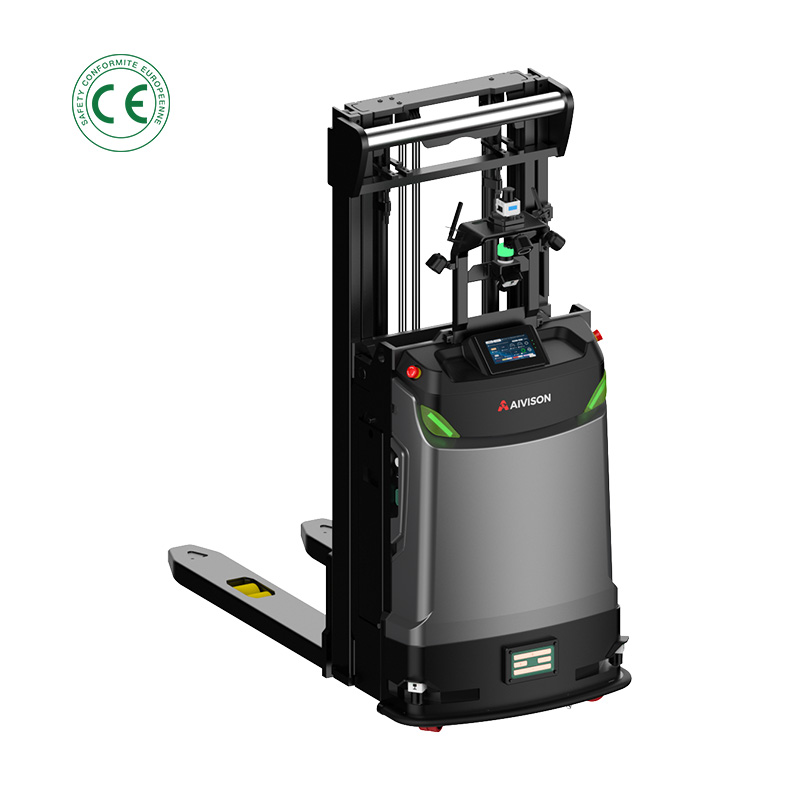
Warehouse Robot Robotics 2000KG CE Warehousing Automatic Forklift Stacking AGV
A 2,000 kg robotic stacking forklift for warehousing and manufacturing teams that need automated put-away, replenishment and trailer or staging-area transfer.
View product details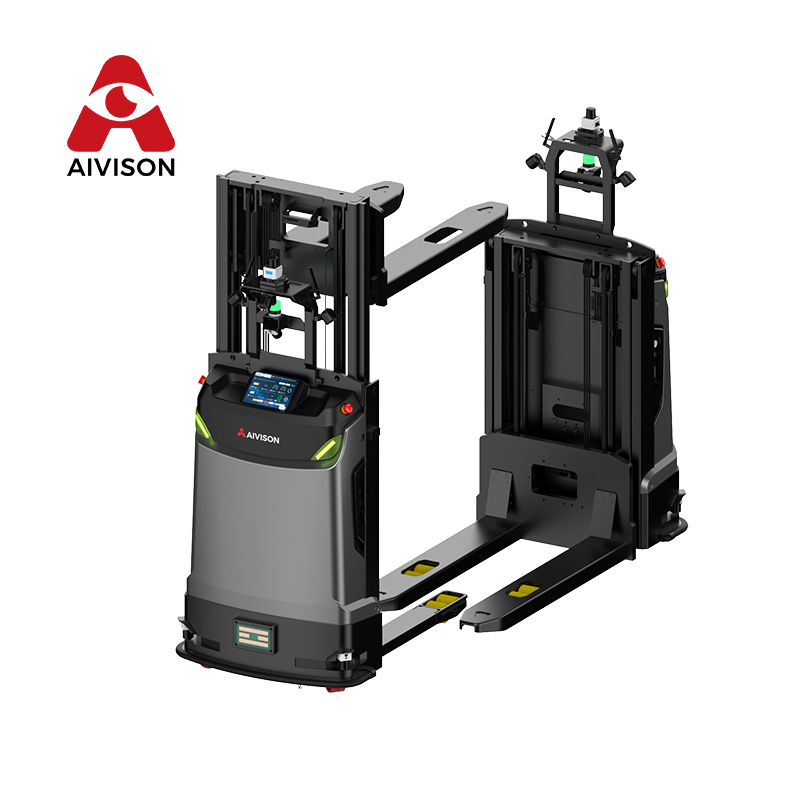
New Warehouse Autonomous Cars agv Robot 2000kg Load Capacity Stacker agv Robot
A 2,000 kg autonomous stacker AGV for high-density warehouses and repetitive pallet handling. A practical choice for buyers comparing compact AGV fleets with low floor modification.
View product details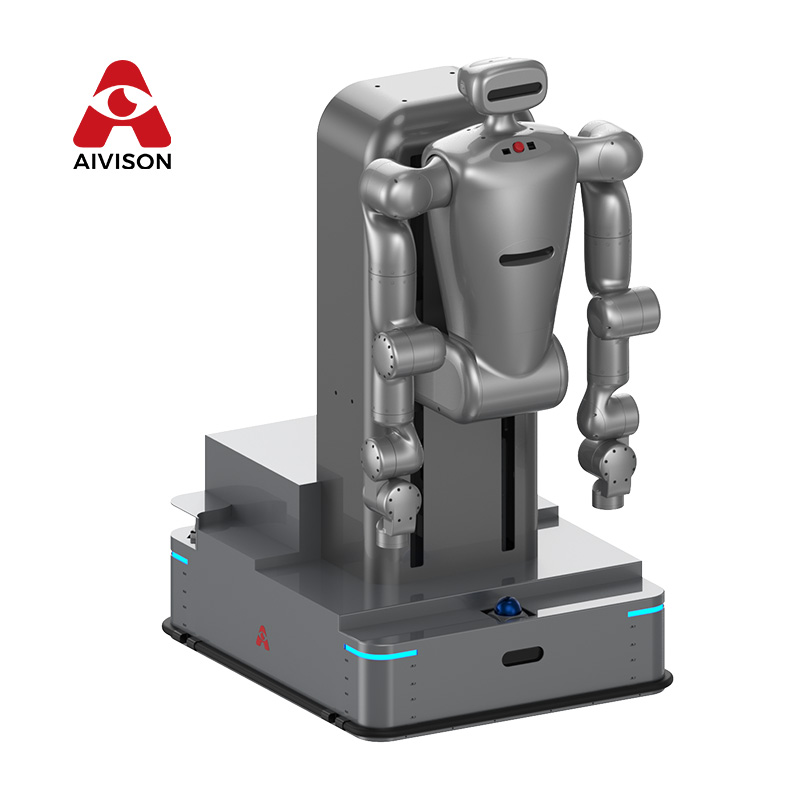
Omnidirectional Mobile Manipulator AMR Dual 7-DOF Arms ±0.03 mm Repeatability Laser SLAM Humanoid Robot Base
An omnidirectional mobile manipulator with dual 7-DOF arms and laser SLAM, offering ±0.03 mm repeatability for high-value assembly, laboratory and electronics applications.
View product details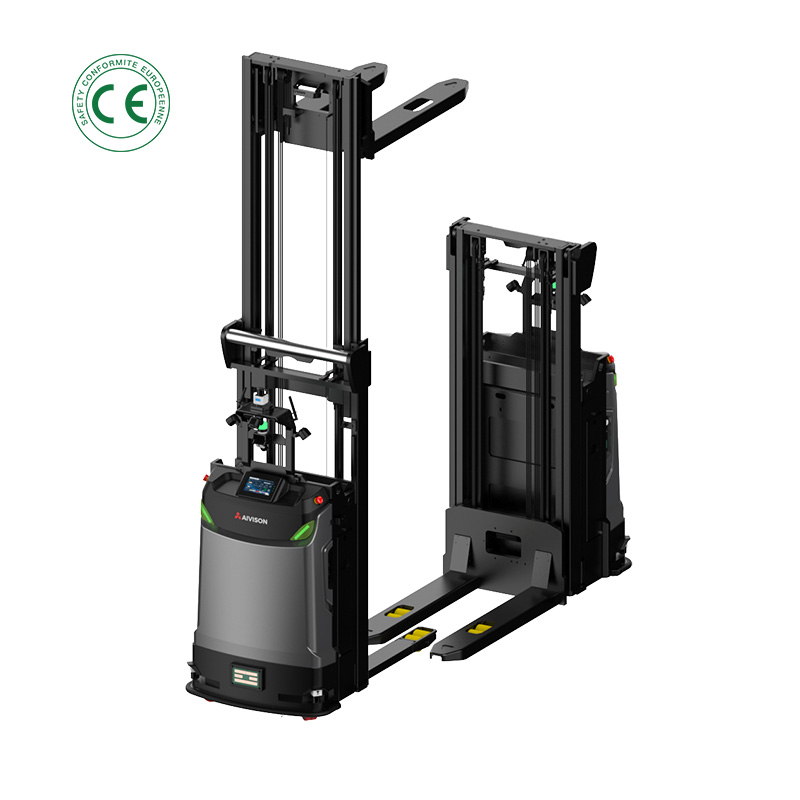
High-performance Intelligent Smart Automated Guided Vehicle 2000kg AMR Robot
A high-performance 2,000 kg intelligent AMR for Hamburg intralogistics teams that need robust pallet movement, fleet coordination and custom top modules.
View product detailsWhat a Hamburg Buyer Should Expect from a Mobile Robot Carrier Factory
Searching for a mobile robot carrier factory is different from buying a single autonomous vehicle. Hamburg buyers typically need a partner who can align chassis design, payload interface, navigation accuracy, safety controls, charging strategy and fleet software with an existing building—often while the site remains in operation. The Port of Hamburg and surrounding industrial districts create a demanding mix of high-throughput logistics, older warehouse footprints, narrow aisles, mixed forklift and pedestrian traffic, cold rooms, production-line takt time and multi-shift duty cycles.
Shenzhen Marnix Intelligent Technology Co., Ltd. draws on approximately ten years of AGV manufacturing experience to build autonomous mobile robots that drop into existing factories with minimal disruption—for end users and for the system integrators who serve them. The company portfolio includes jacking robots, smart forklifts, pallet AMRs, composite mobile robots and compatible intelligent charging docks, supported by ±5 mm laser SLAM navigation, optional QR-assisted ±2 mm docking and composite robot repeatability down to ±0.05 mm.
A carrier factory should not hand every layout problem to the integrator. It should be able to engineer the carrier itself: chassis dimensions, fork geometry, jacking unit, roller conveyor, 6-axis arm, sensor placement, braking behaviour, battery strategy and fleet communication. That is the practical difference between a catalogue robot and a production-ready intralogistics asset.
- Station-level accuracy: use ±5 mm for travel and reserve ±2 mm QR assistance only where docking demands it.
- Brownfield compatibility: map existing floors, doors, lifts and aisles without magnetic tape or major civil works.
- Fleet coordination: plan indoor Wi-Fi coverage, traffic rules, automatic charging and task prioritisation before installation.
- Documentation discipline: align CE files, risk assessment, emergency-stop logic, personnel detection and handover training with German operating practice.

Where Mobile Robots Deliver Value in Hamburg
Hamburg is widely recognised as Germany’s largest seaport and one of Europe’s leading logistics hubs. That port-and-industry ecosystem creates specific automation cases: cross-dock transfer, high-bay storage, line-side supply around aviation and manufacturing clusters, cold-chain logistics, life-science material flow and renewable-energy component handling.
Port and Hinterland Transfer
Use 2,000 kg intelligent AMRs and robotic stackers to move pallets between staging lanes, cross-dock zones and warehouse buffers. In port-adjacent sites, specify floor conditions, outdoor-to-indoor transitions, condensation risk and radio coverage during the site survey.
High-Bay Storage and Distribution
Pallet AMRs, stacking AGVs and smart forklifts support high-shelf storage and repetitive put-away. For Hamburg distribution centres with tight aisles, compact carriers and dynamic obstacle avoidance can reduce blocked traffic and empty travel.
Aviation, Automotive and Metalworking
Around Hamburg’s aviation and industrial supply chains, line-side delivery must match takt time. Composite robots with roller conveyors or 6-axis arms can transfer materials between buffers and production cells while route maps are updated without floor rework.
Electronics, Life Sciences and Medical
High-value processes benefit from ±5 mm laser SLAM plus optional QR assistance, and from composite platforms with ±0.05 mm repeatability. The objective is not simply lights-out operation, but stable, traceable and repeatable material flow.
Food, Cold Chain and Consumer Goods
For cold storage and food logistics, discuss condensation, floor transitions, hygiene requirements and charging temperature before selecting a carrier. Robots can cover repetitive replenishment and pallet transfer with reliable scheduling across shifts.
Renewable Energy and Heavy Components
Hamburg’s port and industrial base supports wind, energy and project-cargo supply chains. Where loads are heavy or awkward, the carrier chassis, fork geometry and top module should be engineered together rather than assembled from mismatched parts.
Match the Robot Configuration to the Hamburg Operating Zone
Use this matrix as a pre-proposal checklist. It helps separate general pallet transfer from high-precision docking, component navigation and composite manipulation so that the final quotation reflects the real process risk.
| Hamburg operating zone | Recommended platform | Why it fits | Project focus |
|---|---|---|---|
| Port staging, cross-dock and pallet buffer transfer | High-performance 2000kg intelligent AMR | High payload, robust pallet movement and fleet coordination for repetitive transfer cycles. | Route survey, Wi-Fi handover, charging window and traffic rules. |
| Heavy pallet handling and trailer loading | High precision 2000kg servo laser AGV forklift | Laser-guided fork positioning for stable entry, lift and placement of heavy loads. | Pallet quality, fork clearance, floor flatness and safety zones. |
| High-bay storage and racking replenishment | CE certified AMR forklift pallet stacker | Automated pick-up and stacking without fixed tracks in smart warehouse layouts. | QR assistance only at high-precision docking points; rack tolerance checks. |
| High-density warehouse and repetitive put-away | Autonomous 2000kg stacker AGV robot | Compact autonomous stacker for repetitive pallet movement and low floor modification. | Throughput peaks, aisle width, dwell points and battery strategy. |
| LiDAR integration and retrofit navigation | Logistics navigation detector sensor LiDAR | Detection, mapping and localization support for integrators building or updating mobile carriers. | Field of view, mounting height, reflective surfaces and safety validation. |
| Precision assembly, laboratory or electronics transfer | Omnidirectional dual 7-DOF manipulator AMR | Mobile manipulation with ±0.03 mm repeatability for high-value processes. | Station calibration, cycle time, gripper design and risk assessment. |
| General warehouse automation and line-side support | CE certification industrial AMR AGV robot | Versatile material handling carrier for mixed warehouse and production logistics. | Top module choice, WMS/ERP interface and operator training. |
| Stacking, replenishment and staging transfer | 2000kg automatic warehouse stacking AGV forklift | 2,000 kg stacking automation for warehouses with repeated pallet movement. | Pallet consistency, emergency-stop layout and charging location. |
Choose the Right Precision Level for Each Station, Not for the Whole Building
One of the most expensive specification mistakes in Hamburg mobile robot projects is asking for ±2 mm accuracy everywhere. Travel routes usually need reliable, repeatable ±5 mm laser SLAM navigation; precision docking points can be upgraded with QR labels only where the process genuinely requires it.
| Configuration | Accuracy | Floor preparation | Best fit |
|---|---|---|---|
| Laser SLAM on natural features | ±5 mm | No magnetic tape, reflectors or floor QR codes for normal travel. | Warehouse transfer, line-side delivery and sites with frequent layout changes. |
| SLAM plus QR code scanning camera | ±2 mm | QR labels only at selected docking stations. | High-shelf storage, precision handover and wafer or tray transfer. |
| Composite robot with 6-axis arm | ±0.05 mm | Station calibration and process-specific fixture design. | Semiconductor, medical device and high-value electronics assembly. |
Laser SLAM navigation
Trackless localization without magnetic tape or reflectors.
QR-assisted docking
Selective labels only where high-shelf precision is needed.
Composite repeatability
Mobile manipulation for demanding production processes.
Manufacturers served
Across three continents and eight core industries.
Information-gain rule for Hamburg buyers: map every station and mark whether it truly needs ±5 mm, ±2 mm or robot-arm precision. This single exercise often reduces floor-label maintenance, commissioning time and unnecessary integration cost while preserving the throughput target.
Six Trends Shaping Mobile Robot Procurement in Hamburg Through 2030
Hamburg buyers are not only replacing manual transport. They are responding to labour availability, multi-shift continuity, brownfield constraints, safety expectations and the need to connect robots to warehouse and production software.
Labour Availability and Shift Continuity
Warehouse and production teams face pressure to maintain throughput across shifts. Mobile robots reduce dependence on repetitive forklift travel and help stabilise line-side replenishment during peak periods.
Brownfield Installation
Many Hamburg buildings were not designed for automation. Trackless laser SLAM reduces civil works, while custom chassis and top modules allow robots to fit existing aisles, lifts and handover points.
Mixed Fleets and Open Interfaces
Buyers increasingly ask whether AMRs can coexist with existing AGVs and production equipment. Fleet scheduling over indoor Wi-Fi and clearly documented interfaces help protect integration investments.
Safety and CE Documentation
German procurement teams expect risk assessment, emergency-stop design, personnel detection and speed monitoring. Specifications should reference EN ISO 3691-4 for driverless industrial trucks and applicable machinery-safety standards.
Energy and Charging Strategy
Automatic charging docks and opportunity charging can support 24/7 operation, but the charging location, power availability and shift pattern must be planned together with fleet size.
Total Cost of Ownership
Robot price alone is a weak comparison. Evaluate integration, Wi-Fi upgrades, safety validation, spare parts, maintenance, training, uptime and the cost of changing routes when warehouse layouts evolve.
Why Marnix Is a Practical Mobile Robot Carrier Factory for Hamburg Buyers
Marnix combines manufacturer-level customization with a complete AMR and AGV portfolio. The company is designed to support both end users and system integrators who need a reliable carrier platform, documented performance and flexible top-module engineering.
Approximately Ten Years of AGV Engineering
Shenzhen-based R&D and manufacturing experience focused on autonomous mobile robots and industrial material handling.
Complete Mobile Robot Portfolio
Jacking robots, smart forklifts, pallet AMRs, composite robots and intelligent charging docks from one manufacturing source.
Laser SLAM and Vision Fusion
Trackless navigation using natural features, with optional QR code scanning for higher docking precision where required.
No Floor Rework for Standard Travel
±5 mm navigation avoids magnetic tape, reflectors and floor QR codes on normal routes, which is especially useful in occupied buildings.
Manufacturer-Level Customization
Custom chassis, fork geometry, jacking units, roller conveyors and 6-axis arms can be engineered around the actual process.
Composite Robot Precision
Multi-layer synchronization protocols support ±0.05 mm repeatability for semiconductor, medical device and high-value production applications.
Fleet Scheduling and Automatic Charging
Indoor Wi-Fi fleet scheduling supports simultaneous task assignment, traffic control and compatible smart charging docks for 24/7 duty.
Verified Supplier Credentials
TÜV Rheinland onsite assessment, Fortune 500 supplier experience, verified multispecialty supplier status and transparent trade records.
Tested for Uptime, Documented for Procurement
Reliability is engineered and verified before shipment—not discovered on the Hamburg shop floor. Marnix applies multi-stage intelligent inspections and operational stress tests, and supports buyers with the technical information needed for internal approval.

From Factory Acceptance to Site Acceptance
For Hamburg projects, the purchasing decision should include more than a datasheet. Ask for the navigation configuration, safety concept, floor and Wi-Fi assumptions, charging plan, top-module drawings and the acceptance criteria that will be used during factory acceptance testing.
Marnix’s broader manufacturing context includes CE-focused product documentation, third-party supplier verification and a portfolio proven across semiconductor, 3C electronics, lithium battery, photovoltaic, automotive parts, PCB, textile and medical device industries. The objective is a predictable deployment: known payload, known routes, known handover points and known operator responsibilities.
TÜV Rheinland Onsite Assessment
Company premises and operations verified by an independent inspection body.
Supplier to Fortune 500
Procurement experience with leading logistics and manufacturing companies.
Verified Multispecialty Supplier
Low-MOQ customization and multi-category robot procurement capability.
Credit and Transaction Records
Transparent credit index, transaction level and trade capacity information.
What to Prepare Before Requesting a Mobile Robot Proposal for Hamburg
From project experience, these six inputs determine most robot-selection decisions. Sharing them upfront shortens evaluation from weeks to days and helps the supplier propose a configuration that can actually be commissioned.
Load Profile
Maximum weight, footprint, centre of gravity and condition of racks, pallets or carriers. Include photos of damaged pallets, because fork entry and sensor behaviour depend on load consistency.
Site Layout
A CAD drawing or sketch with aisle widths, doors, slopes, lifts, fire doors, pedestrian zones and any floor joints or drainage covers that may affect navigation.
Throughput Target
Missions per hour, peak periods and shift patterns. This sets fleet size, charging dock count and whether opportunity charging is needed to protect uptime.
Docking Precision
Mark where ±5 mm is sufficient and where ±2 mm QR assistance or arm-level precision is truly required. Avoid making the entire building a precision zone.
Wi-Fi and Software
Existing access points, coverage quality, WMS/ERP/MES touchpoints and any requirement for production-line call buttons or traffic-light integration.
Equipment Interfaces
Conveyors, machines, shelving or lift points the robot must hand over to, plus top-module requirements such as forks, jacking units, roller decks or robotic arms.
Questions Hamburg Buyers Ask Before Automating Material Flow
Straight answers for operations directors, warehouse managers and system integrators. Specifications and compliance documents should always be confirmed against the final robot configuration and the actual site risk assessment.
Are your AMRs CE certified and aligned with EN ISO 3691-4?
CE documentation, declaration and safety design are project-specific and depend on the final robot configuration, safety sensors, speed limits and operating area. For driverless industrial trucks, German and European buyers commonly reference EN ISO 3691-4, ISO 12100 risk-assessment principles and applicable machinery-safety standards. Request the final technical file and risk-assessment scope with the quotation.
Do we need to modify our Hamburg warehouse floor or add QR codes?
No for standard travel. Laser SLAM on natural features supports ±5 mm navigation without magnetic tape, reflectors or floor QR codes. QR labels are added only where a station requires ±2 mm docking precision. This is useful in older Hamburg buildings where floor works would disrupt operations.
Can the robots integrate with SAP EWM, WMS or MES systems?
Fleet scheduling over indoor Wi-Fi handles task assignment, traffic control and automatic charging. Integration with a WMS, ERP, MES or production call system should be defined in the project scope. Provide the interface requirements, data ownership model and any preferred communication standard during the technical review.
How do you handle mixed pedestrian and forklift traffic?
Laser SLAM AMRs use dynamic obstacle avoidance, speed and zone management, and clearly defined traffic rules. The site survey should identify blind corners, crossing points, fire doors and high-risk areas. Safety validation remains a shared responsibility between the supplier, integrator and operator.
What about cold storage, humidity and salt-laden air near the port?
Hamburg projects should disclose temperature range, condensation risk, wash-down routines, floor transitions and any port-adjacent environmental exposure. The final configuration may need specific IP ratings, corrosion protection or charging-location decisions. These should be engineered before purchase, not after installation.
What is a realistic project timeline from inquiry to commissioning?
Timeline depends on customization, safety scope, fleet size, site readiness and software integration. A typical sequence includes application review, layout study, technical proposal, factory acceptance, shipping, site mapping, commissioning and operator training. Spare-parts and service arrangements should be written into the project agreement.
Can Marnix customize a robot carrier for a Hamburg system integrator?
Yes. As a manufacturer, Marnix can customize chassis and top modules such as jacking units, roller conveyors, forklift forks and 6-axis robotic arms to connect directly with production equipment. Integrators can request component-level support, custom drawings and mixed-fleet coordination.
What information should we send with the first inquiry?
Send payload, load dimensions, site layout, aisle widths, throughput target, shift pattern, docking precision, Wi-Fi coverage, WMS/ERP requirements, safety expectations and target commissioning date. With those inputs, the engineering team can recommend a robot carrier and identify the main integration risks early.
Send Your Hamburg Project Brief to Our Robot Engineers
Share your layout, payload, throughput and docking precision. We will help you compare laser SLAM AMRs, robotic forklifts, stacker AGVs and composite mobile robots against the real operating conditions of your Hamburg warehouse, production line or port-adjacent logistics site.
Useful details: load weight, pallet type, aisle width, floor conditions, shift pattern, charging location, Wi-Fi coverage, WMS/ERP interface, safety scope and target timeline.
Manufacturer-level customization · Fleet scheduling · CE-focused documentation