Material Transfer AGV Manufacturers & Factories for Yokohama
A practical, factory-floor whitepaper for Yokohama port logistics, Keihin manufacturing, and compact urban facilities that need trackless laser SLAM AGV and AMR deployment without floor reconstruction.
Why Yokohama Material Transfer AGV Projects Need a Different Specification
Yokohama is not a generic warehouse market. It combines one of Japan’s busiest international ports with dense urban manufacturing districts in Tsurumi, Kanazawa, Minato Mirai, and the Keihin coastal belt. The result is a material transfer problem that rewards compact, trackless AGV and AMR platforms rather than fixed-conveyor thinking.
For a Yokohama buyer, the factory floor may be leased, aisle widths may be constrained by existing racking, and mixed pedestrian and forklift traffic is normal. A laser SLAM material transfer AGV can be deployed without magnetic tape or floor QR codes; QR labels are added only at high-precision docking stations. That distinction matters when the facility cannot stop operations for floor rework or when the landlord does not permit floor modification.
Japan’s 2024 logistics regulations — often called the 2024 problem — have made truck-driver overtime limits a board-level issue. Yokohama shippers, 3PL operators, and manufacturers are re-examining internal transport because labor availability, not floor space, is now the binding constraint. This is where a factory that can customize top modules — jacking units, roller conveyors, forklift forks, or 6-axis arms — has an advantage over a catalogue-only supplier.
The right question is not “Which AGV is cheapest?” but “Which manufacturer can prove navigation accuracy, mixed-traffic safety, fleet scheduling, and top-module customization for my Yokohama site?” The sections below turn that question into a deployable evaluation framework.
Information gain for Yokohama buyers
- A scenario matrix for port-adjacent warehouses, compact urban factories, and precision process work.
- A precision-by-station method that avoids over-specifying QR infrastructure.
- A factory audit list based on verified manufacturing, quality, and customization capability.
- Local procurement FAQ written for Japanese integrators and end users.
Port-adjacent warehouse reality
Short dwell times, mixed pallet sizes, and 24/7 scheduling near Honmoku, Daikoku, and the Yokohama port area demand robust pallet transfer with dynamic avoidance and reliable charging.
- 2,000 kg forklift AGV for heavy industrial material handling
- 800 kg stacker AMR for light pallet zones and narrow aisles
- Fleet scheduling over indoor Wi-Fi for multi-robot dispatch
Compact urban factories
Leased buildings in central Yokohama often cannot accept floor cutting, magnetic tape, or rail installation. Laser SLAM maps natural features, so the building stays intact and the automation remains portable if the lease changes.
- No auxiliary tracks or floor QR everywhere
- QR assist only at stations requiring ±2 mm docking
- Route re-mapping without floor rework
Precision process work
Semiconductor, medical device, electronics, and automotive parts operations need more than “a robot that moves.” They need repeatable handover, machine interfacing, and documented quality protocols.
- ±2 mm with QR scanning camera
- Dual 7-DOF mobile manipulator listed at ±0.03 mm repeatability
- Composite robot platforms up to ±0.05 mm repeatability
8 Material Transfer AGV and AMR Systems for Yokohama Projects
Every platform below shares the same engineering logic: laser SLAM navigation, modular top mechanisms, and compatibility with multi-robot fleet scheduling. Use the cards as a shortlist, not a catalogue dump. The link on each card leads to the original product page.
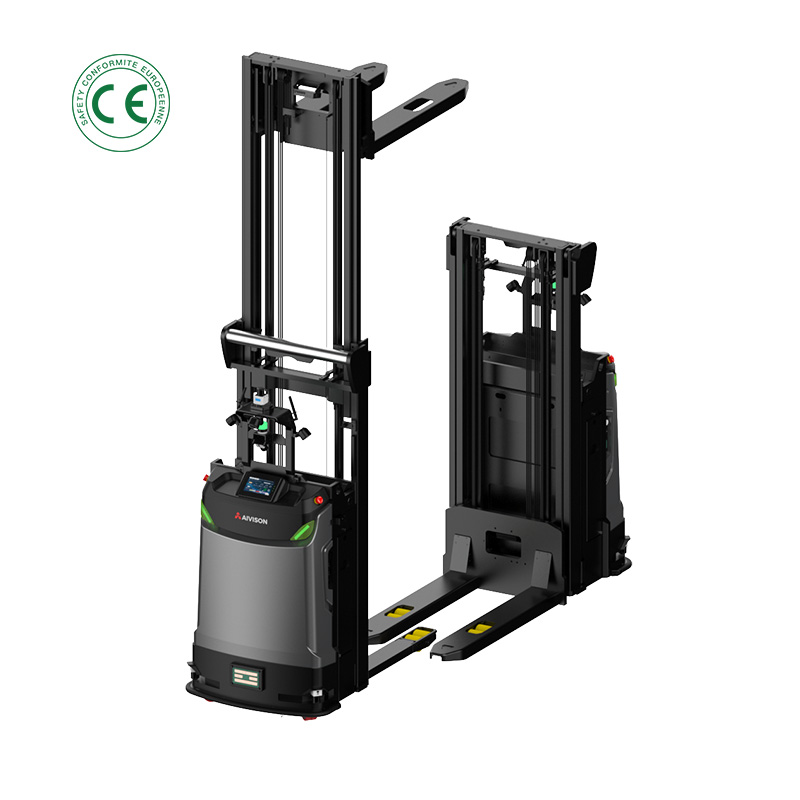
Factory AMR Robot AGV Robot Laser 2000kg Forklift AGV for Industrial Material Handling
Heavy pallet transfer for covered warehouses and line feeding. A strong fit for Yokohama logistics sites where conventional forklifts and pedestrians share traffic lanes.

Hot Selling Logistics Navigation Detector Sensor Lidar Manufacturers Direct Sales
Navigation-grade lidar for logistics AGV and AMR projects. Useful for integrators refreshing an existing fleet or building a localized Yokohama material-flow solution.

Omnidirectional Mobile Manipulator AMR Dual 7-DOF Arms ±0.03 mm Repeatability Laser SLAM Humanoid Robot Base
Dual-arm mobility for high-mix assembly, machine tending, and precision handover. The omnidirectional base supports tight-space maneuvering in Yokohama’s compact factories.
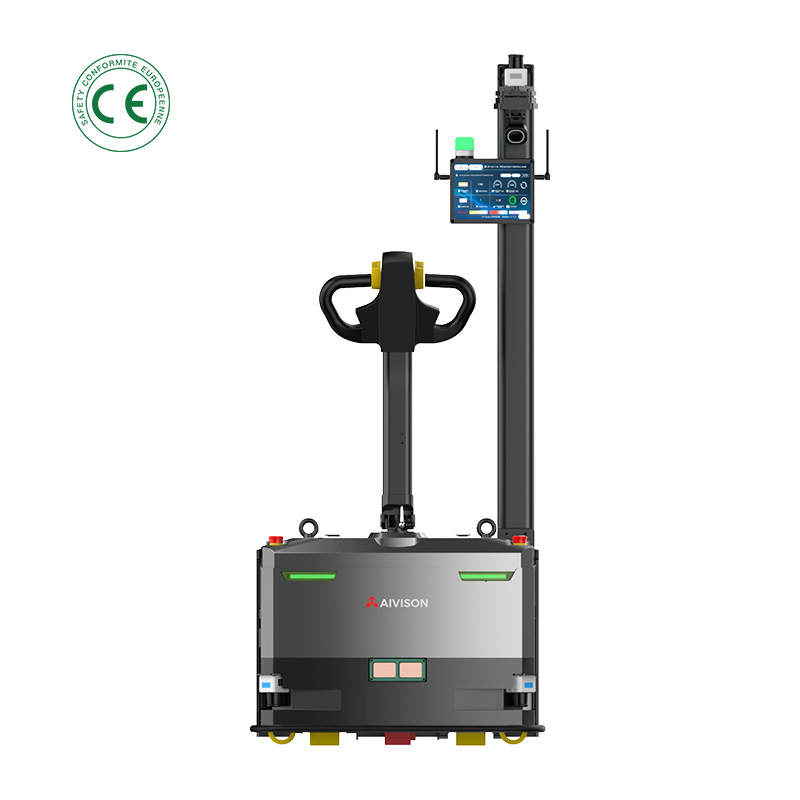
Autonomous Mobile Robot AGV CE Laser SLAM Navigation for Material Handling and Logistics
CE-marked laser SLAM AMR for warehouse transfer and line-side delivery. A practical starting platform for Yokohama operators replacing repetitive internal transport.

AI-Ready Humanoid Robot Chassis Dual 7-DOF Arms Omnidirectional Drive ROS2 Laser SLAM Open Development Platform
For integrators and R&D teams that need a ROS2 open platform with omnidirectional drive. Supports embodied AI, research, and custom automation development.
China Factory Movable Pallet Agv Robot Rack Shelf for Intelligent Robot Warehouse
Movable pallet rack and shelf infrastructure for goods-to-person and line-side staging. Helps standardize load interfaces before the first robot arrives.

Warehouse Stacker CE Forklift AGV 800kg Load Capacity Light AMR Pallet
Light pallet stacker for 800 kg loads and compact storage zones. A good match for narrow-aisle Yokohama warehouses where full-size forklifts reduce usable space.

Humanoid Robot Chassis Dual 7-DOF Arms Laser SLAM Omnidirectional Navigation ROS2 Open Platform AMR
Open humanoid robot base with dual arms, laser SLAM, and omnidirectional navigation. Intended for advanced research, integration trials, and flexible automation pilots.
Yokohama Application Scenarios and Recommended Configurations
Yokohama buyers rarely need a single robot for a single route. They need a configuration that survives shift changes, mixed traffic, and future layout updates. The matrix below matches local use cases to platform choices.
Port-adjacent covered warehouses
Yokohama port logistics and container-depot support operations need high-throughput pallet movement between receiving, staging, and dispatch. Recommended: 2,000 kg laser forklift AGV, 800 kg stacker AMR, and movable pallet rack interfaces.
Compact urban factories in Minato Mirai and central Yokohama
Leased floors, narrow aisles, and mixed pedestrian traffic favor trackless SLAM and compact chassis. Recommended: general-purpose CE laser SLAM AMR, omnidirectional mobile manipulator, and lidar upgrades for existing fleets.
Keihin coastal manufacturing corridor
Process manufacturers in Tsurumi, Kanazawa, and the Keihin belt need machine-to-machine handover, high-mix changeovers, and precision docking. Recommended: composite robot with dual 7-DOF arms, QR-assisted AMR, and custom roller conveyor top modules.
| Yokohama use case | Local constraint | Recommended platform | Precision and top module |
|---|---|---|---|
| Port-adjacent pallet staging and dispatch | Mixed forklift traffic, variable pallet quality, continuous shifts | 2,000 kg forklift AGV; 800 kg stacker AMR | ±5 mm SLAM; camera-assisted fork entry; pallet rack interface |
| Compact urban warehouse transfer | Narrow aisles, leased floor, limited room for fixed infrastructure | CE laser SLAM AMR; omnidirectional mobile manipulator | No floor codes; optional QR at docking only; roller or lift module |
| High-shelf storage and precision docking | High-rack alignment and repeatable handover | SLAM AMR with QR scanning camera | Up to ±2 mm docking; QR labels only at stations |
| Semiconductor, medical device, and electronics assembly | Sub-millimeter repeatability and clean handover | Dual 7-DOF mobile manipulator; composite robot | ±0.03 mm listed for dual-arm model; composite platforms up to ±0.05 mm |
| System integrator pilots and R&D projects | Need open interfaces and custom software integration | AI-ready humanoid chassis; ROS2 open platform | Laser SLAM; omnidirectional drive; dual 7-DOF arms |
What Is Changing in Yokohama Material Flow in 2025
Three forces are reshaping procurement decisions for material transfer AGV manufacturers and factories serving Yokohama. They explain why trackless deployment, customization, and fleet software now carry more weight than headline payload alone.
Labor availability and the 2024 logistics problem
Yokohama warehouses and manufacturers are reviewing internal transport because truck-driver overtime limits make outbound logistics less flexible. Automating repetitive internal transfer helps stabilize dock-to-line and line-to-storage flow without depending on additional forklift operators.
High-mix, low-volume production
Yokohama’s electronics, automotive parts, and medical-device suppliers are shifting layouts more often. Laser SLAM lets routes change without floor rework, while QR labels can be reserved for the small number of stations that truly need ±2 mm docking.
Safety, energy, and floor reuse
Mixed human and vehicle traffic is normal in Yokohama facilities. Dynamic obstacle avoidance, coordinated fleet traffic control, and automatic charging with compatible smart docks are becoming baseline requirements — not premium options.
Choose Accuracy by Station, Not by Sales Brochure
Most buyers over-specify navigation. Use this ladder to match accuracy to the task and avoid unnecessary floor infrastructure costs in Yokohama facilities.
Laser SLAM on natural features
±5 mm positioning without magnetic tape, reflectors, or floor QR codes. Best for warehouse transfer, line-side delivery, and any area where the layout may change.
- No auxiliary tracks
- Fast mapping of existing buildings
- Dynamic obstacle avoidance in mixed traffic
SLAM plus QR camera
±2 mm docking where high-shelf storage or precision handover requires it. QR labels are added only at stations, not across the entire facility.
- Lower infrastructure cost than full-floor codes
- Useful for high-shelf and machine docking
- Keeps main aisles free of markers
Composite mobile robots
Up to ±0.05 mm repeatability for composite platforms with 6-axis arms; the dual 7-DOF mobile manipulator listing states ±0.03 mm. Intended for semiconductor, medical device, and precision assembly work.
- Multi-layer synchronization protocols
- Machine tending and pick-and-place
- Open integration for system integrators
Factory Advantages Yokohama Buyers Should Verify Before Ordering
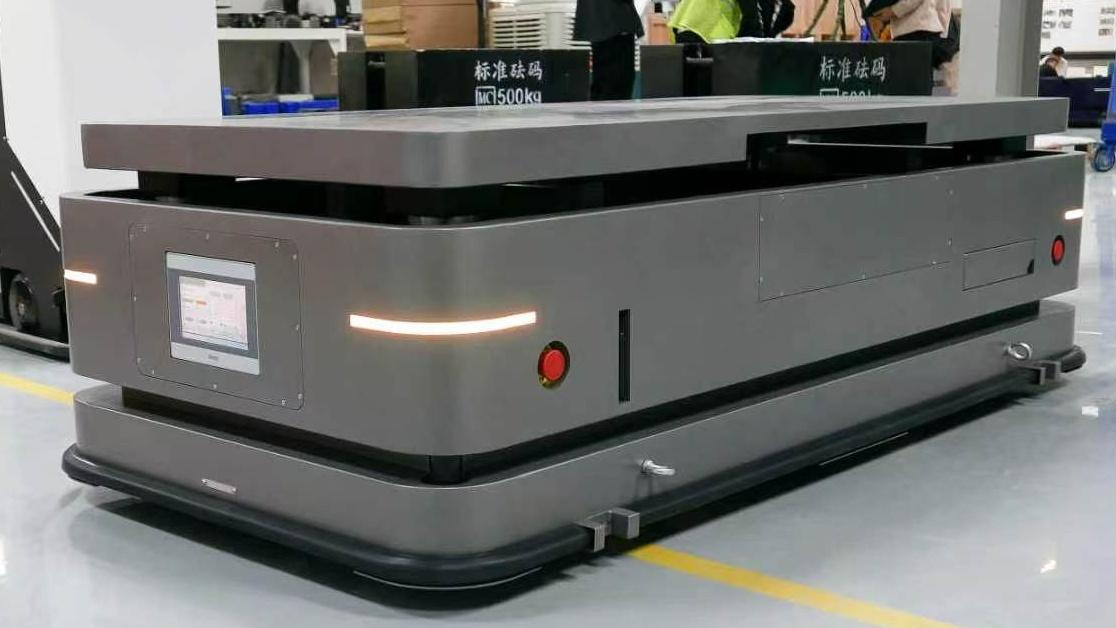
Behind every material transfer AGV is a manufacturing system. Shenzhen Marnix Intelligent Technology Co., Ltd. builds on about ten years of AGV engineering experience and supplies both end users and system integrators. These are the capabilities that matter during a Yokohama evaluation.
10+ years of AGV engineering
Founded on about ten years of AGV manufacturing experience, with R&D and production based in Shenzhen. The portfolio covers jacking robots, smart forklifts, pallet AMRs, composite robots, and charging docks.
Precision without floor rework
Laser SLAM reaches ±5 mm without auxiliary tracks or QR codes. Add a QR scanning camera only where ±2 mm is required. Composite robots with arms address sub-millimeter assembly tasks.
Manufacturer-level customization
Chassis and top modules can be engineered around the process — jacking units, roller conveyors, forklift forks, and 6-axis arms — rather than forcing a standard platform into a non-standard line.
Multi-robot fleet scheduling
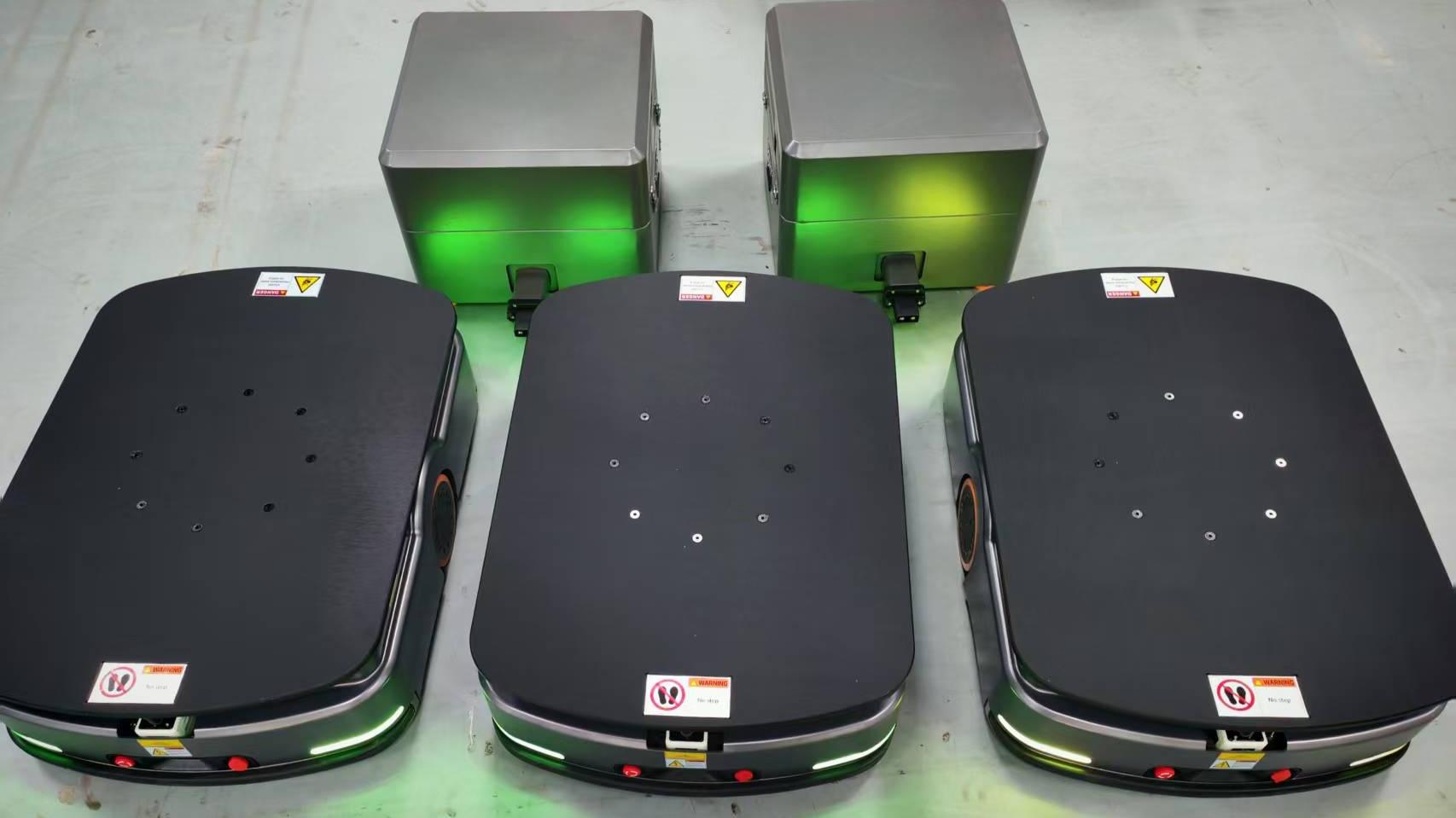
Robots are coordinated by an intelligent scheduling system over indoor Wi-Fi, enabling simultaneous task assignment, traffic control, and automatic charging with compatible smart charging docks.
Multi-stage quality protocol
Multi-stage intelligent inspections and operational stress tests target near-zero failure rates. More than 200 manufacturers across three continents have selected these robots for production and logistics work.
Verified credentials and integrator support
Onsite supplier assessment by TÜV Rheinland, supplier to a Fortune 500 company, and transparent credit and trade records. Products and solutions are also supplied to system integrators building automation projects worldwide.

What to Prepare Before Requesting a Yokohama AGV Proposal
From project experience, six inputs determine most robot selection decisions. Sharing them upfront shortens evaluation from weeks to days and gives the factory enough information to recommend the right chassis, top module, and fleet size.
Load profile
Maximum weight, footprint, and center of gravity for racks, pallets, or carriers. Confirm whether the load is stable during acceleration and turning.
Site layout
A CAD drawing or sketch with aisle widths, doors, slopes, elevator or lift points, and any leased-floor restrictions in the Yokohama building.
Throughput target
Missions per hour and peak periods. These set fleet size, charging-dock count, and whether one robot or a coordinated fleet is justified.
Docking precision
Identify where ±5 mm is enough and where ±2 mm QR assist or arm-level precision is truly required. Precision should follow the station, not the whole floor.
Wi-Fi coverage
Existing access points and coverage quality across the robot operating area. Multi-robot scheduling relies on stable indoor Wi-Fi communication.
Equipment interfaces
Conveyors, machines, shelving, or safety gates the robot must hand over to, plus any top-module requirements such as roller, lift, fork, or arm.
Questions Local Buyers Ask About Material Transfer AGV Factories
Straight answers for Yokohama end users, trading companies, and system integrators comparing material transfer AGV manufacturers. For project-specific questions, use the inquiry button at the end of this page.
Do we need to modify a Yokohama factory floor for a laser SLAM AGV?
No for standard laser SLAM. The robot maps natural features, so no magnetic tape, reflectors, or full-floor QR codes are required. QR labels are added only at stations that need ±2 mm docking precision. This reduces approval friction in leased or multi-tenant buildings.
What navigation accuracy should a Yokohama project specify?
Start with ±5 mm for warehouse transfer and line-side delivery. Add a QR scanning camera for ±2 mm at high-shelf storage or precision docking. Use a composite robot or mobile manipulator only where sub-millimeter assembly repeatability is genuinely required.
Can the factory customize top modules for Japanese production lines?
Yes. As a manufacturer, Marnix customizes chassis and top modules such as jacking units, roller conveyors, forklift forks, and 6-axis robotic arms to connect directly with production equipment. This is important when a standard catalogue robot cannot reach the machine interface.
How are multiple AGV and AMR robots coordinated in a mixed fleet?
An intelligent scheduling system manages the fleet over indoor Wi-Fi. It handles simultaneous task assignment, traffic control, and automatic charging with compatible smart charging docks, so multiple robots can work in the same area without fixed route infrastructure.
Which Yokohama industries benefit most from material transfer AGVs?
Semiconductor, 3C electronics, lithium battery, photovoltaic, automotive parts, PCB, textile, and medical device manufacturing. Port-adjacent warehouses and system integrators also use these platforms for pallet transfer, line feeding, and custom automation projects.
How do we start a Yokohama project evaluation?
Prepare your load profile, site layout, throughput target, docking precision, Wi-Fi coverage, and equipment interfaces. Send them to info@marnixbot.com or use the inquiry button below. Our engineers will recommend a robot configuration and identify whether QR assist or a custom top module is needed.
Request a Yokohama-Specific Material Transfer AGV Layout Review
Share your load, aisle width, throughput, docking precision, and top-module requirement. We will help you compare laser SLAM, QR-assisted docking, and composite robot options without adding unnecessary floor infrastructure.