Material Handling Automation Factory & Supplier in the Baltimore Market
Laser SLAM AMRs, jacking robots, and smart forklifts for Baltimore distribution centers, port-adjacent warehouses, and production lines—engineered for ±5 mm navigation without floor tracks.
Eight Material Handling Automation Systems for Baltimore Operations
Every platform below shares a laser SLAM navigation core and fleet-ready architecture, so mixed fleets can work together. Product links are preserved for direct specification review.
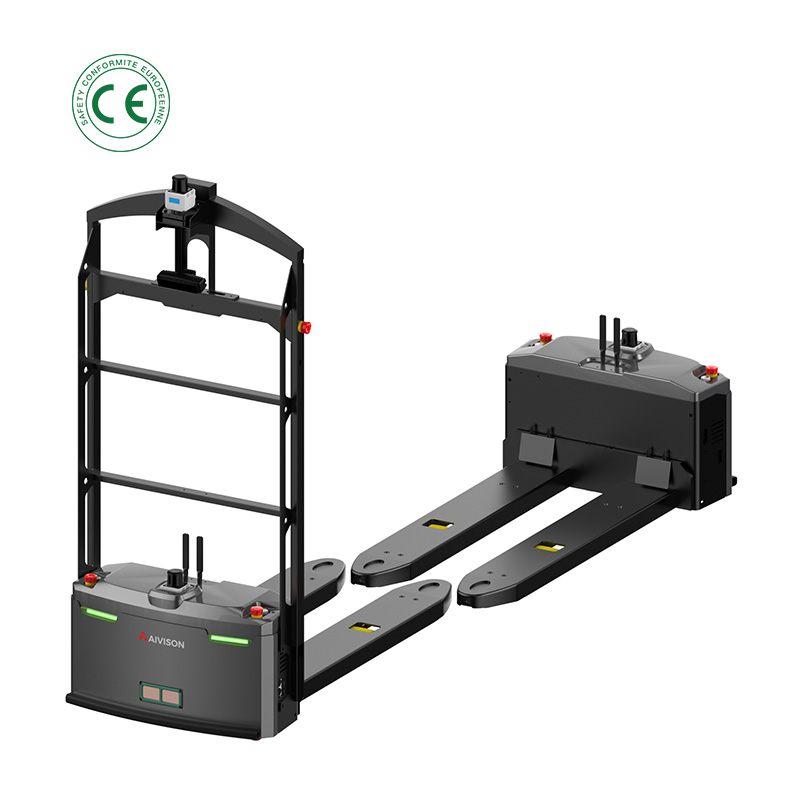
Aivison Customized 800kg Warehouse AGV Robot Lithium Battery AMR
A customized 800 kg AMR for lithium-battery, electronics, and light assembly flows. Laser SLAM navigation supports changing warehouse layouts without fixed tracks.

Laser SLAM Navigation Automated Guided Vehicle Forklift agv 1500kg Load Capacity
A 1,500 kg laser SLAM forklift AGV for pallet pick-up, transport, and trailer-to-rack staging. A practical flexible-lift option for Baltimore 3PLs and distribution centers.
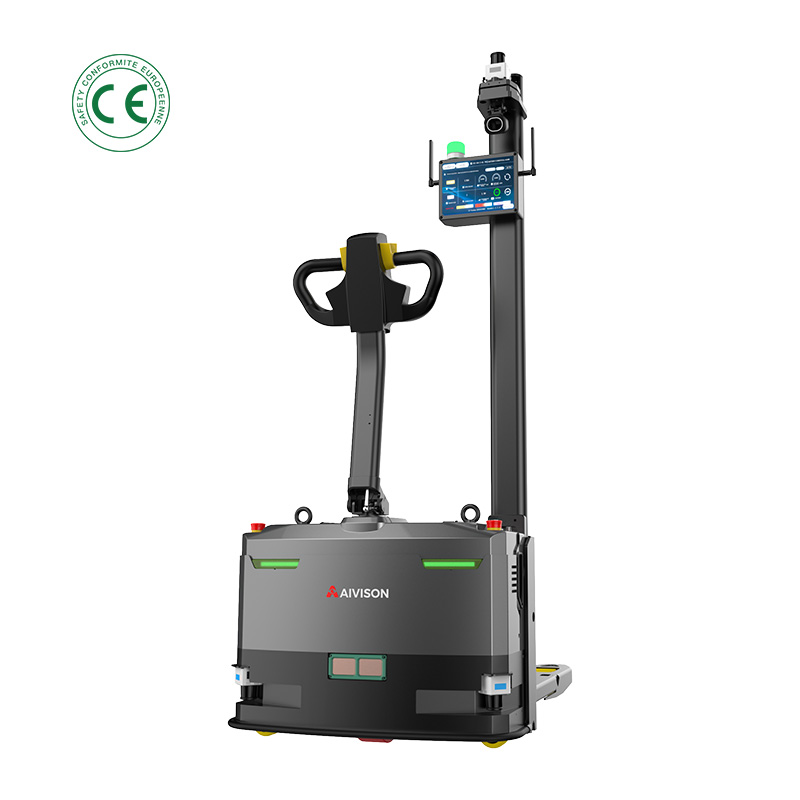
AIVISON CE Laser SLAM Navigation AGV 1500kg Warehouse Lifting Operations
A 1,500 kg warehouse lifting AGV for rack handling and line-side replenishment. CE-related documentation is available for applicable configurations.
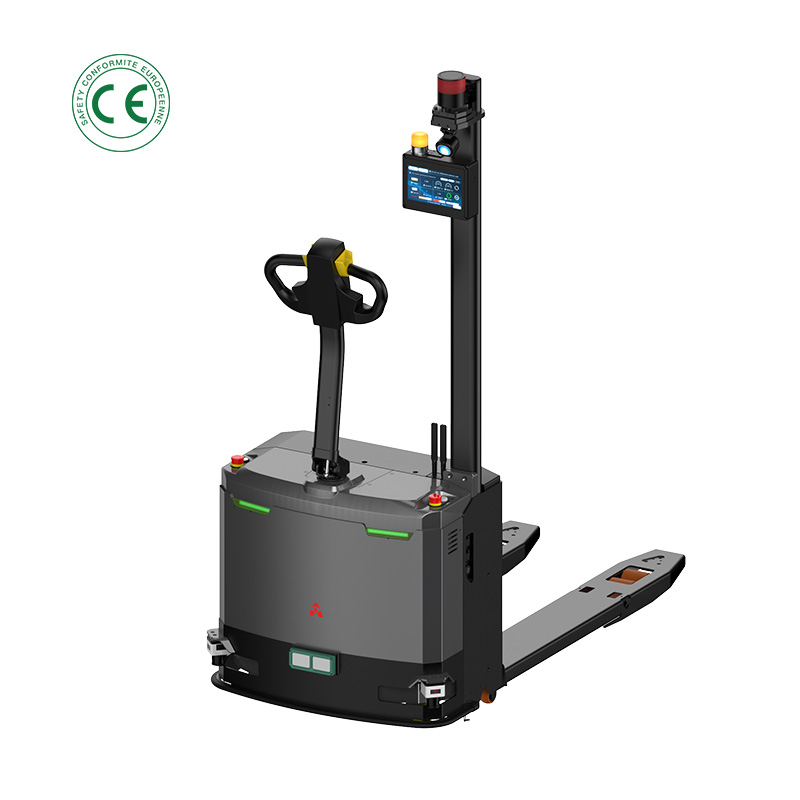
Automatic Handling CE Certificate 2000kg Forklift Robot Vehicle Laser AGV for Large Load Goods-carrying
A 2,000 kg autonomous forklift robot for large-load goods carrying, heavy pallets, and industrial distribution where manual forklift coverage is difficult.
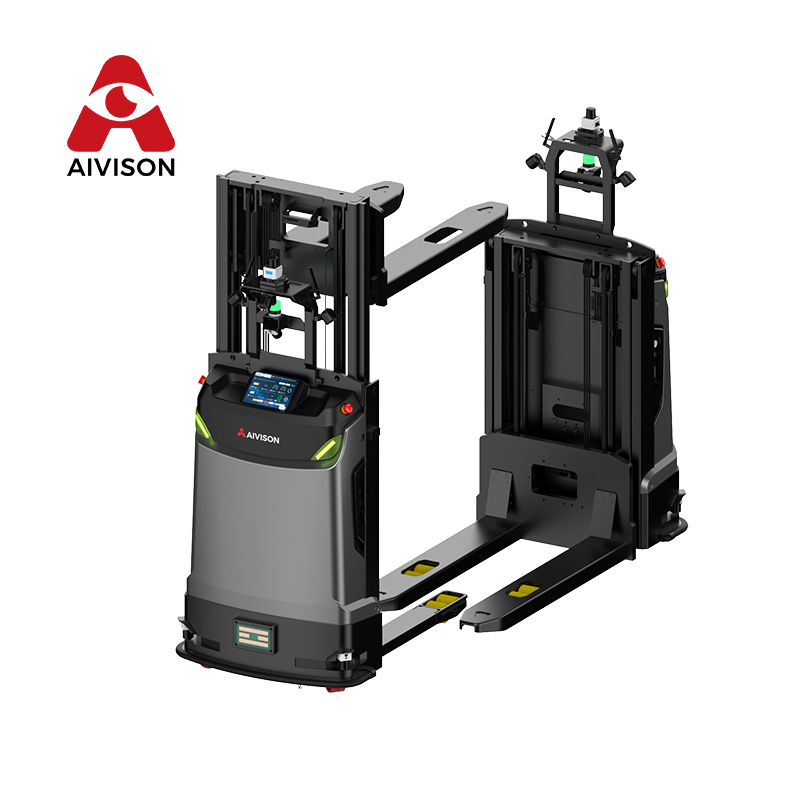
New Warehouse Autonomous Cars agv Robot 2000kg Load Capacity Stacker agv Robot
A 2,000 kg autonomous stacker AGV for pallet stacking, put-away, and repetitive warehouse movement. Useful where storage density matters more than fixed conveyors.
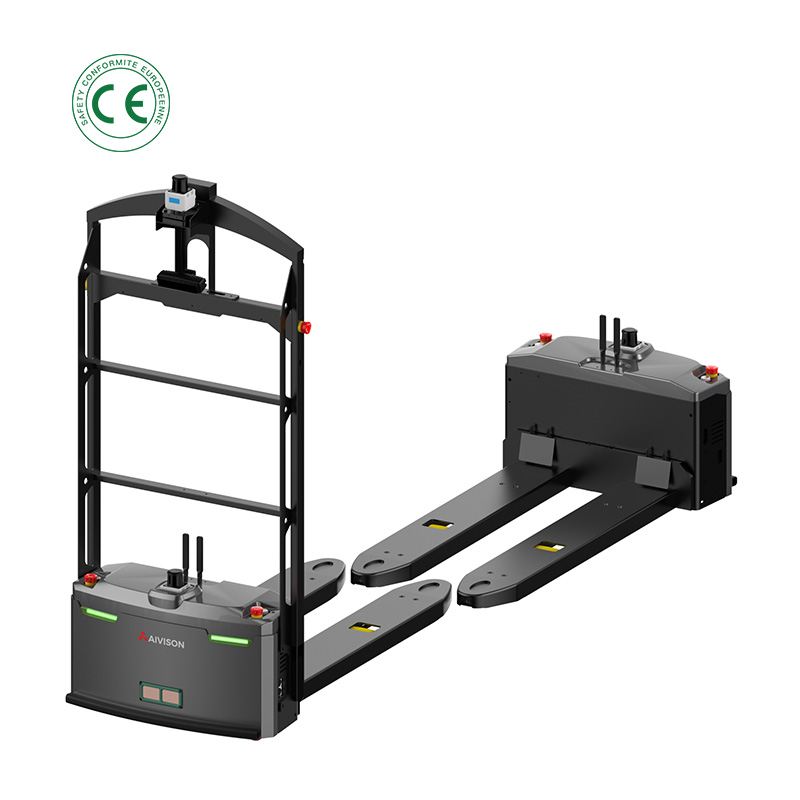
Warehouse Stacker CE Forklift AGV 800kg Load Capacity Light AMR Pallet
An 800 kg CE pallet forklift stacker AMR for light loads, narrow aisles, and smaller distribution footprints. A lower-risk entry point for first-time robot buyers.
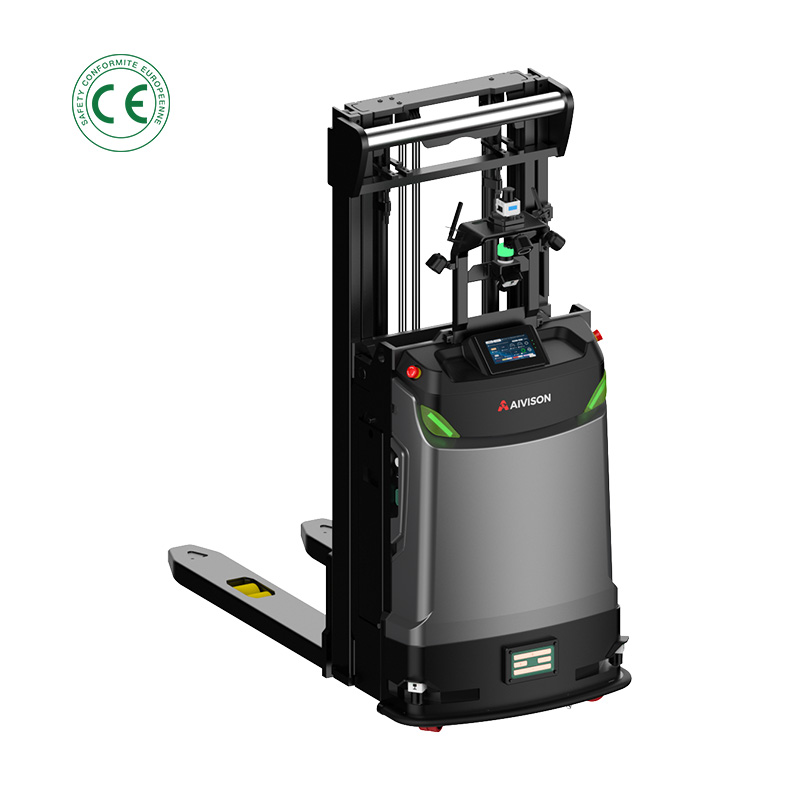
Warehouse Robot Robotics 2000KG CE Warehousing Automatic Forklift Stacking AGV
A 2,000 kg automatic stacking AGV for warehouse robotics programs and high-throughput pallet flow. Fleet scheduling and charging docks support multi-shift duty.

Aivison Stacker Truck Pallet Stacker Forklift Agv 1.5 Ton Autonomous Forklift Smart Deliver AMR Robot
A 1.5-ton autonomous forklift for pallet stacker work, line replenishment, and smart delivery. A heavier option for operations that need forklift-style handling with AMR flexibility.
Why Material Handling Automation Is Moving Up Baltimore’s Capital Plan
Baltimore is not a single warehouse market. It is a port-driven distribution cluster, an I-95/I-695 logistics corridor, a dense urban fulfillment zone, and an advanced-manufacturing region operating in one labor market.
From forklift scarcity to flow reliability
The Port of Baltimore, Tradepoint Atlantic, and the surrounding distribution belt create a mix of container, roll-on/roll-off, e-commerce, food, and industrial freight that is difficult to staff with predictable manual forklift labor alone. Warehouse teams around Curtis Bay, Dundalk, Hanover, Elkridge, and Columbia are being asked to absorb peak surges without expanding the building or adding another shift.
For Baltimore buyers, the real question is not whether a robot can move a pallet. It is whether the automation can work around older building geometry, integrate with a WMS or MES, maintain handover accuracy at racks and conveyors, and stay serviceable across multiple shifts. Most failed automation projects are not robot failures; they are process, site, or integration failures.
Marnix is a Shenzhen-based manufacturer serving Baltimore projects factory-direct, with about ten years of AGV engineering experience, more than 200 manufacturers served, and deployments across three continents. The portfolio covers jacking robots, smart forklifts, pallet AMRs, composite robots, and charging docks, all built around a laser SLAM navigation core.
Baltimore Site Reality Check
- Aisle width, column spacing, floor joints, and dock-door clearances before layout design.
- Wi-Fi coverage and roaming quality along the full robot route, not just the office area.
- Charger power availability and placement to protect 24/7 uptime.
- Rack interface tolerances and pallet quality, especially for high-shelf put-away.
- Fire doors, elevators, egress paths, and mixed pedestrian/forklift traffic.
- Cold-room, condensation, washdown, or dust conditions that affect charger and sensor placement.
Port & Cross-Dock Variability
Inbound waves, trailer sequencing, and cross-dock peaks reward reconfigurable robots over fixed conveyors that lock in one flow path.
Labor Coverage & Safety
Turnover, overtime, training, and mixed-traffic exposure make repeatable pallet travel a high-value first automation target.
Older Building Geometry
Older warehouses around Baltimore often have tight aisles, floor joints, and limited charger space; site survey quality decides success.
Multi-Shift Uptime
E-commerce, food, and life-science operations need charging ratios and fleet scheduling designed for 24/7 duty, not one-shift demos.
Match Navigation Accuracy to the Work, Not the Brochure
Precision is a cost driver. The right specification uses ±5 mm where travel dominates, ±2 mm only where docking demands it, and ±0.05 mm only when the robot performs precision work.
| Configuration | Typical Accuracy | Floor Setup | Best Baltimore Use Case | Procurement Note |
|---|---|---|---|---|
| Laser SLAM on natural features | ±5 mm | No tape, reflectors, or floor QR codes | Trailer-to-rack travel, cross-docking, line-side delivery, changing layouts | Best default for most warehouse and 3PL projects. |
| SLAM + QR code camera | ±2 mm | QR labels only at selected stations | High-bay put-away, conveyor handoff, precision docking, medical or wafer handling | Add only where a handover is unreliable at ±5 mm. |
| Composite AMR + 6-axis arm | ±0.05 mm | Station calibration | Precision assembly, machine tending, life-science and semiconductor workflows | Use when the robot performs work, not only transport. |
Where Material Handling Automation Earns Its Keep in Greater Baltimore
Different Baltimore facilities need different automation logic. The common thread is repeatable movement with a clear handover, measurable labor coverage, and room for layout change.
Port-Adjacent Distribution & 3PLs
Facilities around Curtis Bay, Dundalk, and Tradepoint Atlantic often see trailer arrivals, cross-dock waves, and SKU mix changes that make fixed automation brittle. Laser SLAM AMRs and smart forklifts can move pallets from receiving to staging or rack without cutting the floor for tracks. A fleet scheduling layer keeps missions sequenced when inbound and outbound peaks overlap.
Food, Beverage & Cold-Chain Warehouses
Baltimore’s food distribution base needs repeatable pallet travel and careful sanitation rules. Robots reduce repeated travel into cold rooms and free people for quality, inspection, and exception handling. Before deployment, review condensation, washdown, door transitions, and charger placement; these site details matter more than the robot’s headline payload.
Advanced Manufacturing & Life Sciences
Maryland’s advanced manufacturing and life-science supply chains value traceable, repeatable material flow. Jacking robots, pallet AMRs, and composite units with roller or 6-axis modules can connect line-side racks, conveyors, and workcells. Use ±2 mm QR docking only at machines that need it, and reserve ±0.05 mm composite robots for precision assembly or machine tending.
High-Bay & Infill Warehouses
Warehouses in Hanover, Elkridge, Columbia, and Baltimore City often face rack-height limits, tight aisles, and multi-shift schedules. Smart forklifts and 2,000 kg stacker AGVs can support high-shelf put-away and replenishment. The design question is not just aisle width; it is how the robot confirms pallet position, fork entry, rack tolerance, and safe pedestrian separation.
Automation Trends Shaping Baltimore Procurement in 2025
Baltimore buyers are moving from “Can a robot do this?” to “Can the system stay reliable through peaks, layout changes, and multiple shifts?”
Port-Driven Volatility Is Designed Into Fleets
Instead of sizing robots to an average day, buyers model peak inbound and outbound waves, trailer delays, and cross-dock congestion before fixing fleet count.
Labor ROI Shifts From Headcount to Coverage
Turnover, overtime, safety exposure, and training time are increasingly modeled alongside wage rates. The strongest cases target repeatable travel and hard-to-cover shifts.
Infill Warehouses Favor Reconfigurable Systems
Dense Baltimore-area warehouses cannot always add space. Trackless AMRs and smart forklifts help increase throughput without locking the floor into one conveyor layout.
Fleet Orchestration Becomes Part of the Purchase
Multi-robot scheduling over indoor Wi-Fi, traffic control, and automatic charging are now evaluated as core capability—not optional software add-ons.
Modular Top Mechanisms Reduce Integration Risk
Jacking units, roller conveyors, forklift forks, and 6-axis arms let one chassis serve multiple processes. Buyers can start with transport and add handling modules later.
Staged Investment Replaces Big-Bang Automation
Pilot routes, measured uptime, and phased fleet expansion are preferred over single large purchases. Data visibility with WMS/MES integration supports the scale decision.
Factory Advantages That Matter to a Baltimore Buyer
Shenzhen Marnix Intelligent Technology Co., Ltd. builds mobile robots and complete material handling solutions for end users and system integrators. The value is direct engineering access to the manufacturer, plus a portfolio designed to share navigation software and fleet controls.
About Ten Years of AGV Engineering
Manufacturing experience focused on mobile robots, fleet scheduling, navigation accuracy, and custom top modules—not generic automation distribution.
Complete AMR & AGV Portfolio
Jacking robots, smart forklifts, pallet AMRs, composite robots, and intelligent charging docks from one source, supported by fleet scheduling.
Three Precision Levels
±5 mm laser SLAM without floor infrastructure, ±2 mm with selective QR assist, and ±0.05 mm composite repeatability for precision production.
No Floor Rework for Standard SLAM
Natural-feature navigation maps the existing site. QR labels are added only where docking precision justifies a maintenance item.
Manufacturer-Level Customization
Chassis, payload, jacking units, roller conveyors, forklift forks, and 6-axis arms can be engineered around the production line, not forced into a standard fit.
Verified Quality & Credentials
TÜV Rheinland onsite assessment, Fortune 500 supplier experience, verified multispecialty supplier status, and transparent credit and transaction records.



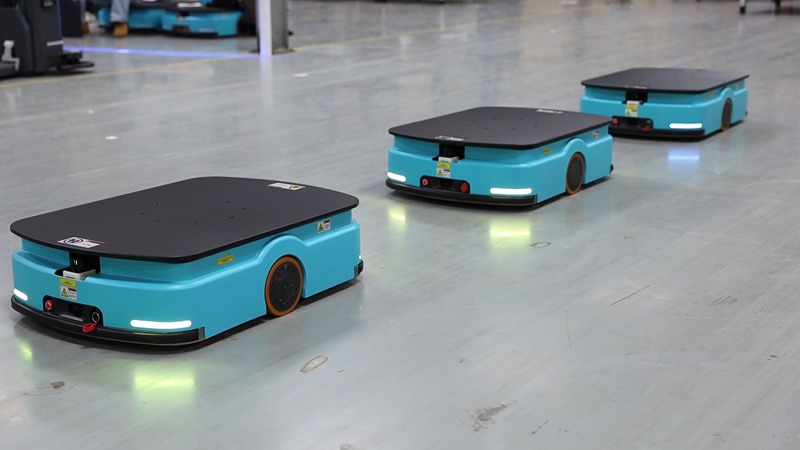
The Baltimore TCO Model: Six Costs That Decide Payback
Robot price is only one line item. Baltimore buyers should compare the full operating model, including labor coverage, site work, freight, charging, spares, and service response.
1. Labor Coverage
Model overtime, turnover, training, safety exposure, and hard-to-cover shifts. A robot that stabilizes two shifts may justify more value than a lower-cost unit that only covers day shift.
2. Infrastructure & Site Work
Mapping, selected QR labels, Wi-Fi improvements, charger power, safety markings, and rack interface corrections. Standard SLAM avoids floor tracks, but site readiness is still real work.
3. Freight, Spares & Commissioning
East Coast shipping, port handling, spare parts, remote support, and local integrator time should be in the business case. Urgent parts can be expensive when not planned.
4. Fleet Sizing & Charging Ratio
Avoid buying to payload alone. Charge time, battery strategy, route length, queue time, and handover time determine how many robots actually cover peak demand.
5. Reconfiguration & Uptime
Baltimore layouts change with leases, SKUs, and port-driven surges. Re-map routes without floor rework, and design charger placement so robots do not queue at shift change.
6. Safety & Compliance Review
Review mixed traffic, egress, fire doors, charger placement, CE documentation for applicable models, insurer requirements, and local authority-having-jurisdiction expectations early.
A 90-Day Pilot Scorecard for Baltimore Operations
A pilot should prove the hard handover, not just the easy hallway drive. Use clear baselines so the scale decision is based on operating evidence.
Baseline the Work
Record missions per shift, average travel distance, forklift wait time, product damage, overtime, and safety incidents before automation.
Survey the Site
Check aisle widths, floor joints, door clearances, Wi-Fi, charger power, rack interface, fire egress, and mixed pedestrian traffic.
Run One Route Family
Choose a defined payload and repeatable handover. Set target cycle time, uptime, operator training, and a response plan for exceptions.
Decide With Evidence
Compare uptime, handover success, cycle time, labor redeployment, and service response. Scale only after the handover is repeatable.
Questions Baltimore Buyers Ask Before Automating
Straight answers for project teams comparing factory-direct AMRs, smart forklifts, and warehouse automation options.
Is Marnix a Baltimore factory or an overseas manufacturer?
Marnix is Shenzhen Marnix Intelligent Technology Co., Ltd., a manufacturer based in Shenzhen, China. For Baltimore buyers, we support projects factory-direct and coordinate with local integrators, electrical contractors, and site teams where needed. We do not claim a local Baltimore showroom; the advantage is direct engineering access to the robot builder.
How do robots ship to Baltimore and what lead time should we plan?
Most projects ship via East Coast ocean freight, including the Port of Baltimore, with BWI air freight for urgent components where practical. Lead time depends on robot type, customization, charger configuration, and documentation; we quote it after payload, layout, and handover requirements are defined. A responsible schedule includes mapping, integration, site acceptance, and spare-parts planning—not only production time.
Do we need tracks, reflectors, or QR codes across the floor?
No for standard laser SLAM. The robot maps natural features and navigates without magnetic tape, reflectors, or floor QR codes. QR labels are added only at selected stations where ±2 mm docking is justified. This keeps the floor flexible for layout changes and reduces maintenance.
What about 480V power, CE marking, and US site compliance?
Charging and power requirements must be confirmed for each Baltimore site, including available voltage and charger placement. CE documentation is available for applicable models. CE is not a substitute for local review; if your authority having jurisdiction, insurer, or facility standard requires NRTL/UL-listed equipment, raise it during engineering review so the configuration and schedule reflect it.
How many robots will we need for our peak?
Use peak missions per hour, average mission time, charging strategy, and practical utilization rather than a simple pallet count. The work content is peak missions × average mission hours; divide by practical utilization to estimate fleet size, then validate with route simulation and a pilot. Add redundancy only where a single robot stop would halt a line.
Can you integrate with WMS, MES, conveyors, and existing forklifts?
Yes, subject to engineering review. The fleet scheduling layer coordinates multiple robots over indoor Wi-Fi, and top modules can include jacking units, roller conveyors, forklift forks, and 6-axis arms. Integration with WMS/MES, conveyor handshakes, safety controls, and existing forklift traffic should be defined in the project scope with your integrator.
Independently Assessed Supplier Information
Baltimore buyers should review third-party verification and trade records as part of due diligence, especially for first-time automation purchases.
TÜV Rheinland Onsite Assessment
Company premises and operations verified by an independent inspection body. Review the onsite assessment report before purchase.
Supplier to Fortune 500
Procurement contract with a Fortune 500 company, assessed by independent third parties. Trade history supports supplier due diligence.
Verified Multispecialty Supplier
Low-MOQ customization and multi-category robot procurement capability, useful for mixed fleets and integrator projects.
Credit & Transaction Records
Transparent credit index and transaction level history available for commercial review before a Baltimore project commitment.
Get a Baltimore-Ready Material Handling Automation Quote
Share the inputs that determine robot selection. Our engineering team will recommend the right navigation level, payload class, top module, charging strategy, and fleet size for your Baltimore site.
Project email: info@marnixbot.com
Factory-direct review. No obligation. Ask for ±5 mm, ±2 mm, or ±0.05 mm configuration guidance.