Eight Logistics Robot Platforms for Mexico’s Factories and Warehouses
Every platform shares a common SLAM navigation core, fleet scheduling software and modular top-interface philosophy. That means a mixed fleet of AMRs, jacking robots, forklifts and development platforms can be evaluated through one technical partner instead of several disconnected suppliers.
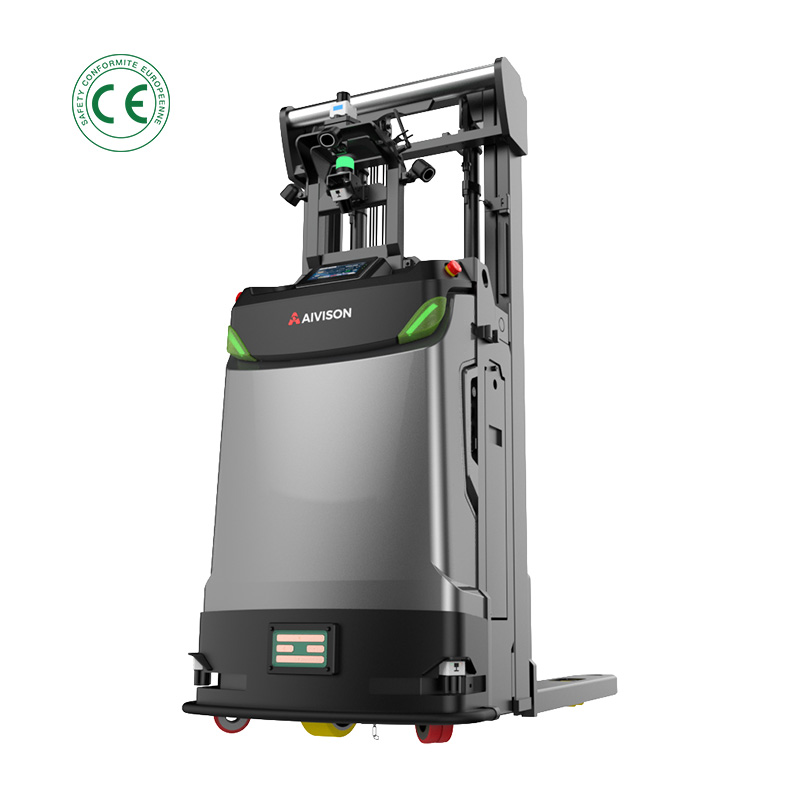
Smart Transport Robotic with Laser Navigation Reach 2000KG AGV Logistics Robots Warehouse Robot AMR
A general-purpose 2000 kg-class transport AMR for pallet, rack and work-in-process movement. Laser SLAM mapping avoids fixed floor infrastructure and supports fast re-routing when a warehouse layout changes.
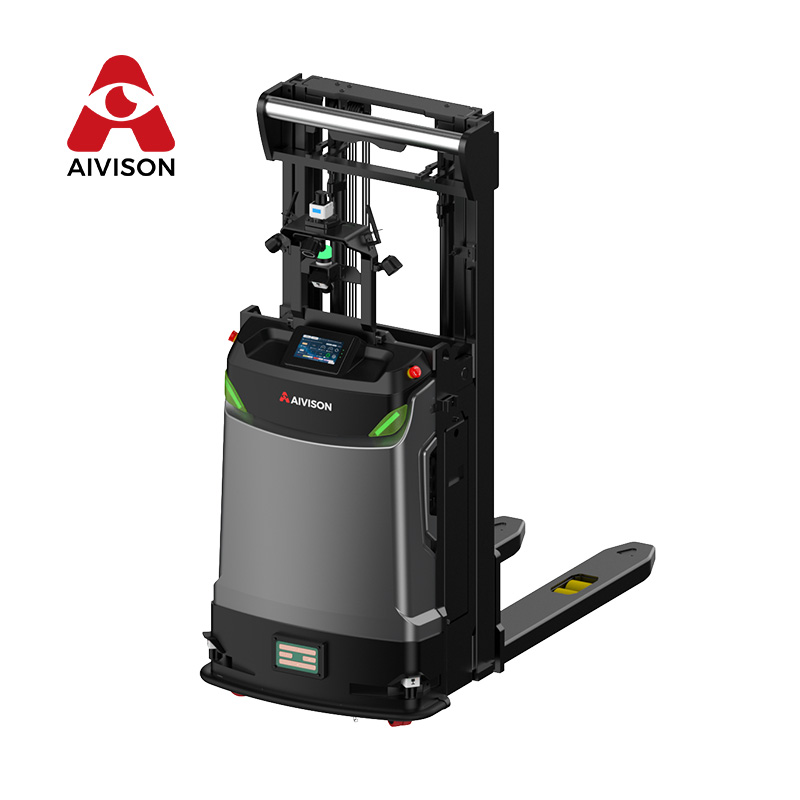
Heavy Load 2000KG Load Forklift Laser Guide AMR for Warehouse Pallet
A smart forklift platform for pallet handling where conventional fork entry, floor stacking and trailer-to-rack transfer are required. Camera-assisted pallet recognition helps improve repeatable fork engagement.
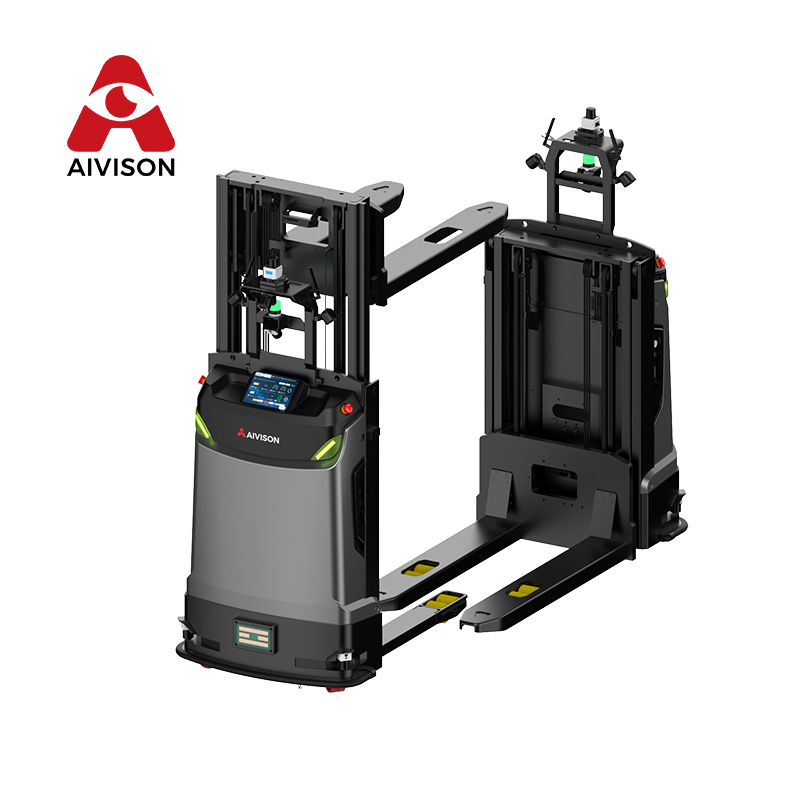
New Warehouse Autonomous Cars AGV Robot 2000kg Load Capacity Stacker AGV Robot
A stacker-oriented autonomous platform for warehouse operations that need lifting and placing at height. Suitable for repetitive pallet buffering, staging and line-side replenishment in mixed-traffic areas.

AI-Ready Humanoid Robot Chassis Dual 7-DOF Arms Omnidirectional Drive ROS2 Laser SLAM Open Development Platform
An open development platform for integrators, research teams and advanced automation labs that need omnidirectional mobility, dual 7-DOF arms and ROS2 compatibility for custom application development.

Hot Selling Logistics Navigation Detector Sensor Lidar Manufacturers Direct Sales
A navigation-grade LiDAR component for logistics robot applications, integrator projects and maintenance planning. Direct manufacturer supply helps shorten spare-part lead time for fleet expansion.
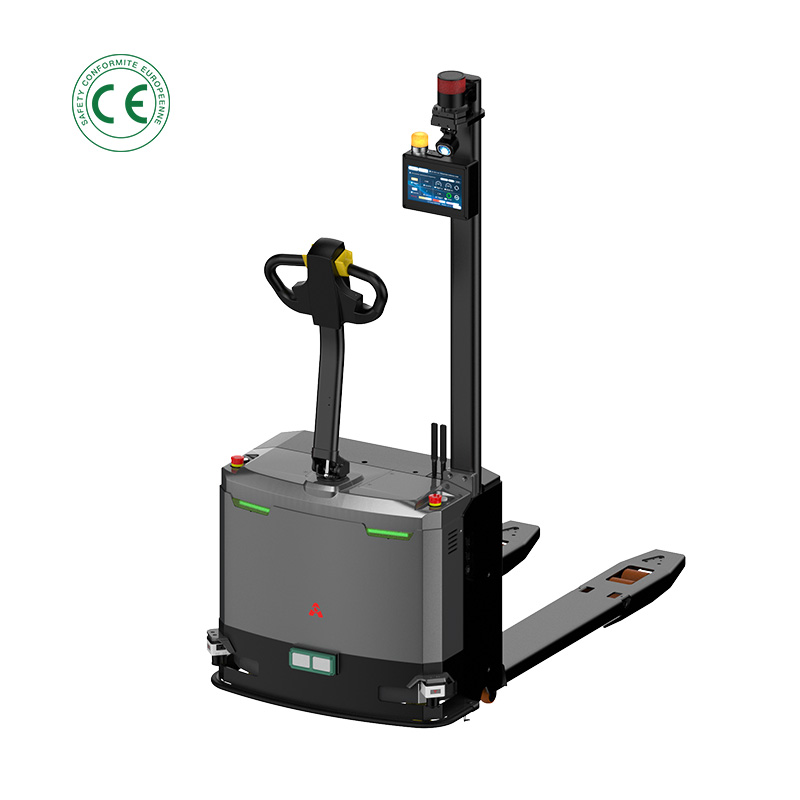
CE Certification Industrial AMR AGV Robot for Warehouse Automation Autonomous Material Handling Logistics
An industrial AMR platform for autonomous material handling in warehouse and production environments. CE-certified configurations are available; final application compliance should be reviewed with your importer and customs broker.
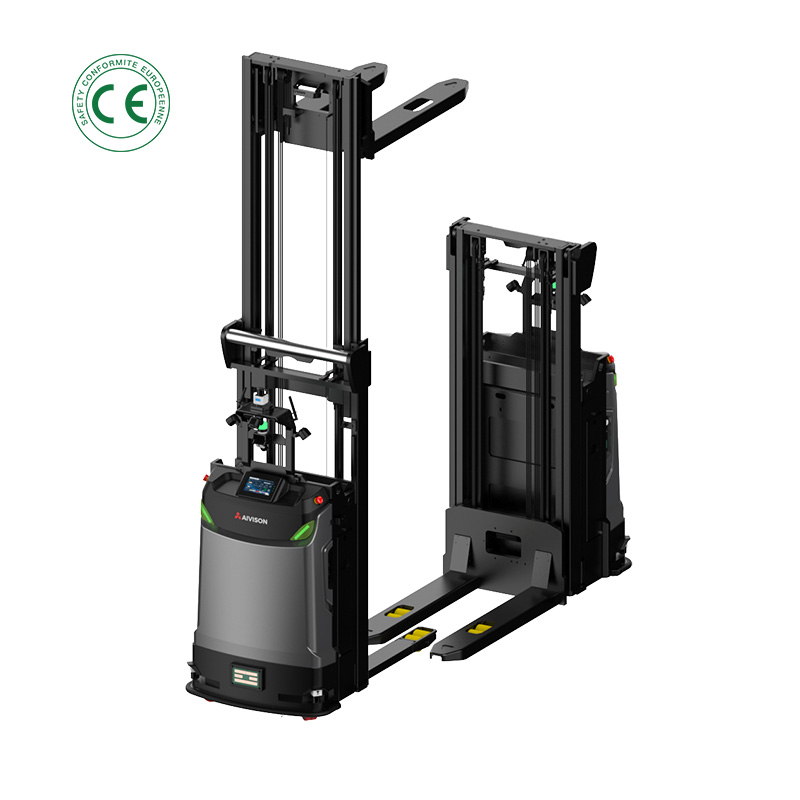
High-performance Intelligent Smart Automated Guided Vehicle 2000kg AMR Robot
A high-performance 2000 kg AMR for repetitive internal logistics and line-side delivery. The platform can be configured with different top modules to match racks, conveyors or production interfaces.
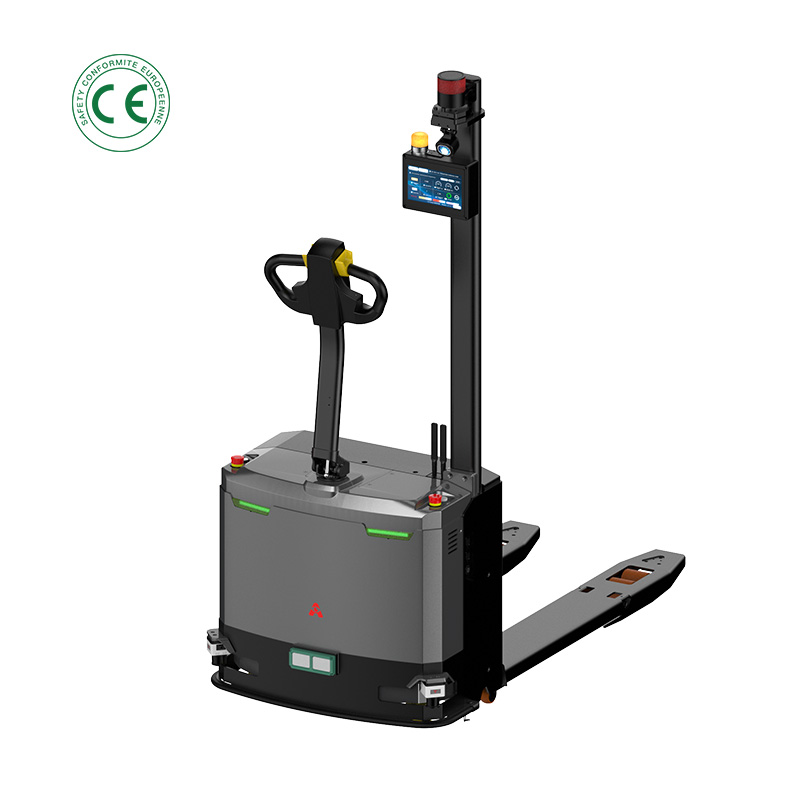
Autonomous Mobile Robot AMR AGV Forklift Pallet Stacker CE Certificate for Smart Warehouse and Production Line Automation
A pallet-stacking AMR forklift for smart warehouse and production-line automation. It addresses the gap between fixed conveyors and manual forklift traffic, especially where pallet flow must remain flexible.
Shenzhen-based R&D and manufacturing experience.
No magnetic tape, reflectors or floor QR codes required.
End users and system integrators across three continents.
For precision assembly with 6-axis arm modules.

A Practical Automation Partner for Mexico’s Nearshoring Economy
Mexico is no longer only a low-cost assembly location; it is a strategic manufacturing and logistics platform for North America. Industrial corridors from Monterrey and Saltillo to Querétaro, Aguascalientes, San Luis Potosí, Tijuana, Guadalajara and Puebla are adding capacity in automotive, auto parts, appliances, electronics, medical devices and 3PL. For plant engineers, the challenge is not whether to automate but how to add capacity without stopping current production.
Shenzhen Marnix Intelligent Technology Co., Ltd. has spent about ten years building AGV and AMR platforms. Our laser SLAM robots reach ±5 mm positioning without magnetic tape, reflectors or floor QR codes; adding a QR scanning camera raises docking accuracy to ±2 mm, and composite robots with a 6-axis arm can reach ±0.05 mm repeatability. This tiered approach matters in Mexico because it lets a buyer right-size precision by station instead of paying for unnecessary infrastructure across the whole site.
- Trackless deployment: map existing aisles instead of installing fixed guide paths.
- Integrator support: OEM chassis and top-module customization for Mexican system integrators.
- Export-ready documentation: English and Spanish training materials can be discussed during project scoping.
- Compliance discipline: CE configurations are available; final NOM and customs classification should be confirmed with your Mexican importer or broker.
Where Logistics Robots Fit in Mexican Operations
Mexico’s manufacturing base combines high-mix production, imported components, cross-border shipping and fast line changes. Robot selection should follow the process constraint—not a generic catalogue page.
Automotive & Auto-Parts Plants
Line-side replenishment, sequence delivery, empty-container return and pallet transfer in corridors that cannot be blocked by fixed conveyors. Recommended platforms include 2000 kg AMRs, jacking robots and smart forklifts.
Recommended: 2000 kg AMR / smart forkliftElectronics & 3C Maquiladoras
Work-in-process transfer between assembly cells, test stations and packing lines. Compact AMRs and jacking robots help reduce manual handling while preserving the flexible layout that high-mix electronics manufacturing requires.
Recommended: compact AMR / jacking robotMedical Device Manufacturing
Controlled material transfer, repeatable docking and traceable movement between production and packaging zones. Composite robots with 6-axis arms can support precision tasks where ±0.05 mm repeatability is relevant.
Recommended: composite mobile robotWarehousing & 3PL Operations
High-bay storage, receiving-to-storage transfer, staging and dispatch buffering. Laser SLAM robots handle route changes when SKU profiles or storage zones are reorganized, while smart forklifts handle pallet-level work.
Recommended: stacker AGV / pallet AMRAppliance & FMCG Packaging
Repetitive pallet movement between packaging, labeling, stretch-wrapping and dispatch. Robots reduce forklift congestion and support stable throughput during shift changes and peak export periods.
Recommended: smart forklift / pallet stackerLithium Battery & EV Supply Chain
Jacking robots can drive under racks, lift and move material to the next process step without dedicated conveyor infrastructure. This is useful in fast-changing battery pack and component production areas.
Recommended: jacking robot / 2000 kg AMRWhat Is Shaping Logistics Robot Demand in Mexico?
Buyers are not only replacing labor; they are designing for nearshoring volatility, export deadlines, mixed-model production and the need to commission systems without long production shutdowns.
Nearshoring Adds Capacity Pressure
New industrial park investment and transferred production lines create urgent material-flow bottlenecks. Robots that can be deployed in phases—without tearing up the floor—reduce project risk and allow capacity to follow demand.
Labor Turnover Favors Standard Work
High turnover increases training load and variability in manual pallet handling. AMRs standardize route execution, handover points and throughput, allowing operators to focus on exceptions, quality and machine tending.
Space and Energy Efficiency
Compact AMRs and jacking robots allow narrower aisles and denser staging than manual forklift operations. Intelligent charging docks support opportunity charging, so fleets can run across shifts without oversized battery rooms.
Digital Integration Becomes Mandatory
Mexican plants increasingly expect robots to exchange task status with WMS, MES or ERP systems. Fleet scheduling over indoor Wi-Fi, call-button integration, conveyor handshakes and Spanish HMI support are becoming evaluation criteria.
Safety and Risk Review Tightens
Mixed pedestrian and forklift traffic requires clear traffic rules, speed zones and emergency-stop planning. A serious project should include a site risk assessment, operator training and defined responsibilities between robot, integrator and plant.
Local Support Changes Supplier Selection
Buyers compare not only robot price but spare-part lead time, remote diagnostics, integrator availability and documentation language. A manufacturer that supports both end users and local integrators can reduce long-term operating risk.
Choose the Right Precision Level for Each Station
Most buyers over-specify navigation. Matching accuracy to the actual task avoids unnecessary floor infrastructure, commissioning time and cost.
| Configuration | Typical accuracy | Mexico deployment note | Best fit |
|---|---|---|---|
| Laser SLAM on natural features | ±5 mm | No tape, reflectors or floor codes. Good for existing plants where production cannot stop for floor work. | Warehouse transfer, line-side delivery, mixed traffic, frequent layout changes |
| SLAM + QR code camera | ±2 mm | QR labels only where high-precision docking is needed—not across the whole route. | High-shelf storage, precision docking, wafer handling, machine tending |
| Composite robot with 6-axis arm | ±0.05 mm | Requires station calibration and careful interface definition before deployment. | Semiconductor, medical device and high-value assembly tasks |
Dynamic Obstacle Avoidance
Designed for mixed pedestrian, forklift and AMR areas. Speed zones and traffic rules should be defined during site survey.
Wi-Fi Fleet Scheduling
Multiple robots are coordinated by an intelligent scheduling system for task assignment, traffic control and charging.
Intelligent Charging Docks
Opportunity charging supports multi-shift duty. Dock count and placement should be sized from peak mission demand.
What to Prepare Before Requesting a Mexico AMR Proposal
From our project experience, these six inputs determine most of the robot selection. Sharing them upfront shortens evaluation from weeks to days and reduces the risk of a mismatched configuration.
Load Profile
Maximum weight, footprint, center of gravity and whether the robot moves racks, pallets, totes or custom carriers.
Site Layout
CAD drawing or sketch with aisle widths, doors, slopes, elevator or lift points, charging locations and fire-route constraints.
Throughput Target
Missions per hour, peak periods and future growth. This sets fleet size, robot speed limits and charging dock count.
Docking Precision
Where ±5 mm is sufficient and where ±2 mm QR assist or robot-arm-level precision is truly required.
Wi-Fi Coverage
Existing access points, coverage quality, roaming behavior and whether the plant allows robot traffic on the production network.
Equipment Interfaces
Conveyors, machines, shelving or safety gates the robot must hand over to, plus voltage, language and documentation requirements.
Manufacturer-Level Engineering, Not Catalogue Reselling
Shenzhen Marnix Intelligent Technology Co., Ltd. designs and manufactures laser SLAM AMRs, jacking robots, smart forklifts, composite mobile robots and intelligent charging docks. Our role is to help end users and system integrators turn a material-flow problem into a deployable robot configuration—not to force a standard model into an incompatible process.
For Mexico projects, this means we can discuss chassis size, payload, top modules, docking method, fleet scheduling, spare-part planning and documentation language during the same technical conversation. CE-certified configurations are available, and the company has undergone a TÜV Rheinland onsite supplier assessment. Final product compliance and customs classification for your specific import must be confirmed with your importer or customs broker.
10+ Years
AGV and AMR engineering experience from a Shenzhen manufacturing base.
200+ Buyers
Manufacturers served across three continents, including end users and integrators.
Fortune 500
Procurement contract with a Fortune 500 company, assessed by independent third parties.
Modular Top
Jacking units, roller conveyors, forklift forks, 6-axis arms and charging docks.
Fleet Software
Intelligent scheduling over indoor Wi-Fi for multi-robot task assignment.
Quality Protocol
Multi-stage inspections and operational stress tests before shipment.

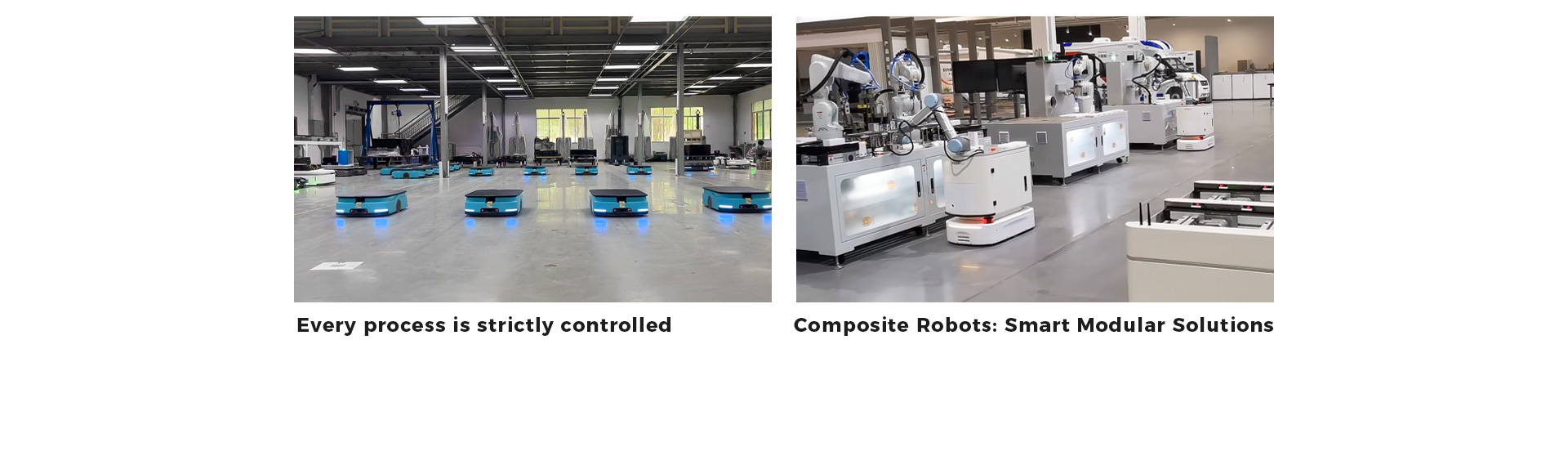
Designed for Integrators and End Users
Our product logic is modular: keep the proven SLAM chassis, fleet controller and safety architecture, then change the payload interface. This is especially valuable in Mexico, where system integrators often need to combine imported robot platforms with local mechanical fabrication, PLC programming and commissioning resources.
- OEM support: chassis and top-module customization for project-specific handling.
- Composite robotics: AMR mobility with 6-axis arms, rollers or other production interfaces.
- Proposal-ready inputs: share load, layout, throughput and precision targets for a faster configuration review.
Common Questions from Mexico Buyers
These answers are written for plant engineers, procurement teams and system integrators evaluating a first or second robot deployment.
What logistics robot is best for a Mexican warehouse?
Start with the movement unit. If you move pallets to high racks or floor stacks, a smart forklift or pallet stacker is often the most natural fit. If you move racks, shelves or work-in-process carriers, a jacking robot or 2000 kg AMR may be better. If the task is general transfer between zones, a laser SLAM AMR is usually the simplest starting point. The correct answer depends on load, aisle width, throughput and docking precision—not on robot type alone.
Do Marnix robots require floor modification?
Standard laser SLAM navigation maps existing natural features, so no magnetic tape, reflectors or floor QR codes are required for normal routing. QR labels are added only where a station needs ±2 mm docking accuracy. This matters in Mexico because many projects are retrofits into operating plants where floor work would disrupt production or require extended shutdowns.
Can the HMI, manuals and training be provided in Spanish?
Spanish-language support can be discussed during project scoping. For a Mexico deployment, we recommend that the technical agreement define which documents, HMI strings, operator instructions and training materials must be delivered in Spanish, and which engineering documents will remain in English. This avoids ambiguity during commissioning and operator handover.
What about voltage and power in Mexico?
Mexico commonly uses 220 V / 60 Hz in industrial facilities, but sites vary. The charging dock, power supply and electrical interface should be confirmed against the actual plant standard before shipment. Share your facility voltage, phase, plug standard and charging location so the configuration can be reviewed properly.
How do you handle import, customs and shipping to Mexico?
We support export documentation and can discuss shipment terms such as FOB, CIF or other arrangements with your purchasing team. The importer or customs broker should confirm HS classification, duties, customs clearance, NOM or other applicable requirements, and final documentation. Robot configurations, battery shipping details and spare-part lists should be aligned before the order is released.
Are spare parts and technical support available locally?
Support models can combine remote diagnostics, spare-part kits, factory engineering support and local integrator resources. Mexico is a large market with different support expectations in Monterrey, Bajío, Tijuana, Guadalajara and Mexico City. A practical proposal should define response expectations, critical spare parts, training responsibilities and who performs on-site service.
Can you customize a robot for my production line and integrate with WMS/MES?
Yes. As a manufacturer, Marnix customizes chassis and top modules such as jacking units, roller conveyors, forklift forks and 6-axis robotic arms. For software integration, the project should define whether the robot receives tasks from a WMS/MES/ERP, a PLC, a call button or the fleet scheduling system. Interface responsibility between the robot, the integrator and the plant control team must be agreed early.
What information should I send for a fast quotation?
Send the load weight and footprint, site layout, aisle widths, required throughput, docking precision, operating hours, Wi-Fi coverage, voltage, destination city in Mexico and whether you have a preferred system integrator. If you already know the robot type, include the target model. Clear inputs allow our engineers to recommend a practical configuration and highlight risks before commercial quotation.
From Mexico Inquiry to Robot Deployment
A structured process reduces the hidden cost of automation projects: unclear interfaces, late floor constraints, missing spare parts and commissioning surprises.
Requirement Review
Share load, layout, throughput, precision and local site conditions. We screen the application for fit.
Configuration Proposal
Recommend robot type, navigation tier, top module, charging strategy and fleet size.
Site and Interface Check
Review aisles, Wi-Fi, voltage, docking points and handover equipment before confirming scope.
Factory Build and Test
Assemble the platform, run operational checks and prepare export and spare-part documentation.
Shipment to Mexico
Align shipping terms, customs documentation and delivery planning with your importer.
Commissioning and Handover
Support mapping, route setup, fleet tuning and operator training through the agreed support model.
Ready to Shortlist the Right AMR for Your Mexico Operation?
Tell us your payload, aisle dimensions, throughput target, docking precision and destination city in Mexico. Our engineers will help you compare AMR, jacking robot and smart forklift configurations with your real operating constraints in mind.