Load Handling Robot Manufacturer & Factories Serving Bangkok
Marnix engineering supplies laser SLAM AMRs, jacking robots, smart forklifts and mobile robot chassis to factories, warehouses and system integrators across Bangkok and the Eastern Economic Corridor.
8 Load Handling Robots and AMR Platforms for Bangkok Factories
For Bangkok buyers, the right robot is not simply the largest machine on the quotation. It is the platform that matches rack dimensions, aisle width, docking precision, Wi-Fi coverage, charging strategy and the pace of change in your production plan. The eight products below show the practical range: LiDAR navigation hardware, warehouse AMRs, omnidirectional mobile chassis, unmanned pallet forklifts, heavy-load laser forklifts, lifting AGV chassis and open ROS2 platforms for integrators. Every product link is preserved so your engineering team can compare the original specification before requesting a Bangkok-specific recommendation.

Hot Selling Logistics Navigation Detector Sensor Lidar Manufacturers Direct Sales
For Bangkok system integrators building or servicing SLAM fleets, this navigation sensor supports mapping and localization in mixed warehouse traffic.
View product details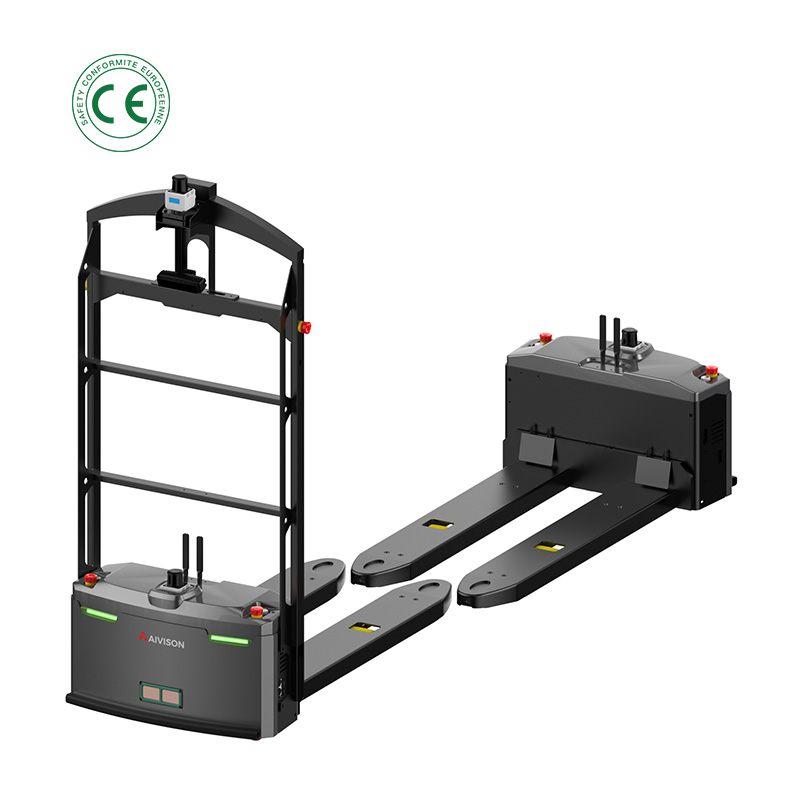
Aivison Customized 800kg Warehouse AGV Robot Lithium Battery AMR
A practical warehouse AMR for Bangkok electronics, automotive parts and distribution sites that need flexible transfer without floor rework.
View product details
Omnidirectional Humanoid Robot Chassis Dual 7-DOF Arms Laser SLAM Autonomous Warehouse AMR Mobile Platform
An advanced mobile platform for Bangkok research groups and integrators developing high-value assembly, inspection or machine-tending applications.
View product details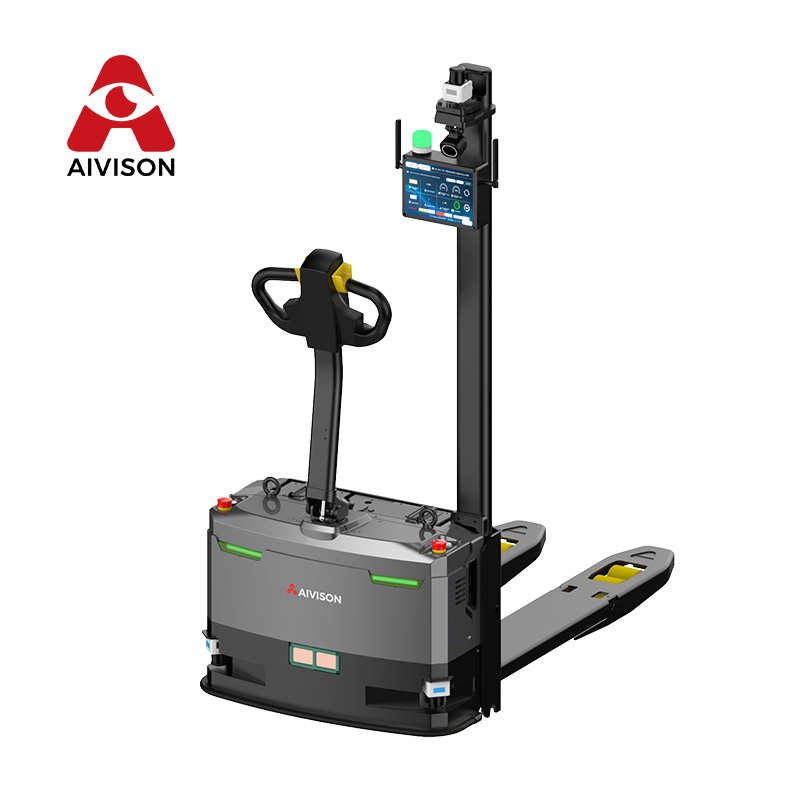
Aivison AGV Forklift High Quality Industrial Unmanned Pallet Forklift
Suited to Bangkok factories and distribution centers that handle standard pallets and want to reduce repetitive forklift trips between storage and dispatch.
View product details
Humanoid Robot Chassis Dual 7-DOF Arms Laser SLAM Omnidirectional Navigation ROS2 Open Platform AMR
Built for Bangkok integrators that need an open, programmable mobile base for research, composite robotics and custom end-effector development.
View product details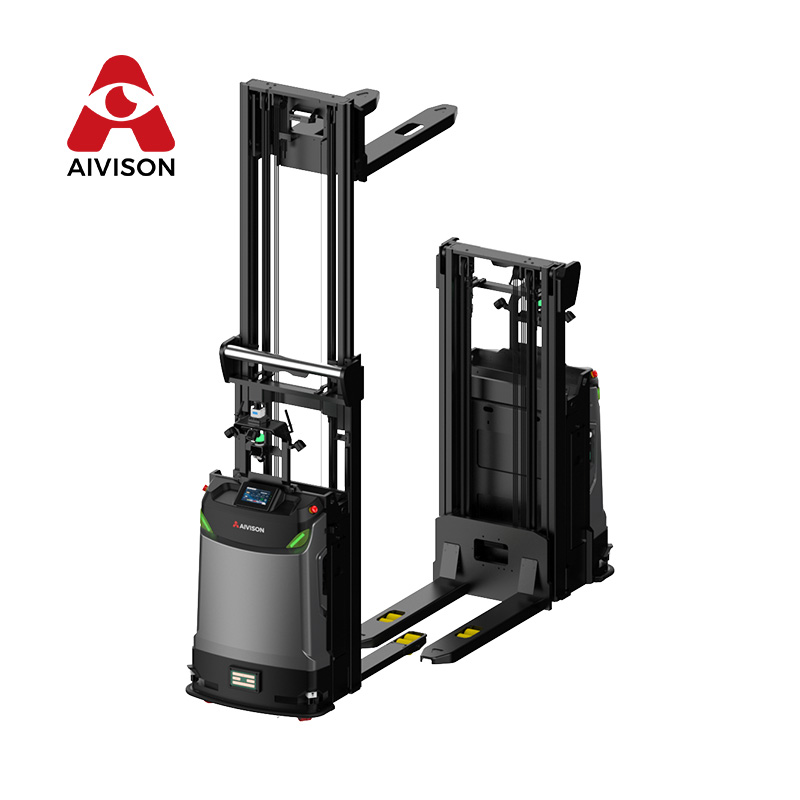
High Precision agv Forklift Full Servo Motor Controlled Laser Forklift with Heavy Load 2000kg
Recommended where Bangkok operations need precise fork positioning, heavy loads and repeatable pallet pick-and-place across shifts.
View product details
Heavy Load 2000KG Load Forklift Laser Guide AMR for Warehouse Pallet
A robust option for high-throughput Bangkok warehouses with standard pallet flows and a need to automate repetitive long-distance runs.
View product details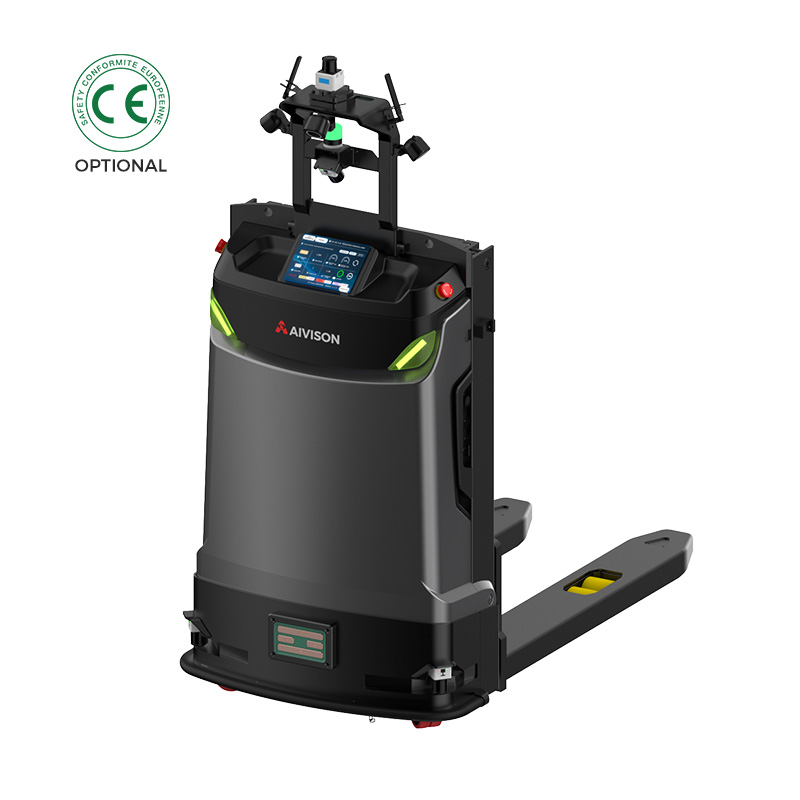
China Factory Automated Mobile Robot SLAM Lifting Wholesale AGV Chassis Vehicle
An OEM-friendly chassis for Bangkok integrators and distributors who need a reliable lifting AGV base with local customization potential.
View product detailsWhere Load Handling Robots Fit in Bangkok and Nearby Industrial Corridors
Bangkok is not a single warehouse market. It combines dense urban distribution sites, manufacturing plants in the surrounding provinces, logistics parks near Suvarnabhumi, and factories connected to the Eastern Economic Corridor. That mix rewards robots that can be mapped quickly, re-routed easily and coordinated across mixed human and vehicle traffic.
Warehouse and High-Bay Storage
Use smart forklifts and 2000 kg laser-guided AMRs for pallet movement between receiving, racking and dispatch. For high-shelf sites, QR-assisted docking can raise positioning to ±2 mm only where the station needs it, avoiding unnecessary floor labels across the whole warehouse.
Production-Line Material Flow
Bangkok automotive parts, electronics and PCB plants often need line-side replenishment that follows takt time. Jacking robots, roller-conveyor modules and 800 kg warehouse AMRs keep material flowing without forcing a full conveyor rebuild.
Electronics and Semiconductor-Adjacent Assembly
For higher-value handling, composite mobile robots combine a SLAM chassis with a 6-axis arm or precision top module. Marnix multi-layer synchronization protocols support repeatability down to ±0.05 mm for applications where manual transfer creates risk.
Medical Device and PCB Handling
When traceability matters, a stable AMR platform reduces manual touches between process steps. The same navigation core can be paired with different top modules, giving Bangkok manufacturers a path to scale without introducing a separate software stack.
24/7 Cross-Dock and In-Plant Transfer
An intelligent scheduling system manages the fleet over indoor Wi-Fi, handling simultaneous task assignment, traffic control and automatic charging with compatible smart charging docks. This is especially relevant for Bangkok operations running multiple shifts.
System Integrators and OEM Partners
Bangkok integrators can source the SLAM chassis, jacking unit, roller conveyor, forklift forks, QR code camera and charging dock from one manufacturing partner, then focus local engineering effort on the customer process and handover.
Bangkok Material-Handling Trends That Affect Robot Selection
Procurement teams in Bangkok are not buying automation in isolation. They are responding to shifts in labour planning, factory layouts, export quality requirements and the need to keep existing operations running during installation.
Thailand 4.0 and EEC Smart Manufacturing
As Bangkok-linked factories invest in connected production, robots need to share data with WMS, MES and line equipment. Marnix platforms support fleet coordination and custom top-module integration rather than acting as isolated machines.
Labour Availability and Multi-Shift Throughput
Repetitive pallet and rack movements are increasingly difficult to staff consistently across shifts. Autonomous transfer helps stabilise throughput while allowing existing staff to focus on quality, inspection and exception handling.
High-Mix, Low-Volume and Faster Layout Changes
Trackless laser SLAM lets Bangkok teams re-map routes when a line changes, instead of cutting magnetic tape or installing floor QR codes everywhere. QR labels are reserved for stations where ±2 mm docking precision truly matters.
Heat, Uptime and Service Readiness
Bangkok's tropical climate and continuous duty cycles make charging strategy and spare-part planning important. Lithium battery systems, smart charging docks and remote engineering support should be reviewed together during the site survey.
Match Navigation Accuracy to the Station, Not the Whole Factory
One of the most expensive mistakes in Bangkok automation projects is specifying high precision everywhere. Most transport routes only need stable trackless navigation. Precision should be added at the few stations where the robot actually hands over a rack, pallet or carrier.

| Configuration | Accuracy | Floor Setup | Best Fit for Bangkok |
|---|---|---|---|
| Laser SLAM on natural features | ±5 mm | No tape, reflectors or floor codes required | Warehouse transfer, line-side delivery and sites with frequent layout changes |
| SLAM + QR code camera | ±2 mm | QR labels only at precision stations | High-shelf storage, precision docking and tight machine interfaces |
| Composite robot with 6-axis arm | ±0.05 mm | Station calibration and process review | Semiconductor-adjacent, medical device and high-value assembly tasks |
Why Marnix Is a Practical Load Handling Robot Partner for Bangkok Projects
Shenzhen Marnix Intelligent Technology Co., Ltd. is a manufacturer, not only a trading intermediary. The company combines about ten years of AGV engineering experience with laser SLAM navigation, custom top-module design, fleet scheduling software and factory-level quality control. For Bangkok buyers, that means one technical partner can cover the robot chassis, payload interface, charging strategy and integrator support.
Manufacturer-Level Engineering
In-house engineering of chassis, payload modules and software allows Marnix to adapt a platform to your rack footprint, pallet type, machine interface and throughput target instead of forcing a fixed catalogue model.
±5 mm Trackless Navigation
Laser SLAM maps the existing environment and navigates without magnetic tape, reflectors or floor QR codes. This is useful for Bangkok sites that cannot stop operations for long installation works or frequent re-layouts.
Custom Top Modules
Jacking units, roller conveyors, forklift forks, lifting platforms and 6-axis arms can be engineered around the process. Integrators can source a complete mechanical platform and focus local resources on commissioning and customer support.
Wi-Fi Fleet Scheduling
Multiple robots are coordinated by an intelligent scheduling system over indoor Wi-Fi, enabling simultaneous task assignment, traffic control and automatic charging. Mixed fleets can share the same navigation and dispatch logic.
Quality Protocol and Field Experience
Multi-stage intelligent inspection and operational stress testing support reliable deployment. More than 200 manufacturers across three continents have used Marnix solutions in production, warehouse and logistics environments.
Independent Verification
The company has completed an onsite supplier assessment by TÜV Rheinland, supplies to a Fortune 500 company, and maintains verified trade capacity and transaction records. Bangkok procurement teams can request these documents during supplier review.

A Factory Partner That Understands Integrator Reality
Many Bangkok automation projects involve a local system integrator, an end user, and an overseas technology supplier. That structure only works when the manufacturer provides clear interfaces, stable hardware, responsive engineering feedback and documentation that local teams can use during commissioning.
Marnix supplies both end users and system integrators. The product ecosystem includes jacking robots, smart forklifts, pallet AMRs, composite robots, QR code cameras, intelligent charging docks and fleet scheduling. Because the navigation core is shared, a Bangkok integrator can standardise service knowledge across multiple robot types instead of learning a different platform for every aisle.
- Laser SLAM AMR platforms with ±5 mm navigation; QR assist reaches ±2 mm where required.
- Composite robots with 6-axis arms deliver ±0.05 mm repeatability for precision tasks.
- Fleet scheduling, traffic control and automatic charging support multi-robot operations.
- OEM and integrator support for custom chassis, top modules and charging solutions.
Factory Evidence, Quality Control and Third-Party Credentials
Bangkok buyers are encouraged to verify supplier claims before placing a purchase order. The items below reflect the credentials and quality approach described by the manufacturer and can be reviewed as part of due diligence.

TÜV Rheinland Onsite Assessment
Company premises and operations assessed by an independent inspection body.

Supplier to Fortune 500
Procurement contract with a Fortune 500 company, assessed by independent third parties.

Verified Supplier Capability
Low-MOQ customization and multi-category robot procurement capability for integrators.
Credit and Transaction Records
Transparent credit index, transaction level and trade history available for review.
From Site Survey to Handover: A Bangkok Deployment Path
A successful Bangkok project starts with data, not a product code. Share the right inputs early and the engineering team can recommend a realistic fleet size, navigation configuration and charging plan.
Submit Load and Layout Data
Provide maximum load, rack or pallet footprint, aisle widths, doors, slopes, lift points and a CAD plan or sketch of the operating area.
Define Throughput and Precision
Share missions per hour, peak periods and which stations need ±5 mm, ±2 mm QR assist or composite-robot precision.
Confirm Infrastructure
Review Wi-Fi coverage, charging location, power supply requirements and any interfaces to conveyors, machines or racks.
Plan Commissioning and Support
Agree mapping, training, spare-part recommendations and remote engineering support before shipment to Bangkok or the EEC.
Bangkok Buyer FAQ: Import, Installation, Service and ROI
These are the procurement questions most often raised by Bangkok factories, warehouse operators and system integrators evaluating load handling robots and AMRs.
Can you ship load handling robots to Bangkok and the EEC?
Yes. Projects can be quoted for shipment to Bangkok, Laem Chabang or an integrator warehouse. The commercial terms, packing method, spare-part list and documentation requirements should be confirmed during quotation so the local buyer can plan customs clearance and inland delivery.
What lead time should a Bangkok buyer expect?
Lead time depends on whether the project uses a standard platform or a custom top module. A standard AMR or smart forklift configuration may be available in weeks after drawing approval, while custom chassis, roller conveyors, 6-axis arms or special lifting units require additional engineering and testing time.
Do we need to install magnetic tape or QR codes across the floor?
No. Standard laser SLAM navigation maps existing natural features and reaches ±5 mm without tracks, reflectors or floor QR codes. QR labels are added only at stations where ±2 mm docking precision is required, such as high-shelf interfaces or precise machine handover points.
Can the robots work with 220V/50Hz power and local charging arrangements?
Charging and power requirements should be confirmed during the technical review. The project team will specify the charger input, charging dock layout and electrical protection requirements for the Bangkok site. Sharing your site voltage, socket standard and charging location early avoids late changes.
How are multiple robots coordinated in a busy Bangkok warehouse?
Marnix robots can be managed by an intelligent scheduling system over indoor Wi-Fi, supporting simultaneous task assignment, traffic control and automatic charging. For busy mixed-traffic sites, the site survey should review Wi-Fi coverage, aisle rules, human traffic and forklift interaction zones.
Can you customize the top module for our racks or production equipment?
Yes. As a manufacturer, Marnix customizes chassis and top modules such as jacking units, roller conveyors, forklift forks, lifting platforms and 6-axis robotic arms. This allows the robot to connect directly to production equipment, conveyors or racking rather than forcing the process to adapt to a fixed robot design.
What support is available for installation, training and spare parts?
Support can be structured for end users and integrators, including mapping guidance, commissioning support, operator training material, recommended spare-part lists and remote engineering assistance. For Bangkok projects, many customers work with a local integrator while Marnix provides the robot platform and technical interface.
How should we calculate ROI for a Bangkok factory?
Start with the number of daily trips, average trip time, labour cost per shift, forklift or manual handling cost, and the cost of errors or delays. Then compare the robot's realistic duty cycle, charging time and fleet size. A smaller, well-matched fleet usually produces a better return than an oversized fleet with unnecessary precision.
Request a Bangkok-Specific Load Handling Robot Recommendation
Send your load profile, layout drawing, throughput target and docking precision requirements. Our engineering team will help you match the right AMR, jacking robot, smart forklift or custom platform to your Bangkok factory, warehouse or integrator project.