Industrial Mobile Robot Arm Manufacturer & Exporter serving El Paso
Laser SLAM AMRs, autonomous forklifts, jacking robots and dual-arm mobile manipulators engineered for Borderplex factories, cross-border 3PL warehouses and high-mix production — without unnecessary floor reconstruction.
±5 mm laser SLAM · ±2 mm QR-assisted docking · custom top modules · manufacturer-direct export support
Eight Industrial Mobile Robot & AMR Platforms for El Paso Material Flow
These eight platforms are the practical starting points we use most often for El Paso, Santa Teresa and Ciudad Juárez projects. Each can be quoted with alternative top modules, charging strategy, fleet software and site-specific safety planning.

Warehouse Stacker CE Forklift AGV 800kg Load Capacity Light AMR Pallet
A compact 800 kg CE-marked AMR stacker for light pallet handling, staging and line-side replenishment where a full forklift is oversized. In El Paso warehouses, it suits narrow aisles and repetitive moves between receiving, kitting and dispatch.
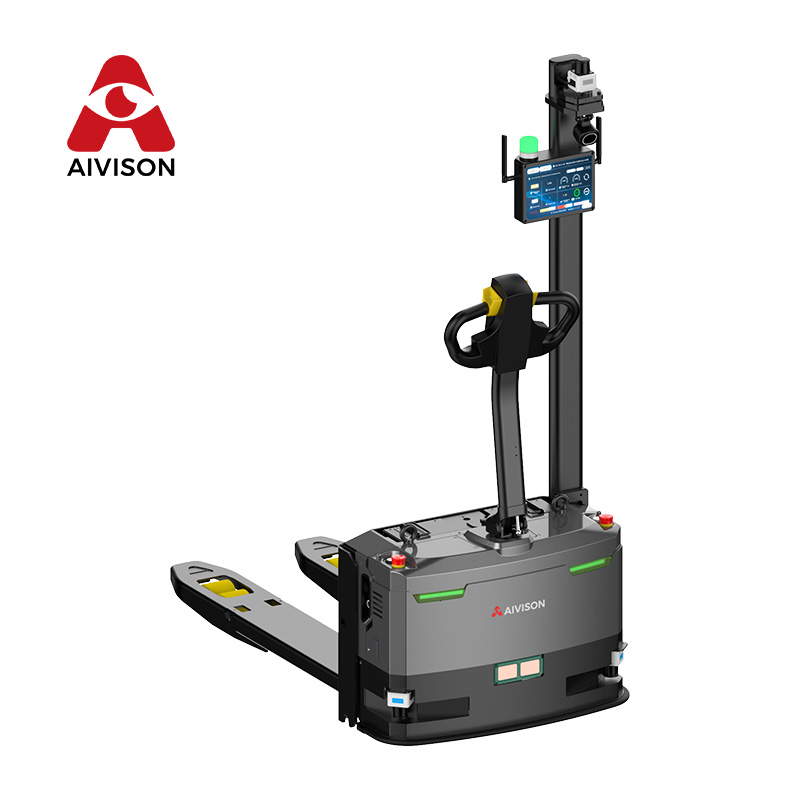
Aivison Stacker Truck Pallet Stacker Forklift Agv 1.5 Ton Autonomous Forklift Smart Deliver AMR Robot
A 1.5-ton autonomous forklift for smart delivery, pallet transfer and staging. It fits cross-border 3PL and automotive part flows where pallet sizes vary and drivers are shared across shifts.
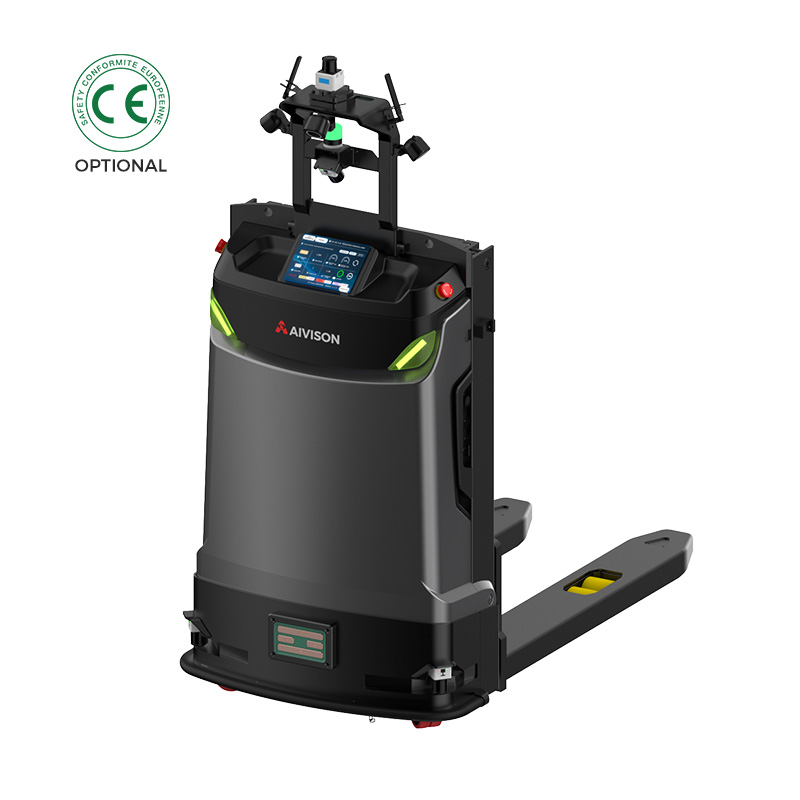
China Factory Automated Mobile Robot SLAM Lifting Wholesale AGV Chassis Vehicle
A SLAM lifting AGV chassis for integrators and factories that need a customizable mobile base. Use it as a platform for roller, jacking, fork or application-specific top modules.

Warehouse Robot Robotics 2000KG CE Warehousing Automatic Forklift Stacking AGV
A 2,000 kg CE warehouse stacking AGV forklift for heavier loads, high-turnover storage and regional distribution center staging. It is a strong match for pallet flows that cannot be split into light loads.

AGV AMR Autonomous Forklift Smart Version Auto Mobile Transfer Stacker Robot
A smart autonomous mobile forklift stacker for automatic transfer, high-bay replenishment and repetitive putaway. It helps El Paso operations reduce non-value-added forklift travel while keeping exceptions with human operators.

Omnidirectional Mobile Manipulator AMR Dual 7-DOF Arms ±0.03 mm Repeatability Laser SLAM Humanoid Robot Base
A dual 7-DOF mobile manipulator with laser SLAM and ±0.03 mm repeatability as listed. It is designed for precision machine tending, kitting, inspection support and assembly tasks where mobility and dexterity must work together.
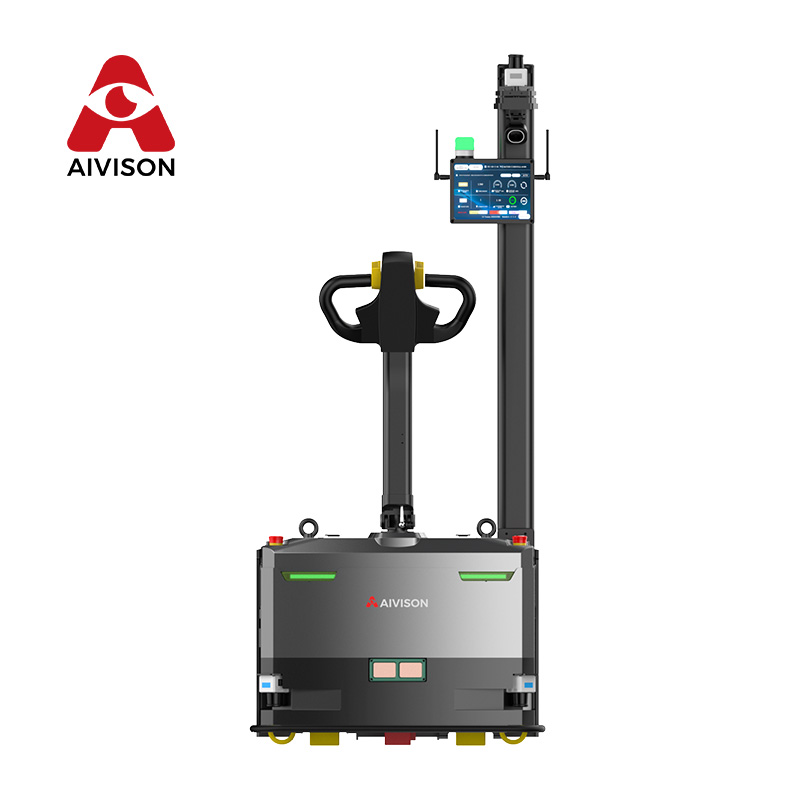
China Factory Movable Pallet Agv Robot Rack Shelf for Intelligent Robot Warehouse
A movable pallet AGV rack and shelf system for intelligent warehouses. It supports flexible storage layouts, rack transport and goods-to-person workflows where fixed infrastructure would reduce adaptability.
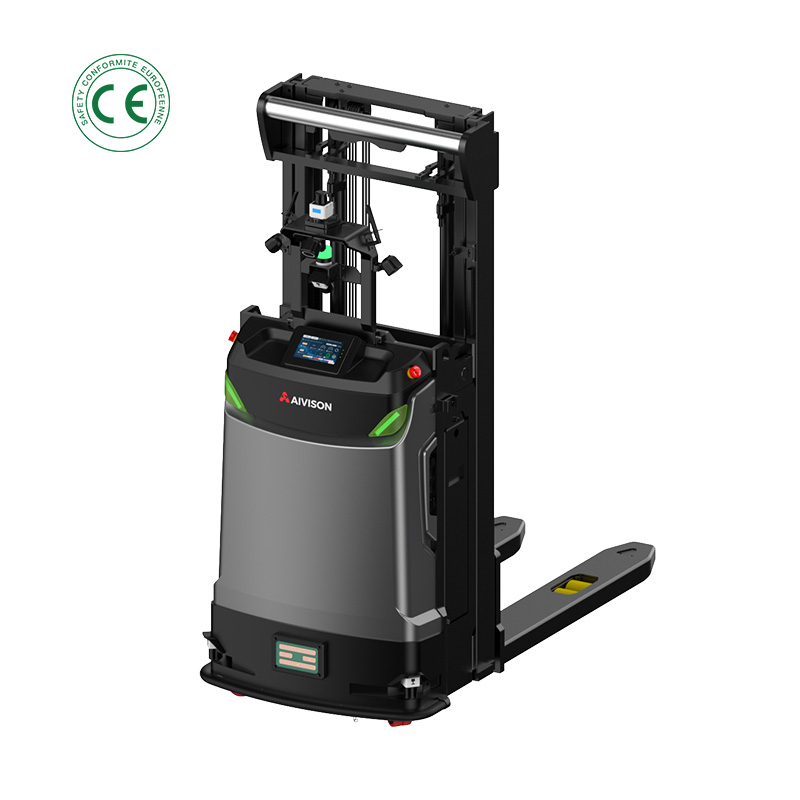
Aivison AMR Robot Whicle Automated Warehouse Automatico agv Logistics Industrial Guided Vehicles
An industrial AMR vehicle for automated warehouse logistics, from WIP transfer to finished-goods movement. It is a practical platform for El Paso 3PLs and manufacturers that need repeatable material flow without fixed conveyor routes.
Not sure whether your flow needs a stacker, autonomous forklift, mobile manipulator or custom chassis? Send an Inquiry
Why El Paso Is a Different Robot Deployment Environment
El Paso sits at one of the most consequential manufacturing and logistics interfaces in North America. The Ciudad Juárez production cluster, the Santa Teresa port of entry, and the I-10 corridor connect component suppliers, maquiladoras, third-party logistics providers and U.S. distribution centers. For operations leaders, the question is rarely whether mobile automation can work. The harder question is how to deploy it without locking a building into a layout that will be obsolete after the next customer program, tariff change or shift rebalance.
That is where re-deployable mobile robots change the economics. A laser SLAM AMR can be remapped when a rack line moves. A dual-arm mobile manipulator can be re-tasked from one workstation to another. An autonomous forklift can move from receiving to staging as inbound volume changes. In a border region where a single facility may handle automotive harnesses, medical components, electronics and consumer goods in the same week, that flexibility is not a luxury. It is a hedge against demand volatility.
Local buyers should therefore ask questions beyond payload. They should compare floor tolerance, Wi-Fi coverage, docking precision, mixed-traffic safety, charging strategy, spare-parts planning, and the exporter's ability to support commissioning across time zones. The sections below use Marnix's experience with more than 200 manufacturers across three continents to answer those questions for El Paso, Santa Teresa and Ciudad Juárez teams.
Evidence at a glance
- Onsite supplier assessment by TÜV Rheinland
- Supplier to a Fortune 500 company, assessed by independent third parties
- Verified multispecialty supplier with low-MOQ customization capability
- Manufacturer-level chassis, top-module and fleet software support
Four Borderplex Trends Turning El Paso Buyers Toward Mobile Manipulation
El Paso automation decisions are shaped by cross-border production, warehouse growth and labor realities. These are the practical trends our project team sees when reviewing Borderplex material-flow requirements.
Nearshoring and Program Churn
Nearshoring has increased the number of product programs moving through Borderplex plants, but it has also shortened program life. Fixed conveyors are efficient only when the product family is stable. Mobile robot arms and AMRs are increasingly specified because they can be redeployed when a line is rebalanced — helping El Paso contract manufacturers quote a new customer without a capital teardown.
Santa Teresa and 3PL Density
The Santa Teresa inland port and surrounding distribution parks have added warehouse capacity, but labor availability and dock congestion remain constraints. Autonomous forklifts and jacking robots let 3PLs run predictable putaway and replenishment loops while keeping human operators on exceptions, inspection and customer-facing decisions. The best projects start with one route and one shift pattern, then scale after measured cycle-time data.
Advanced Manufacturing Precision
Medical device, electronics and precision automotive suppliers in the region face tighter traceability and repetitive workstations. A dual-arm mobile manipulator can move between machines, while a jacking robot moves the rack of WIP. The value is measured in less handling, fewer awkward lifts and more repeatable station delivery. Specify precision by station: ±5 mm for transport, ±2 mm for rack docking, and manipulator-level repeatability only where the tool actually needs it.
Heat, Dust and Shift Reliability
El Paso's climate and mixed-floor facilities make robust design a real topic. Summer heat, dust, floor joints, ramps and shared forklift traffic influence battery strategy, cleaning intervals, sensor placement and safety zones. Marnix's planning approach is to review the site before quoting a top speed or run time. We also define acceptance tests with the customer's maintenance team so uptime can be audited after handover.
Where These Systems Fit in El Paso, Santa Teresa and Ciudad Juárez Operations
The right robot is defined by the process, not by the catalog. These are the three application patterns that most often justify a mobile robot project in the Borderplex.

Cross-Border 3PL and Distribution
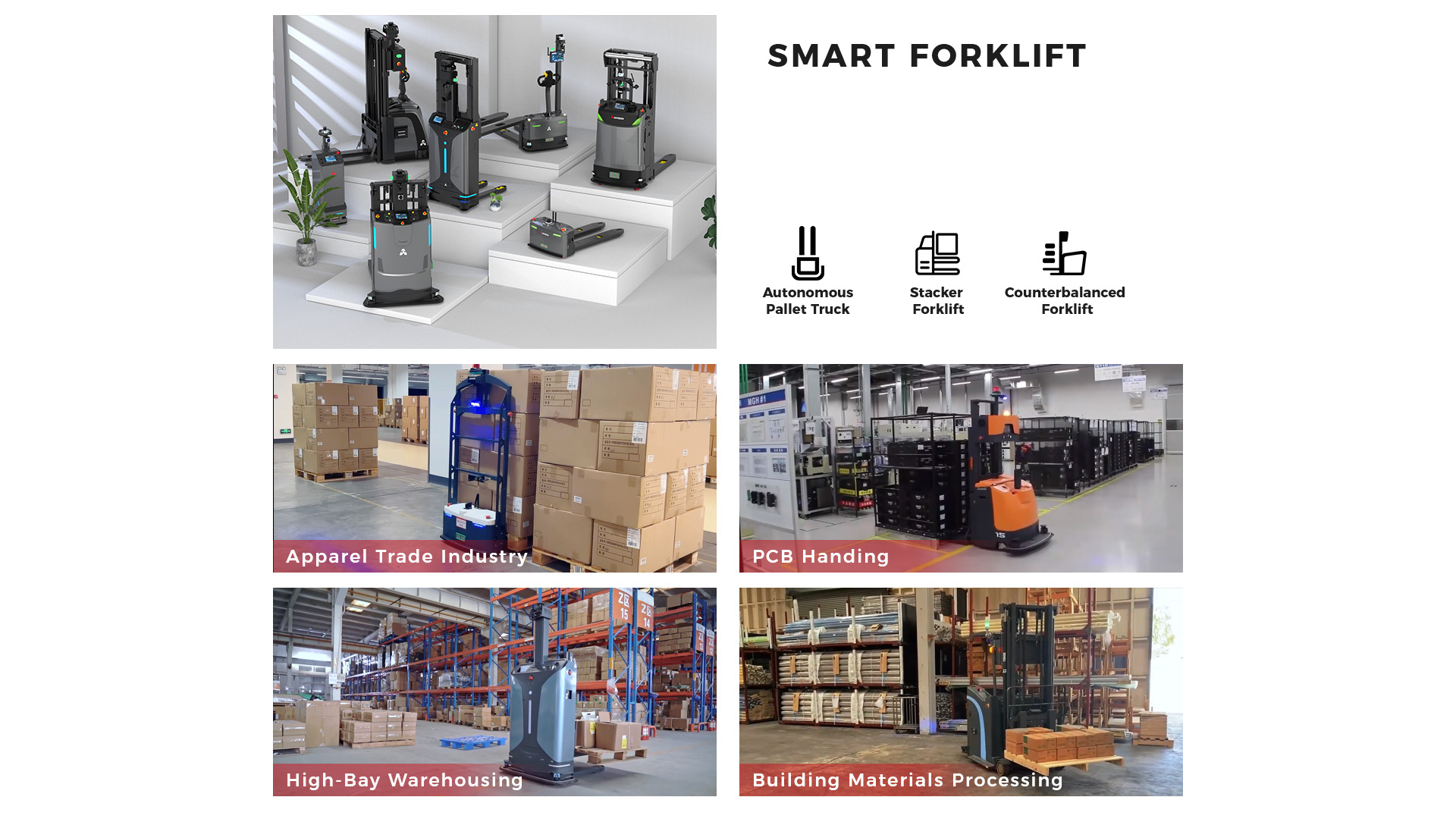
In El Paso and Santa Teresa, a 3PL may receive components from Mexico, hold U.S. inventory, and ship to Midwest plants on a narrow cut-off. Autonomous forklifts and jacking robots connect receiving lanes, staging and putaway. Start with a fixed loop between inbound staging and a high-turn rack. Add QR assist at rack faces if pallet entry is inconsistent. Use fleet scheduling to prevent congestion at dock doors — and avoid floor tape that would be damaged by heavy cross-border freight.
Advanced Manufacturing and Maquiladora Line-Side
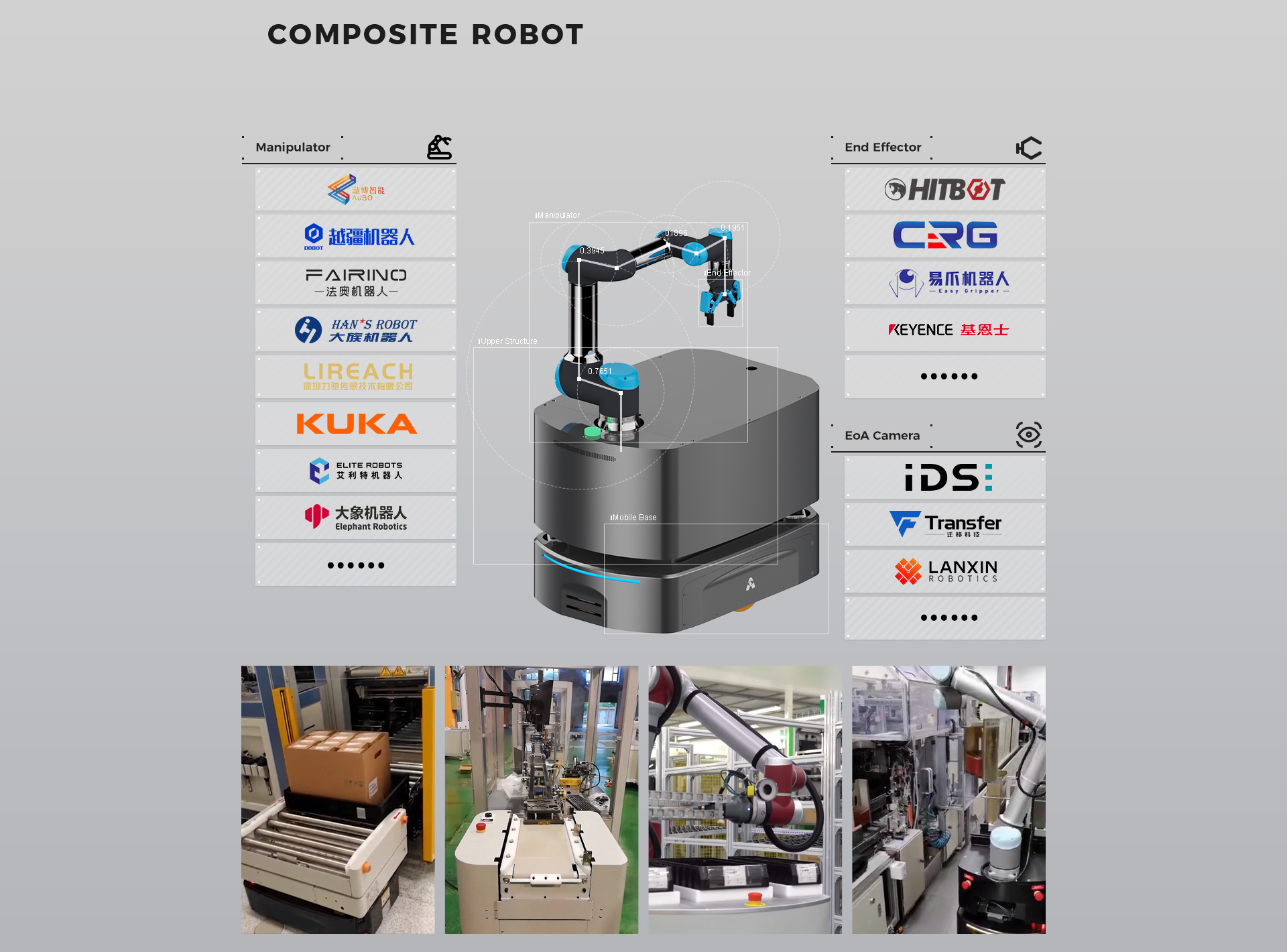
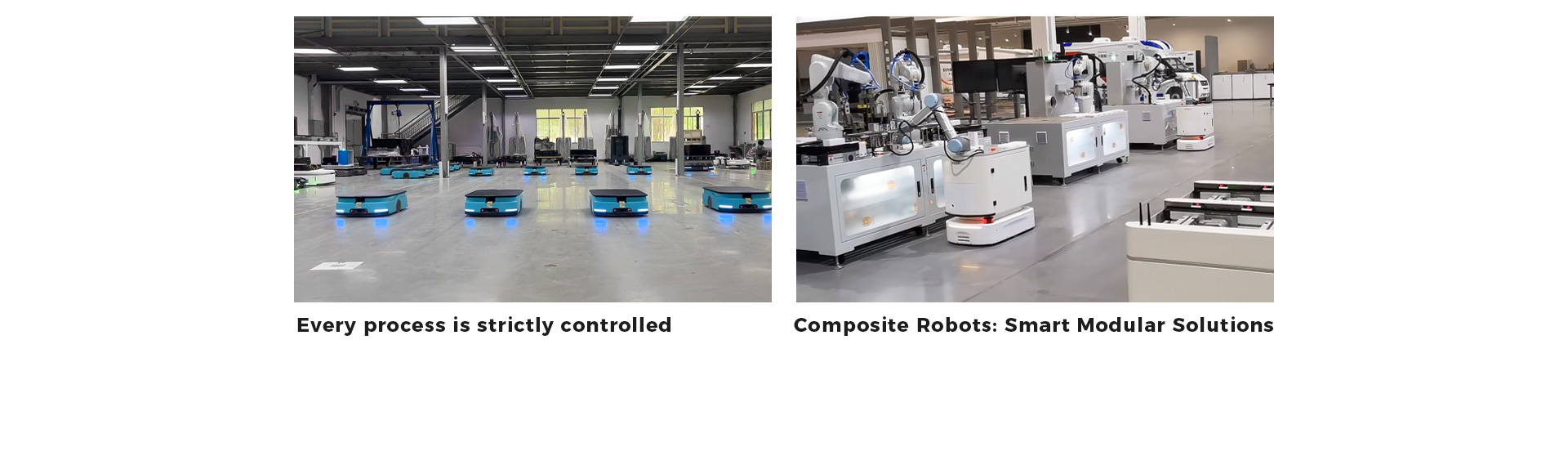
For plants in Ciudad Juárez and suppliers on the El Paso side, line-side replenishment is a recurring bottleneck. Jacking robots move racks of components to cells; dual 7-DOF mobile manipulators can support kitting, machine tending and inspection tasks. Custom roller conveyors or arms can link directly to equipment. The goal is not to replace every operator; it is to remove the non-value-added walk, wait and awkward lift from the shift while keeping skilled staff on quality and exception handling.
High-Mix Warehouse and E-Commerce
When SKUs change weekly, fixed sorters can be too rigid. An 800 kg light AMR pallet stacker, movable rack AGV or automated warehouse vehicle handles replenishment and goods-to-person flow. The system can be remapped when rack zones move. Use auto charging and Wi-Fi dispatch to maintain 24/7 coverage without designing every route around a single conveyor. For El Paso operators, this is often the lowest-risk first phase: one loop, one shift, one measured handover point.
Recommended Configurations by El Paso Workflow
Use this comparison to narrow the platform before requesting a quote. The final configuration should be confirmed against your rack drawings, aisle widths, throughput target and docking tolerance.
| Workflow | Best-Fit Platform | Navigation / Docking | Why It Wins |
|---|---|---|---|
| Cross-border 3PL pallet flow | Aivison 1.5-ton autonomous forklift; 2,000 kg stacking AGV | Laser SLAM ±5 mm; QR at rack faces ±2 mm | Handles pallet variability and staged growth without floor tape. |
| High-bay and narrow aisle | 800 kg CE AMR stacker; smart autonomous forklift | QR-assisted docking at ±2 mm | More precise fork entry and rack positioning in constrained lanes. |
| WIP rack movement | Jacking robot; movable pallet AGV rack | Laser SLAM ±5 mm | Low-profile chassis drives under racks and delivers to production cells. |
| Precision assembly and machine tending | Omnidirectional dual 7-DOF mobile manipulator | SLAM base plus station calibration; ±0.03 mm listed repeatability | Mobility plus two arms for complex, high-mix tasks. |
| Integrator and custom automation | SLAM lifting AGV chassis | Configurable with project-specific docking | Top modules for roller, fork, jacking or arm interfaces. |
Why Marnix Is a Defensible Export Partner for El Paso Projects
Shenzhen Marnix Intelligent Technology Co., Ltd. is a manufacturer, not a catalog reseller. Our team has about ten years of AGV engineering experience and supplies end users and system integrators across eight industries and three continents. The advantage is not one specification; it is the combination of chassis engineering, navigation software, top-module customization, quality control and export responsiveness.
Manufacturer-Level Customization
Because Marnix manufactures the chassis and integrates top modules, El Paso buyers can specify jacking units, roller conveyors, forklift forks, dual arms and charging docks rather than force-fit a catalog robot. Send drawings of your rack, conveyor or machine interface; our engineers evaluate center of gravity, approach clearance and safety zones before quoting.
Precision Without Floor Reconstruction
Laser SLAM maps natural features and reaches ±5 mm without magnetic tape or reflectors. QR scanning adds ±2 mm docking at selected stations. Composite platforms with a 6-axis arm reach ±0.05 mm repeatability; the dual 7-DOF manipulator listing is ±0.03 mm. The right choice is the lowest precision that satisfies the station — not the highest available.
Fleet Coordination and Charging
An intelligent scheduling system manages multiple robots over indoor Wi-Fi, coordinating task assignment, traffic control and automatic charging through compatible smart docks. This matters in El Paso facilities where robots share aisles with forklifts and pedestrians. We plan charging around shift patterns rather than adding robots to hide an inefficient route.
Quality Protocol and Testing
Multi-stage intelligent inspections and thousands of operational stress tests target near-zero failure rates. More than 200 manufacturers across three continents have used Marnix robots. For export projects, we document test criteria and acceptance checkpoints before shipment so the El Paso team can verify readiness.
Independently Verified Credentials
Marnix has completed an onsite supplier assessment by TÜV Rheinland, holds a procurement contract with a Fortune 500 company assessed by independent third parties, and maintains credit and transaction records. These are not substitutes for a site pilot, but they reduce supplier risk for U.S. procurement teams.
Export and Integrator Collaboration
We are a Shenzhen-based manufacturer-exporter, not a local El Paso warehouse. That is why we plan freight, documentation and commissioning with your freight forwarder and preferred integrator. English documentation and remote engineering support are provided; local electrical and safety sign-off should be completed by qualified El Paso contractors.


What to Prepare Before Requesting an El Paso Robot Quote
From our project experience, these six inputs determine most of the robot selection. Sharing them upfront shortens evaluation from weeks to days and reduces the risk of a mismatched configuration.
Load Profile
Maximum weight, rack or pallet footprint, center of gravity and load stability. For Borderplex warehouses, include packaging changes caused by heat, humidity or cross-border handling.
Site Layout
A CAD drawing or sketch with aisle widths, doors, dock edges, ramps, floor joints, elevator or lift points, and any transitions between indoor and covered outdoor zones.
Throughput Target
Missions per hour, peak periods, shift pattern and cross-border cut-off times. This sets fleet size, charging-dock count and whether one route should be duplicated.
Docking Precision
Identify where ±5 mm is sufficient and where ±2 mm QR-assisted docking or manipulator-level precision is required. Precision should be justified by the handover point, not by brochure numbers.
Wi-Fi and Safety
Existing access points, coverage quality, blind spots, pedestrian traffic, forklift speed and safety-zone expectations. Robots share the floor; network and traffic design must be reviewed together.
Equipment Interfaces
Conveyors, machines, shelves or racks the robot must hand over to, plus any top-module needs. Send interface drawings so the chassis and top module are engineered together.
Information Gain: Normalize Every Robot Quote on Five Lines
Unit price alone hides the real cost difference between a trackless AMR and a fixed-path alternative. Use this normalization list when comparing supplier proposals for an El Paso project.
- Navigation infrastructure: SLAM mapping, QR labels, reflectors, tape, floor repair and re-mapping after layout changes.
- Fleet software and Wi-Fi: license, access-point upgrades, traffic-control setup and future robot expansion.
- Charging ratio and electrical work: charger count, shift overlap, battery strategy and contractor costs.
- Top-module engineering: jacking, roller, fork or arm integration, plus changeover time when the product mix changes.
- Spare parts and remote support: critical spares, response plan, documentation and local integrator availability.
A simple annual model is labor hours removed plus safety and quality savings plus uptime gain, minus energy and charging, maintenance, integration amortization and internal project time. Ask every supplier to explain the assumptions behind the number.
Questions El Paso Buyers Ask Before Automating Material Flow
Straight answers for procurement, operations and engineering teams evaluating mobile robot arms, AMRs and autonomous forklifts from an overseas manufacturer.
Do you deliver and support robots in El Paso, Texas?
Marnix exports from Shenzhen to U.S. addresses and coordinates with your freight forwarder or customs broker. For El Paso projects, we provide remote engineering support and can align with your preferred local integrator for commissioning. Final import clearance, electrical work and site safety sign-off are planned with your team and qualified local contractors.
Can your mobile robots handle El Paso heat and dust?
We review ambient temperature, dust, floor condition and duty cycle before recommending a configuration. Heat and dust affect cleaning intervals, sensor placement, charging strategy and enclosure requirements. We do not quote a generic IP rating without a site review; the goal is a reliable operating plan for your actual building and shift pattern.
Do we need to modify our warehouse floor?
Laser SLAM maps existing natural features, so no magnetic tape, reflectors or floor-wide QR codes are required. QR labels are added only at stations where ±2 mm docking precision is needed. Smooth floors, clear aisles and defined traffic rules still matter, but a major floor reconstruction is usually avoidable.
Which is better for my site: AMR, autonomous forklift or mobile manipulator?
Start with the process. If you move pallets, compare an autonomous forklift or stacker. If you move racks to line-side cells, evaluate a jacking robot or movable pallet AGV rack. If the task requires reaching, machine tending, kitting or inspection, evaluate a dual-arm mobile manipulator. Many El Paso projects begin with one transport loop before adding manipulation.
What navigation accuracy do Marnix robots achieve?
Laser SLAM navigation reaches ±5 mm without floor infrastructure. Adding a QR scanning camera raises docking accuracy to ±2 mm. Composite platforms with a 6-axis arm reach ±0.05 mm repeatability, while the dual 7-DOF mobile manipulator listing states ±0.03 mm repeatability. Actual results depend on site calibration, docking hardware and task design.
Can you customize top modules for our existing racks and conveyors?
Yes. As a manufacturer, Marnix customizes chassis and top modules including jacking units, roller conveyors, forklift forks and 6-axis robotic arms. Send rack drawings, conveyor heights, approach clearance and load data. This lets our engineers check center of gravity, reach and safety zones before proposing a configuration.
What lead time should we plan for an El Paso deployment?
Lead time depends on the model, customization level, testing requirements and freight schedule. The fastest path is to provide payload, layout, throughput, docking tolerance, Wi-Fi coverage and interface drawings. Our team can then return a configuration, testing plan and estimated delivery sequence rather than a generic catalog lead time.
How do we start a project evaluation?
Share your El Paso or Santa Teresa layout, load profile, shift pattern, throughput target and precision requirements. Use the inquiry button on this page to open the existing live-chat action, or email info@marnixbot.com. We will respond with a platform recommendation, navigation choice and the information needed for a formal export quotation.
Send Your El Paso Layout for a Robot Configuration Review
Share payload, aisle width, throughput, docking tolerance and shift pattern. Our engineers will respond with a platform recommendation, navigation choice, charging strategy and export checklist for your Borderplex project.
Email: info@marnixbot.com · Manufacturer-direct support from Shenzhen Marnix Intelligent Technology Co., Ltd.