Recommended Platforms
8 Driverless Forklift & AMR Platforms for Detroit Material Flow
Detroit buyers rarely need one isolated robot. They need a repeatable way to move pallets, racks, totes and line-side containers through brownfield plants, leased warehouses and cross-docks without shutting down operations. Every platform below shares a SLAM navigation core and fleet-control logic, so a mixed fleet is easier to train, support and expand.
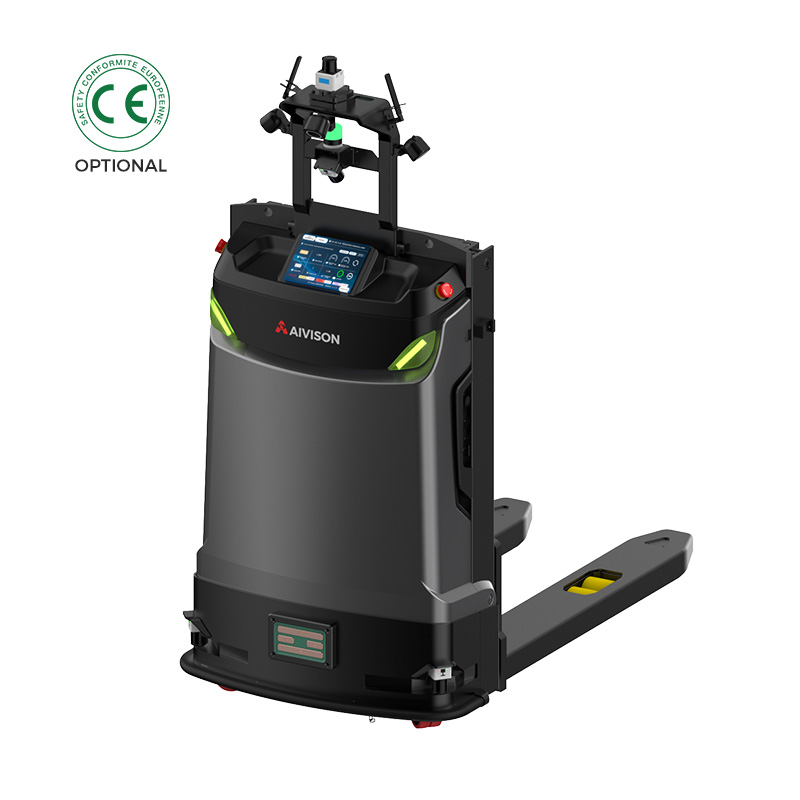
China Factory Automated Mobile Robot SLAM Lifting Wholesale AGV Chassis Vehicle
Best for rack lifting, under-carriage transport and line-side WIP buffers where containers must be picked from floor level. Laser SLAM mapping reduces floor rework.
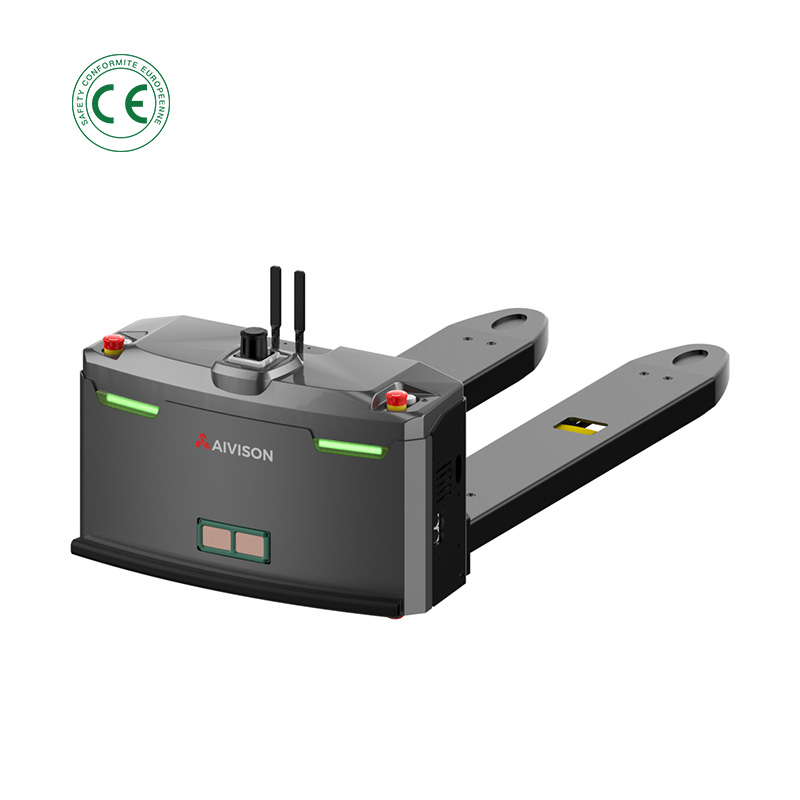
AMR Automated Warehouse Robot Logistics Automatic Industrial Logistics Robots AMR Robot
A general-purpose warehouse AMR for receiving-to-storage and storage-to-dispatch transfer. A practical starting point for 24/7 scheduled runs.

Automatic Handling CE Certificate 2000kg Forklift Robot Vehicle Laser AGV for Large Load Goods-carrying
A 2,000 kg-class autonomous forklift for dense pallets, automotive racks and repeated dock-to-line routes. Strong candidate for Tier 1 and Tier 2 plants.
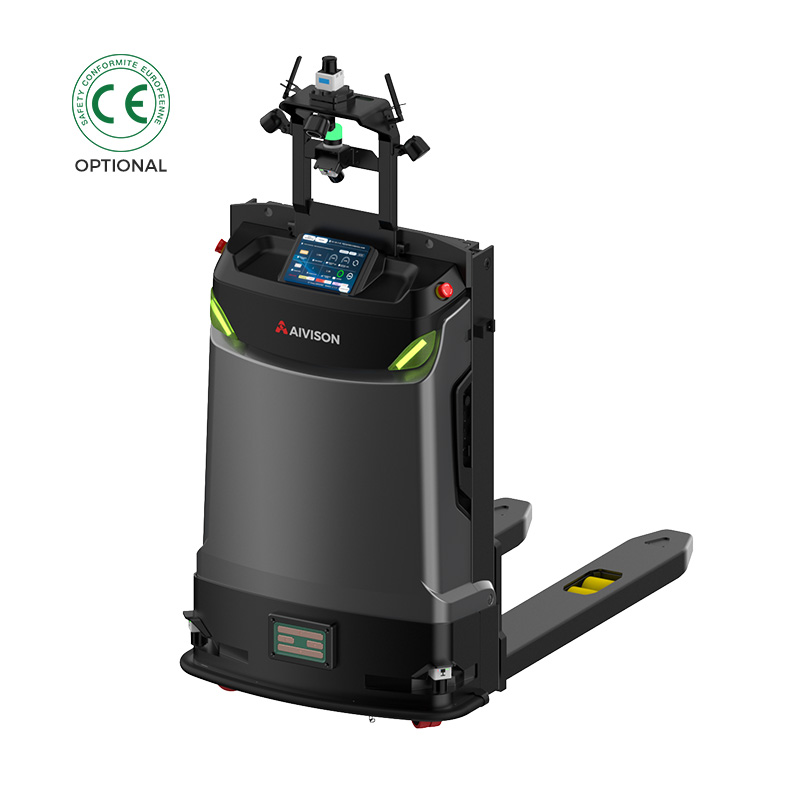
AGV AMR Warehouse Automatic Guided Vehicle 1500kg 2000kg AGV Robot Forklift
A flexible 1,500–2,000 kg platform for mixed pallet sizes, block storage and high-throughput transfer. Useful where multiple load types share one fleet.
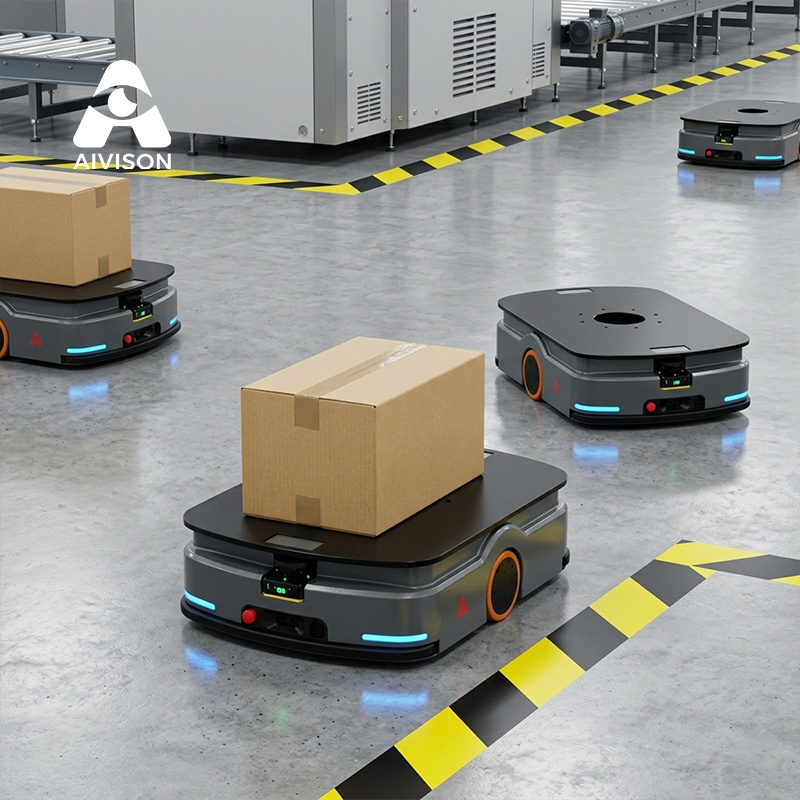
Autonomous Mobile AMR Robot 300kg Payload Laser Guided AGV for Carry Goods in Factory
A compact 300 kg platform for totes, small parts, kitting carts and electronics assembly. Ideal for narrow aisles where full forklifts are impractical.

Warehouse Stacker CE Forklift AGV 800kg Load Capacity Light AMR Pallet
An 800 kg stacker-style AGV for light pallet handling, replenishment and spare-parts storage. A lower-cost entry point for repetitive pallet moves.
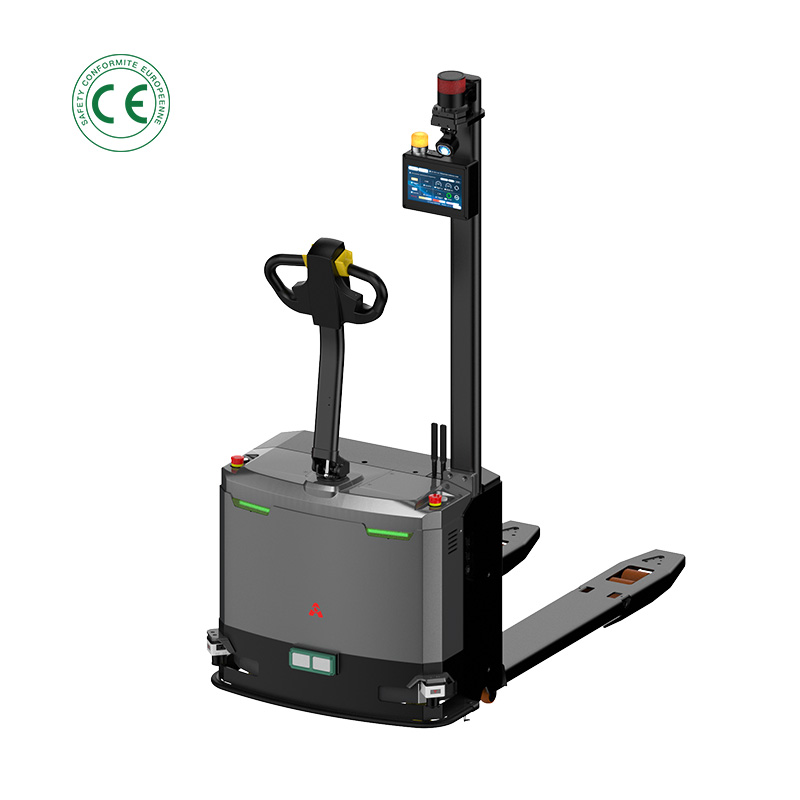
CE Certification Industrial AMR AGV Robot for Warehouse Automation Autonomous Material Handling Logistics
A scalable industrial AMR for warehouse automation and autonomous material handling. Fits projects that need WMS/MES integration and multi-robot dispatch.

Omnidirectional Humanoid Robot Chassis Dual 7-DOF Arms Laser SLAM Autonomous Warehouse AMR Mobile Platform
A composite mobile platform with dual 7-DOF arms for machine tending, flexible assembly and precision handling. Best for integrators and advanced manufacturing cells.
Detroit Market Context
Why Detroit Buyers Need a Brownfield-First Driverless Forklift Strategy
The Detroit market is not a generic warehouse market. It combines automotive assembly, Tier 1 and Tier 2 suppliers, tooling operations, aftermarket distribution, EV battery investment and cross-border freight. Many facilities are established buildings with existing racks, doors, traffic patterns and production equipment that cannot be redesigned around a robot.
Start with the process, not the catalogue
A driverless forklift project in Southeast Michigan usually begins with a simple question: can the vehicle safely and repeatedly complete a real route without forcing the plant to rebuild its floor? Laser SLAM maps natural features in the existing environment, so the answer does not depend on magnetic tape, reflectors or floor QR codes. Where a station needs tighter handover, a QR scanning camera can raise positioning to ±2 mm. For advanced assembly cells, a composite robot with a 6-axis arm can reach ±0.05 mm repeatability.
This matters in Detroit because brownfield constraints are normal. Older plants may have narrow aisles, uneven traffic zones, mixed pedestrian and forklift flow, and dock areas exposed to winter salt and moisture. A practical exporter and wholesaler should help buyers evaluate navigation, safety, charging, Wi-Fi coverage, floor conditions and maintenance access before quoting a robot.
Illustrative weighting used in typical Marnix project scoping; not a third-party market statistic. Final priorities vary by plant, shift pattern and safety review.

Localized Applications
Where Driverless Forklifts Fit in Detroit-Area Operations
Application fit is more important than raw payload. The best projects start with repetitive, well-bounded routes that already have clear pick-up and drop-off points, then expand after the first fleet proves stable.
Automotive line-side replenishment
Move racks of components from supermarket buffers to assembly or sequencing areas on fixed routes. The robot helps stabilize takt time while reducing forklift traffic in mixed pedestrian zones.
EV battery and high-value components
Use smooth, repeatable transfer for battery modules, trays and sensitive assemblies. Optional QR-assisted docking supports tight handover points without turning the entire floor into a precision runway.
Cross-dock and trailer-to-rack transfer
Support Detroit-Windsor cross-border flow and 24/7 receiving windows by moving pallets from staging lanes to storage or production. Charging docks keep the fleet available across shifts.
Small-parts kitting and warehouse transfer
Use 300 kg and 800 kg platforms for totes, carts, empty containers and spare-parts replenishment. Compact AMRs can work in narrower aisles where a full forklift creates congestion.



Local Trends
Detroit Market Trends Shaping Driverless Forklift Demand
Procurement teams in Southeast Michigan are not only comparing robot prices. They are comparing deployment risk, uptime, integration effort and the ability to scale from one route to a coordinated fleet.
Brownfield-first automation
Existing plants need robots that map the current floor and start with minimal infrastructure. Natural-feature SLAM reduces the cost and downtime associated with tape, reflectors or floor codes.
EV and battery supply chain investment
New battery and electrification programs create demand for repeatable, traceable material movement. Smooth AMR transfer and precision docking reduce handling risk for high-value components.
Labor availability and safety pressure
High turnover and mixed pedestrian traffic make repetitive forklift routes candidates for automation. The goal is not simply fewer people; it is safer, more predictable flow across shifts.
Cross-border and 24/7 flow
Detroit-Windsor logistics and tight delivery windows reward continuous, scheduled transfer. Automatic charging and fleet scheduling keep robots productive across breaks, shifts and weekends.
Mixed-fleet orchestration
Plants rarely standardize on a single robot type. A shared navigation and fleet-control core lets lifting robots, pallet AMRs and smart forklifts coordinate instead of creating separate islands.
Data-driven procurement
Buyers want measurable outcomes: moves per hour, charging time, intervention rate and integration effort. Pilot routes should be chosen for stable data, not just for visual impact.
Selection Guide
Match the Platform to the Detroit Task
Use this practical matrix to narrow the shortlist before a site survey. Final selection still depends on aisle width, rack geometry, floor condition, Wi-Fi coverage, safety review and throughput target.
| Task | Recommended platform | Why it fits | Precision level |
|---|---|---|---|
| Heavy automotive racks and dense pallets | 2,000 kg autonomous forklift AGV | Heavy payload class with laser navigation for repeated dock-to-line routes. | ±5 mm standard; ±2 mm optional |
| Mixed pallet sizes and block storage | 1,500–2,000 kg warehouse AGV/AMR forklift | Flexible platform for multi-load warehousing and high-throughput transfer. | ±5 mm standard; QR optional |
| Light pallet replenishment and spare parts | 800 kg pallet stacker AGV | Lower-cost stacker format for repetitive light pallet moves. | ±5 mm; station-level QR if required |
| Small parts, totes and kitting carts | 300 kg light AMR | Compact footprint for narrow aisles and frequent stops. | ±5 mm; optional ±2 mm docking |
| Rack lifting and under-carriage transport | SLAM lifting AGV chassis | Lifts and carries racks without requiring a forklift aisle or floor tracks. | ±5 mm; custom top module |
| Warehouse receiving, storage and dispatch | Industrial warehouse AMR / automated warehouse robot | Designed for scheduled transfer and fleet-level coordination. | ±5 mm; Wi-Fi fleet control |
| Precision assembly, machine tending and inspection | Dual-arm omnidirectional composite robot | Combines mobility with robotic arms for advanced work cells. | ±0.05 mm repeatability |
A common mistake is to specify the highest precision everywhere. In most Detroit plants, only a small number of stations need QR-assisted or arm-level accuracy. Using natural-feature SLAM for the rest of the route reduces infrastructure cost and keeps the project focused on material flow.
Enterprise Advantages
Why Marnix Is a Practical Exporter & Wholesaler for Detroit Buyers
Shenzhen Marnix Intelligent Technology Co., Ltd. combines about ten years of AGV engineering experience with manufacturer-level customization, a complete AMR portfolio and independent supplier verification. For Detroit buyers, that means a robot program can be scoped around the actual process rather than forced into a single standard model.
Manufacturer-level customization
Chassis, payload and top modules can be engineered for jacking, roller conveyors, forklift forks or robotic arms. This is valuable for integrators adapting a platform to an existing production line.
Laser SLAM plus vision fusion
Navigation uses natural features and optional QR assistance. Fleet scheduling over indoor Wi-Fi coordinates multiple robots, traffic and task assignment without requiring a complete floor rebuild.
Complete AMR portfolio
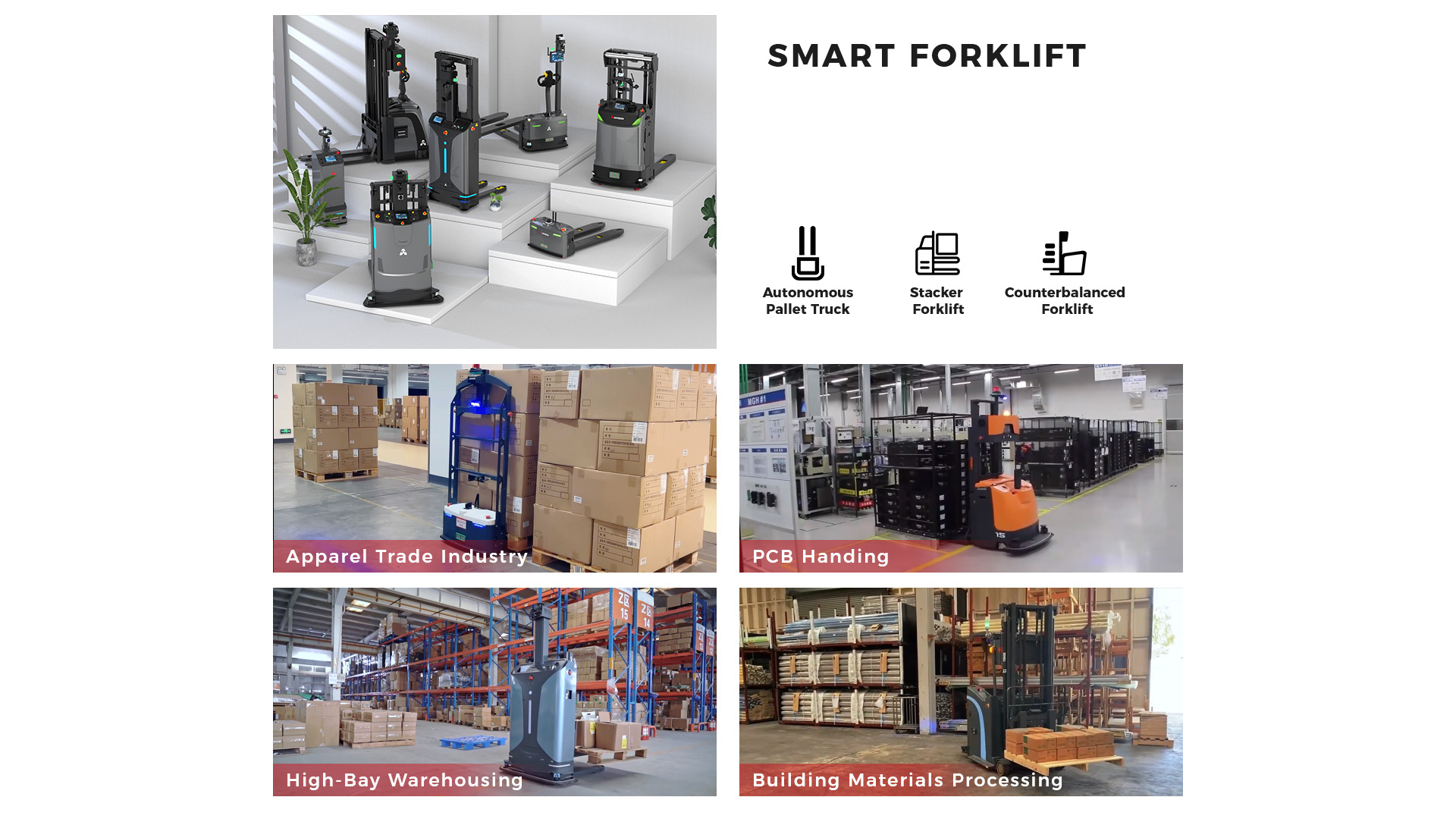
Lifting robots, smart forklifts, pallet AMRs, composite robots and intelligent charging docks come from one source, simplifying spares, training and project coordination.
Multi-stage quality protocol
Robots pass multi-stage intelligent inspections and operational stress testing before shipment. More than 200 manufacturers across three continents have deployed Marnix robots.
Independent supplier verification
Marnix has completed an onsite supplier assessment by TÜV Rheinland, holds a procurement contract with a Fortune 500 company and maintains transparent credit and transaction records.
Wholesale and integrator support
End users, system integrators and multi-site buyers can discuss payload, layout, throughput, docking precision, documentation and spare-parts planning in one technical workflow.
Detroit Buyer FAQ
Common Local Procurement Questions About Driverless Forklifts
These are the questions Detroit-area plant managers, warehouse directors and systems integrators ask most often during early evaluation.
Can a driverless forklift work in an older Detroit plant with narrow aisles?+
Often yes, but the route must be surveyed. Aisle width, rack overhang, door openings, floor transitions, pedestrian zones and forklift traffic all affect safe operation. Laser SLAM can map the existing environment, but final traffic rules and safety controls should be reviewed with the plant EHS team and local authorities.
Do we need to install magnetic tape, reflectors or floor QR codes?+
No for standard laser SLAM navigation. The robot maps natural features in the environment. QR labels are only recommended at stations that require ±2 mm docking precision, which keeps infrastructure cost and floor disruption low.
What payload should we choose for automotive parts and racks?+
For dense automotive racks and heavy pallets, start with the 2,000 kg autonomous forklift or the 1,500–2,000 kg forklift AMR. For light pallet replenishment, an 800 kg stacker AGV may be sufficient. For totes, kitting carts and small parts, the 300 kg AMR is usually more practical.
How do multiple robots coordinate in a mixed fleet?+
An intelligent scheduling system manages the fleet over indoor Wi-Fi, handling simultaneous task assignment, traffic control and automatic charging with compatible smart charging docks. A site Wi-Fi survey is recommended before finalizing fleet size.
How do we handle safety, pedestrians and regular forklifts?+
Plan separate pedestrian walkways, define robot speed zones, mark pick-up and drop-off points, and conduct a formal risk assessment. Robot sensors support dynamic avoidance, but local safety requirements and site operating procedures remain essential for deployment in the United States.
What information should a Detroit buyer send for a fast quotation?+
Send the load weight, rack or pallet footprint, aisle widths, a CAD sketch or site layout, throughput target, shift pattern, docking precision requirements, Wi-Fi coverage notes and any equipment interfaces. This allows engineering to recommend the platform, navigation configuration, charging plan and fleet quantity.
Ready to Specify a Driverless Forklift Fleet for Your Detroit-Area Site?
Share the process, load and floor constraints. Marnix engineers will help translate them into a practical robot configuration, navigation strategy and deployment sequence for your plant, warehouse or integration project.
- Payload and rack or pallet dimensions
- Aisle widths and site layout
- Throughput and shift pattern
- Docking precision and Wi-Fi notes