Denver PCB Automation · Custom Roller Conveyor AMR

Custom Roller Conveyor AMR for PCB Production Lines: Supplier & Wholesaler in the Denver Market

Engineer a mobile PCB transfer segment around your SMT, AOI, test, coating and pack-out flow. Laser SLAM navigation, ±5 mm standard positioning, ±2 mm QR-assisted docking and OEM roller conveyor top modules from Shenzhen Marnix Intelligent Technology Co., Ltd.

Contact Us Serving Denver-area manufacturers, contract assemblers and system integrators
Product Platforms

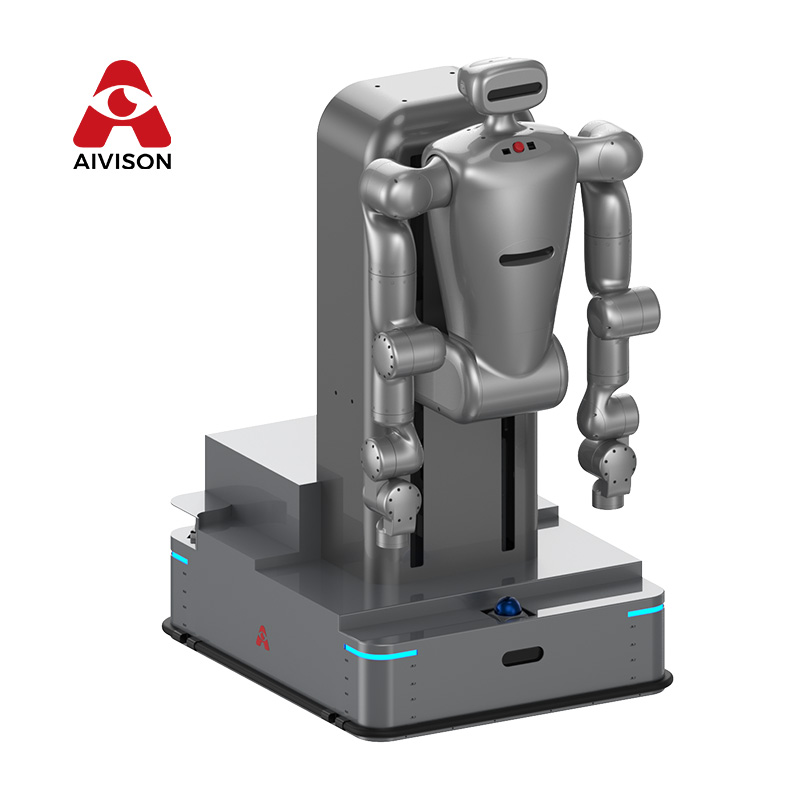
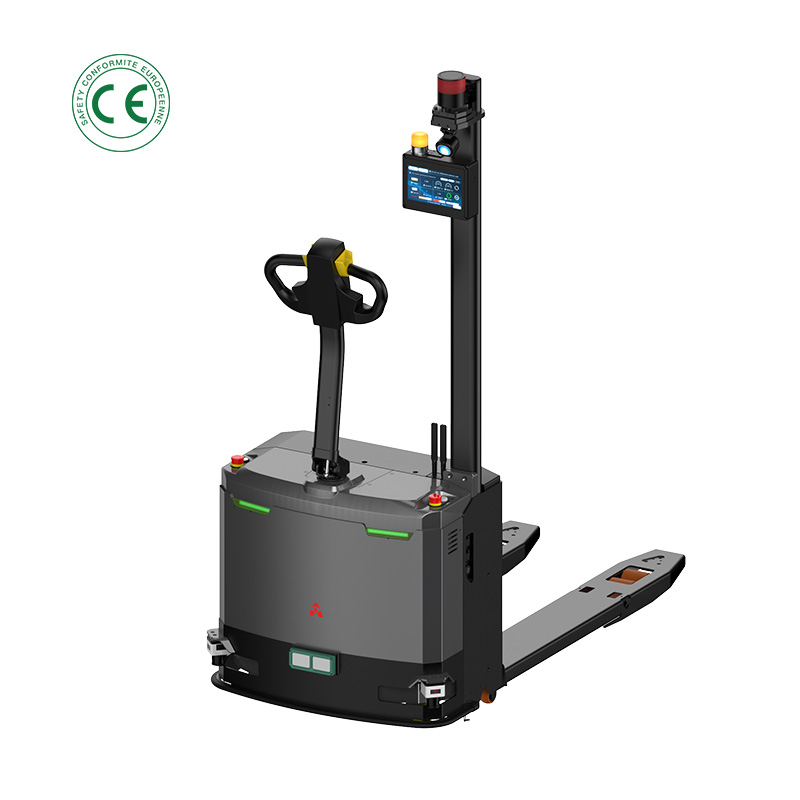
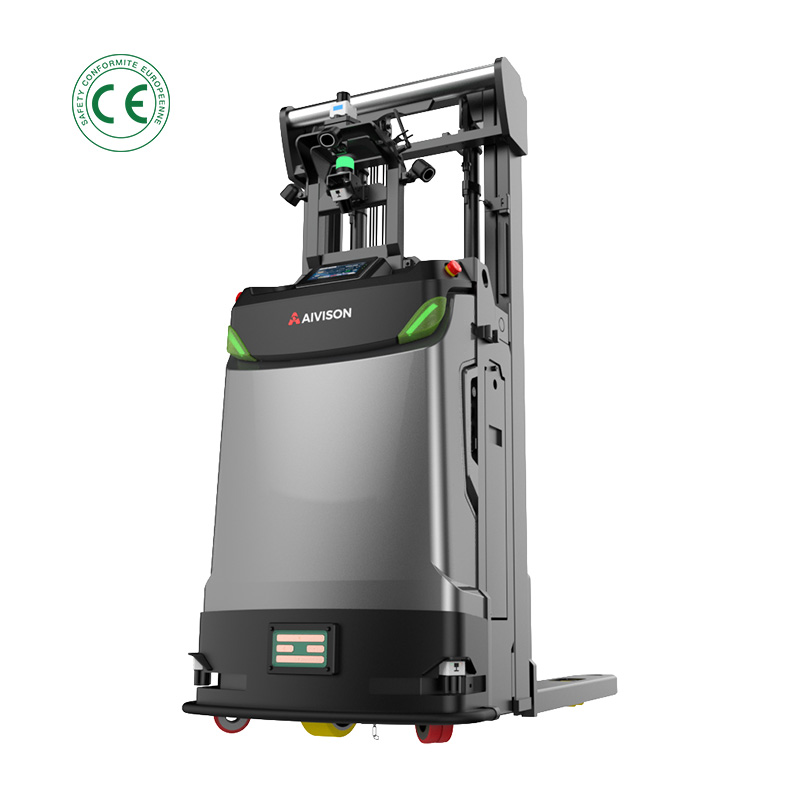
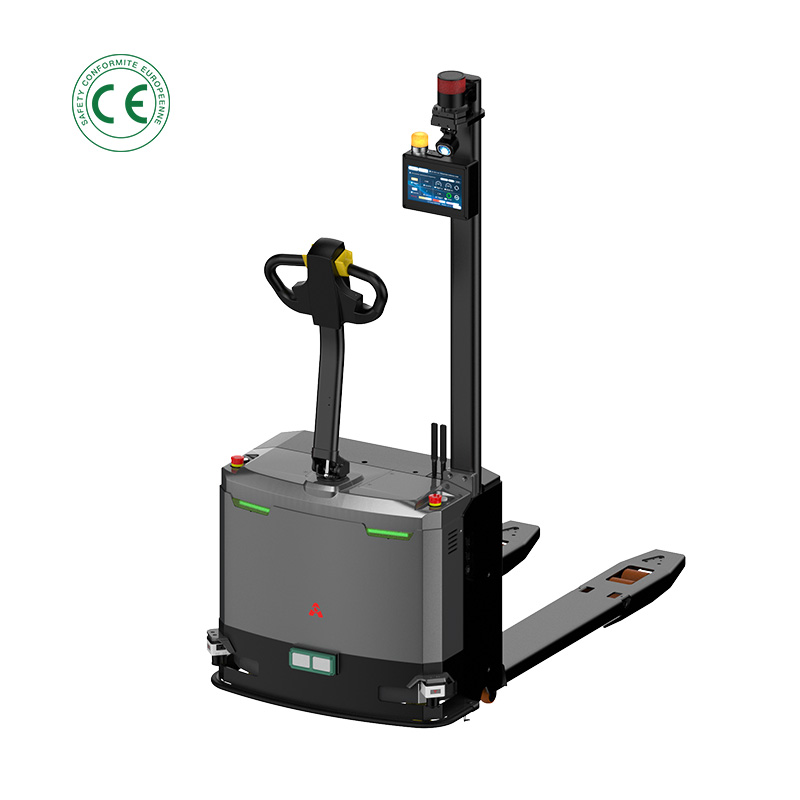
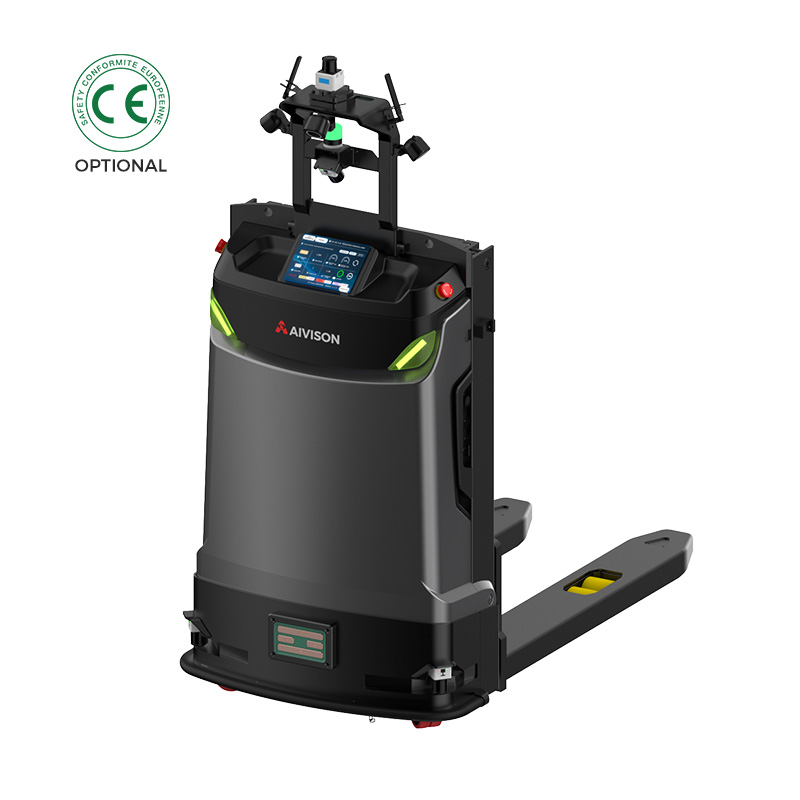
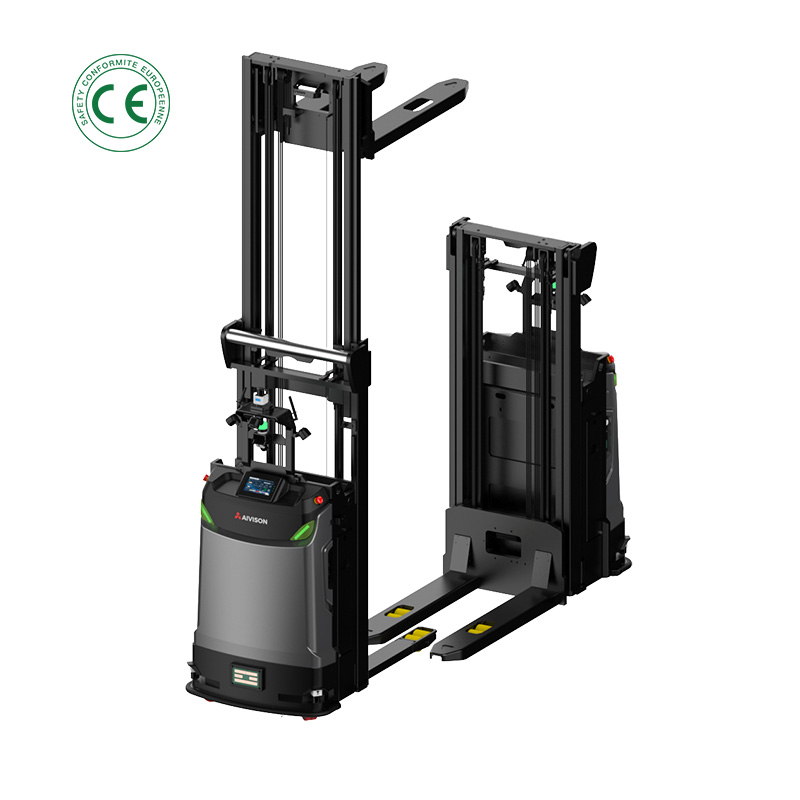
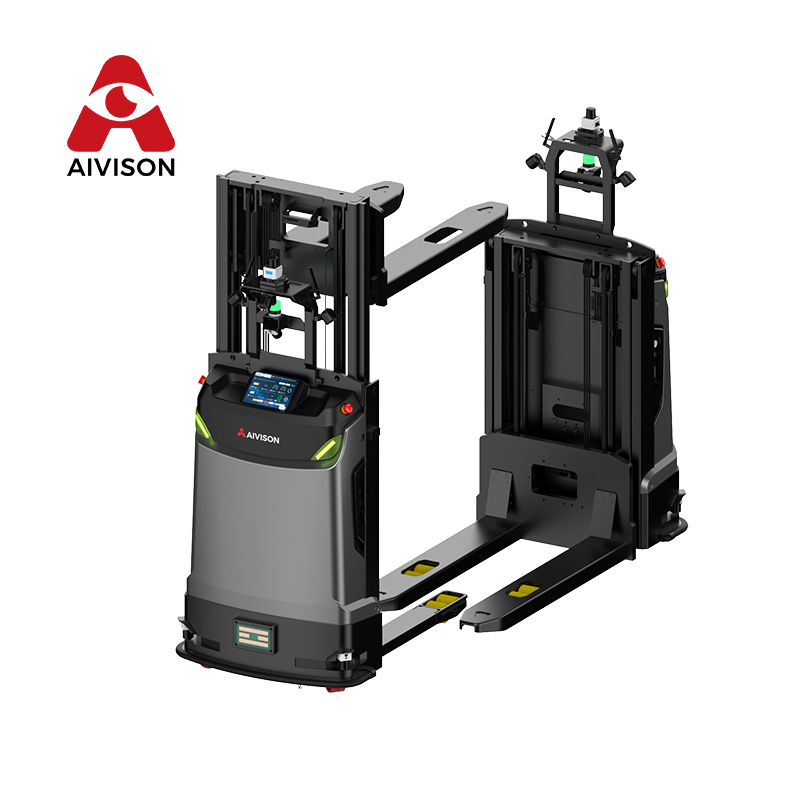
8 AMR & AGV Platforms for Custom Roller Conveyor Projects

A roller conveyor AMR is only as good as its base platform, payload margin and navigation core. These eight platforms cover heavy load transfer, stacker handling, forklift pallet movement, omnidirectional manipulation, lifting chassis and open development. For a Denver PCB line, the roller conveyor top module is the integration point; the platform beneath it determines uptime, serviceability and fleet scalability.

Application Logic

Why Custom Roller Conveyor AMRs Are Replacing Fixed Transfers on Denver PCB Lines

PCB production is a sequence of controlled handoffs: panel to loader, board to SMT, assembly to AOI, sample to ICT/FCT, coating to cure, and finished board to pack-out. The weak points are usually the transfers between those islands, not the machines themselves.

From Fixed Conveyor to Mobile Segment

A fixed conveyor commits floor space and layout years in advance. A roller conveyor AMR brings the transfer surface to the process, then moves it to the next demand point when the line changes.

Less WIP, Less Queue Time

PCB value is exposed to handling damage, oxidation, ESD events and misrouted lots. A mobile buffer with a defined handshake can reduce manual staging and keep lot identity attached to the move.

ESD & Cleanroom Aware

For Denver electronics manufacturers serving aerospace, medical and defense markets, roller material, grounding, filtration and cleanroom-compatible surfaces are part of the engineering brief—not an afterthought.

Reconfigurable by Design

Map a new route, add a docking station or reassign a robot to a different cell without demolishing conveyors. That flexibility matters in Denver’s high-mix contract manufacturing and prototype-to-production environments.

The practical definition of a custom roller conveyor AMR for PCB production lines is a mobile robot with a board-handling deck engineered around the interface conditions of your line: roller pitch, deck height, board or magazine width, stoppers, sensors, ESD-safe materials, handshake signals and safety zoning. It is not simply a cart with rollers on top. The deck must behave predictably when the robot docks, especially if the receiving machine expects a specific board-present signal or transfer timing.

Denver-area PCB buyers rarely have the luxury of a greenfield factory. Most projects sit inside an existing SMT cell, an electronics assembly area with mixed manual and automated stations, or a warehouse where PCB stores and production share aisles. That is where a trackless AMR with laser SLAM has an advantage: no magnetic tape, no floor QR grid for general travel, and no reflector forest. Precision QR labels can be reserved only for the stations that truly need repeatable docking.

  • No auxiliary track installation: standard laser SLAM maps natural features and avoids floor rework.
  • Precision where needed: add QR-assisted docking for ±2 mm handoff at critical stations.
  • Fleet-ready: indoor Wi-Fi scheduling coordinates simultaneous tasks, traffic and charging.
Shenzhen Marnix Intelligent Technology mobile robot manufacturing and engineering team
Denver & Front Range Scenarios

Where a Roller Conveyor AMR Fits in a PCB Production Flow

The best starting point is not “replace all manual moves.” It is one transfer boundary that creates waiting, handling risk or operator walking. These six scenarios are common in Denver-metro electronics production and along the Front Range.

SMT Line-Side Transfer

Move magazines, panels or board carriers between PCB stores, loader and unloader stations. A roller deck AMR can dock at line-side stands and reduce operator trips while keeping the SMT cell supplied.

AOI, ICT & Functional Test Buffers

Test stations often create variable queues. A mobile roller buffer can stage boards or samples, deliver lots to test cells and return inspected batches without creating a fixed conveyor loop.

Cleanroom & ESD-Sensitive Areas

For conformal coating, coating cure, inspection or medical PCB assembly, specify roller materials, grounding paths, surface finishes and cleanroom-compatible cleaning practices with the project team.

WIP Storage & Kitting

Bring PCB panels to kits, release staged lots to assembly and return partial lots to storage. This is a practical alternative to adding more fixed staging tables and manual carts.

High-Mix Changeover

When a Denver contract manufacturer switches products several times a week, mobile transfer capacity can be reassigned by recipe or route instead of rebuilding a fixed conveyor arrangement.

Pack-Out & Warehouse Handoff

Transfer finished boards or magazines from assembly to pack-out, then hand palletized goods to a forklift AGV or warehouse AMR. Mixed fleets can share one scheduling layer.

Local Market Trends

Denver is not a single market. It is a network of electronics manufacturers, contract assemblers, aerospace and defense suppliers, medical device builders and system integrators across the Front Range. Their automation requirements converge on flexibility, traceability and uptime.

Reshoring & Supply-Chain Resilience

Domestic electronics production continues to attract investment. When a PCB line is added or re-shored, buyers want automation that can start with one cell and scale later. A mobile roller conveyor segment supports phased deployment better than a fixed conveyor rebuild.

High-Mix, Low-Volume Production

Specialty electronics, prototype-to-production and defense/aerospace work create frequent changeovers. Re-routing an AMR by software is faster than reconfiguring hard conveyors, especially where board sizes and lot sizes vary widely.

Labor & Ergonomics Pressure

Repetitive carrying of magazines, boards and fixtures consumes skilled operator time. The strongest ROI often comes from removing walking and manual staging from test, coating, pack-out and line-side replenishment rather than eliminating a single machine operator.

Altitude, ESD & Environment

Denver’s dry, high-altitude environment makes ESD control and material selection worth discussing early. Battery thermal behavior, charging placement, dust and cleanroom requirements should be reviewed as part of the site survey, not assumed from a catalogue sheet.

Selection Data

Match the AMR Platform to the PCB Process, Not the Brochure

Most PCB automation projects over-specify navigation or under-specify the transfer interface. Use this technical view to balance docking precision, payload margin, floor conditions and fleet behavior.

10+Years in AGV engineering
±5 mmLaser SLAM navigation
±2 mmQR-assisted docking
±0.05 mmComposite robot repeatability
200+Manufacturers served

General Travel

Laser SLAM on natural features is usually the right choice for aisle travel, line-side delivery and WIP movement. It reaches ±5 mm without magnetic tape, reflectors or a floor QR grid.

Precision Docking

Where a PCB magazine, carrier or test fixture demands repeatable handoff, add a QR scanning camera at selected stations for ±2 mm positioning without changing the whole route infrastructure.

Composite Manipulation

For advanced cells that combine mobility with a 6-axis arm, composite robot configurations can reach ±0.05 mm repeatability for semiconductor, medical device or high-value electronics work.

Fleet & Charging

An intelligent scheduling system coordinates multiple robots over indoor Wi-Fi. Compatible smart charging docks support automatic recharge and continuous duty in multi-shift PCB operations.

Illustrative Positioning Options for a PCB Transfer Project

Laser SLAM travel
±5 mm
SLAM + QR docking
±2 mm
Composite arm cell
±0.05 mm
PCB TaskRecommended SetupPrecisionWhy It Matters
SMT line-side replenishmentHeavy-duty AMR or industrial AMR with custom roller conveyor deck±5 mm; ±2 mm at stationsKeeps loader/unloader supplied while avoiding fixed conveyor congestion and operator walking.
AOI, ICT/FCT and sample transferRoller conveyor AMR with mobile buffer and defined handshake±5 mm; QR where requiredControls WIP queues and keeps test samples moving without adding multiple staging tables.
Conformal coating or cleanroom areaESD-safe roller deck with cleanroom-compatible materialsProject-specificSurface finish, grounding and cleaning practice matter as much as navigation accuracy.
Palletized PCB materials2000 kg stacker AGV or smart forklift with laser navigationNavigation-gradeConnects warehouse replenishment to the line where pallet handling is the primary constraint.
Advanced electronics assemblyOmnidirectional mobile manipulator or composite robot±0.03 to ±0.05 mm repeatabilitySupports machine tending, high-precision placement or inspection-cell loading for high-value products.

For PCB-specific integration, define whether the transfer interface should follow a SMEMA-style handshake or discrete I/O, how lot identity will be tracked, where the board-present sensor sits, and what happens when a downstream machine is not ready. A roller conveyor AMR that moves well but handshakes poorly will create more operator intervention than the manual process it replaces. Marnix engineers the chassis, top module and fleet behavior together so that the robot can be commissioned as a transfer segment, not just delivered as a vehicle.

Supplier & Wholesaler Model

Why Denver Buyers Choose Marnix for Custom AMR Engineering

Shenzhen Marnix Intelligent Technology Co., Ltd. is a manufacturer, not a catalogue reseller. We build laser SLAM AMRs, jacking robots, smart forklifts, composite mobile robots and charging docks, and we customize chassis and top modules around real production interfaces.

Manufacturer-Level Customization

About ten years of AGV manufacturing experience supports flexible engineering of payload, chassis and top mechanisms. For a Denver PCB project, the roller conveyor deck can be developed around your board, magazine or carrier handling requirement.

Precision Without Floor Rework

Laser SLAM on natural features reaches ±5 mm without auxiliary tracks, reflectors or floor QR codes. Add QR scanning at selected stations to reach ±2 mm where docking demands it.

Composite & Fleet Capability

Composite robots combine mobility with 6-axis arms and roller or lifting modules. Multi-layer synchronization protocols support ±0.05 mm repeatability, while Wi-Fi scheduling coordinates simultaneous robot tasks and charging.

Verified Supply Chain

Marnix has served more than 200 manufacturers across three continents and is a verified supplier to a Fortune 500 company. TÜV Rheinland performed an onsite supplier assessment on our operations.

Custom AMR top modules including roller conveyor and robotic arm for production line integration
Custom top modules are the bridge between a proven mobile chassis and the specific handoff requirements of a PCB production line.
Buyer’s Checklist

What Denver Buyers Should Prepare Before Requesting an AMR Proposal

From our project experience, these six inputs determine most of the robot selection. Sharing them up front shortens evaluation from weeks of back-and-forth to a focused engineering review.

01

Load & Carrier Profile

Maximum weight, footprint, center of gravity and carrier type: PCB magazine, panel, fixture, tray or pallet.

02

Site Layout

A CAD drawing or sketch with aisle widths, doors, slopes, elevator or lift points, charging locations and fire lanes.

03

Throughput Target

Missions per hour, peak periods and acceptable queue time. This sets fleet size, buffer strategy and charger count.

04

Docking Precision

Identify where ±5 mm is sufficient and where QR-assisted ±2 mm docking or arm-level precision is required.

05

Interface & Handshake

Define SMEMA-style or discrete I/O handshakes, board-present sensing, stoppers, lot tracking and machine readiness signals.

06

Environment & Compliance

ESD controls, cleanroom class, Wi-Fi coverage, battery charging location, safety zoning and any local code requirements.

Denver Buyer FAQ

Common Questions About Custom Roller Conveyor AMRs in the Denver Market

These are the questions our engineering and sales team hears most often from PCB manufacturers, contract assemblers and integrators evaluating a mobile transfer solution.

Are you a local Denver AMR supplier or an overseas manufacturer?

Marnix is a Shenzhen-based manufacturer serving the Denver market through direct project support and collaboration with local integrators. We do not present ourselves as a Denver warehouse unless a project specifies local stock. For most custom roller conveyor AMR projects, engineering, configuration and factory acceptance testing are handled with our team, while site safety validation and local commissioning can be coordinated with your integrator.

Can a roller conveyor AMR be customized for PCB magazines, panels and carriers?

Yes. The custom work is concentrated in the top module and handshake: roller width and pitch, deck height, stoppers, sensors, ESD-safe materials, board-present detection and I/O signals. The mobility platform can be selected from standard AMR or AGV bases to shorten development while still matching the PCB handling interface.

Do we need to modify the floor or install QR codes everywhere?

No. Standard laser SLAM navigation maps existing natural features and does not require magnetic tape, reflectors or floor QR codes. QR labels are typically added only at stations where ±2 mm docking precision is required. This is especially useful in Denver facilities that cannot shut down production for floor work.

What docking accuracy is appropriate for PCB production?

Use ±5 mm laser SLAM for general travel and ordinary line-side delivery. Use ±2 mm QR-assisted docking where a magazine, carrier or fixture must align repeatably with a machine or test station. For composite robot cells with a 6-axis arm, repeatability can reach ±0.05 mm. Over-specifying precision across the whole route adds cost without improving throughput.

How do you handle ESD, cleanroom and SMEMA-style interface questions?

These requirements should be defined in the project brief. We review roller materials, grounding, surface finishes, cleaning compatibility and I/O behavior with your team. If the line requires a SMEMA-style handshake or discrete machine signals, the interface must be specified alongside the robot’s transfer logic and safety zoning rather than added after delivery.

What lead time should a Denver buyer expect?

Lead time depends on whether the project uses a standard platform with a known top module or requires new roller deck engineering, factory testing and integration documentation. A practical proposal should separate engineering review, manufacturing, factory acceptance testing and shipping to Denver. Providing load, layout, throughput and interface details early is the fastest way to get a reliable schedule.

Can Marnix support wholesale and system integrator projects?

Yes. Our model supports OEM and integrator projects, including low-MOQ customization where the project fits our engineering and production capabilities. We can provide robot platforms, chassis and top modules for integrators who manage local controls, safety validation, installation and commissioning in the Denver area.

How do we prove ROI before scaling a PCB AMR project?

Start with one transfer boundary that has measurable pain: operator walking, WIP queue, handling damage, changeover delay or line-side stock-outs. Measure missions per shift, queue time, operator touches and uptime before and after deployment. Once the first cell is stable, adding robots or docking stations is a scheduling and configuration exercise rather than a complete conveyor rebuild.
Planning a Custom Roller Conveyor AMR for a Denver PCB Line?

Share your PCB carrier dimensions, payload, docking tolerance, line layout, throughput target and interface requirements. Our engineers will help you select the right AMR or AGV platform and define the roller conveyor top module before you commit to a layout.

Contact Us Supplier and wholesale partner inquiries from Denver-area manufacturers, contract assemblers and system integrators are welcome.