Custom OEM Smart Warehouse Robot Factory & Wholesaler Serving the Vietnam Market
Shenzhen Marnix Intelligent Technology Co., Ltd. engineers laser SLAM AMRs, jacking robots, smart forklifts, pallet stackers and composite mobile robots for Vietnamese factories, warehouses and system integrators — with ±5 mm navigation, ±2 mm QR-assisted docking, low-MOQ customization and export-ready documentation.
8 Warehouse Robots Recommended for Vietnam Factories, Distribution Centers and System Integrators
These platforms share a practical engineering logic: laser SLAM mapping, modular top mechanisms, fleet scheduling over indoor Wi-Fi and charging-dock compatibility. The selection below covers 800 kg light stackers, 1,500 kg SLAM forklifts, 2,000 kg heavy-load AMRs, CE-certified pallet stackers and an AI-ready humanoid R&D platform.
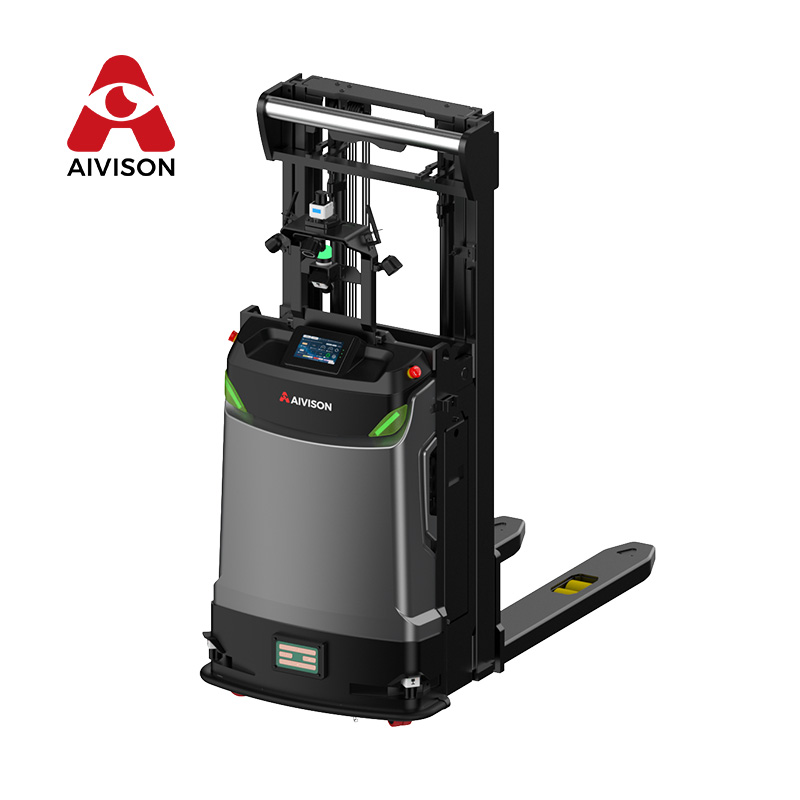
Heavy Load 2000KG Load Forklift Laser Guide AMR for Warehouse Pallet
For high-throughput pallet movement where a 2,000 kg load, laser guide navigation and repeatable docking matter more than fixed conveyor infrastructure.
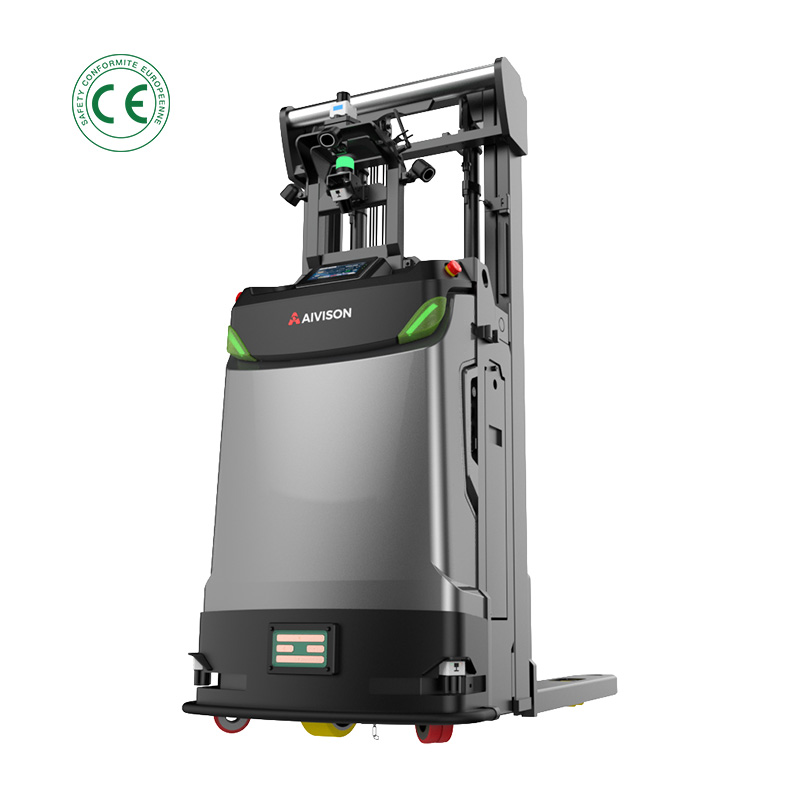
Smart Transport Robotic with Laser Navigation Reach 2000KG AGV Logistics Robots Warehouse Robot AMR
A 2,000 kg-class AGV/AMR for logistics hubs and production warehouses that need continuous horizontal transport and automated handover.
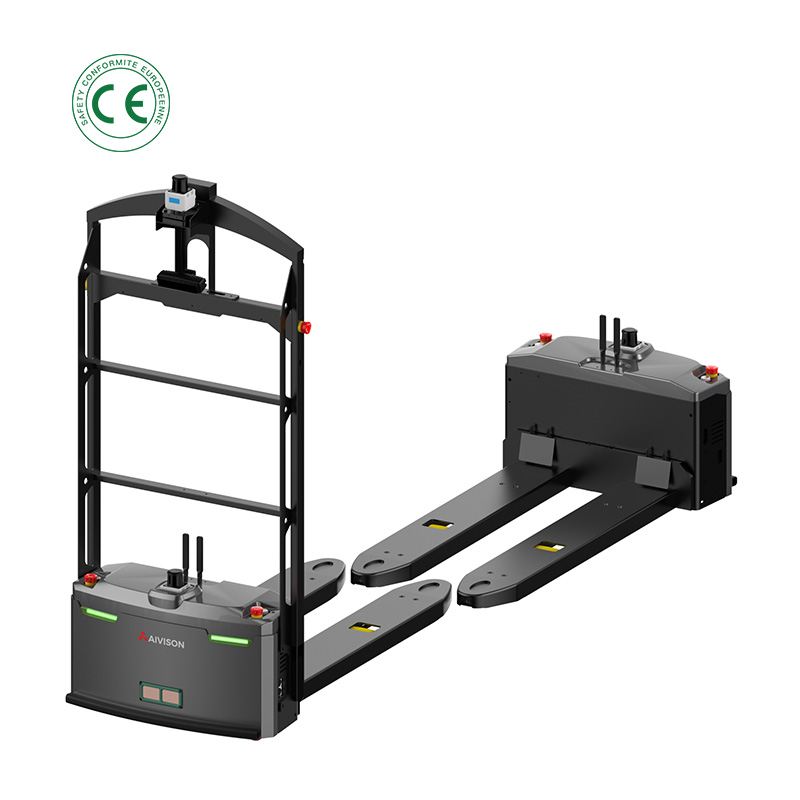
Warehouse Stacker CE Forklift AGV 800kg Load Capacity Light AMR Pallet
A compact 800 kg pallet stacker for light manufacturing, line-side buffering and narrow aisles where a smaller footprint improves route flexibility.

AI-Ready Humanoid Robot Chassis Dual 7-DOF Arms Omnidirectional Drive ROS2 Laser SLAM Open Development Platform
An open development platform for Vietnamese universities, robotics labs and integrators exploring humanoid manipulation, ROS2 and autonomous mobility.

Laser SLAM Navigation Automated Guided Vehicle Forklift agv 1500kg Load Capacity
A 1,500 kg laser SLAM forklift for rack movement and high-bay storage. QR assistance can be added where station docking requires ±2 mm precision.
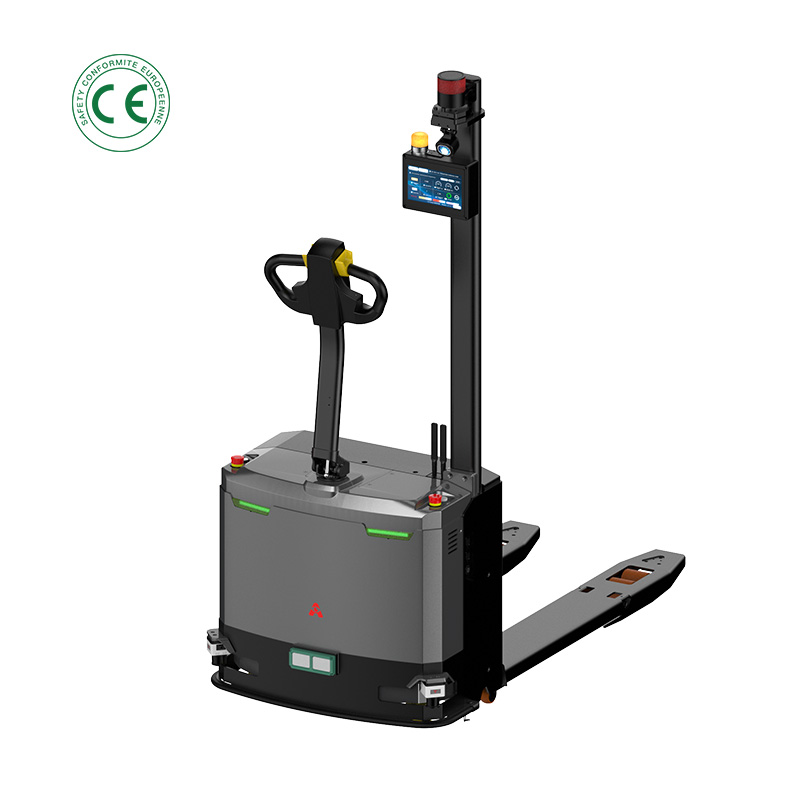
Autonomous Mobile Robot AMR AGV Forklift Pallet Stacker CE Certificate for Smart Warehouse and Production Line Automation
An AMR forklift pallet stacker for smart warehouse and production-line automation, suited to repetitive pallet handling in mixed-traffic operations.
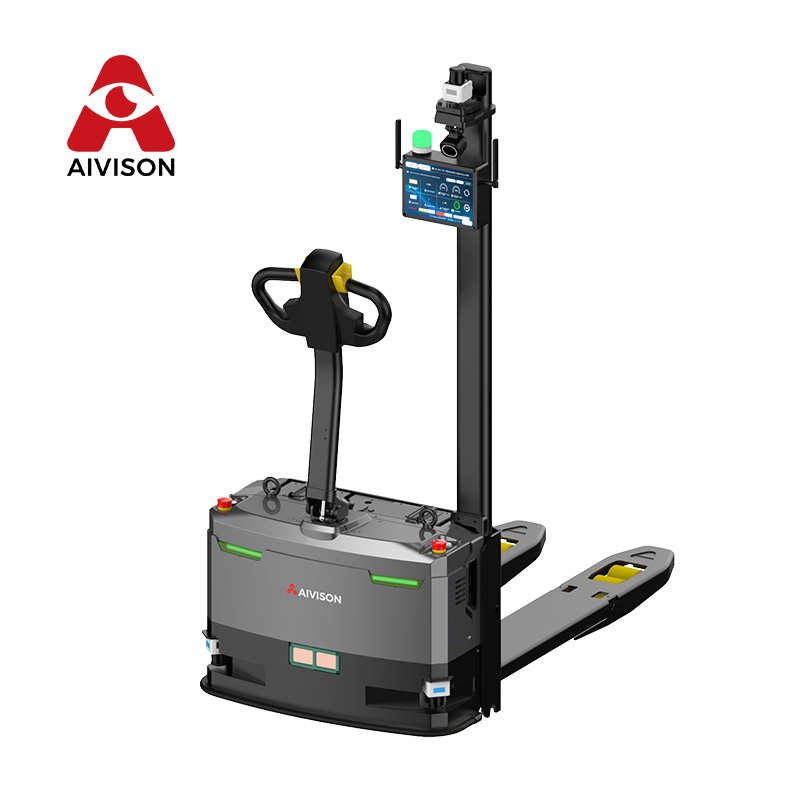
Aivison AGV Forklift High Quality Industrial Unmanned Pallet Forklift
A rugged unmanned pallet forklift for factories and logistics sites that need automated pallet handling without redesigning the entire floor.
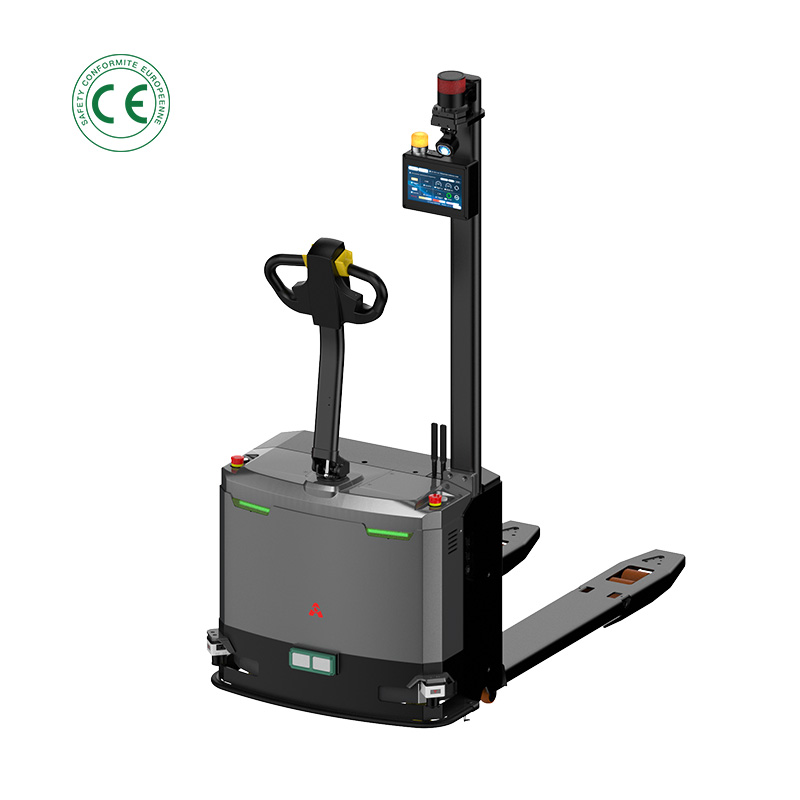
CE Certification Industrial AMR AGV Robot for Warehouse Automation Autonomous Material Handling Logistics
A general-purpose industrial AMR/AGV platform for warehouse automation, autonomous material handling and integrator-led localization projects.
Use the catalog to compare payload, navigation, top-module options and integration interfaces before requesting a Vietnam-specific configuration review.
Why Vietnam Needs More Than a Standard Warehouse Robot Quotation
Vietnam’s manufacturing base is becoming more complex: electronics, textile and footwear, automotive parts, solar, lithium battery, PCB, food processing and e-commerce distribution now share the same pressure to raise throughput without adding fixed infrastructure.
Factory-to-warehouse reality, not a showroom scenario
In Vietnam, buyers often operate a mix of new and legacy facilities. A robot must tolerate existing aisle widths, mixed human traffic, shifting rack layouts and a Wi-Fi environment that is still being optimized. Marnix builds around those constraints with natural-feature laser SLAM mapping, dynamic avoidance and fleet scheduling that does not require magnetic tape or rail installation.
The real decision is total intralogistics outcome
A procurement team searching for “AGV price in Vietnam” usually needs an answer to a broader question: how to move material reliably at the lowest total cost per pallet. The engineering answer combines payload, route density, docking tolerance, charging strategy, spare-parts planning and local operator training. That is why our project review starts with load, layout, throughput, precision and interfaces rather than a single model number.
What Vietnam Buyers Actually Mean When They Search for Warehouse Robots
Search intent in this category is rarely a single product query. It moves from “robot price” to “integration risk” to “after-sales support.” The six intent clusters below should shape every supplier conversation.
“AGV price in Vietnam”
Buyers need a landed-cost view: robot, top module, charging dock, freight, import documentation, commissioning, training and spare parts. A lower purchase price can lose on downtime and integration.
“OEM warehouse robot factory”
OEM buyers want chassis customization, top-module design, branding, interface documentation and repeatable supply. Marnix supports manufacturer-level customization for jacking units, roller conveyors, forklift forks and 6-axis arms.
“Local after-sales support”
A Vietnam buyer wants to know who answers when a robot stops. Evaluate remote diagnostics, English/Vietnamese documentation, integrator training, spare-part kits and a practical escalation plan—not just a warranty statement.
“Laser SLAM or QR code”
Most warehouse transfer routes need ±5 mm SLAM navigation and no floor modification. High-shelf storage, wafer handling or precision docking may justify a QR camera for ±2 mm. Over-specifying precision adds cost without adding throughput.
“WMS / MES / ERP integration”
Vietnamese factories increasingly ask how robots communicate with production equipment and warehouse software. The project scope should define task triggers, handover points, I/O with conveyors or machines, fleet status data and acceptance criteria.
“Safety in mixed traffic”
Forklifts, pedestrians and robots often share the same aisle. A proper design includes speed zones, lidar-based obstacle detection, emergency stop logic, warning indicators, route planning and an operator response procedure.
Where Custom AMRs and Smart Forklifts Fit in Vietnam’s Industrial Landscape
From northern electronics clusters to southern export manufacturing and Ho Chi Minh City distribution centers, the application determines the robot architecture. The examples below are the scenarios we evaluate most often with Vietnam-based buyers and integrators.
Electronics and 3C assembly
Factories in Bac Ninh, Bac Giang, Thai Nguyen and Hai Phong need line-side material delivery, work-in-progress transfer and controlled handover. Use jacking robots, light AMR platforms and QR-assisted docking where fixture alignment matters.
Textile, footwear and garment
In Binh Duong, Dong Nai and Long An, material flow often involves cartons, fabric rolls, accessories and finished-goods pallets. Pallet AMRs and 800 kg stackers reduce repetitive manual transfer while keeping aisle access flexible.
Automotive and motorbike parts
Heavy components and returnable containers require stable pallet handling. The 2,000 kg forklift AMR and 1,500 kg SLAM forklift configurations fit warehouses serving Hai Phong, Hai Duong and northern industrial parks.
E-commerce and distribution
Ho Chi Minh City, Binh Duong and Long An distribution centers need pick-face replenishment, pallet transfer and put-away support. Fleet scheduling and automatic charging are essential for 24/7 e-commerce peaks.
Solar, lithium battery and PCB
High-value material flow requires repeatable handover and clean interfaces. Composite mobile robots with 6-axis arms and QR-assisted docking can support precision station loading where the buyer’s process justifies the investment.
High-bay and narrow-aisle storage
Land cost and rack density push Vietnamese warehouses toward higher storage. Laser SLAM forklifts with optional QR positioning help stabilize fork entry and pallet placement where conventional manual forklifts create variability.
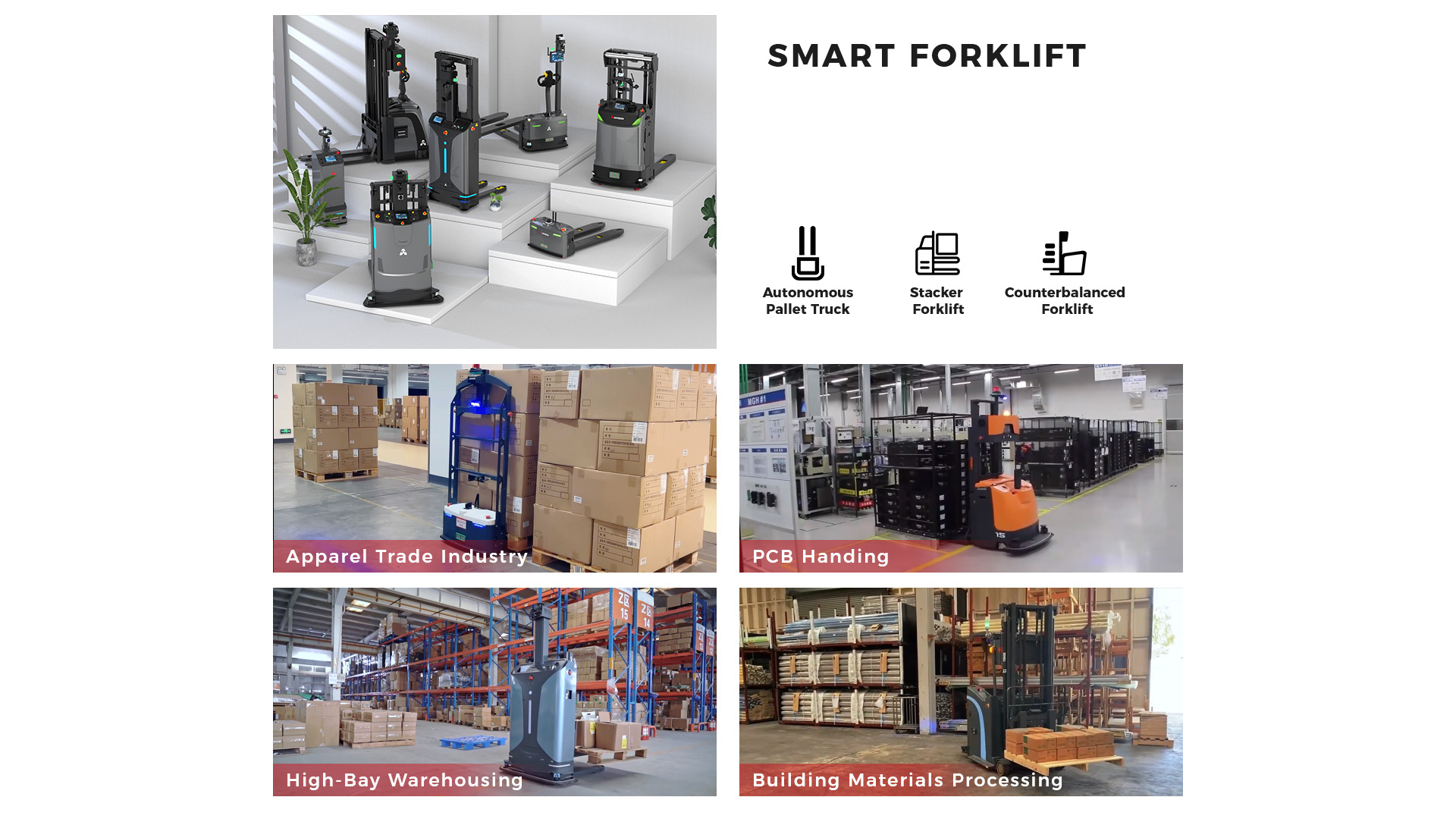
Vietnam Warehouse Automation Trends Shaping 2025 and Beyond
These trends explain why a “one-size-fits-all” robot catalogue is no longer enough. The winning supplier is the one that can adapt a proven platform to Vietnam’s operating realities.
FDI manufacturing expansion
New electronics, renewable-energy and component factories continue to enter northern and southern industrial parks. Multi-site buyers prefer a common robot platform that can be replicated across Vietnam and other Southeast Asian sites.
Labor cost and turnover pressure
Repetitive pallet transfer and line-side delivery are increasingly difficult to staff consistently. Robots address steadiness, traceability and shift-to-shift repeatability while freeing workers for higher-value tasks.
Warehouse land and rack density
As industrial land becomes more expensive, high-bay storage and narrow aisles become more attractive. Robots with stable precision and repeatable pallet handling support denser racking without proportional labor growth.
E-commerce and cold-chain growth
Consumers expect faster delivery and broader product choice. Distribution centers need scalable fleets, automatic charging and route flexibility that can handle peak seasons without permanent conveyor changes.
Green factory and safety goals
Electric mobile robots help reduce emissions inside warehouses and improve safety in repetitive transport tasks. Buyers increasingly review energy consumption, charging strategy, noise and emergency-stop design.
Supply-chain diversification
Vietnam’s role as a diversification hub rewards suppliers that can combine standard platforms with OEM customization and integrator support, rather than forcing every project into a fixed catalogue product.
Match the Robot to the Vietnam Application Before Comparing Prices
Use this matrix to narrow the shortlist. A lower-specification robot can be the correct choice when the route and docking tolerance are understood; a higher-specification robot is only justified when the process demands it.
| Application requirement | Recommended product from this page | Why it fits | Vietnam deployment note |
|---|---|---|---|
| 2,000 kg pallet transfer | Heavy Load 2000KG Laser Guide AMR or 2000KG Laser Navigation AGV | High payload, laser navigation and repetitive pallet handling | Confirm aisle width, floor condition, fork entry clearance and charging location |
| 800 kg light pallet stacking | Warehouse Stacker CE Forklift AGV 800kg | Compact footprint and lighter payload for flexible line-side use | Good for smaller aisles, light manufacturing and buffer zones |
| 1,500 kg rack and high-bay movement | Laser SLAM Navigation AGV Forklift 1500kg | SLAM navigation with optional QR precision at station docking | Use QR labels only where ±2 mm handover is truly required |
| CE-marked production-line integration | CE Certified AMR Forklift Pallet Stacker | Pallet stacker format for warehouse and production-line automation | Review final configuration, guarding and site risk assessment |
| Industrial unmanned pallet handling | Aivison AGV Forklift Industrial Unmanned Pallet Forklift | Industrial AGV forklift format for repeated material movement | Define traffic rules and operator zones before commissioning |
| General warehouse AMR platform | CE Certification Industrial AMR AGV Robot | Flexible platform for autonomous material handling logistics | Use as a base for integrator-led localization and top-module adaptation |
| AI, ROS2 and humanoid R&D | AI-Ready Humanoid Robot Chassis | Dual 7-DOF arms, omnidirectional drive, ROS2 and laser SLAM | Best for labs, universities and advanced integrators—not simple pallet transfer |
What a Basic Vietnam AMR Quotation Often Leaves Out
Competitive procurement is not about finding the shortest quotation. It is about surfacing the assumptions that determine whether the project will hit its throughput target after installation.
Payload path versus payload label
A robot rated for 2,000 kg may still be limited by fork entry, rack condition, slope, floor joints or load center of gravity. Share photos and dimensions of the actual pallet, not only the weight.
Fleet size versus real throughput
One robot moving one pallet per cycle is not a throughput calculation. The model must include travel distance, lift time, handover time, traffic congestion, charging windows and peak-hour demand.
Charging strategy versus battery spec
Automatic charging docks and opportunity charging are operational design decisions. If the charging location is poorly placed, fleet availability falls even with a high-quality battery.
Integration scope versus robot scope
Who triggers the task? How does the conveyor confirm handover? What data goes to the WMS or MES? The automation scope must define interfaces in writing before shipment.
Safety review versus declaration
Mixed traffic requires risk assessment, speed limits, stop zones, warning indicators and operator training. CE-marked options should be verified against the final configuration and destination requirements.
Spare parts versus warranty wording
A warranty without a spare-part plan can still stop a line. Vietnam projects should identify critical wear parts, recommended stock, training materials and remote-support procedures.
Why Work With Shenzhen Marnix Intelligent Technology Co., Ltd.?
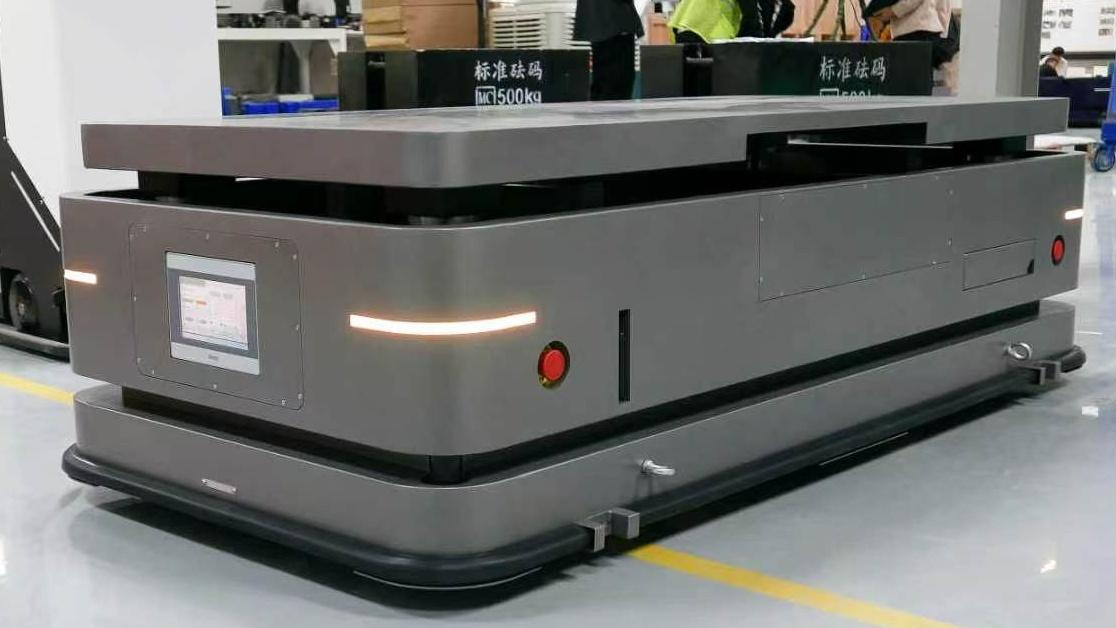
Marnix combines manufacturing depth with integrator-friendly customization. That combination matters in Vietnam, where projects often require a standard platform plus a localized top module, documentation package and commissioning plan.
About ten years of AGV engineering
Based in Shenzhen, Marnix draws on roughly ten years of AGV manufacturing experience, with R&D and production focused on practical factory deployment rather than demo-only robots.
Laser SLAM plus vision fusion
Laser SLAM maps natural features for ±5 mm navigation without magnetic tape, reflectors or floor QR codes. A QR scanning camera can raise docking accuracy to ±2 mm where the process requires it.
Complete mobile robot portfolio
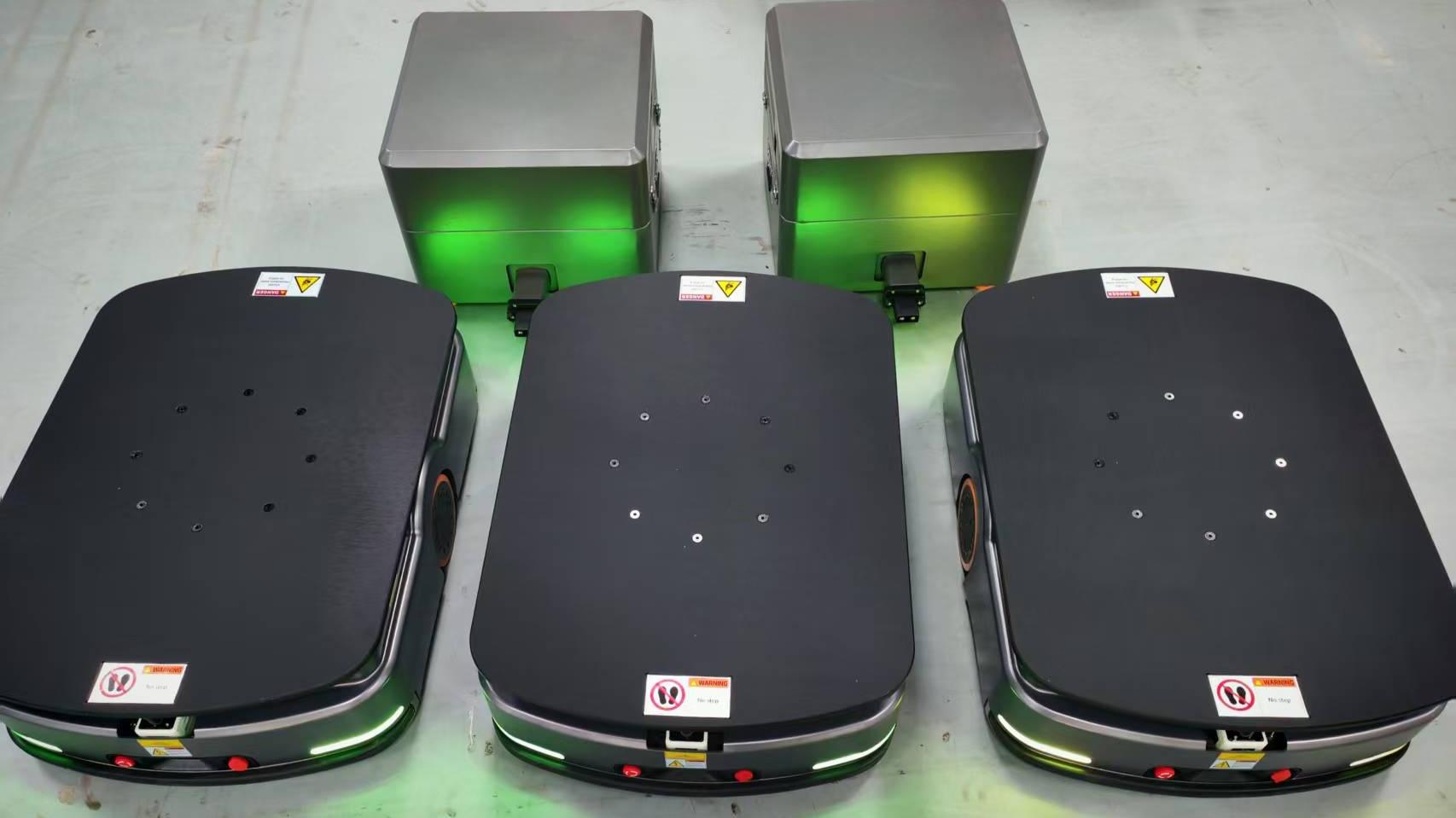
Jacking robots, smart forklifts, pallet AMRs, composite robots and intelligent charging docks come from one source. Mixed fleets share navigation and scheduling logic, reducing integration complexity.
Manufacturer-level OEM customization
Top modules can be engineered around jacking units, roller conveyors, forklift forks or a 6-axis arm. This helps Vietnamese integrators connect the robot directly to production equipment instead of forcing a standard fit.
Multi-robot scheduling over Wi-Fi
An intelligent scheduling system coordinates simultaneous task assignment, traffic control and automatic charging through compatible smart docks, supporting 24/7 duty cycles and scalable fleets.
Verified supplier credentials
Marnix has undergone onsite supplier assessment by TÜV Rheinland and is a supplier to a Fortune 500 company, assessed by independent third parties. The company serves more than 200 manufacturers across three continents and supports low-MOQ customization and multi-category procurement.


What to Prepare Before Requesting a Vietnam Warehouse Robot Proposal
From project experience, six inputs determine most of the robot selection and deployment effort. Sharing them upfront shortens evaluation from weeks to days and reduces the risk of a mismatched quotation.
01 · Load profile
Maximum weight, pallet or rack footprint, load center of gravity, rack type and whether the load is stable during acceleration and braking.
02 · Site layout
A CAD drawing or sketch with aisle widths, doors, slopes, elevators, fire lanes, charging locations and any future layout changes.
03 · Throughput target
Missions per hour, peak periods, operating shifts and acceptable waiting time. This determines fleet size, route design and charging-dock count.
04 · Docking precision
Decide where ±5 mm navigation is sufficient and where ±2 mm QR assistance, conveyor handover or arm-level precision is genuinely needed.
05 · Wi-Fi coverage
Existing access points, dead zones and roaming quality across the robot operating area. Stable Wi-Fi is essential for fleet scheduling and task dispatch.
06 · Equipment interfaces
Conveyors, machines, shelves or safety gates the robot must hand over to, plus any top-module, software or documentation requirements.
Practical Safety, CE and After-Sales Planning for Vietnam Buyers
Safety is a site-specific engineering outcome. Product certifications support procurement, but the final operating risk depends on route design, speed, load stability, pedestrian behavior and maintenance discipline.
Compliance and verified supplier evidence
CE-certified options are identified in the product names above, including the 800 kg AMR stacker, the CE-certified AMR forklift and the industrial AMR/AGV robot. Final configuration, safety guarding and destination-market requirements should be confirmed in the technical agreement. Marnix’s onsite supplier assessment by TÜV Rheinland, Fortune 500 supplier record and trade history provide additional evidence for procurement teams following E-E-A-T-aligned supplier due diligence.
After-sales readiness
Plan remote diagnostics, spare-part inventory, operator training, maintenance intervals and escalation contacts. Vietnamese integrators benefit from product documentation, top-module drawings and commissioning support so they can serve local end users without waiting for every minor issue to be resolved overseas.
- Define robot speed zones and pedestrian crossing points
- Confirm emergency-stop procedure and response training
- Check floor condition at rack and conveyor handover points
- Validate Wi-Fi roaming along every route segment
- Create spare-part stock for critical wear items
- Set acceptance tests for throughput, uptime and docking accuracy
Common Questions Vietnamese Buyers Ask Before Purchasing AMRs and Smart Forklifts
These are the questions our engineering team receives most often during early-stage project evaluation. Clear answers reduce quotation cycles and help internal stakeholders compare suppliers fairly.
Can you customize a warehouse robot for our Vietnam factory layout?
Yes. As a manufacturer, Marnix supports OEM customization of chassis and top modules such as jacking units, roller conveyors, forklift forks, sensors and 6-axis robotic arms. Low-MOQ customization and multi-category robot procurement are part of the verified supplier capability. For the best result, share aisle widths, load dimensions, handover points and any existing equipment interfaces.
Do we need to modify the warehouse floor for laser SLAM navigation?
No. Standard laser SLAM navigation uses natural features and maps the existing environment, so magnetic tape, reflectors or floor QR codes are not required for normal routes. QR labels are only added at stations where ±2 mm docking precision is needed. This is particularly useful in Vietnam facilities that cannot stop operations for long installation work.
What is the difference between the 800 kg, 1,500 kg and 2,000 kg robot options?
The 800 kg AMR pallet stacker is suitable for light manufacturing, line-side buffering and compact aisles. The 1,500 kg laser SLAM forklift is better for rack movement and high-bay storage. The 2,000 kg heavy-load AMR and 2,000 kg laser navigation AGV are intended for higher-throughput pallet logistics. The correct choice depends on load center of gravity, aisle width, fork entry and docking tolerance—not weight alone.
Can the robot connect with WMS, MES, ERP or production equipment?
Yes, integration should be defined during project scoping. The scope may include task triggers, fleet scheduling inputs, I/O with conveyors or machines, status data and acceptance criteria. For Vietnam projects involving existing WMS/MES platforms, provide interface documentation and identify who owns the integration layer—Marnix, a local system integrator or the buyer’s IT team.
What about CE certification and safety for Vietnam deployment?
Several products in the range are listed as CE-certified or CE-certification options, including the 800 kg AMR stacker and specified AMR forklift/AGV models. The final configuration should always be confirmed for the destination market, site risk assessment, guarding, emergency-stop design and operator training. Independent supplier assessment by TÜV Rheinland and trade records can support procurement due diligence.
How long does delivery and commissioning take?
Lead time depends on whether the project uses a standard platform or a custom top module. Standard configurations can be prepared faster, while OEM customization requires engineering review, drawings and factory acceptance testing. A realistic plan should include production, testing, freight to Vietnam, on-site mapping, commissioning, operator training and performance verification. Share your target start date early so the project schedule can be built around it.
How do we calculate return on investment for a warehouse robot in Vietnam?
Build the ROI case around total cost per pallet moved rather than purchase price alone. Include labor availability and turnover, shift coverage, safety incidents, product damage, warehouse space utilization, energy, maintenance, spare parts and integration. For many buyers, the strongest case comes from stabilizing throughput during peak periods and reducing dependence on repetitive manual forklift tasks.
How do we start a project evaluation with Marnix?
Prepare six inputs: load profile, site layout, throughput target, docking precision, Wi-Fi coverage and equipment interfaces. Then request the catalog and share your application details. Our team can recommend the right configuration from the eight products above, including heavy-load forklift AMRs, 800 kg stackers, 1,500 kg SLAM forklifts, CE-certified pallet stackers, industrial AMR platforms or the AI-ready humanoid development platform.
Start with a Vietnam-Specific Robot Selection Review
Send your pallet size, maximum load, aisle width, throughput target, docking precision and interface requirements. We will help you compare the most suitable custom OEM smart warehouse robot configuration for your factory, warehouse or integrator project in Vietnam.
Best-fit projects: 800 kg–2,000 kg pallet handling, line-side delivery, rack movement, high-bay storage, production-line automation and OEM customization for system integrators.
Email: info@marnixbot.com
Supplier: Shenzhen Marnix Intelligent Technology Co., Ltd.
Location: Shenzhen, Guangdong, China
The catalog request opens the existing third-party live chat window through the original button class. No additional tracking or custom JavaScript is added by this page.