Custom OEM Composite Robot Exporter & Wholesaler serving Phoenix
Laser SLAM AMRs, jacking robots, smart forklifts, and dual-arm humanoid chassis engineered for Arizona’s semiconductor, EV, aerospace, and high-throughput logistics operations.
Eight Composite Robot Platforms for OEM, Wholesale, and Integrator Programs
Every platform below shares the same laser SLAM navigation core and Wi-Fi fleet software. Choose a standard chassis for a fast pilot or customize the top module for your production line. Product images and URLs are retained exactly as supplied.
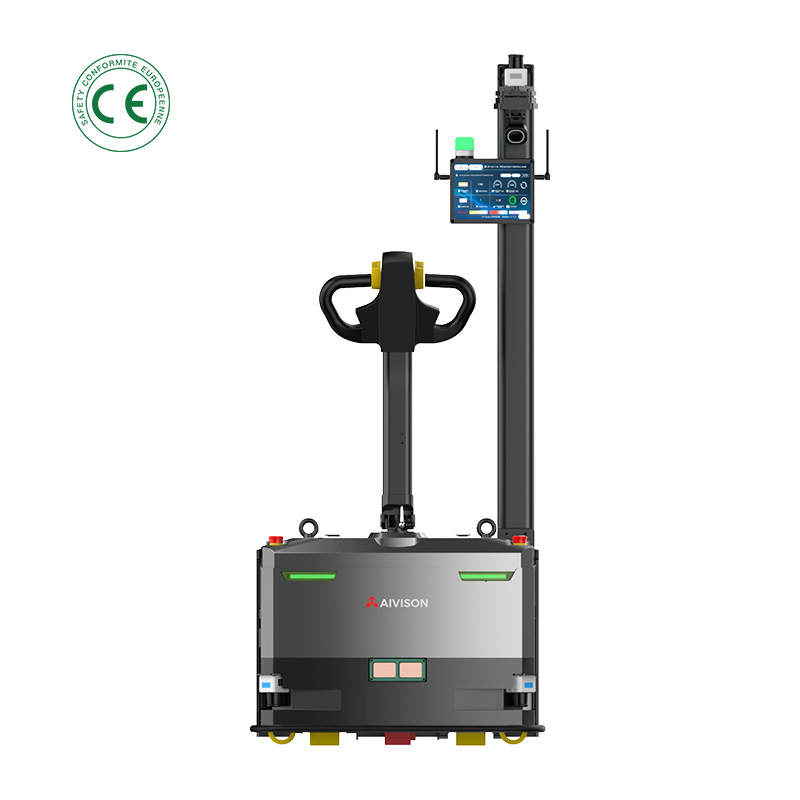
Autonomous Mobile Robot AGV CE Laser SLAM Navigation for Material Handling and Logistics
A general-purpose laser SLAM platform for pallet, cart, and container moves between receiving, storage, and line-side stations. Natural-feature navigation avoids tape and floor codes; QR assist is available at precision stops.
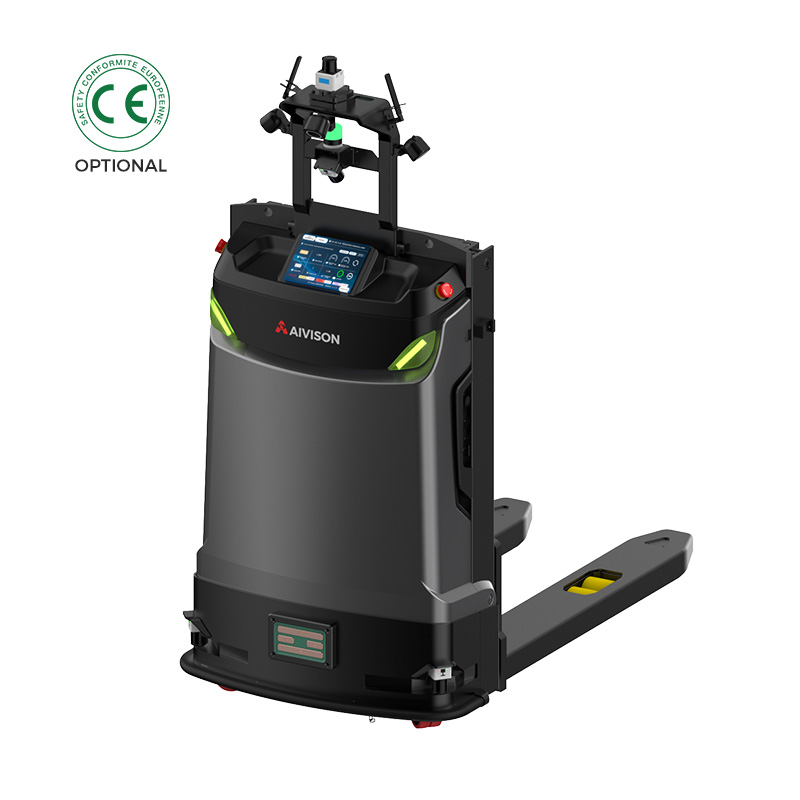
China Factory Automated Mobile Robot SLAM Lifting Wholesale AGV Chassis Vehicle
A lifting chassis platform for integrators and wholesalers who need a reliable base for custom racks, carts, or top modules. Factory-direct configuration keeps the chassis, battery, and safety package aligned.

AI-Ready Humanoid Robot Chassis Dual 7-DOF Arms Omnidirectional Drive ROS2 Laser SLAM Open Development Platform
A ROS2 development platform with dual 7-DOF arms and omnidirectional drive for AI, humanoid, and composite robotics research. Use it to prototype machine tending, inspection, and mobile manipulation before committing to production.
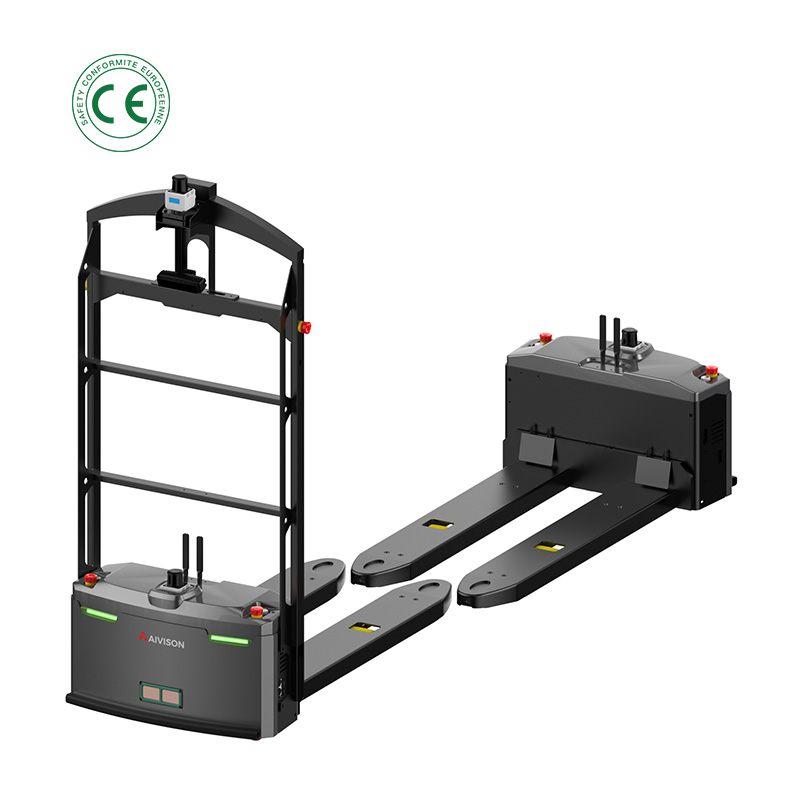
Aivison Customized 800kg Warehouse AGV Robot Lithium Battery AMR
An 800 kg warehouse AMR built around lithium-battery operation and custom top-interface options. It suits pallet and rack transfer where a standard cart platform is too light but a full forklift is unnecessary.
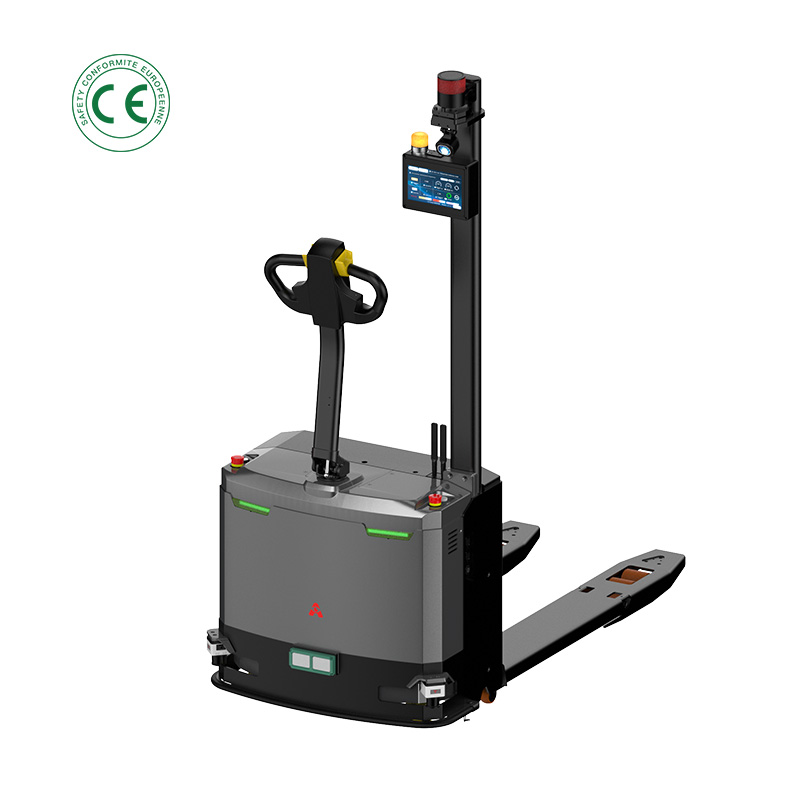
Autonomous Mobile Robot AMR AGV Forklift Pallet Stacker CE Certificate for Smart Warehouse and Production Line Automation
A CE-certified AMR forklift and pallet stacker for put-away, replenishment, and line feeding. Camera-assisted fork entry improves repeatability in mixed pallet conditions.
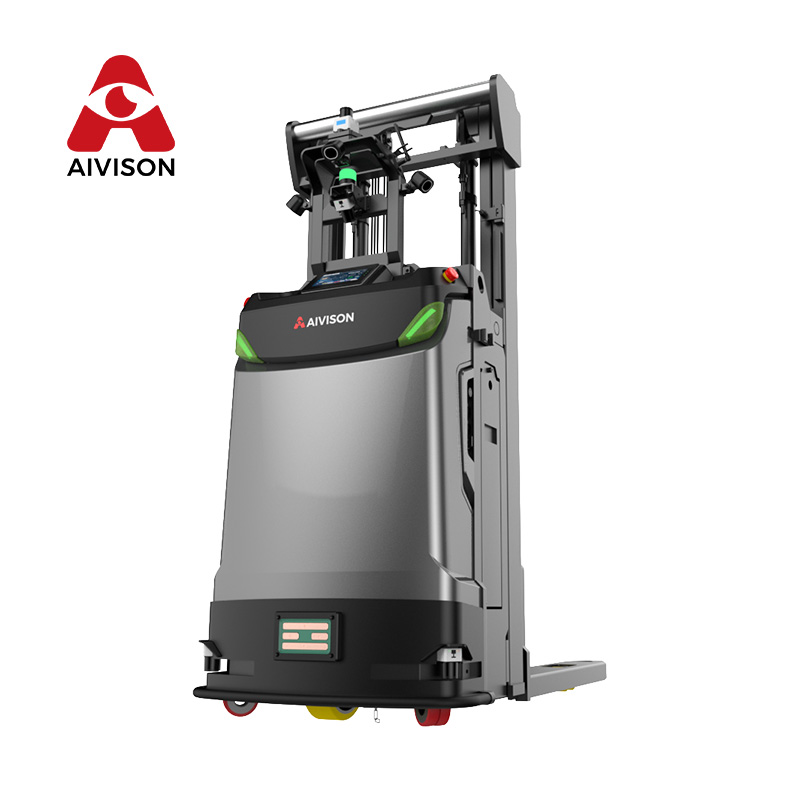
Autonomous Mobile Robots (AMR) Implement Cargo Transportation Between Warehouse and Conveyor Line
A conveyor-handoff application platform for moving cargo between storage and production conveyors. The robot reduces manual transfer distance and stabilizes line-side replenishment.
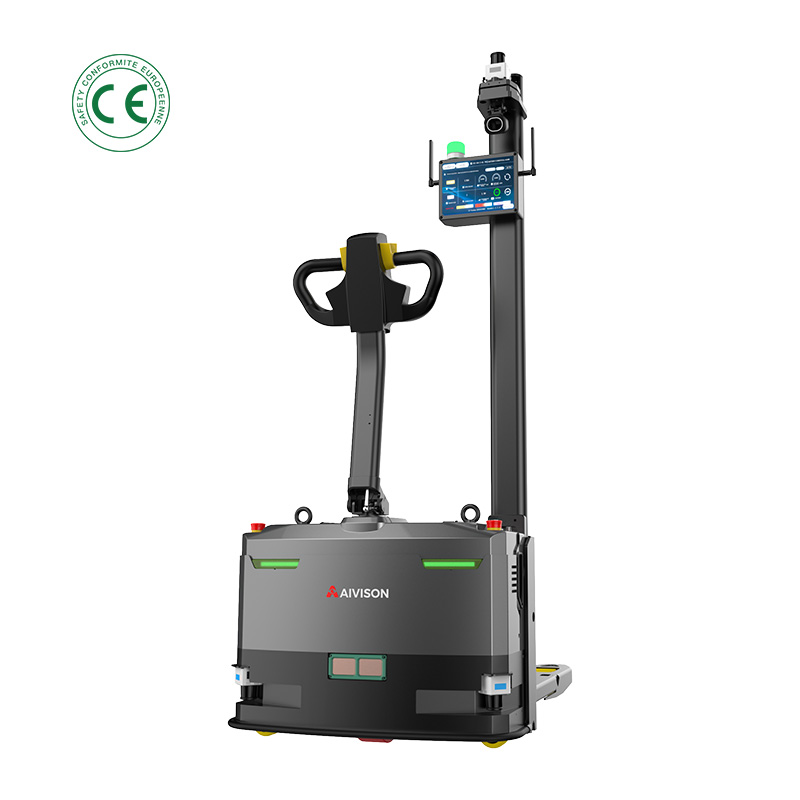
AIVISON CE Laser SLAM Navigation AGV 1500kg Warehouse Lifting Operations
A 1500 kg lifting AGV for heavier racks, fixtures, and pallet loads. Laser SLAM navigation keeps routes flexible while QR assist can tighten docking at transfer stations.

Humanoid Robot Chassis Dual 7-DOF Arms Laser SLAM Omnidirectional Navigation ROS2 Open Platform AMR
A dual-arm humanoid chassis for advanced research and composite robot development. Omnidirectional navigation and ROS2 tooling let engineering teams build mobile manipulation workflows faster.
Why Phoenix Is a Composite Robot Market, Not Just a Warehouse Market
A practical engineering brief for OEMs, wholesalers, and system integrators specifying composite mobile robots in Maricopa County and across Arizona.
Phoenix has become one of North America’s most important advanced-manufacturing corridors. The TSMC Arizona fab, Intel’s Ocotillo campus, aerospace suppliers, EV and battery plants, and regional distribution centers along I-10 and Loop 202 are all competing for the same constrained labor pool. The result is a material-flow problem that standard forklifts and fixed conveyors cannot solve alone. You need mobile robots that can move between processes, hand off loads precisely, and be redeployed when the line changes—without shutting down the floor for weeks.
Composite robots meet that requirement. A composite robot combines a proven autonomous mobile robot chassis with a task-specific top module: a jacking unit, roller conveyor, forklift fork assembly, 6-axis arm, or dual 7-DOF humanoid arm. The chassis handles navigation; the top module handles the work. The fleet software coordinates both. For Phoenix buyers, this modularity is the difference between buying a robot and buying a capability.
Because we are an OEM exporter and wholesaler rather than a local catalog reseller, Marnix can ship a standard platform for a fast pilot or engineer a custom composite robot around your fixture, rack, conveyor height, or cleanroom protocol. Our team has about ten years of AGV engineering experience, and our robots are deployed by more than 200 manufacturers across three continents. We support end users, system integrators, and distributors—including projects that need CE marking, TÜV Rheinland-verified supplier records, and Fortune 500-level documentation.
Information gain for Phoenix buyers: the most expensive mistakes are usually not in the robot’s navigation accuracy. They are in heat management, Wi-Fi coverage, docking tolerance by station, and the handshake between the robot and the existing conveyor or machine. We address those four items explicitly in every quote, because a robot that runs well in a demo but overheats near a roof deck or loses Wi-Fi behind steel racking is not a useful automation project.
Chassis, Top Module, and Fleet Intelligence
The industry sometimes uses “composite robot” and “AMR” interchangeably. That is imprecise. An AMR is a mobile base. A composite robot is an integrated work cell that moves.
Chassis and Navigation
Laser SLAM maps natural features, so no magnetic tape, reflectors, or floor QR codes are required for general transport. Safety lidar, differential or omnidirectional drive, 48 V lithium batteries, and compatible smart charging docks form the base platform.
Top Module and Work Interface
Jacking units lift racks and carts. Roller conveyors transfer PCB magazines, totes, or trays. Fork assemblies handle pallets. 6-axis arms and dual 7-DOF arms perform pick-and-place, machine tending, and inspection. Choose the top module from the process backward, not from a catalog forward.
Fleet Software and Site Integration
An intelligent scheduling system coordinates robots over indoor Wi-Fi, assigning tasks, controlling traffic, and managing automatic charging. Confirm the handshake with WMS, MES, conveyor PLCs, fire doors, and elevators before the pilot begins.
Select precision by station, not by brochure
Relative precision requirementDo not over-specify precision across the whole route
A common RFQ asks for ±0.05 mm everywhere. That drives cost, calibration time, and floor preparation without improving throughput. In most Phoenix projects, the robot travels at ±5 mm, docks at ±2 mm with a QR label, and only the arm or fixture needs sub-millimeter repeatability.
- Transport between zones: ±5 mm is usually enough.
- Load port or high-shelf dock: ±2 mm with QR assist.
- Assembly or machine tending: arm-level repeatability, not base accuracy.
Where Composite Robots Pay Back in Arizona
Six applications common in the Phoenix metro, each with a different payload, precision, and environmental requirement. Use them to frame your own scope.
Semiconductor and Electronics Cleanroom Logistics
Wafer carriers, reticles, front-opening unified pods, and cleanroom carts need predictable, low-particle movement. Laser SLAM reduces floor infrastructure; QR assist at load ports supports ±2 mm docking. Discuss ESD, wipe-down, and air-quality procedures before the site survey.
Recommended platform →EV, Battery, and Energy Storage Assembly
800 kg and 1500 kg jacking platforms move module racks, fixtures, and pallets between formation, testing, and pack assembly. In Arizona, specify thermal monitoring and charge scheduling so the robot fleet does not add avoidable heat load during peak hours.
Recommended platform →Aerospace Parts, MRO, and Kitting
High-mix, low-volume kitting rewards route flexibility and traceability. Composite platforms with dual 7-DOF arms support research, inspection, and machine-tending pilots; standard AMRs handle the repetitive movement between stores and cells.
Recommended platform →3PL, E-Commerce, and Distribution
300 kg pallet AMRs and AMR forklifts handle replenishment, put-away, and conveyor handoff. Fleet scheduling keeps mixed traffic moving during peak seasons, when temporary labor is least familiar with the floor.
Recommended platform →Medical Device and Life Sciences
Cleanroom-compatible bases and 6-axis arms deliver ±0.05 mm repeatability for assembly and machine tending. Validation documentation and change control should be scoped early, especially when the robot is part of a regulated process.
Recommended platform →Warehouse and High-Shelf Storage
Laser SLAM ±5 mm is sufficient for transport; QR at the aisle face brings docking to ±2 mm. The result is high-shelf access without magnetic tape or reflectors—useful in leased Phoenix buildings where floor modifications may be restricted.
Recommended platform →Phoenix-Specific Trends Reshaping Intralogistics
Arizona’s growth is not a generic warehouse story. Reshoring, heat, labor, energy, and system integration are changing how robots are specified.
Reshoring and CHIPS Act Investment
New fabs and supplier parks are being built faster than fixed conveyor and traditional automation can be redesigned. Modular composite robots let process engineers change routes in software, not concrete. The practical question is not whether the robot can move a load; it is whether the line can be reconfigured without a shutdown.
Heat, Dust, and Monsoon Resilience
Arizona floors can exceed 38°C near roof decks, and haboob season adds airborne dust. Specify sealed connectors, thermal monitoring, derated charging, and a cleaning schedule. Avoid charging in uncontrolled heat, and plan a climate-controlled charging zone if the building has one.
Labor Availability and Forklift Turnover
Shift-based operations face chronic shortages of certified forklift operators. AMRs and smart forklifts reduce repetitive travel and let skilled staff focus on exception handling, quality checks, and equipment changeovers.
Energy and Demand-Charge Management
Opportunity charging and fleet-level charge scheduling can shift load away from peak tariffs. Ask for charger efficiency and standby consumption data, not just robot run time, when calculating operating cost.
Integration with WMS, MES, and ASRS
Phoenix warehouses often run multiple systems across a site. Confirm the robot fleet can handshake with WMS, MES, conveyor PLCs, lifts, and fire doors. A successful pilot is usually an integration project with a robot inside it, not a robot project with an integration afterthought.
Safety and Mixed-Traffic Acceptance
CE-marked platforms with safety lidar fields, speed zoning, and audible and visual warnings are easier to approve in facilities shared with pedestrians and forklifts. Include a traffic-management plan and operator training in the RFQ.
Which Composite Robot Fits Your Phoenix Project?
Use this shortlist to narrow the platform before a site survey. The final configuration still depends on load profile, aisle width, throughput, docking tolerance, and site environment.
| Phoenix application | Recommended platform | Payload / accuracy | Why it fits | Product |
|---|---|---|---|---|
| Semiconductor load port / cleanroom research | AI-Ready Humanoid Robot Chassis Dual 7-DOF Arms | Dual 7-DOF arms; ROS2 | Mobile manipulation and machine tending; supports ±0.05 mm class process work after station calibration | View product |
| General material handling / pallet transfer | Autonomous Mobile Robot AGV CE Laser SLAM | CE; ±5 mm natural SLAM | Fast deployment without floor tape; QR assist available at precision stops | View product |
| 800 kg warehouse transfer | Aivison Customized 800kg Warehouse AGV | 800 kg; lithium battery | Custom top interface for racks, carts, or pallets | View product |
| 1500 kg lifting and rack movement | AIVISON CE Laser SLAM 1500kg | 1500 kg; CE | Heavy lifting operations with flexible routes | View product |
| Pallet stacking / smart warehouse | AMR AGV Forklift Pallet Stacker | CE; camera assist | Put-away, replenishment, and line feeding | View product |
| Warehouse-to-conveyor handoff | AMRs Cargo Transportation | Fleet-ready; conveyor interface | Stabilizes line-side replenishment and reduces manual transfer | View product |
| Lifting chassis for integrators | China Factory SLAM Lifting AGV Chassis | OEM chassis; lifting | Wholesale base for custom top modules | View product |
| Dual-arm / humanoid development | Humanoid Robot Chassis Dual 7-DOF Arms | Omnidirectional; ROS2 | Prototype AI, inspection, and composite robot workflows | View product |
Why Phoenix Integrators and Wholesalers Work with Marnix
Marnix is a Shenzhen-based OEM manufacturer and exporter, not a marketplace trader. That means engineering access, customization, and documentation are part of the relationship—not an after-sales upgrade.
About Ten Years of AGV Engineering
Our team has shipped laser SLAM AMRs, jacking robots, smart forklifts, and charging docks into production environments. Experience matters when a project moves from demo to 24/7 operation.
Precision Matched to the Station
±5 mm laser SLAM without tape or reflectors; ±2 mm with QR scanning at the station; ±0.05 mm repeatability for composite robots with 6-axis arms. We help you avoid paying for precision you do not need.
Manufacturer-Level Customization
Chassis, payload, top module, docking height, and communication protocol can be engineered to your process. We support OEM/ODM and low-MOQ customization for integrators.
Fleet Scheduling and Charging
Robots are coordinated over indoor Wi-Fi with simultaneous task assignment, traffic control, and automatic charging through compatible smart docks.
Verified Credentials
TÜV Rheinland onsite assessment, CE-marked platforms, a Fortune 500 supplier contract, and transparent trade records. Ask for the current documents for your compliance review.
Global Deployment Support
More than 200 manufacturers on three continents. We provide remote commissioning support, documentation, spare-parts planning, and integrator training.

Shenzhen manufacturing and assembly base

Multi-stage inspection and operational stress testing
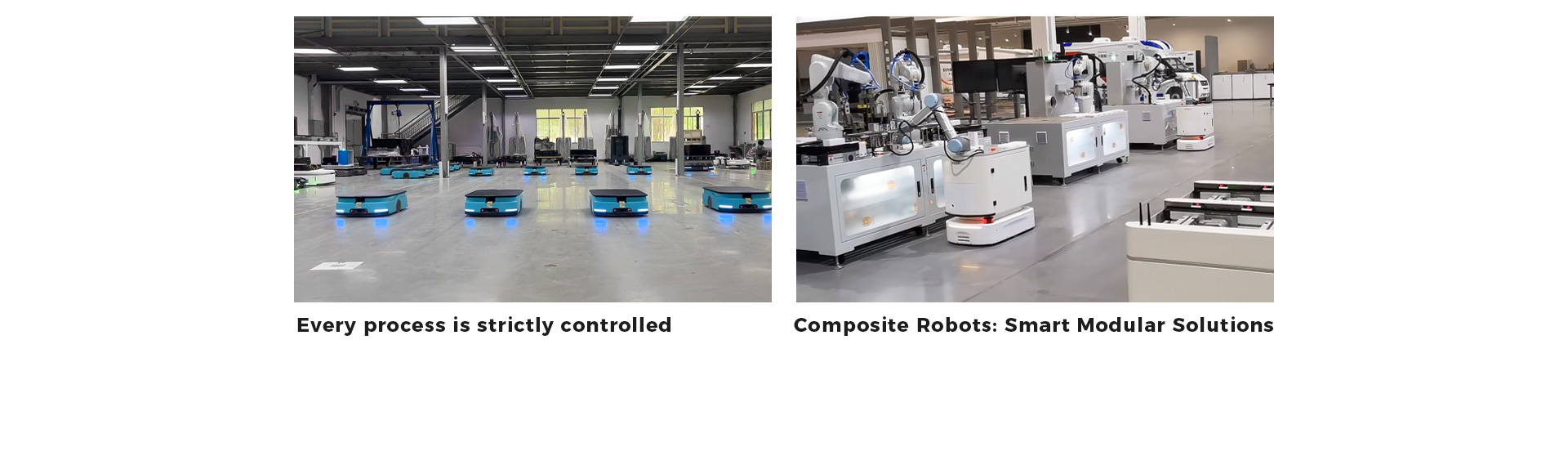
Composite robot with 6-axis arm and roller modules
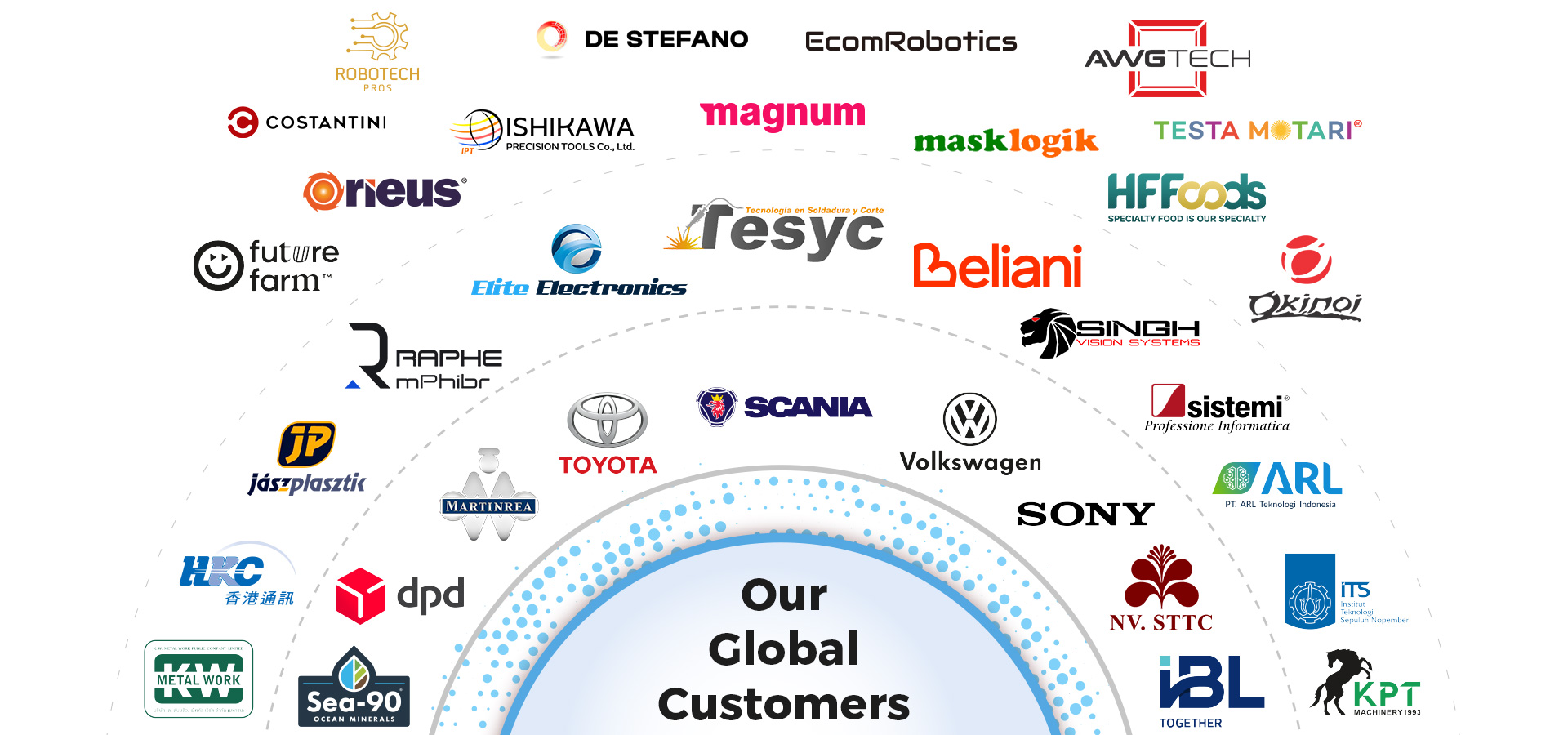
Deployments across eight core industries
What to Prepare Before Requesting a Phoenix Composite Robot Quote
Our application engineers can usually size a project from six inputs. Sharing them upfront turns a vague inquiry into a reviewable proposal.
01. Load Profile
Maximum weight, footprint, and center of gravity of racks, pallets, or carriers. Include a photo of the actual load, not only a drawing.
02. Site Layout
A CAD drawing or sketch with aisle widths, doors, slopes, elevators, fire zones, and charging locations. Note any leased-building restrictions on floor modifications.
03. Throughput Target
Moves per hour, peak windows, shift pattern, and dwell time at each station. This sets fleet size and charger count.
04. Docking Precision by Station
Where ±5 mm is enough, where ±2 mm QR assist is required, and where arm-level repeatability is needed. Do not apply one tolerance to the whole route.
05. Site Environment
Ambient temperature, dust, wash-down, ESD, cleanroom class, and Wi-Fi coverage. In Phoenix, include summer heat and monsoon dust assumptions.
06. Equipment Interfaces
Conveyor heights, machine handshakes, WMS/MES protocol, door controls, and any top-module requirements. A simple I/O list prevents surprises.
“Send the load, layout, throughput, docking tolerance, environment, and interface. We will return a configuration—not a generic brochure.”
— Marnix application engineering teamQuestions Buyers Ask Before Automating in Arizona
Straight answers from our engineering team. For a project-specific review, use the Contact Us button or email info@marnixbot.com.
Are you a Phoenix-based dealer or an overseas OEM exporter?
We are an overseas OEM exporter and wholesaler. Shenzhen Marnix Intelligent Technology Co., Ltd. designs and manufactures the robots in Shenzhen, China, and supports Phoenix projects through direct engineering, remote commissioning, and integrator partnerships. If you need a local installation contractor, we can work with your chosen integrator rather than compete with them.
How do you support a Phoenix installation if you are in Shenzhen?
We provide remote engineering support, site-survey templates, commissioning checklists, configuration files, and spare-parts planning. For larger projects, we coordinate factory acceptance testing before shipment and can support the integrator through video-assisted commissioning. The goal is to make the local team self-sufficient after handover.
What navigation accuracy do Marnix AMRs achieve?
Using laser SLAM on natural features, our AMRs reach ±5 mm positioning without magnetic tape, reflectors, or floor QR codes. Adding a QR code scanning camera raises docking accuracy to ±2 mm. Composite robots with a 6-axis arm reach ±0.05 mm repeatability at the process station after calibration.
Do I need to modify my Phoenix facility floor?
No for standard laser SLAM navigation. The robot maps your existing environment, so auxiliary tracks and floor codes are not required. QR labels are only added at stations where ±2 mm docking precision is needed. Some leased facilities still require floor-flatness checks for high-shelf or heavy-lift applications.
How do you handle Arizona heat and dust?
Start with the charging location and duty cycle. Lithium batteries prefer moderate temperatures, so we recommend charging in a controlled zone when available, monitoring battery temperature, and avoiding peak-heat opportunity charging. For dust, we discuss IP rating, connector sealing, filter maintenance, and cleaning intervals. These choices are part of the configuration review, not an afterthought.
Can you customize robots for my production line?
Yes. As a manufacturer, we customize chassis and top modules such as jacking units, roller conveyors, forklift forks, 6-axis robotic arms, and dual 7-DOF arms. We can match conveyor heights, handoff fixtures, and communication protocols so the robot connects directly with your production equipment.
How are multiple robots coordinated?
An intelligent scheduling system manages the fleet over indoor Wi-Fi, handling simultaneous task assignment, traffic control, and automatic charging through compatible smart charging docks. For Phoenix sites, we recommend a Wi-Fi survey before layout freeze, because steel racking and high bay ceilings can create dead zones.
Which industries do you serve?
Semiconductors, 3C electronics, lithium batteries, photovoltaics, automotive parts, PCB, textiles, and medical devices. We serve both end users and system integrators, including projects that need CE marking and verified supplier documentation.
How do I start a project evaluation?
Use the Contact Us button on this page to open the live chat, or email info@marnixbot.com with your load profile, layout, throughput, precision needs, environment, and interface list. Our application engineering team will review the inputs and recommend a platform and top-module configuration.
Specify a Composite Robot for Your Phoenix Line
Share your payload, layout, throughput, docking tolerance, Wi-Fi coverage, and heat and dust constraints. Our engineers will recommend a standard platform or a custom OEM configuration—not a generic catalog answer.
Contact Us