Counterbalance AGV Exporters & Wholesalers for the Chiang Mai Market
A procurement-grade guide to 800–2000 kg laser SLAM counterbalance AGVs, AMR stackers, autonomous forklifts and humanoid service platforms for warehouses, cold-chain depots, food processing, electronics, automotive suppliers and 3PL operations across Chiang Mai, Lamphun and Northern Thailand.
What Chiang Mai Buyers Should Know Before Sourcing a Counterbalance AGV
This section maps search intent to purchase reality: payload, aisle geometry, navigation accuracy, fleet control, after-sales support and import documentation.
Chiang Mai’s industrial and logistics footprint is changing. The city’s traditional strengths in tourism, retail, education and agriculture are now complemented by food processing, packaging, cold-chain distribution, electronics assembly and automotive parts suppliers serving domestic demand and cross-border trade. For a warehouse or factory in Saraphi, Hang Dong, San Kamphaeng, Mae Rim or the Chiang Mai–Lamphun corridor, the practical question is no longer whether mobile robots are relevant, but how to choose a counterbalance AGV, AMR stacker or autonomous forklift that fits Thai operating conditions and a realistic local support model.
This guide is written for procurement teams, system integrators, 3PL operators and factory owners comparing counterbalance AGV exporters and wholesalers for the Chiang Mai market. It combines Marnix’s experience as a Shenzhen-based mobile robot manufacturer with a local application lens: mixed forklift traffic, humid rainy-season conditions, intermittent Wi-Fi, multi-tenant warehouses and the need for clear import documentation. It is not a generic product list. Each recommendation explains the operational reason a Chiang Mai buyer might select that platform, how navigation accuracy affects floor preparation, and what to verify before issuing a purchase order.
A counterbalance AGV is often the right choice when a pallet must be lifted from floor level, moved through a dock area and placed into single-deep racking. It resembles a counterbalance forklift in load geometry but uses laser SLAM, QR assist or hybrid navigation to operate without a driver. For lighter loads or tighter aisles, an AMR pallet stacker may be more efficient. For tasks where the robot must connect directly to machines, a composite mobile robot with roller conveyor or 6-axis arm can remove manual handovers. The best sourcing decision begins with the load, aisle, throughput and docking precision—not with the lowest headline price.
Payload & Load Centre
Confirm maximum pallet weight, rack load, center of gravity and fork length. An 800 kg AMR stacker can be the right fit for light line-side work, while a 2000 kg counterbalance AGV is usually preferred for heavy pallets, dock transfer and high-load stacking.
Aisle & Racking Geometry
Measure aisle width, door clearance, floor flatness, ramp gradients and racking height. Counterbalance AGVs require stable load geometry; AMR stackers need a clear under-rack profile. A CAD layout or measured sketch shortens simulation and quotation time.
Navigation Accuracy
Laser SLAM on natural features delivers approximately ±5 mm positioning without tape, reflectors or floor QR codes. Add a QR camera only where stations require ±2 mm docking. Composite robots with a 6-axis arm can reach ±0.05 mm repeatability for precision assembly.
Fleet Control & Wi-Fi
Check indoor Wi-Fi coverage before defining fleet size. An intelligent scheduling system coordinates simultaneous tasks, traffic control and automatic charging. Multi-robot dispatch matters when Chiang Mai sites run mixed shifts and peak inbound windows.
After-Sales & Spare Parts
Compare exporters and wholesalers on documentation, spare-parts lists, remote diagnostics and commissioning support. A local integrator can be the right partner for installation and routine service, while the manufacturer supplies the robot, software and engineering support.
Safety & Import Review
Include risk assessment, operating-zone markings, charger placement and emergency-stop procedures. CE documentation supports procurement review where applicable, but final site safety validation remains the operator’s responsibility under local rules.
8 Counterbalance AGV & AMR Systems for Chiang Mai Operations
These original catalog models cover heavy pallet transfer, precision docking, LiDAR components and humanoid service robotics. Product URLs are preserved from the original catalog so buyers can review specifications directly.
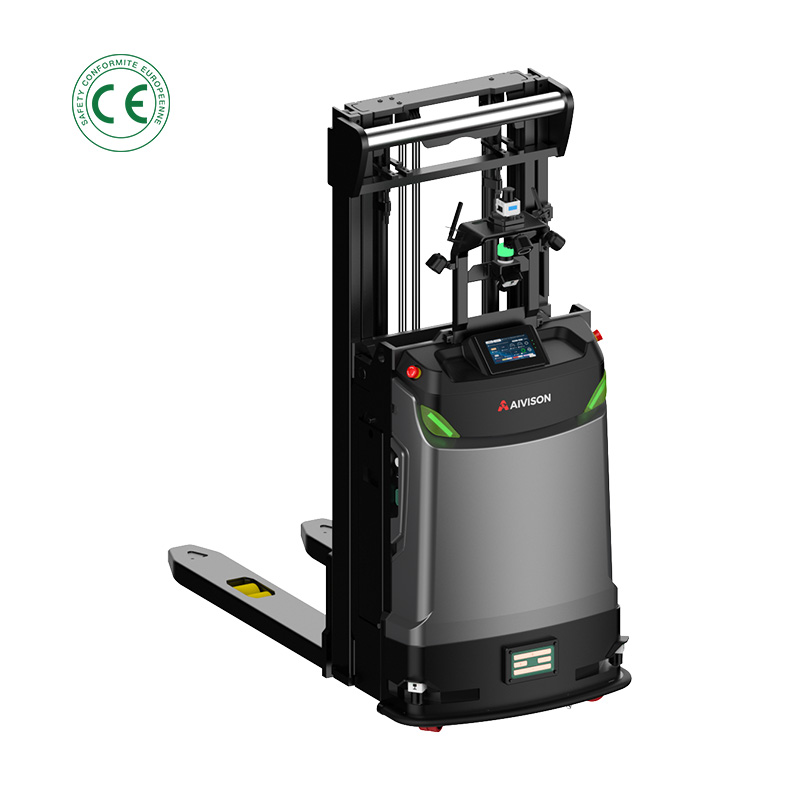
Warehouse Robot Robotics 2000KG CE Warehousing Automatic Forklift Stacking AGV
A 2000 kg counterbalance-style stacking platform for goods receipt, staging and single-deep racking. Suitable for Chiang Mai 3PL and consumer-goods depots that need repeatable pallet movement during peak inbound.
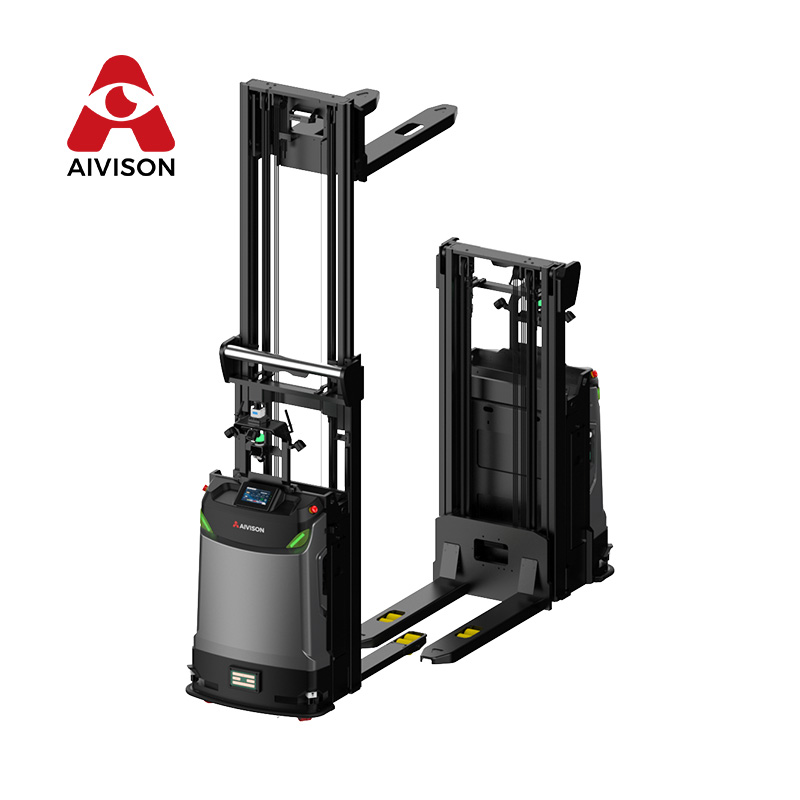
High Precision agv Forklift Full Servo Motor Controlled Laser Forklift with Heavy Load 2000kg
Full servo motor control supports stable travel and repeatable fork positioning. A strong option for high-value pallets, packaging lines and warehouse zones where docking discipline matters more than raw speed.
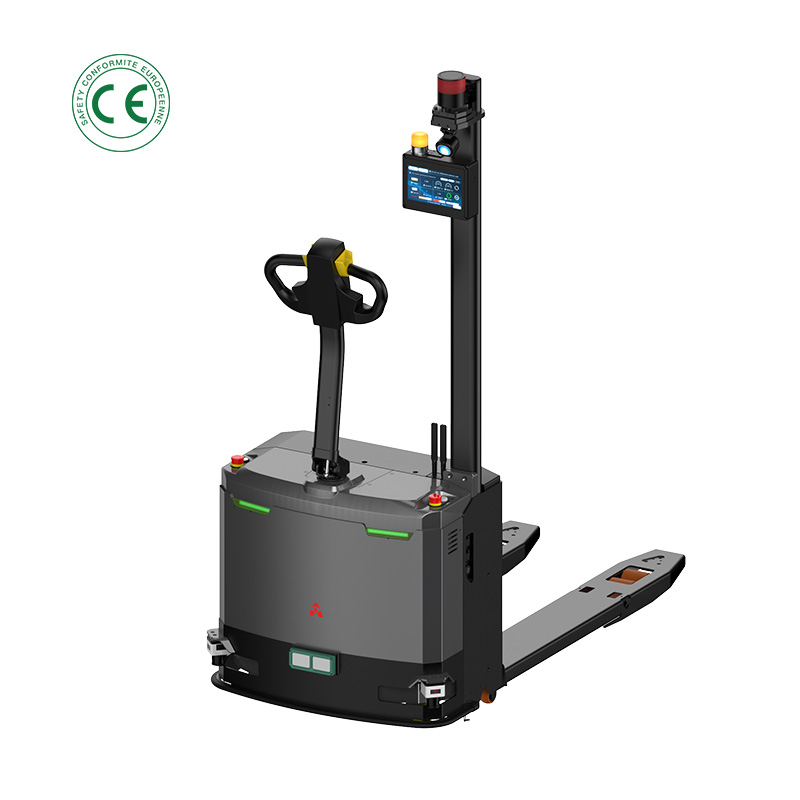
Automatic Handling CE Certificate 2000kg Forklift Robot Vehicle Laser AGV for Large Load Goods-carrying
Built for large-load goods movement between production, staging and dispatch. The CE certificate supports export procurement review for factories and distribution centres planning automated pallet transfer.

Humanoid Robot Chassis Dual 7-DOF Arms Laser SLAM Omnidirectional Navigation ROS2 Open Platform AMR
A ROS2 open platform AMR with dual 7-DOF arms and omnidirectional navigation. Useful for integrators, research teams and flexible machine-tending pilots that need a customizable mobile manipulation base.

Hot Selling Logistics Navigation Detector Sensor Lidar Manufacturers Direct Sales
A navigation LiDAR source for system integrators, robot builders and maintenance teams. Chiang Mai integrators can use it for AGV fleet support, prototype navigation systems or sensor replacement planning.
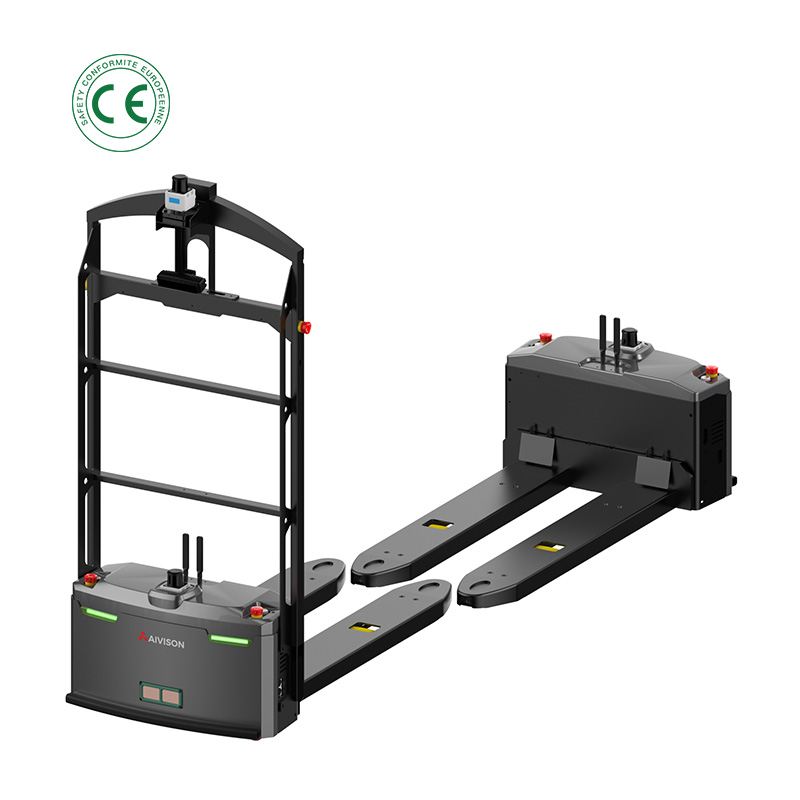
Warehouse Stacker CE Forklift AGV 800kg Load Capacity Light AMR Pallet
A lighter AMR pallet stacker for narrow aisles, line-side delivery and light manufacturing. Prefer it where a 2000 kg counterbalance AGV would be over-specified and movement distances are relatively short.
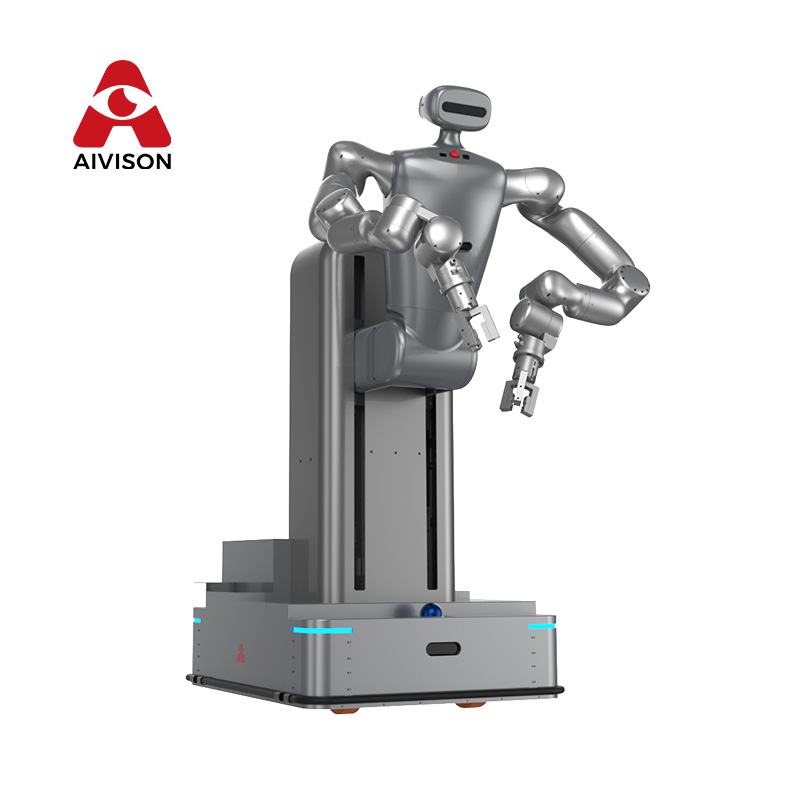
Omnidirectional Service Humanoid Robot Chassis Dual 7-DOF Arms Laser SLAM Navigation for Hospitality and Retail
A service robotics platform for hospitality, retail and exhibition environments. In Chiang Mai’s tourism-led economy, it can support guest interaction, retail demonstration and service-robot pilots alongside material-handling automation.
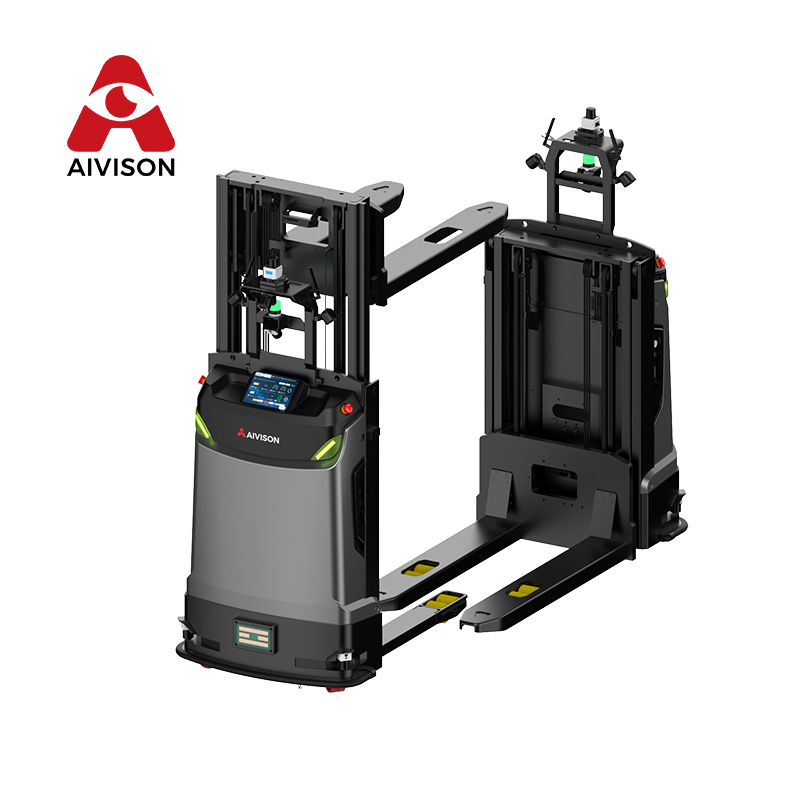
New Warehouse Autonomous Cars agv Robot 2000kg Load Capacity Stacker agv Robot
A 2000 kg autonomous stacker AGV for repetitive pallet handling and high-throughput transfer. A practical starting point for warehouses that want to test a counterbalance AGV workflow before scaling fleet size.
Where Counterbalance AGVs Fit the Chiang Mai & Northern Thailand Market
Local purchasing decisions are shaped by operating environment. These are the application patterns most relevant to warehouses, factories and service businesses in and around Chiang Mai.
Cold-Chain & Food Distribution in Saraphi and Hang Dong
Chilled and frozen distribution centres need repeatable pallet movement into cold rooms without exposing staff to long shifts in low temperatures. Specify condensation management, sealed connectors, battery strategy and charger placement outside the coldest zone.
- Use 800–2000 kg stackers
- Plan route width for pallet jacks
- Protect sensors from condensation
Retail & E-commerce 3PL in Wiang and San Kamphaeng
Multi-tenant 3PL warehouses face peak campaigns, SKU changes and labour turnover. A counterbalance AGV can handle pallet replenishment and dispatch staging while fleet software balances multiple missions across shifts.
- Pallet replenishment to pick zones
- Automatic charging for 24/7 duty
- Battery strategy for peak seasons
Electronics & Automotive Parts in the Chiang Mai–Lamphun Corridor
Electronics assembly and automotive-parts suppliers often operate mixed human and forklift traffic. Laser SLAM navigation supports ±5 mm positioning, while QR assist at conveyors or machines raises docking precision to ±2 mm where needed.
- Line-side material delivery
- Precision docking at conveyors
- ESD and clean-zone procedures
Agri-Food Export Packing for Rice, Coffee and Dried Fruit
Export packhouses need steady pallet flow from packing lines to container loading. Dust, uneven pallet quality and mixed manual traffic require robust sensor cleaning routines and clear handover zones. Automation should support—not disrupt—seasonal labour peaks.
- Packing-line to staging transfer
- Load check before container loading
- Spare parts for harvest season
Building Materials & High-Bay Storage in Mae Rim and Doi Saket
Heavy pallets and high racks demand verified mast height, fork dimensions, floor flatness and load center data. A 2000 kg counterbalance AGV may be suitable for single-deep racking, but the final selection must be confirmed by a site survey and simulation.
- Heavy-load pallet transfer
- Rack-height and fork review
- Floor and ramp measurement
Hospitality, Retail & Exhibition Service Robotics
Chiang Mai’s tourism and retail economy creates a separate use case for humanoid service platforms. These are not replacements for counterbalance AGVs; they are complementary systems for guest engagement, retail demonstration and service innovation.
- Hotel and retail pilots
- Exhibition and showroom support
- ROS2 open platform development

Chiang Mai Automation Trends Shaping 2025–2027 Procurement
Chiang Mai is not a high-rise mega-warehouse market like Bangkok’s outer logistics belt. Its advantage is proximity to northern production, cross-border trade and tourism-led retail. That means right-sized automation, practical support and transparent total cost of ownership.
Labour Continuity & Turnover
Warehouse operators increasingly evaluate robots to stabilise repetitive pallet movement across shifts, especially when trained forklift drivers are difficult to retain during peak periods.
Cold Chain & Food Safety
Food processing and chilled distribution continue to invest in traceability and consistent handling. Robots reduce unnecessary cold-room entry and make pallet flow more predictable.
Compact Warehousing & Land Cost
As suitable industrial land becomes more competitive around Chiang Mai and Lamphun, buyers look for compact AMR stackers and counterbalance AGVs that raise throughput without expanding the building footprint.
Cross-Border & Regional Distribution
Northern Thailand’s role as a trade gateway encourages distributors to plan flexible material flow for changing volumes, export documentation and multi-customer warehouse operations.
Why Marnix Supports Chiang Mai Buyers Like a Manufacturer, Not a Catalogue Reseller
For a B2B buyer comparing counterbalance AGV exporters and wholesalers, the difference is revealed after the quotation: customization depth, test evidence, spare-parts planning and engineering response.
Manufacturer-Level Customization
Marnix customizes chassis and top modules, including jacking units, roller conveyors, forklift forks and 6-axis robotic arms. This allows a robot to connect directly with production equipment rather than forcing a standard platform into a non-standard process.
Precision Without Floor Rework
Laser SLAM on natural features delivers approximately ±5 mm navigation without auxiliary tracks, reflectors or floor QR codes. QR assist raises docking to ±2 mm, while composite robots with a 6-axis arm reach ±0.05 mm repeatability for precision assembly.
Fleet Scheduling & Charging Ecosystem
An intelligent scheduling system coordinates multi-robot dispatch over indoor Wi-Fi, including task assignment, traffic control and compatibility with smart charging docks. Mixed fleets can share the same navigation core and software environment.
Verified Export Credentials
Marnix has about ten years of AGV engineering experience, has served 200+ manufacturers across three continents, and operates across eight core industries. Verification includes an onsite assessment by TÜV Rheinland and supplier records relevant to export procurement review.
Company premises and operations verified by an independent inspection body. Buyers can request the report reference during supplier evaluation.
Procurement contract with a Fortune 500 company, assessed by independent third parties. This supports credibility for buyers comparing exporters for long-term projects.
Low-MOQ customization and multi-category robot procurement capability, with transparent credit index and transaction-level history available for review.

Tested Hardware, Transparent Documentation and Practical Support
Credibility is not a badge alone. Chiang Mai buyers should ask for test records, spare-parts lists, commissioning checklists and a clear escalation path for engineering support.
Multi-Stage Quality Protocol
Multi-stage inspections and operational stress tests target stable uptime before shipment. Request the test checklist and serial-number records relevant to your ordered configuration.
Composite Robot Repeatability
Composite mobile robots combine autonomous mobility with modular add-ons such as 6-axis arms and roller systems. Multi-layer synchronization protocols support ±0.05 mm repeatability for semiconductor and medical-device production.
CE Documentation Review
CE certification supports export procurement where applicable. The final site safety validation, operating-zone design and local compliance review remain the responsibility of the operator and its appointed integrator.
Factory Acceptance Testing
Define a factory acceptance test before shipment: route simulation, pallet pick-and-place, charger docking, emergency stop, Wi-Fi handover and task scheduling under representative load.
Spare Parts & Remote Diagnostics
Plan a spare-parts kit for sensors, drive components and charging contacts. Remote diagnostics can shorten troubleshooting, but local integrator support is still valuable for hands-on maintenance.
Integrator-Friendly Supply
Marnix supports system integrators with robot platforms, customization and fleet software. For Chiang Mai projects, the manufacturer and local integrator can divide responsibilities clearly from survey to commissioning.

Common Local Procurement Questions, Answered Directly
These are the questions buyers in Chiang Mai and Northern Thailand commonly ask when comparing counterbalance AGV exporters, wholesalers and local integrators.
An exporter typically supplies the manufacturer’s platform, documentation and engineering support across borders. A local wholesaler or integrator may provide faster on-site response, installation labour and spare-parts stocking. The strongest procurement model often combines a manufacturer/exporter for the robot and software with a Chiang Mai-based integrator for site execution.
Start with the heaviest pallet, load center, racking height and aisle width. An 800 kg AMR pallet stacker is often suitable for light line-side delivery and compact aisles. A 2000 kg counterbalance AGV is generally preferred for heavier pallets, dock transfer and high-load stacking. Do not select by payload alone; confirm floor conditions and fork geometry.
No for standard laser SLAM navigation. The robot maps natural features and operates without magnetic tape, reflectors or floor QR codes. QR labels are added only at stations where ±2 mm docking precision is required. This is useful in Chiang Mai buildings where floor modifications may be disruptive or costly.
Include environmental conditions in the project brief: temperature range, condensation, washdown, dust, floor slope and traffic density. Specify sensor protection, charger location, battery strategy and operating-zone markings. A site survey should confirm Wi-Fi coverage and emergency-stop procedures before deployment.
Lead time depends on configuration, customization, test requirements and shipping schedule. Buyers should request an indicative production plan, factory acceptance test date and shipping documentation checklist. For support, agree on remote diagnostics, spare-parts kit, escalation contacts and local integrator responsibilities before the purchase order.
Yes. As a manufacturer, Marnix can customize chassis and top modules such as jacking units, roller conveyors, forklift forks and 6-axis arms. For import review, request the applicable product documentation, packing list, test records and certificate scope. The importer should confirm Thai requirements with its customs and compliance advisors.
How to Shorten Your Chiang Mai AGV Evaluation
Sharing the right inputs upfront can reduce proposal cycles from weeks to days and make comparison between exporters, wholesalers and integrators much clearer.
Share Site Inputs
Provide maximum load, pallet footprint, aisle width, racking height, floor slope, throughput target, docking precision, Wi-Fi coverage and equipment interfaces. A CAD drawing or measured sketch is enough to begin.
Review Simulation & Proposal
Confirm the recommended robot type, fleet size, charger count, navigation mode and top module. Compare total cost of ownership, spare-parts plan, lead time and commissioning responsibilities—not only unit price.
Approve FAT, Shipping & Commissioning
Approve factory acceptance test criteria, documentation and packing. Then align shipping, local integrator scheduling, on-site safety validation and operator training for a controlled go-live.
Request the Latest Counterbalance AGV Catalog
Share your payload, layout, throughput and docking requirements with Marnix. Our team can help you compare 800 kg AMR stackers, 2000 kg counterbalance AGVs, LiDAR components and humanoid service platforms for the Chiang Mai market.
Get Catalog