8 Mobile Robot Platforms for Conveyor AGV Projects in Austin
These are the eight product platforms most often reviewed for conveyor AGV, pallet handling, line-side delivery and warehouse automation in Austin. Every original product URL is retained below, and each image is displayed in full without forced cropping. For conveyor-top projects, Marnix can combine the chassis, safety system and fleet software shown here with roller, lift or transfer modules so the robot can hand off loads to fixed conveyors, AS/RS stations, production equipment and packaging lines.
China Factory Movable Pallet Agv Robot Rack Shelf for Intelligent Robot Warehouse
A movable pallet AGV rack shelf for high-mix warehouses. Austin 3PLs and assembly plants use rack-lift mobility to move shelving between picking, staging and kitting zones without rebuilding aisles.
View product details →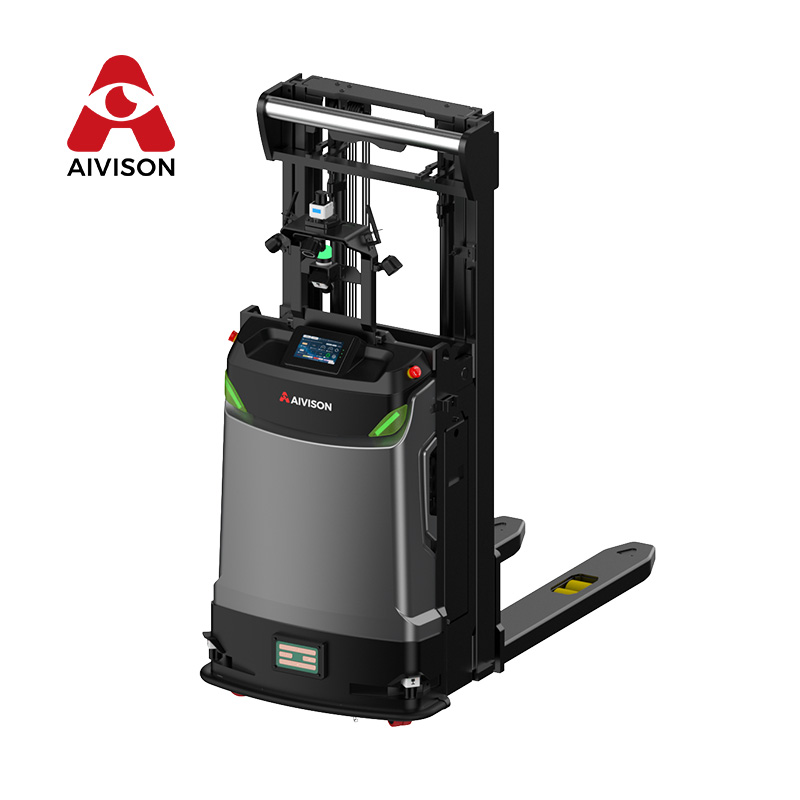
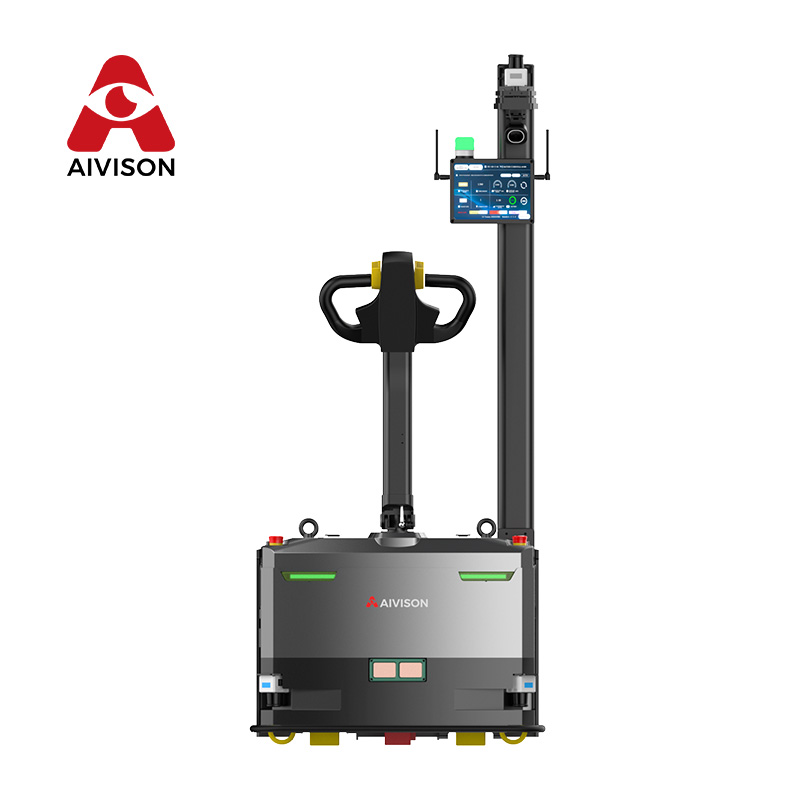
Heavy Load 2000KG Load Forklift Laser Guide AMR for Warehouse Pallet
A 2,000 kg laser-guided forklift AMR for pallet transfer. A strong candidate for receiving, put-away and end-of-line pallet movement in Round Rock, Pflugerville and South Austin distribution buildings.
View product details →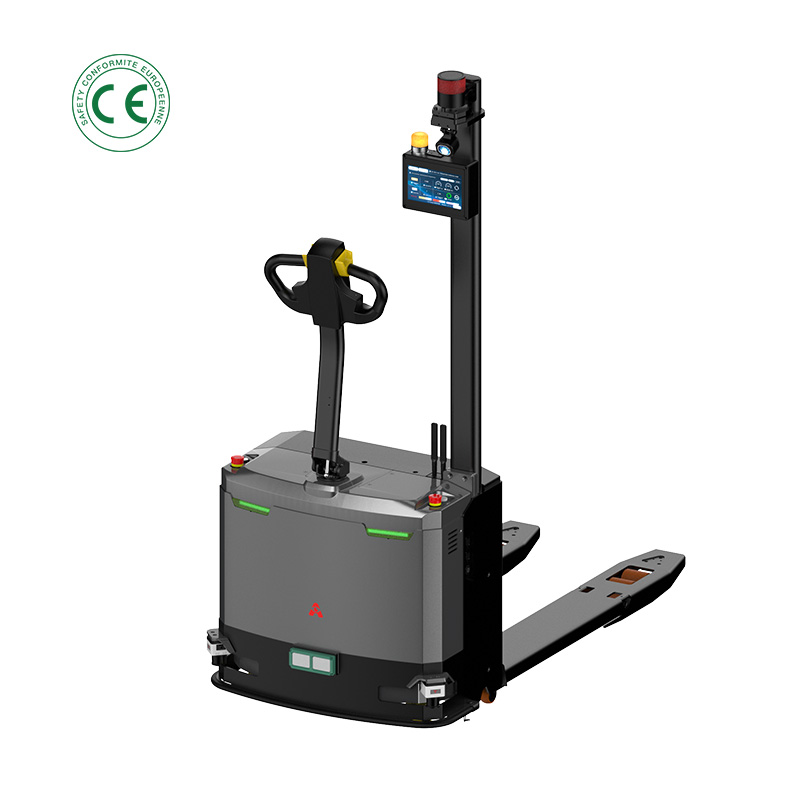
Autonomous Mobile Robot AMR AGV Forklift Pallet Stacker CE Certificate for Smart Warehouse and Production Line Automation
A CE-certified AMR forklift pallet stacker for smart warehouse and production-line automation. Suited to Austin electronics, EV/battery and medical-device plants that need repeatable pallet pickup and stack-height control.
View product details →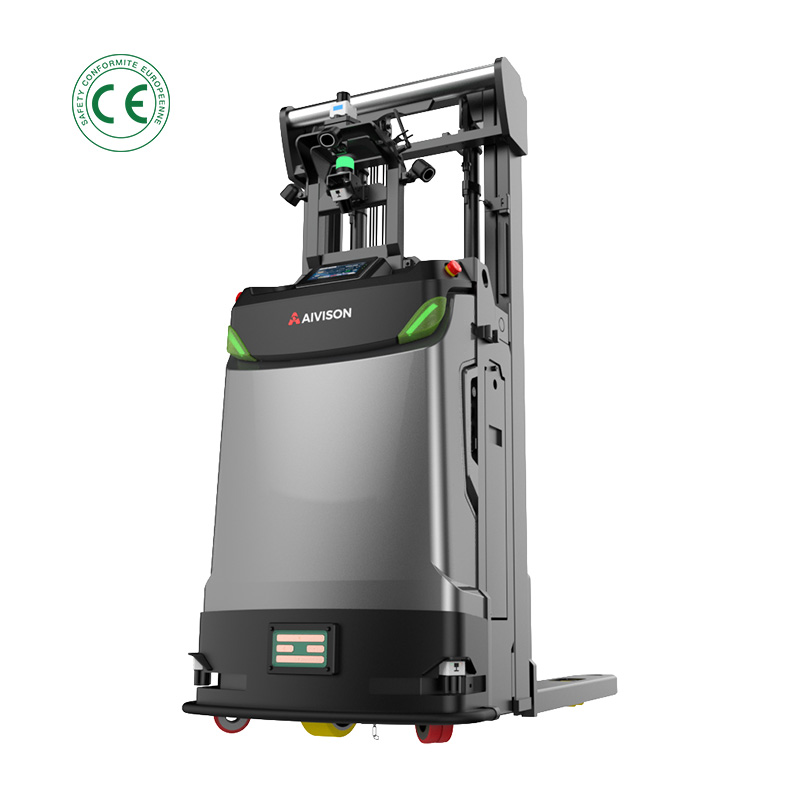
Smart Transport Robotic with Laser Navigation Reach 2000KG AGV Logistics Robots Warehouse Robot AMR
A 2,000 kg laser-navigation reach robot for warehouse logistics. The reach format helps with high-bay storage, trailer-to-rack transfers and conveyor infeed where a standard pallet footprint is used.
View product details →
Hot Selling Logistics Navigation Detector Sensor Lidar Manufacturers Direct Sales
A logistics navigation LiDAR sensor for OEMs and integrators. Useful for conveyor AGV builders, retrofits and test fleets that need robust localization sensor sourcing and direct manufacturer communication.
View product details →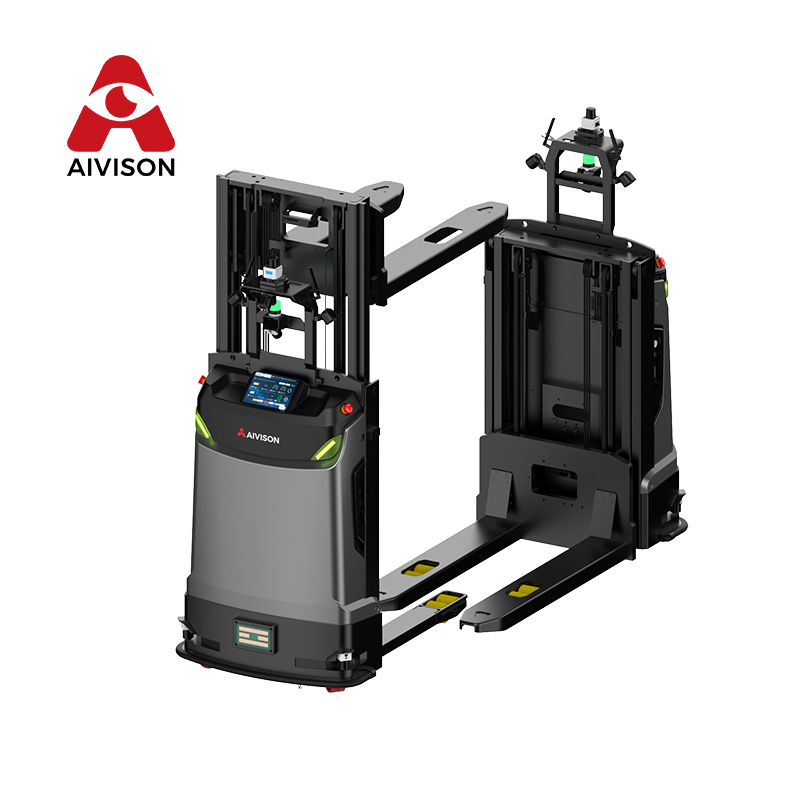
New Warehouse Autonomous Cars agv Robot 2000kg Load Capacity Stacker agv Robot
A 2,000 kg autonomous stacker AGV for receiving and put-away. Well matched to pallet-level workflows where Austin operators want consistent throughput across multiple shifts without adding forklift traffic.
View product details →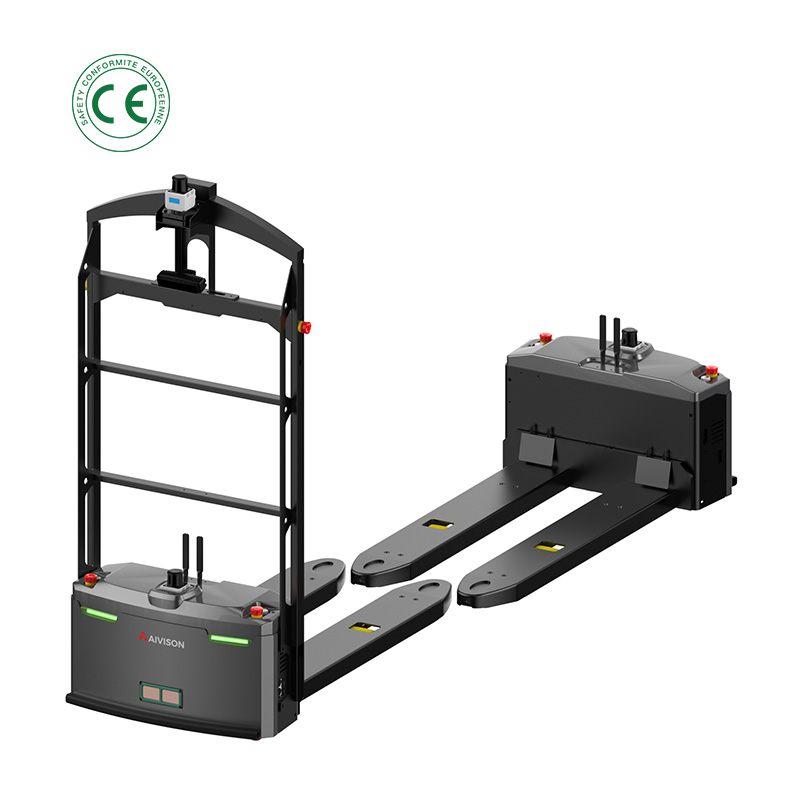
Aivison Customized 800kg Warehouse AGV Robot Lithium Battery AMR
A customized 800 kg warehouse AGV with lithium battery AMR options. Often reviewed as a base for conveyor-top modules, small pallet shuttles and clean assembly line-side delivery in leased Austin facilities.
View product details →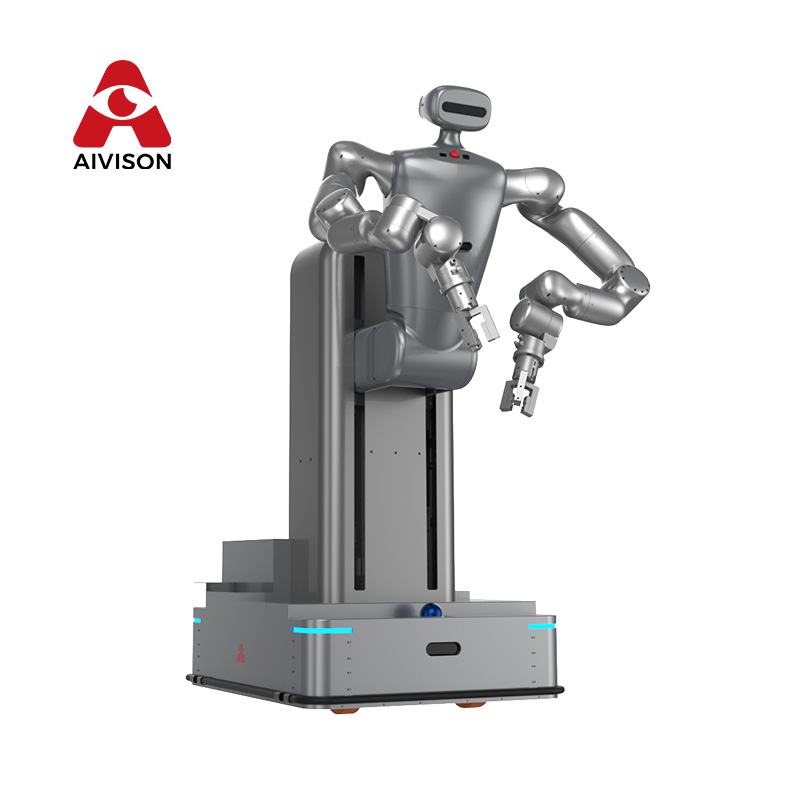
Omnidirectional Service Humanoid Robot Chassis Dual 7-DOF Arms Laser SLAM Navigation for Hospitality and Retail
An omnidirectional humanoid service robot chassis with dual 7-DOF arms and laser SLAM. For Austin retail, hospitality and innovation showrooms, it shows how the same navigation core can support public-facing automation.
View product details →Why Austin Is a High-Value Market for Conveyor AGVs
Austin is no longer only a software market. The Austin–Round Rock–San Marcos metro has become one of the most active advanced-manufacturing corridors in the United States, and the material-flow problems in these facilities are specific: expensive floor space, tight labor, mixed product lines and short changeover windows.
Semiconductor fabs and suppliers around North Austin, Manor and Taylor; EV, battery and automotive-parts factories; printed circuit board, electronics and medical-device assembly; and regional e-commerce fulfillment centers along I-35, SH-130, US-183 and SH-71 all need material to move faster with fewer empty forklift miles. At the same time, many buildings were not designed for automation. That combination favors conveyor AGVs and mobile robots that map existing floors, avoid fixed tracks and integrate with conveyors, racks or PLC-controlled stations.
Information gain for Austin buyers: do not buy the most accurate robot on the datasheet. Match docking precision to the station. Laser SLAM at ±5 mm handles most pallet transfer and line-side routes without floor tape, reflectors or QR codes. Add QR labels only at the few stations that require ±2 mm handover. If a robotic arm must place a part, a composite mobile robot can reach ±0.05 mm repeatability. This tiered approach avoids unnecessary floor work in leased Austin buildings and keeps layout changes inexpensive when production lines are rebalanced.
Austin-Specific Conveyor AGV and AMR Use Cases
These scenarios reflect the questions our engineering team receives from Central Texas manufacturers, warehouse operators and integrators. The right configuration depends on load, route, handover height and the equipment interface.
Semiconductor and cleanroom-adjacent logistics
For fabs and suppliers in Taylor, Manor and North Austin, conveyor AGVs can link wafer-carrier, minienvironment or packaging stations with controlled handoffs. Use ±2 mm QR docking at transfer points, then ±5 mm SLAM for transit. Cleanroom class, ESD and contamination control should be reviewed with your facility team before selection.
EV, battery and automotive parts
2,000 kg smart forklifts and stacker AGVs move pallets, totes and component racks between receiving, staging and line-side supermarkets. Conveyor-top AMRs can deliver battery trays or subassemblies directly to fixed roller lines, reducing repeated forklift entries into high-traffic production zones.
3C electronics and PCB manufacturing
Austin's electronics supply chain often needs compact AMRs and conveyor interfaces at test, assembly and packaging cells. Roller-top modules are commonly requested to hand off PCB magazines or totes without operators lifting them, while laser SLAM avoids adding fixed tracks in clean assembly areas.
E-commerce and 3PL distribution
Distribution operations near SH-130 and I-35 use conveyor AGVs to connect inbound pallet flow, pick modules, packing lines and outbound staging. Fleet scheduling over indoor Wi-Fi coordinates multiple robots and traffic rules so peak-season volume does not depend on empty forklift miles.
Medical device and life-science assembly
Precision docking and traceable material flow matter. Composite mobile robots with 6-axis arms and repeatability to ±0.05 mm can support machine tending, kit delivery and packaging transfer where the process allows, while documented quality checks support Austin validation teams.
Retail, hospitality and public-facing service
A dual-arm humanoid service robot chassis with laser SLAM is relevant to Austin's hospitality, retail and innovation showrooms, where public-facing automation needs omnidirectional movement, safety awareness and an engaging customer experience.

What Austin Buyers Are Asking for in 2025 and Beyond
Conveyor AGV demand in Central Texas is being shaped less by novelty and more by resilience, precision, safety and integration with existing warehouse and production software.
Nearshoring and resilient regional supply chains
Manufacturers are bringing production closer to U.S. customers. In Austin, new lines and warehouse fit-outs need robots that deploy in phases and can be redeployed when product mix changes.
Semiconductor and battery investment
High-value fabs and battery plants prioritize precision, traceability and uptime. Buyers ask for documented inspection, fleet scheduling and integration with MES/WMS instead of standalone robots.
Labor availability and safety pressure
Repetitive forklift traffic, long carries and shift variability make conveyance automation a safety and retention strategy, not only a labor-cost decision. Austin operators want fewer blind intersections and fewer empty runs.
Mixed-fleet and WMS/WCS integration
Austin operators increasingly avoid single-vendor automation. They ask for open interfaces to PLCs, conveyor controllers and warehouse software so robots can work with existing assets.
Austin project-fit index by sector
Marnix application estimate based on material-flow complexity, precision needs and conveyor integration potential; not a market forecast.
How to Match an Austin Use Case to the Right Robot Platform
Use this matrix to narrow the shortlist before a technical review. The best conveyor AGV is the one that matches load, handover height, docking tolerance, traffic rules and the software interface — not simply the largest payload.
| Austin use case | Recommended platform | Why it fits | Integration note |
|---|---|---|---|
| High-mix rack and shelf movement | Movable pallet AGV rack shelf (Product 1) | Moves existing racks without fixed conveyors; good for reconfigurable kitting and staging. | Add a lift unit or conveyor deck if racks must hand off automatically to fixed lines. |
| 2,000 kg pallet flow and trailer-to-rack transfer | Heavy load forklift AMR (Product 2) and autonomous stacker AGV (Product 6) | Handles standard pallet loads and repeated put-away with consistent shift-to-shift throughput. | Use laser SLAM for transit and QR assist at dock or rack faces where ±2 mm precision is required. |
| Conveyor-to-line-side delivery | Customized 800 kg warehouse AGV (Product 7) and 2,000 kg laser-navigation reach robot (Product 4) | Can be specified with roller, lift or transfer top modules for station-to-station material flow. | Confirm conveyor height, roller pitch, load transfer logic, safety zones and PLC handshake. |
| Smart warehouse production-line automation | CE-certified AMR forklift pallet stacker (Product 3) | Integrates pallet pickup, stacking and production-line transfer for electronics and EV/battery workflows. | Validate stack height, rack tolerance, charger placement and fire-code pathways in the Austin building. |
| Sensor sourcing for conveyor AGV OEMs | Logistics navigation LiDAR sensor (Product 5) | Supports localization, obstacle detection and retrofit projects for integrators and robot builders. | Review scan field, dust, lighting, Wi-Fi coverage and safety-controller compatibility before finalizing. |
| Navigation configuration | Marnix precision | Best use in Austin | Floor setup |
|---|---|---|---|
| Laser SLAM on natural features | ±5 mm | Warehouse transfer, line-side delivery and routes that change frequently | No tape, reflectors or floor codes required for standard transit |
| SLAM plus QR code camera | ±2 mm | High-shelf docking, precision handover and wafer-carrier transfer points | QR labels only where precision is required |
| Composite robot with 6-axis arm | ±0.05 mm repeatability | Semiconductor, medical-device and precision assembly machine tending | Station calibration and process-specific validation |
Why Austin Buyers Shortlist Marnix
Shenzhen Marnix Intelligent Technology Co., Ltd. combines about ten years of AGV engineering with manufacturer-level customization of chassis, top modules and fleet software. The result is not a catalog robot dropped into a building; it is a system configured around how your Austin team receives, conveys, stores and delivers material.
Layered navigation precision
±5 mm with laser SLAM, ±2 mm with a QR scanning camera and ±0.05 mm repeatability on composite robots with a 6-axis arm. Specify accuracy only where the process needs it.
Conveyor and top-module customization
Jacking units, roller conveyors, forklift forks and 6-axis arms can be engineered to connect with conveyors, racks, AS/RS stations and production equipment rather than forcing a standard fit.
Fleet scheduling and charging
An intelligent scheduling system coordinates multi-robot dispatch over indoor Wi-Fi, while compatible smart charging docks support automatic recharge for 24/7 material-flow duties.
Verified credentials and export experience
TÜV Rheinland onsite assessment, Fortune 500 procurement experience and transparent trade records support buyers who need third-party verification before approving a pilot.

A conveyor AGV is a process interface, not just a moving chassis
The platform must arrive at the right route, at the right handover height, with the right safety behavior and the right data exchange. Marnix reviews the load, rack or pallet footprint, conveyor height, docking tolerance, traffic rules and WMS/PLC interface before finalizing the robot configuration.
- Custom chassis and top modules for rollers, forks, lift units and robotic arms.
- Multi-robot scheduling and automatic charging for continuous operation.
- Precision option from ±5 mm SLAM to ±2 mm QR and ±0.05 mm composite robotics.
- Export documentation, project communication and remote commissioning support.
From Shenzhen Manufacturing to an Austin Deployment Plan
International projects succeed when engineering, documentation, freight, power review and commissioning are planned together. Marnix supports Austin buyers with manufacturer-level communication and project-specific export coordination.
Shipping and documentation
Commercial invoice, packing list, HS-code support and bill of lading coordination through freight forwarders. FOB, CIF or DDP quotations can be reviewed, with final Incoterms confirmed per project.
Power and charging review
Charger voltage, plug configuration, battery strategy and dock placement are reviewed for the destination facility. This helps Austin teams plan electrical distribution and 24/7 charging cycles early.
Remote commissioning and training
Map review, route logic, fleet scheduling, WMS/PLC interface checks and operator training can be handled remotely. Onsite support can be quoted through service partners when the project requires it.
Spare parts and lifecycle planning
Critical spare parts, preventive maintenance schedules, battery care and software support should be defined before shipment so the Austin team can keep the fleet productive after commissioning.

Questions Austin Buyers Ask Before Automating Material Flow
These are the practical questions that come up during early project reviews. Final answers depend on the load, route, facility and interface requirements.
What is a conveyor AGV, and how is it different from a standard AMR?
A conveyor AGV is a mobile robot equipped with a powered conveyor or transfer deck so it can receive and discharge loads automatically. A standard AMR may move a cart, rack or pallet with a lift mechanism, but a conveyor AGV is specifically designed to hand off loads to fixed conveyors, production machines or AS/RS stations with controlled positioning and interface logic.
Can a conveyor AGV connect to our existing WMS, WCS, PLC or conveyor line?
Yes, integration requirements should be defined early. Marnix reviews the signal handshake, load-present sensors, safety conditions, conveyor height, roller pitch and data protocol. Fleet scheduling can coordinate multiple robots over indoor Wi-Fi, while project-specific interfaces connect to PLCs, conveyor controllers or warehouse software through the agreed integration scope.
What navigation accuracy should an Austin facility specify?
Use ±5 mm laser SLAM for most transit and pallet transfer routes without floor tape, reflectors or QR codes. Add QR labels only at stations that need ±2 mm handover precision. For composite robots with a 6-axis arm, ±0.05 mm repeatability can be reviewed for precision assembly or machine tending where the process requires it.
How do you ship a conveyor AGV to Austin, and what documentation is included?
Orders are typically coordinated through freight forwarders with commercial invoice, packing list, HS-code support and bill of lading documentation. FOB, CIF or DDP terms can be quoted for review, with final Incoterms, duties and delivery responsibilities confirmed per project. Charging voltage and plug configuration are also reviewed before shipment.
Do you provide commissioning and after-sales support for Texas projects?
Remote commissioning, map review, route logic, training and interface checks can be supported directly. When onsite work is required, support can be quoted through service partners. Spare parts, preventive maintenance, battery care and firmware/software support should be planned before shipment so the Austin team has a clear lifecycle plan.
What should we prepare before requesting a conveyor AGV quote?
Prepare the maximum load weight and footprint, rack or pallet dimensions, aisle widths, station list, conveyor heights, throughput per hour, Wi-Fi coverage, docking tolerance and equipment interface details. A CAD layout or clear sketch helps accelerate the review. Share whether the building is leased and whether floor modification is restricted.
Request an Austin-Specific Conveyor AGV Layout Review
Send the load profile, rack or pallet dimensions, station list, aisle widths, Wi-Fi coverage, conveyor heights, target throughput and WMS/PLC interface requirements. Our team will help match the right platform, precision level and top module for your facility.
Inquire NowFor email inquiries, include “Austin conveyor AGV” in the subject line and attach your layout, load data or station list if available.