When buyers look for reliable composite AMR manufacturers and exporters in the Hat Yai market, they usually face a narrow field: local integrators who assemble third-party chassis, or overseas suppliers who deliver a standard platform and leave the hard integration work on the customer’s side. Shenzhen Marnix Intelligent Technology Co., Ltd. sits between those extremes. Drawing on about ten years of AGV engineering experience, we manufacture laser SLAM autonomous mobile robots, jacking robots, 2000 kg stacker AGVs, smart forklifts and composite units with 6-axis arms — and we ship them as complete, customizable systems for both end users and system integrators. Our navigation core reaches ±5 mm with natural-feature SLAM, upgrades to ±2 mm with QR-code camera assist at precision stations, and delivers ±0.05 mm repeatability on composite robots used in semiconductor and medical-device production. For a Hat Yai warehouse, glove factory or bonded cross-border hub, that means faster deployment, no magnetic tape or floor QR grid to install, and a manufacturing partner who can adapt the top module to the actual process rather than forcing the process to fit a catalog robot.
8 Composite AMR & AGV Platforms for Hat Yai Operations
Every platform shares the same SLAM navigation core and Wi-Fi fleet-scheduling software, so mixed fleets work together from day one — and every product URL below is preserved for direct catalog access.
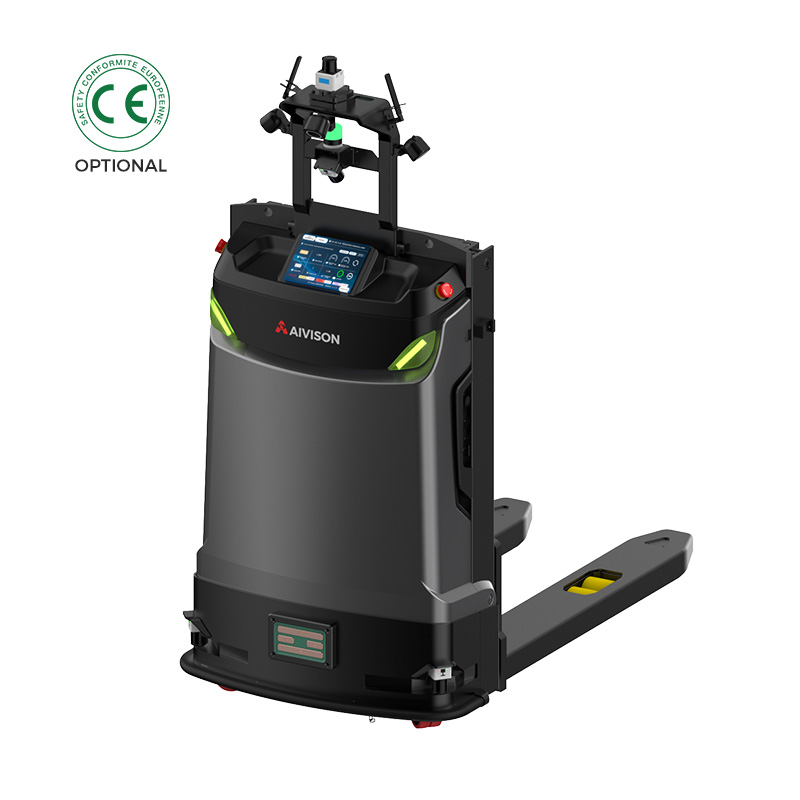
China Factory Automated Mobile Robot SLAM Lifting Wholesale AGV Chassis Vehicle
OEM-ready laser SLAM lifting AGV chassis for integrators who want a proven navigation core. Adds repeatable lift-and-carry flow to Hat Yai glove and electronics lines with zero floor modification.
View product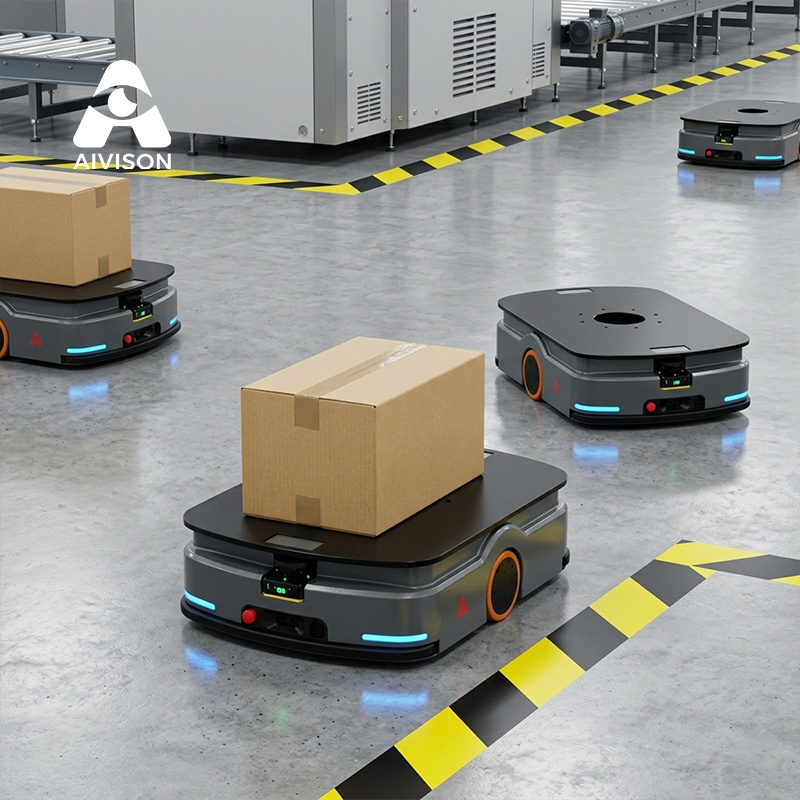
Autonomous Mobile AMR Robot 300kg Payload Laser Guided AGV for Carry Goods in Factory
A 300 kg laser-guided AMR for narrow aisles and repetitive light material handling. Replaces manual cart pushes in Hat Yai food-processing and auto-parts plants without changing the existing layout.
View product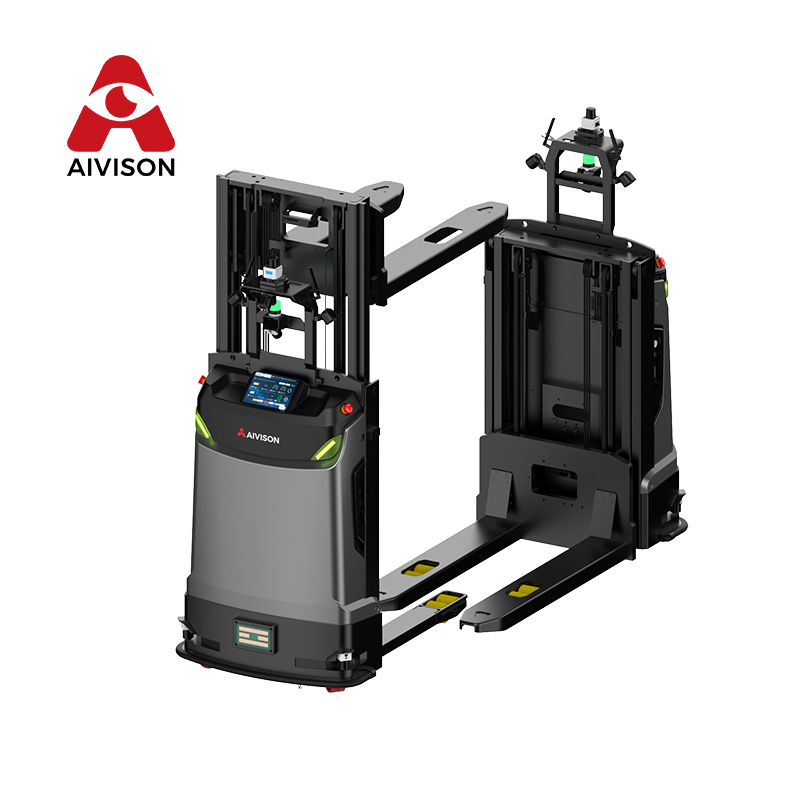
New Warehouse Autonomous Cars agv Robot 2000kg Load Capacity Stacker agv Robot
2000 kg stacker AGV with millimeter-level docking for high-throughput pallet work. Ideal for Hat Yai bonded warehouses near the Sadao border where loading-bay congestion must be eliminated.
View product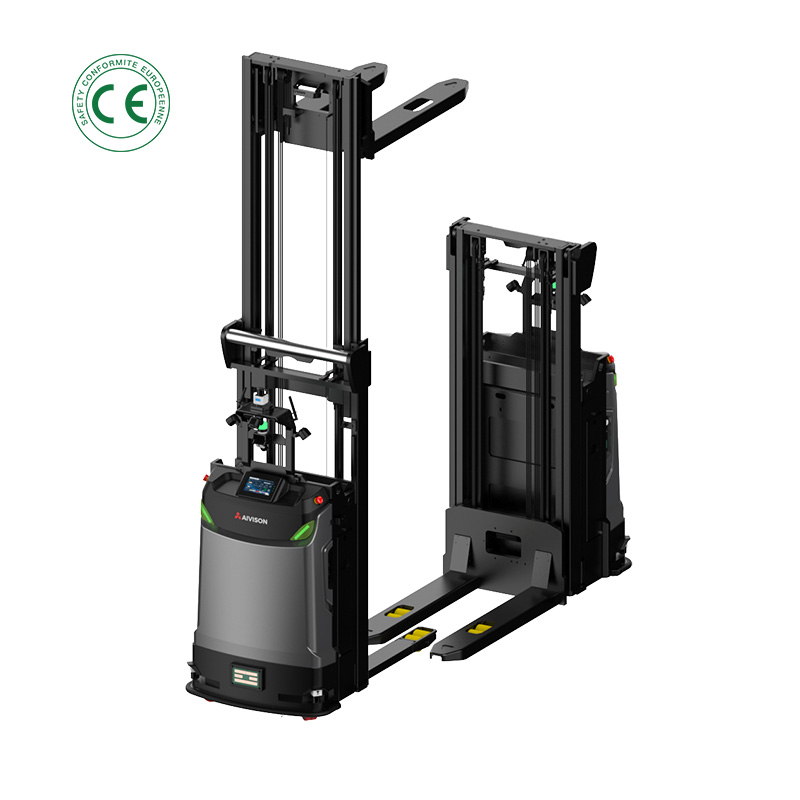
High-performance Intelligent Smart Automated Guided Vehicle 2000kg AMR Robot
2000 kg-class smart AMR for dense pallet loads and mixed traffic. Dynamic obstacle avoidance and Wi-Fi fleet scheduling let several robots run simultaneously inside a Hat Yai distribution center.
View product
AI-Ready Humanoid Robot Chassis Dual 7-DOF Arms Omnidirectional Drive ROS2 Laser SLAM Open Development Platform
Open development platform with dual 7-DOF arms, omnidirectional drive, ROS2 and laser SLAM. Gives Hat Yai engineering teams and automation start-ups a fast path to composite robot prototyping.
View product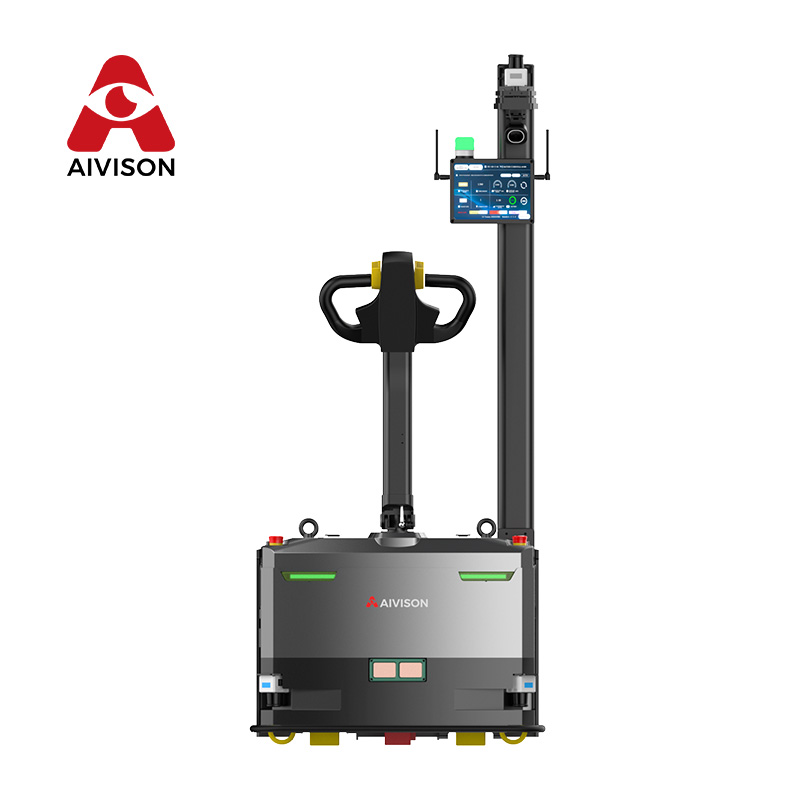
China Factory Movable Pallet Agv Robot Rack Shelf for Intelligent Robot Warehouse
Movable pallet racking designed to pair with lifting and stacker AMRs. Converts fixed storage into flexible robotic shelving for Hat Yai’s growing e-commerce and cold-chain fulfillment centers.
View product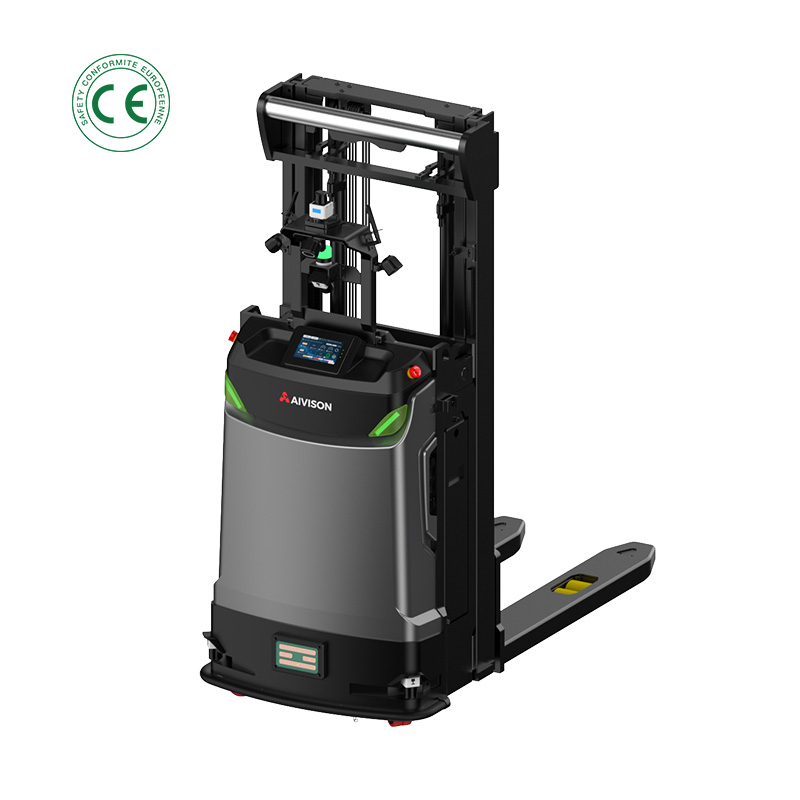
Aivison AMR Robot Whicle Automated Warehouse Automatico agv Logistics Industrial Guided Vehicles
General-purpose industrial AMR for automated warehouse logistics. Compact body, open interfaces and easy conveyor/WMS integration make it the versatile choice for Hat Yai integrators.
View product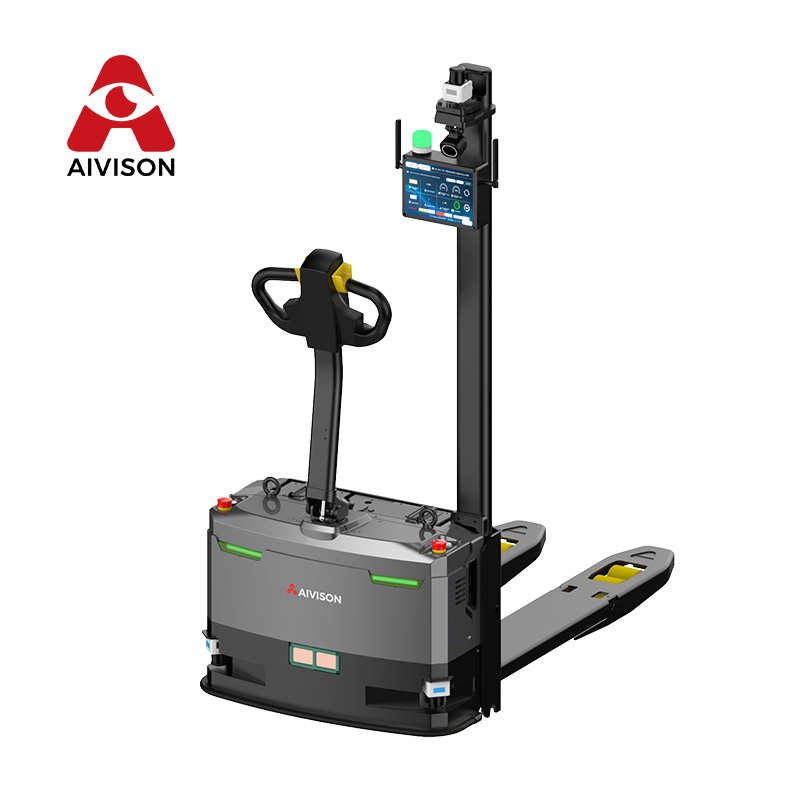
Aivison AGV Forklift High Quality Industrial Unmanned Pallet Forklift
Unmanned pallet forklift with laser and vision navigation. The most direct automation step for Hat Yai cross-border and cold-storage warehouses facing night-shift or labor-shortage pressure.
View productWhy Hat Yai Buyers Shortlist Marnix as a Composite AMR Manufacturer
Manufacturing depth, navigation precision and verifiable credentials — the three factors that separate a long-term automation partner from a one-off equipment seller.
±5 mm Navigation Without Floor Rework
Laser SLAM maps natural floor features into a route network. No magnetic tape, reflectors or floor QR grid — so a Hat Yai factory can reconfigure aisles without stopping production.
±2 mm QR Assist Where It Matters
Add a QR scanning camera only at high-precision docking stations. This hybrid approach controls infrastructure cost while keeping high-shelf storage and cleanroom handovers repeatable.
±0.05 mm Composite Repeatability
Pair a mobile chassis with a 6-axis arm, roller module or lift unit. Multi-layer synchronization protocols hold semiconductor and medical-device assembly tasks within tight tolerances.
OEM / ODM and Low-MOQ Customization
Ten years of AGV engineering and in-house mechanical, electrical and software teams let us customize chassis, jacking units, conveyors and forks quickly — including low-MOQ builds for integrators.
Wi-Fi Fleet Scheduling and Smart Charging
Robots coordinate task assignment, traffic control and automatic charging over indoor Wi-Fi. A mixed fleet shares one scheduling core, which avoids duplicated software investment.
TÜV Assessment and Global Delivery
TÜV Rheinland onsite assessment, Fortune 500 supply contracts and deployments with 200+ manufacturers across three continents give Hat Yai buyers a verifiable trail before purchase.
Where Composite AMRs Fit in the Hat Yai Industrial Landscape
Hat Yai is not a generic warehouse market. Its economy runs on rubber, halal food, cross-border trade and a growing electronics base — each with different payload, hygiene and throughput requirements.
Rubber Gloves & Latex Products
Songkhla is Thailand’s rubber heartland. Between dipping lines and stripping stations, 300 kg AMRs move molds and work-in-progress while jacking AGVs relocate racks. QR-assisted docking holds ±2 mm at cleanroom handovers, reducing manual contact and product damage.
Halal Food Processing & Cold Chain
Food plants and cold-storage facilities demand hygiene and uptime. A 2000 kg stacker AGV moves pallets between freezer doors, while an unmanned forklift retrieves loads before transfer to trucks or manual inspection — cutting repeated forklift movements and labor strain.
Cross-Border Warehousing at Sadao
With the Sadao checkpoint upgrade and rising Malaysia–Thailand trade, Hat Yai warehouses must turn faster than border queues. 2000 kg AMRs and unmanned forklifts shuttle continuously between receiving docks and outbound staging, keeping trailers on schedule.
Electronics, Auto Parts & PCB
Compact 300 kg AMRs replenish line-side bins and move cartons in electronics and auto-parts plants. The AI-ready humanoid chassis gives Hat Yai R&D teams a ROS2 platform to prototype composite tasks before scaling a full fleet.
What Is Shaping AMR Demand in Hat Yai Right Now
Four structural shifts are pushing Hat Yai manufacturers and logistics operators toward flexible mobile robots rather than fixed conveyors or manual forklifts.
SEC and Thailand 4.0 Incentives
The Southern Economic Corridor and Board of Investment automation incentives are making flexible mobile robots more attractive than fixed infrastructure in Songkhla — especially for factories that may reconfigure lines within three to five years.
Labor Shortages and Wage Pressure
An aging workforce and rising daily minimum wages are making repetitive pallet transport harder to staff. Hat Yai warehouses are turning to unmanned forklifts and AMR fleets to stabilize night shifts and reduce dependency on overtime.
Malaysia–Thailand overland trade growth
Cross-border e-commerce and supply-chain diversification are increasing freight volume through the Hat Yai–Sadao corridor. Scalable fleet scheduling — rather than larger fixed loading infrastructure — is becoming the preferred way to absorb peak demand.
BCG Economy and Energy Costs
Green logistics is a policy priority. AMRs reduce forklift traffic and can pair with smart charging and rooftop solar, while lights-out warehouse zones lower lighting and air-conditioning loads — a practical alignment with BCG goals.
Match Precision to the Station, Not the Whole Factory
Most buyers over-specify navigation accuracy. Use this guide to avoid unnecessary floor infrastructure and keep the project budget focused on the stations that truly need sub-5 mm docking.
| Configuration | Accuracy | Floor Preparation | Typical Hat Yai Use |
|---|---|---|---|
| Laser SLAM (natural features) | ±5 mm | None — no tape, reflectors or floor codes | Warehouse transfer, line-side delivery, route changes |
| SLAM + QR code camera | ±2 mm | QR labels only at precision stations | High-shelf storage, precision docking, glove-line handovers |
| Composite robot (AMR + 6-axis arm) | ±0.05 mm | Station calibration | Semiconductor, medical-device assembly and R&D |
What to Prepare Before Requesting an AMR Proposal in Hat Yai
From project experience, these six inputs determine most of the robot selection and shorten evaluation from weeks to days.
Maximum weight, footprint and center of gravity of the racks, pallets or carriers to be moved.
CAD drawing or sketch with aisle widths, doors, slopes and elevator or lift points.
Missions per hour and peak periods — this sets fleet size and charging-dock count.
Where ±5 mm is enough and where ±2 mm QR assist or arm-level precision is required.
Existing access points, coverage quality and WMS/ERP interfaces the fleet must communicate with.
Lifting, roller conveyor, forklift forks or 6-axis arm — and how the robot must hand over to machines.
Questions Hat Yai Buyers Ask Before Automating
Straight answers from our engineering team — useful for procurement, operations and integrator teams comparing composite AMR suppliers.
What is the typical delivery lead time for a composite AMR project in Hat Yai?
Standard platforms usually ship within about six to ten weeks after specifications are confirmed. Fully customized composite robots with 6-axis arms, roller conveyors or special top modules may take ten to fourteen weeks, depending on the integration scope. Hat Yai buyers should also allow time for Thailand customs clearance and site commissioning in Songkhla.
Can your robots integrate with our existing WMS or ERP?
Yes. The fleet communicates over indoor Wi-Fi, and the scheduling system provides interfaces for task assignment and status reporting. For Hat Yai warehouses, we normally map task flows to the existing WMS inbound, put-away and outbound logic before operator training, so the robots fit the current process rather than forcing a new one.
Do your AMRs handle Hat Yai’s heat and humidity?
Yes — with the right specification. Tropical conditions require attention to condensation management and enclosure protection. We specify components suitable for high-humidity environments and can configure the 2000 kg stacker AGV or unmanned forklift for cold-chain and ambient warehouse zones. Duty cycle and charging strategy are adjusted during site planning.
Do we need to modify the factory floor to deploy laser SLAM AMRs?
No. Standard laser SLAM maps your existing environment, so no auxiliary tracks, reflectors or full-floor QR codes are required. QR labels are added only at stations that need ±2 mm docking accuracy. This keeps installation fast and preserves layout flexibility for Hat Yai factories that reconfigure lines periodically.
What support is available for Hat Yai projects?
We provide remote engineering support, documentation and on-site commissioning through our global service network and Southeast Asia partners. Spare parts are shipped from Shenzhen, with standard wear parts available for rapid replenishment. For integrators, we also supply technical training and integration guides for the fleet API.
How do we start a project evaluation?
Send your load profile, site layout, throughput target and docking precision requirements to our team. We will recommend the navigation configuration, top module and fleet size, then return a preliminary robot configuration and budget range. Use the Contact Us button on this page to open the inquiry channel.
Ready to Automate Material Flow in Hat Yai?
Share your payload, layout and throughput targets. Our engineers will recommend the right composite AMR, jacking robot or smart forklift configuration for your site — and confirm whether ±5 mm laser SLAM is enough or a QR-assisted station is required.
Contact Us