China Wholesale Industrial Mobile Robot Arm Factory & Wholesaler in Baguio
Laser SLAM AMRs, jacking robots, smart forklifts and mobile manipulators for Baguio distributors, integrators and factories—engineered in Shenzhen, specified for Cordillera deployments.
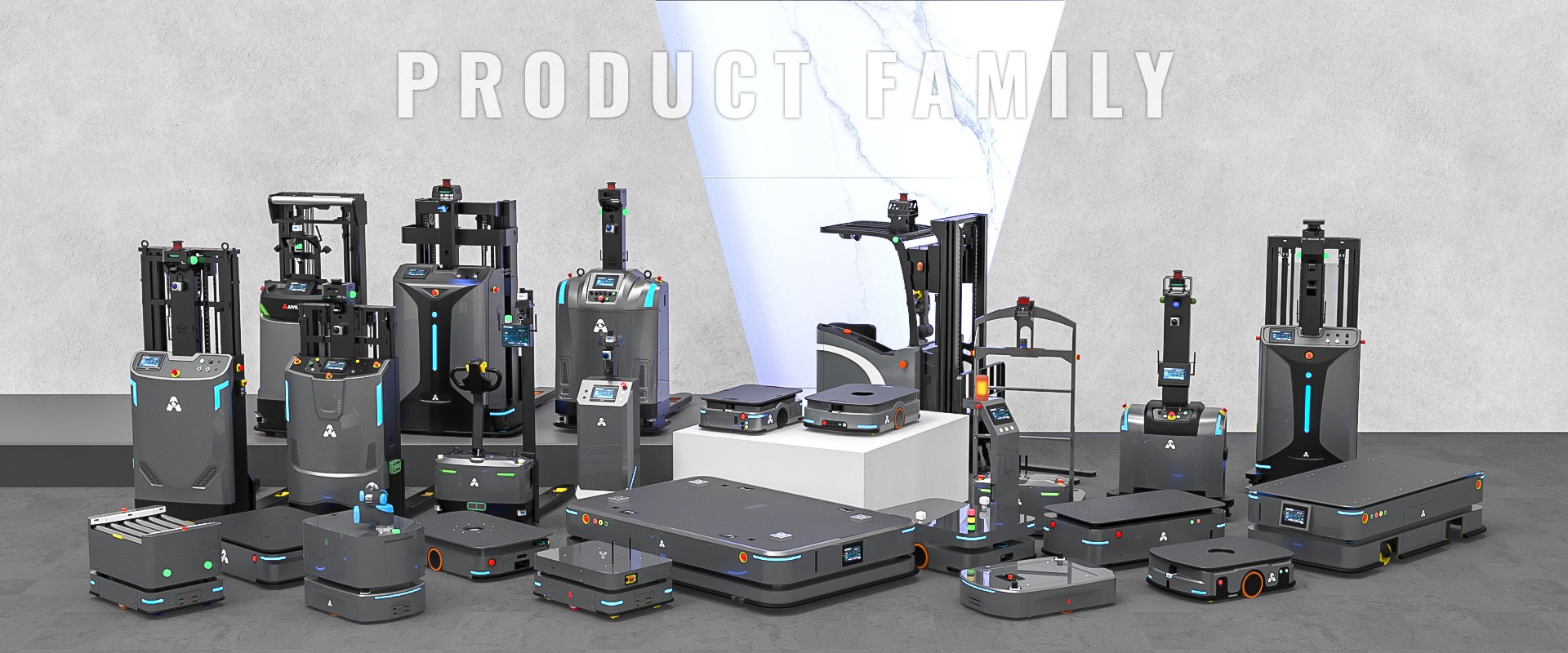
8 Industrial Mobile Robot & Mobile Robot Arm Platforms for Baguio Buyers
For Baguio and nearby Cordillera operations, the right answer is rarely a single robot. It is a matched combination of mobile base, top module, navigation precision, charging strategy and local support. The eight platforms below cover warehouse transfer, pallet handling, jacking, stacking and mobile manipulation.
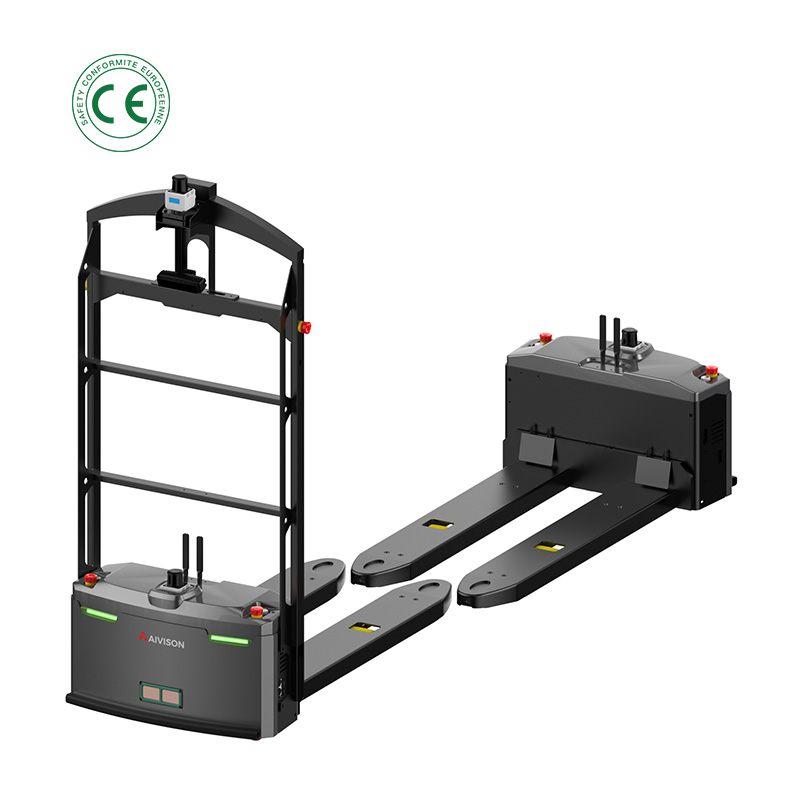
Aivison Customized 800kg Warehouse AGV Robot Lithium Battery AMR
Factory-customized warehouse AMR for repetitive material movement, lithium battery logistics and mixed-traffic intralogistics.

Customizable 1500KG Traction Capacity AGV Autonomous Mobile Robot Amr with Lidar Guided Sensor
Lidar-guided traction platform for heavier towed carts, racks and line-side replenishment in space-constrained facilities.
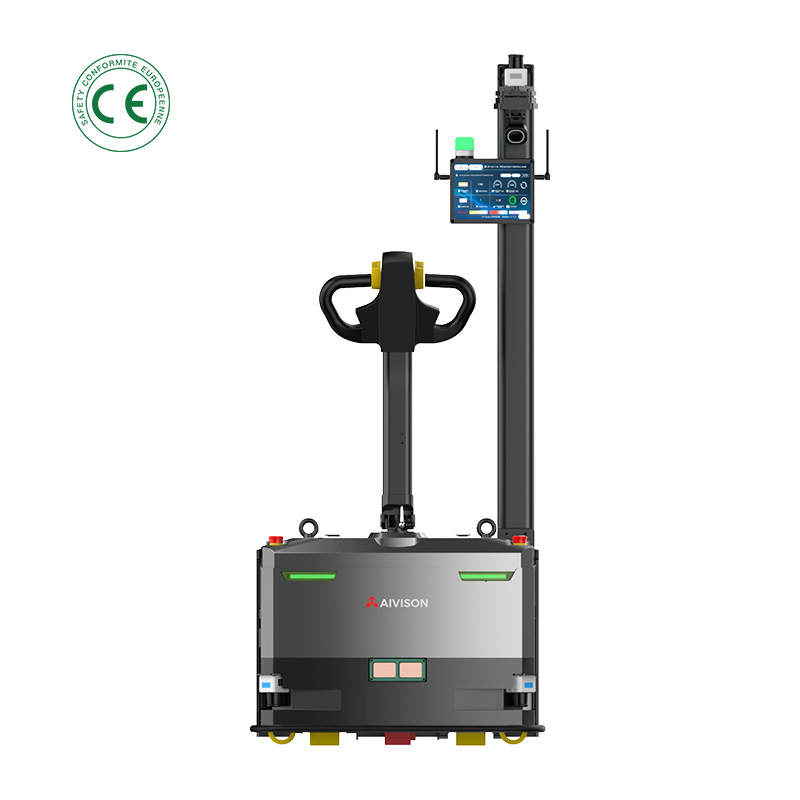
Autonomous Mobile Robot AGV CE Laser SLAM Navigation for Material Handling and Logistics
General-purpose laser SLAM AMR that maps natural features, avoids fixed tracks and supports flexible layout changes.

Heavy Load 2000KG Load Forklift Laser Guide AMR for Warehouse Pallet
Laser-guided pallet forklift AMR for high-load storage, dispatch lanes and repetitive put-away tasks.

Omnidirectional Humanoid Robot Chassis Dual 7-DOF Arms Laser SLAM Autonomous Warehouse AMR Mobile Platform
Mobile manipulator platform for machine tending, pick-and-place research and advanced composite robot projects.

Warehouse Robot Robotics 2000KG CE Warehousing Automatic Forklift Stacking AGV
Automatic stacking AGV for palletized goods, narrow storage zones and repeated high-bay transfer routines.
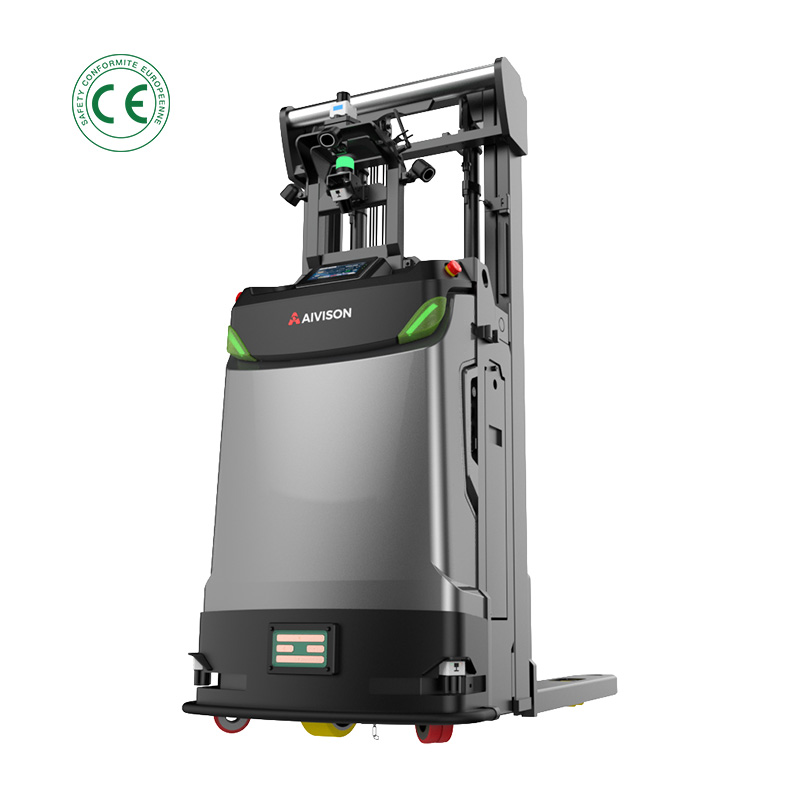
Smart Transport Robotic with Laser Navigation Reach 2000KG AGV Logistics Robots Warehouse Robot AMR
Reach-style logistics robot for pallet transfer, warehouse replenishment and multi-zone material flow.
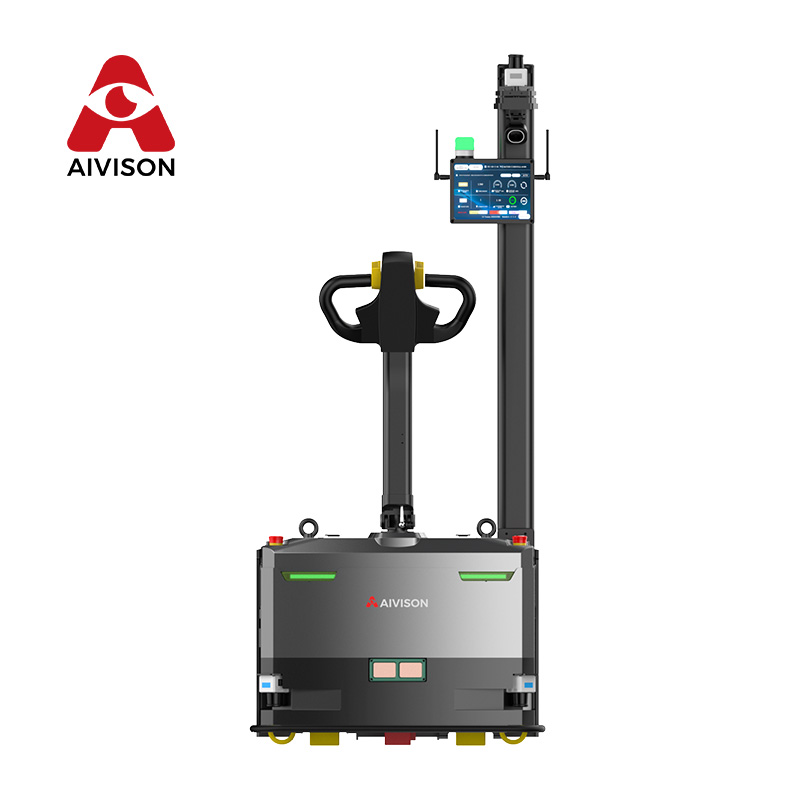
China Factory Movable Pallet Agv Robot Rack Shelf for Intelligent Robot Warehouse
Movable pallet rack and shelf configuration for intelligent warehouses that need flexible storage and robot access.
What Baguio Buyers Usually Mean by “Industrial Mobile Robot Arm”
The search phrase industrial mobile robot arm can represent three different buying intents. A warehouse manager may need an autonomous mobile robot that moves pallets; a production engineer may need a robotic arm mounted on an AMR for machine tending; while a distributor may simply want a China wholesale factory that can supply mobile robot platforms with optional arm modules. Clarifying that intent early avoids buying a transport robot for a manipulation task, or over-specifying a mobile manipulator for simple pallet transfer.
For Baguio and the wider Cordillera region, site conditions matter as much as payload. Many facilities have limited flat yard space, mixed pedestrian traffic, narrow aisles, and layouts that evolved around manual handling. A laser SLAM AMR that maps existing natural features can reduce infrastructure work, while a QR-assisted docking option gives millimetre-level repeatability only where a station truly needs it. If the task includes pick-and-place, a composite robot with a 6-axis or dual 7-DOF arm makes sense; if the task is pure movement, a jacking robot or smart forklift is usually more economical.
The buyer’s real question is not “Which robot is largest?” but “Which configuration lowers total cost of ownership after freight, installation, training, charging, spare parts and local support?” That is why a factory-direct quote should be built around your layout, load profile, throughput target and docking tolerance—not around a catalogue photograph alone.
Factory Capability at a Glance
Use these figures as a starting point for supplier comparison. They reflect the type of engineering, customization and fleet support that Baguio buyers should verify during due diligence.
About a decade of mobile robot manufacturing experience from a Shenzhen-based team.
Natural-feature navigation without magnetic tape, reflectors or floor QR codes for most transfer routes.
Deployments across three continents, including end users and system integrators.
Semiconductor, 3C electronics, lithium battery, photovoltaic, automotive parts, PCB, textile and medical devices.
Where an Industrial Mobile Robot Arm Fits Baguio and Cordillera Operations
Baguio is not a flat logistics park. It is a dense mountain city and regional trading hub serving Benguet, La Trinidad and wider Cordillera supply chains. The most successful automation projects start with small, controlled material-flow loops that can later scale into fleet operations.
Wholesale and Retail Replenishment
Move cases, pallets and shelves between receiving, stockroom and dispatch areas. A compact AMR or jacking robot can reduce manual pushing in narrow back-of-store zones where forklift access is limited.
Agri-Food Packing and Distribution
Baguio and La Trinidad handle high volumes of vegetables, fruit and food products. Mobile robots can support crate transfer, pallet staging and packing-line replenishment; chilled or humid rooms require an IP and condensation review before selection.
Light Manufacturing and Machine Tending
For electronics, food processing, furniture hardware or small parts assembly, a mobile manipulator can move between machines and perform repeatable pick-and-place tasks when fixtures and safety zones are properly engineered.
Healthcare and Pharmacy Logistics
Hospitals, pharmacies and medical distributors can use quiet, scheduled AMR runs for supplies, linen, sterile packs and prescription warehousing. Docking precision, cleaning protocols and emergency-stop behaviour should be reviewed early.
Third-Party Logistics and E-commerce
Fulfilment operations can deploy mobile robots for replenishment, parcel staging and outbound pallet movement. In Baguio, route planning should account for mixed pedestrian traffic, lift interfaces and changing seasonal volumes.
Education, Research and Integrator Labs
Universities, technical schools and local integrators can use mobile robot arms for automation training, research and demonstration. Factory-direct OEM support helps integrators add grippers, cameras, conveyors or application software.
Baguio Automation Trends That Affect Your Robot Purchase
Local buying decisions are shifting from isolated equipment purchases toward deployable systems with serviceability, fleet control and clear documentation.
Smaller, Space-Saving Automation
Limited flat land and high rental pressure encourage compact AMRs, jacking robots and narrow-aisle pallet movers over large fixed conveyor systems.
Integrator-Friendly Mobile Manipulation
Local integrators prefer modular platforms with documented interfaces, rather than closed systems that cannot accept a new gripper, camera or conveyor top.
Fleet Software, Charging and Electrical Fit
Wi-Fi fleet scheduling and automatic charging matter more as projects scale. For Philippine sites, confirm 220 V / 60 Hz charger configuration, earthing and spare-battery policy in the quotation.
Local Service Plus Remote Factory Support
Baguio buyers increasingly expect a local installation and maintenance partner backed by remote factory diagnostics, spare-parts planning and commissioning documentation.
Match Robot Arm Precision to the Baguio Workstation
Most projects do not need the same accuracy at every point. Use the lowest-cost navigation mode that satisfies the task, then add precision only at critical handover stations.
Laser SLAM ±5 mm
Best for warehouse transfer, line-side delivery, pallet staging and routes that change frequently.
- No magnetic tape, reflectors or floor codes on standard routes
- Fast mapping of existing aisles and traffic rules
- Works well for mixed human and vehicle environments
SLAM + QR Assist ±2 mm
Appropriate where a robot must enter a rack, charger, conveyor or machine interface with repeatable alignment.
- QR labels only where high precision is needed
- Useful for high-shelf storage and automated handover
- Balances infrastructure cost and docking reliability
Composite Robot ±0.05 mm
For mobile manipulators with a 6-axis or dual-arm module, machine tending and advanced assembly support.
- Requires station calibration and fixture discipline
- Suitable for semiconductor, medical device and precision work
- Should be justified by task repeatability and labour risk
A Practical Baguio Procurement Path: From Inquiry to Acceptance
Factory-direct supply works best when both sides exchange site data early. The process below is designed to reduce rework, shipping surprises and commissioning delays.
Share Site and Load Data
Provide a floor sketch, aisle widths, rack dimensions, maximum load, docking points, Wi-Fi coverage and target throughput. Photos of ramps, doors and charging locations help.
Define the Material Flow
Map pickup, drop-off, waiting, charging and exception zones. Decide where ±5 mm is enough and where QR assist or arm-level repeatability is required.
Confirm Configuration and Compliance
Select chassis, top module, battery strategy, charger voltage, safety sensors, fleet software and documentation. Confirm import responsibilities for the Philippines.
Factory Build and Test
Manufacturing includes multi-stage inspection and operational testing. For composite robots, station calibration and top-module integration should be agreed before shipment.
Freight to Manila or Clark, Then Baguio
Export logistics typically use a Philippine entry port followed by road freight to Baguio. Packing, insurance, customs clearance, duties and trucking should be quoted clearly.
Commissioning, Training and Aftercare
Local integrators can support installation while the factory provides remote guidance, documentation and spare-parts planning. Train operators on daily checks, map updates and safe recovery.
Why a Factory-Direct Robot Arm Wholesaler Can Be the Lower-Risk Choice
Shenzhen Marnix Intelligent Technology Co., Ltd. is a mobile robot manufacturer with about ten years of AGV engineering experience. Its portfolio includes laser SLAM AMRs, jacking robots, smart forklifts, composite mobile robots and intelligent charging docks for end users and system integrators.
Manufacturer-Level Customization
Chassis, payload, jacking units, roller conveyors, forklift forks and 6-axis arm modules can be engineered around the production line rather than forced into a standard fit.
Precision Without Floor Rework
Laser SLAM navigation reaches ±5 mm on natural features with no auxiliary tracks or floor codes. A QR scanning camera can raise docking accuracy to ±2 mm where the process demands it.
Fleet Software and Charging Ecosystem
Robots can be coordinated by an intelligent scheduling system over indoor Wi-Fi, enabling simultaneous task assignment, traffic control and automatic charging with compatible smart docks.
Verified Quality and Supply Record
Third-party verification includes a TÜV Rheinland onsite assessment and Fortune 500 supplier experience. Multi-stage inspections and operational stress tests target reliable uptime.
What Local Buyers Commonly Ask Before Importing a Mobile Robot
These are the practical procurement questions that decide whether a factory-direct robot becomes a productive asset or an underused demonstration unit.
Is there a local robot arm warehouse or showroom in Baguio?
Unless a specific distributor confirms stock, treat the supply model as factory-direct from China rather than local warehousing. That is not a disadvantage if the project includes clear freight, commissioning, spare-parts and support planning. Ask the supplier to identify which tasks are handled by the factory and which by a Philippine integrator.
What wholesale MOQ and lead time should a Baguio buyer expect?
MOQ depends on the platform and customization level. Standard mobile robot models may support low-volume wholesale discussions, while custom top modules or composite arms usually require a longer engineering and testing cycle. Lead time should be quoted after the layout, payload and docking requirements are confirmed; ocean freight and Manila-to-Baguio trucking should be shown separately.
Can an AMR handle Baguio’s narrow aisles, slopes and mixed traffic?
Yes, but it must be engineered. Provide aisle widths, door clearances, ramp gradients, floor condition and traffic rules. Laser SLAM robots can navigate existing environments, while safety sensors and speed limits are configured for mixed pedestrian traffic. Steep slopes, wet floors or uneven surfaces require a site survey before a model is recommended.
How is the robot shipped to Baguio, and who handles duties?
Typical logistics use sea freight to a Philippine entry port such as Manila or Clark, followed by road freight to Baguio or the Cordillera area. The commercial invoice should clearly state Incoterms, packing, insurance and customs responsibilities. Import duties, taxes, permits and final-mile trucking are usually the buyer’s responsibility unless a written agreement says otherwise.
Will the charger work with Philippine 220 V / 60 Hz power?
Electrical configuration must be confirmed in the quotation. Philippine sites commonly use 220 V / 60 Hz, so the charger, plug, protection and earthing arrangement should be specified before shipment. Do not assume a generic charger is suitable; request the electrical data sheet and confirm it with your facility engineer.
Can you customize a mobile robot arm for a local integrator?
Yes. Factory support can include chassis customization, jacking units, roller conveyors, forklift forks, camera or QR modules and 6-axis or dual-arm integration. For integrators, the most important deliverable is a clear interface package: dimensions, power, communication protocol, safety logic, CAD data and commissioning checklist.
Is a cool, humid Baguio warehouse suitable for these robots?
Standard indoor robots are generally selected for dry, clean warehouse and production environments. For chilled rooms, condensation-prone areas or wet food-handling zones, specify IP requirements, drainage, anti-corrosion treatment and maintenance intervals. A site survey should identify temperature range, humidity, cleaning chemicals and floor moisture.
How should I evaluate ROI before placing a wholesale order?
Start with missions per shift, average travel distance, labour hours displaced, error and damage rates, charging downtime and the cost of layout changes. Then compare a small pilot against a full fleet. The best Baguio projects usually start with one controlled loop, prove uptime and operator acceptance, and then add robots or top modules.
Get a Factory-Direct Quote for Baguio Delivery
Share your floor plan, maximum load, aisle width, docking precision, target throughput and preferred Philippine entry port. Our team can recommend a mobile robot platform, top module, charging strategy and documentation package for your Baguio or Cordillera project.
Get a Quote