China Wholesale AGV Charging Pile Factories & Wholesalers for United States
Source intelligent AGV charging piles, automatic charging docks, and charging-ready AMR/AGV platforms for U.S. warehouses, cleanrooms, automotive plants, and high-throughput distribution centers. Engineered by Shenzhen Marnix Intelligent Technology Co., Ltd. with trackless laser SLAM navigation, ±5 mm positioning, custom top modules, and fleet charging logic developed around real production lines.
Charging-Ready AGV & AMR Platforms for United States Buyers
The eight platforms below are the most requested starting points for U.S. projects that pair mobile robots with automatic charging piles. Every platform can be quoted as a factory-direct robot plus charging dock package, with voltage, connector, BMS communication, docking tolerance, and fleet scheduling configured around your site.

Laser SLAM Navigation Automated Guided Vehicle Forklift, 1500 kg Load Capacity
Trackless forklift AGV for pallet moves, trailer loading, and high-bay transfer. Pairs with opportunity-charging docks so the robot can recharge between missions without floor magnets or reflectors.
View product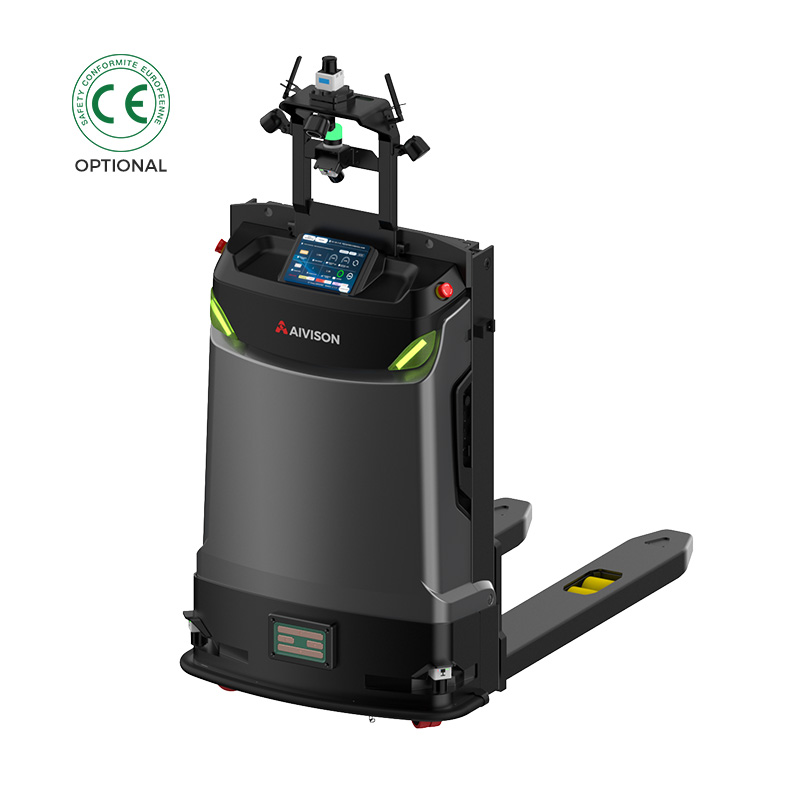
AGV AMR Warehouse Automatic Guided Vehicle 1500 kg / 2000 kg Robot Forklift
Heavy-duty warehouse platform for 3PL, food distribution, and manufacturing logistics. Charging interfaces and fleet ratios are sized around shift patterns, peak throughput, and battery capacity.
View product
Omnidirectional Humanoid Robot Chassis with Dual 7-DOF Arms
Mobile manipulator base for machine tending, electronics handling, and precision transfer. Charging dock integration keeps arm payloads available across shifts without manual battery swaps.
View product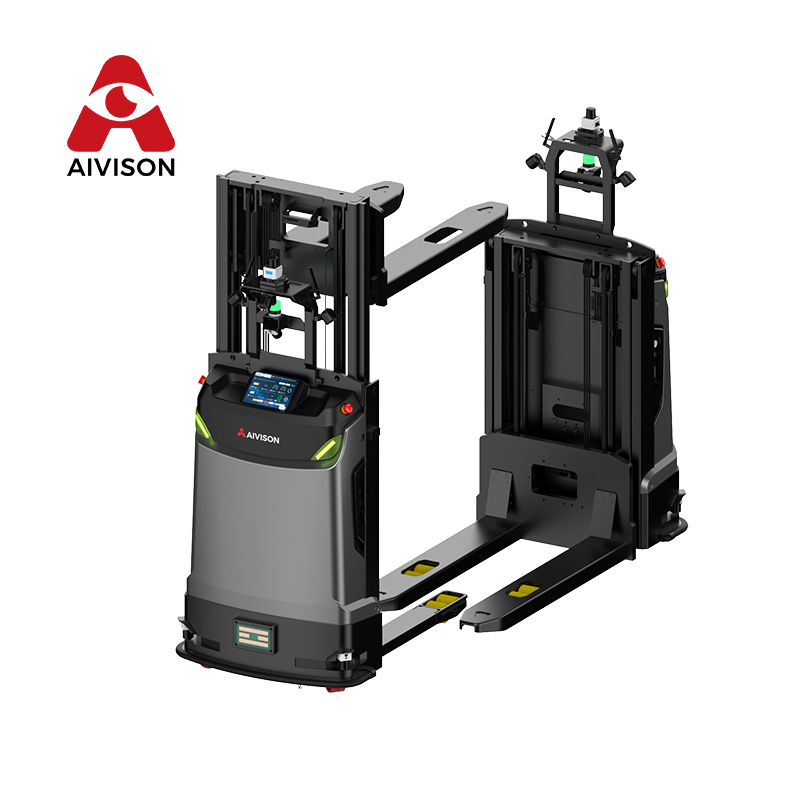
New Warehouse Autonomous Cars AGV Robot, 2000 kg Stacker
Stacker AGV for high-payload rack and pallet handling. Automatic charging pile integration supports 24/7 warehouse replenishment, trailer flow, and production line feeding.
View product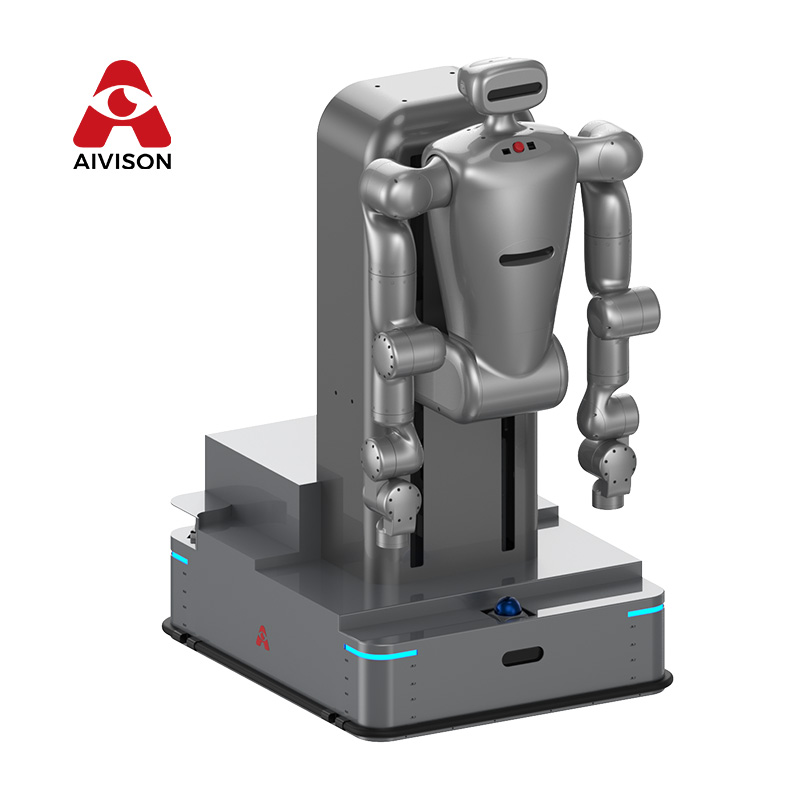
Omnidirectional Mobile Manipulator AMR, Dual 7-DOF Arms, ±0.03 mm Repeatability
For semiconductor, medical device, and electronics assembly. Charging station and BMS handshake can be configured to protect sensitive processes and reduce unplanned battery events.
View product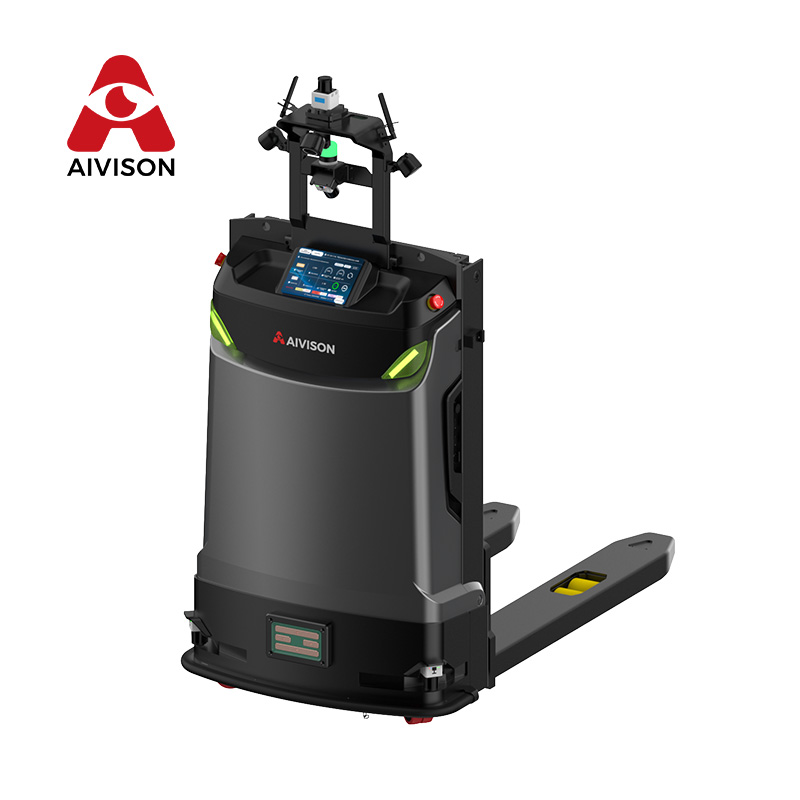
AGV AMR Autonomous Forklift Smart Version Auto Mobile Transfer Stacker
Vision-assisted autonomous forklift for pallet recognition and reliable fork entry. Charging piles can be placed at handover zones to reduce travel and increase productive hours.
View product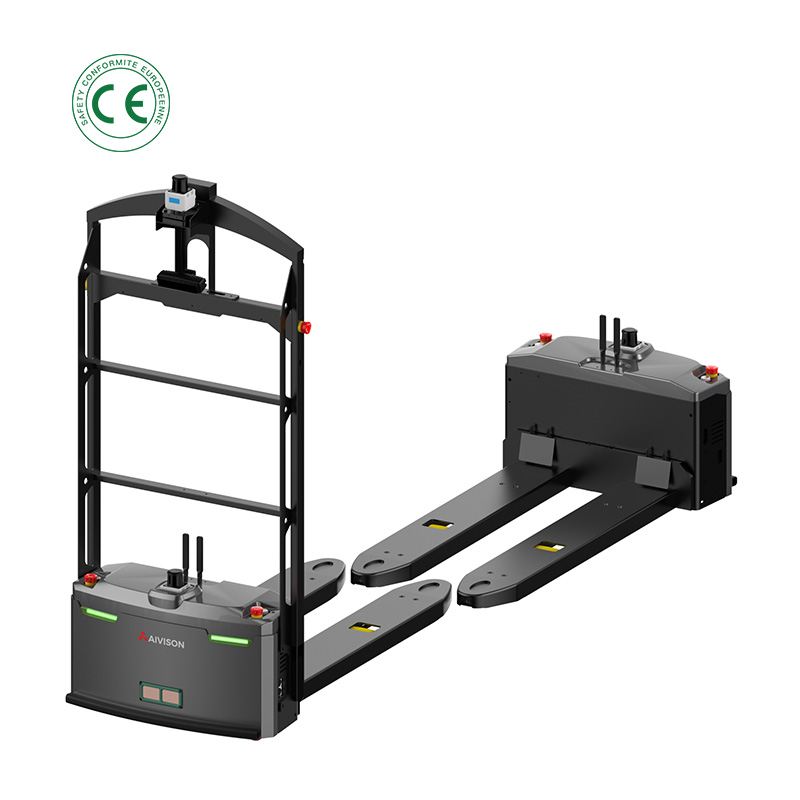
Warehouse Stacker CE Forklift AGV, 800 kg Light AMR Pallet
Compact 800 kg AMR pallet stacker for light manufacturing, narrow aisles, and growing U.S. warehouses. Low-power charging dock options can fit existing electrical rooms and phased automation plans.
View product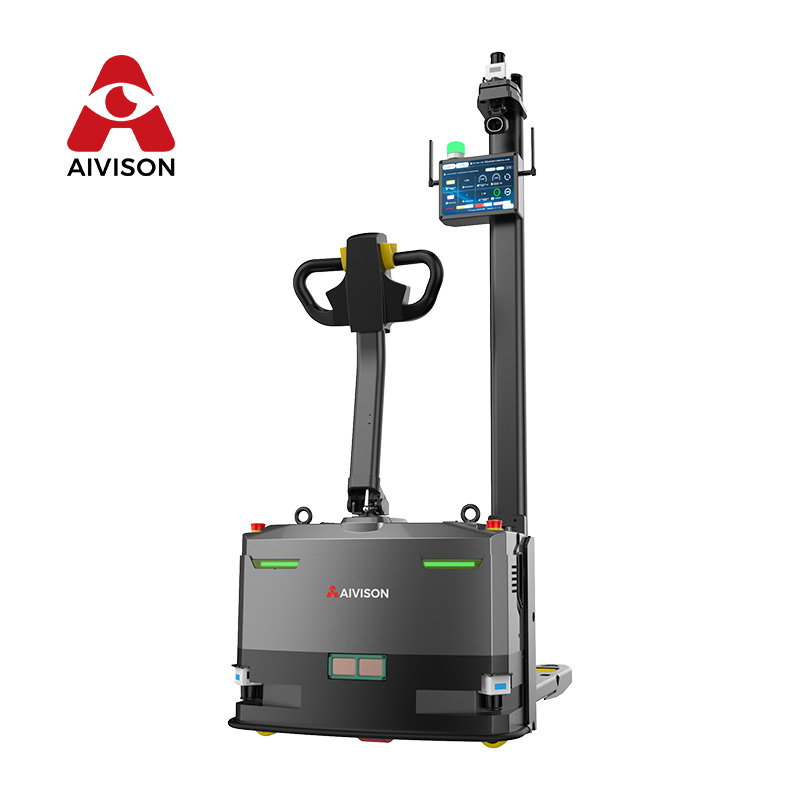
Customizable 1500 kg Traction Capacity AGV with LiDAR Guided Sensor
Traction AGV for cart, train, and line-side logistics, with customizable charging connector, fleet software, and top modules for U.S. production environments.
View productWhy an AGV Charging Pile Is a Strategic Purchase, Not a Commodity
In industrial mobile robotics, the phrase “AGV charging pile” usually refers to an automatic charging station, charging dock, or opportunity-charging post. It is not the same as a public EV charger. It is the interface that decides how often your fleet is available, how healthy the battery remains, and whether your U.S. site can pass electrical and safety reviews without rework.
U.S. buyers are not only purchasing hardware. They are purchasing uptime, electrical compatibility, battery lifecycle protection, spare-parts responsiveness, and documented quality. A low unit price on a charging pile can disappear quickly if the dock cannot communicate with the robot BMS, if the connector requires custom rework, or if the supplier cannot provide drawings, test records, and replacement modules. This is why serious wholesale sourcing starts with the factory’s robot-plus-charger engineering capability, not with a standalone price sheet.
How to Evaluate China Wholesale AGV Charging Pile Factories
Use these six dimensions to separate a true manufacturer from a trading intermediary and to reduce integration risk before your first U.S. deployment.
Robot-and-Charger Co-Engineering
The strongest suppliers design the AGV/AMR and charging interface together. Ask whether the factory controls navigation, docking, BMS communication, and fleet software under one engineering team. Marnix builds laser SLAM mobile robots, jacking robots, smart forklifts, composite robots, and intelligent charging docks from the same Shenzhen base.
U.S. Electrical Fit
Confirm 208 V, 240 V, or 480 V availability, single-phase or three-phase feed, breaker sizing, cable length, connector type, emergency stop, and lockout/tagout. The charger should be quoted against your electrical drawing, not just a generic voltage label. Ask for a site power map before shipment.
Safety File and NRTL Strategy
For U.S. sites, ask how the charging pile will support NFPA 70 and NFPA 79 requirements and whether NRTL-listed components are used where required. Wireless modules may also need FCC Part 15 consideration. Do not accept a blanket “certified” claim without a component list, drawings, and risk assessment.
Docking Precision and Repeatability
A charging contact is only reliable when the robot reaches it repeatedly. Marnix laser SLAM reaches ±5 mm without floor infrastructure; adding a QR code camera raises docking to ±2 mm, while composite robots with 6-axis arms can reach ±0.05 mm repeatability for demanding assembly work.
Fleet Charging Logic
Multiple robots should not queue at one charger while other stations sit empty. The fleet scheduling system should assign tasks, control traffic, manage opportunity charging, and coordinate automatic charging through compatible smart docks over indoor Wi-Fi.
Spares, Acceptance, and Support
Ask for factory acceptance test data, charging module spare parts, wiring schematics, maintenance intervals, and remote commissioning support. A wholesaler who cannot supply replacement contact modules or BMS communication details can turn a minor charger fault into a multi-week line stoppage.
Localized AGV Charging Pile Use Cases in the United States
Charging strategy changes with the building, shift pattern, labor model, and safety culture. These are the scenarios we review most often with U.S. buyers.
High-Bay Distribution and 3PL
Place charging piles at end-of-aisle transfer zones or battery rooms so robots recharge during natural dwell time. High-bay projects often need ±2 mm QR-assisted docking for repeatable handover and safer contact alignment.
Automotive Assembly and Parts
Line-side delivery demands predictable takt time. Charging docks can be positioned near cell boundaries or sequencing areas, with fleet software reserving enough battery capacity for peak production and shift changes.
Semiconductor and Electronics
Cleanroom and ESD-sensitive areas require careful charger placement, cable routing, and particle control. Composite robots with 6-axis arms can move between process tools, while charging schedules are designed to avoid interfering with lot priorities.
Lithium Battery, PV, and Energy Storage
High-value loads and battery safety make BMS communication, temperature monitoring, and designated charging zones important. Charging piles should be integrated into the site’s electrical and fire-safety review rather than treated as plug-in accessories.
Medical Device and Precision Assembly
For ±0.03 mm repeatability applications, charging should not interrupt delicate work. Mobile manipulators can use opportunity charging between jobs, while production planning reserves time for automatic docking and battery health checks.
E-commerce Fulfillment and Cross-Dock
High-volume sites need charger ratio planning, not just more robots. A small number of well-placed automatic charging piles, combined with fleet scheduling, can reduce travel to charging stations and keep sortation and cross-dock flow stable.
What U.S. Buyers Should Watch Before Ordering AGV Charging Piles
Procurement decisions made in 2025 will shape uptime, safety documentation, and spare-parts strategy for years. These four trends matter for factories, warehouses, and system integrators.
Flexible Automation and Reshoring
U.S. manufacturers are adding capacity without locking layouts into fixed conveyors. Laser SLAM robot fleets and modular charging docks can be redeployed as lines change, which is especially valuable in automotive, electronics, and energy-storage projects.
24/7 Operation and Opportunity Charging
Warehouses rarely want a single overnight charging window. Opportunity charging during natural idle time is increasingly preferred, but it requires reliable docking, BMS communication, and fleet software that prevents charger congestion.
Electrical Safety and Documentation
U.S. facility teams expect schematics, risk assessments, component lists, and clear lockout/tagout procedures. For charging piles, the evaluation should include NRTL-listed components where required, enclosure ratings, cable protection, and emergency stop logic.
TCO and Supply Chain Resilience
Buyers are comparing total cost of ownership: charger quantity, energy use, battery life, spare contacts, local service, and lead time. HTS classification and import duties should be reviewed with a customs broker. A factory that documents these details is easier to qualify.
AGV Charging Pile Specification Checklist
Use this matrix to structure the technical conversation with a China wholesale factory and to compare quotations on equal terms.
| Requirement | What U.S. Buyers Should Ask | What to Specify | Why It Matters |
|---|---|---|---|
| Site power | Is 208 V, 240 V, or 480 V available? Single-phase or three-phase? | Voltage, phase, frequency, breaker size, distance from panel, conduit path. | Prevents electrical rework and commissioning delays. |
| Charging strategy | Is the fleet using depot charging, opportunity charging, or a hybrid model? | Shift pattern, dwell time, average charge duration, charger ratio, peak throughput. | Sets fleet availability and charger count. |
| Docking tolerance | Does the robot need ±5 mm SLAM docking, ±2 mm QR-assisted docking, or higher precision? | Approach path, floor condition, station repeatability, contact design, calibration method. | Reliable contact and fewer failed charge attempts. |
| Communication | How does the charger communicate with the robot, BMS, and fleet manager? | Protocol, handshake logic, fault reporting, data logging, remote alarm requirements. | Protects battery health and simplifies service. |
| Safety and compliance | What documentation supports NFPA 70, NFPA 79, and site safety reviews? | Enclosure rating, emergency stop, interlock, component list, NRTL requirements, FCC considerations. | Reduces approval risk before installation. |
| Spares and acceptance | What is tested before shipment, and which spare modules are recommended? | Factory acceptance test, drawings, contact module spares, warranty terms, remote support plan. | Protects uptime after deployment. |
Plan Charger Quantity and RFQ Inputs Before You Contact a Wholesaler
Most project delays come from incomplete input data. These two planning tools help U.S. buyers move from “how much per charger” to a real deployment model.
First-Pass Charging Ratio Estimate
Use a simple planning formula to start the conversation with a factory. It is not a final design, but it exposes whether your fleet needs one charger, three chargers, or a distributed opportunity-charging layout.
Recommended chargers ≈ (number of robots × charging events per shift × average charge minutes) ÷ available charging minutes in the shiftAdd a 15–25% buffer for peak periods, battery aging, maintenance, and travel time to the charging pile. Then review the layout: a charger placed far from the work zone may be technically available but operationally useless.
For U.S. operations with multiple shifts, model both normal production and peak season. A design that barely works on a quiet Tuesday may fail during a holiday peak or a trailer-loading surge.
RFQ Inputs That Shorten Evaluation
- Maximum load weight, footprint, and center of gravity of racks, pallets, or carriers.
- CAD layout or sketch with aisle widths, doors, slopes, elevators, and charger locations.
- Missions per hour, peak periods, shift length, and break patterns.
- Docking points where ±5 mm is enough and where ±2 mm or higher precision is required.
- Existing Wi-Fi coverage, access points, and any dead zones in the robot operating area.
- Electrical room details, available voltage, panel capacity, and safety review requirements.
- BMS protocol, connector preference, spare-parts plan, and acceptance test expectations.

Why Marnix Is a Practical China Wholesale Partner for U.S. AGV Charging Projects
Shenzhen Marnix Intelligent Technology Co., Ltd. draws on about ten years of AGV manufacturing experience to build autonomous mobile robots that drop into existing factories with minimal disruption. For U.S. buyers, that means a single engineering source for the robot, navigation core, top module, and compatible intelligent charging dock.
- Manufacturer-level customization: chassis, payload, jacking units, roller conveyors, forklift forks, and 6-axis robotic arms can be engineered around your process.
- Laser SLAM with optional QR assist: ±5 mm trackless navigation, ±2 mm with a QR scanning camera, and ±0.05 mm repeatability for composite robots with a 6-axis arm.
- Fleet scheduling over indoor Wi-Fi: simultaneous task assignment, traffic control, and automatic charging through compatible smart charging docks.
- Quality protocol: multi-stage intelligent inspections and thousands of operational stress tests target near-zero failure rates before shipment.
- Verified supplier signals: TÜV Rheinland onsite assessment, supplier to a Fortune 500 company, transparent credit and trade records, and 200+ manufacturers served across three continents.
- Industries served: semiconductor, 3C electronics, lithium battery, photovoltaic, automotive parts, PCB, textile, and medical device production.

Common Questions U.S. Buyers Ask About AGV Charging Piles
These questions come from warehouse operators, plant engineers, and system integrators comparing China wholesale factories and charging-ready robot platforms.
What is an AGV charging pile, and is it the same as an EV charger?
No. An AGV charging pile is an industrial automatic charging station or charging dock for autonomous mobile robots. It is designed around robot docking repeatability, battery BMS communication, fleet scheduling, and factory safety procedures. A public EV charger is designed around human-operated vehicles and different connector and billing standards.
Can Marnix supply both AGV/AMR robots and charging docks from China?
Yes. Shenzhen Marnix builds laser SLAM AMRs, jacking robots, smart forklifts, composite mobile robots, and intelligent charging docks. This allows the charging interface, docking tolerance, and fleet software to be reviewed together instead of sourced from separate suppliers.
Do U.S. facilities need UL or NRTL-listed charging piles?
Many U.S. facilities require NRTL-listed components or a documented compliance pathway for installed electrical equipment. The final requirement depends on your authority having jurisdiction, insurer, and internal safety review. Ask the factory for component lists, wiring diagrams, enclosure ratings, and risk assessment documents. Marnix can support project-specific documentation discussions; the exact certification scope should be confirmed during engineering review.
How many AGV charging piles does a fleet need?
Start with the charging ratio formula above, then validate with real shift data. The number depends on robot count, battery capacity, mission cycle, dwell time, travel distance to the charger, peak throughput, and whether the site uses depot charging or opportunity charging. A 15–25% buffer is a reasonable first-pass planning allowance.
Can charging piles be customized for 480 V, different connectors, and BMS communication?
Customization should be reviewed against the robot’s battery and charger architecture. U.S. projects often require specific voltage, connector, cable, and communication details. Provide your site power map, robot model, battery information, and safety requirements so the factory can quote the correct configuration rather than a generic export version.
How do we reduce import risk, tariffs, and shipping damage?
Ask for export packaging details, loading photos, wooden-case specifications, and a pre-shipment inspection report. Review HTS classification and any applicable duties with a licensed U.S. customs broker. For high-value charging equipment, specify shock indicators, moisture protection, and spare contact modules in the shipment.
What information is needed for a fast quotation?
Send payload, load footprint, site layout, aisle widths, throughput target, shift pattern, docking precision, existing Wi-Fi coverage, electrical voltage, connector preference, and target commissioning date. Email info@marnixbot.com or use the catalog request button to start a project review.
How are commissioning and after-sales support handled for U.S. projects?
Support can include remote commissioning guidance, drawings, configuration files, spare-parts recommendations, and documentation for site acceptance. For larger fleets, coordinate with a local integrator for installation and service while Marnix provides robot, charger, and fleet software support from the factory side.
Get a U.S.-Ready AGV Charging Pile Shortlist
Share your load profile, site power, shift pattern, and docking tolerance. Marnix engineers will recommend a factory-direct robot and charging dock configuration for your United States project.
info@marnixbot.com